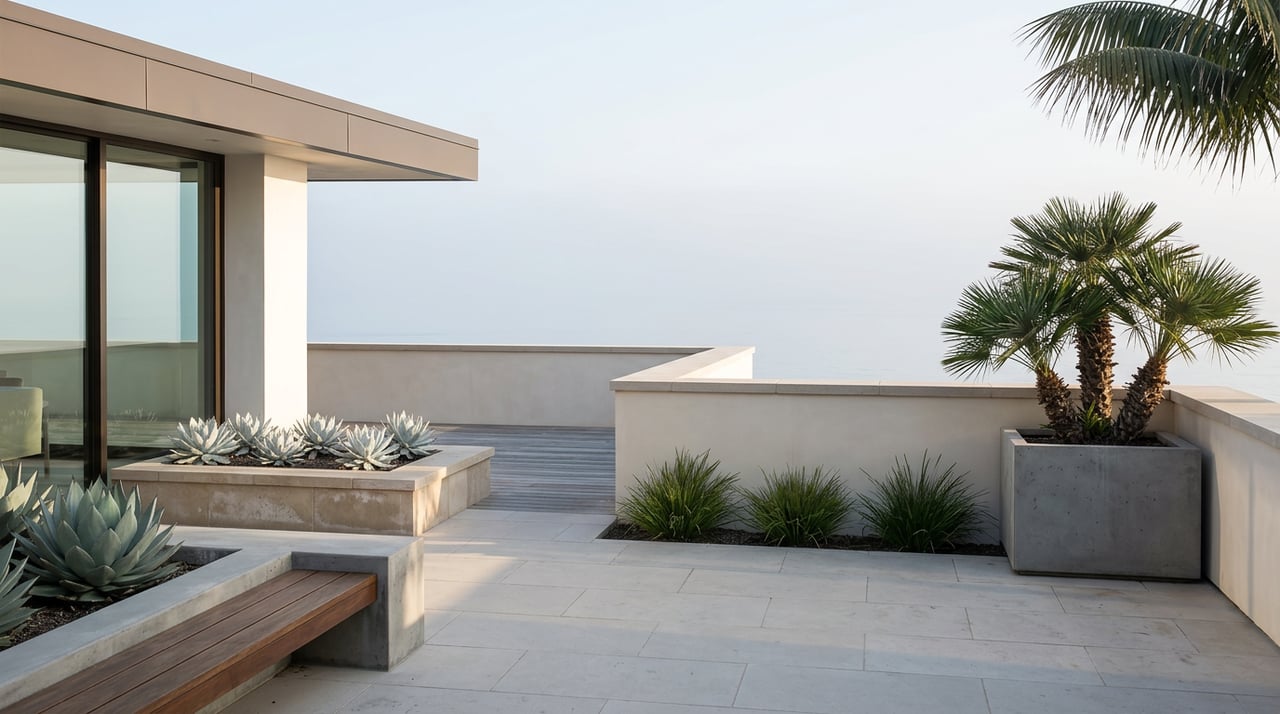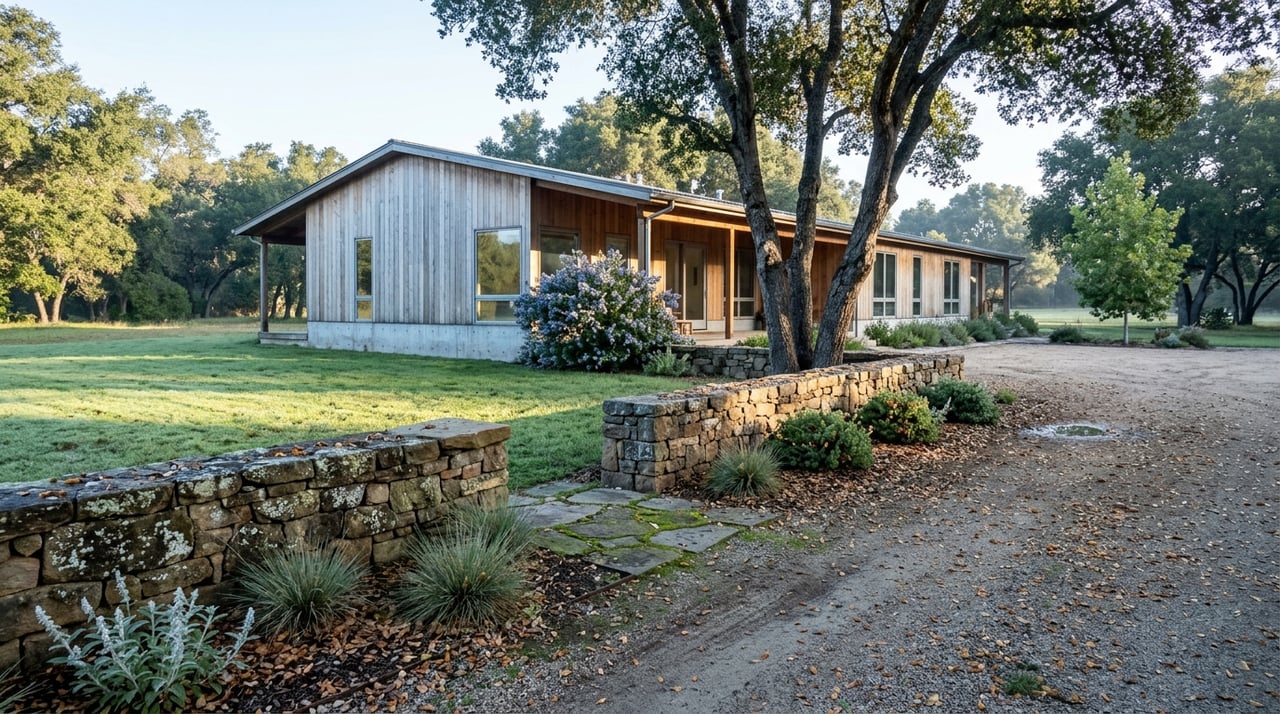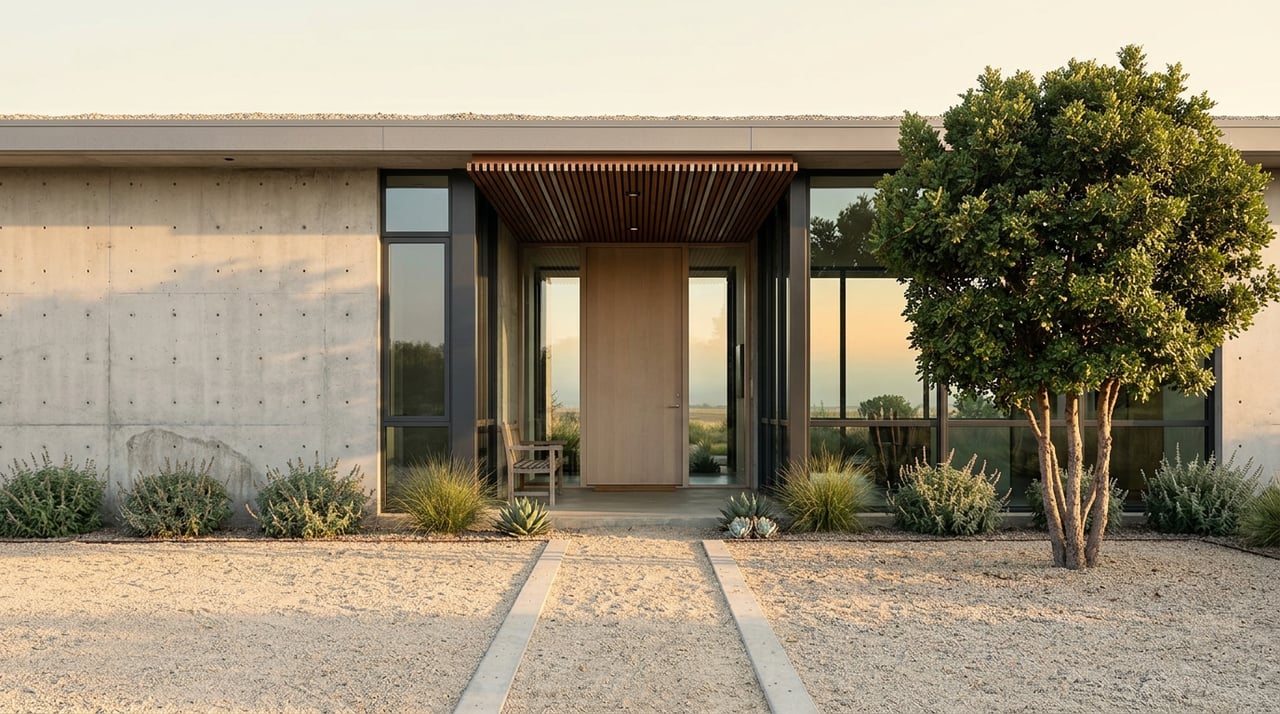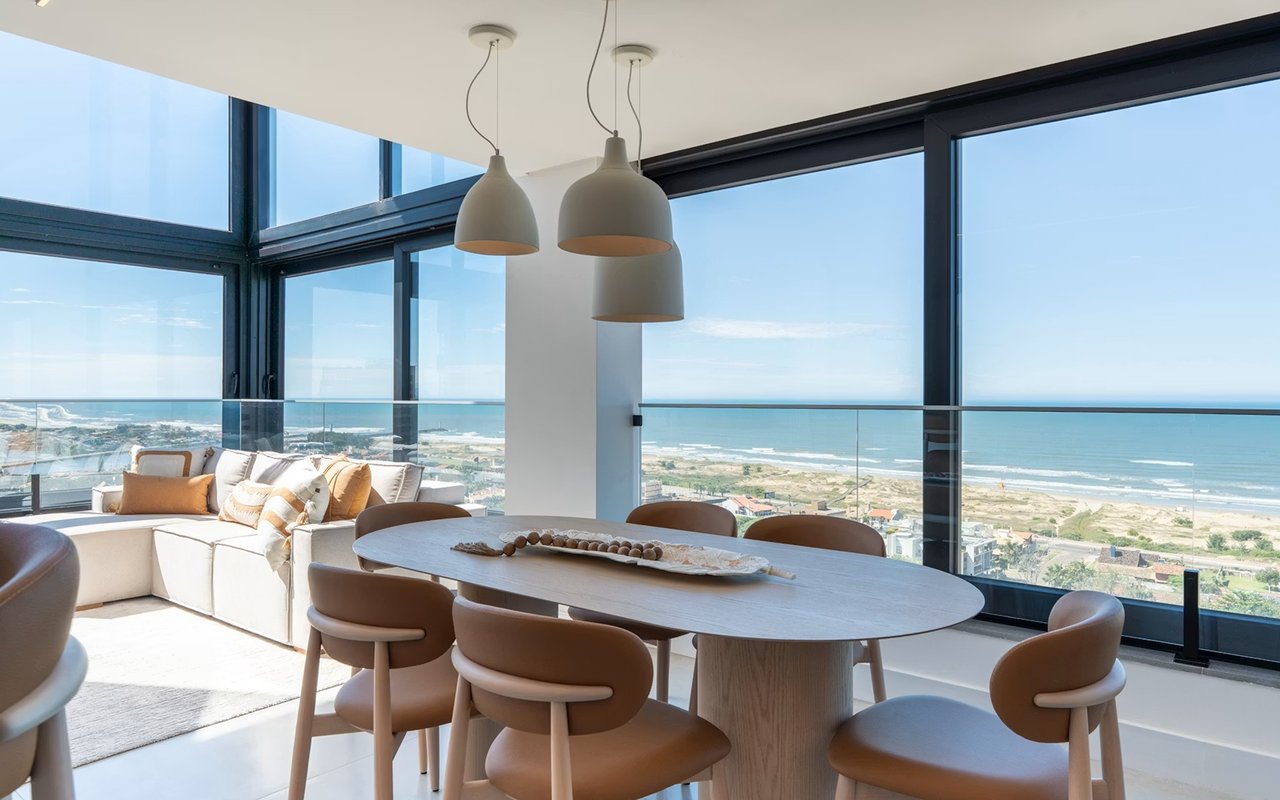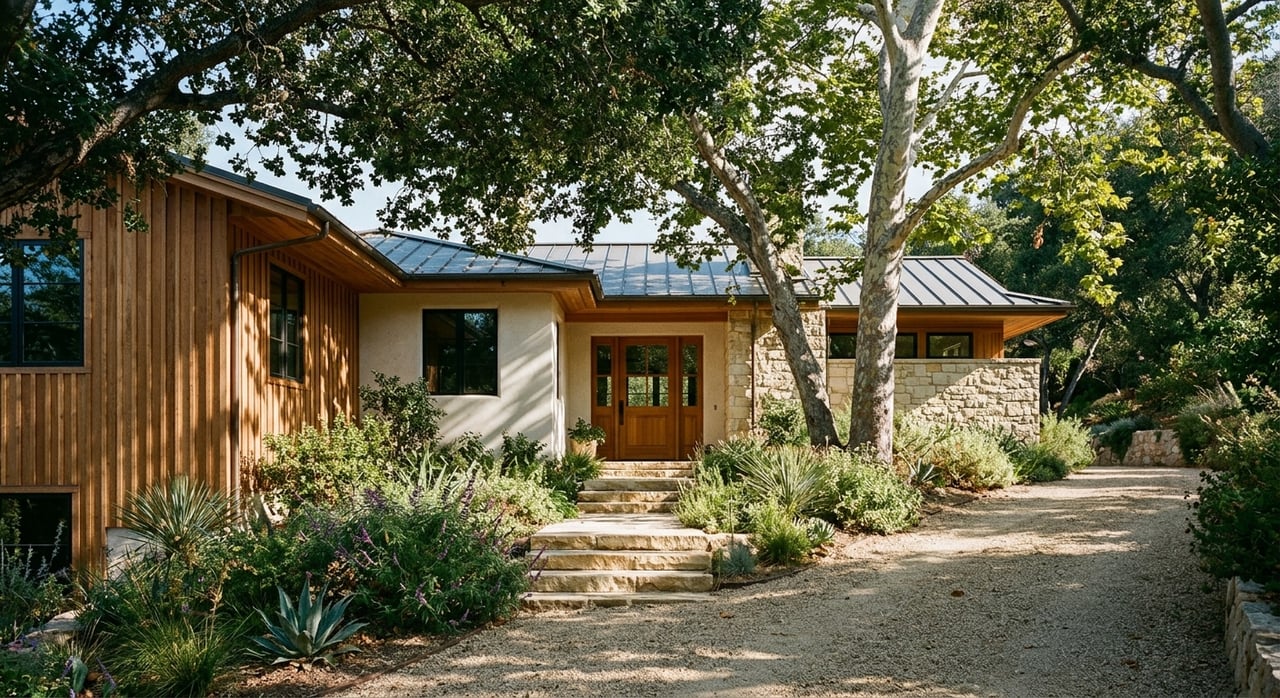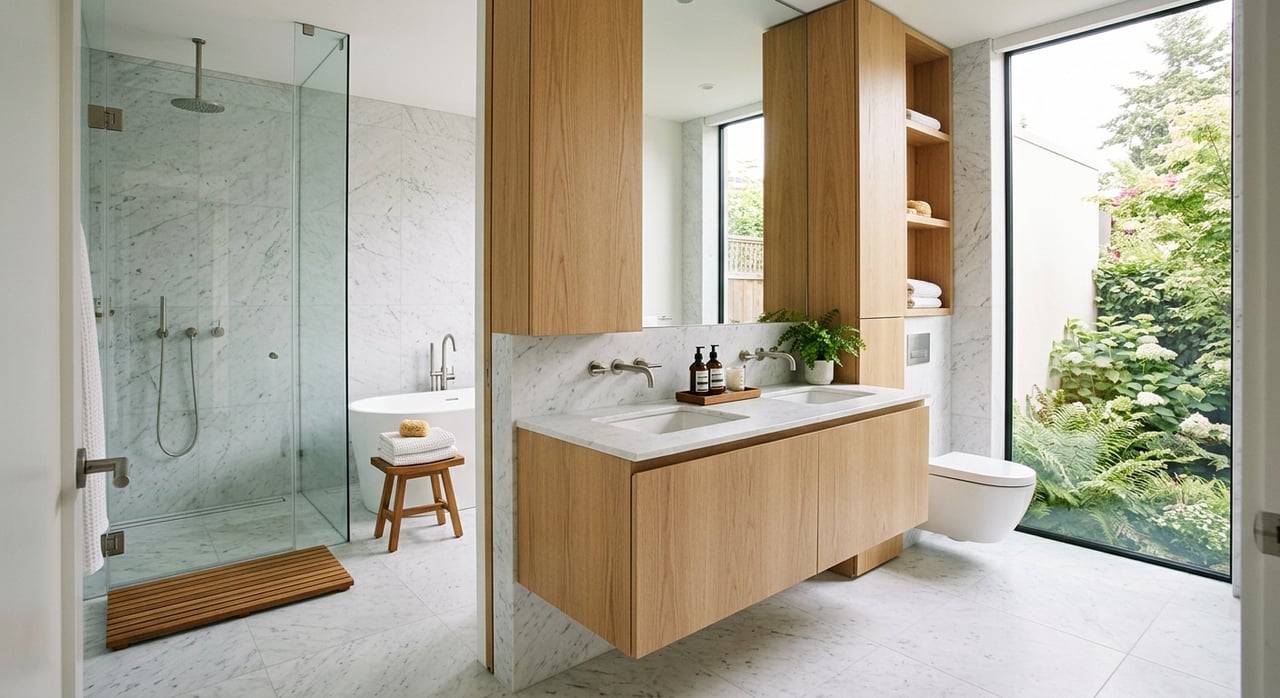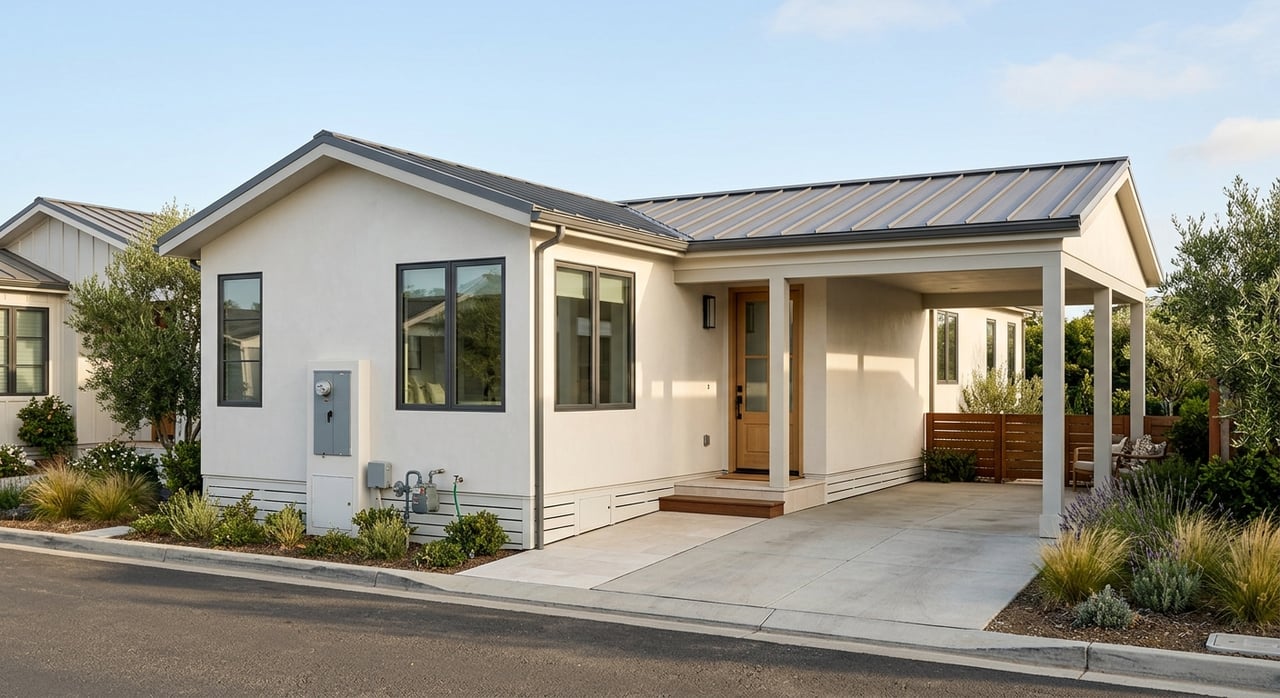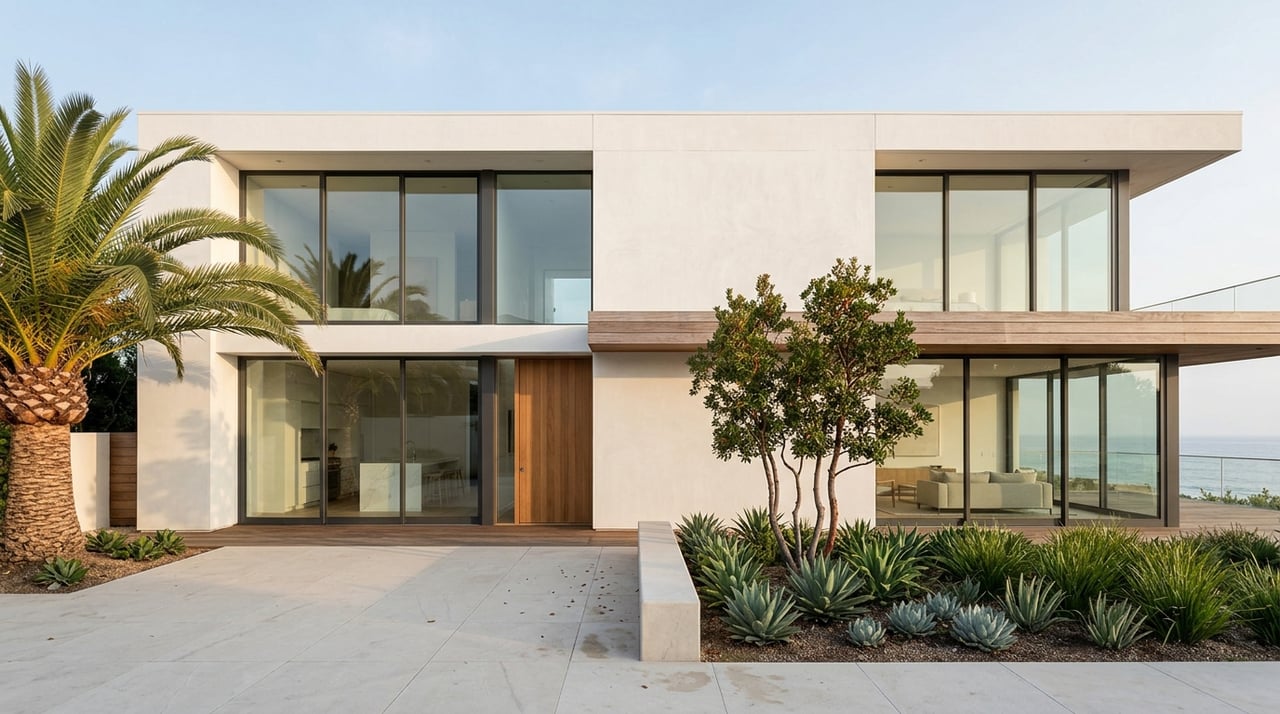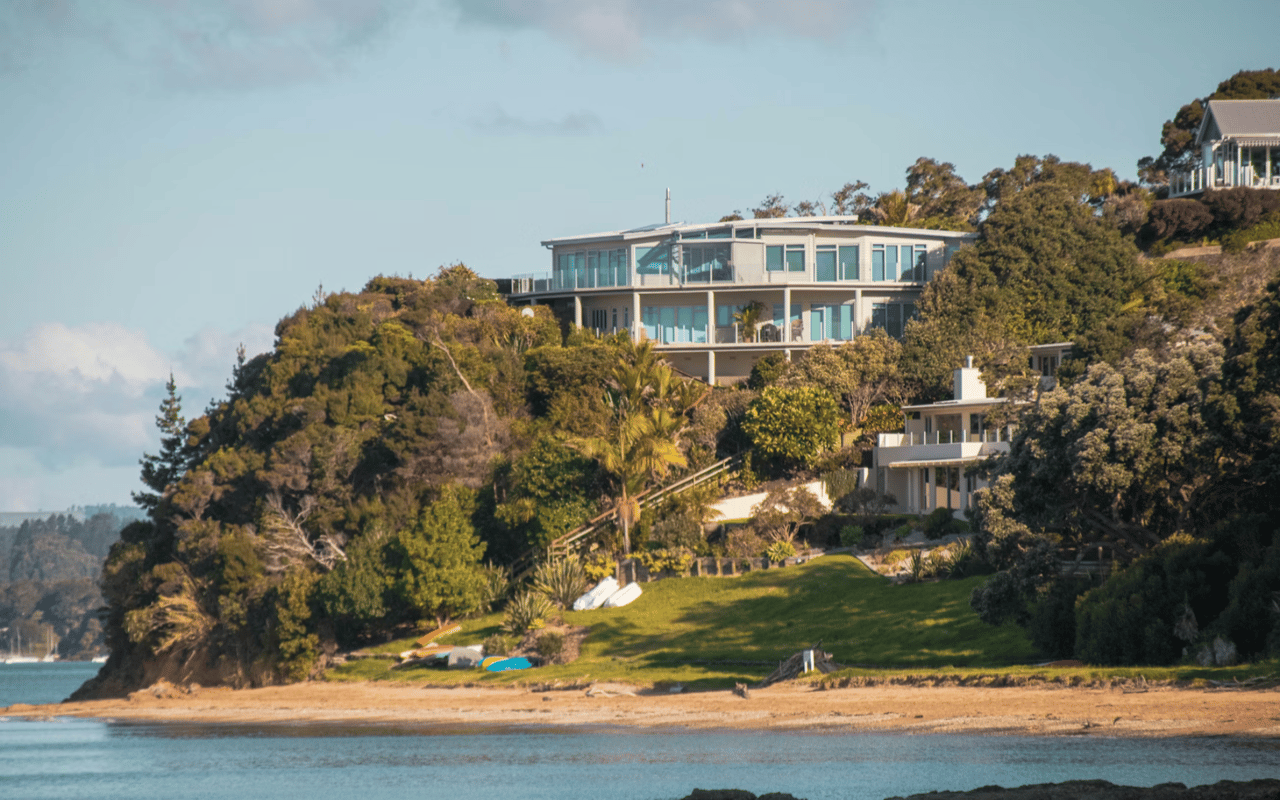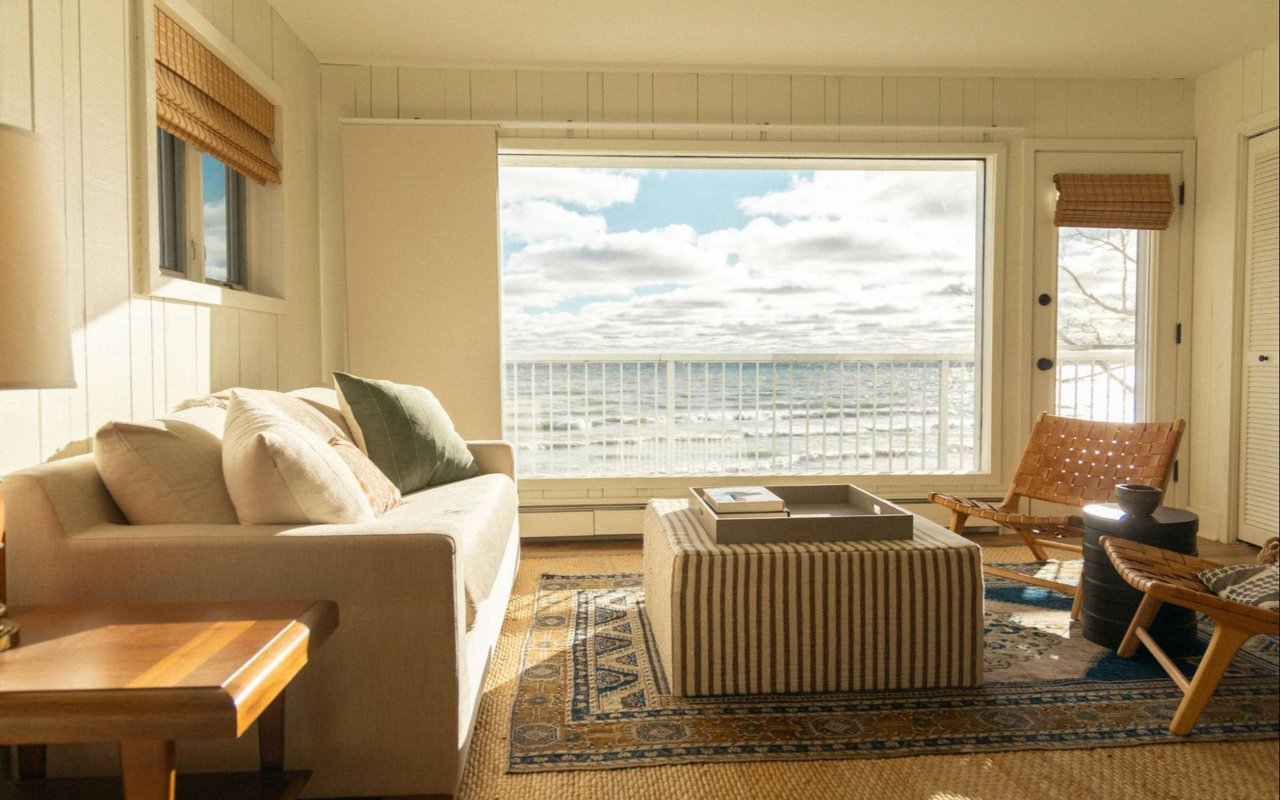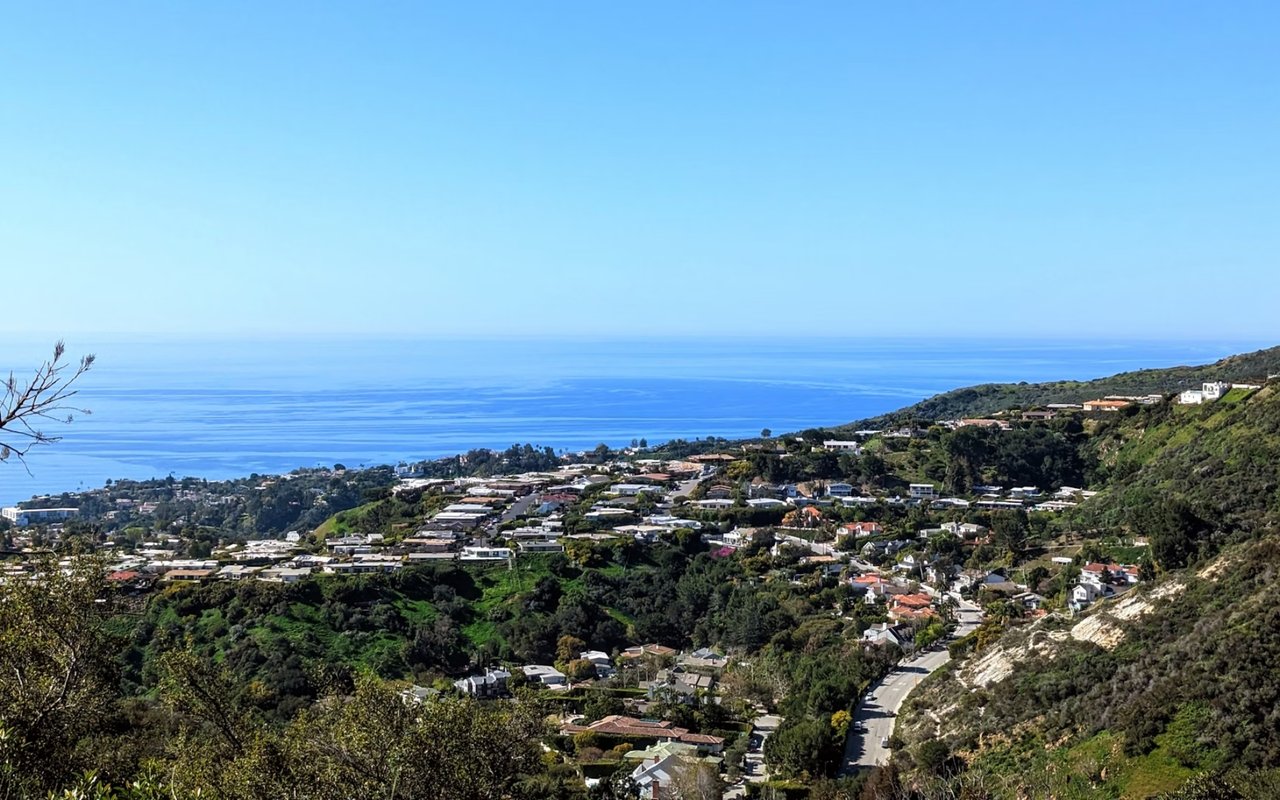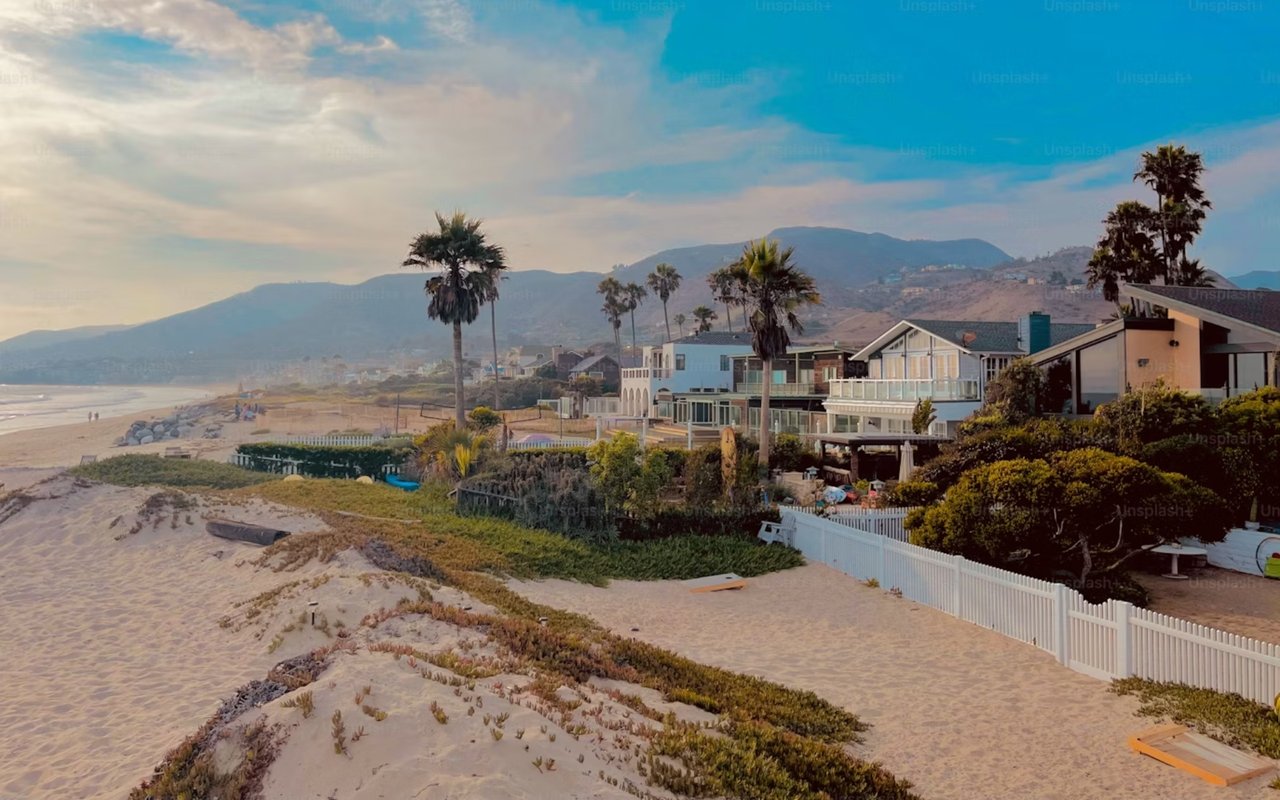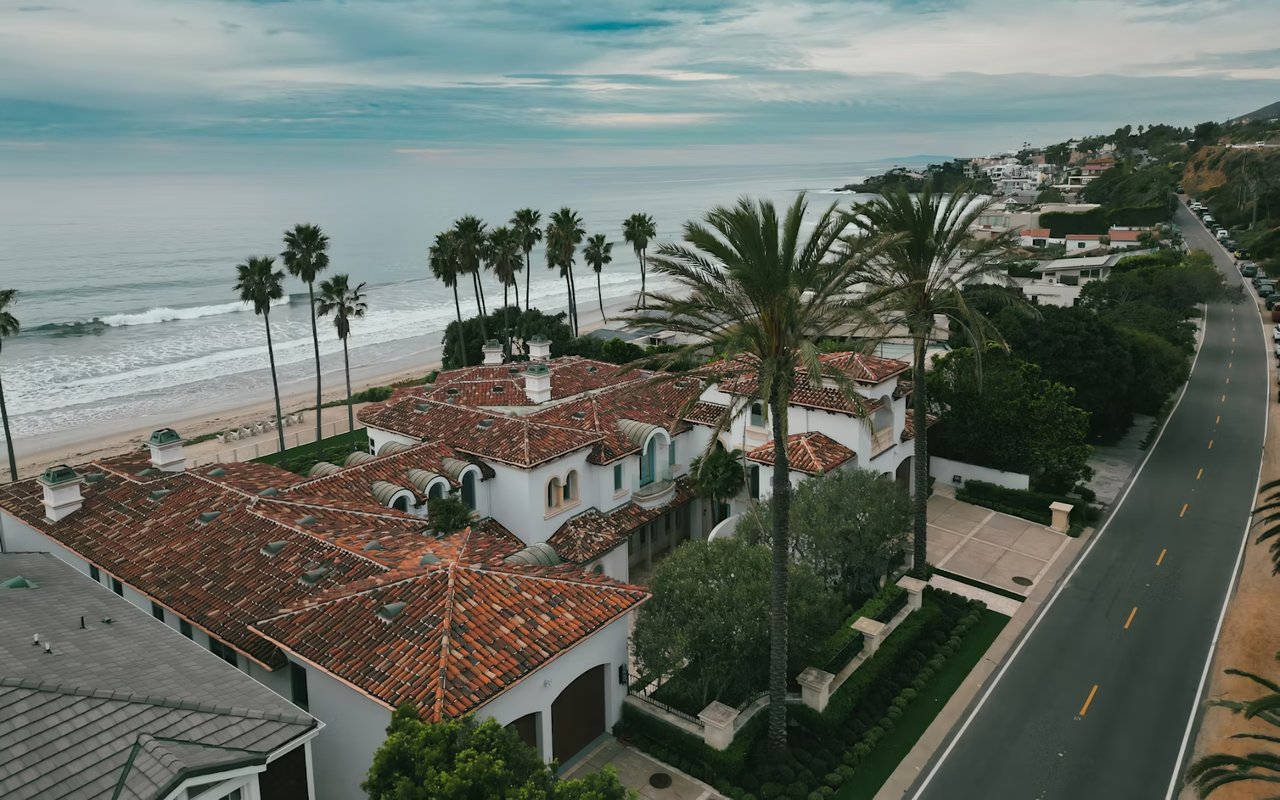

Trying to choose between Santa Monica and Malibu? At first glance, both offer ocean views, beach access, and a coveted stretch of the California coast. But once you look at how each place actually lives day to day, the difference becomes much clearer. If you want your next move to match your routine, priorities, and pace, this guide will help you sort through the tradeoffs. Let’s dive in.
Santa Monica vs. Malibu at a Glance
Santa Monica and Malibu share the same coastline, but they support very different lifestyles. Santa Monica had an estimated 90,729 residents in July 2024, while Malibu had about 10,298, according to U.S. Census QuickFacts. That size difference shows up in everything from housing options to daily mobility.
Santa Monica is the more mixed-use, transit-connected city. Malibu is smaller, more owner-occupied, and shaped more by Pacific Coast Highway, canyon roads, and single-family coastal living. If you are deciding between the two, the real question is not just where you want to live, but how you want to live.
Housing Types Feel Different
Santa Monica offers a broader mix of housing stock. The city’s housing planning documents describe single-unit homes, bungalows, courtyard apartments, condominiums, and larger mixed-use apartment buildings across different parts of the city. That variety can give you more options if you want to balance budget, location, and lifestyle.
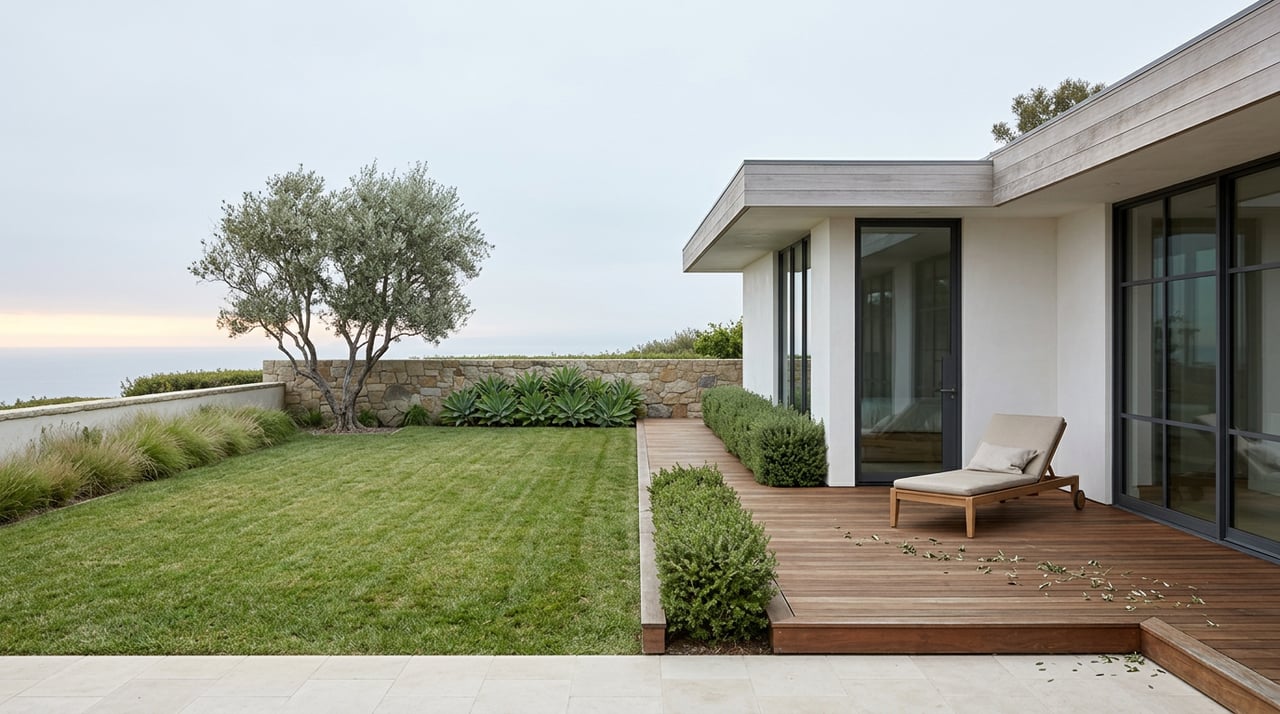
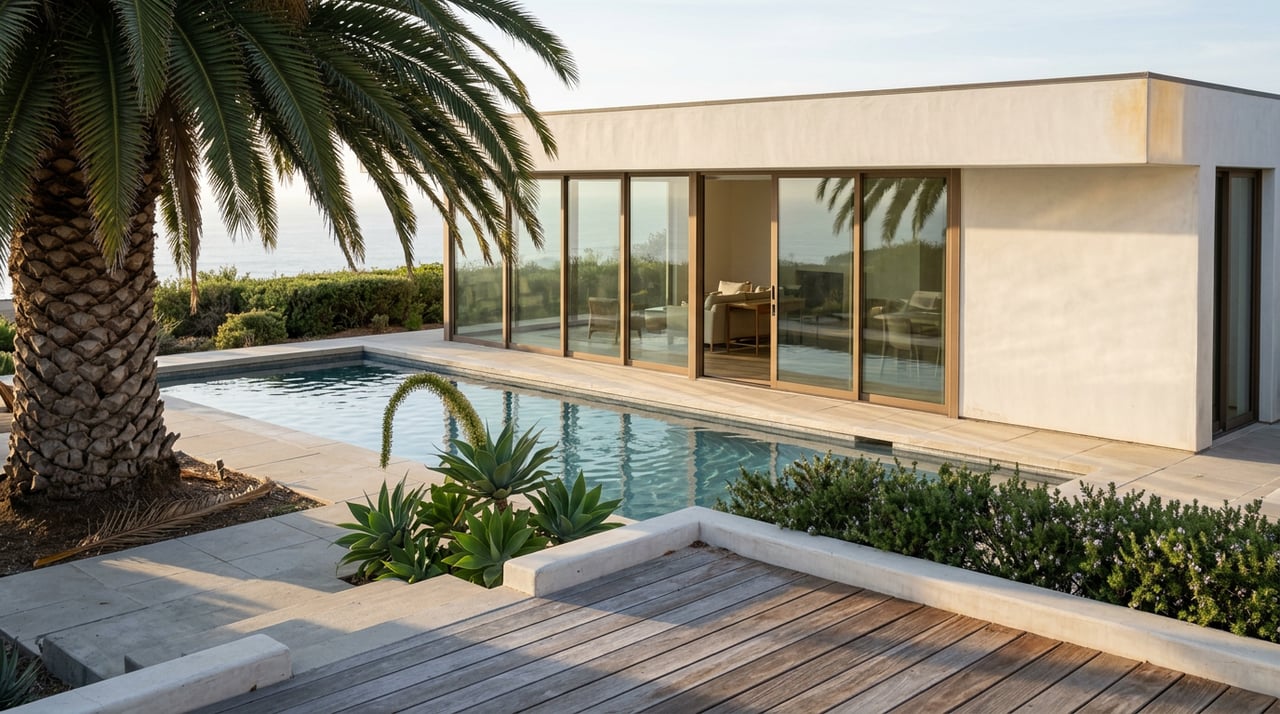
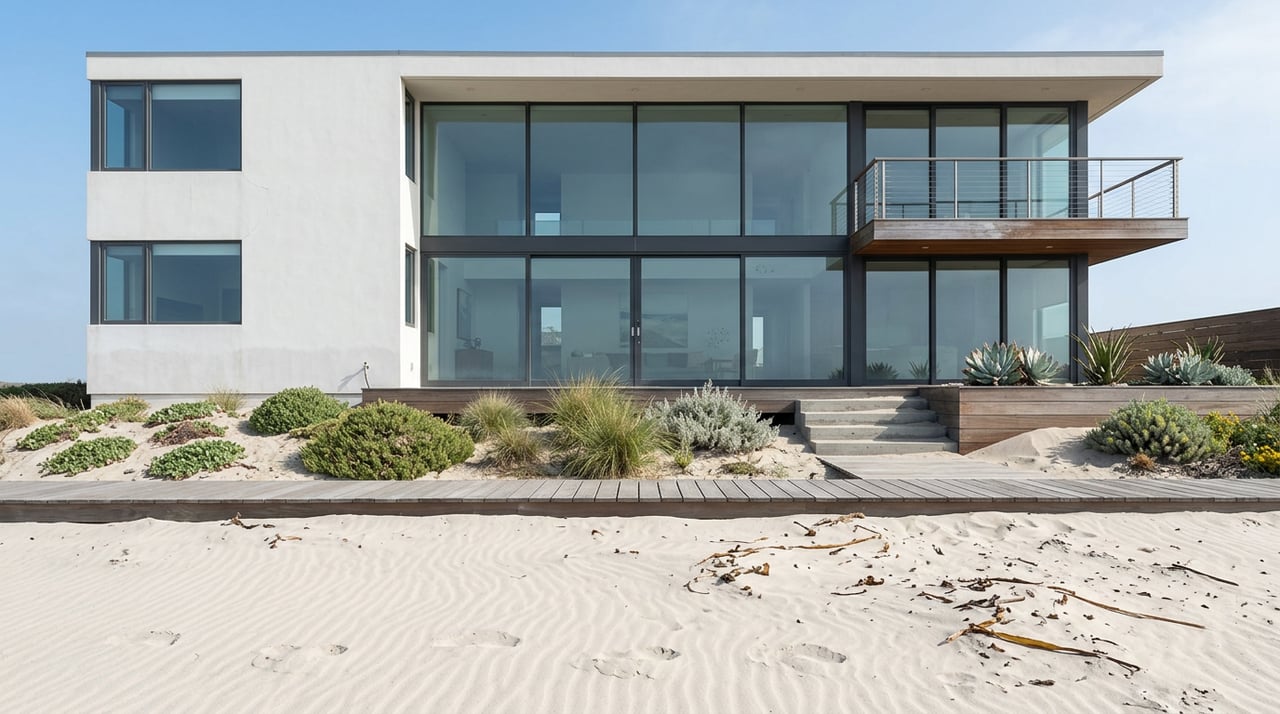
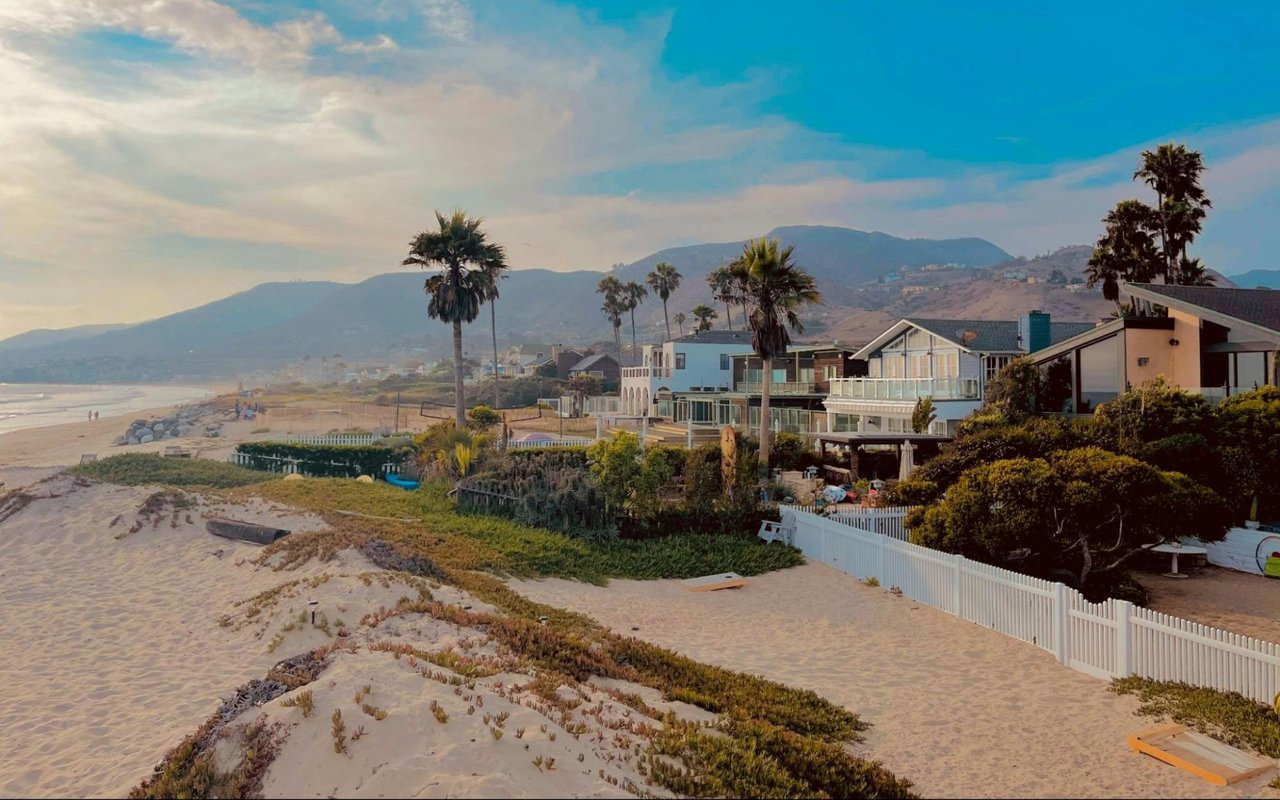
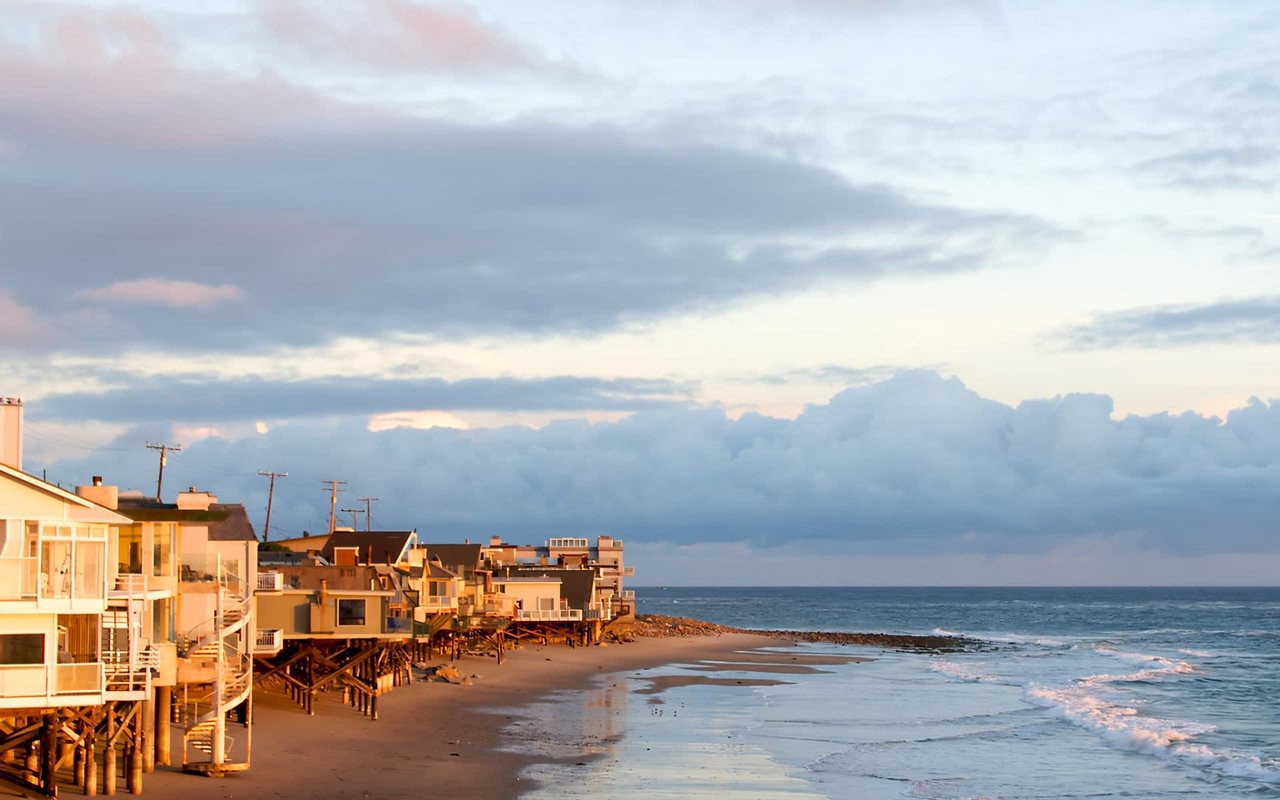
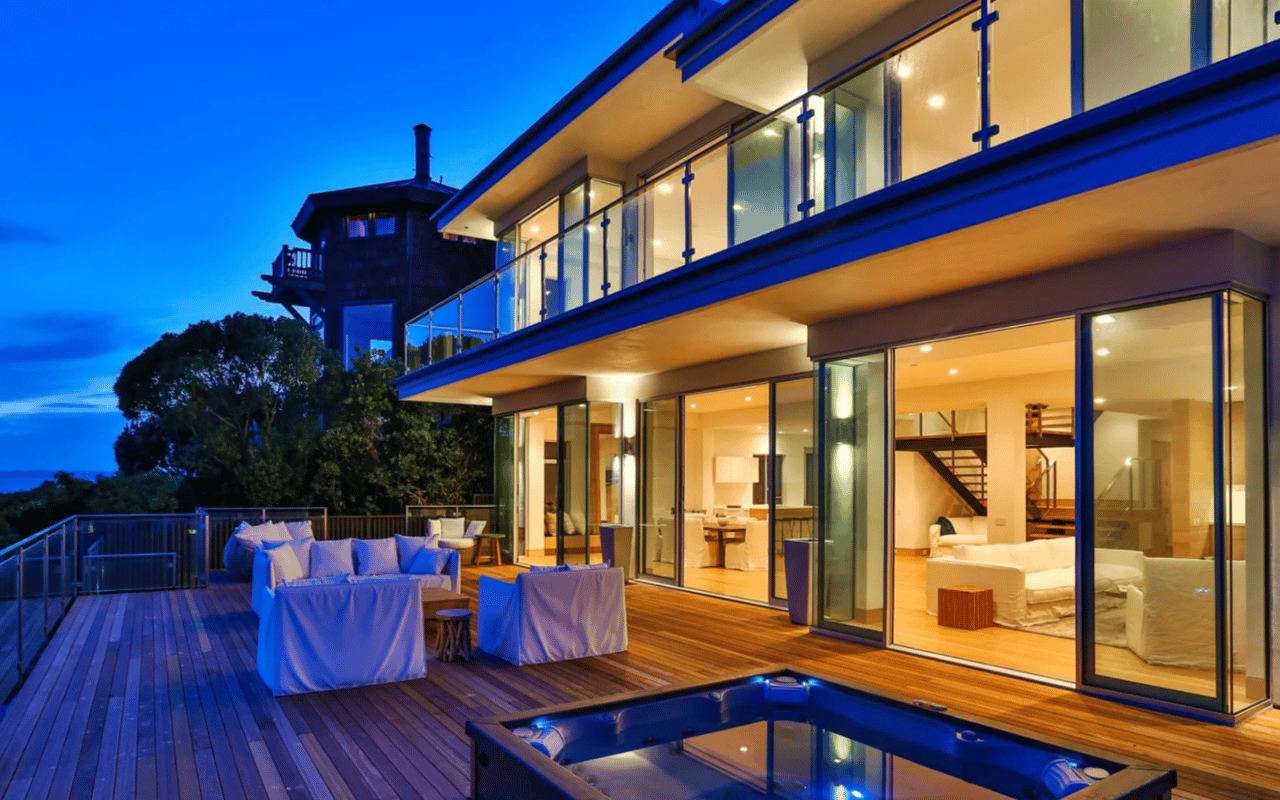
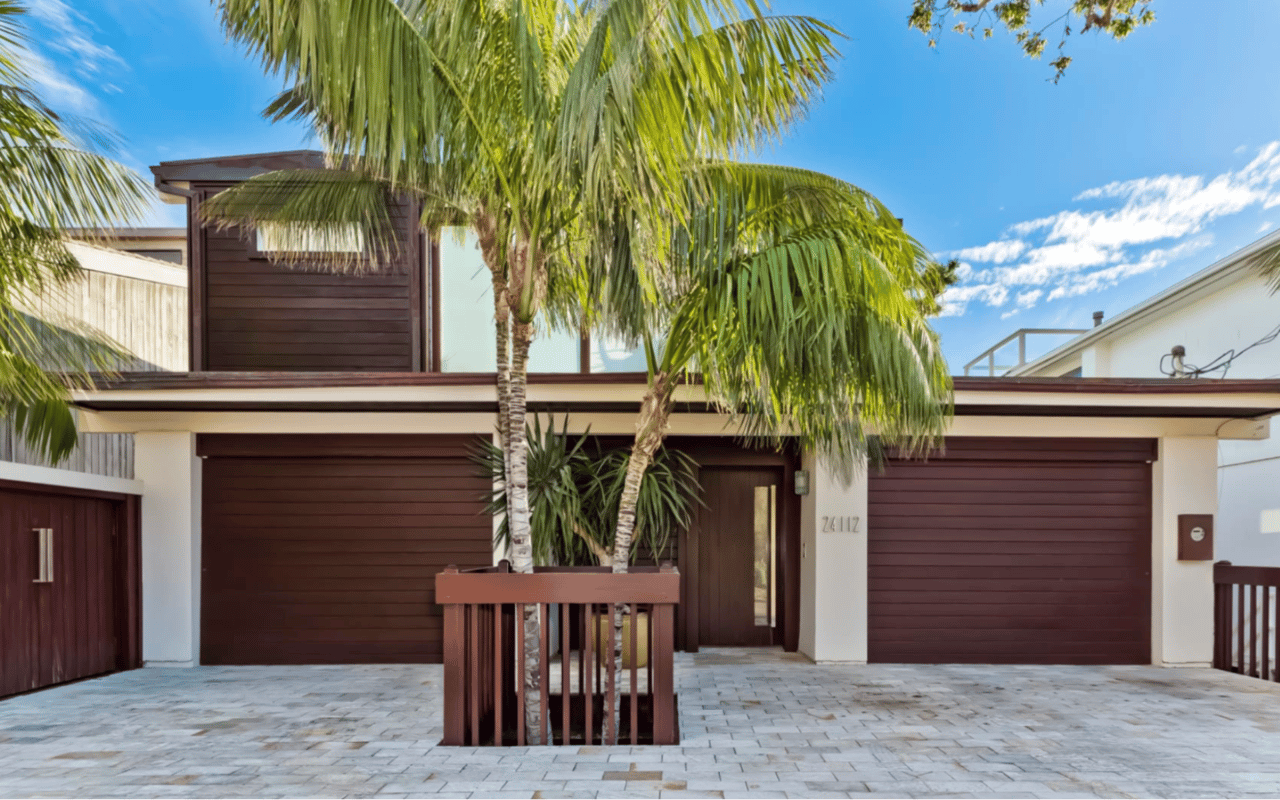
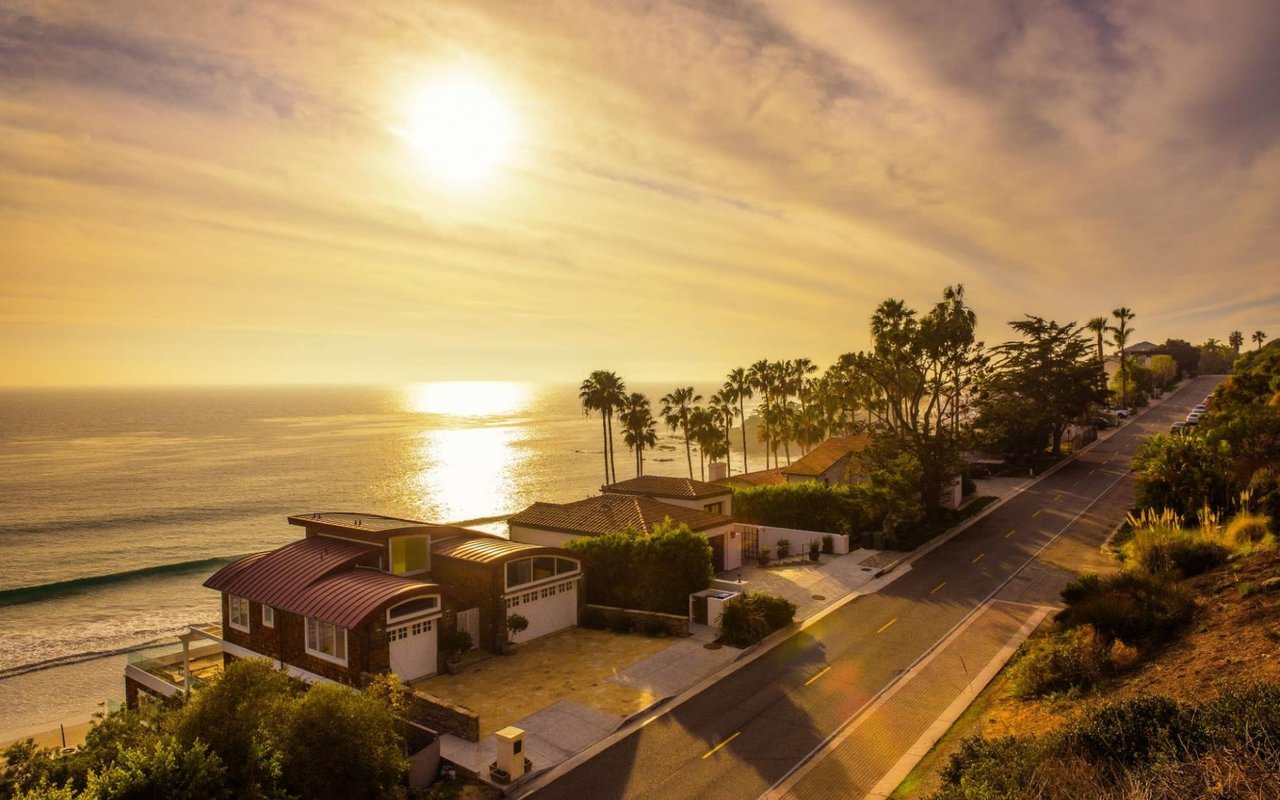
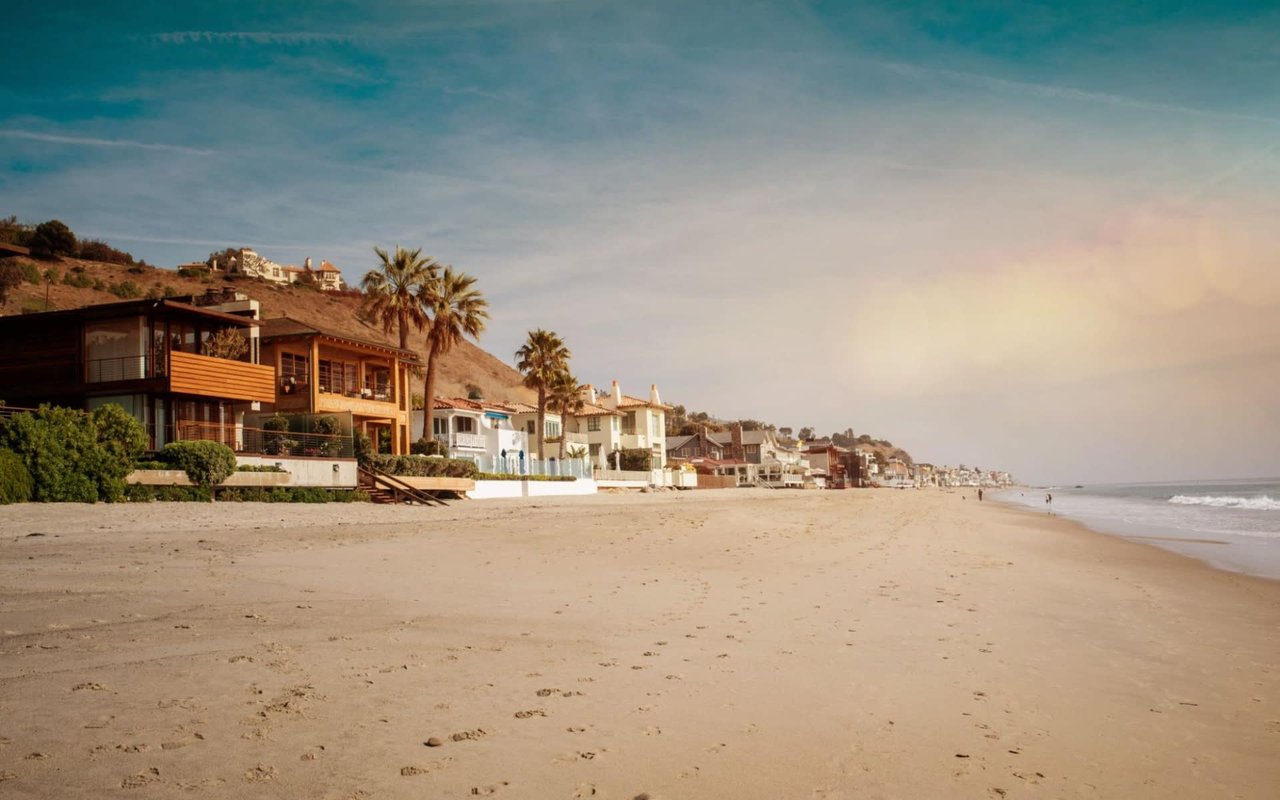
Malibu’s housing pattern is much more single-family oriented. Its housing element points to development that is largely focused on single-family homes and accessory dwelling units, with limited multifamily activity. That creates a very different inventory experience for buyers who want space, privacy, or a more residential coastal setting.
The ownership picture also helps explain the difference. Census QuickFacts shows Santa Monica with a 27.9% owner-occupied housing rate, compared with 75.4% in Malibu. In practical terms, Santa Monica tends to feel more multi-unit and mixed-tenure, while Malibu tends to feel more owner-occupied and low-density.
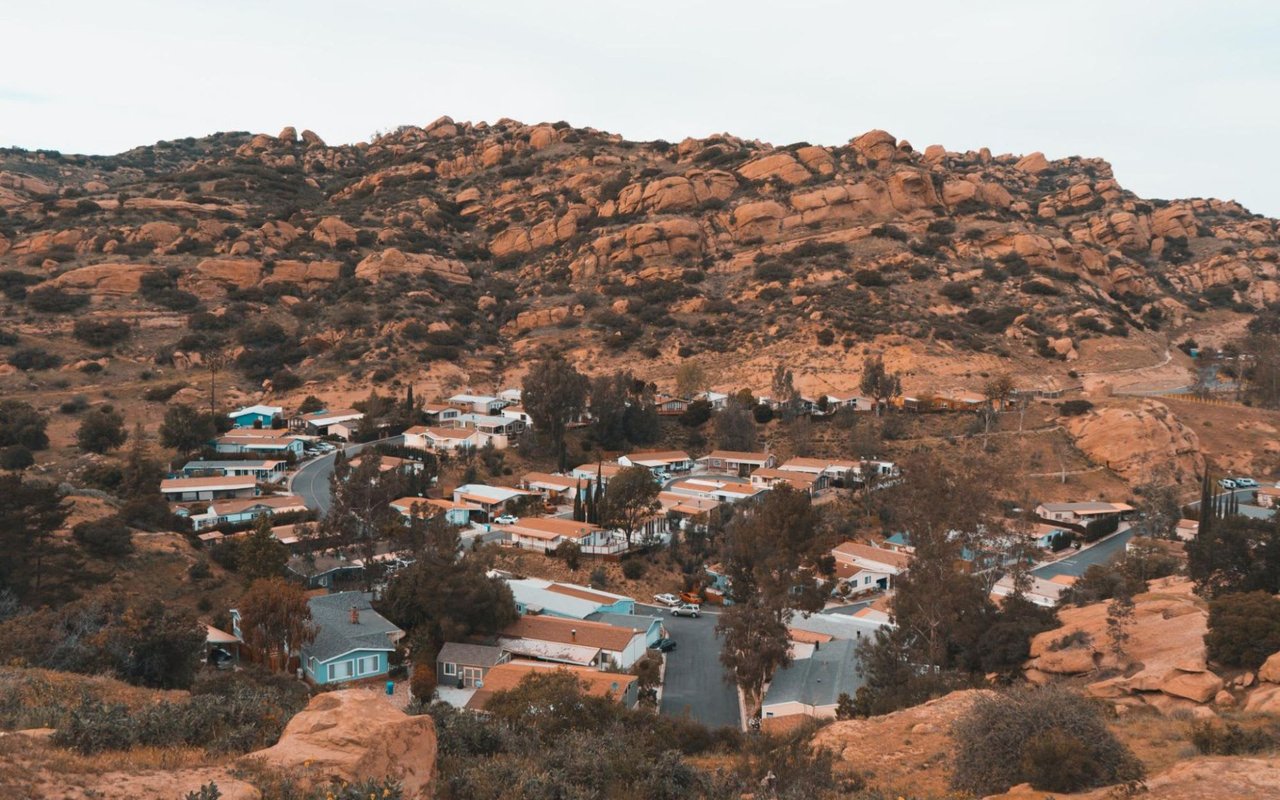
Malibu also includes a distinctive mobile-home niche. The city has a mobilehome park liaison for residents in Paradise Cove and Point Dume Mobilehome Park, which reflects another unique part of Malibu’s coastal housing landscape.
Price Context Matters Too
These two markets are both premium coastal locations, but their value profiles are not identical. Census QuickFacts reports a median owner-occupied housing value of $1,755,500 in Santa Monica. Malibu’s reported median owner-occupied value is listed as $2,000,000+.
That does not mean every home in Malibu costs more than every home in Santa Monica. It does mean the overall market context leans higher in Malibu, alongside a housing stock that is more heavily weighted toward single-family ownership. If you are comparing the two, it helps to evaluate not just price, but what that price tends to buy in setting, access, and daily experience.
Daily Life in Santa Monica
Transit and mobility
Santa Monica is built for a more multimodal routine. The city’s Department of Transportation says it is working toward a non-auto-centric future, with Big Blue Bus as a core local mobility resource. Metro’s E Line also terminates at Downtown Santa Monica Station, adding another key option for getting around.
The city’s housing strategy also ties growth to commercial and mixed-use areas, especially around Metro E Line stations. That supports a more walkable and accessible pattern of living. If you like the idea of doing more on foot, by bike, or by transit, Santa Monica gives you more ways to structure your day.
Santa Monica also supports biking as transportation, not just recreation. With the beach bicycle path and the Expo Bike Path connected into the local network, you can think in terms of short local trips instead of defaulting to a car for everything.
Neighborhood rhythm
Santa Monica does not feel like one single beachfront zone. Its planning documents describe distinct neighborhood patterns, including Downtown as a regional and local destination with retail, restaurants, hotels, office, entertainment, and housing. Mid-City is largely low- to mid-rise multifamily, while Ocean Park mixes multifamily with some single-family homes.
That mix creates a beach city that feels active and layered. You have three miles of Pacific beaches, the Pier, dining, shopping, and bike-path access, all set within a more urban grid. For many buyers, that translates into convenience, variety, and an easier year-round routine.
Daily Life in Malibu
The PCH-centered routine
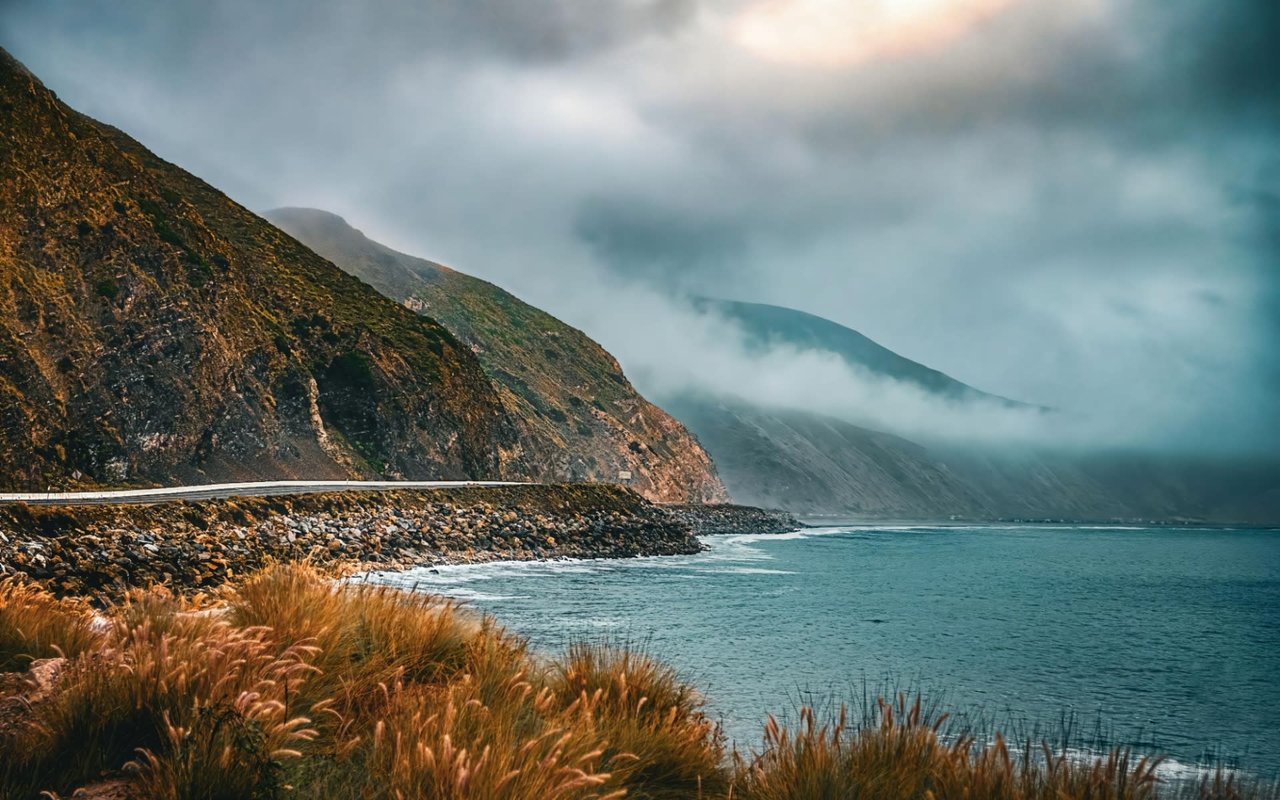
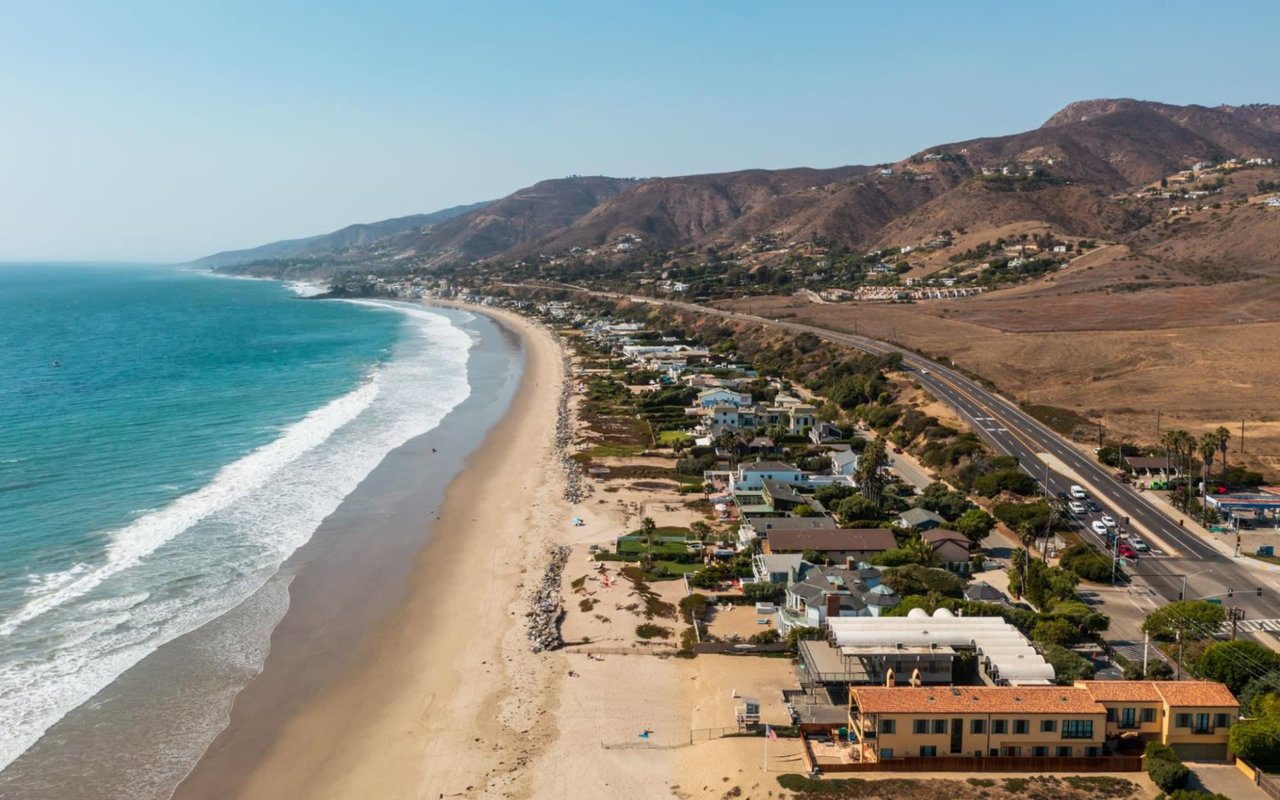
Malibu runs on a different pattern. The city’s transportation plan states that Pacific Coast Highway is the primary transportation route through Malibu, with seven north-south canyon roads connecting the coast to inland corridors. The city also notes that PCH is the main method of travel connecting Malibu to Santa Monica and Los Angeles.
That shapes daily life in a very real way. Even though transit and biking options exist, mobility is more corridor-based and more dependent on the coast-road network. If you are comfortable planning around that and want a more removed setting, Malibu may feel like a better fit.
Metro Line 134 provides regional bus service along PCH between Malibu and Santa Monica, and the city has improved multiple bus stops along the highway. Malibu also has a Pacific Coast Highway bike route project covering a seven-mile stretch of PCH. Still, the overall experience remains much more route-dependent than in Santa Monica.
Coast and canyon living
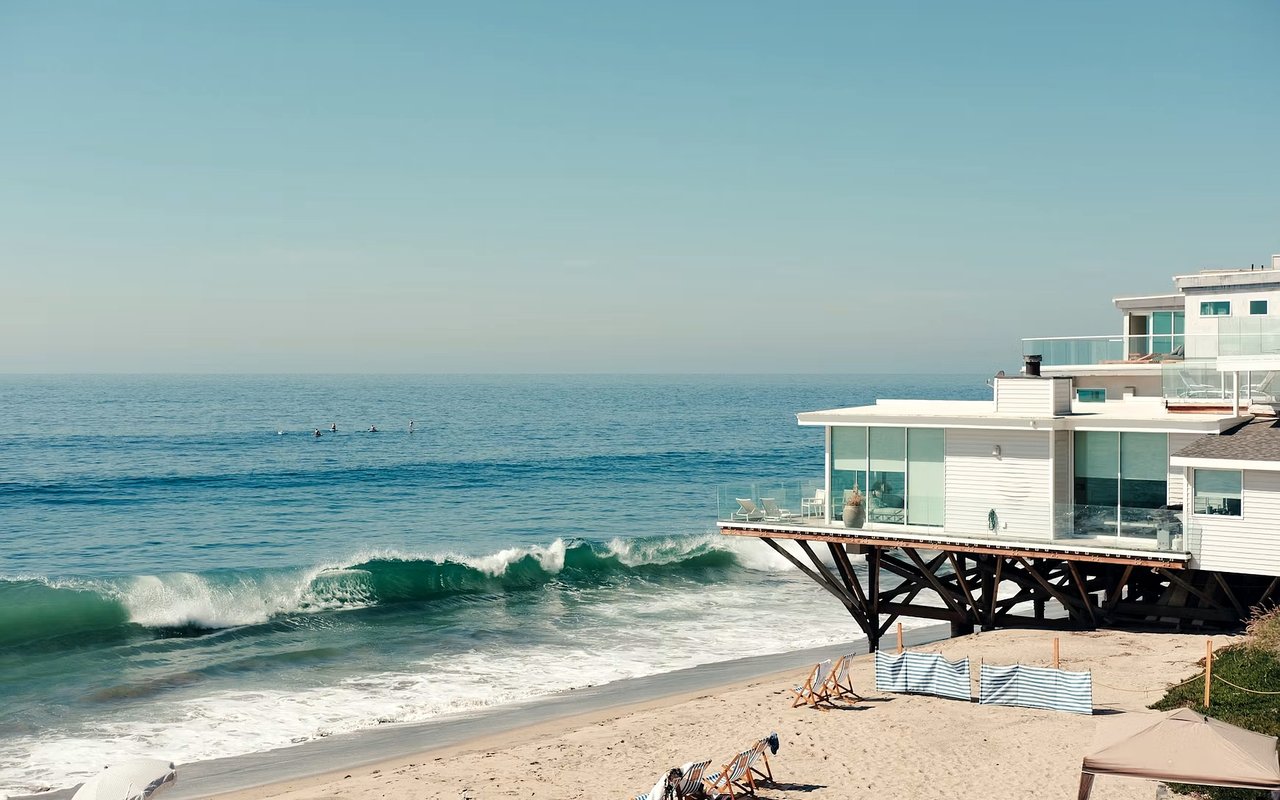
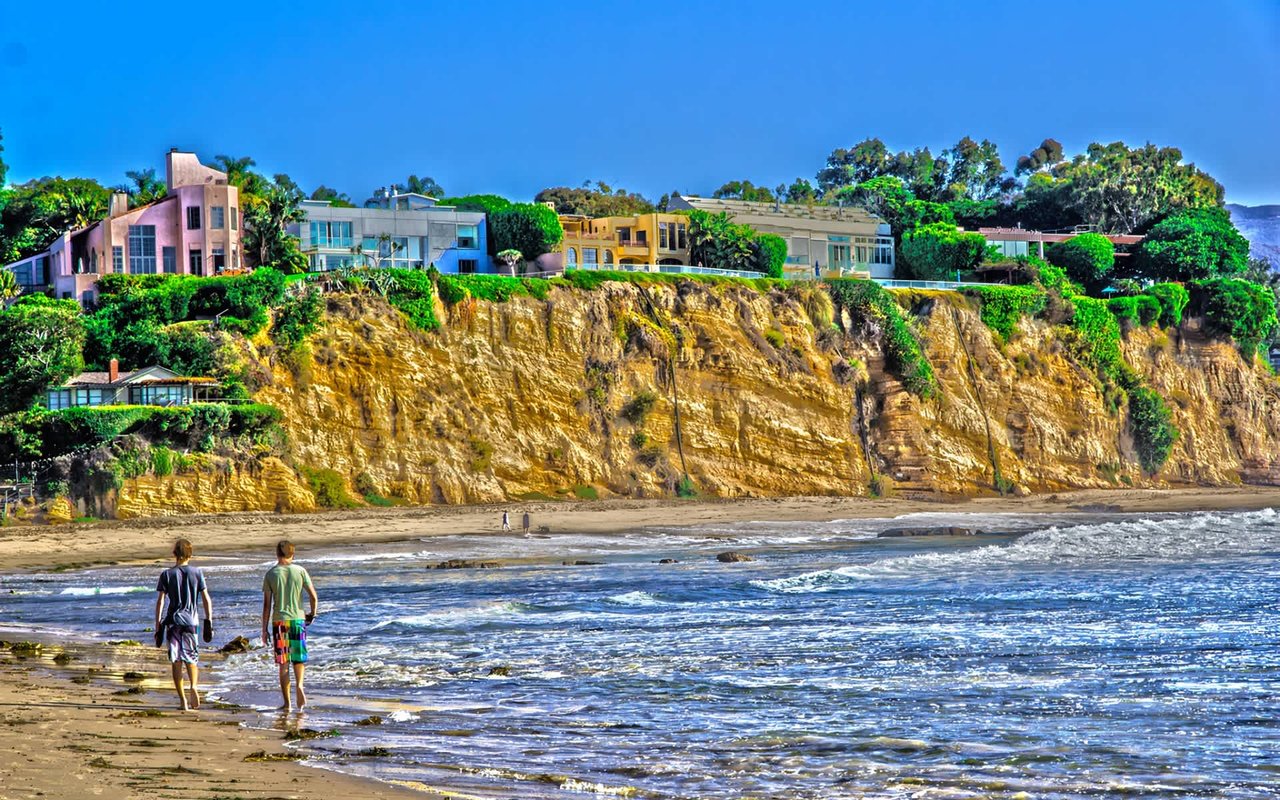
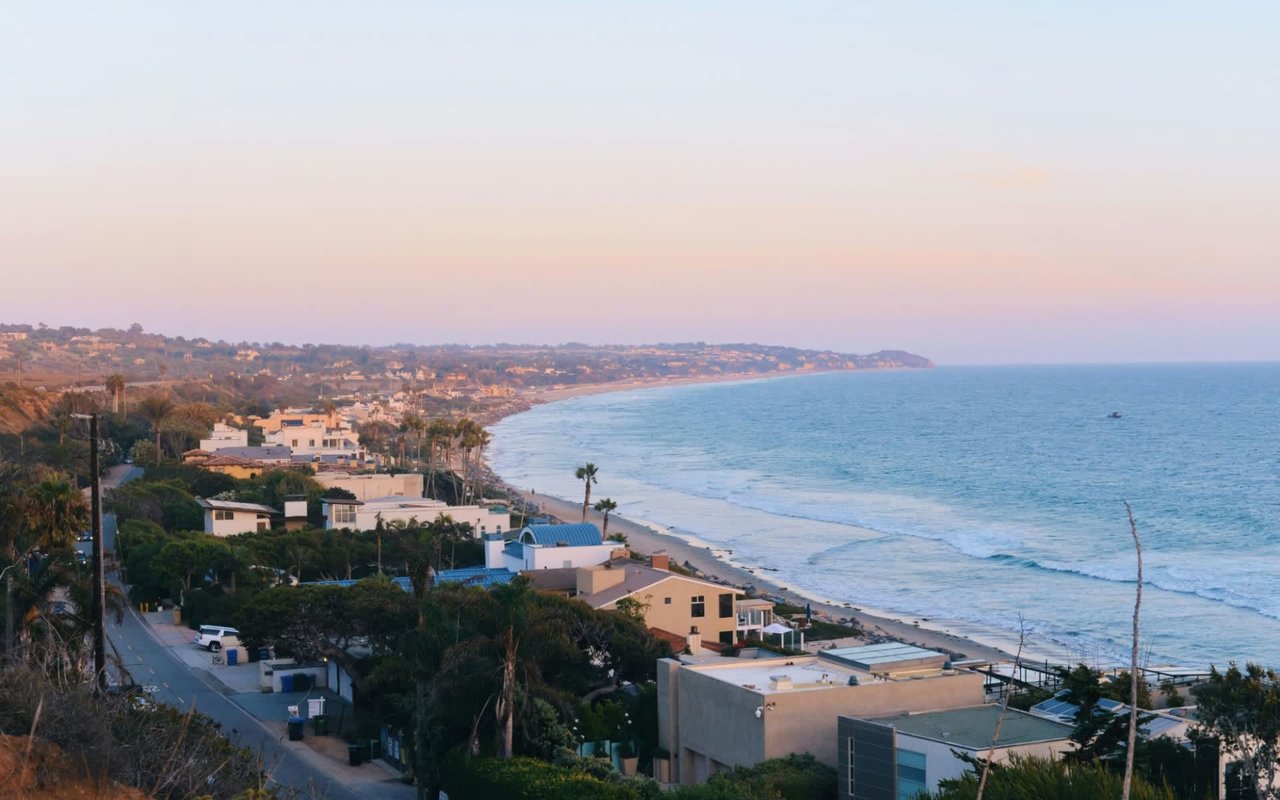
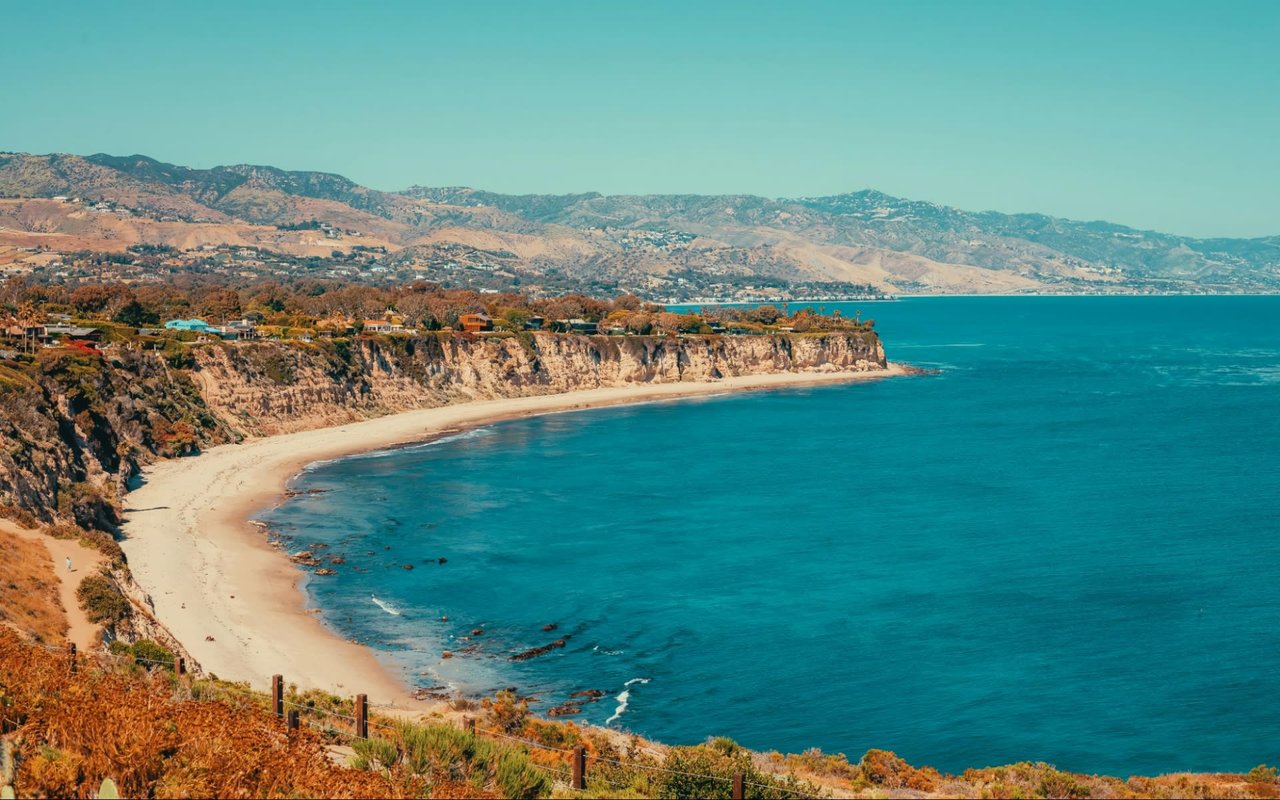
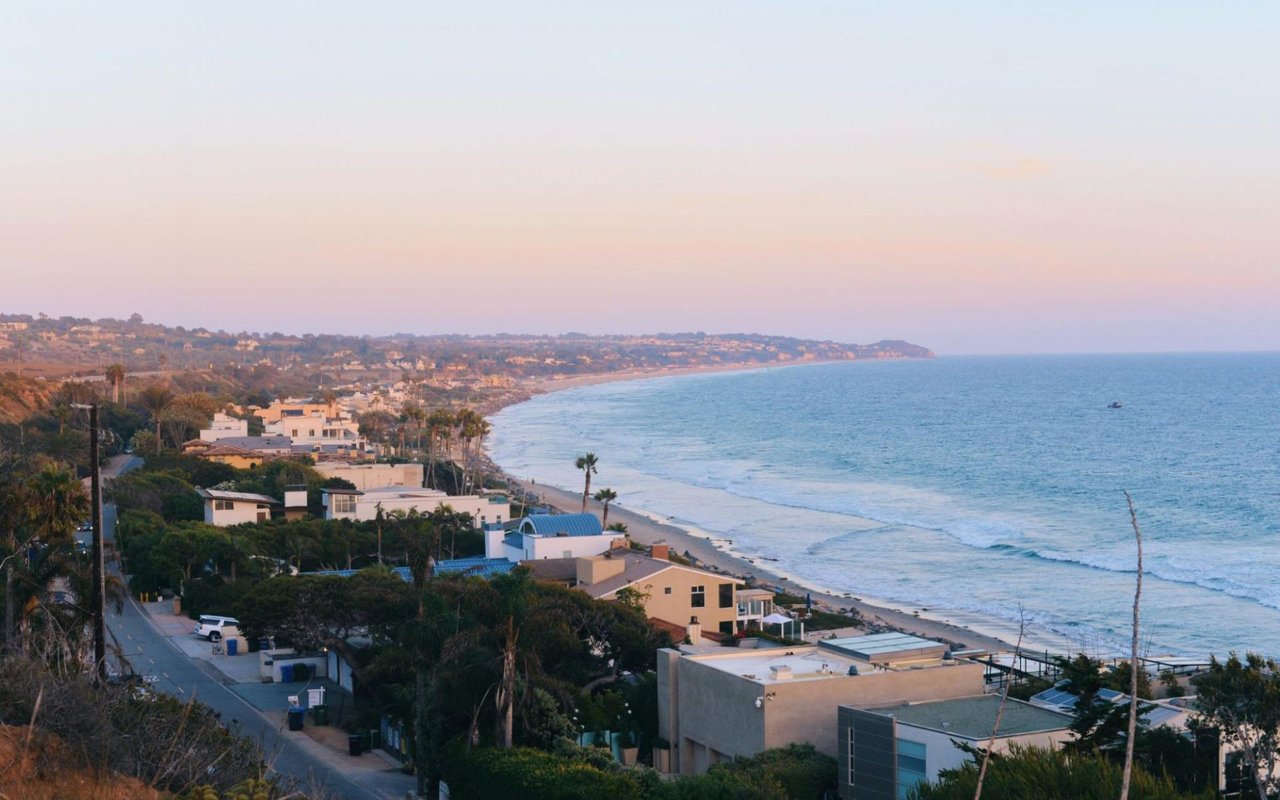
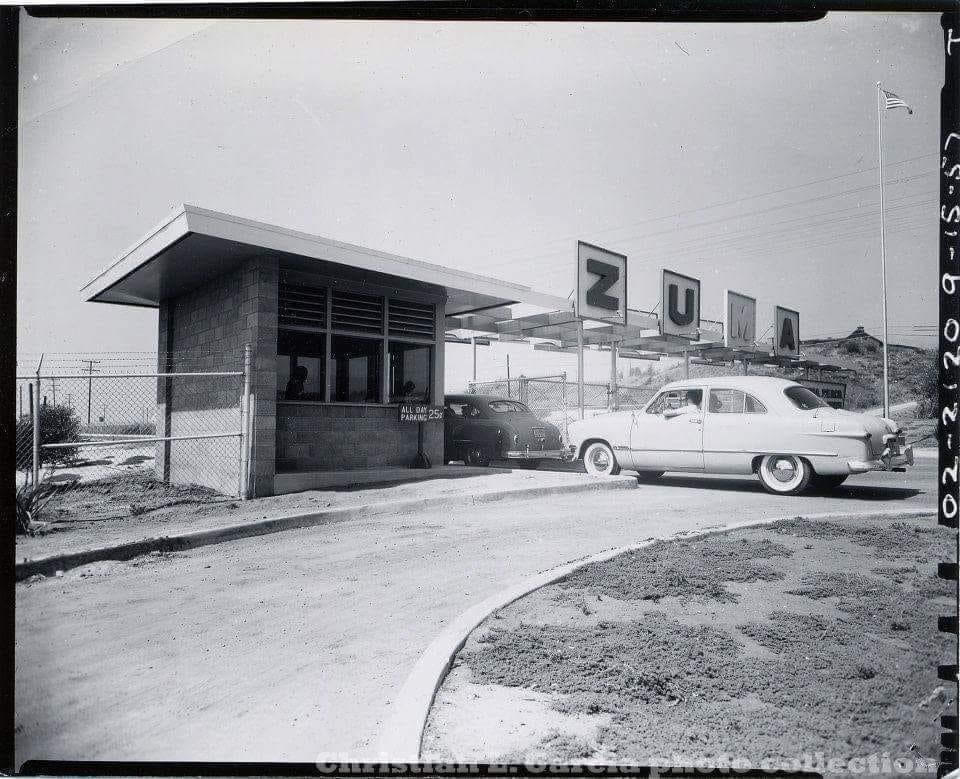
Malibu’s official beaches page highlights 21 miles of coastline, with public beaches and access ways that include Topanga State Beach, Malibu Lagoon and Surfrider, and Zuma Beach. The coastline is more spread out, and the geography of the city plays a bigger role in how it feels.
Instead of an urban promenade-style beach environment, Malibu tends to feel more destination-based. You are often choosing a particular stretch of coast or canyon setting, rather than stepping into one dense, unified downtown beach scene. For many buyers, that is exactly the appeal.
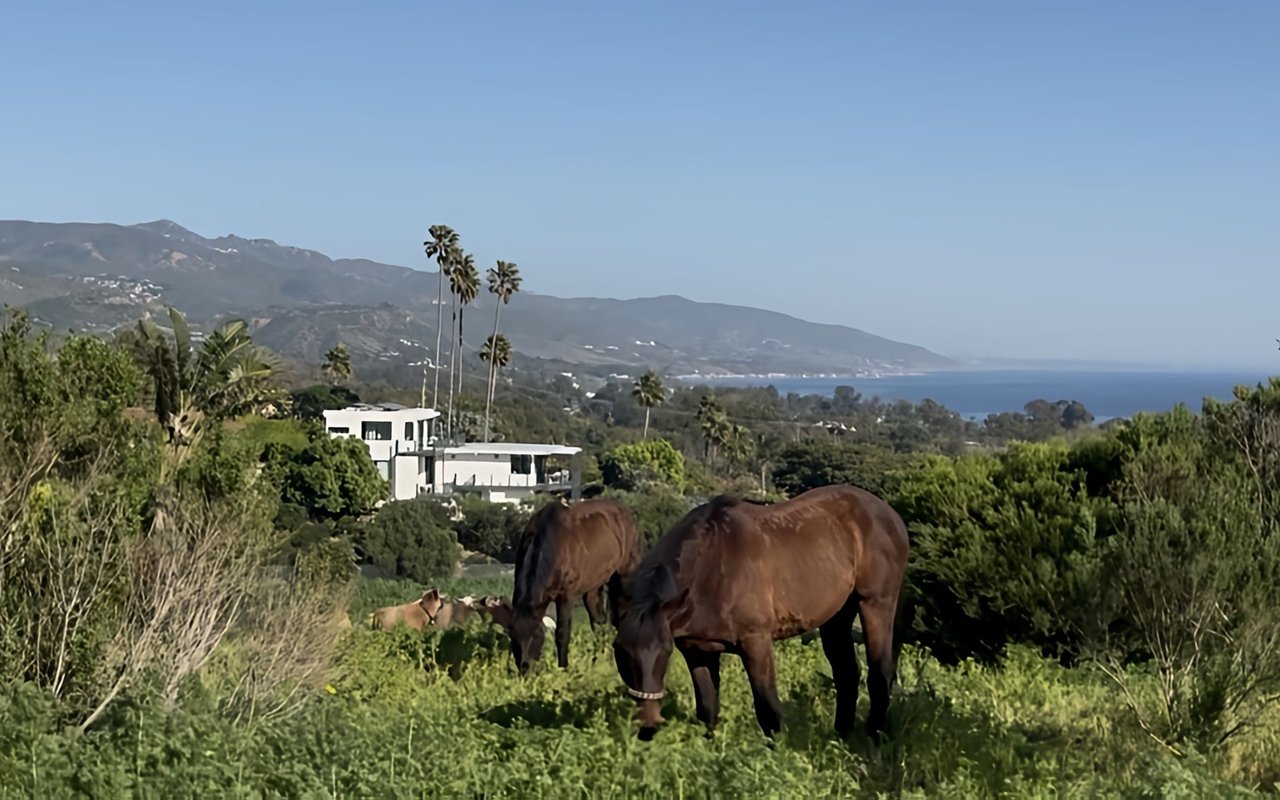
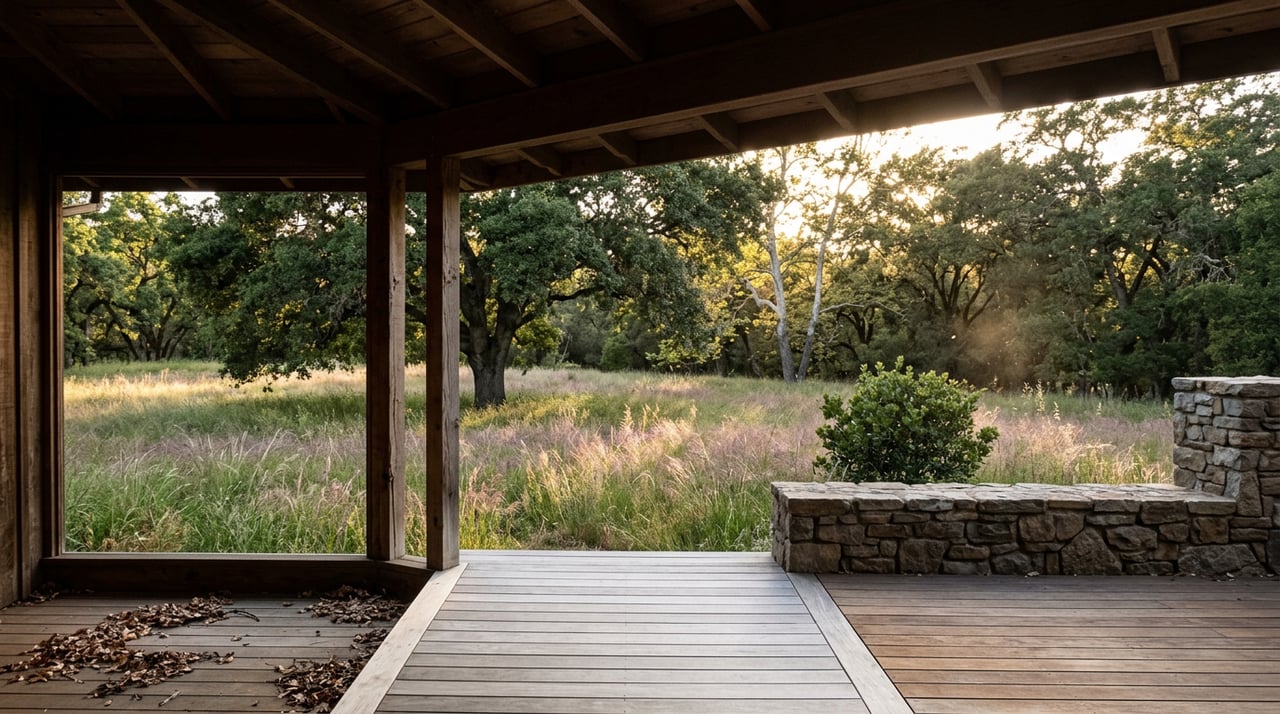
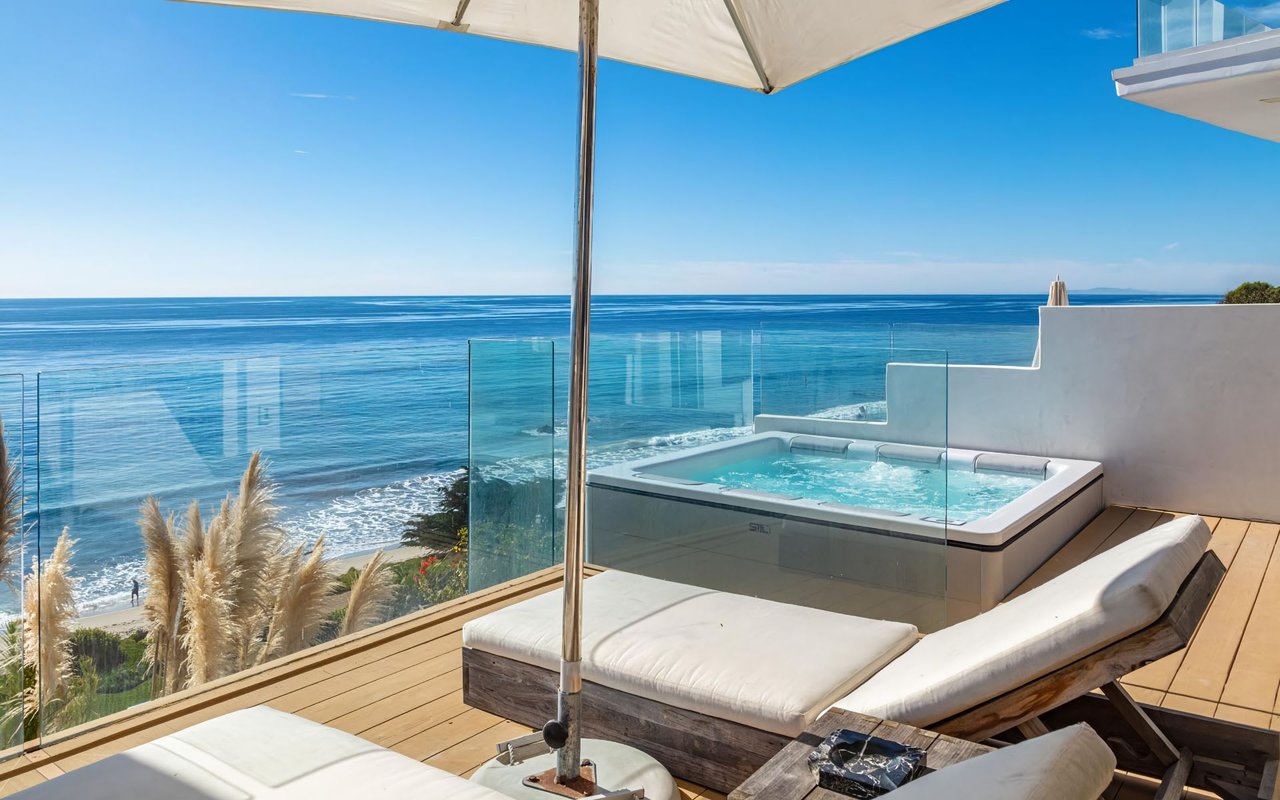
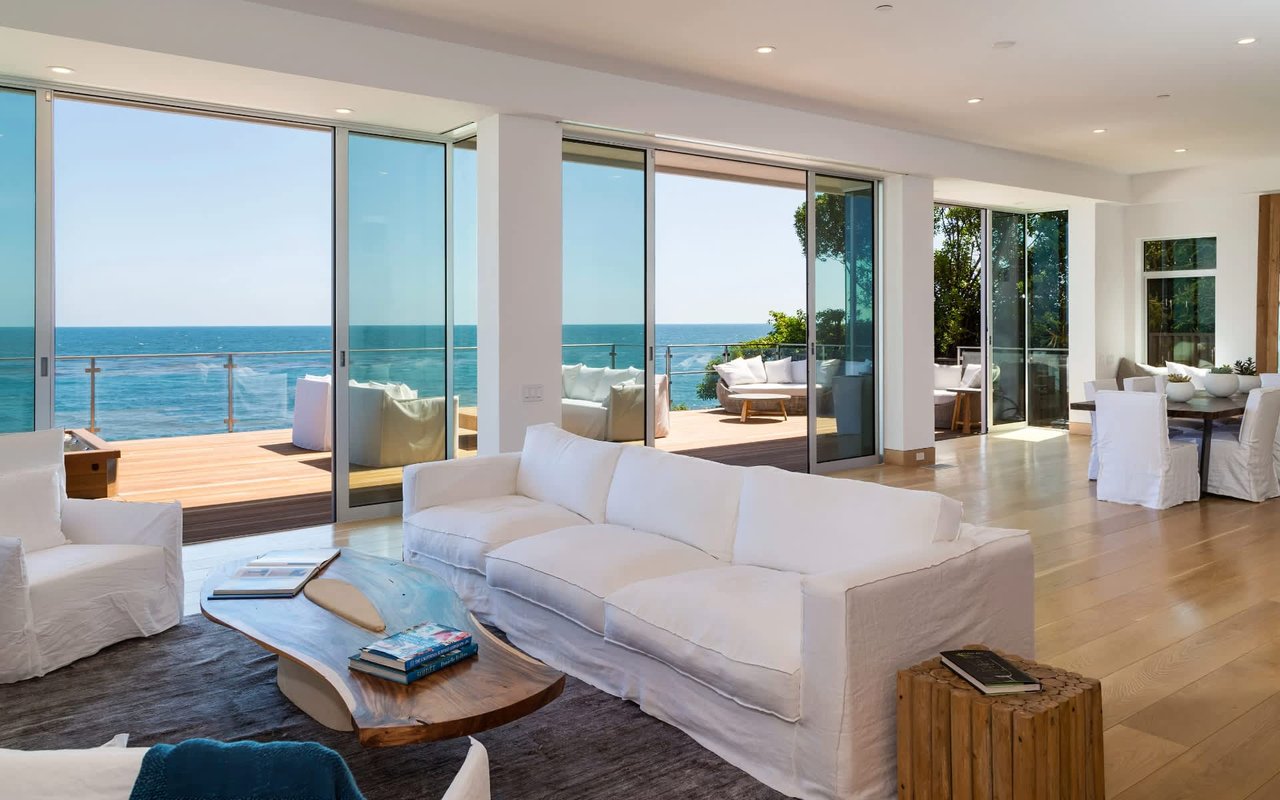
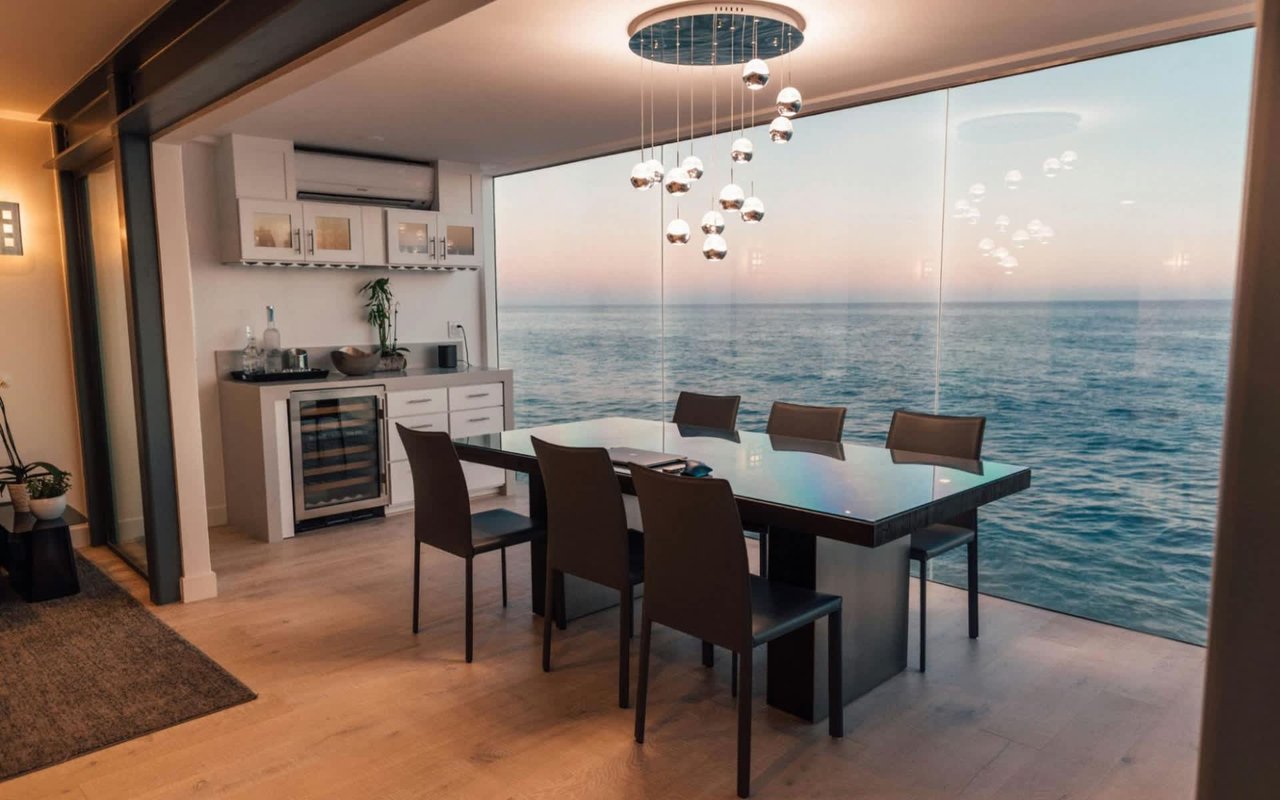
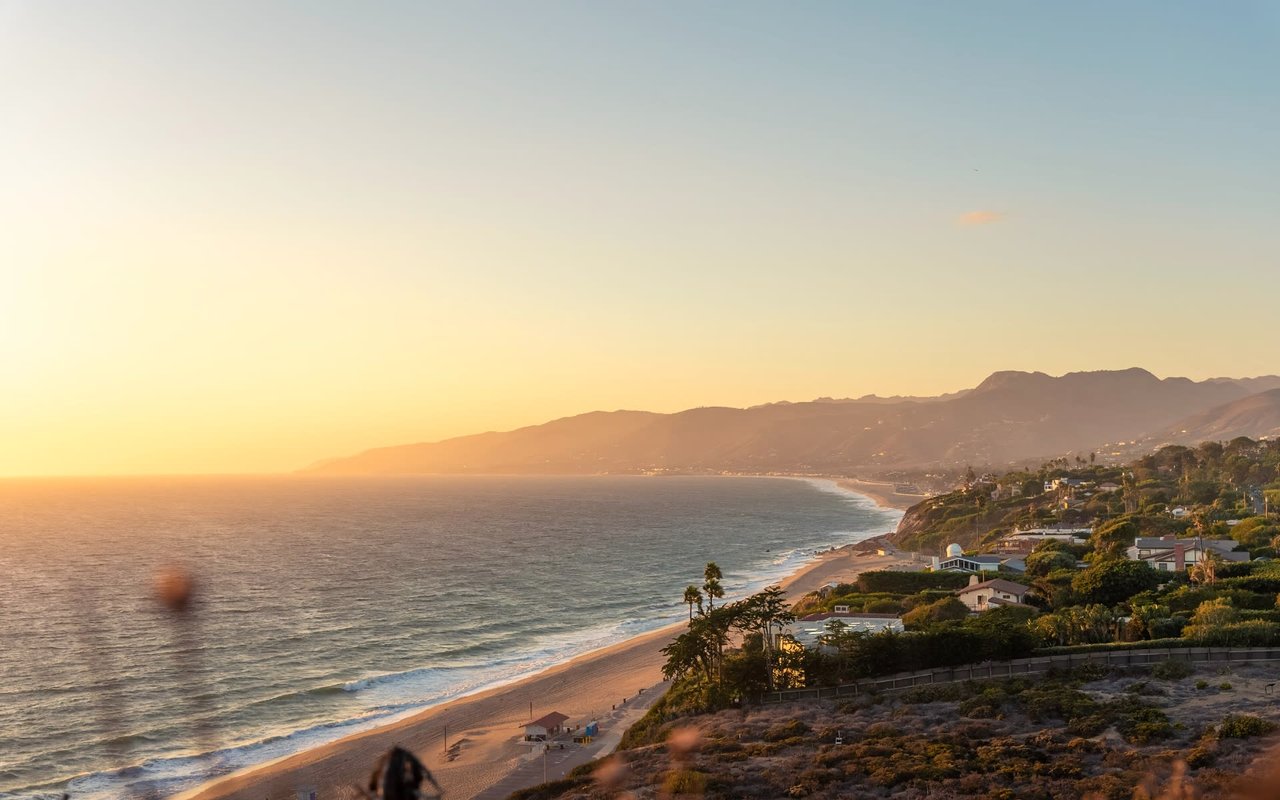
Malibu generally feels quieter, more scenic, and more low-density. If your ideal coastal day includes views, privacy, and a stronger sense of retreat, Malibu often delivers that more clearly.
Beach Culture: Public Energy or Scenic Escape?
Santa Monica’s beach culture is public, active, and highly accessible. The city emphasizes the Santa Monica Pier, beach access, bike paths, and a wide mix of coastal activities. If you enjoy being near restaurants, shopping, events, and a lively public beachfront, Santa Monica checks a lot of boxes.
Malibu’s beach culture feels more spread out and place-specific. With 21 miles of coastline and well-known public beach areas, the experience is less about one central gathering place and more about choosing your own stretch of coast. That can feel calmer and more scenic, especially if you want the beach to feel like an escape rather than part of a bustling city backdrop.
Neither is better across the board. The better choice depends on whether you are drawn to energy and convenience, or privacy and breathing room.
Which Lifestyle Fits You Best?
Santa Monica may fit you if
- You want a more walkable, mixed-use coastal city
- You value transit access, biking options, and shorter local trips
- You want a broader range of housing types, including condos and multifamily options
- You picture your beach lifestyle as active, connected, and city-adjacent
- You want a full-time home base with daily convenience built in
Malibu may fit you if
- You want a lower-density coastal setting
- You value privacy, views, and a stronger sense of retreat
- You are focused on single-family living or unique coastal property types
- You are comfortable with a PCH- and canyon-road-based routine
- You want the coast to feel quieter, more scenic, and more removed from the urban grid
For Primary Homes and Second Homes
For a primary residence, Santa Monica often makes sense when convenience, transit access, and a larger mix of housing matter most. Malibu often makes more sense when your priority is privacy, views, and a lower-density coastal routine. Both can work well full time, but they serve different versions of everyday life.
For a second home or pied-à-terre, the distinction can become even sharper. Santa Monica may be easier for frequent short stays because walkable amenities, rail service, and local transit reduce planning. Malibu can be the stronger fit when the whole point is to step away and feel like you have truly left the city behind.
Why Touring Both Can Help
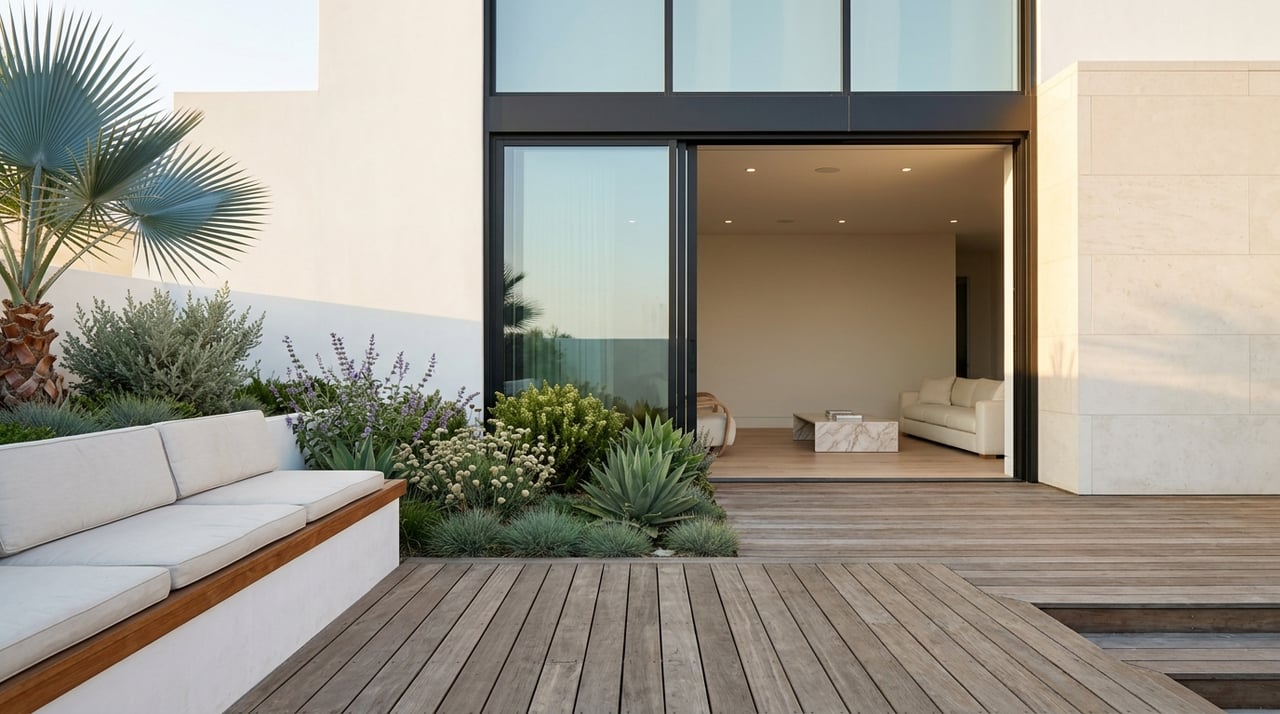
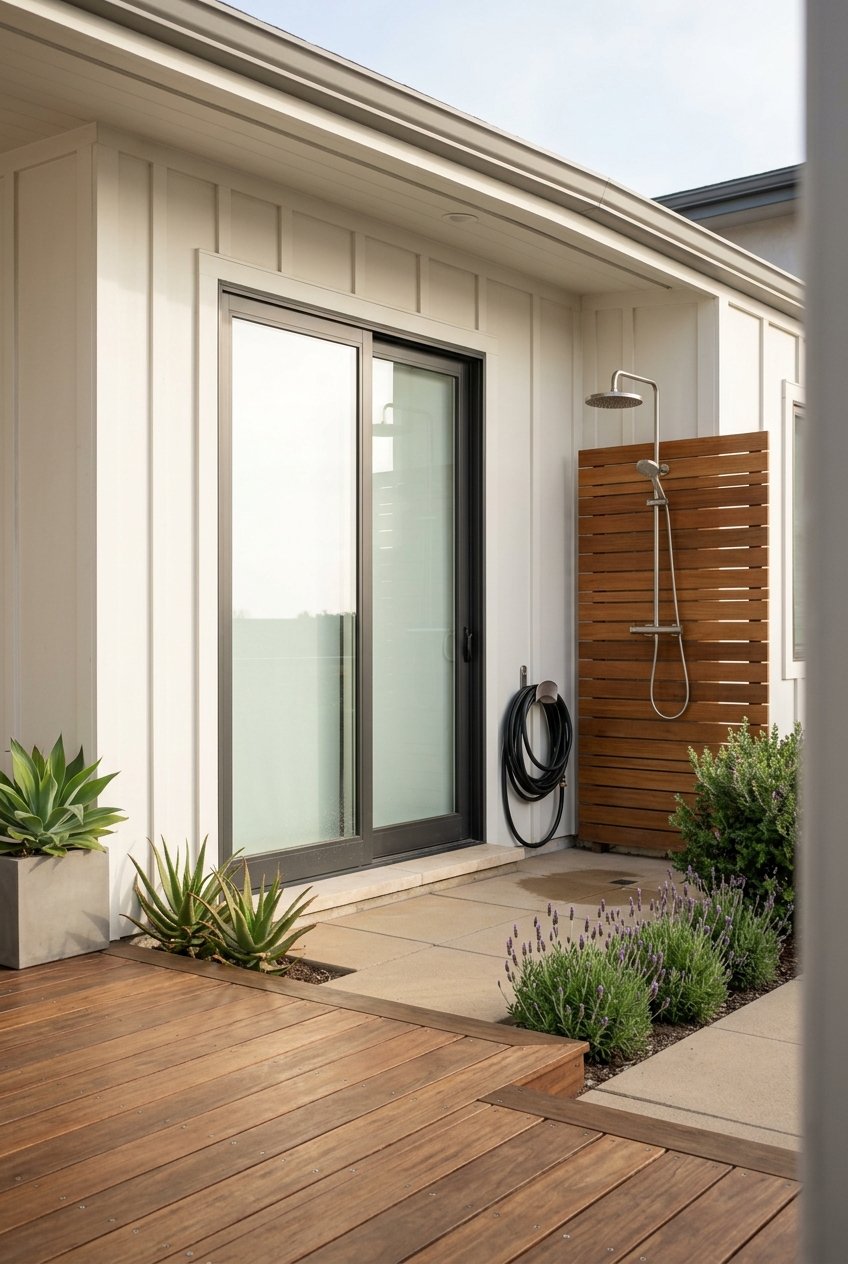
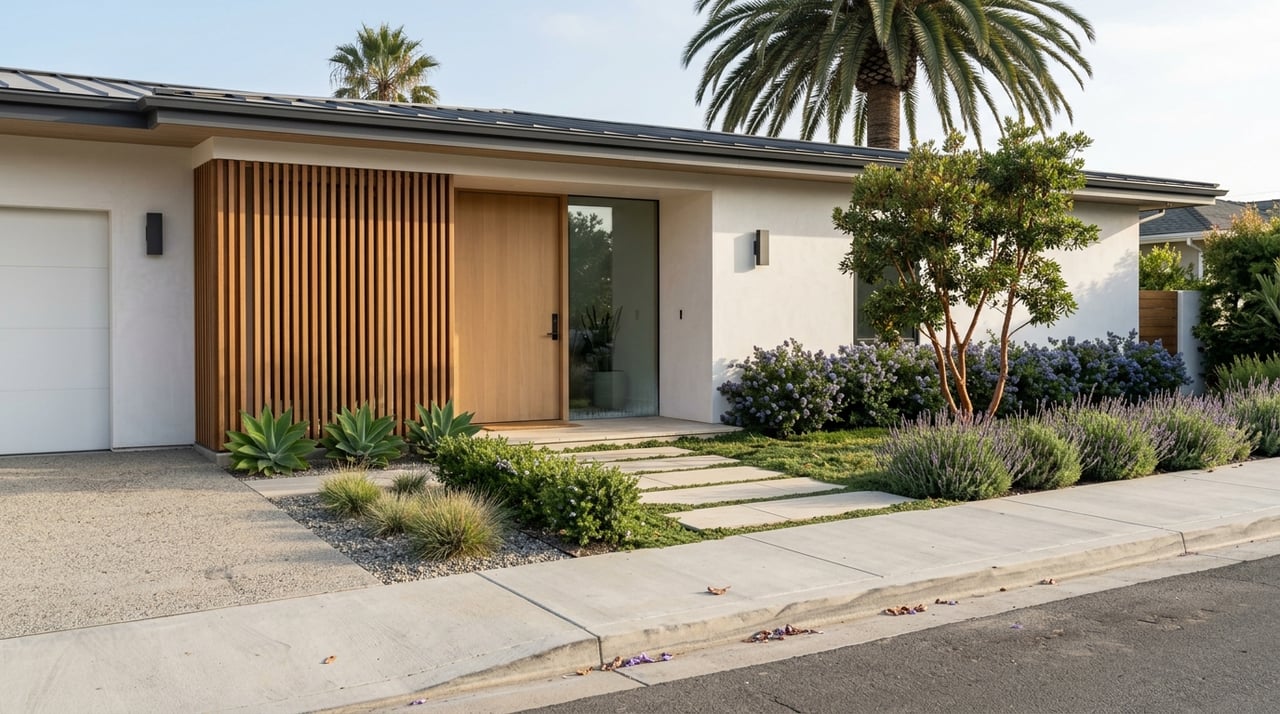
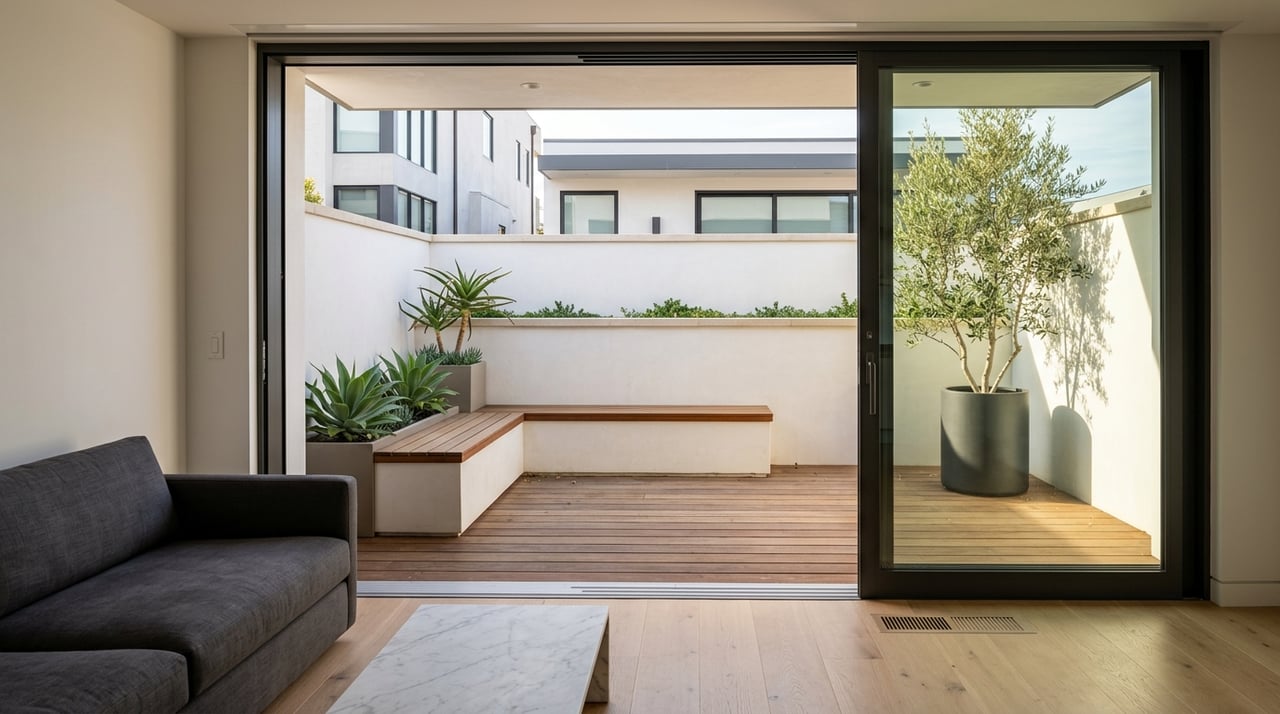
Photos can make these markets look more similar than they really are. In person, the gap in housing stock, street rhythm, and transportation patterns becomes much easier to understand. A buyer who tours both often gets clarity faster once they experience the tradeoff directly.
The most useful question to ask yourself is simple: do you want urban convenience on the coast, or a lower-density coastal retreat? Once you can answer that clearly, your search usually gets much more focused.
If you are weighing Santa Monica against Malibu, local insight matters. The details that shape value and daily life on this stretch of coast are highly specific, from housing patterns to access and neighborhood feel. When you are ready to compare options with a local perspective, connect with the Brian Merrick Team.
FAQs
How is daily life different in Santa Monica versus Malibu?
- Santa Monica supports a more walkable, transit-connected, mixed-use routine, while Malibu is more centered on Pacific Coast Highway, canyon roads, and lower-density coastal living.
Is Santa Monica or Malibu better for a primary residence?
- Santa Monica often fits buyers who want convenience and varied housing options, while Malibu often fits buyers who want privacy, views, and a quieter daily setting.
What kinds of homes are more common in Santa Monica and Malibu?
- Santa Monica has a broader housing mix that includes condos, apartments, mixed-use buildings, and single-unit homes, while Malibu is more heavily oriented toward single-family homes and accessory dwelling units.
Does Malibu have public beach access like Santa Monica?
- Yes. Malibu’s official city information highlights 21 miles of coastline and public beaches and access ways, including areas such as Malibu Lagoon and Surfrider, Zuma Beach, and Topanga State Beach.
Why should a buyer tour both Santa Monica and Malibu before deciding?
- Touring both helps you compare the real differences in housing, street feel, mobility, and pace of life, which are often much clearer in person than in photos.