
By Brian Merrick
One of the questions I hear most consistently from buyers and sellers is some version of the same thing: when is the right time to make a move in the Malibu market? It is a reasonable question, and it deserves a more nuanced answer than the generic seasonal advice that applies to real estate markets in other parts of the country.
Malibu operates according to its own rhythms, shaped by its unique buyer profile, its geography, its relationship to the broader Los Angeles market, and the lifestyle priorities of the people who want to live here.
Understanding those rhythms has made a meaningful difference for every client I have worked with, and I want to share what I have observed over years of watching this market move through its cycles.
Key Takeaways
- Malibu's seasonal market cycles are distinct from broader California and national real estate trends due to its unique buyer profile and coastal lifestyle appeal
- Spring is historically the most active listing season in Malibu, bringing the highest inventory levels and the most competitive buyer dynamics
- Summer drives significant buyer interest from out-of-town and international visitors who experience Malibu firsthand during peak season
- Fall represents one of the most strategically underappreciated windows for serious buyers seeking motivated sellers and reduced competition
- Winter inventory is at its lowest, but the buyers who remain active tend to be highly motivated and transactions can move efficiently
- Beachfront and canyon properties respond differently to seasonal cycles and require distinct timing strategies
- Off-market opportunities exist year-round and are not constrained by seasonal listing patterns
- Understanding where the market is in its cycle at any given moment is one of the most valuable things an experienced local agent brings to a client relationship
Spring: The Market Wakes Up
In my experience, spring is the season that most reliably activates the Malibu market. From roughly late February through the end of May, I consistently see the highest concentration of new listings come to market, the most active open house attendance, and the most competitive offer dynamics across all property categories.
There are logical reasons for this pattern. Sellers who have been contemplating a move through the winter months tend to list in spring to take advantage of longer days, better curb appeal, and the psychological lift that comes with the season. Buyers who have been conducting preliminary research during the quieter months begin to transact in earnest. Families with school-age children who want to be settled before the following academic year begin their searches with genuine urgency.
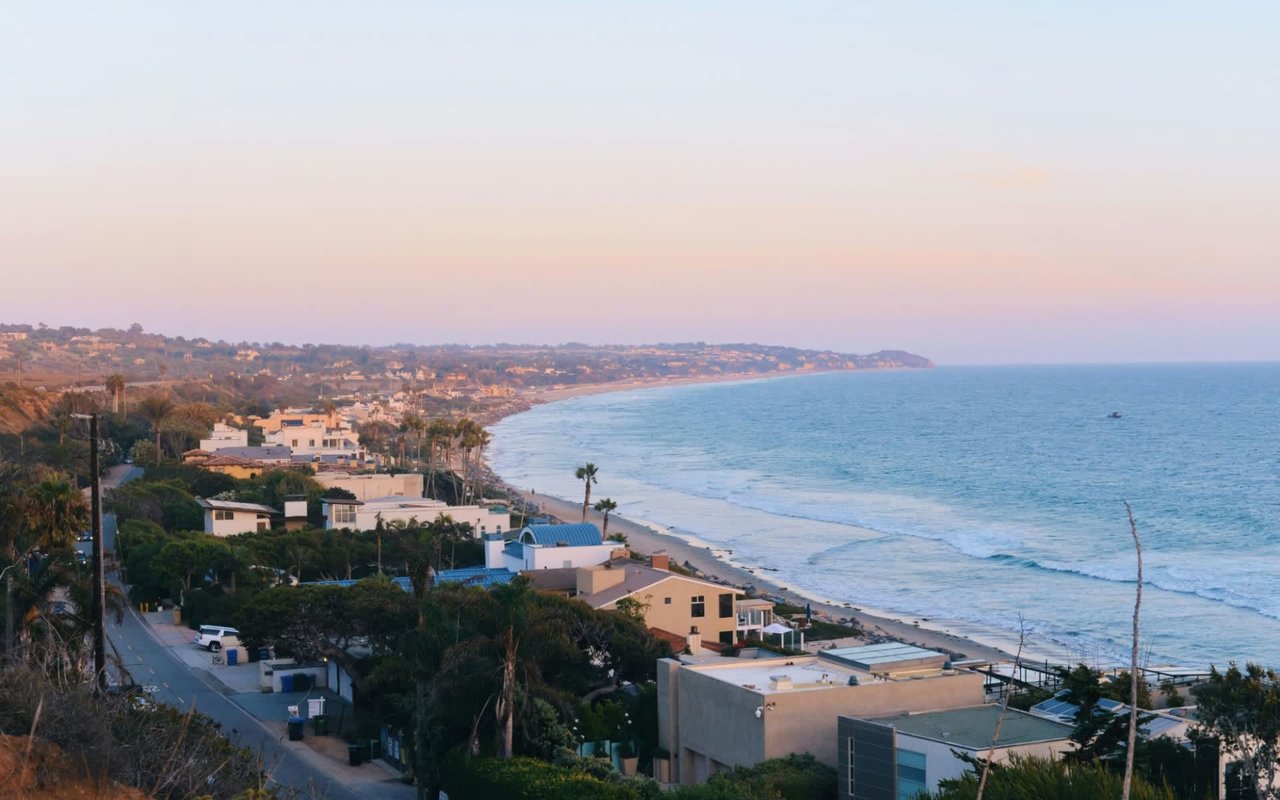
For buyers, spring in Malibu means more choices but also more competition. Well-priced beachfront properties in communities like Carbon Beach, Malibu Colony, and Point Dume that come to market in March or April tend to attract immediate attention.
I advise buyers entering the market in spring to be exceptionally well prepared, with financing arranged and decision-making processes worked through in advance, because the window between a property appearing and multiple offers materializing can be very short.
For sellers, spring listing timing generally supports stronger pricing outcomes due to the depth of the buyer pool. If a property is well prepared and accurately priced, the spring market in Malibu rewards it.
Summer: Lifestyle Drives Desire
Summer in Malibu is its own phenomenon, and I have watched it change buyer behavior in ways that are genuinely unique to this market. From Memorial Day through Labor Day, Malibu experiences an influx of visitors, second home owners, and extended-stay guests who are living the Malibu experience firsthand. Many of them arrive as visitors and leave as motivated buyers.
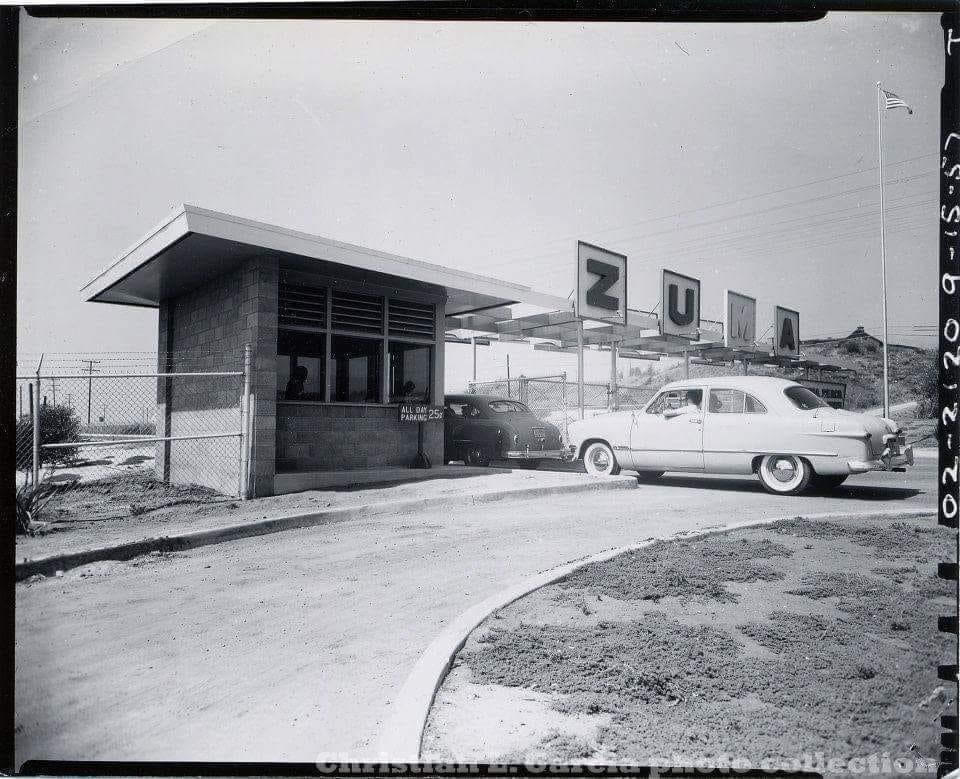
There is something about spending a summer week or two in Malibu, waking up to the Pacific, surfing at Zuma Beach, dining at restaurants along the Civic Center waterway, and hiking the Santa Monica Mountains in the long afternoon light, that converts consideration into conviction. I have worked with buyers who called me in June after a vacation rental stay with a clarity and urgency about purchasing in Malibu that months of online research had not produced.
Summer also brings a meaningful concentration of international buyers to the market, particularly from Europe, the Middle East, and Asia Pacific, who time their California visits to the summer months. These buyers tend to be sophisticated, financially prepared, and serious about transacting. For sellers with well-positioned properties, summer exposure to this buyer profile can be exceptionally productive.
Inventory does tend to tighten somewhat in peak summer as the market absorbs the spring listings, which means that buyers who missed their preferred properties in spring sometimes find themselves navigating a more limited selection in July and August. Prices on available inventory tend to hold firm or move upward during this period given the demand dynamics.
Fall: The Strategically Underappreciated Window
If I were advising a buyer who wanted to optimize for value and negotiating position rather than maximum selection, I would point them directly toward the fall market. September through November represents what I consider the most strategically underappreciated window in the Malibu real estate calendar.
Here is what I observe consistently in the fall market. Properties that did not sell during the spring and summer seasons are still available, and the sellers behind them are often more motivated than they were six months earlier. The buyer pool thins meaningfully after Labor Day as the summer energy dissipates and casual buyers disengage from their searches. The buyers who remain active in the fall tend to be serious, focused, and ready to transact.
This combination of motivated sellers and a more concentrated, less competitive buyer pool creates conditions where thoughtful buyers can negotiate with more leverage than the spring market typically allows. I have helped buyers secure exceptional properties in the fall at terms that would not have been available in the more competitive spring environment, and I always make sure buyers who are flexible on timing understand this dynamic.
For sellers, fall requires a different approach. Pricing precision matters more in the fall than in spring, and the marketing strategy needs to work harder to reach the buyers who are still actively searching. When those elements are right, fall transactions can be very clean and efficient.
Winter: Quiet but Never Idle
Winter in Malibu, roughly December through mid-February, brings the lowest inventory levels and the quietest transaction volume of the year. The holiday period in particular sees a natural pause in market activity as buyers and sellers turn their attention elsewhere. But I want to be clear about something: quiet does not mean unproductive, and it certainly does not mean that serious buyers should stop paying attention.
The buyers and sellers who are active in the Malibu market during winter are almost universally highly motivated. A seller who lists in January is not testing the market. They need to transact. A buyer who is actively searching in December is not casually browsing. They have a specific reason to move, and they are ready to act. These dynamics create conditions where transactions can happen quickly and efficiently when the right match is made.
Winter is also the season where I do some of my most productive off-market work on behalf of buyers. With fewer publicly listed properties available, the value of a well-connected agent who can open doors to properties not yet on the market becomes especially apparent. Brian Merrick maintains active relationships with homeowners across Malibu's most desirable communities, and those relationships produce opportunities that never appear on any public listing platform.
How Beachfront and Canyon Properties Cycle Differently
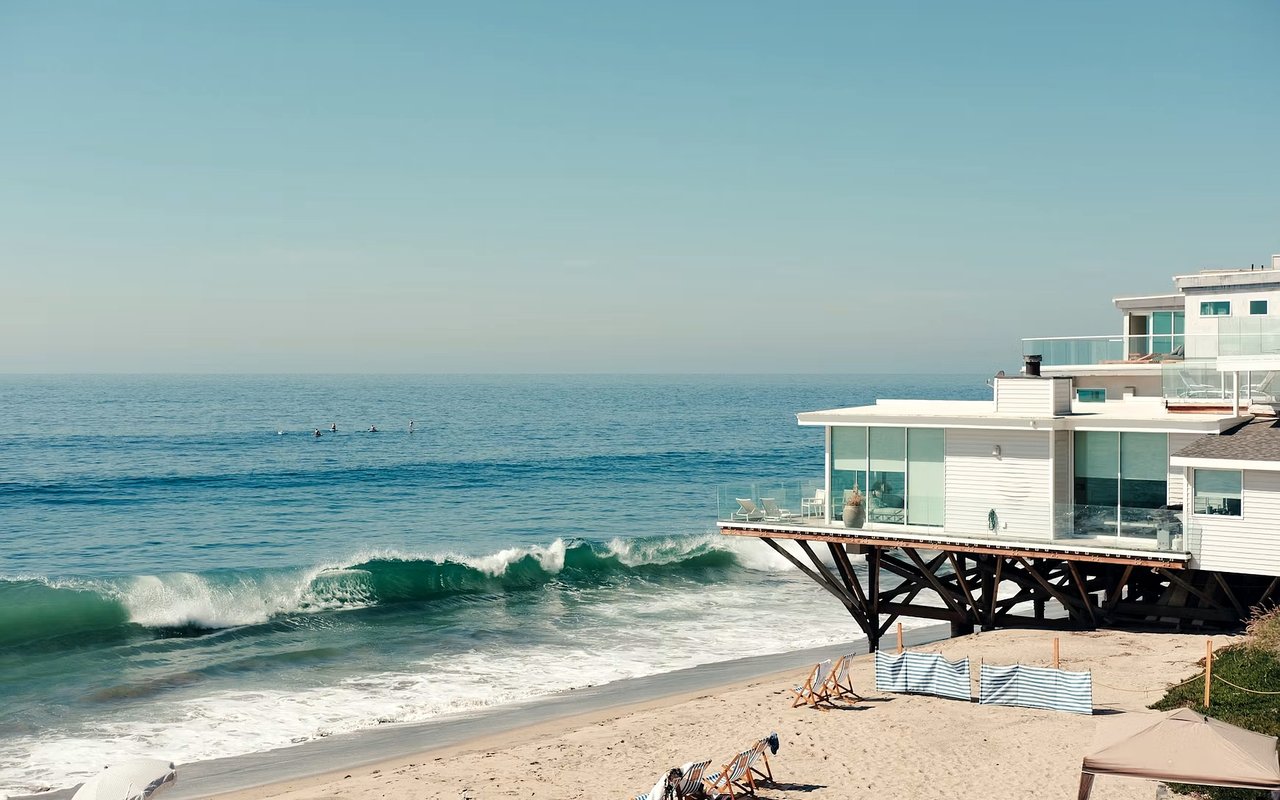
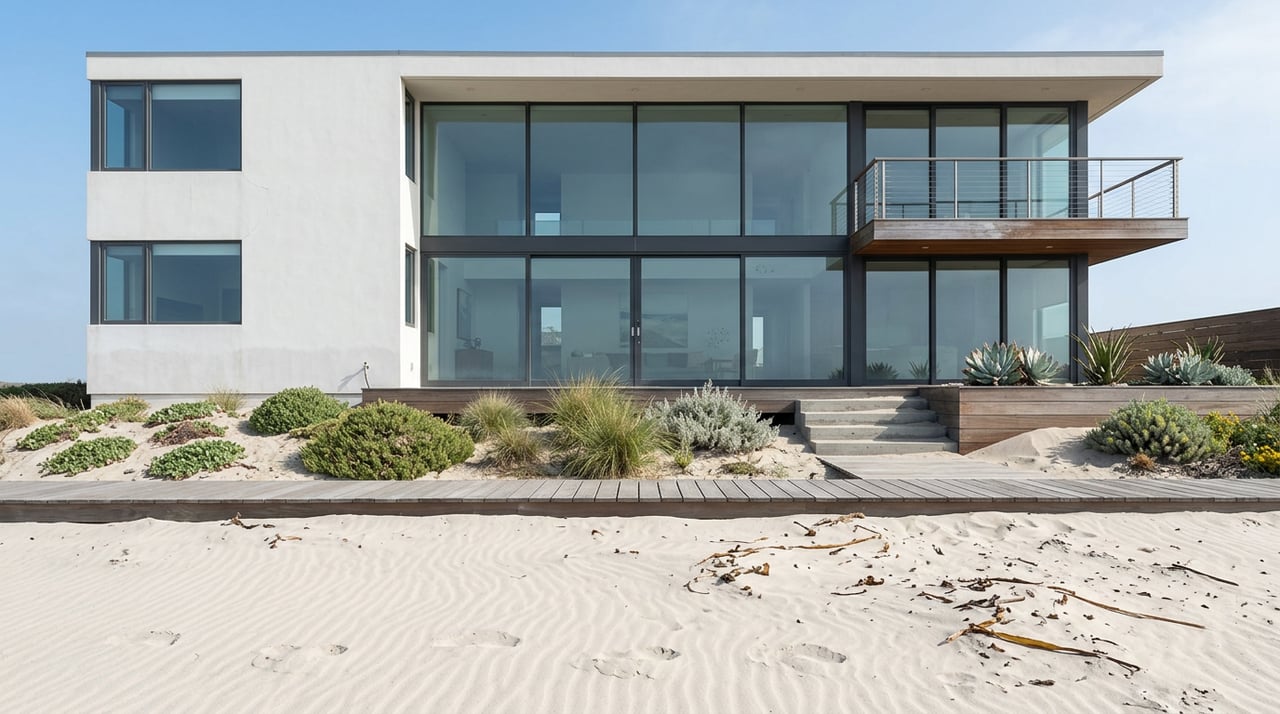
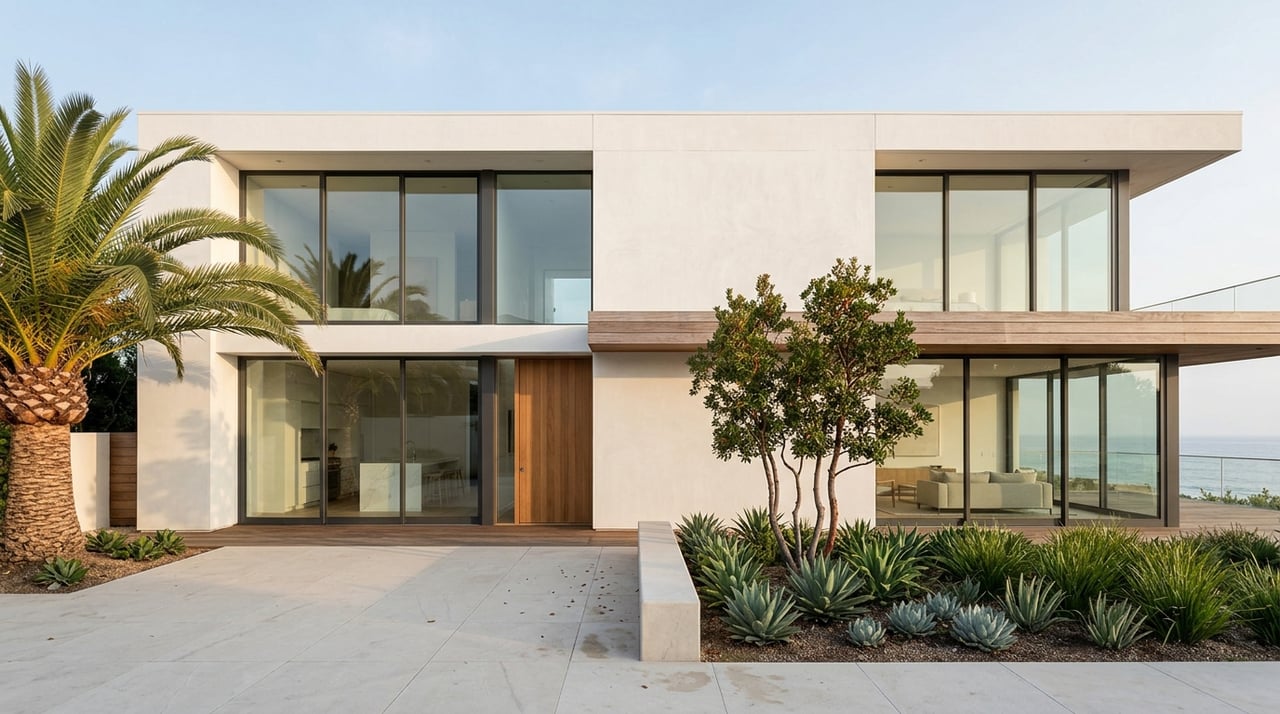
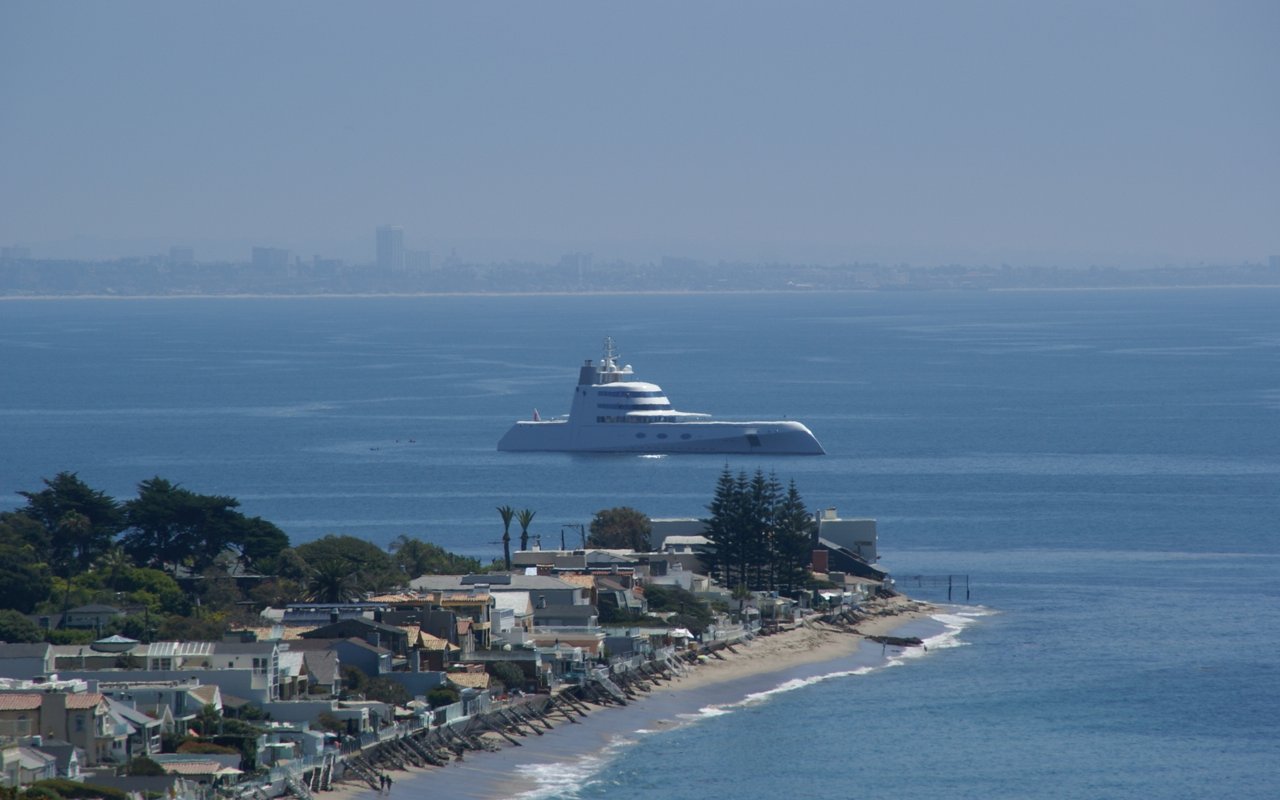
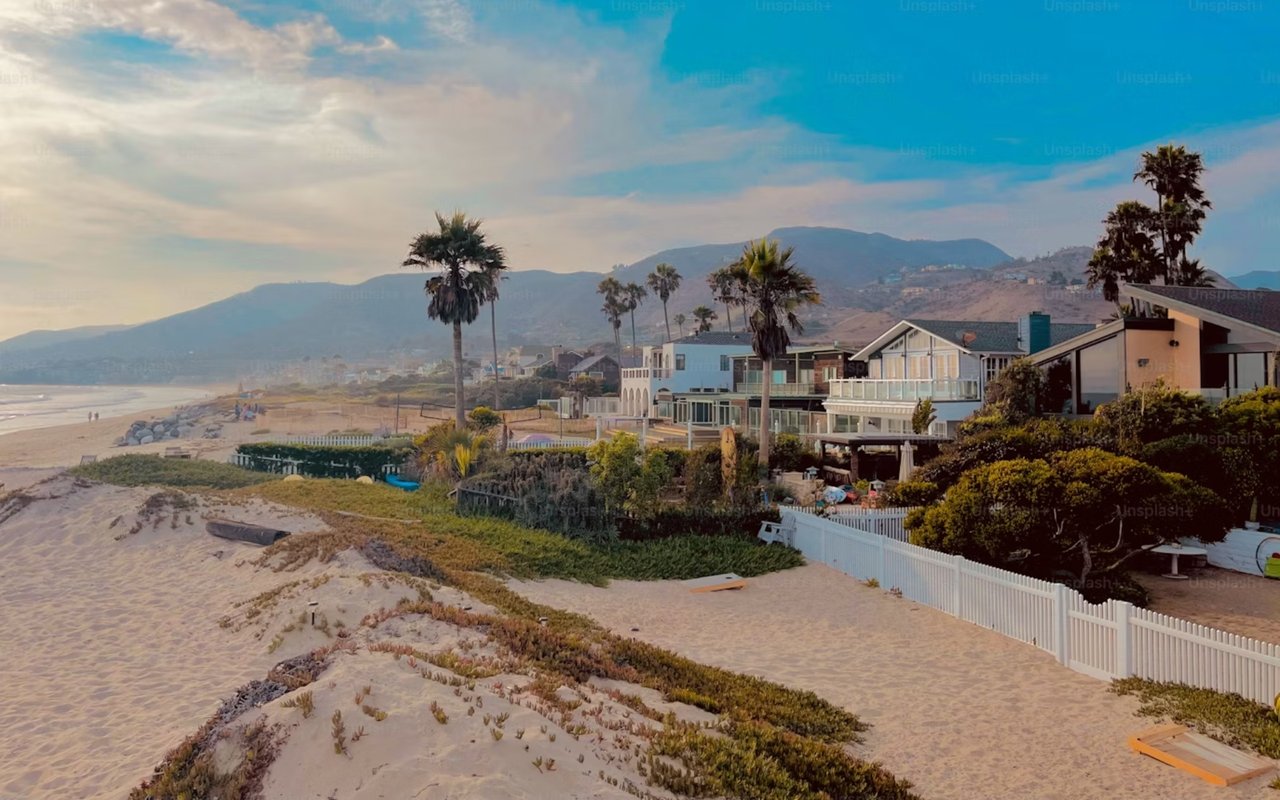
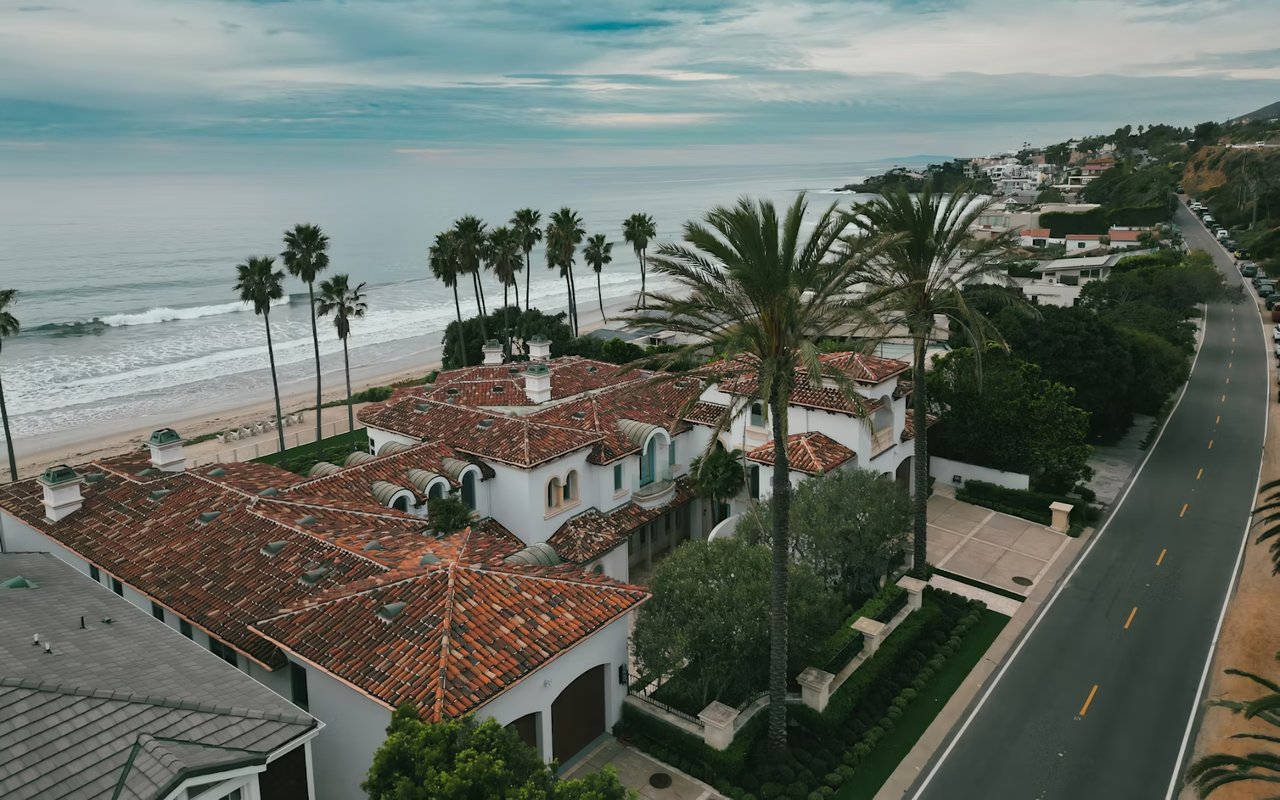
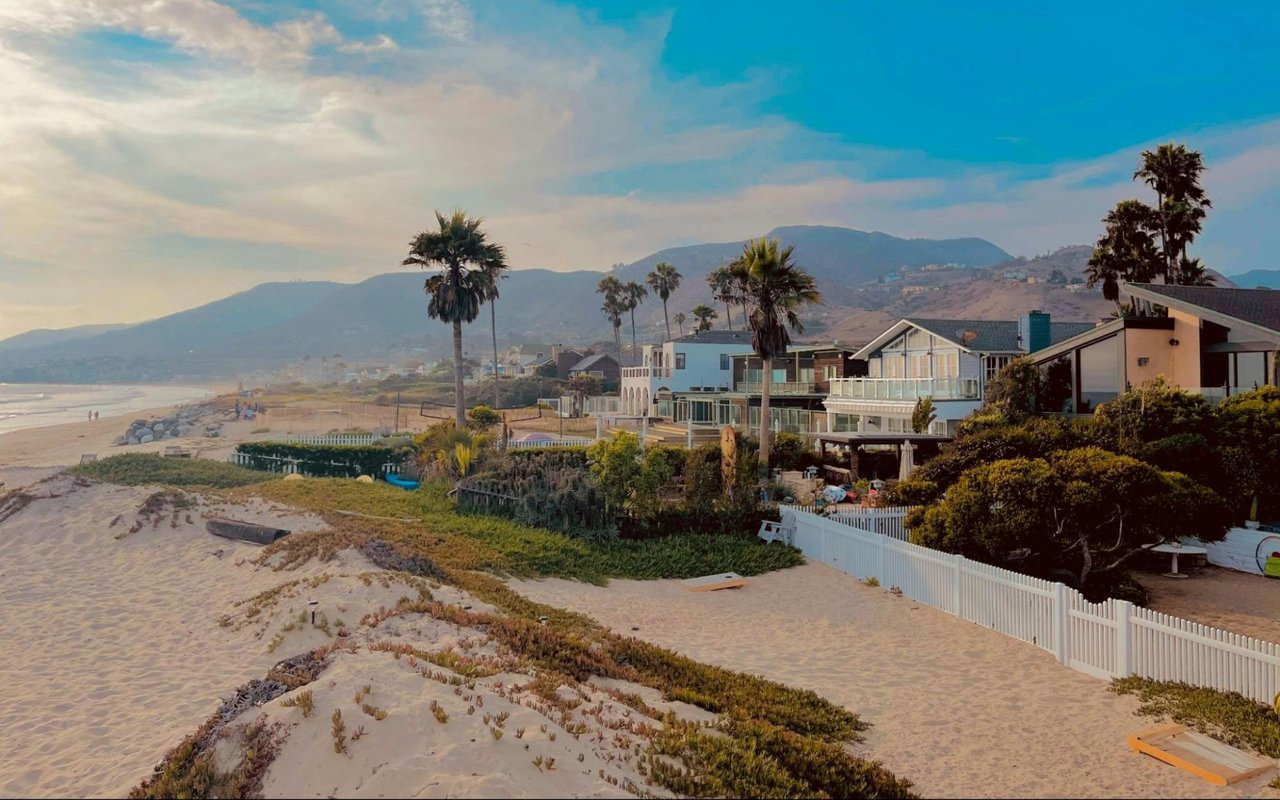
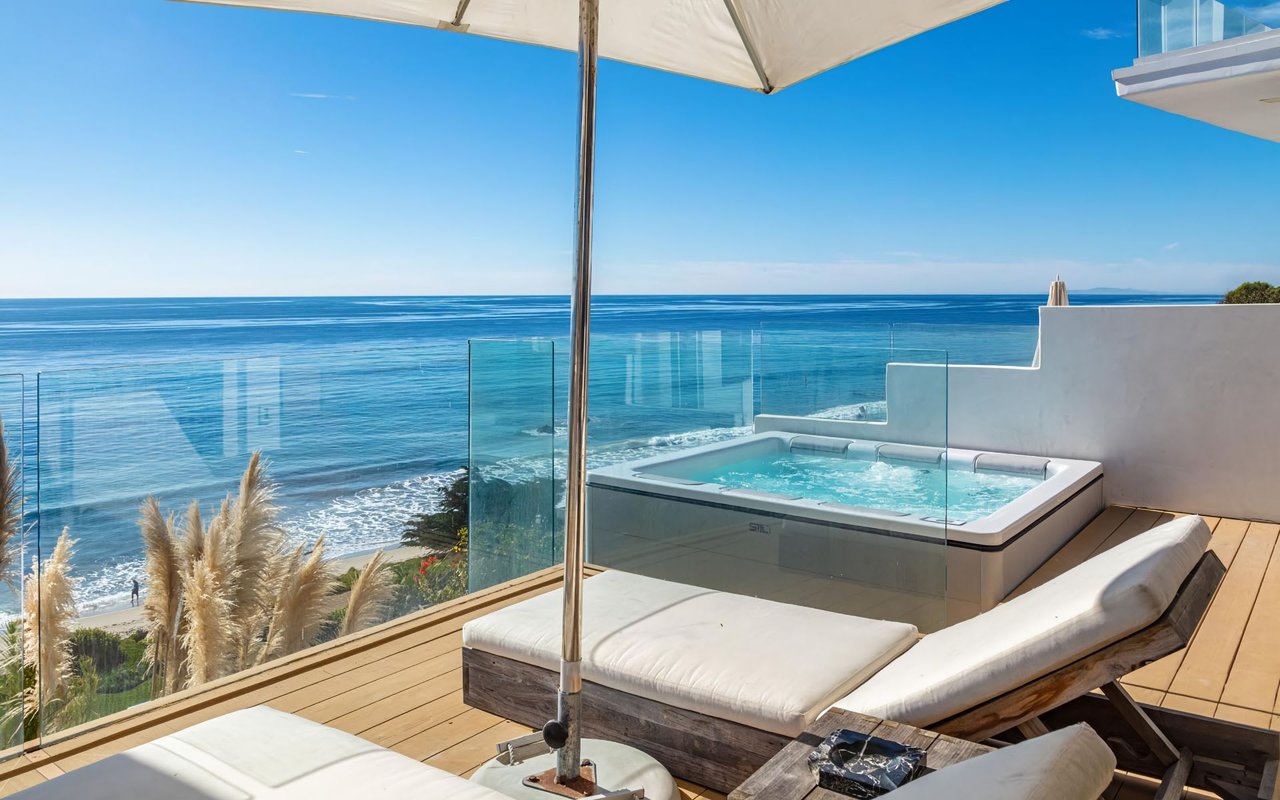
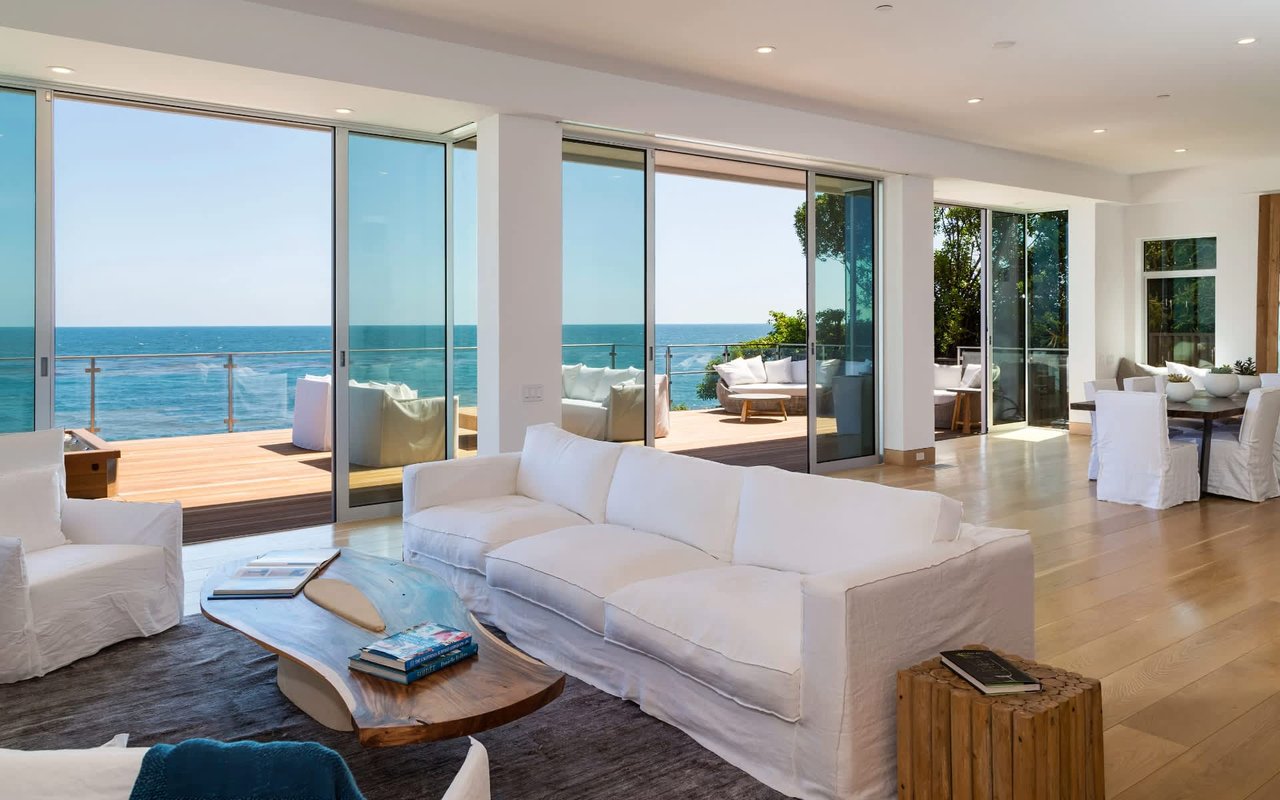
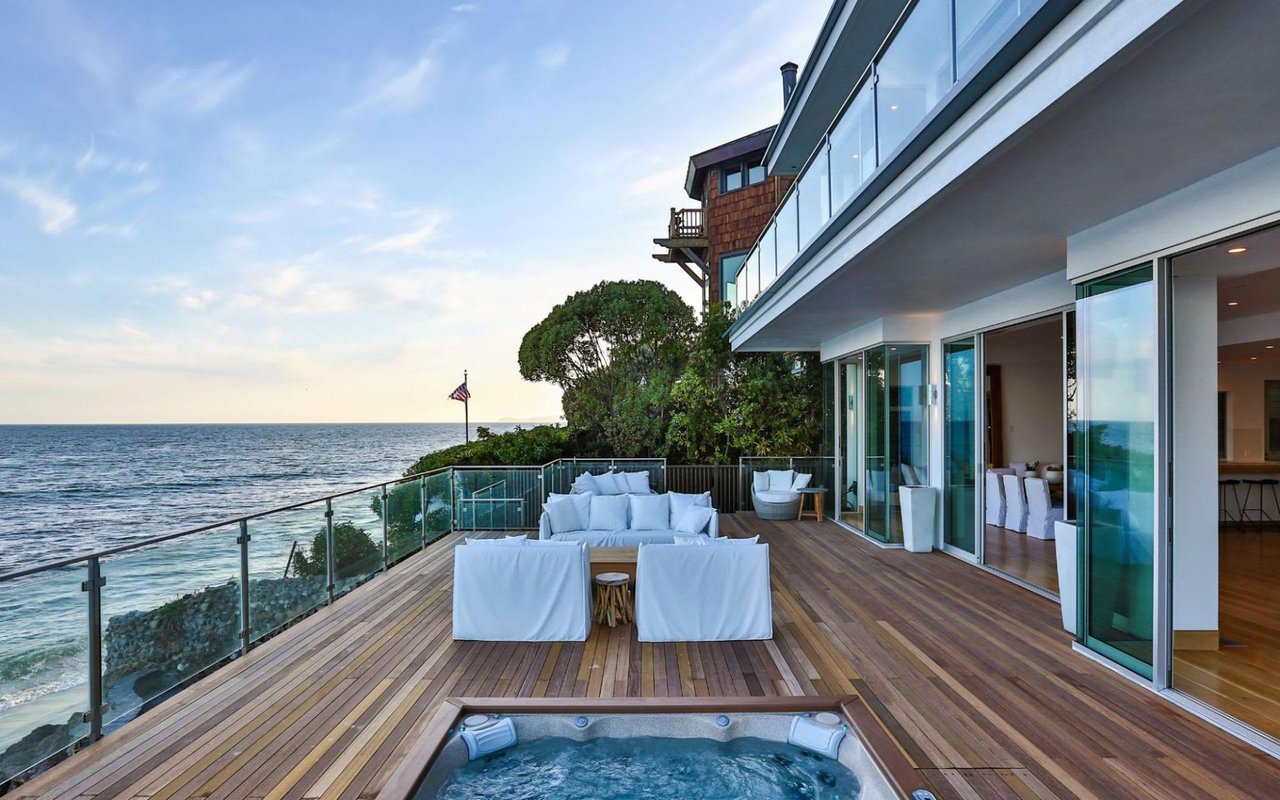
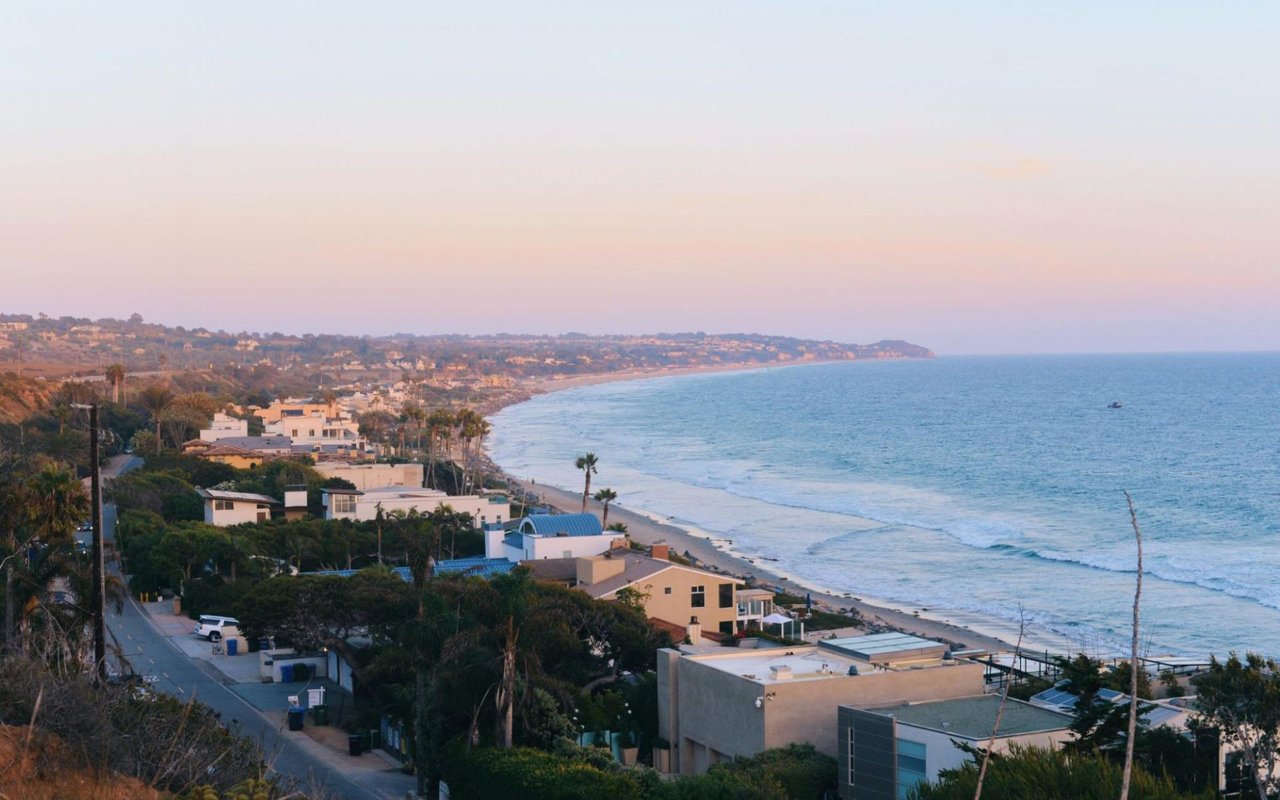
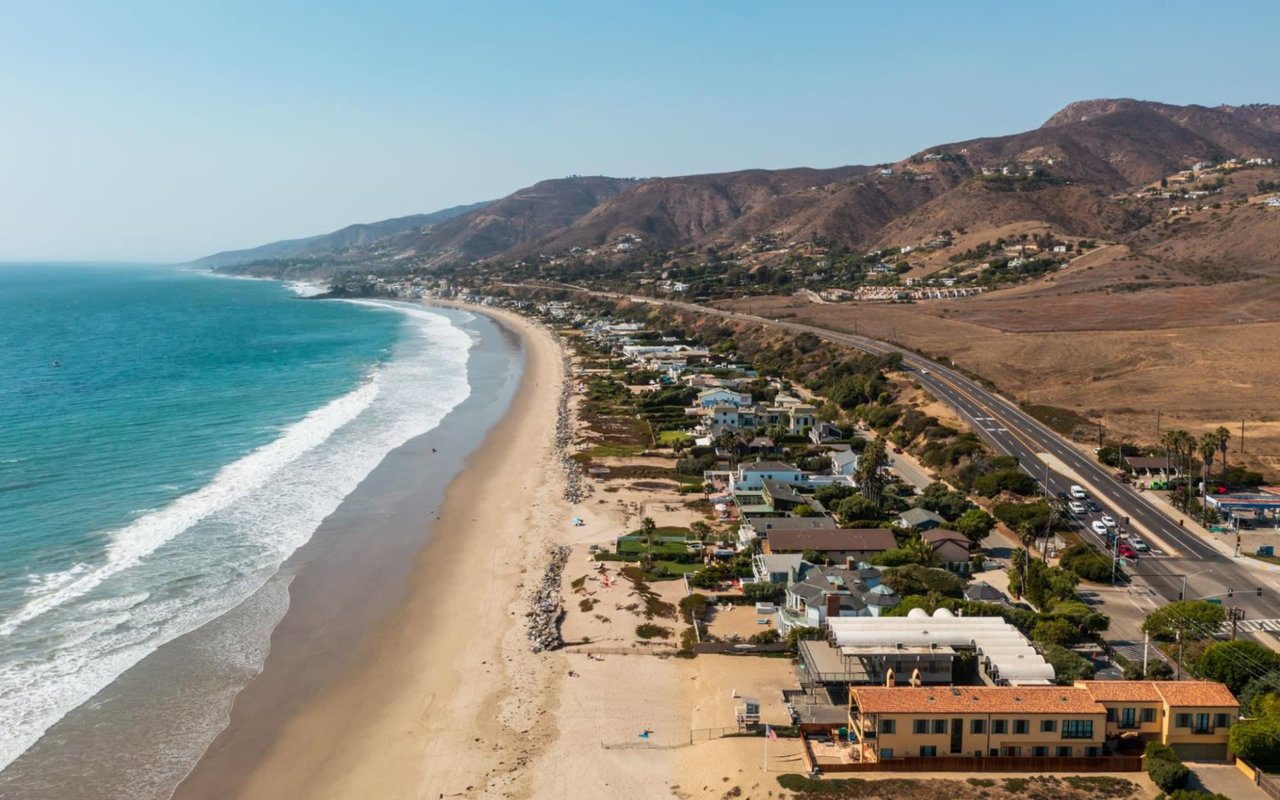
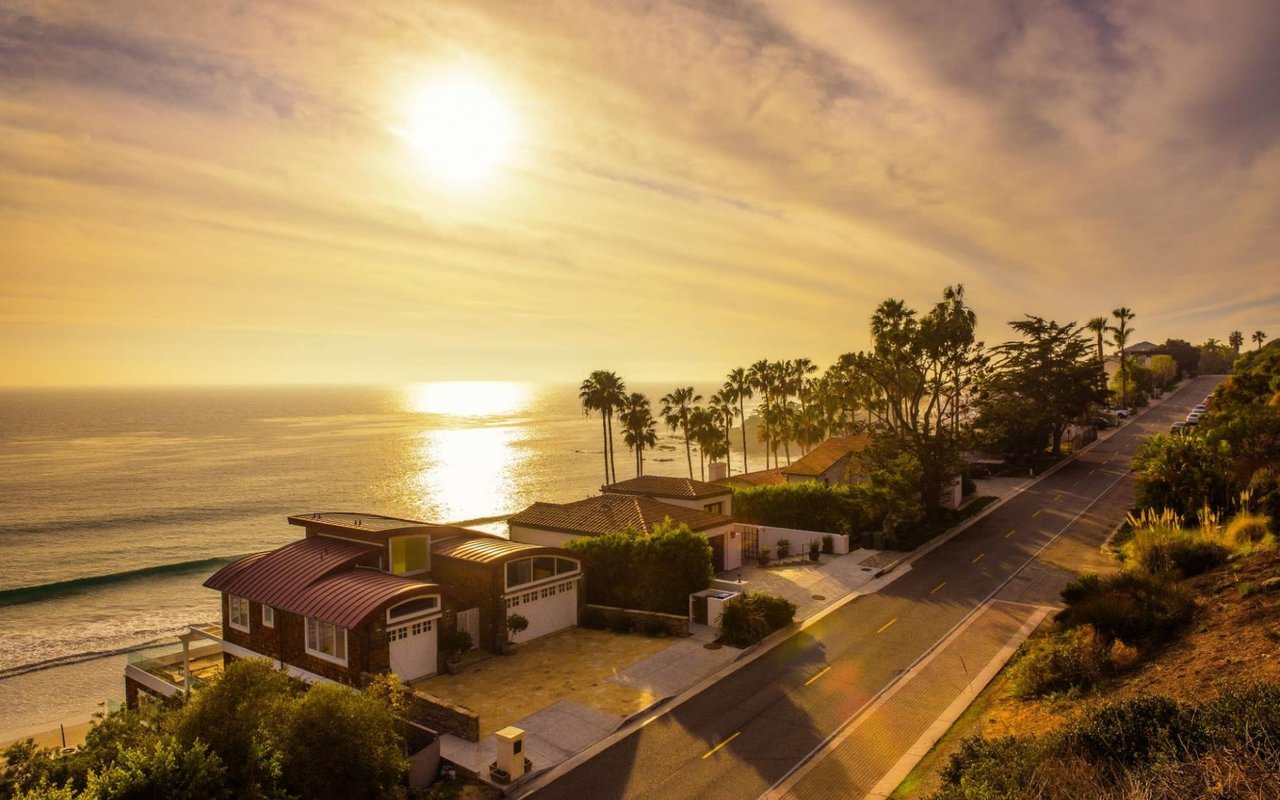
One nuance I always share with clients is that Malibu's different property categories do not respond identically to seasonal cycles. Beachfront properties, particularly in communities like Carbon Beach, Broad Beach, and Malibu Colony, tend to see their strongest buyer interest align with the summer months, when the lifestyle proposition of sand-front living is most immediately tangible to prospective buyers experiencing Malibu firsthand.
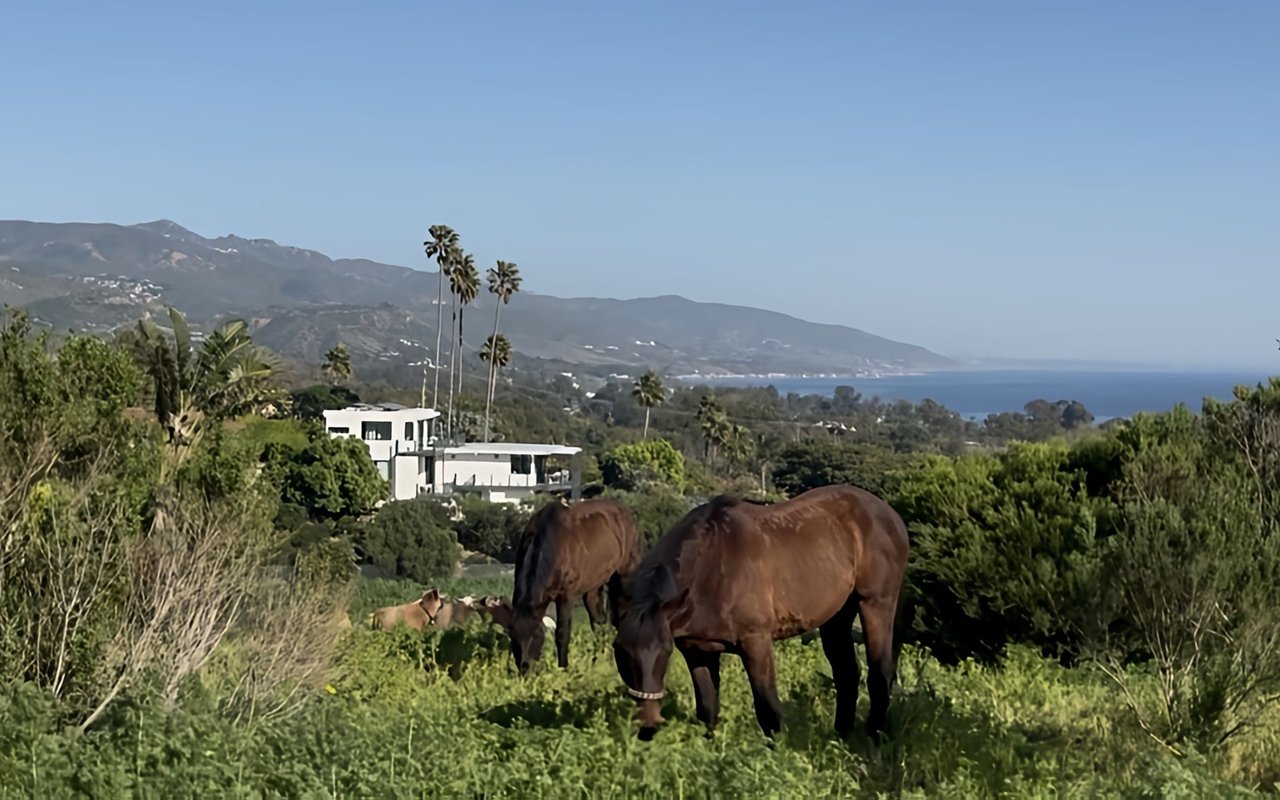
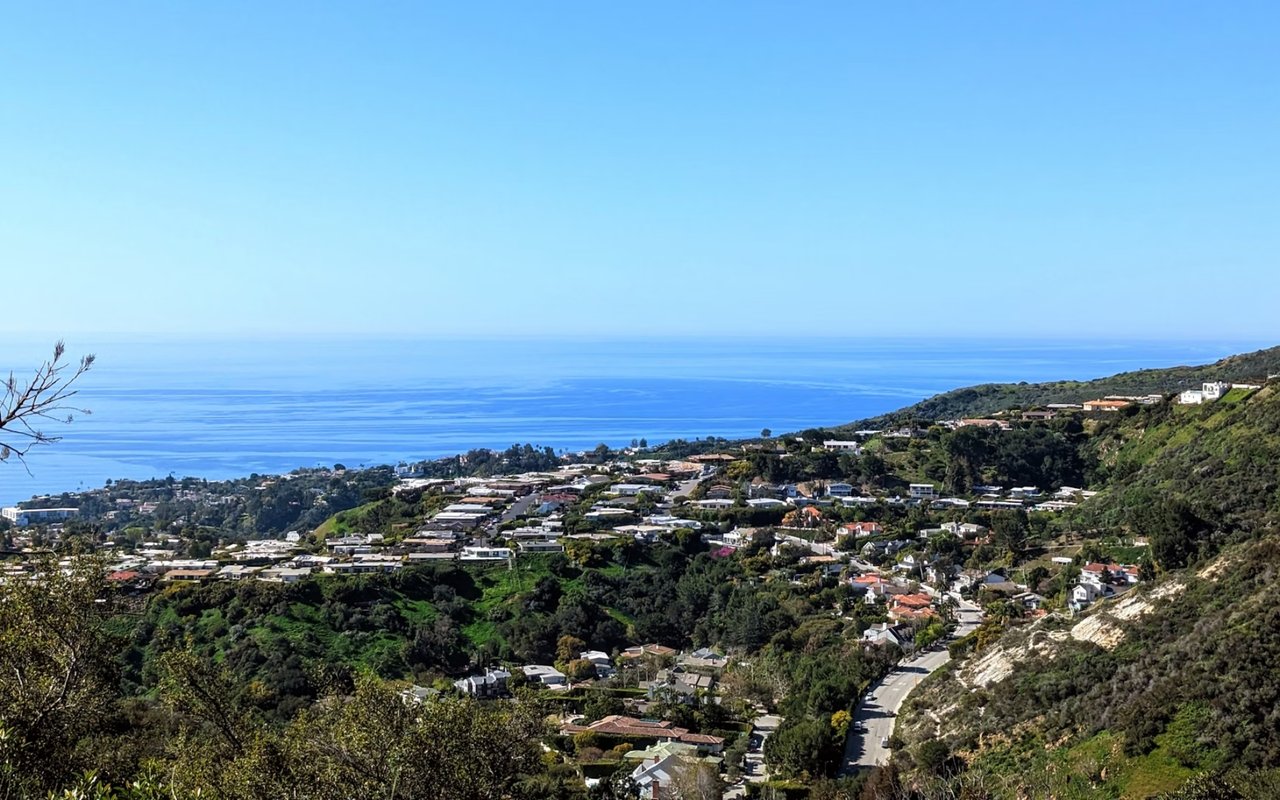
Canyon and hillside properties in areas like Serra Retreat, Malibu Park, and the Santa Monica Mountains corridor follow a slightly different pattern. These properties appeal to a buyer who is drawn to privacy, acreage, and the natural environment of the mountains, and that appeal is not as seasonally concentrated as beachfront demand.
Fall and winter can actually be exceptionally strong seasons for canyon properties, when the landscape is at its most dramatic and the sense of seclusion that buyers seek in these communities feels most vivid.
Understanding these sub-market distinctions is part of how I help clients develop timing strategies that are specific to the type of property they are seeking rather than generic seasonal advice that may not apply to their situation.
Frequently Asked Questions
Is spring always the best time to list a Malibu property?
Spring generally offers the deepest buyer pool and the most competitive offer dynamics, which can support stronger pricing outcomes. However, the best time to list depends on the specific property, the seller's goals, and the current inventory landscape. I review all of these factors with every seller before recommending a listing timeline.
Can buyers find better deals in the off-season?
Fall and winter can present genuine opportunities for buyers who are flexible on timing. Motivated sellers, reduced competition, and more negotiating leverage are all more accessible in the quieter months than during the peak spring and summer markets. I help buyers assess whether off-season timing aligns with their goals and priorities.
Do Malibu's seasonal cycles apply equally to all price points?
The ultra-luxury segment of the Malibu market, particularly beachfront properties above ten million dollars, is somewhat less sensitive to seasonal cycles because the buyer pool at that level is global and not as constrained by local seasonal patterns. That said, even at the highest price points, spring and summer tend to concentrate buyer activity in ways that matter to both timing and pricing strategy.
How does an off-market strategy fit into seasonal timing?
Off-market opportunities exist in every season and are not constrained by the listing cycles that govern public inventory. For buyers who want access to properties before they reach the open market, maintaining an active relationship with a well-connected local agent is the most reliable strategy regardless of the time of year.
When you are ready to time your move in the Malibu market with precision and confidence, I would welcome the conversation. Connect with Brian Merrick and develop a buying or selling strategy built around the specific dynamics of this extraordinary market.