
Ever wonder how one of Malibu’s most famous beachfront names actually works as a place to live? Paradise Cove has a big public image, but daily life here is more specific and more structured than many buyers expect. If you are curious about the homes, the setting, and what makes this enclave distinct within Malibu real estate, this guide will walk you through the essentials. Let’s dive in.
What Makes Paradise Cove Distinct
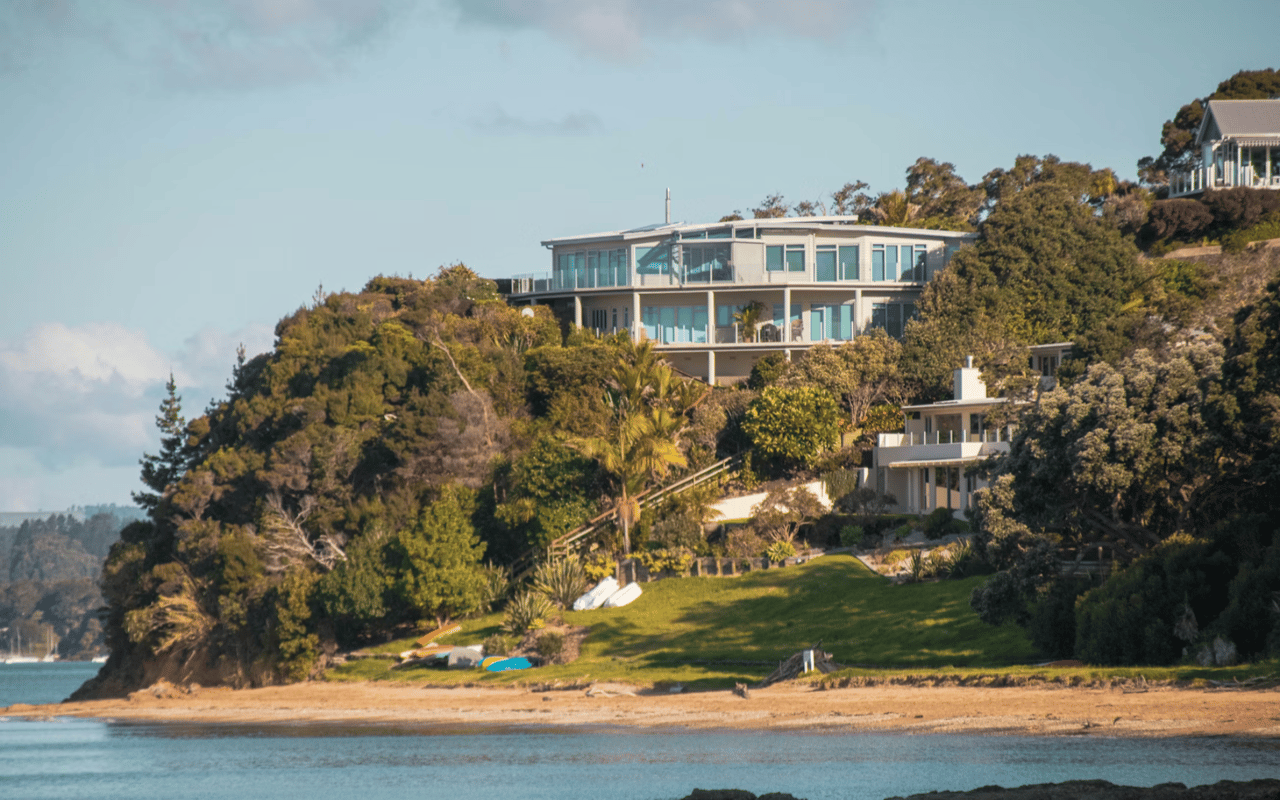
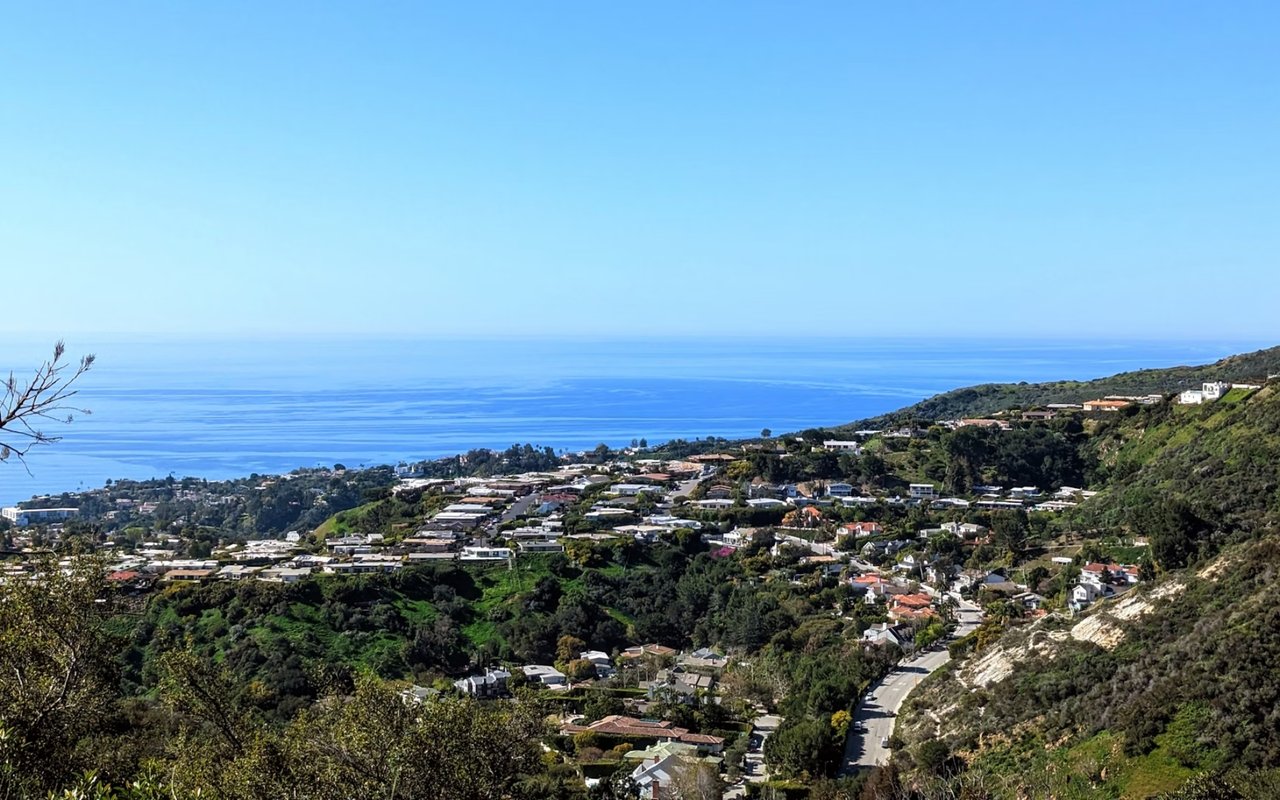
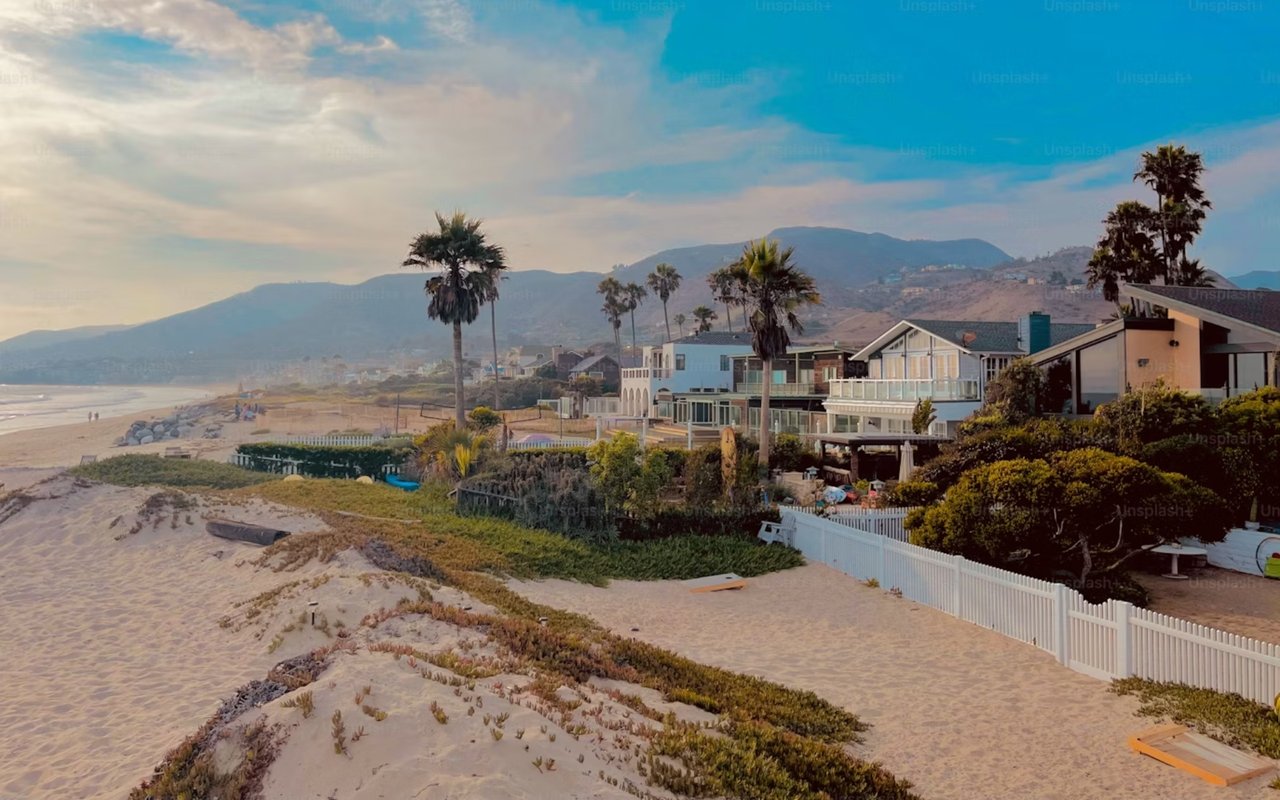
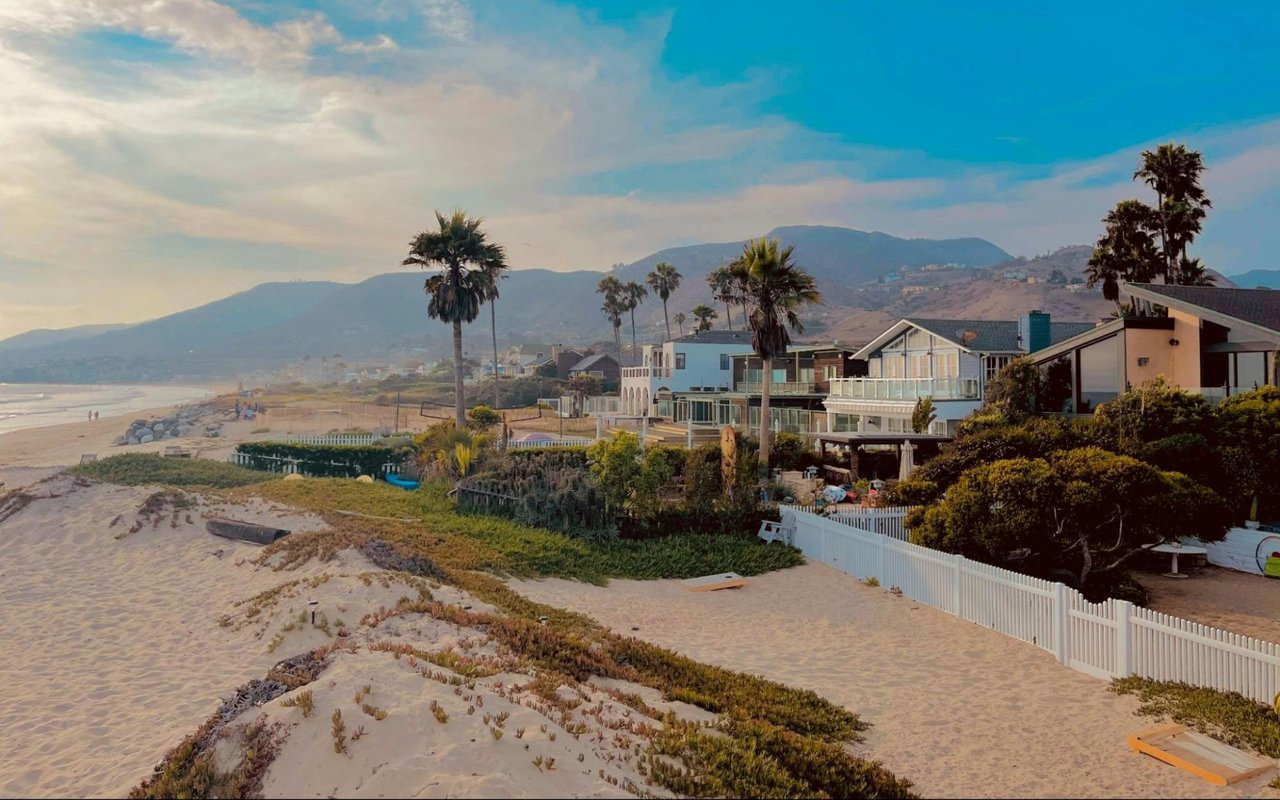
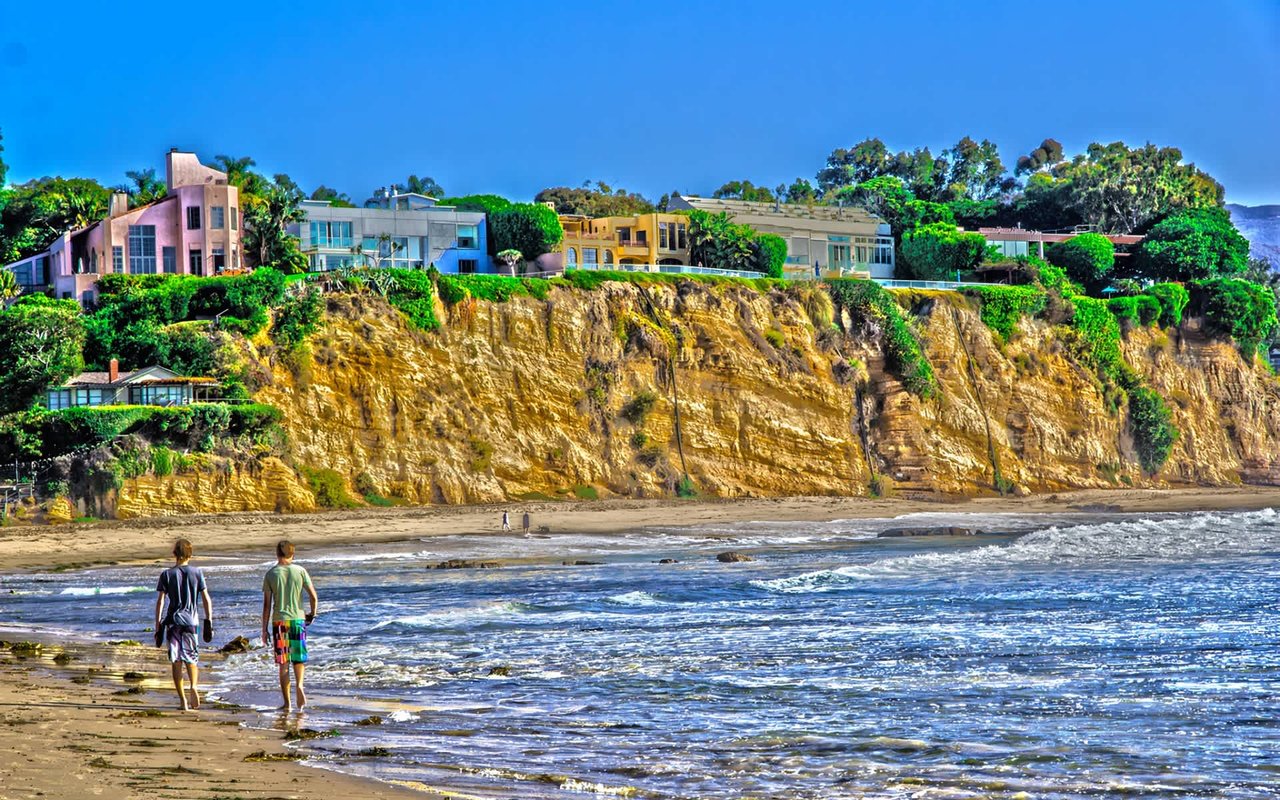
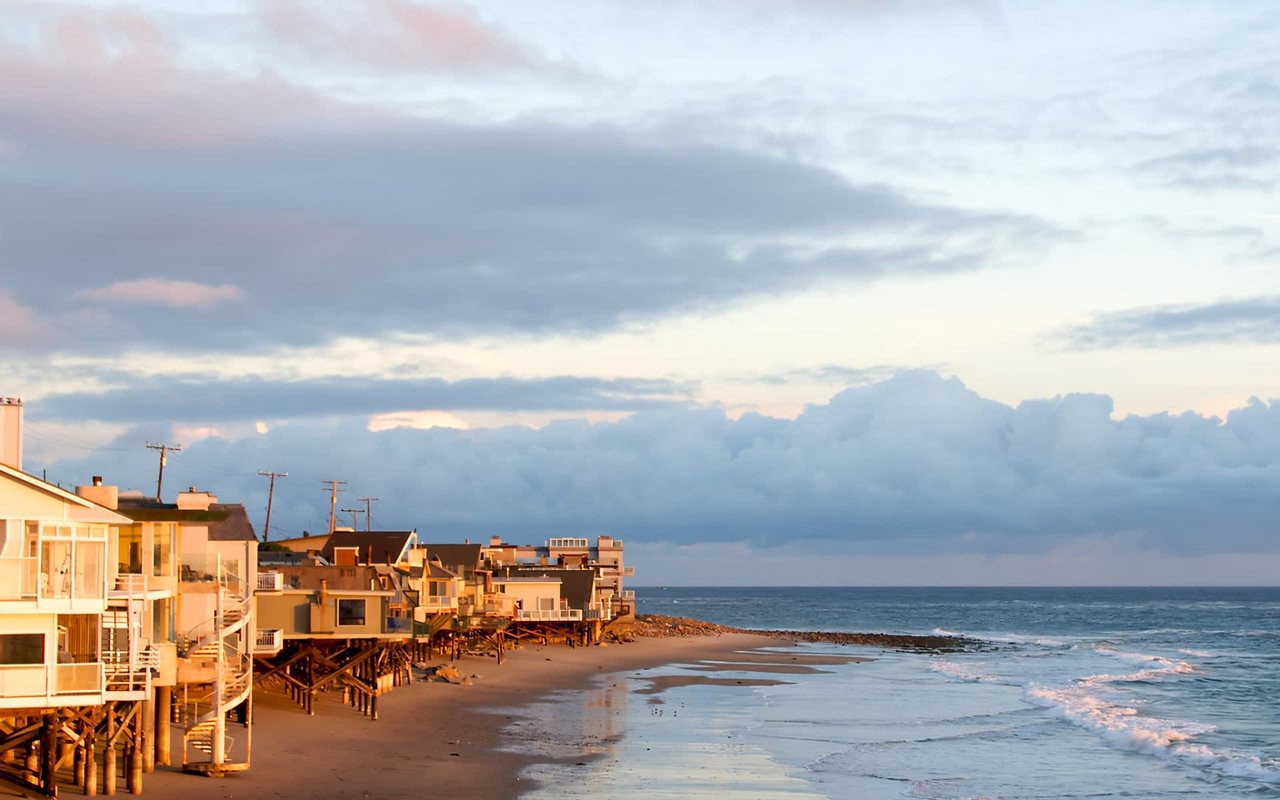
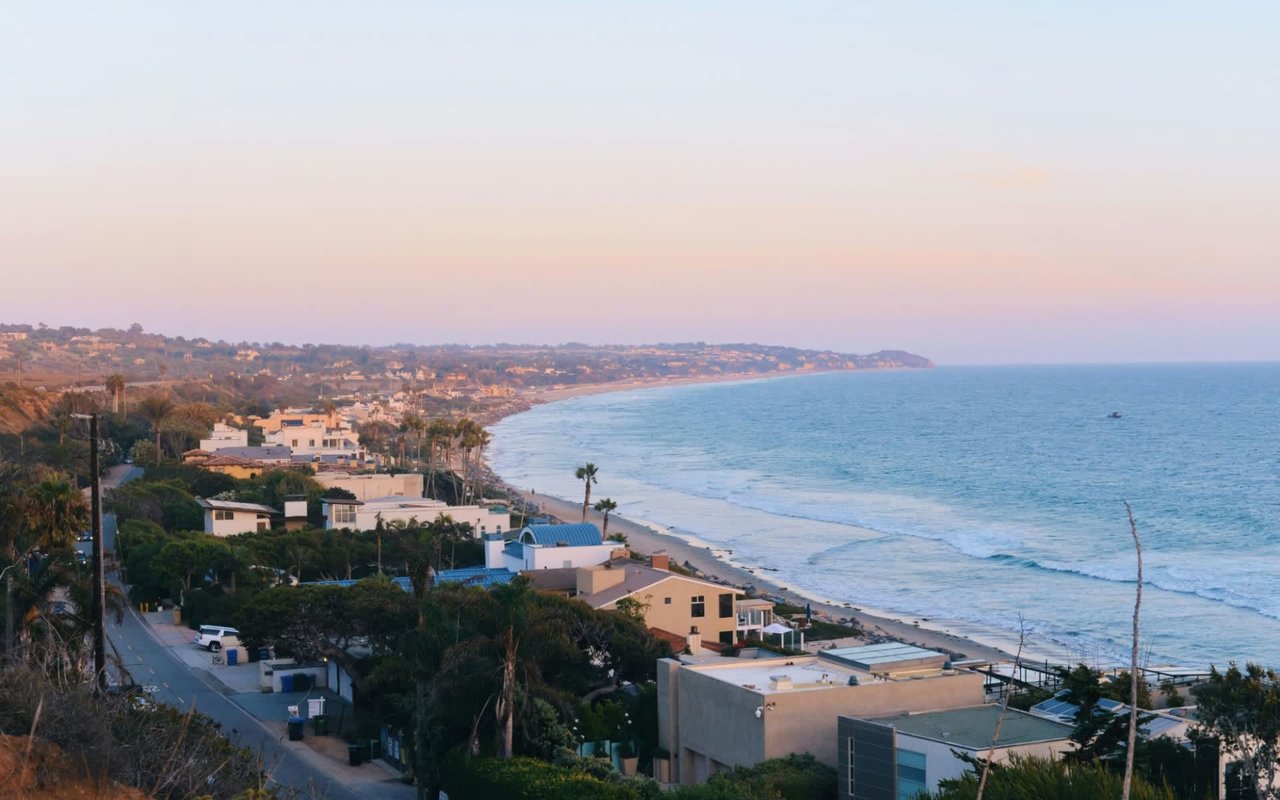
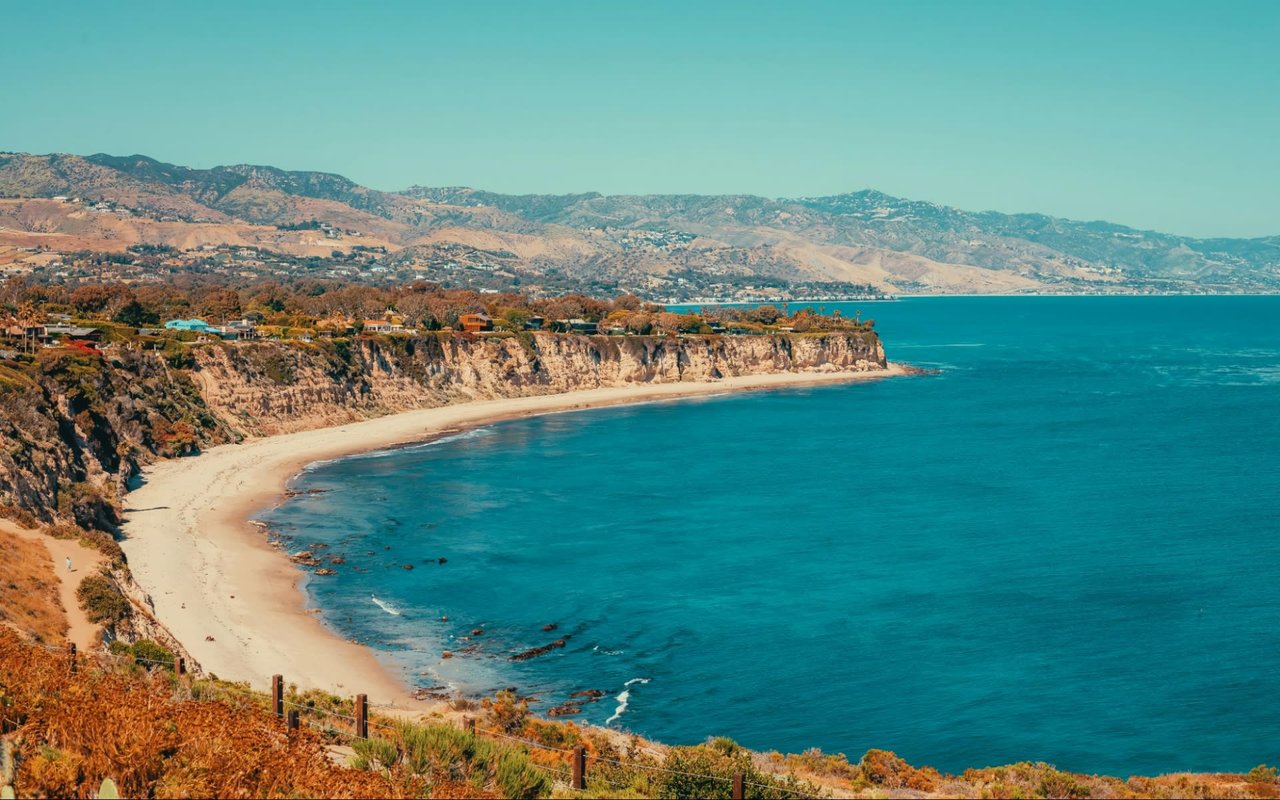
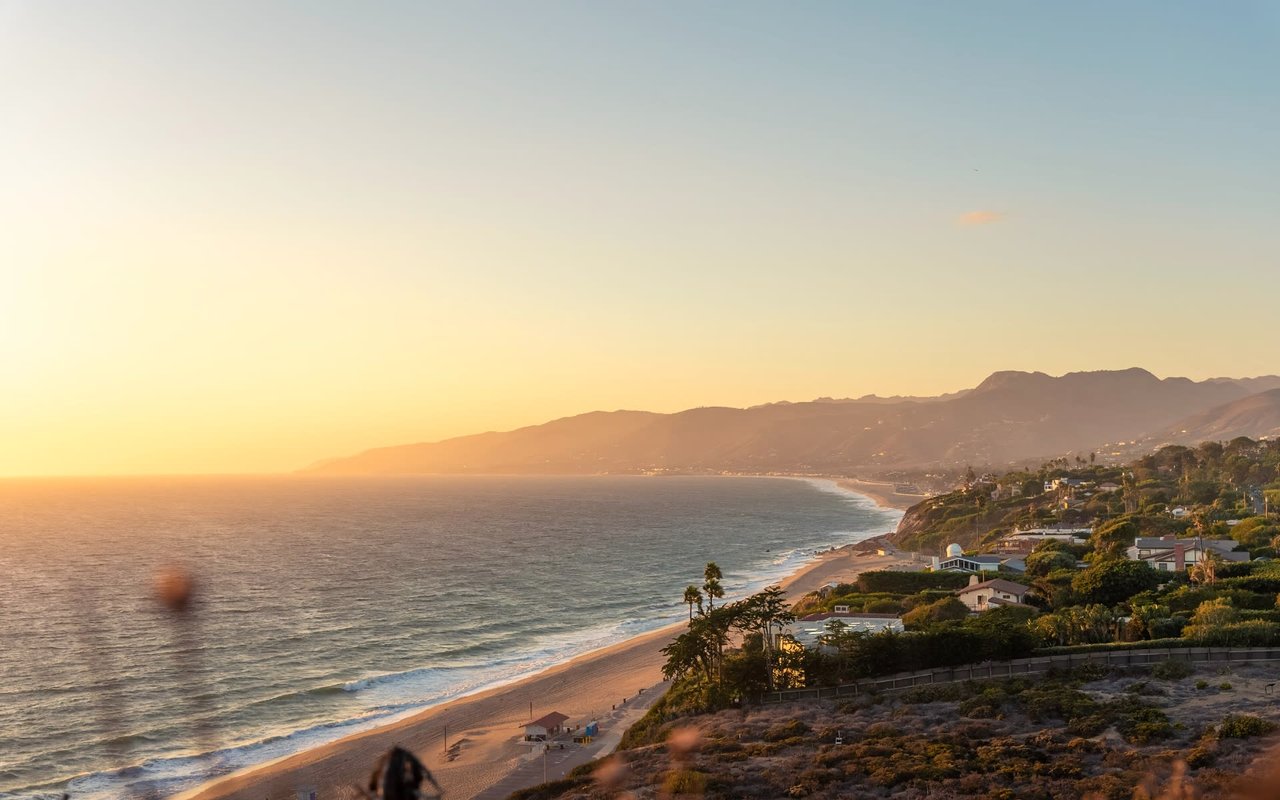
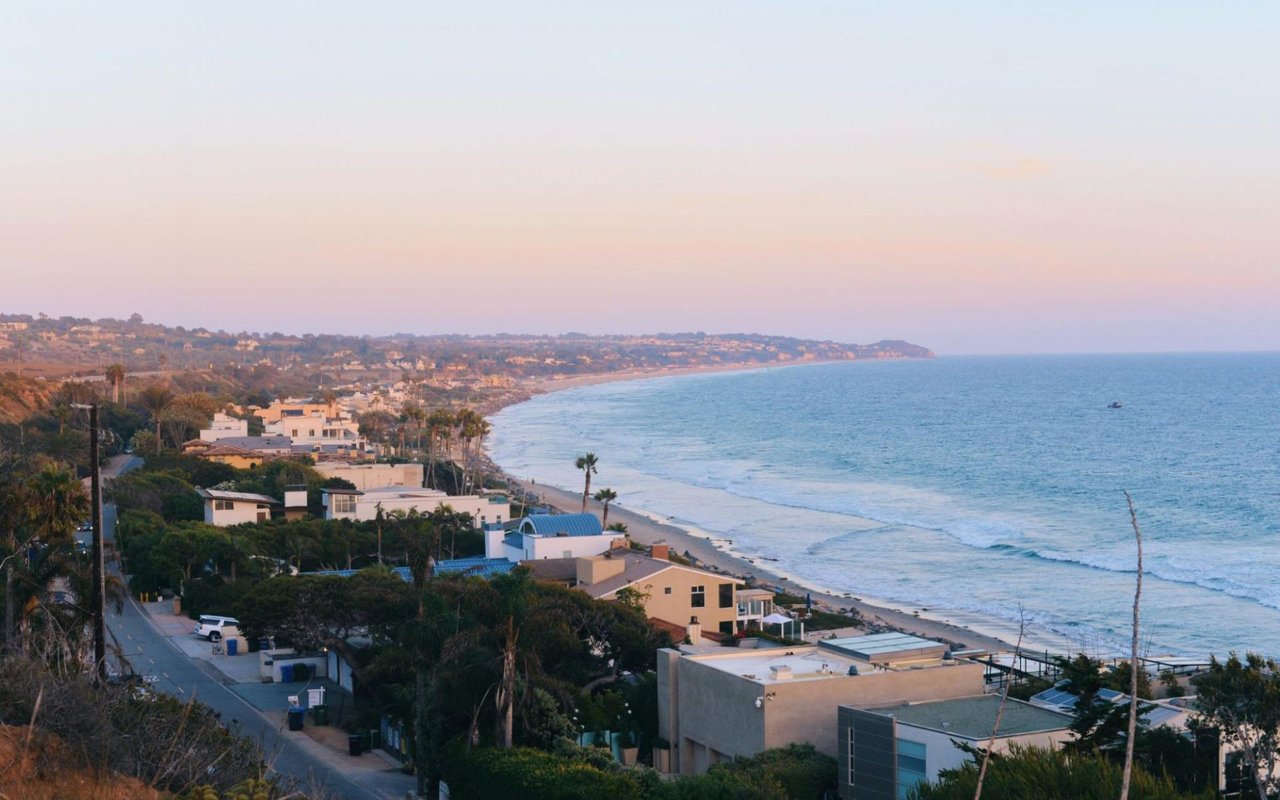
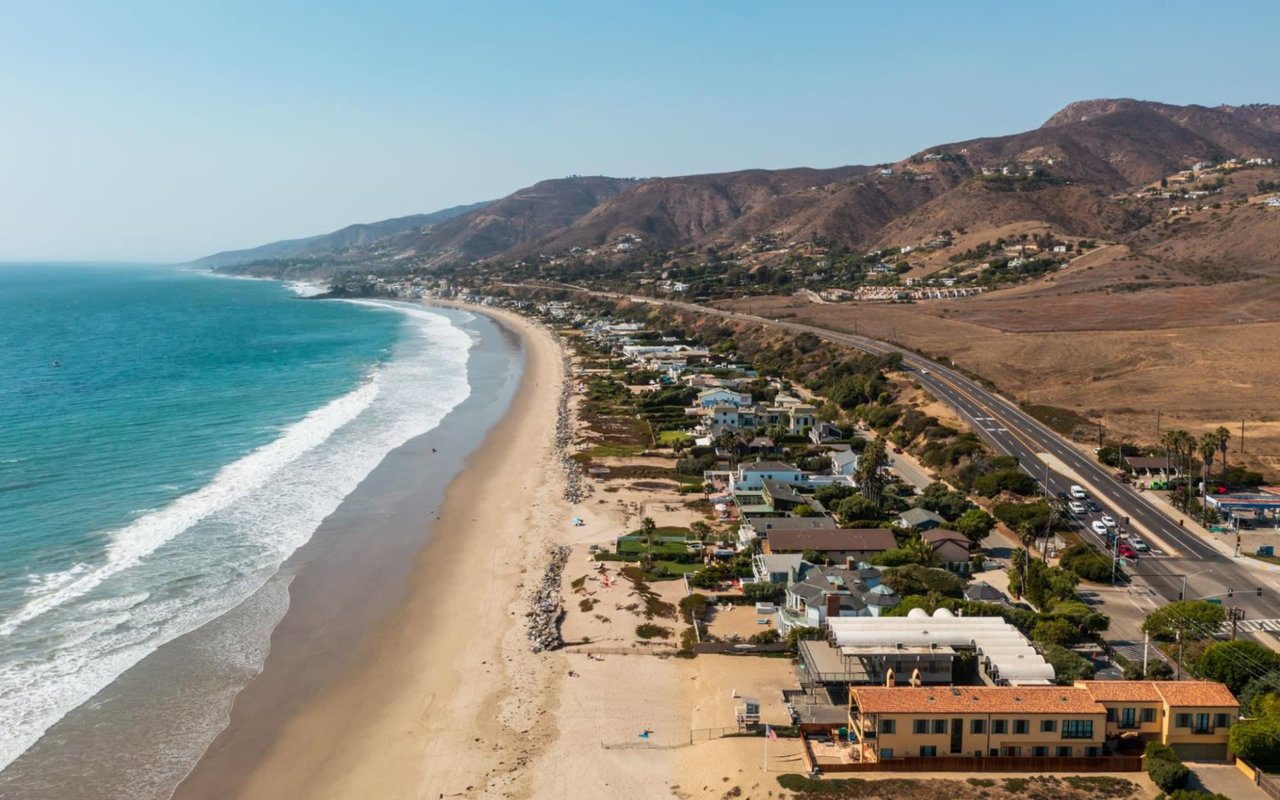
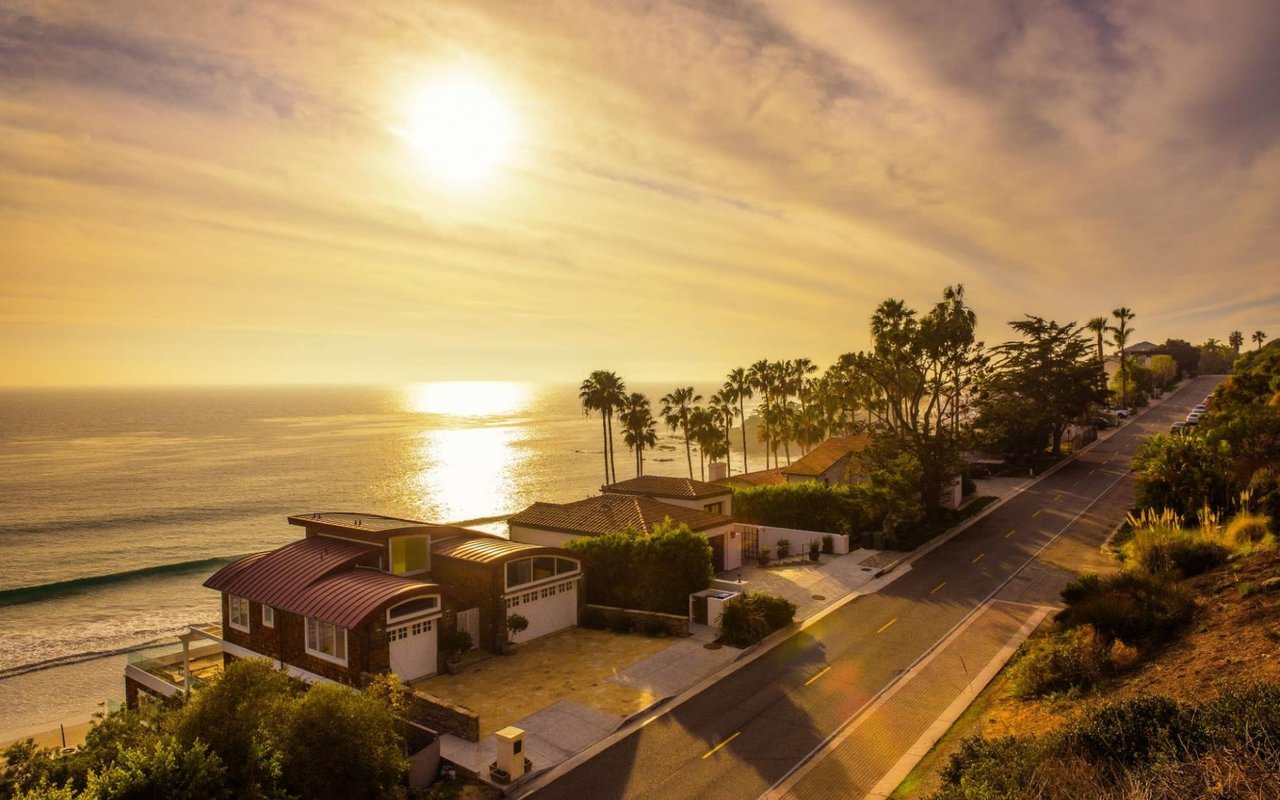
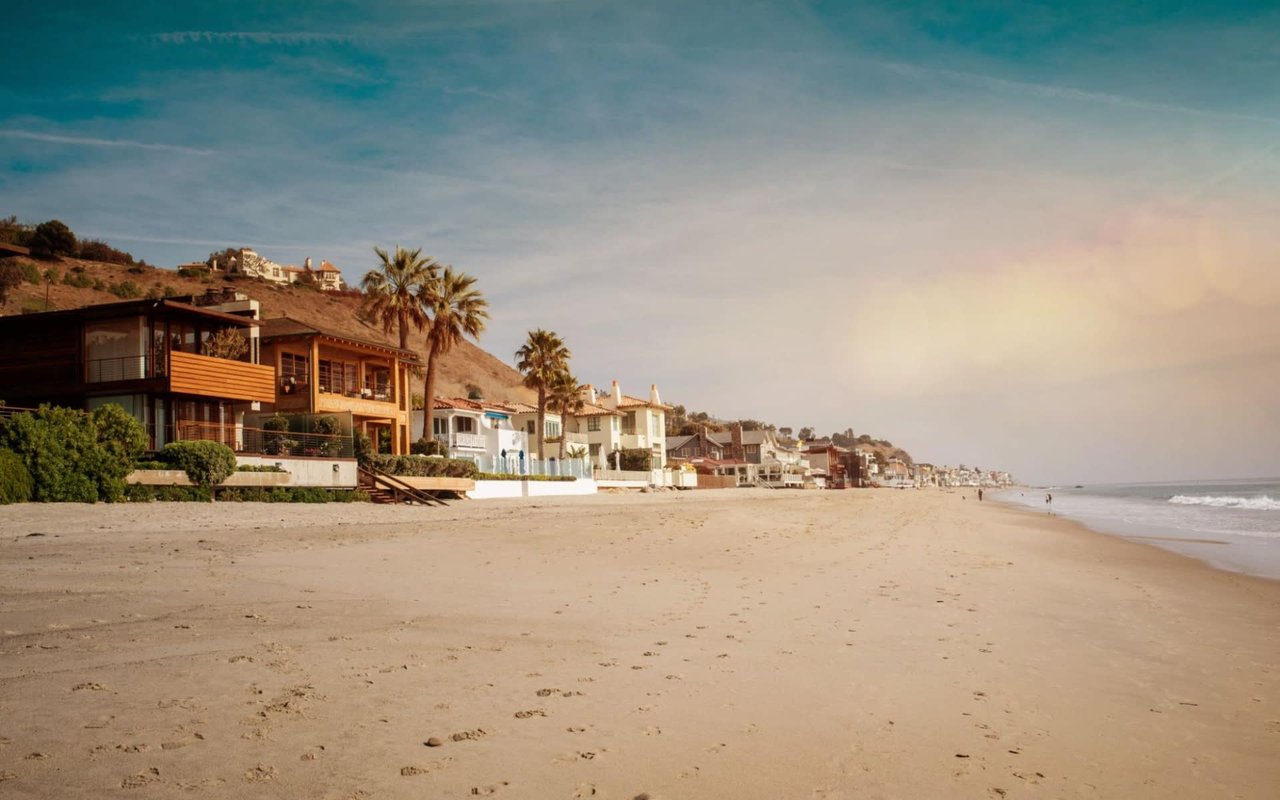
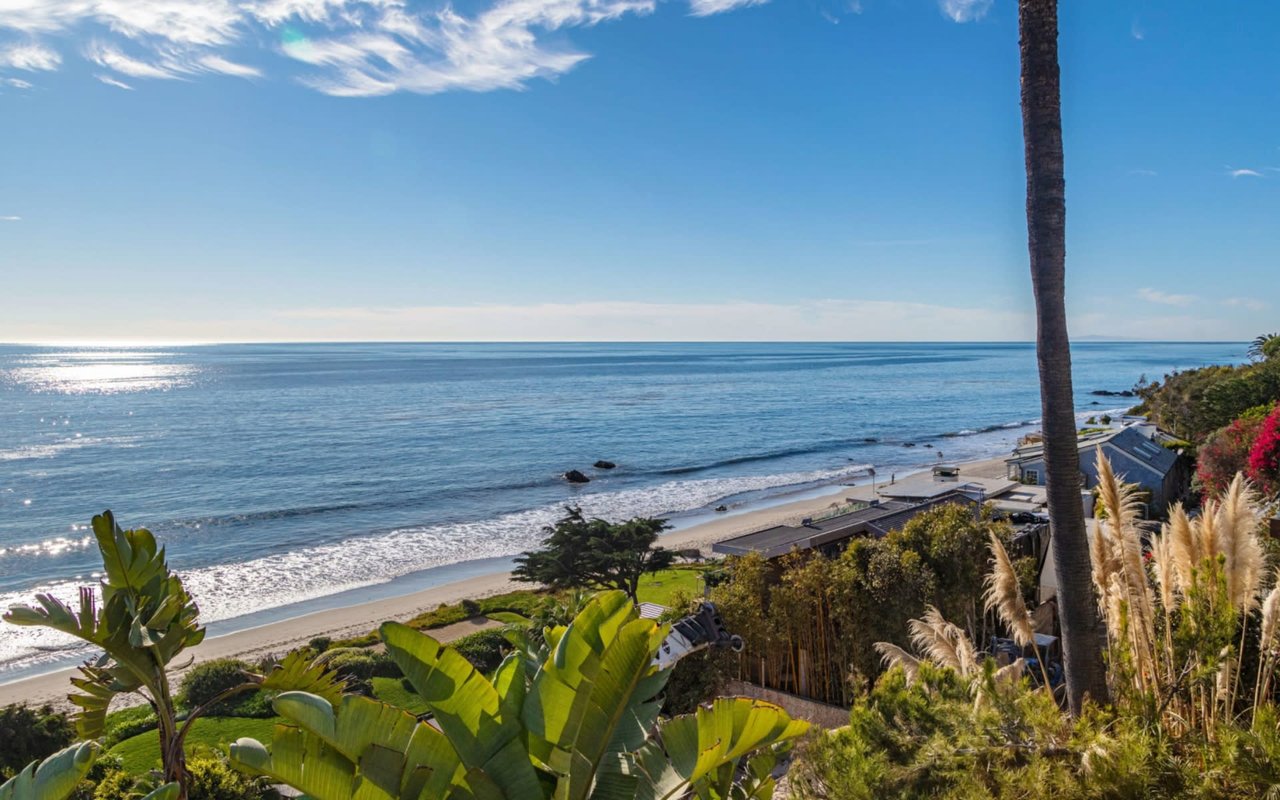
Paradise Cove sits at 28128 Pacific Coast Highway on the south side of PCH, reached via Paradise Cove Road, with city materials placing the property within 1,300 feet of the Pacific Ocean. That location puts it inside Malibu’s larger coastal setting, a city shaped by beach frontage, coves, bluffs, and a strong connection to the shoreline.
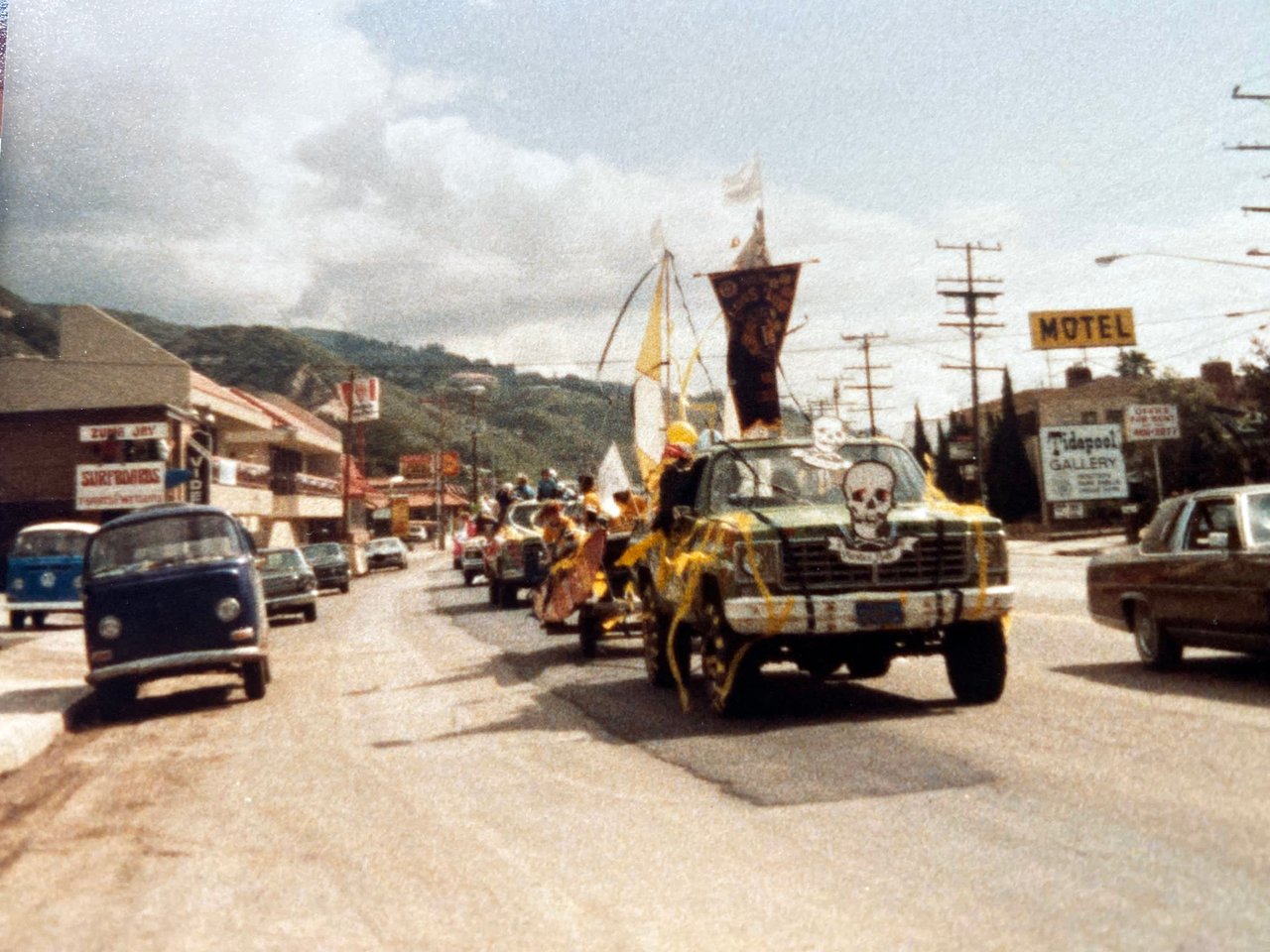
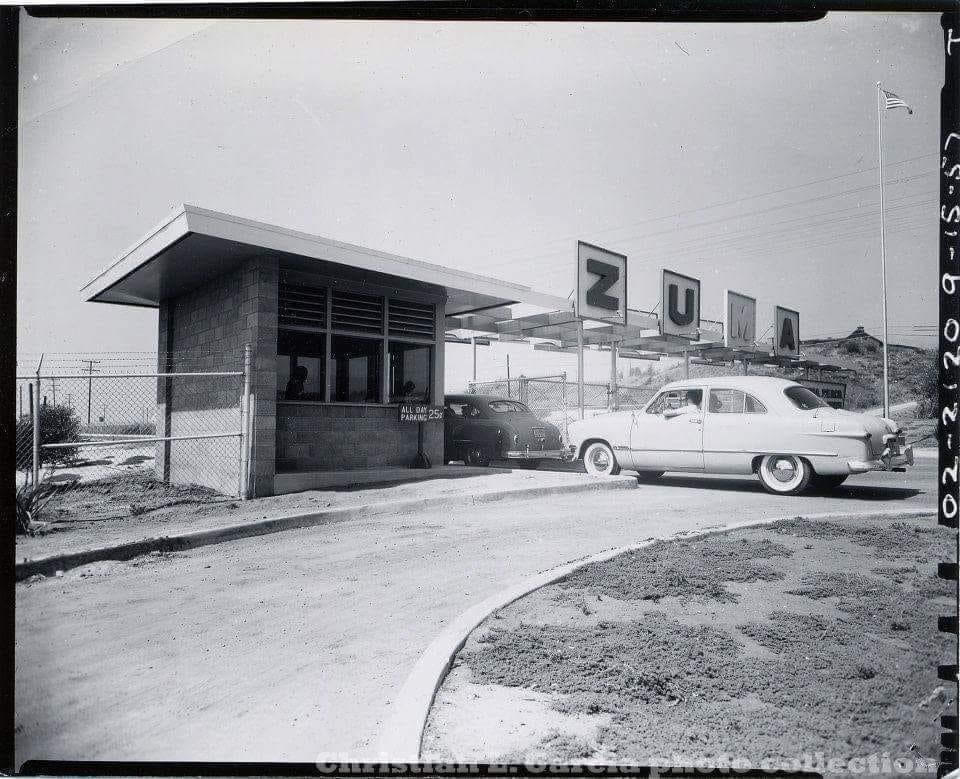
Part of what makes Paradise Cove so recognizable is its long-standing place in Malibu culture. The Cove’s official history ties the property to about 70 acres and to mid-century beach culture, along with productions like Beach Blanket Bingo, Gidget, Sea Hunt, and Malibu Run. That history gives the area a rare mix of nostalgia, name recognition, and everyday beach identity.
Paradise Cove Homes and Community Style
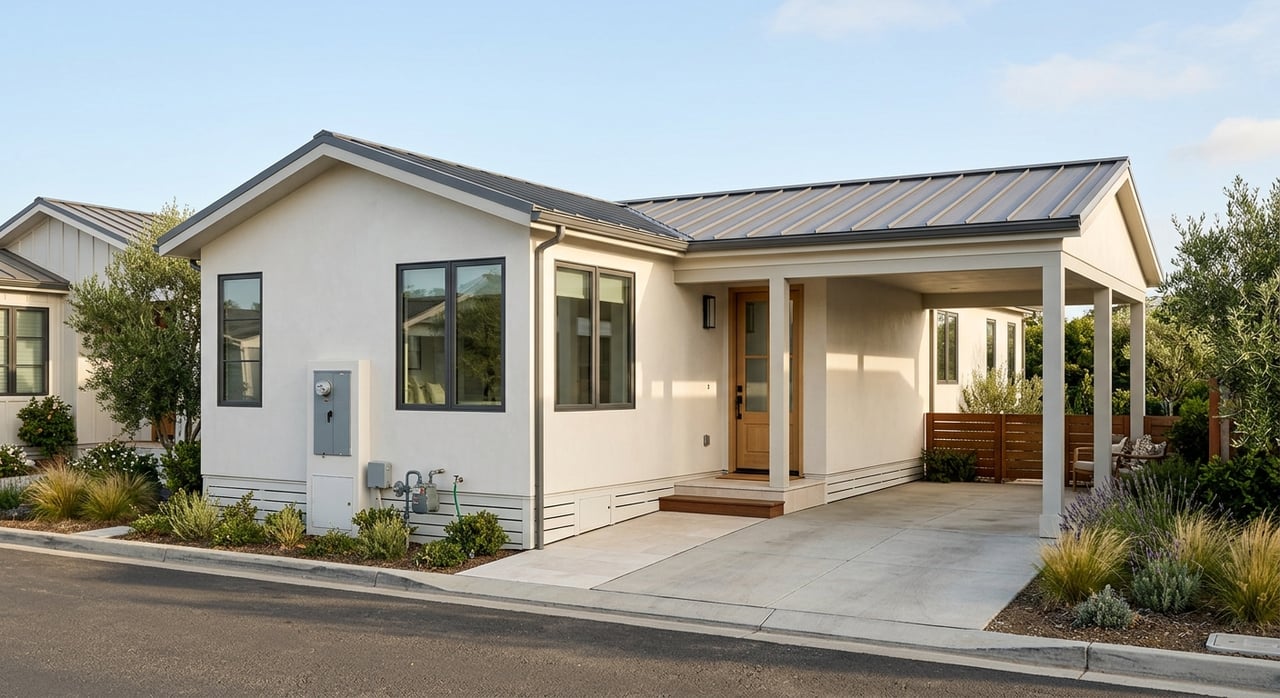
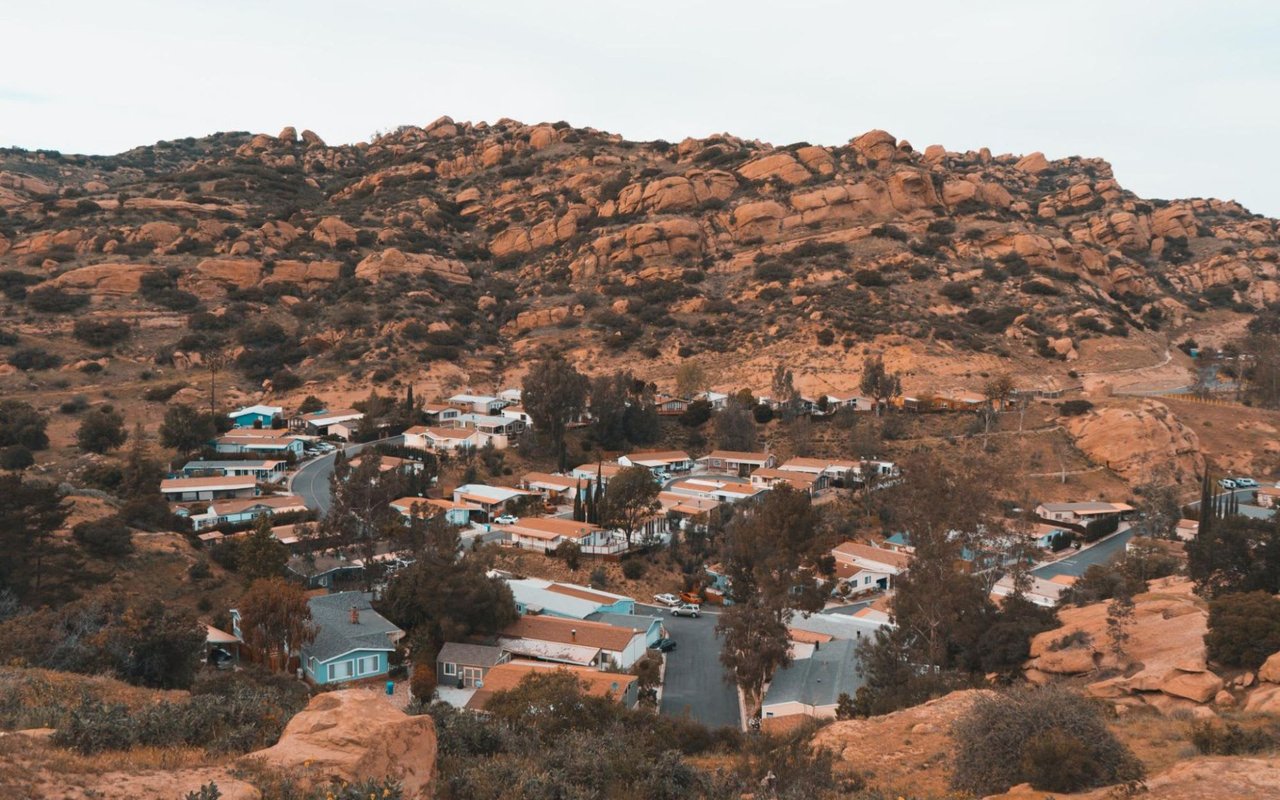
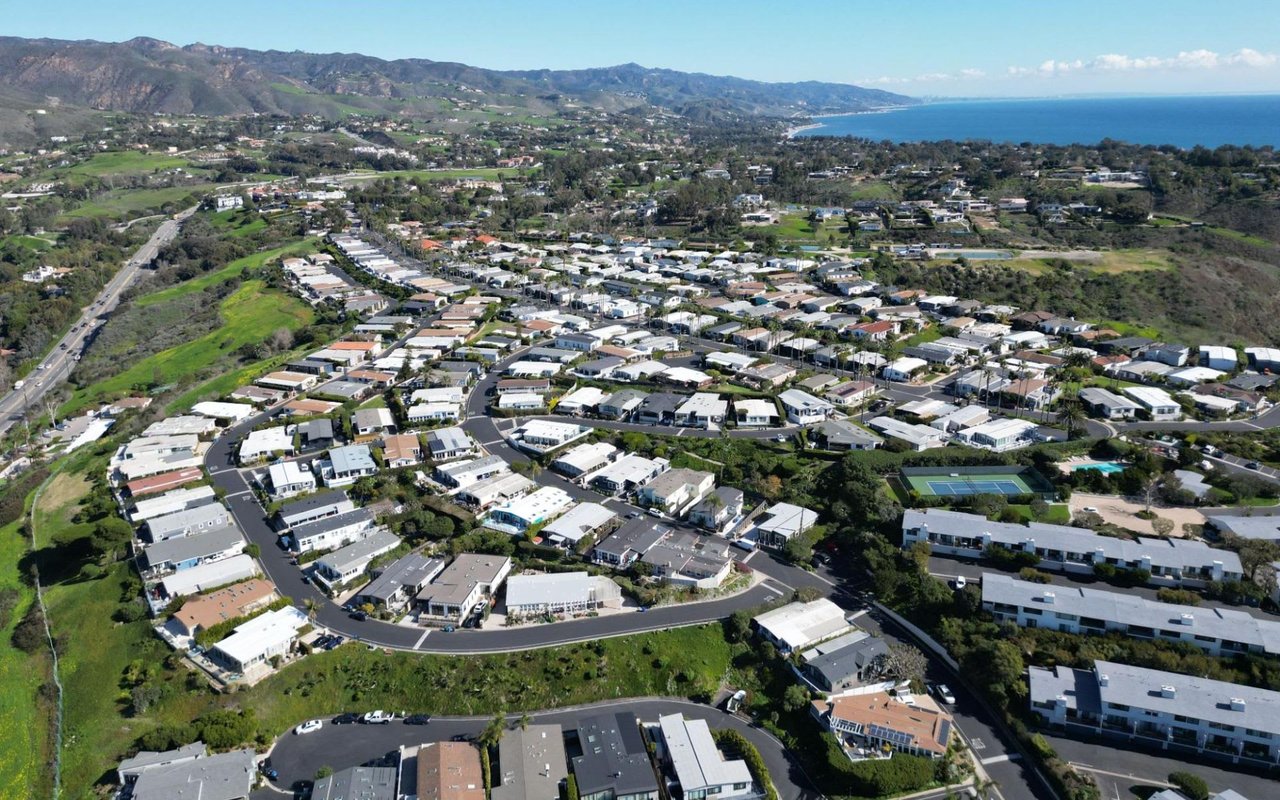
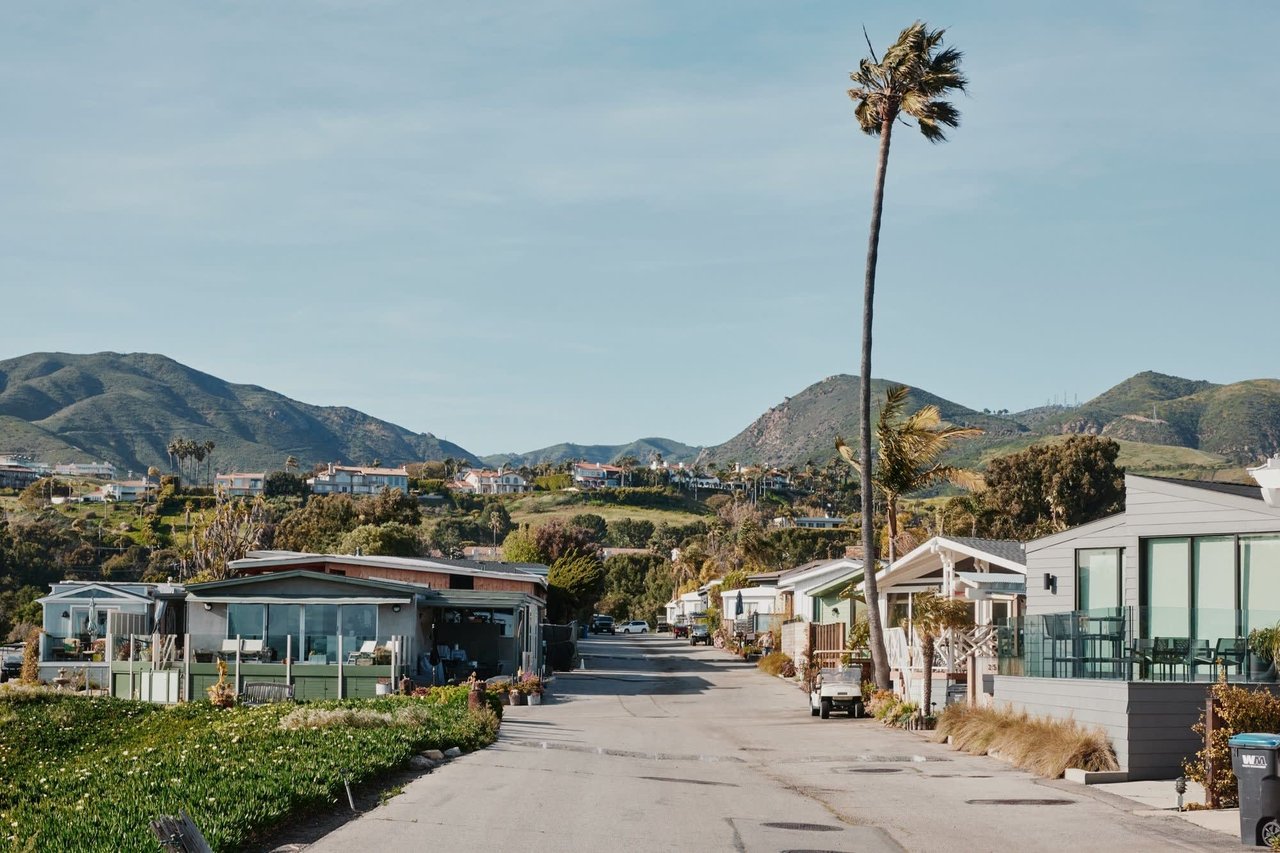
Paradise Cove is not a conventional single-family neighborhood. The property is zoned Mobile Home Residential and Commercial Visitor Serving, and Malibu identifies it as one of the city’s two mobilehome parks.
That matters because it shapes both the housing stock and the lifestyle. Homes here are mobilehome or manufactured-home oriented rather than traditional estate properties on large private lots. In Malibu’s broader housing picture, the city says its approximately 550 mobile homes are its most significant source of affordable housing.
For some buyers, that creates a very specific opportunity. You can enjoy a Malibu coastal setting through a community-based housing model rather than through a large fee-simple estate. For others, it may feel too different from the privacy and land ownership structure they had in mind.
A More Managed Beach Lifestyle
Paradise Cove often gets described in dreamy, cinematic terms, but the actual feel is more orderly and managed than casual beach mythology might suggest. Current park rules point to a calm, structured setting, with quiet hours from 10:00 p.m. to 8:00 a.m., a 5 mph vehicle limit, adult supervision rules for minors at the pool, and leash requirements and limits for pets.
That framework helps shape the day-to-day atmosphere. Rather than a loose, all-hours beach scene, Paradise Cove reads more like a governed coastal community with shared expectations. If you value predictability, clear rules, and a quieter pace, that structure may be part of the appeal.
Beach Access and Daily Rhythm
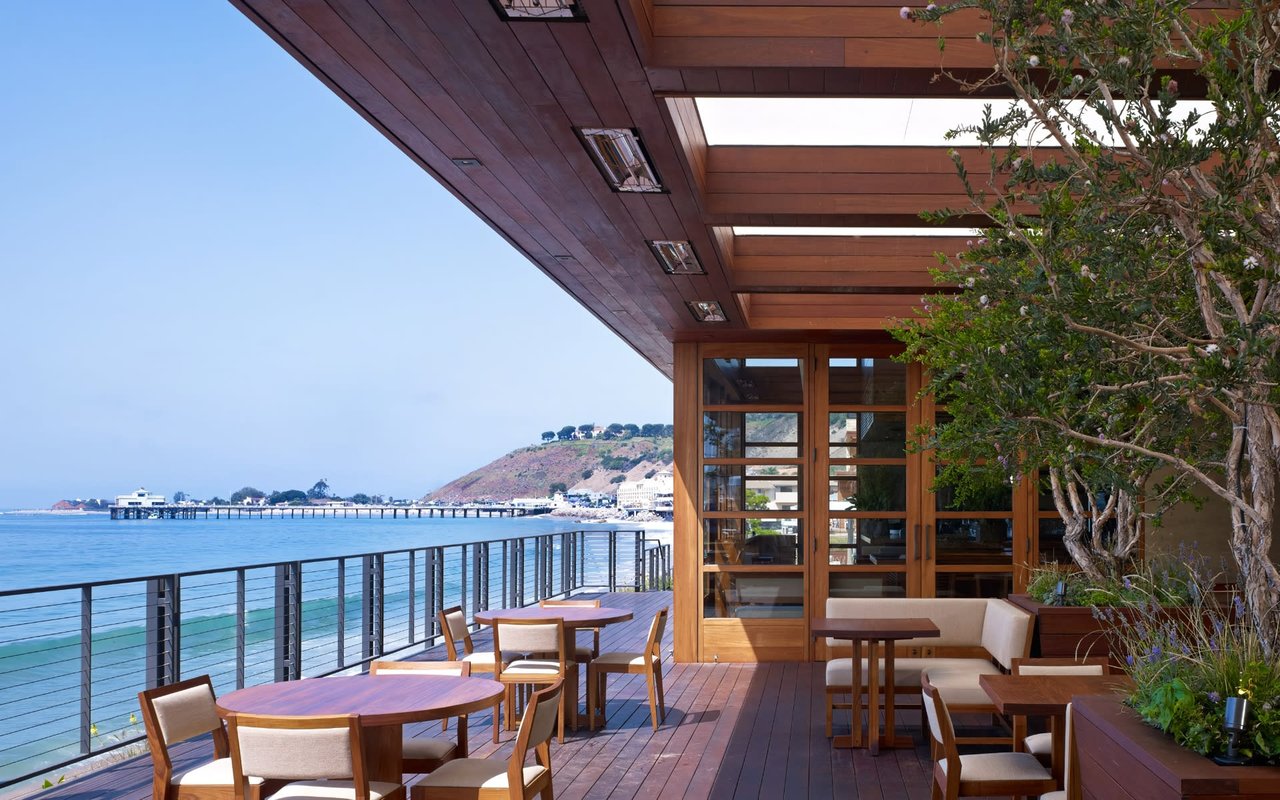
Beach access is a major part of the Paradise Cove story, but it helps to understand how it works. The public is welcome to walk from PCH to the pier and use the beach below the mean high tide line along the shoreline. At the same time, the café’s restrooms, tables, and restaurant facilities are reserved for paying guests.
In practical terms, the shoreline functions as public coastal space within a carefully managed private venue. That balance reflects a bigger Malibu reality. The city’s Local Coastal Program treats public access and recreation as core goals, and the Mountains Recreation and Conservation Authority manages multiple Malibu beach accessways, PCH undercrossings, and overlooks across the city.
On site, the property includes the Paradise Cove Mobile Home Park and Beach Café, along with beach restrooms, a grassy lawn area, a community room, a tennis court, a tot lot, and a state-owned pier. Those features help make the Cove feel active and beach-centered without losing its neighborhood structure.
Why the Climate Matters Here
Malibu’s climate plays a real role in how Paradise Cove lives. City planning documents describe cool winters, moderate summers, ocean breezes, summer highs in the 70s to 80s, winter highs in the 60s, and about 16.5 inches of annual rainfall.
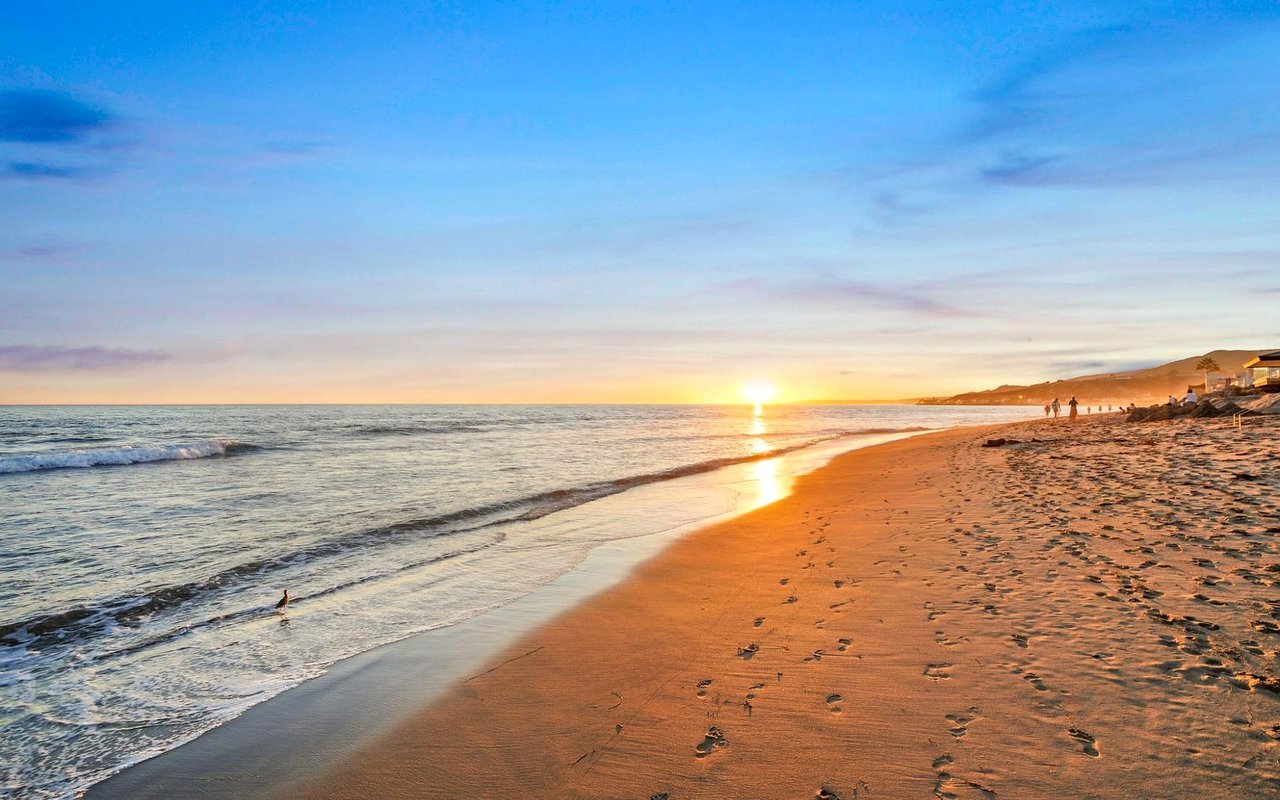
That mild pattern supports an outdoor lifestyle through much of the year. In a place like Paradise Cove, where the beach and on-site offerings are central to daily life, the weather reinforces a steady rhythm of morning walks, daytime beach use, and evenings that often wind down with the sunset.
The operating hours on site support that same pattern. The café is open seven days a week from 8:00 a.m. until closing, and the beach rentals desk operates seven days a week from 10:00 a.m. to sunset. Together, those details point to a lifestyle that is active, daylight-focused, and closely tied to the shoreline.
Public Beach, Private Amenities
One of the most common questions about Paradise Cove is whether it is public or private. The clearest answer is that it is both, depending on what you mean.
The shoreline below the mean high tide line is publicly usable. But the café’s tables, restrooms, and restaurant amenities are reserved for paying guests, and beach-rental rules prohibit open fires, BBQs, loud music, and smoking on the beach.
For buyers, this distinction matters because it affects expectations. Paradise Cove offers immediate proximity to a famous stretch of Malibu coastline, but it does so within a managed environment where public coastal rights and private operational rules exist side by side.
How Paradise Cove Fits Malibu Real Estate
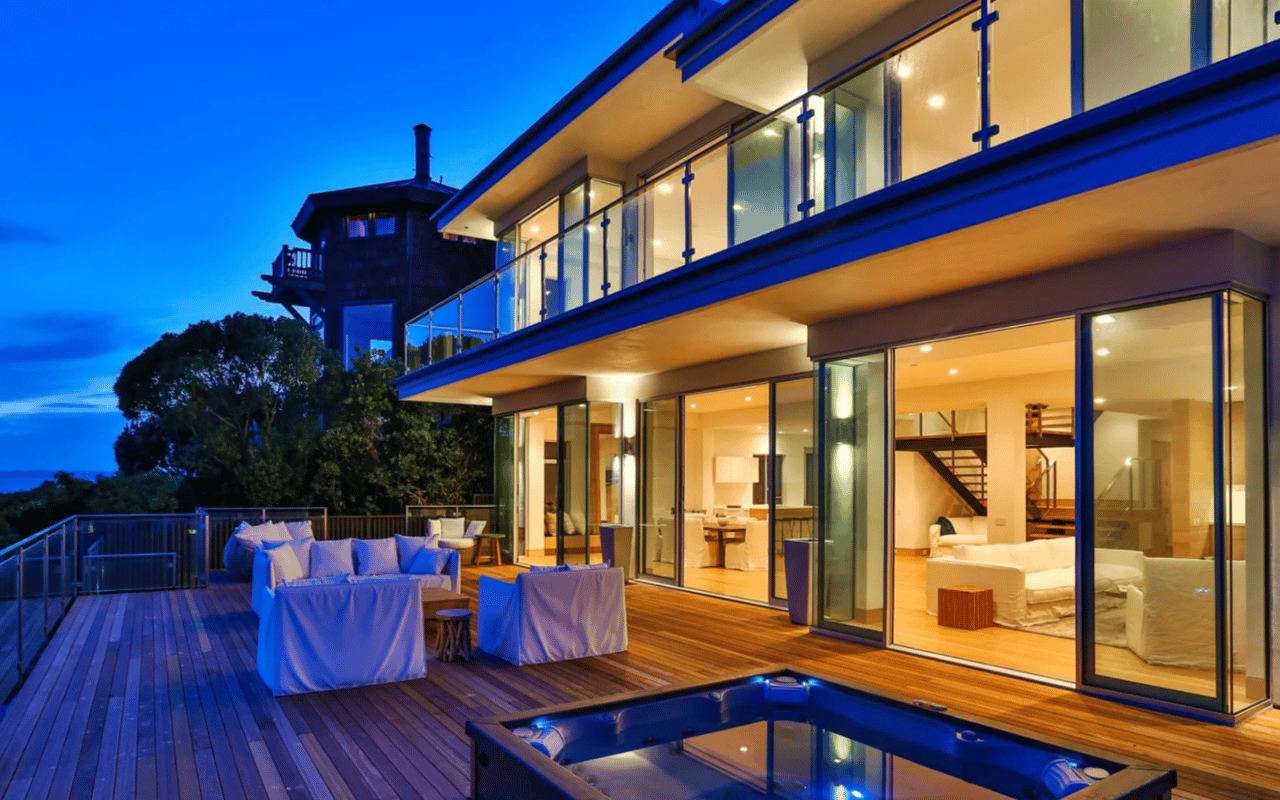
In the context of Malibu real estate, Paradise Cove fills a very specific niche. It is not trying to compete with blufftop compounds, broad-lot ranch properties, or traditional beachfront estates. Its draw comes from something more focused: iconic Malibu identity, direct beach orientation, and a compact community lifestyle.
That makes it especially relevant for buyers who care more about shoreline access and neighborhood character than expansive private grounds. It can also appeal to those who are open to community rules, shared amenities, and a different ownership experience than a standalone coastal home would provide.
By contrast, if you want multiple outbuildings, broad lawns, or the privacy of a large estate parcel, Paradise Cove will likely feel too constrained. The tradeoff here is clear. You are choosing a well-known Malibu beach setting and a strong sense of place over size and seclusion.
Rent Stabilization and Local Oversight
Another important part of the Paradise Cove picture is local regulation. Malibu’s housing policies include programs to preserve existing mobile home parks, maintain the rent-control ordinance, and support a no-net-loss objective for mobile-home units.
Current city materials say mobilehome space rent adjustment applications are filed with the City Manager’s Office and heard by the Mobilehome Park Rent Stabilization Commission. For buyers considering Paradise Cove, that local oversight is part of the decision-making landscape and one more reason this community works differently from a standard single-family neighborhood.
This does not make the community simple or one-size-fits-all. It means the setting comes with a local framework that buyers should understand early, especially if they are comparing Paradise Cove with condos, conventional houses, or estate properties elsewhere in Malibu.
Who Paradise Cove May Suit Best
Paradise Cove tends to make the most sense for buyers who want Malibu’s coastal lifestyle in a more compact, community-based format. That can include second-home seekers, downsizers, and buyers who are comfortable with shared rules, less privacy than an estate, and a neighborhood centered on beach access and local character.
It can also be a useful option for people exploring Malibu during a transition period, especially if they want to stay close to the coast and remain focused on lifestyle over lot size. The appeal is not about having the biggest property. It is about having a front-row connection to one of Malibu’s most storied beach settings.
As with any Malibu purchase, fit matters. A neighborhood that feels iconic to one buyer may feel too structured to another, which is why hyperlocal guidance is so valuable when you start comparing options.
If you are considering Paradise Cove or weighing it against other Malibu neighborhoods, working with a team that understands the differences block by block can save time and help you focus on the right match. To explore Malibu’s coastal communities with local insight and practical guidance, connect with the Brian Merrick Team.
FAQs
What type of homes are in Paradise Cove, Malibu?
- Paradise Cove is a mobilehome community, so the housing stock is mobilehome or manufactured-home oriented rather than conventional single-family estate homes.
Is Paradise Cove Beach public or private?
- The shoreline below the mean high tide line is publicly usable, while the café’s tables, restrooms, and restaurant facilities are reserved for paying guests.
How many homes are in Paradise Cove?
- City housing materials identify Paradise Cove as part of Malibu’s approximately 550 mobile homes, which the city describes as its most significant source of affordable housing.
Does Paradise Cove have community rules?
- Yes. Current posted rules include quiet hours, a 5 mph vehicle limit, pool supervision requirements for minors, and pet limits and leash rules.
What amenities are part of Paradise Cove?
- City project materials list the mobile home park, Beach Café, beach restrooms, grassy lawn area, community room, tennis court, tot lot, and a state-owned pier.
Is Paradise Cove a good fit for every Malibu buyer?
- No. It is usually better suited to buyers who prioritize beach access, iconic Malibu character, and a community setting over large private lots or a traditional estate-style ownership experience.