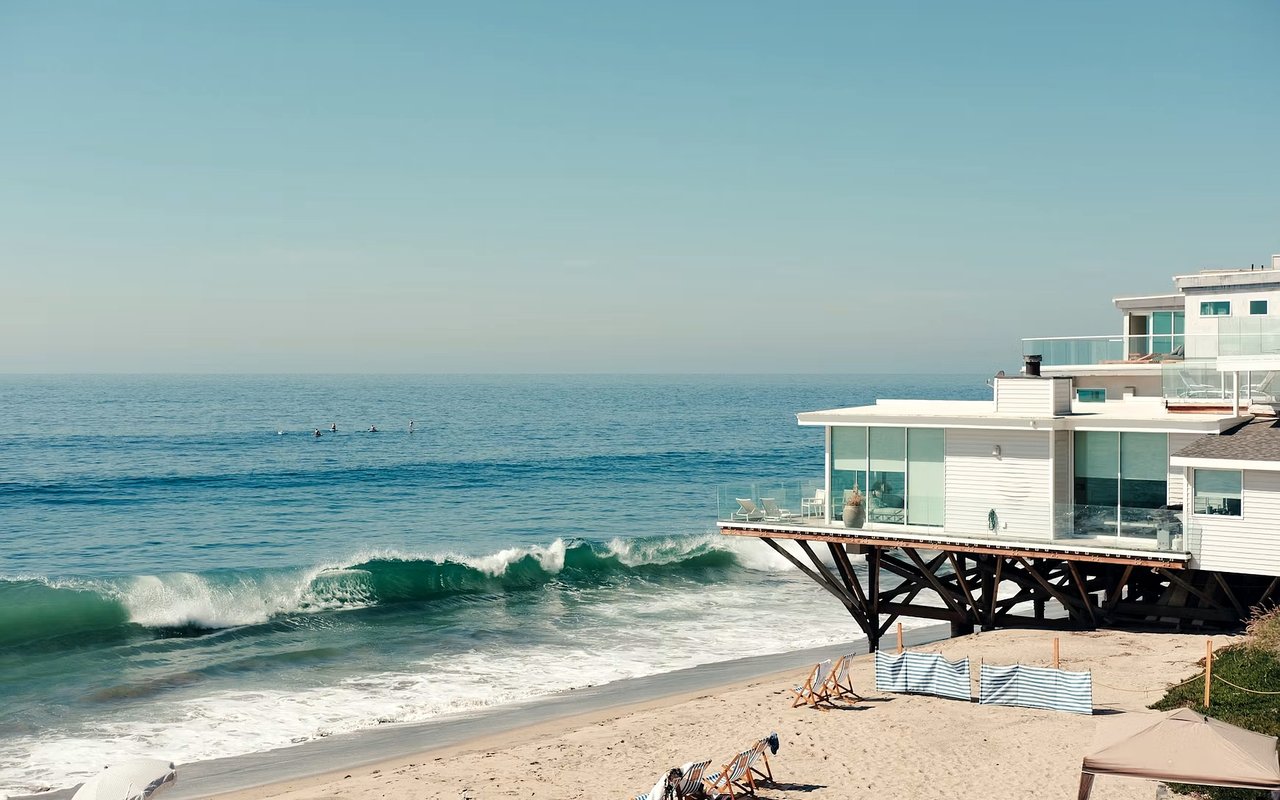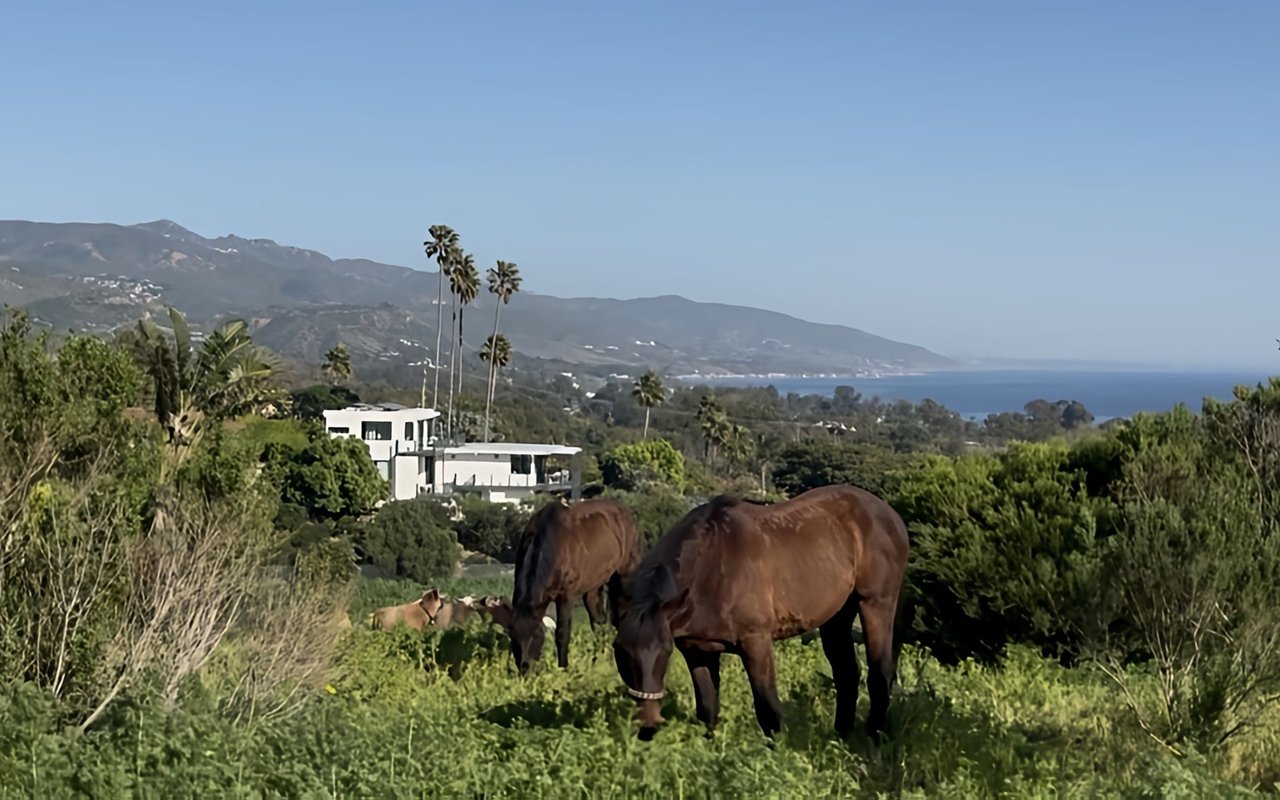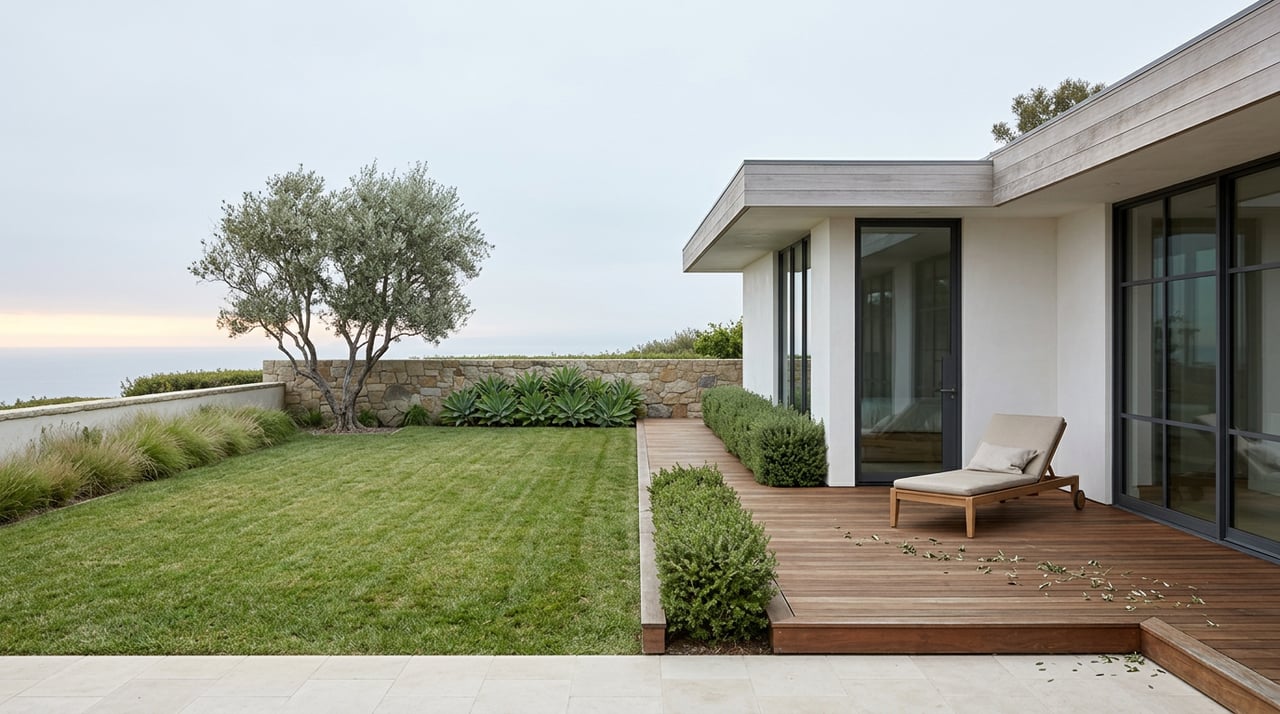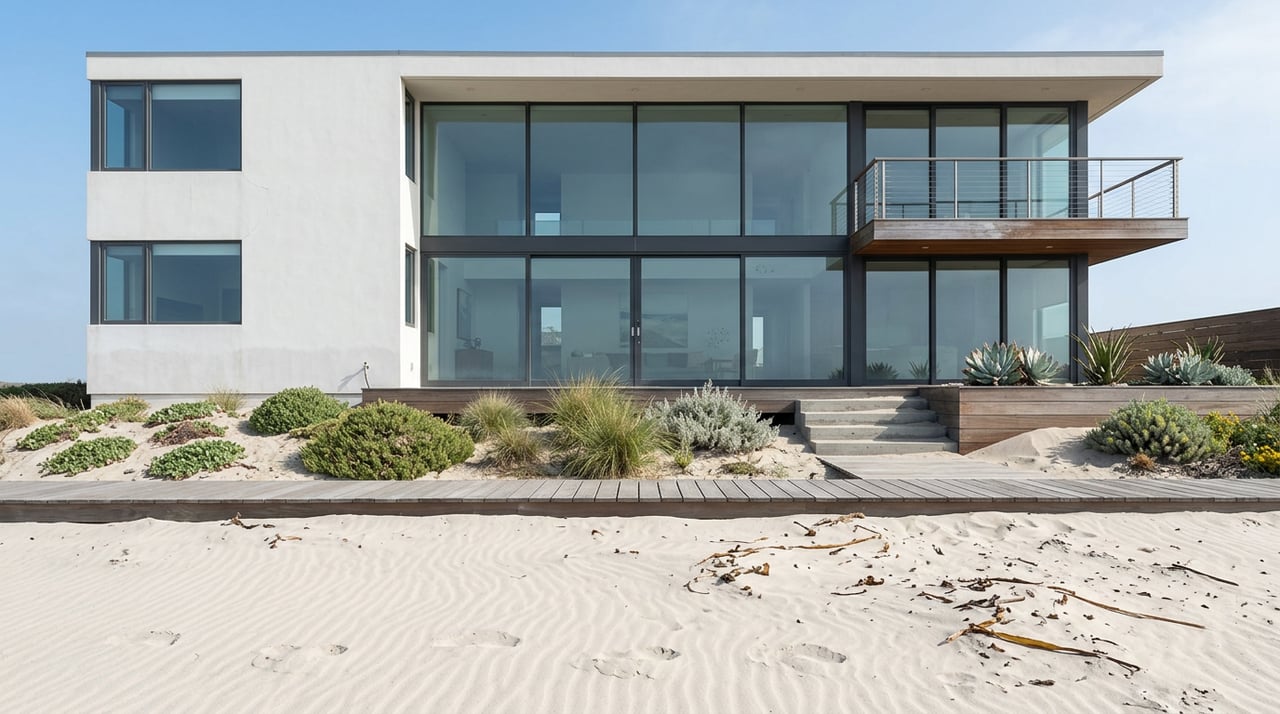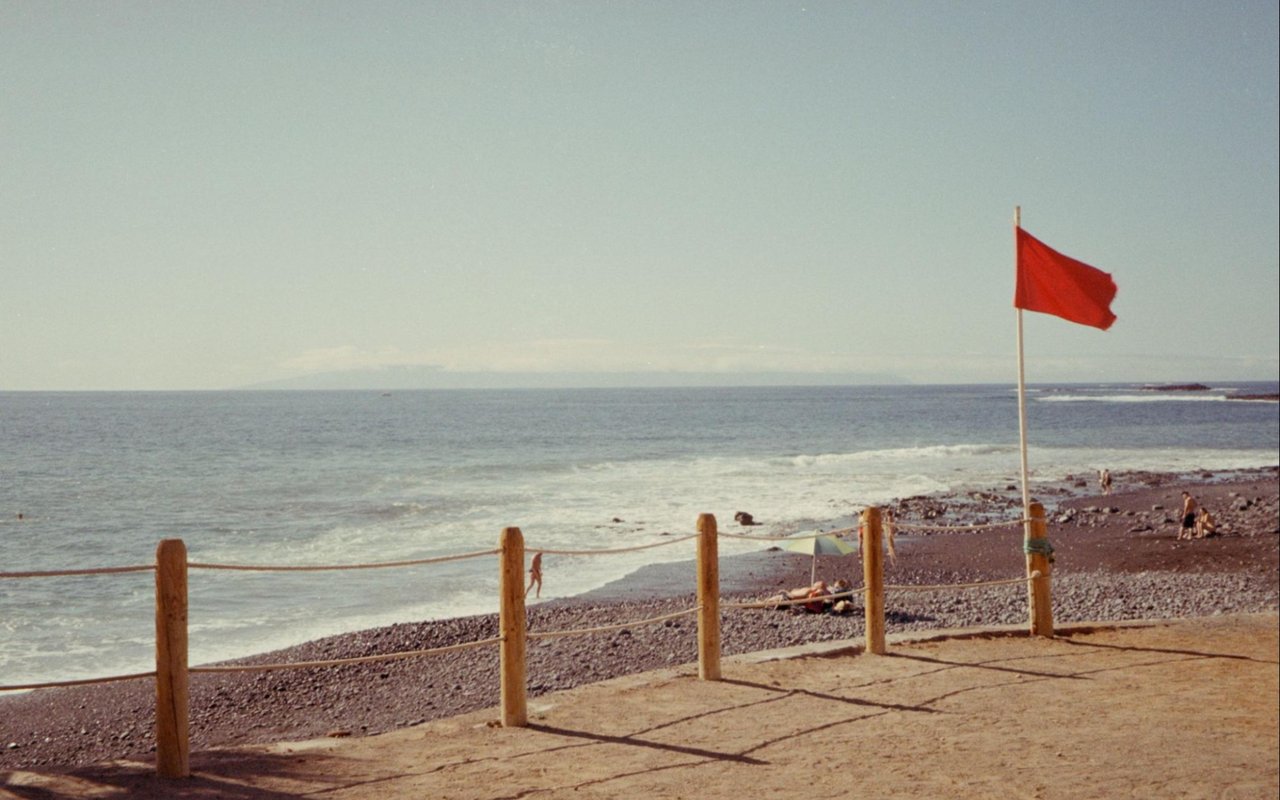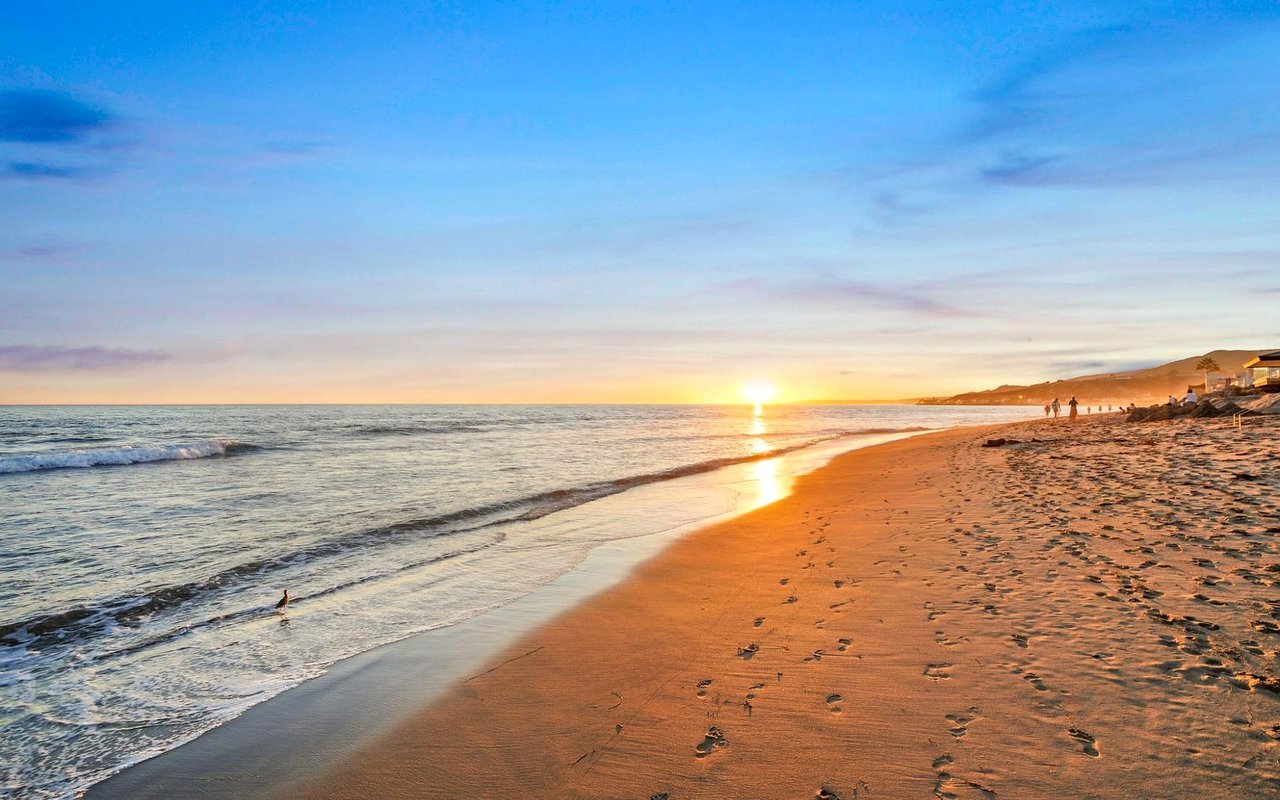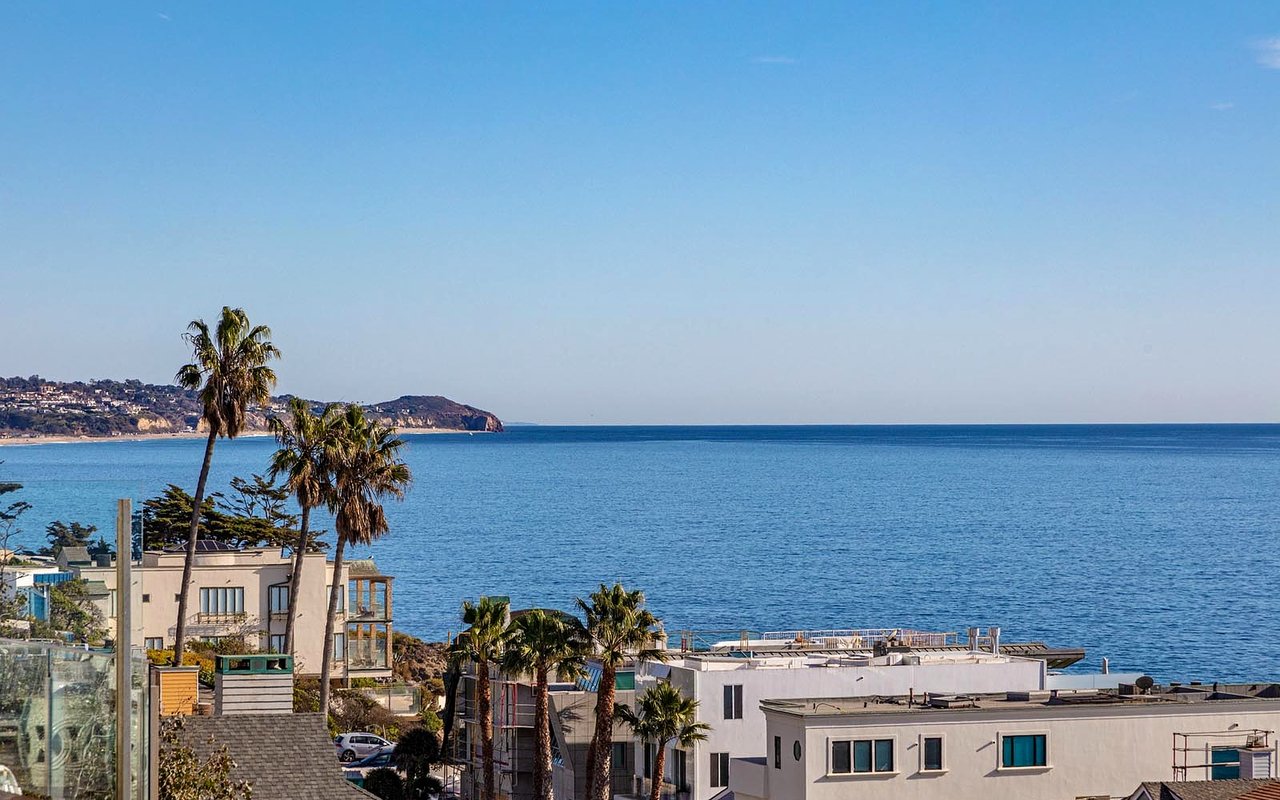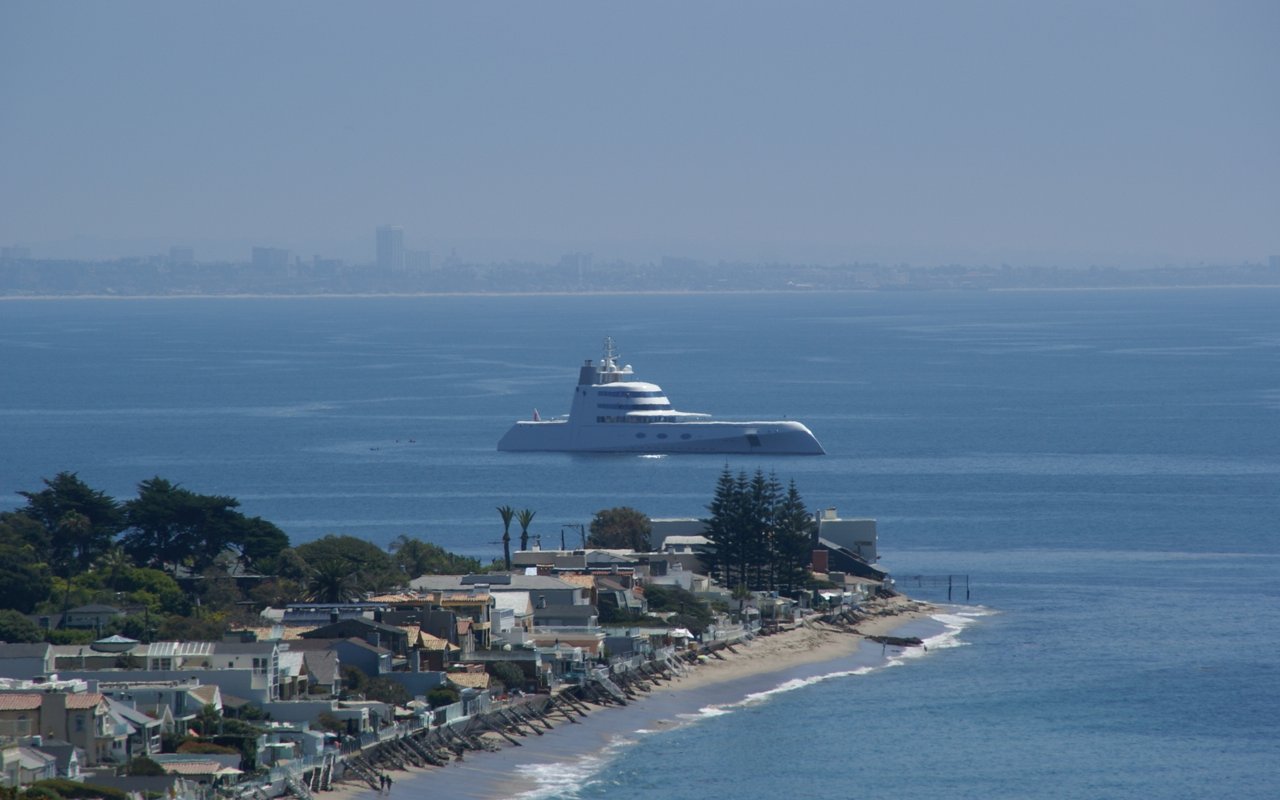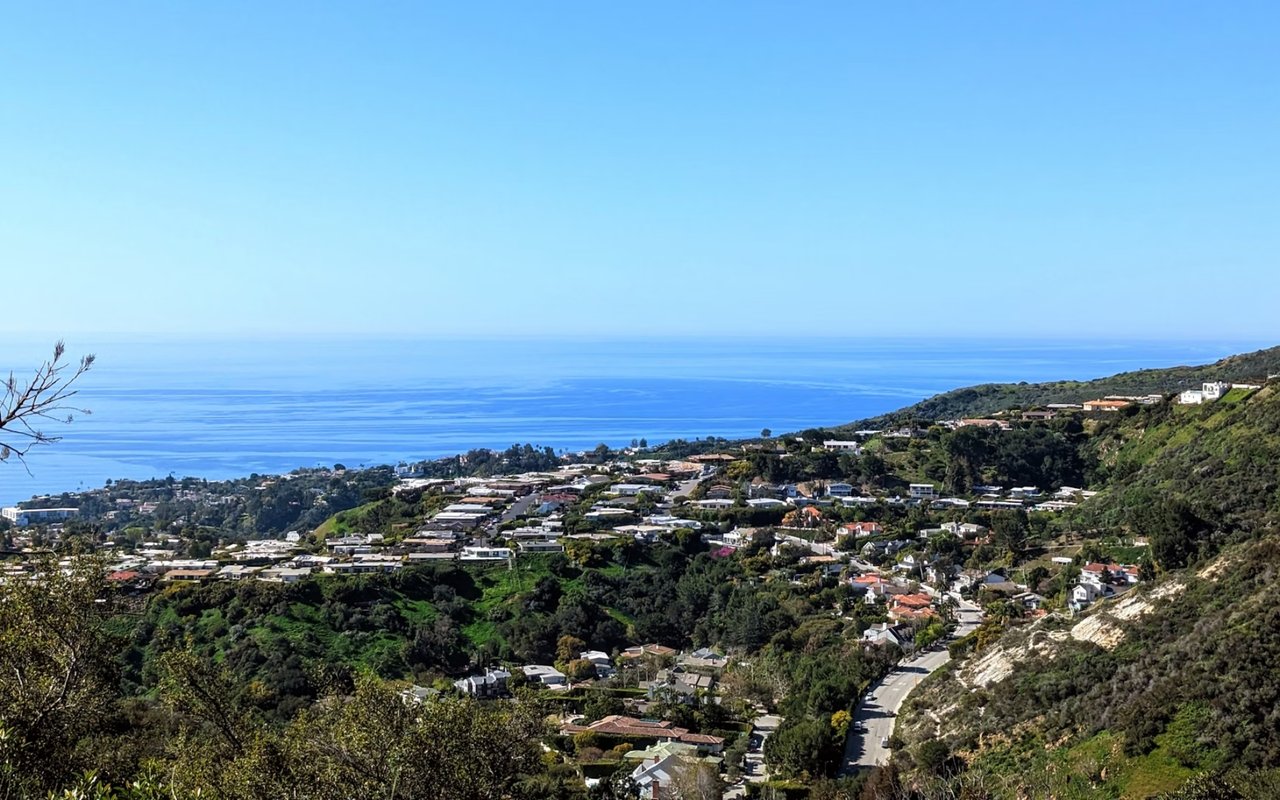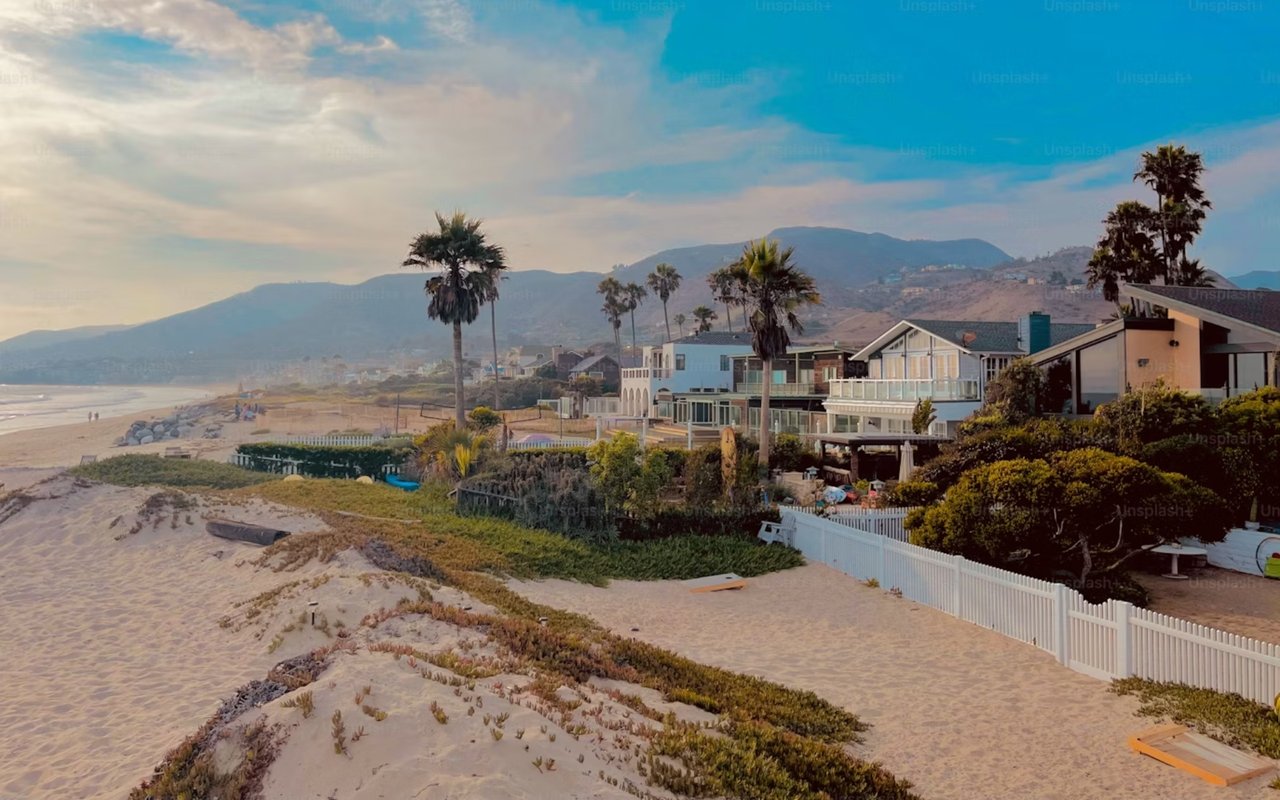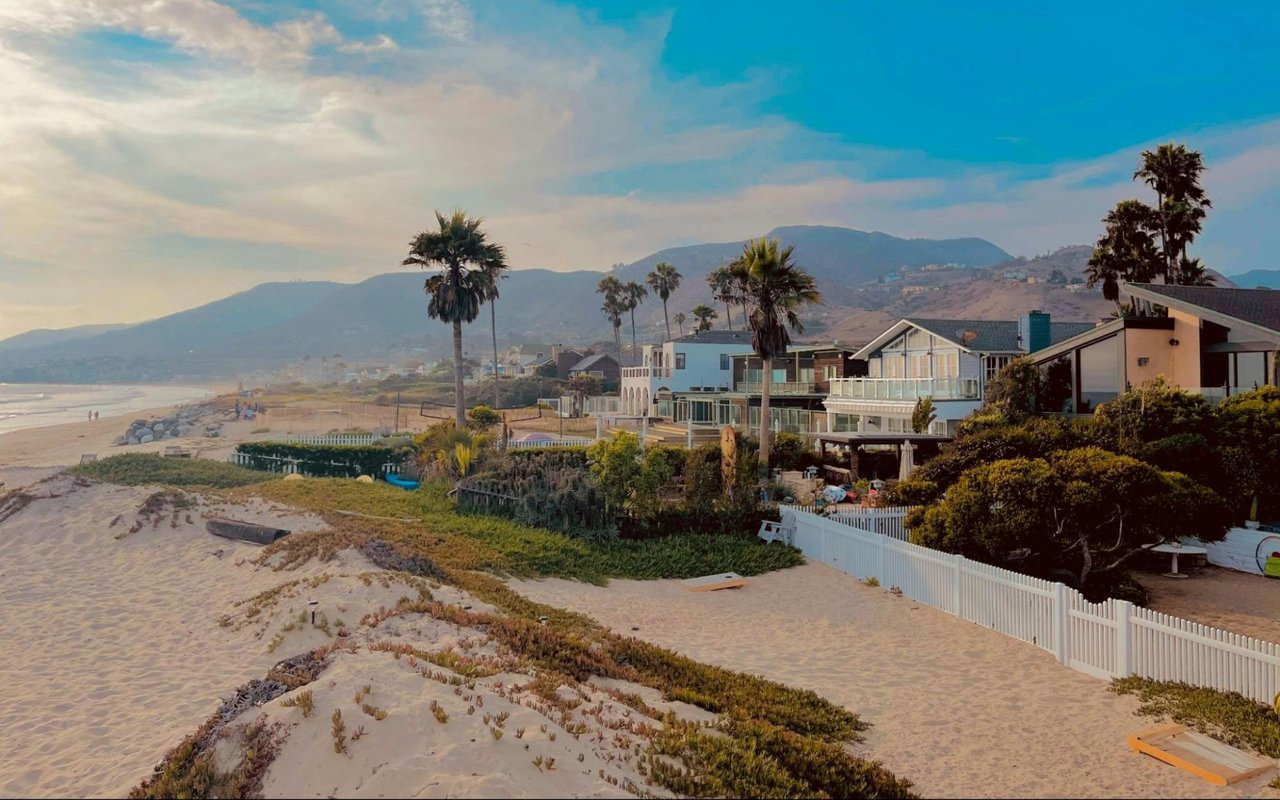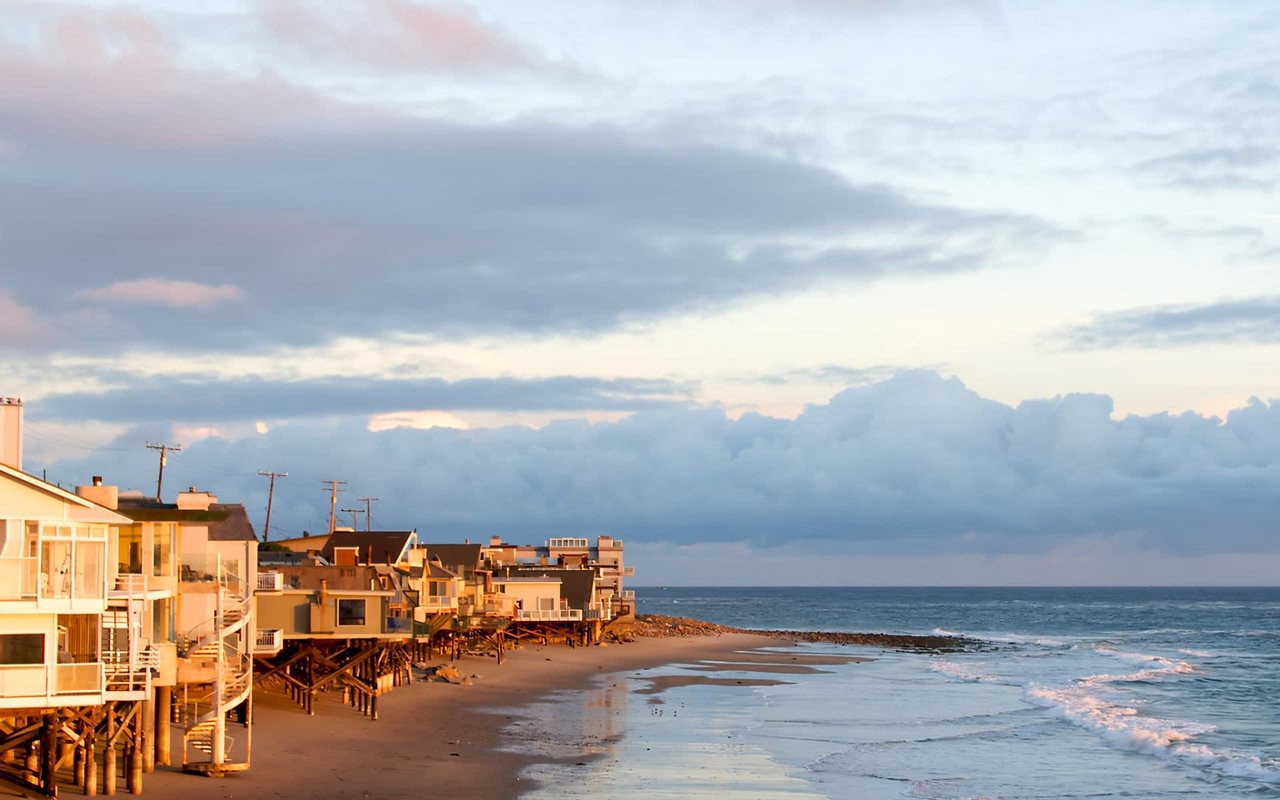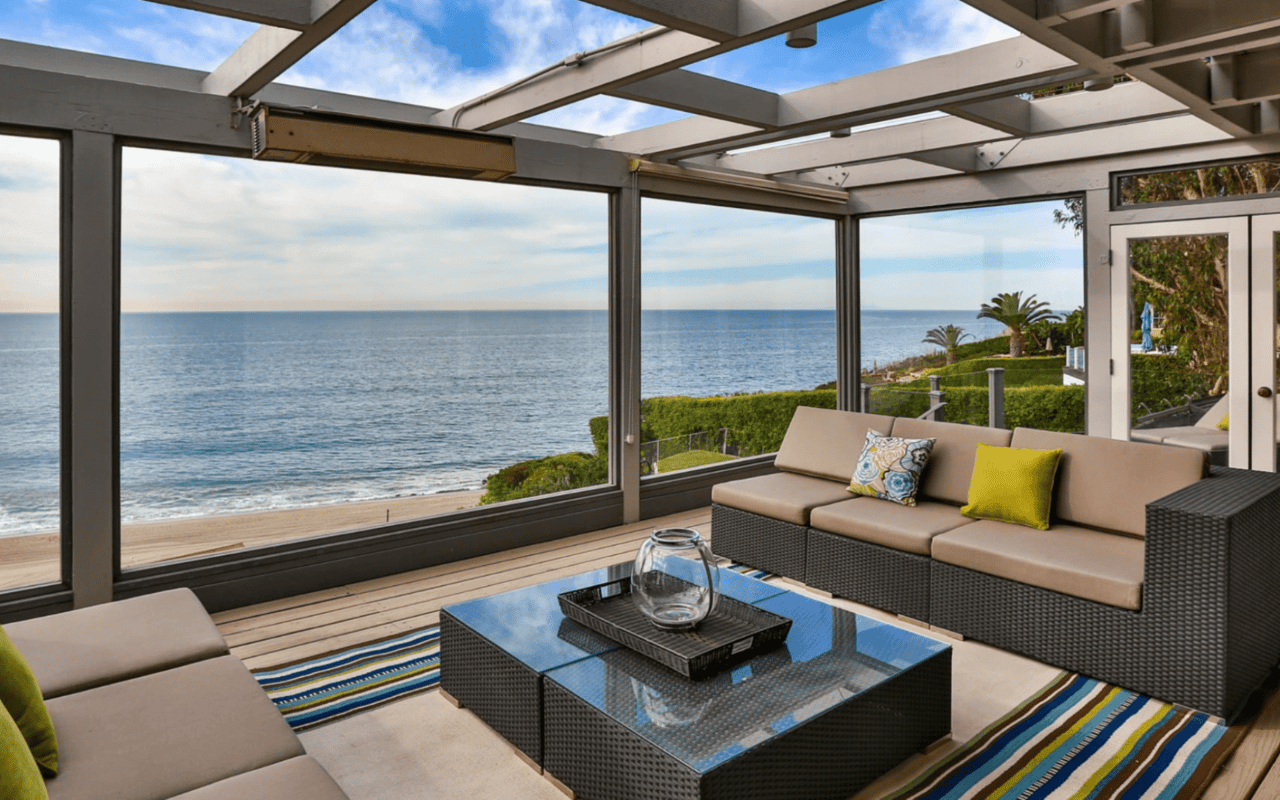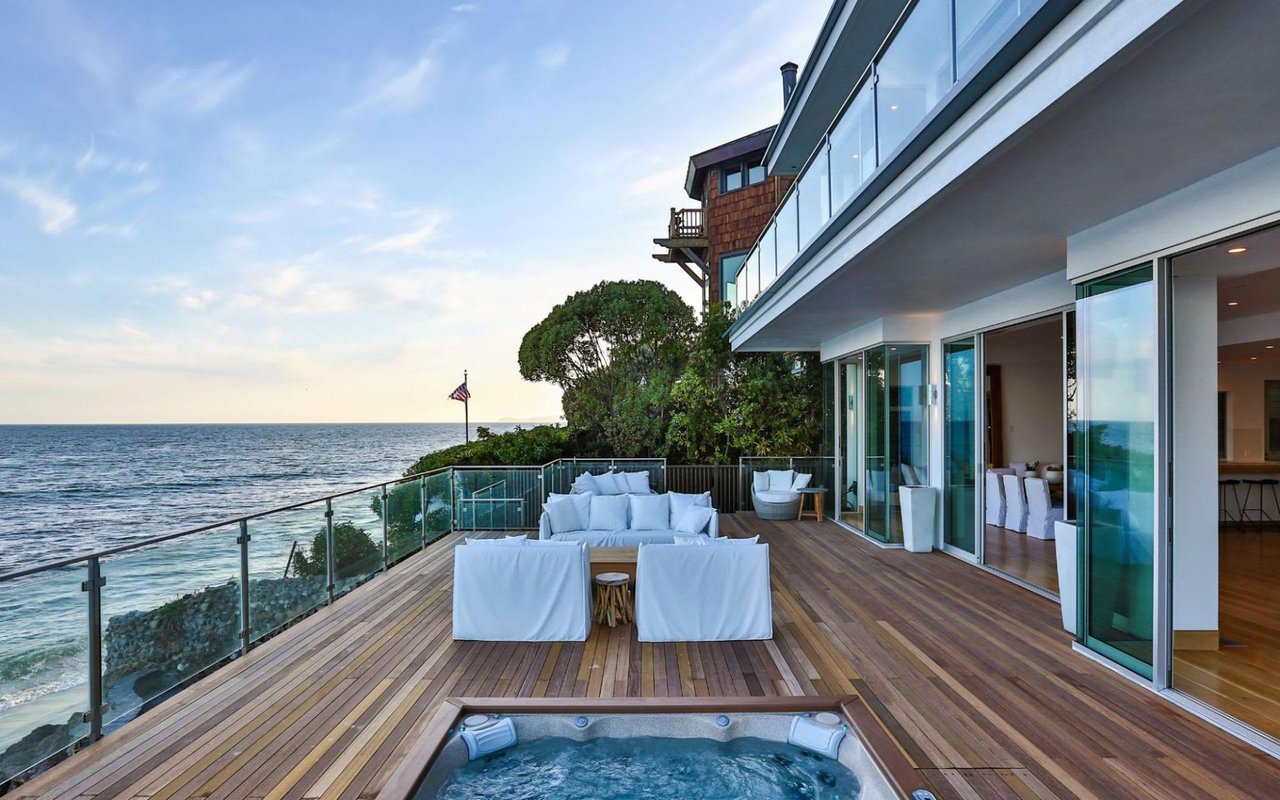

A buyer comparing Broad Beach to Carbon Beach or Malibu Colony will find something odd on the portals. The list prices look like ordinary Malibu beachfront numbers. The carrying costs do not. Broad Beach is the only stretch of Malibu coastline where the deed comes attached to membership in a fifteen-year-old coastal assessment district whose fees, easements, and public-access licenses reshape what ownership actually means.
The mile from Trancas Creek to Point Lechuza is not sold as a district on any listing site. It functions as one. Understanding how it functions is the difference between reading a comp and reading a comparable.
The district that comes with the deed
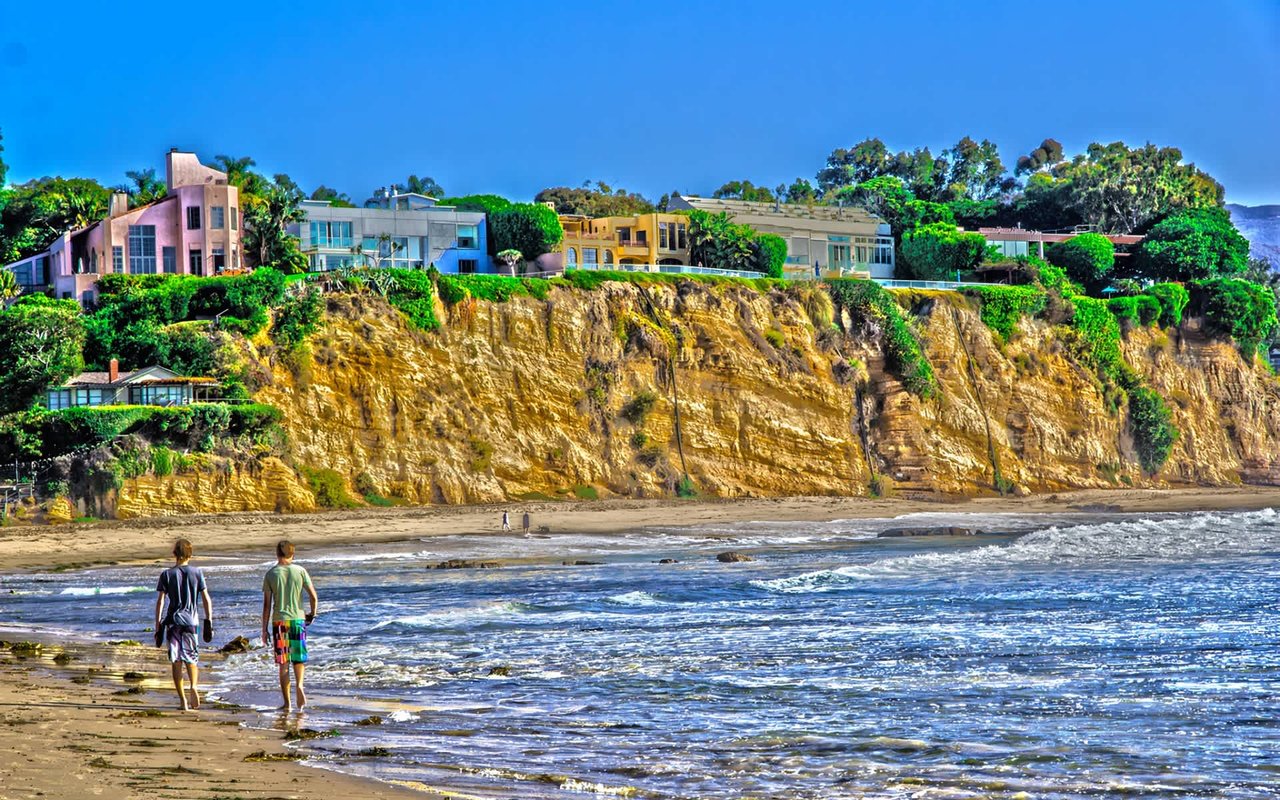
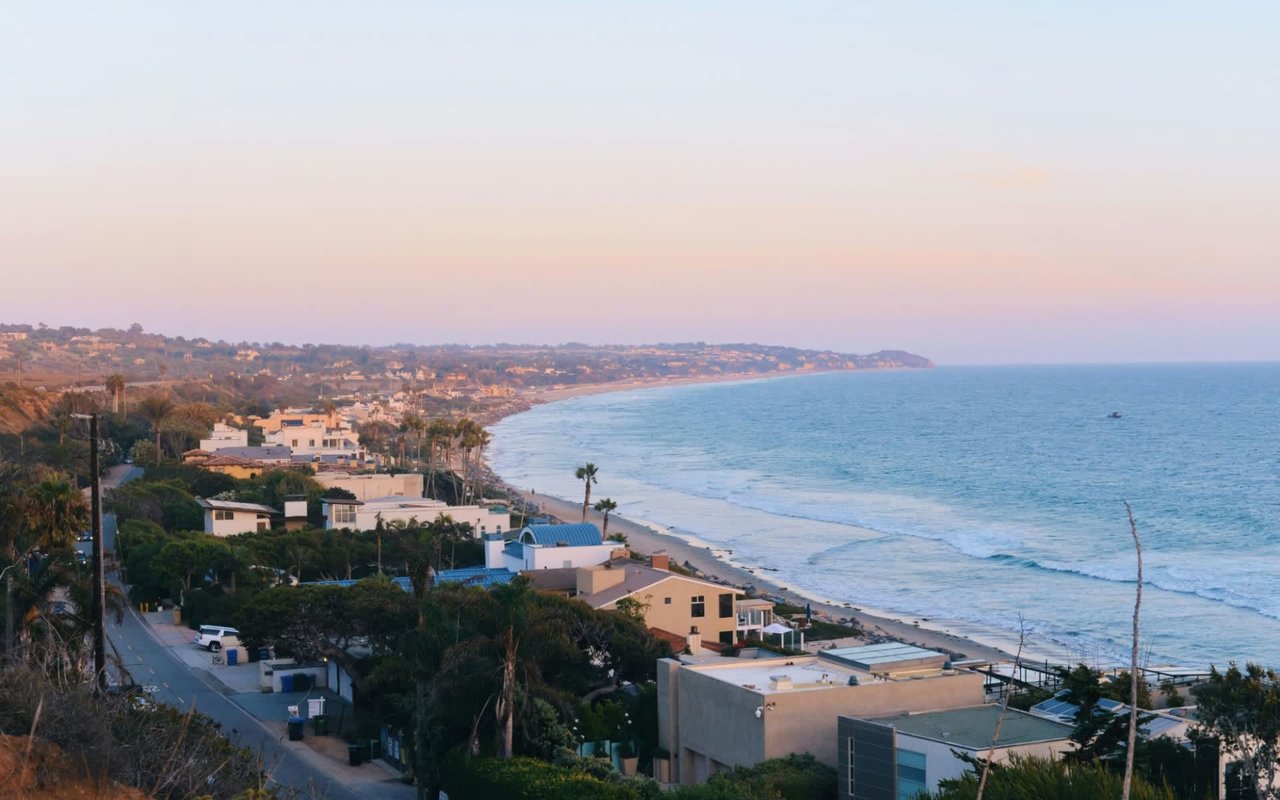
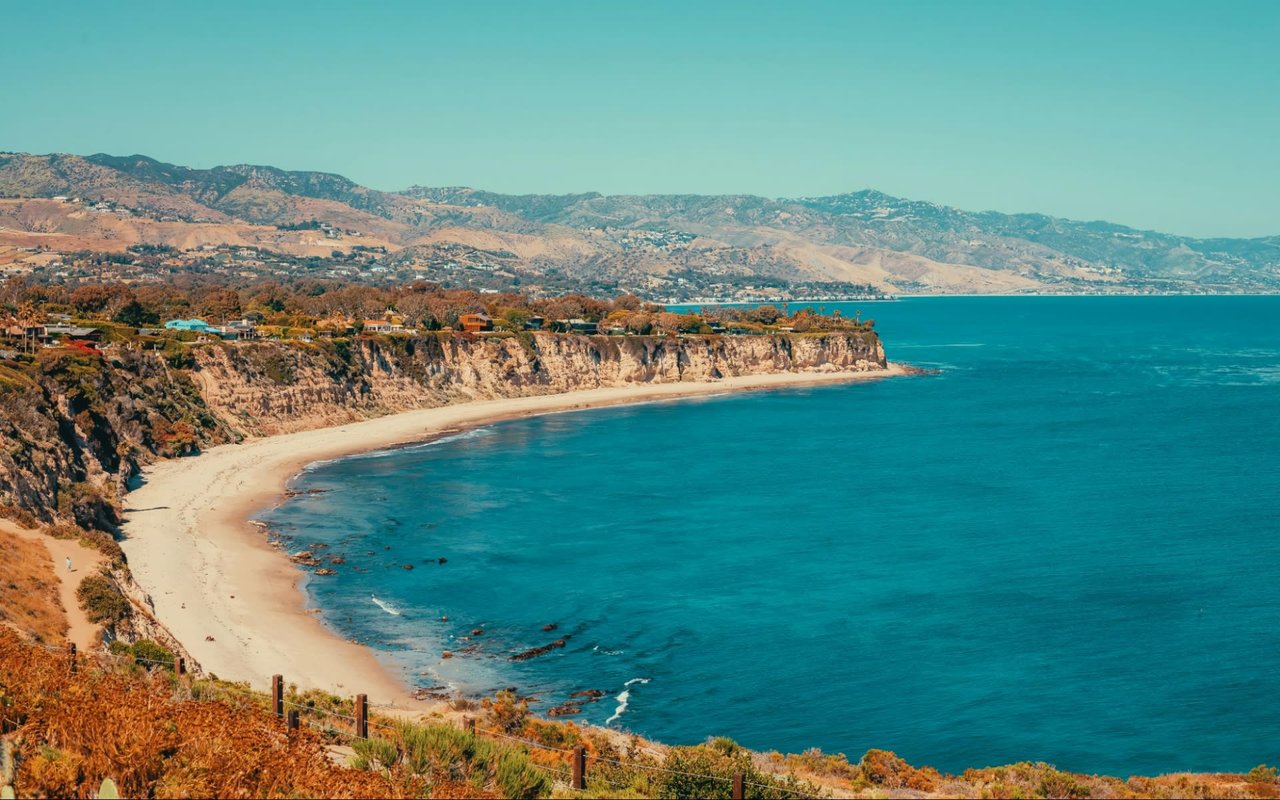
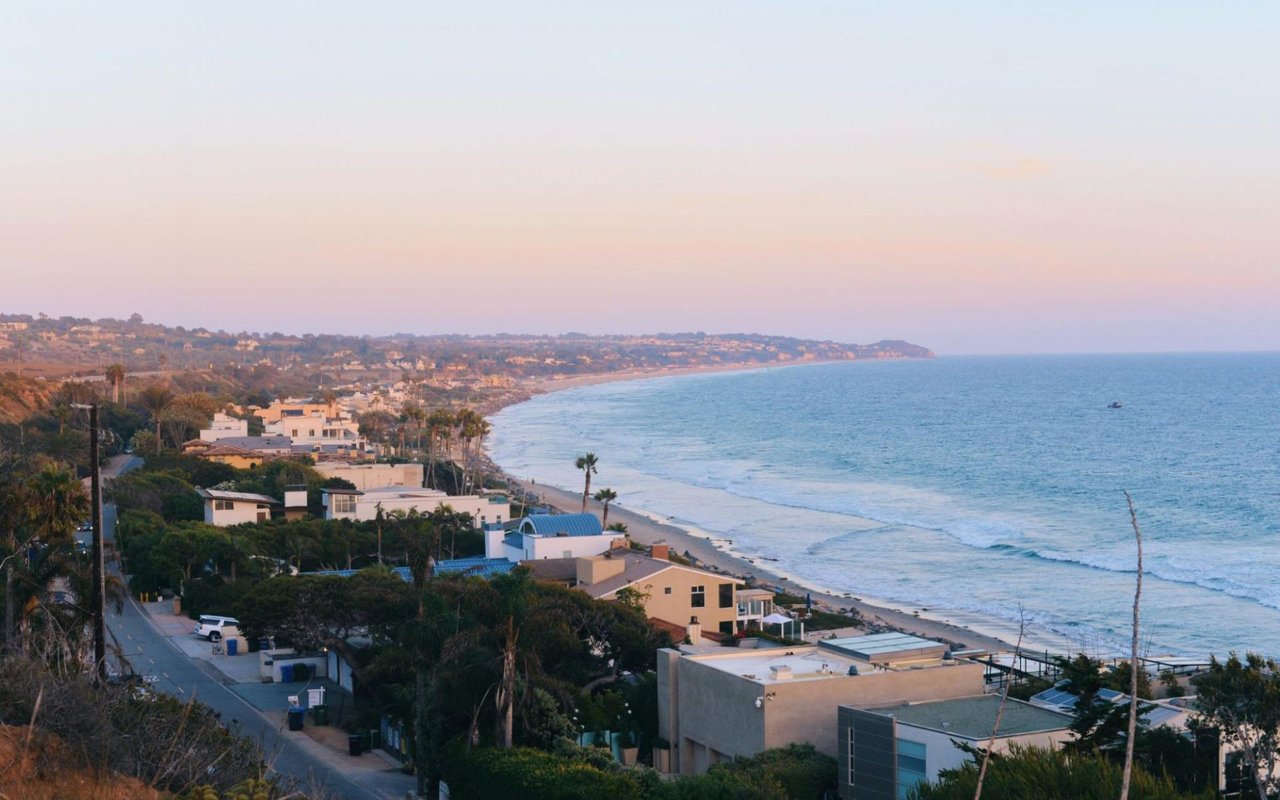
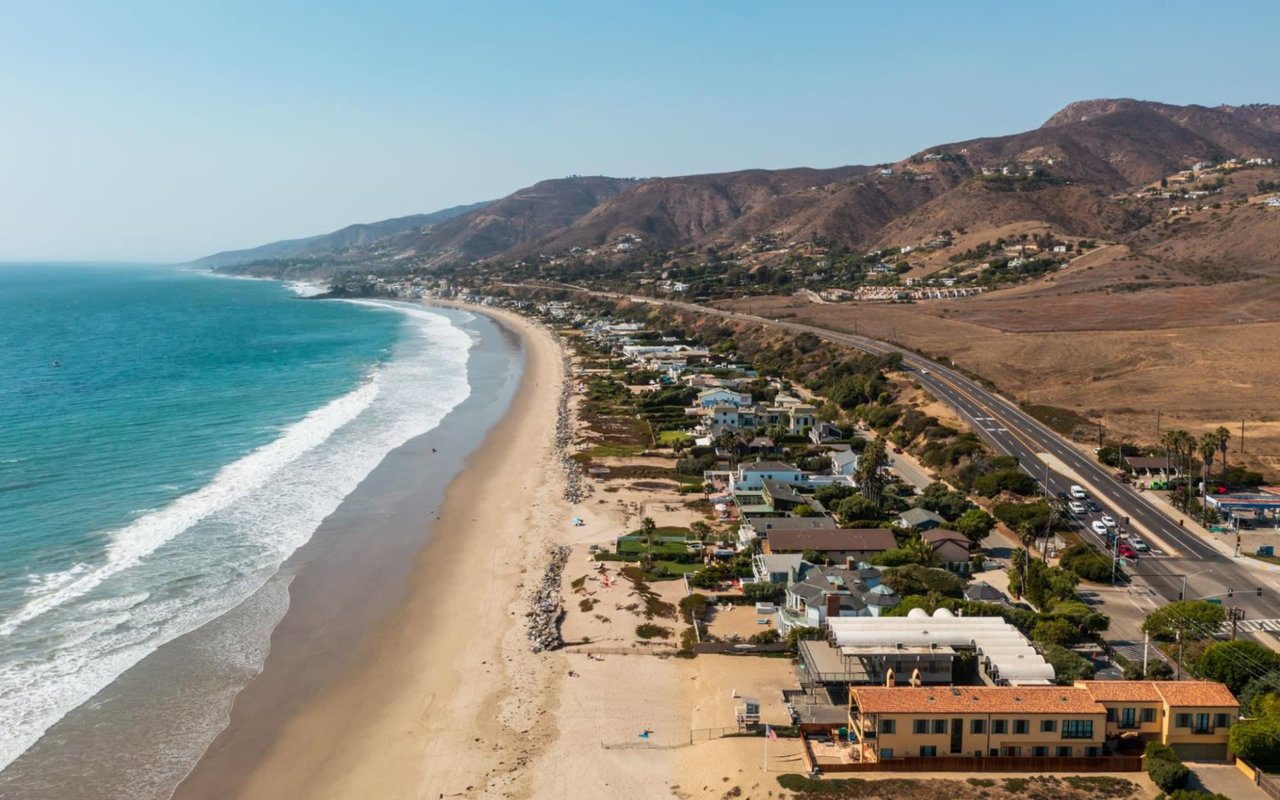
In September 2011, the City of Malibu approved the formation of the Broad Beach Geologic Hazard Abatement District. Its boundary runs east to west from 30708 Broad Beach Road down to 6525 Point Lechuza Road, sweeping in the entirety of Broad Beach and a portion of Victoria Point, as documented on the district's official project page. Every parcel inside that boundary is a member. Membership is not optional and does not transfer at closing so much as it inherits.
GHADs are a California legal creature originally built for landslide mitigation, retrofitted here for coastal erosion. There are roughly forty of them statewide, and only about four addressing coastline. Broad Beach is by far the most litigated of them.
The mechanism the GHAD was designed to fund is a beach restoration project: an initial 300,000 cubic yards of trucked sand, dune reconstruction on the landward side, and periodic renourishment on a roughly five-year cycle for twenty years. Buried under all of that would be the emergency rock revetment, roughly 4,150 feet long, that was placed in front of 78 homes in 2010 to protect them from wave action during storms.
That is the design. The execution is a different story.
How the assessment actually works
Assessments are calculated per linear foot of beach frontage. That is the single most important sentence in this post for anyone underwriting a Broad Beach purchase, because it means two homes with identical list prices can carry very different annual obligations depending on how much sand they front.
In an April 2020 Malibu Times report on the GHAD, one owner cited an assessment of roughly $70,000 per year on 50 feet of frontage. Parcels with 150 feet of frontage exist on the same road. Owners have sold, that owner said, because the assessment outran what they could carry.
Rough sketch of the frontage math as reported:
| Linear beach frontage | Approximate annual assessment cited (2020) |
|---|---|
| 50 ft | ~$70,000 |
| 100 ft | ~$140,000 |
| 150 ft | ~$210,000 |
Those figures are illustrative of the structure, not a current invoice. The 2019 reformulation and subsequent appellate litigation have moved the underlying math around. The point is that a buyer who reads only the list price is reading half the ledger.
What the Coastal Commission attached to the permit
When the California Coastal Commission granted the Coastal Development Permit in October 2015, it did so with conditions that live on the private parcels themselves. These are the ones that show up in title work and matter at inspection:
- A dune restoration footprint on private land. Twelve acres of former dune habitat must be restored on private parcels. Per court records summarized by the Malibu Times, the dune footprint encroaches on individual parcels by between roughly 26.93 percent and 43.8 percent of their depth. Owners are not permitted to walk on the restored dune area on their own lots.
- A "springing license" for public access. Owners whose parcels do not already carry a public-access easement were required to sign a springing license allowing public passage on the restored beach.
- A permitted zone that does not cover the whole beach. The Commission excluded the far west end from sand placement because it sits inside an Environmentally Sensitive Habitat Area. Those parcels remained inside the GHAD boundary and inside the assessment.
The economic implication is quiet but real. A beachfront parcel where the buyer expects to build to the sand line is, on Broad Beach, a parcel where a portion of the usable footprint is committed to native vegetation and public use for the life of the project.
Fifteen years, no sand
The litigation timeline is worth walking through in order, because it is the reason the assessment structure remains unsettled.
The project was estimated at $12–13 million in 2011. By 2014 the figure had moved to roughly $20 million. By 2017, Coastal Care reported the cost at $55–60 million every ten years. The delivery mechanism, trucked sand from the CEMEX and Grimes Canyon quarries in Moorpark, drew a CEQA challenge from the City of Fillmore and Ventura County over an estimated 44,000 one-way truck trips per replenishment cycle. The Second Appellate District ruled in June 2018 that the trucking agreement with Moorpark was exempt from separate CEQA review.
Then the assessment itself was challenged from inside. In September 2019, Los Angeles County Superior Court Judge Mitchell Beckloff ruled the GHAD assessment unconstitutional under Proposition 218, finding that the district had not properly separated the project's general public benefits, an expanded Zuma Beach spillover, from the special benefits to private owners. In August 2022, the California Court of Appeal sided with the Malibu West Swim Club at the district's east end, holding that the GHAD had failed to show a unique, measurable special benefit to those parcels sufficient to support an assessment under Prop 218.
As of late 2025, the GHAD was back in Los Angeles County Superior Court pursuing roughly $500,000 in disputed assessments and penalties against Malibu West, with foreclosure threatened against the swim club property. That fight was still open when this post went to press.
Through all of it, not a grain of sand has been placed on Broad Beach.
What this means when you compare list prices
Set Broad Beach next to the neighboring enclaves and the picture sharpens.
Redfin data for the Malibu Colony neighborhood in early 2026 showed a median sale price of $5.55 million with homes selling in about 66 days at roughly 3 percent below list. The broader Malibu market in March 2026 sat at a $4.8 million median, down 13.6 percent year over year, with 175 days on market against 58 a year earlier. Only nine homes closed citywide that month.
A softer citywide market with longer marketing times is the backdrop against which Broad Beach's per-linear-foot obligations get repriced. Two mechanics matter for a buyer here:
- Days on market is a bargaining lever. In a nine-sale month with days on market running roughly three times the prior year's pace, listings inside a litigated assessment district face an additional patience discount that a well-prepared buyer can surface.
- The list price is only part of the offer. Any bid on Broad Beach should be underwritten against a realistic, current per-linear-foot assessment, the recorded status of the springing license on that specific parcel, and the recorded footprint of the dune easement. Two houses next door to each other can differ meaningfully on all three.
Questions to ask before you write an offer
The friction on Broad Beach is not in the inspection report. It is in the district paperwork and the title work. A short, specific checklist for the parcel you are considering:
- What is the parcel's linear beach frontage as of the most recent Engineer's Report, and what is the current annual assessment on that basis?
- Is the parcel fronted by the emergency rock revetment placed in 2010, or is it one of the roughly one-third of Broad Beach parcels without a revetment?
- Does the parcel sit inside the sand placement zone, or is it in the far west section the Coastal Commission excluded as ESHA?
- Has the owner already signed the springing license? If so, does the recorded document match the current understanding of the access boundary?
- What percentage of the parcel depth is committed to the restored dune footprint under the CDP?
- What is the status of the outstanding GHAD litigation on the specific assessment schedule that will apply post-close?
None of these are exotic questions. They are the ordinary due-diligence questions of a district-encumbered coastal parcel. They just are not questions that come up on other Malibu streets.
FAQ
Are Broad Beach GHAD assessments deductible or capitalizable? That is a question for a tax professional with the specific closing statement in hand. The relevant point at the offer stage is that the assessment is a recurring obligation tied to the parcel, not the owner.
Does the revetment protect my house forever? The revetment was placed as an emergency measure in 2010 and, under the project design, is meant to be buried under restored beach and dune. Its long-term regulatory status is tied to the fate of the broader GHAD project.
What happens if the sand never comes? That is the operative question on Broad Beach right now. The neighborhood has spent fifteen years, tens of millions of dollars in consulting and legal fees, and multiple appellate cycles without placing sand. Buyers should underwrite the current beach and revetment as the beach they may own, not the restored 65–75 foot dry beach depicted in the district's original renderings.
Is any of this a reason not to buy on Broad Beach? No. It is a reason to buy on Broad Beach with a full picture of the parcel-level obligations rather than a citywide median. The homes are among the most private on the coast. The pricing simply asks more questions of a buyer than the pricing on other Malibu streets.
Work with someone who knows the parcel, not just the price
Broad Beach rewards buyers who show up with the district paperwork already read. If you are weighing a purchase between Trancas Creek and Point Lechuza, Brian Merrick can walk the specific frontage, revetment status, and easement footprint of the parcel you are considering, and place it inside the current Malibu market rather than the market of a year ago. Work With Brian when the coastline behind the price is part of what you are buying.