
If you are shopping for a Malibu address in Point Dume Club, the home itself is only part of the story. Smart buyers quickly learn that this is not the same as buying a traditional single-family house on its own land, and small details in the lease, title, and financing can have a big effect on your costs and flexibility. This guide walks you through what to check first so you can move forward with more clarity and confidence. Let’s dive in.
Why Point Dume Club Needs Special Due Diligence
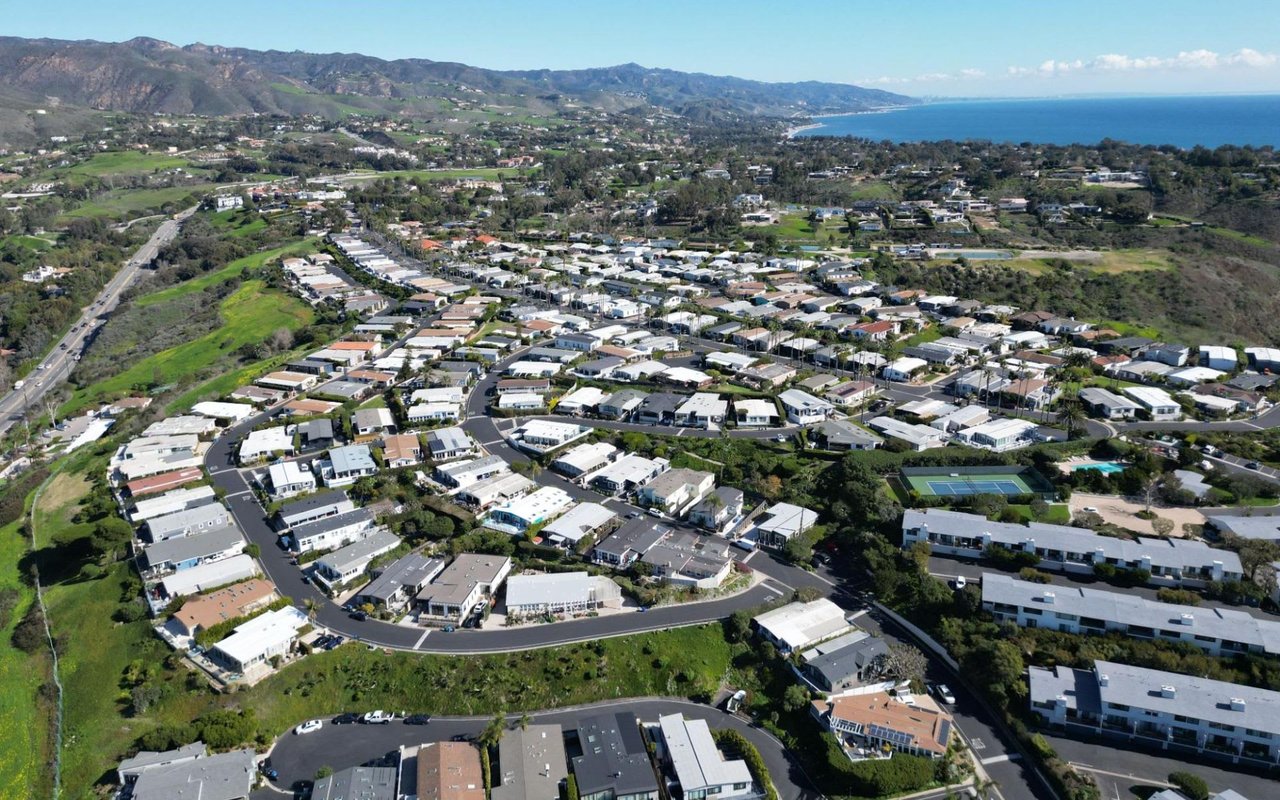
Point Dume Club is an all-ages manufactured-home community in Central Malibu at 29500 Heathercliff Road. Current community materials describe 297 home sites and list amenities such as a gated entrance, pool, whirlpool spa, tennis and basketball courts, sauna, playground, community kitchen, car wash area, and RV storage.
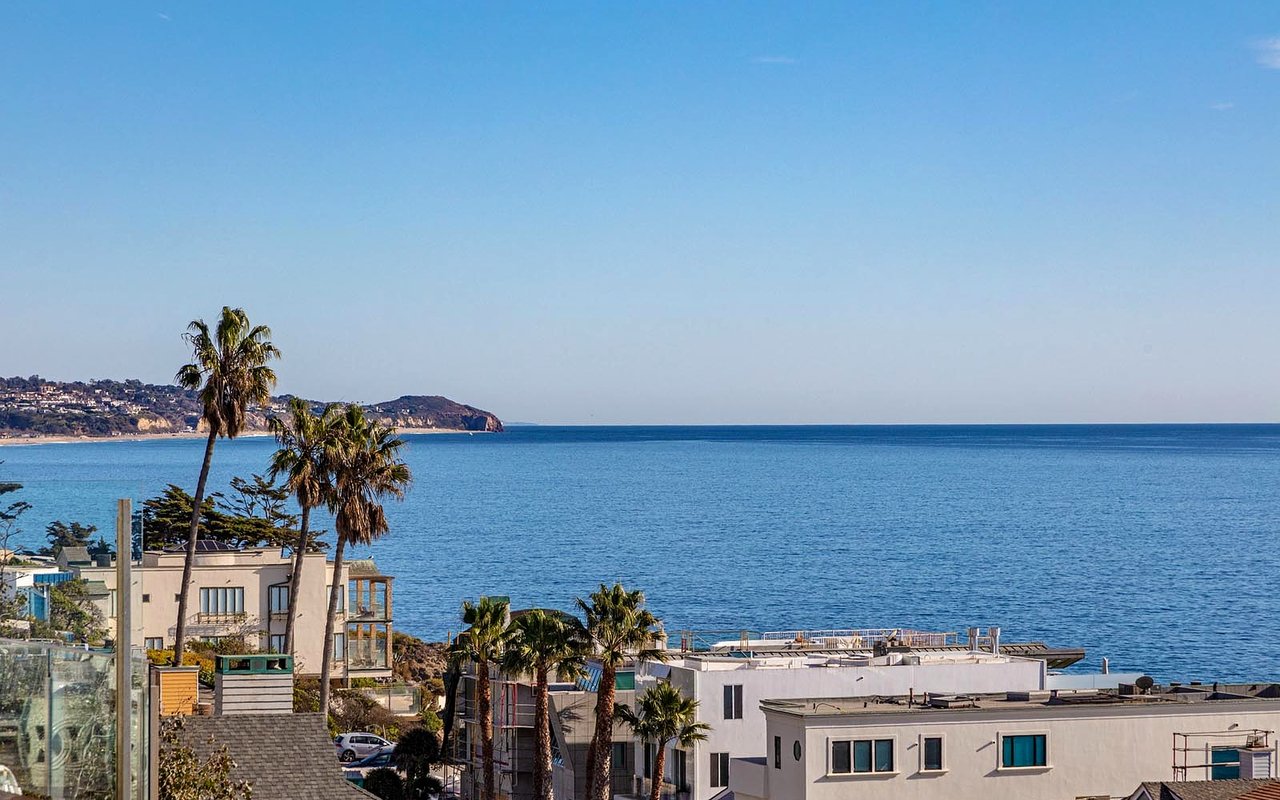
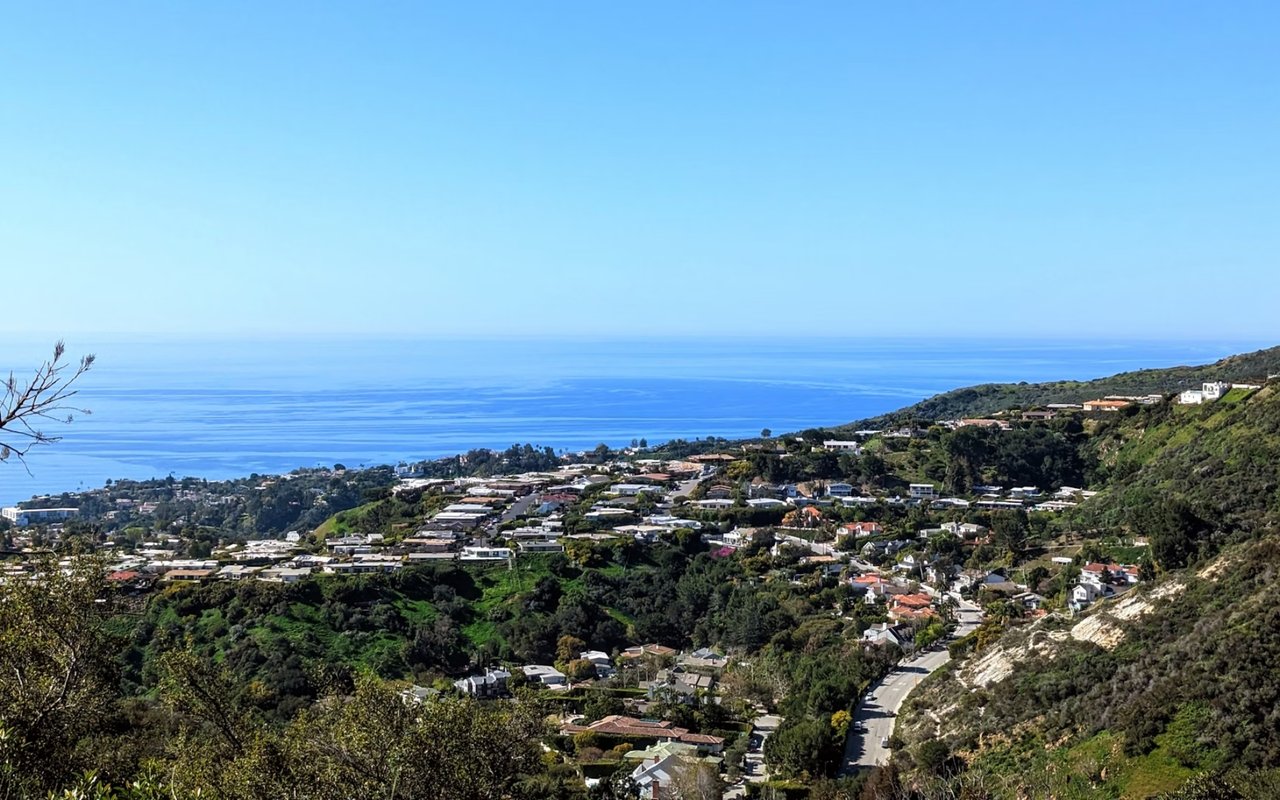
For many buyers, the appeal is easy to understand. You can gain access to a Malibu location near Westward and Zuma Beaches without buying the underlying land. That can create a different entry point into the Malibu market, but it also means your due diligence needs to focus on the leasehold structure, not just the home’s finishes, views, or layout.
Understand the Land-Lease Structure First
The first thing to confirm is what ownership actually means in Point Dume Club. In a land-lease setting, you typically own the home and lease the land beneath it. That monthly charge is often called lot rent or space rent.
This matters because the long-term value equation is different from a fee-simple Malibu property. You are not building equity in the land, and the lease terms can affect your monthly costs, your use of the property, and future resale demand. In practical terms, buyers should expect community rules and lease-based restrictions that go beyond a standard home purchase.
What to ask for right away
Before you get too far into a deal, request these documents first:
- The current space rent amount
- The written lease or occupancy agreement
- The current park rules and regulations
- Any notice showing whether the specific space is covered by Malibu rent stabilization or a qualifying long-term lease
These documents help you understand what is fixed, what can change, and what rules apply to the exact home site you are considering.
Check Malibu Rent-Stabilization Status
Point Dume Club is one of the Malibu mobilehome parks covered by the city’s local rent-stabilization framework. That is a major reason buyers should verify the status of the exact space they want to purchase rather than assume every home site works the same way.
According to Malibu’s ordinance materials, annual space rent for covered spaces may move with CPI, but it is capped at 5 percent and floored at 2 percent. The ordinance also allows an additional 15 percent increase when a mobilehome is sold. At the same time, some spaces may be treated differently if they are subject to a qualifying long-term lease.
Why this matters to your budget
A buyer who only looks at today’s asking price can miss the bigger monthly picture. Your actual housing cost may depend on whether the space is under the local ordinance, whether a qualifying lease changes that treatment, and whether any sale-related rent adjustment applies after closing.
You should also ask whether any special charges could apply if the home will not be your principal residence or if you may sublease it. Malibu’s ordinance materials describe special surcharges in those situations, so it is important to match the rules to how you plan to use the property.
Read the Lease Like a Financial Document
In Point Dume Club, the lease is not background paperwork. It is one of the key documents driving your ownership experience.
Review it closely for rent terms, responsibilities, restrictions, and use rules. Pay special attention to language about rent increases, guest parking, pets, subleasing, occupancy standards, and community conduct requirements.
Questions worth answering before an offer
Use this checklist to pressure-test the deal:
- What monthly costs are fixed today?
- What charges can increase over time?
- Does the lease mention any conditions tied to resale or transfer?
- Are there rules that affect how often you can use the home?
- Are there restrictions on guests, parking, pets, or subleasing?
- Is the space clearly covered by local rent stabilization, or is there an exemption tied to a qualifying lease?
If any answer feels unclear, that is a signal to slow down and get better documentation before moving forward.
Sort Out Financing Early
Financing can look very different here than it does for a conventional Malibu house. Because the home may sit on leased land, some lenders may treat the purchase as personal-property financing rather than a standard mortgage.
That can affect rate structure, loan terms, and available protections. The most practical move is to speak with a lender early and confirm whether the home will be financed with a chattel loan or a mortgage-style product, and whether that lender has experience with leased-land manufactured homes.
Financing questions to raise early
Ask your lender:
- How will this home be classified for financing?
- Is the loan a chattel loan or a mortgage-based product?
- What interest rate structure should you expect?
- Are there loan limitations tied to leased land?
- Has the lender handled Point Dume Club or similar Malibu transactions before?
Getting these answers upfront can help you avoid surprises later in escrow.
Confirm Title and Transfer Details
Title review is another area where Point Dume Club purchases require extra care. Manufactured homes can involve different title documents and transfer procedures than conventional real estate, so buyers should confirm the home’s title status early in escrow.
The California Department of Housing and Community Development handles registration and titling matters for manufactured homes, including ownership changes, title documents, tax clearances, and escrow-related transfers. That makes it especially important to verify that there are no hidden lien issues, missing paperwork, or unresolved transfer steps.
Your title review checklist
Before closing, make sure you and your escrow officer confirm:
- Current legal ownership
- Required transfer documents
- Any lien releases
- Tax clearances if needed
- That the title and registration record matches the deal terms
This is one of the most important ways to avoid last-minute delays.
Verify the Tax Classification
Tax treatment for a manufactured home on leased land can differ from what many Malibu buyers expect. California property-tax guidance says a manufactured home on leased or rental land is assessed without any value attributable to the site.
It also explains that manufactured homes may be subject to either local property tax or vehicle license fee treatment, depending on their status. Buyers should confirm the home’s classification with the county assessor so they understand how the property is currently treated.
Look Beyond the Home Itself
A beautifully updated home can still come with challenges if the underlying lease terms or park conditions are not fully understood. That is why experienced Malibu buyers look at both the lifestyle value and the lease risk.
It is smart to ask whether there are any unresolved maintenance issues, disputes, or service reductions that could affect your experience or support a rent adjustment request. You should also confirm whether there are any current park conversion or closure filings with the city, even though that is a less common scenario.
Why the community context matters
Malibu’s ordinance materials outline notice periods, hearings, relocation-impact reports, and homeowner protections if a park changes use or the land is sold. While that may be a rare issue, it is still part of the broader due-diligence picture when you are buying into a leasehold community rather than purchasing land outright.
A Practical Way to Evaluate a Point Dume Club Purchase
If you want a simple framework, start with four categories: space rent, lease terms, financing, and title/tax status. Those are the pressure points that most often shape whether a purchase feels comfortable now and sustainable later.
Point Dume Club can be a compelling option for buyers who want a Malibu location and established community amenities in a different ownership format. The key is to underwrite the space and structure with the same care you would give the home itself.
With a market as specific as Malibu, local knowledge matters. If you want guidance on evaluating Point Dume Club or comparing it with other Malibu options, the Brian Merrick Team can help you approach the decision with clear, hyperlocal insight.
FAQs
What is Point Dume Club in Malibu?
- Point Dume Club is an all-ages manufactured-home community in Central Malibu at 29500 Heathercliff Road with 297 home sites and community amenities such as a gated entrance, pool, spa, sports courts, sauna, playground, community kitchen, car wash area, and RV storage.
What do you own when you buy in Point Dume Club?
- In a typical land-lease structure, you own the home and lease the land beneath it, which means you should review the space rent, lease terms, and park rules as carefully as the home itself.
Is Point Dume Club under Malibu rent stabilization?
- Malibu identifies Point Dume Club as one of the city’s mobilehome parks covered by its local rent-stabilization program, but buyers should verify whether the specific space is covered or treated differently because of a qualifying long-term lease.
What documents should Point Dume Club buyers request first?
- Buyers should ask for the current space rent, written lease or occupancy agreement, park rules, and any notice showing whether the space is covered by Malibu rent stabilization or a qualifying long-term lease.
How is financing different for a Point Dume Club home?
- Financing may differ from a standard Malibu house because some lenders may treat a home on leased land as personal-property financing, so you should confirm the loan type and terms with a lender early.
What title and tax issues should Point Dume Club buyers check?
- Buyers should confirm title transfer steps, ownership records, lien releases, and tax status, and they should verify whether the home is subject to local property tax or vehicle license fee treatment.