
By Brian Merrick
In Malibu’s dynamic luxury real estate market, one of the most common questions I hear from buyers and sellers alike is whether the age of a home affects its value. It’s a reasonable question. Along the iconic Malibu coastline, you’ll find everything from newly constructed architectural estates to classic beach cottages built decades ago.
While age certainly plays a role in determining a home’s market value, it’s rarely as simple as “newer equals better.”
As someone who works closely with Malibu buyers, investors, and homeowners, I’ve found that the relationship between a home’s age and its market value is nuanced. Architecture, maintenance, location, and renovation history all influence how a property performs in the market. Understanding these factors can help buyers make smarter investments and help sellers position their homes more effectively.
Why Newer Homes Often Command Premium Prices
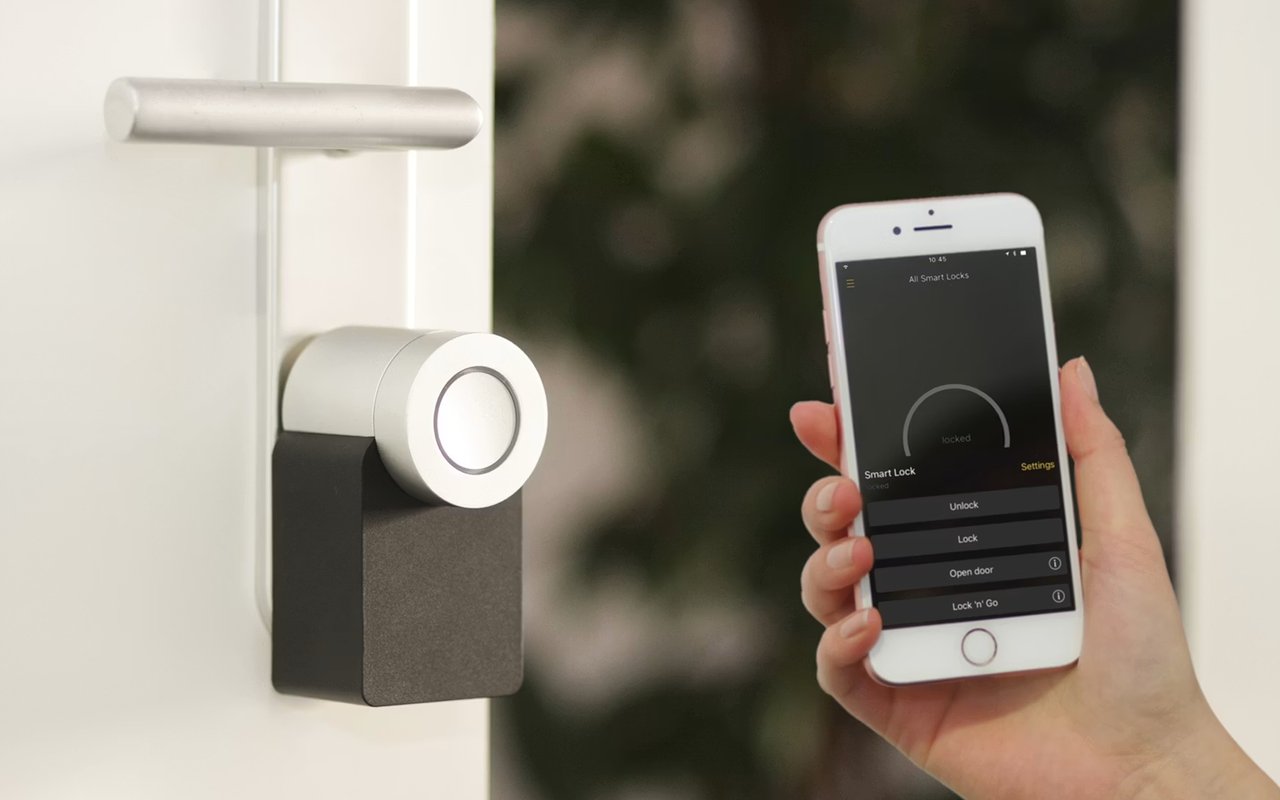
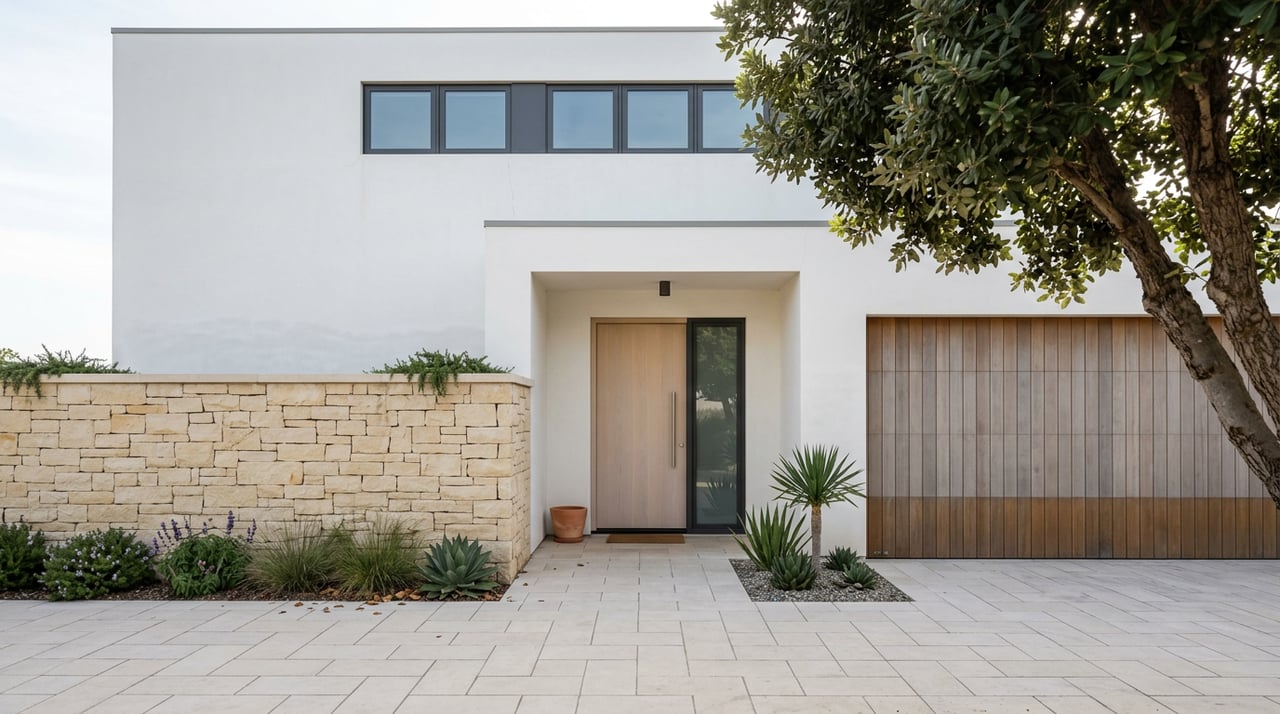
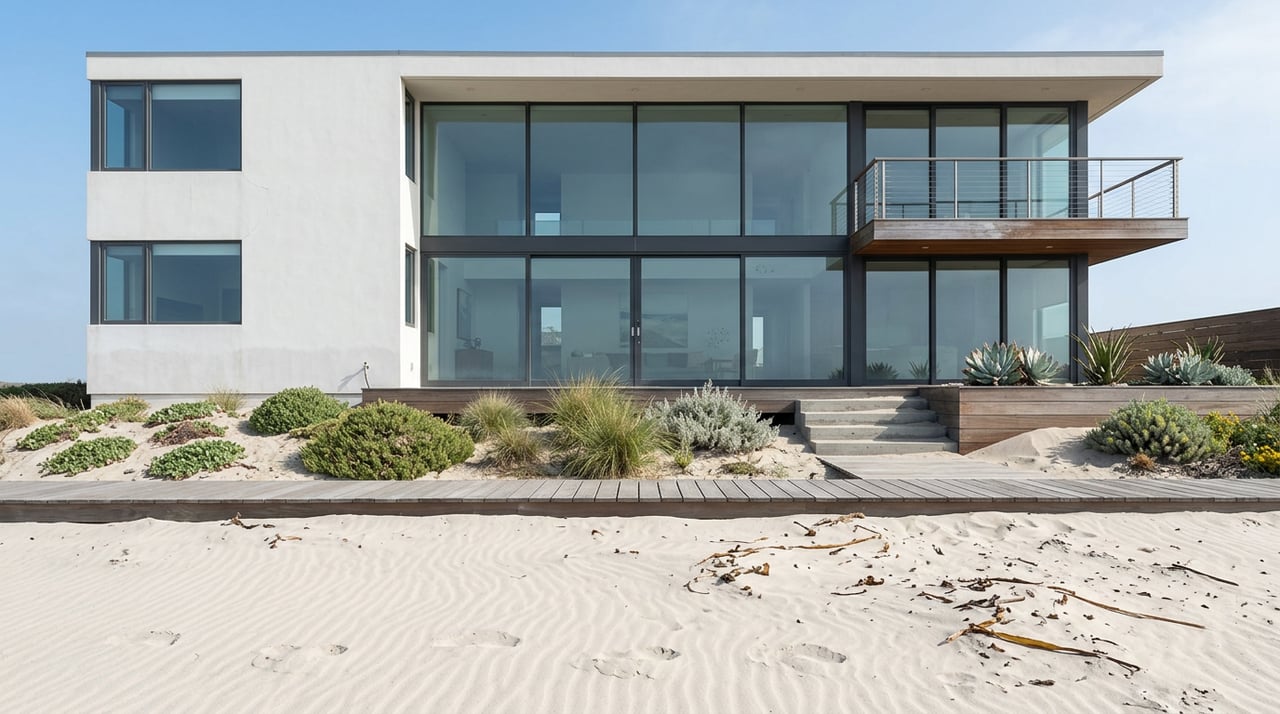
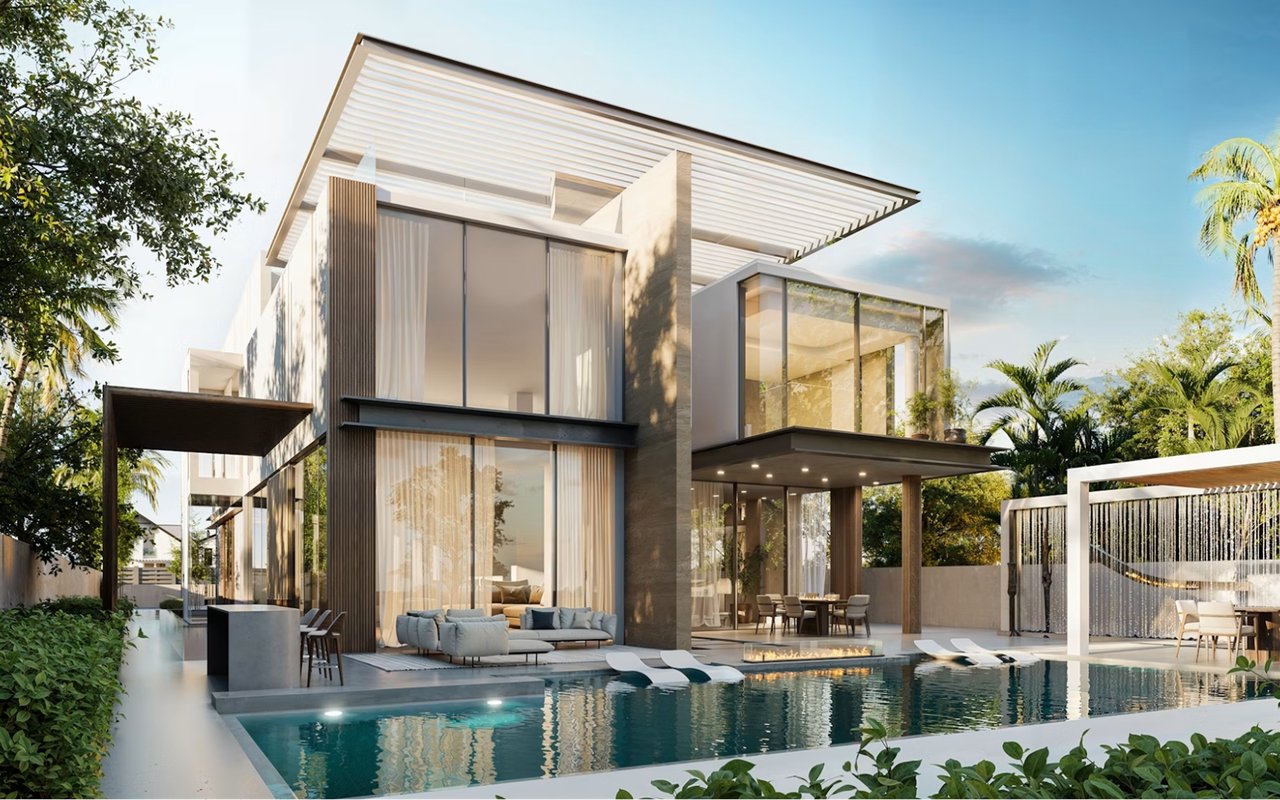
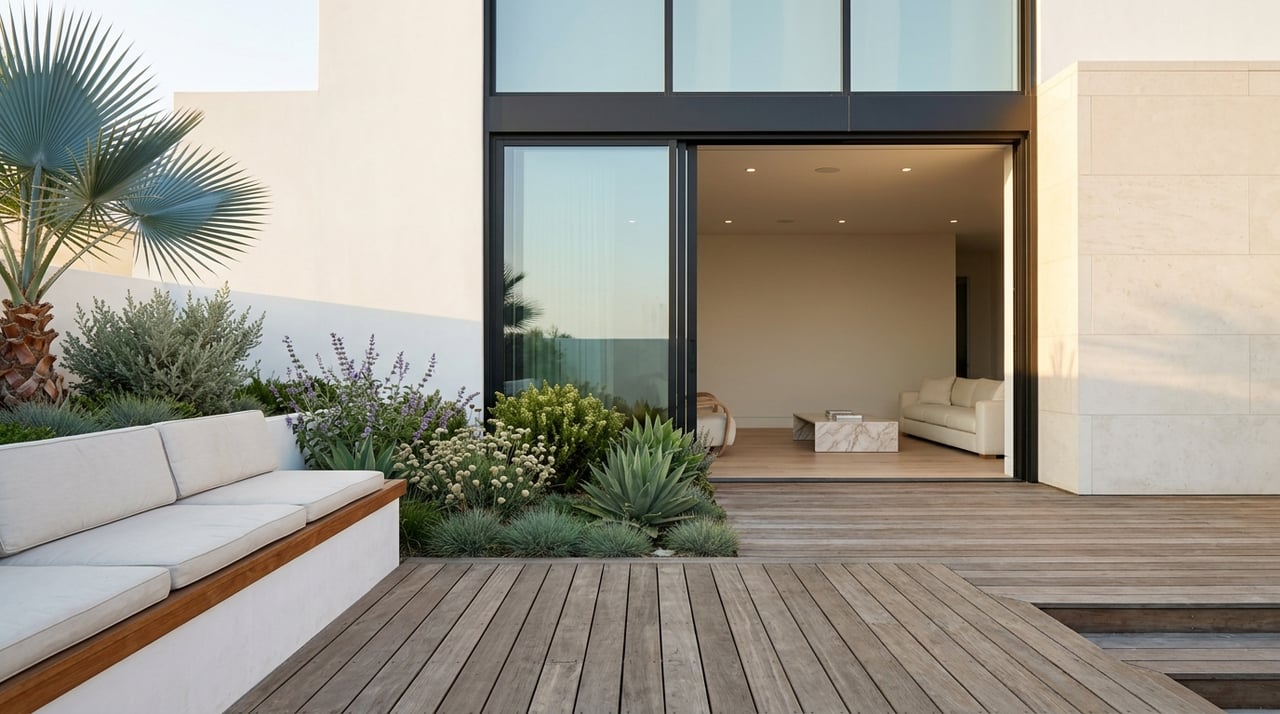
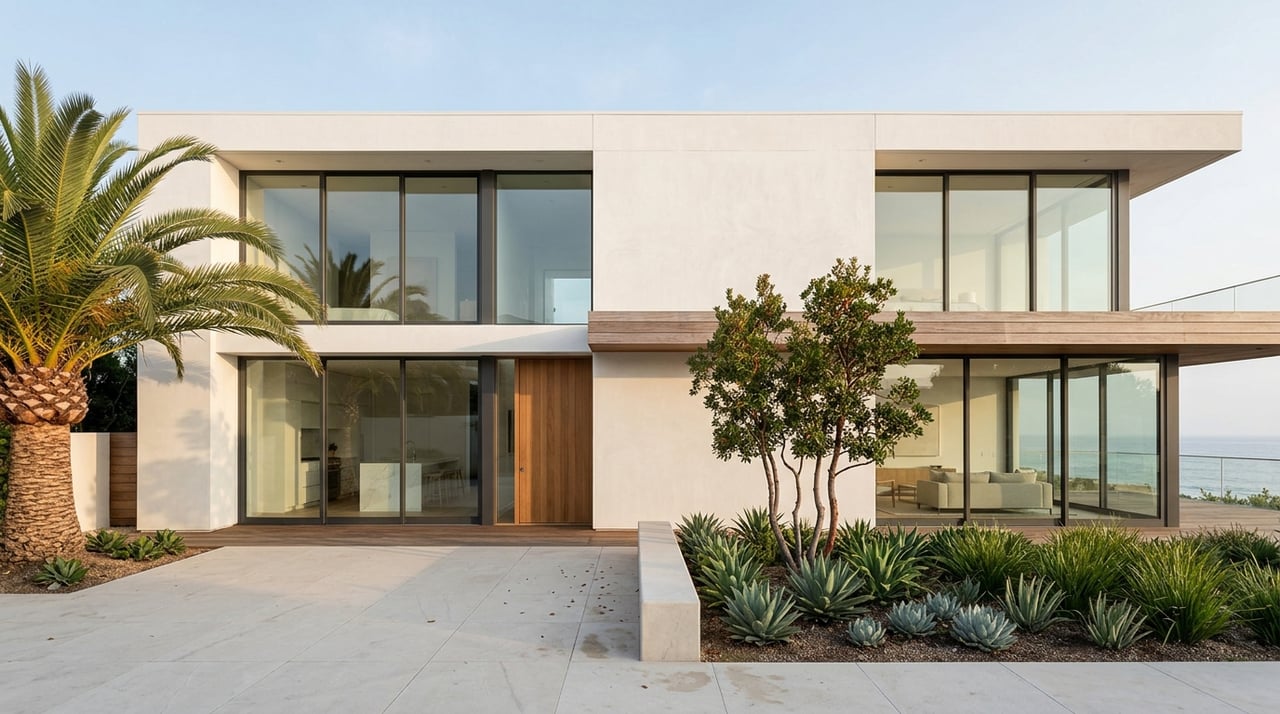
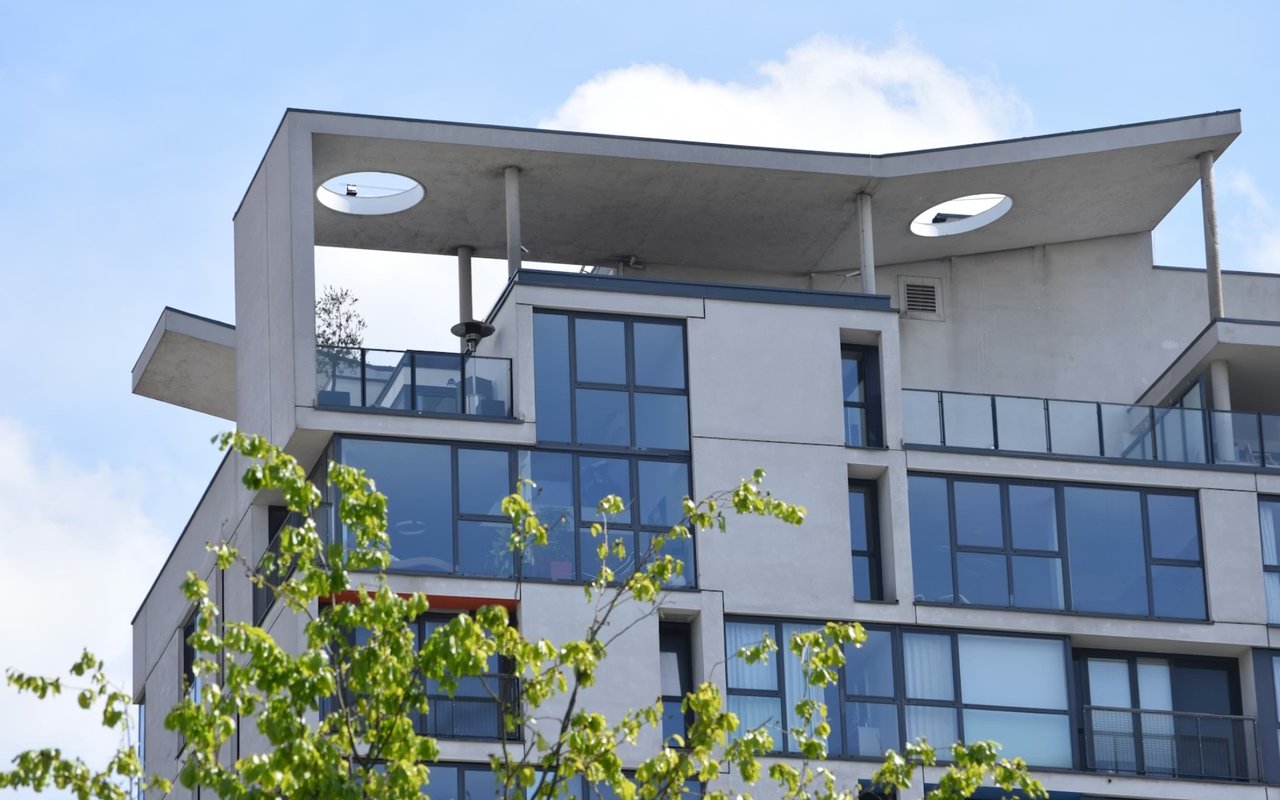
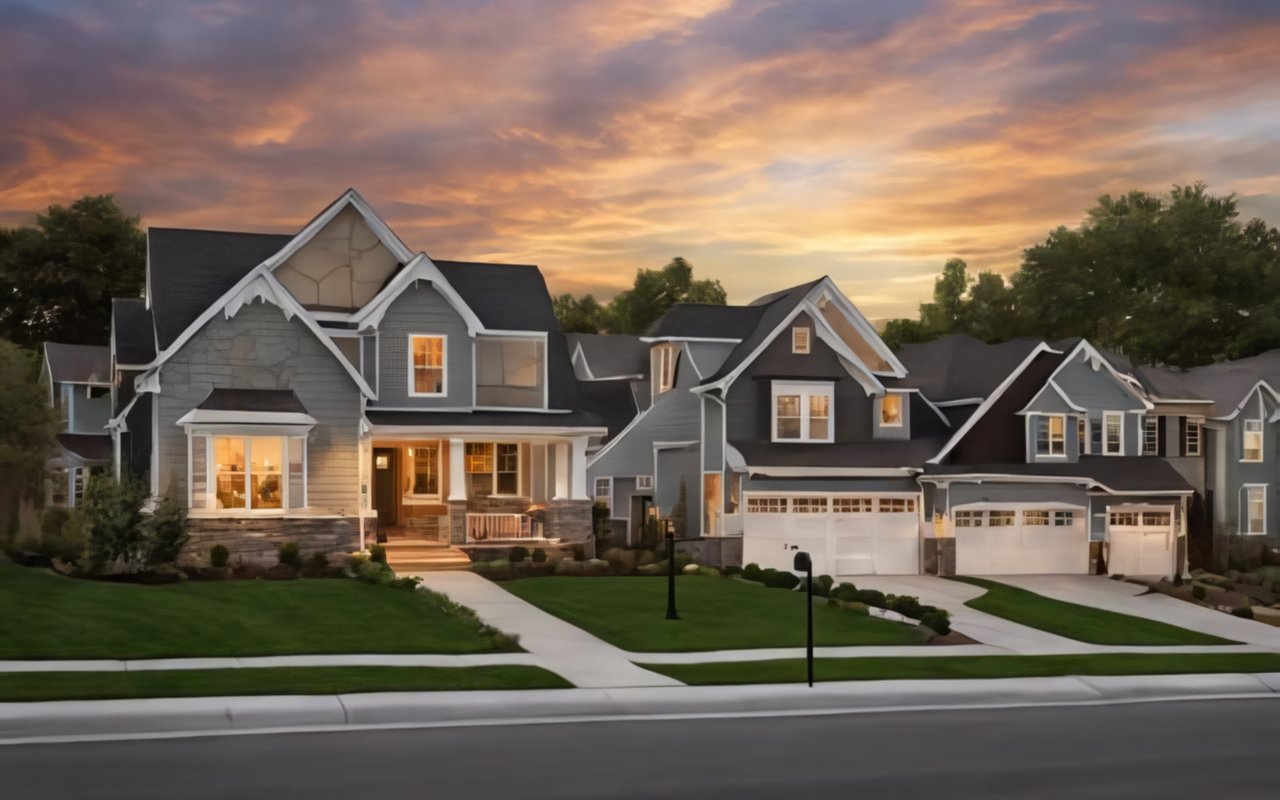
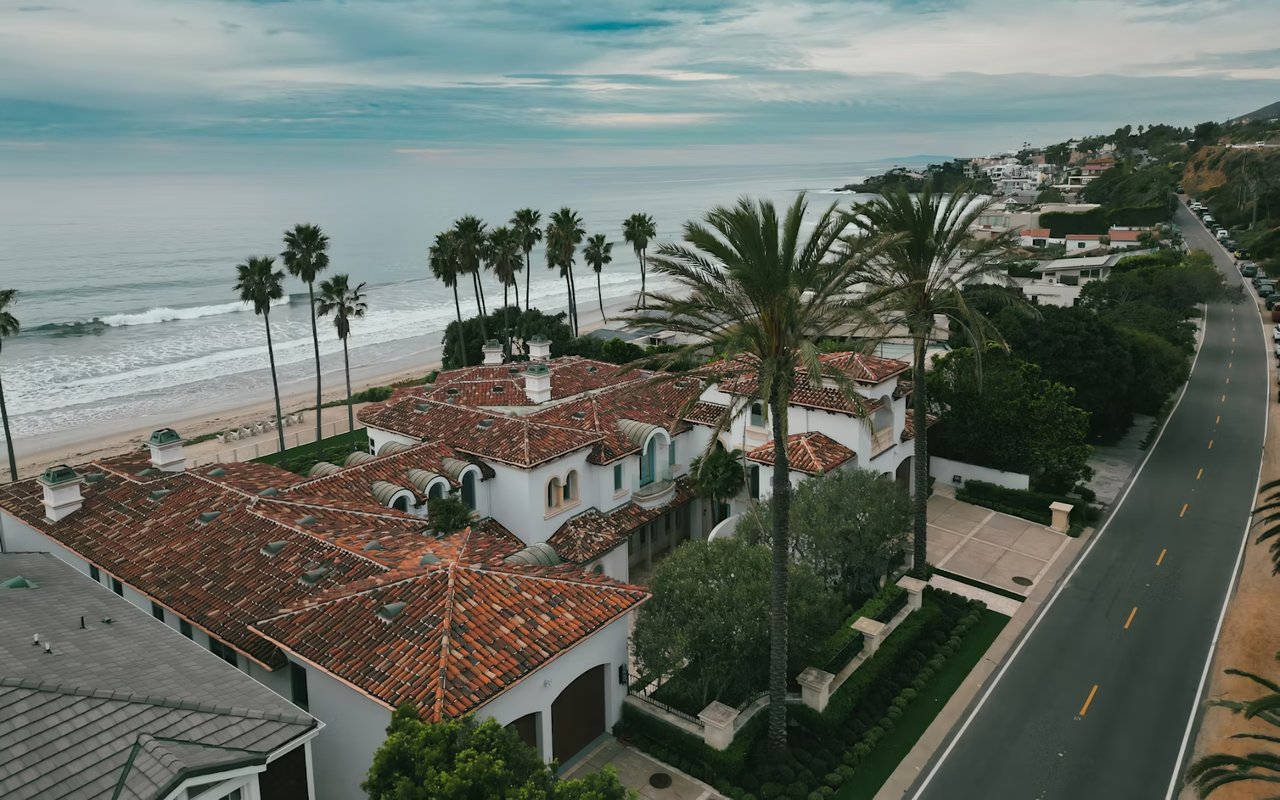
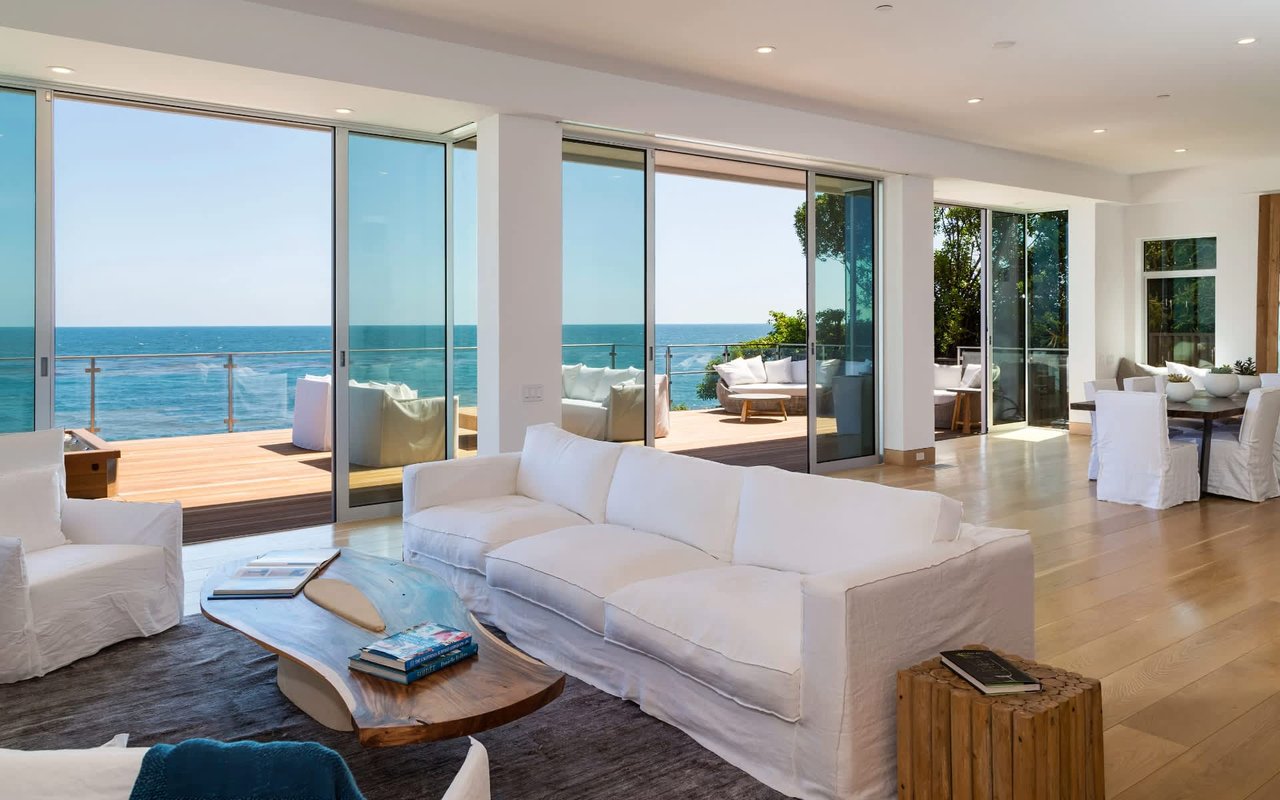
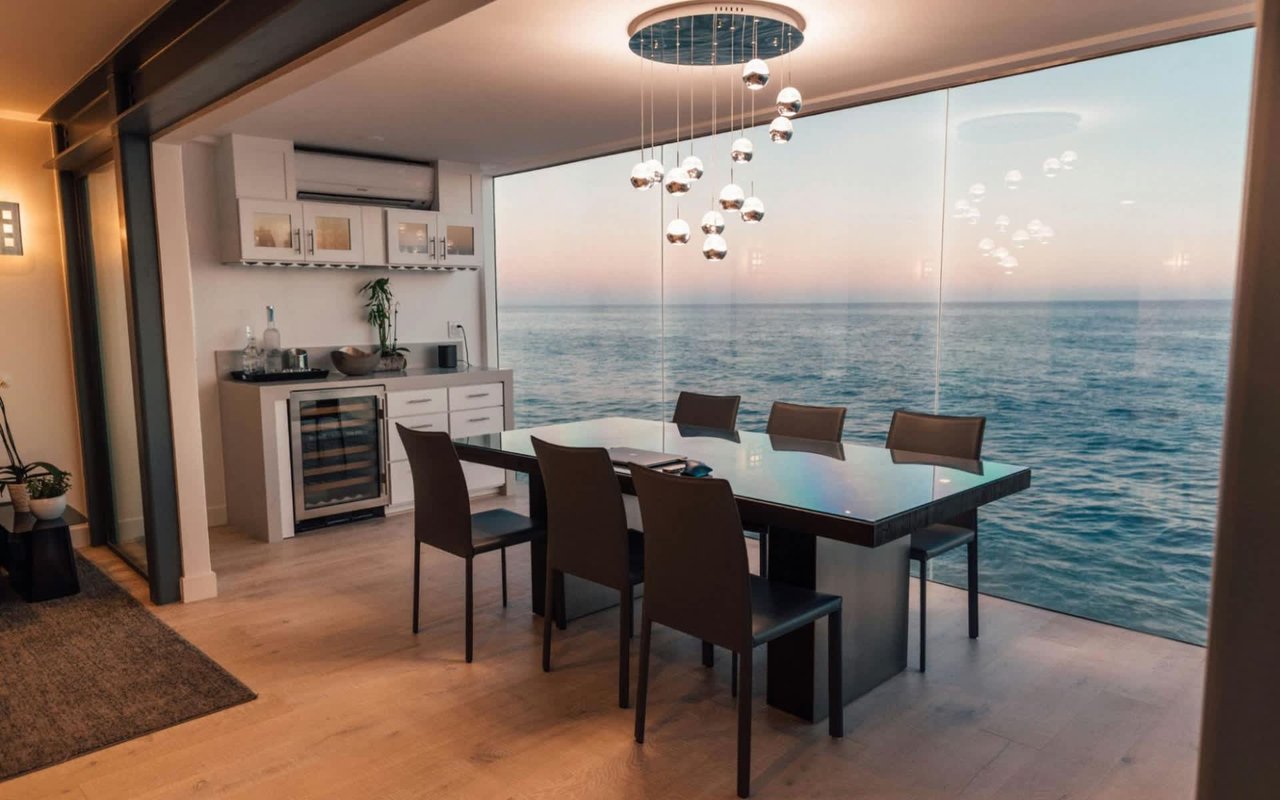
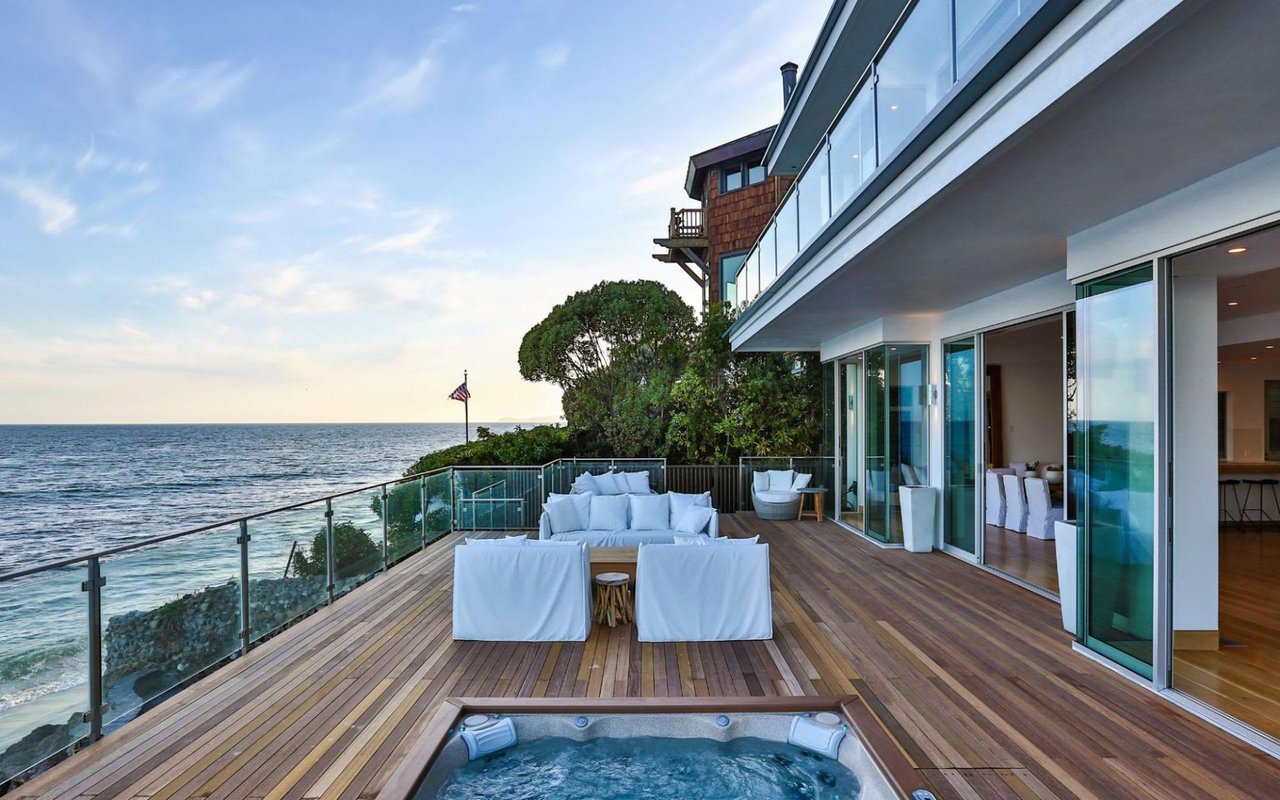
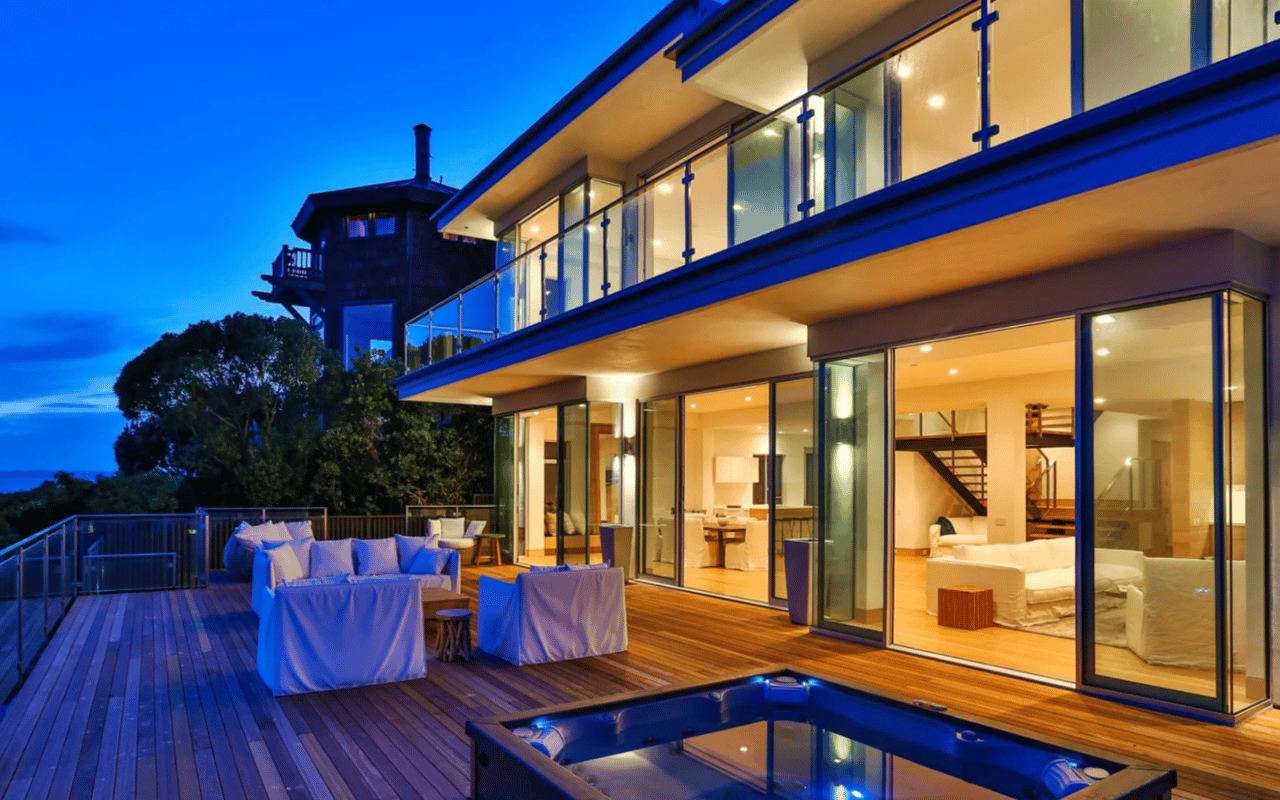
New construction homes in Malibu frequently attract strong attention and premium pricing. Modern properties offer features that many luxury buyers prioritize today: open floor plans, expansive glass walls, energy-efficient systems, smart home technology, and seamless indoor-outdoor living spaces.
In areas like Malibu Park, Point Dume, and the Malibu Colony, newly built homes often incorporate contemporary architecture designed to maximize ocean views and natural light. Buyers relocating from major metropolitan areas such as Los Angeles, New York, or San Francisco tend to gravitate toward these turnkey properties because they require minimal updates.
New construction also offers peace of mind regarding structural integrity, electrical systems, plumbing, and roofing. For many buyers, avoiding large renovation projects or deferred maintenance makes a newer home particularly appealing.
However, newer homes are not always the most valuable properties in Malibu. In fact, some of the most desirable homes in this market were built decades ago.
In areas like Malibu Park, Point Dume, and the Malibu Colony, newly built homes often incorporate contemporary architecture designed to maximize ocean views and natural light. Buyers relocating from major metropolitan areas such as Los Angeles, New York, or San Francisco tend to gravitate toward these turnkey properties because they require minimal updates.
New construction also offers peace of mind regarding structural integrity, electrical systems, plumbing, and roofing. For many buyers, avoiding large renovation projects or deferred maintenance makes a newer home particularly appealing.
However, newer homes are not always the most valuable properties in Malibu. In fact, some of the most desirable homes in this market were built decades ago.
The Enduring Appeal of Malibu’s Classic Homes
Many of Malibu’s older homes hold tremendous value because of something that cannot be replicated: location.
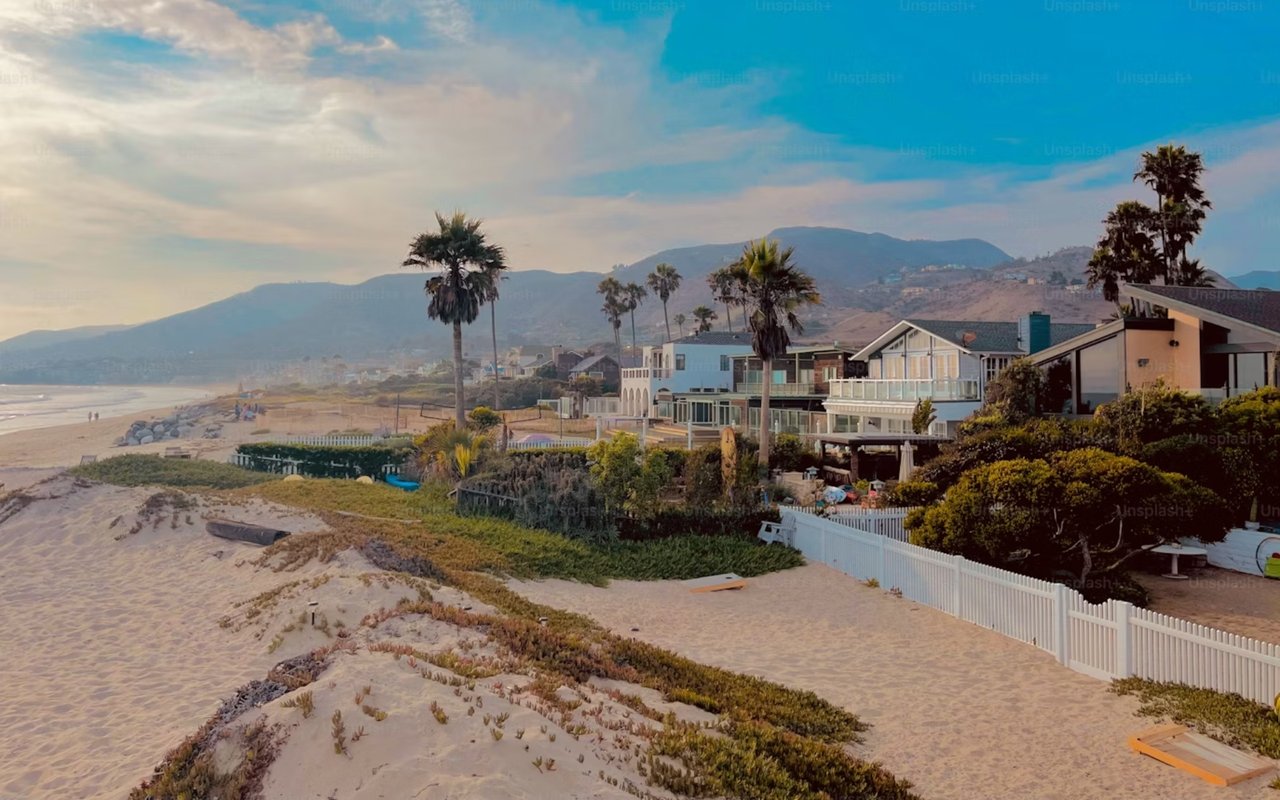
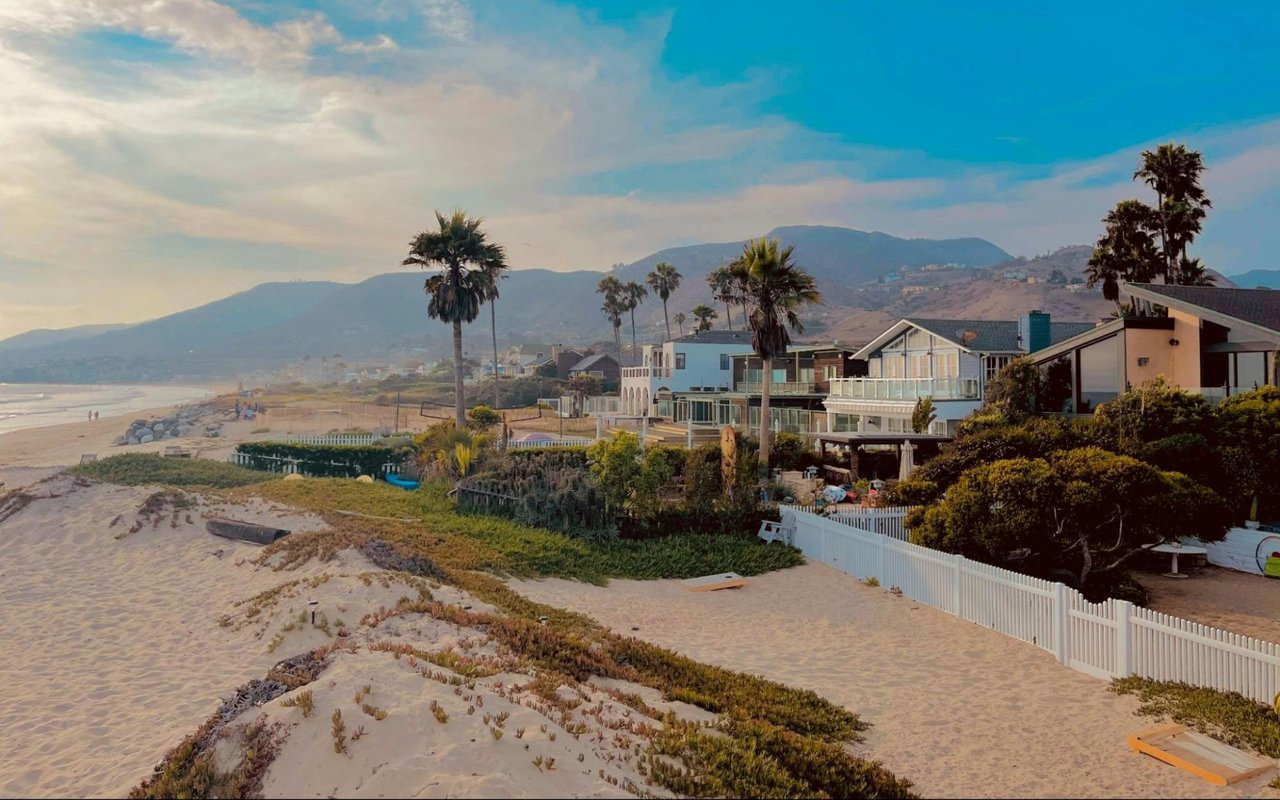
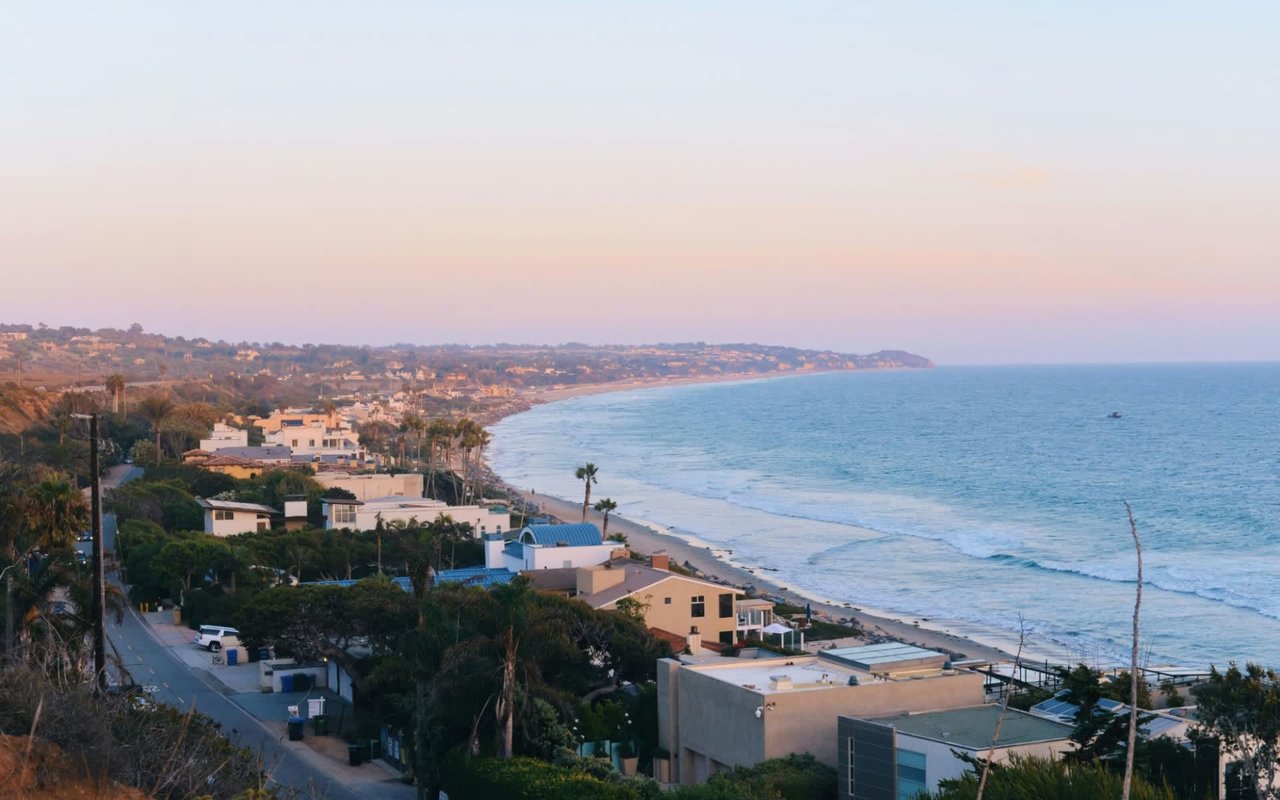
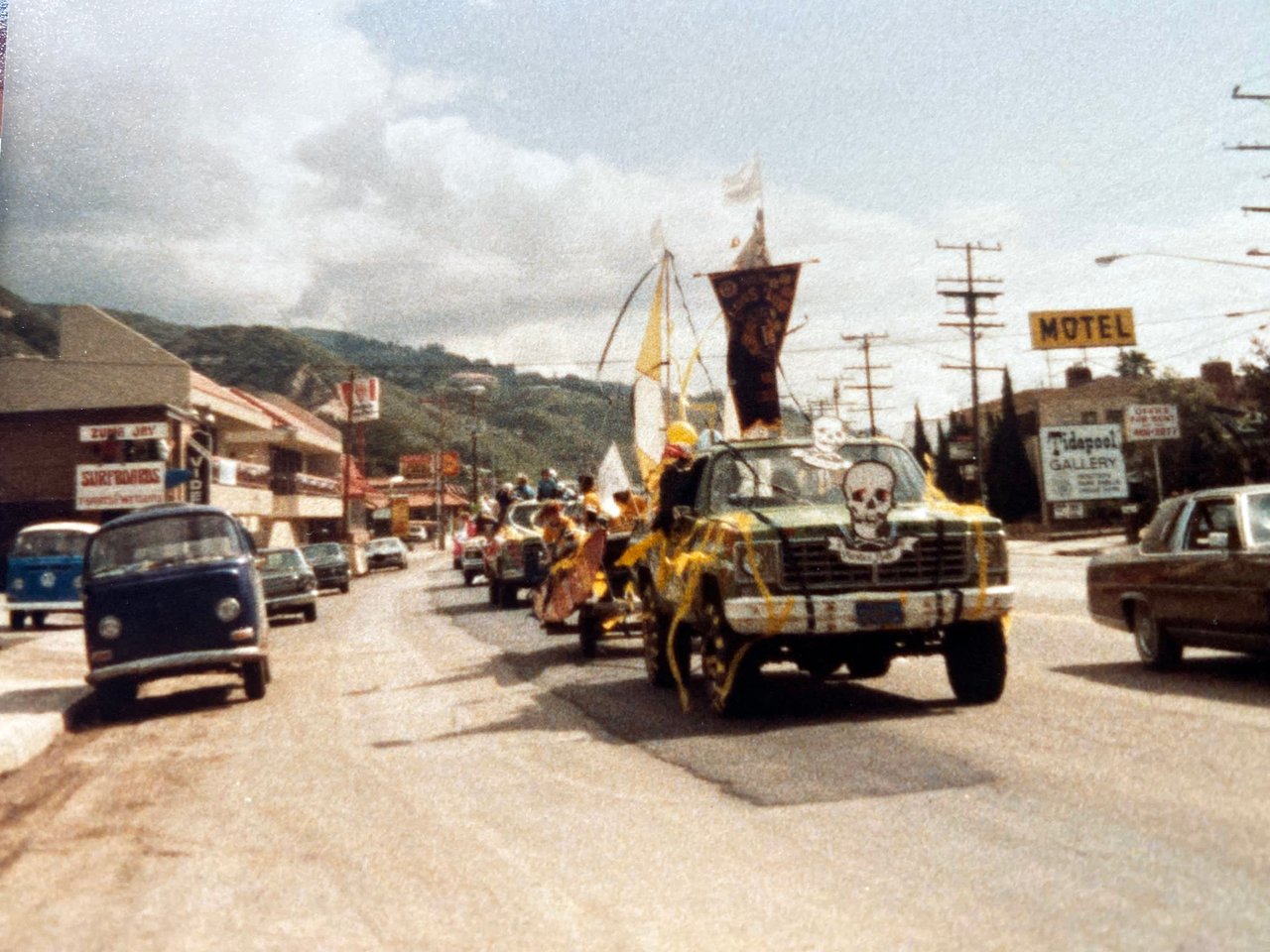
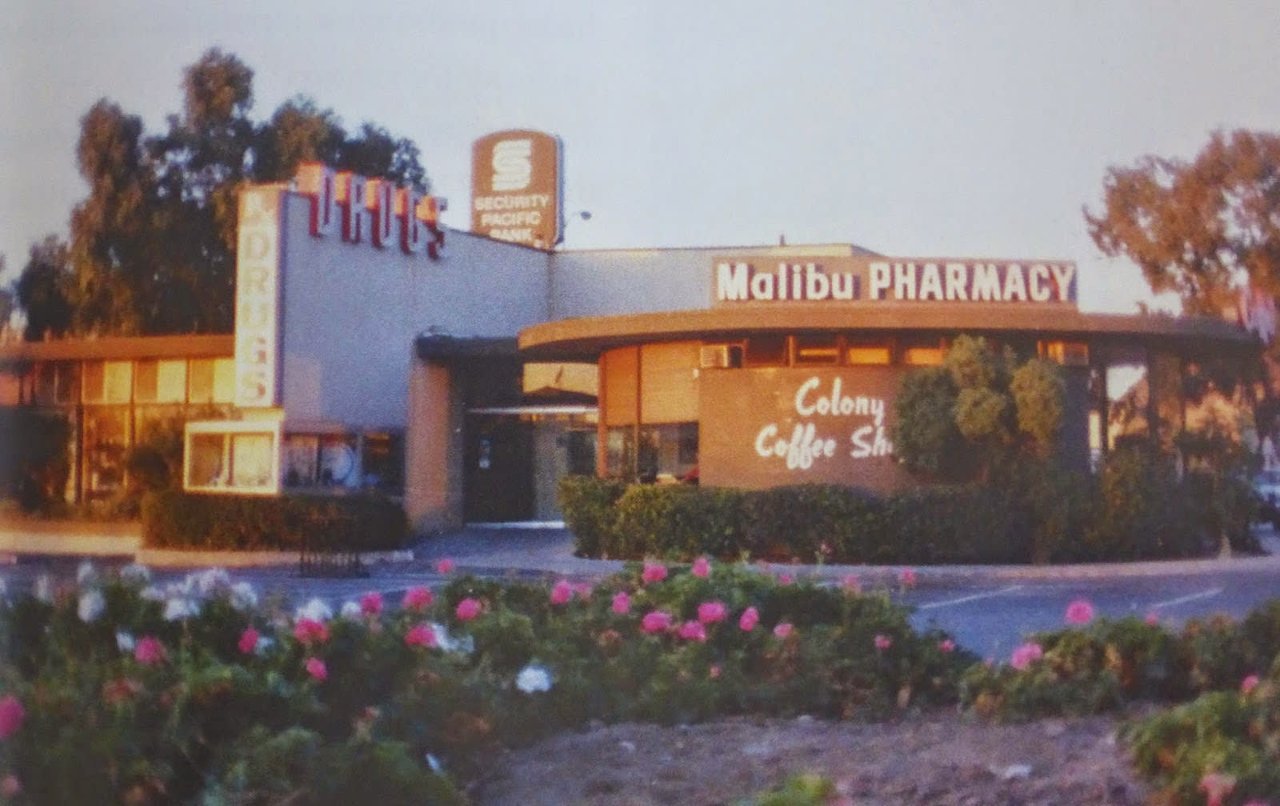
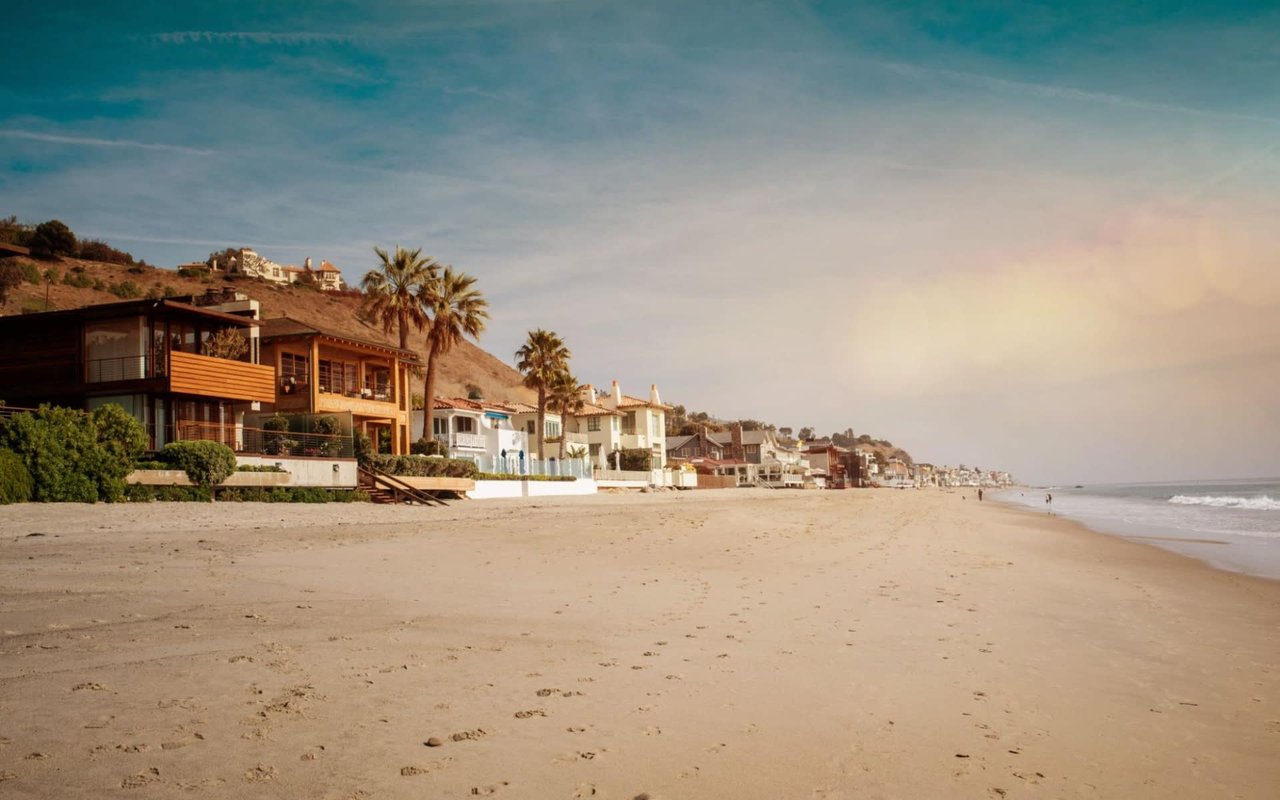
Properties built in the 1950s, 1960s, and 1970s often occupy premier beachfront or blufftop parcels that simply are no longer available for development. Areas like Broad Beach, Carbon Beach, and Malibu Road include homes with decades of history and irreplaceable coastal positioning.
In these cases, the land itself becomes the primary driver of value. Buyers often purchase older homes not because of the existing structure but because of the opportunity to renovate or rebuild in an extraordinary location.
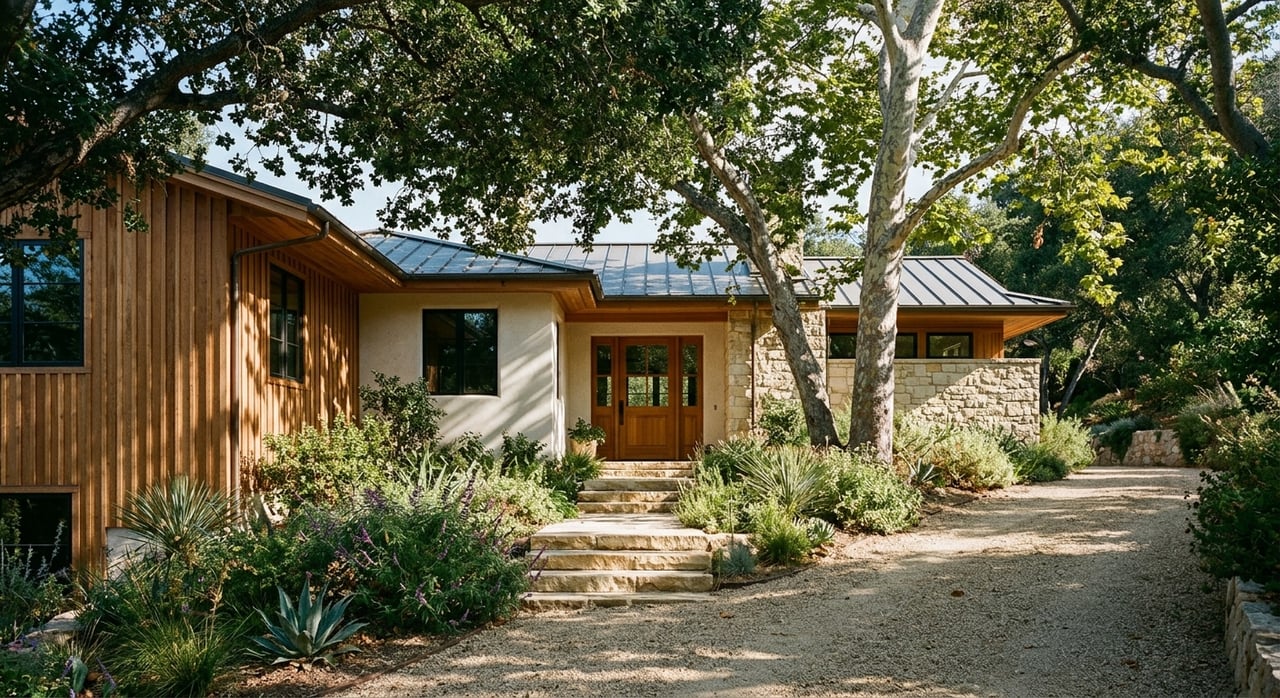
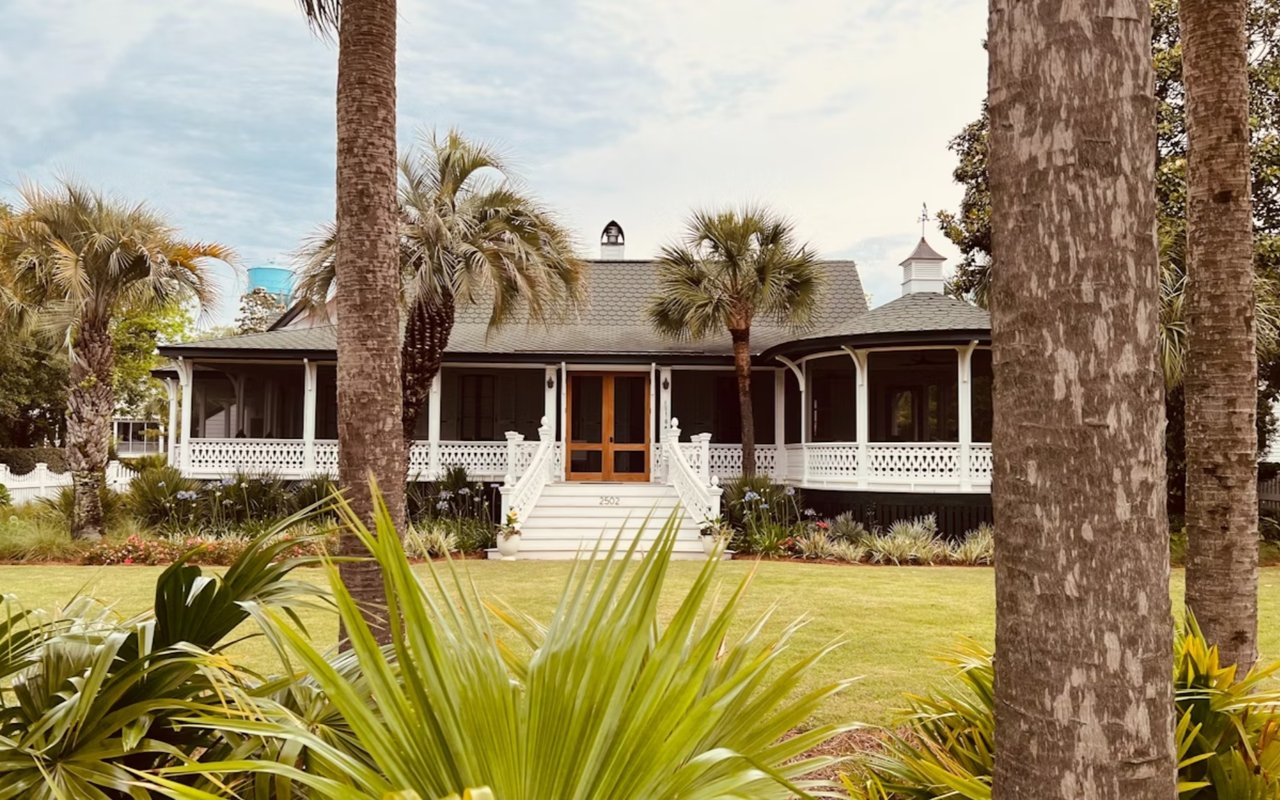
Additionally, many classic Malibu homes showcase architectural styles that remain highly sought after today. Mid-century modern designs, post-and-beam structures, and early coastal contemporary homes continue to resonate with buyers who appreciate authentic architectural character.
When well preserved or thoughtfully renovated, these older homes can compete directly with new construction in terms of desirability and price.
Properties built in the 1950s, 1960s, and 1970s often occupy premier beachfront or blufftop parcels that simply are no longer available for development. Areas like Broad Beach, Carbon Beach, and Malibu Road include homes with decades of history and irreplaceable coastal positioning.
In these cases, the land itself becomes the primary driver of value. Buyers often purchase older homes not because of the existing structure but because of the opportunity to renovate or rebuild in an extraordinary location.
Additionally, many classic Malibu homes showcase architectural styles that remain highly sought after today. Mid-century modern designs, post-and-beam structures, and early coastal contemporary homes continue to resonate with buyers who appreciate authentic architectural character.
When well preserved or thoughtfully renovated, these older homes can compete directly with new construction in terms of desirability and price.
Renovations: The Bridge Between Age and Value
A major factor that connects home age with market value is renovation quality.
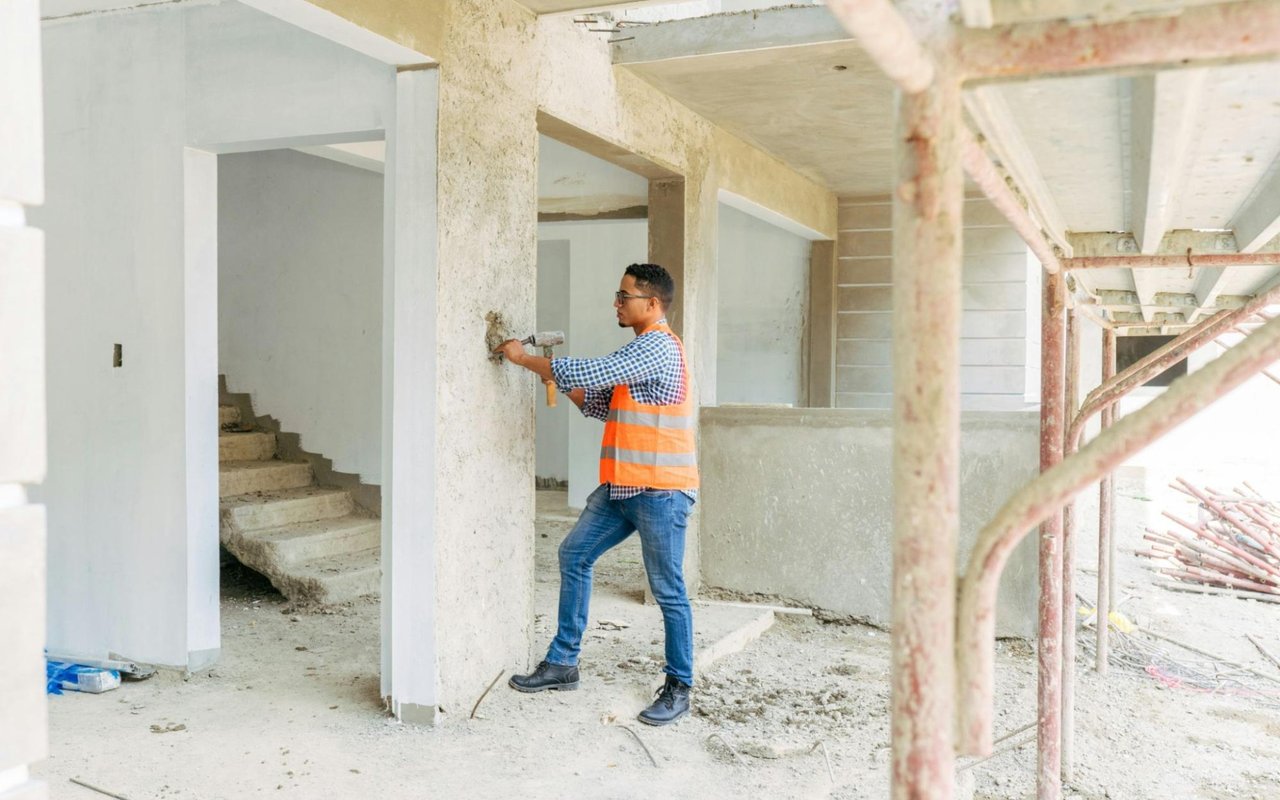
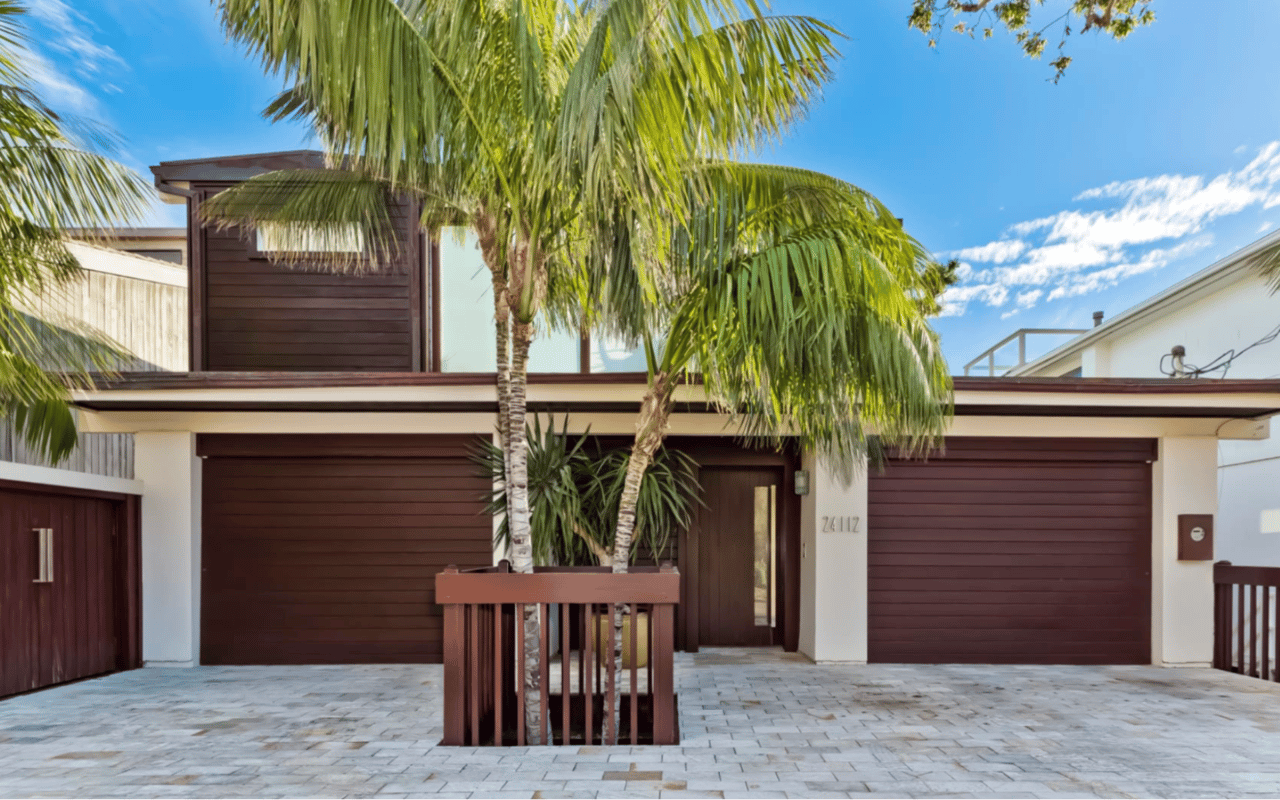
A home built in 1975 that has undergone a comprehensive, high-end renovation may command a higher price than a poorly maintained property built just ten years ago. In Malibu’s luxury market, buyers care deeply about design, materials, and craftsmanship.
Strategic updates often include:
A home built in 1975 that has undergone a comprehensive, high-end renovation may command a higher price than a poorly maintained property built just ten years ago. In Malibu’s luxury market, buyers care deeply about design, materials, and craftsmanship.
Strategic updates often include:
-
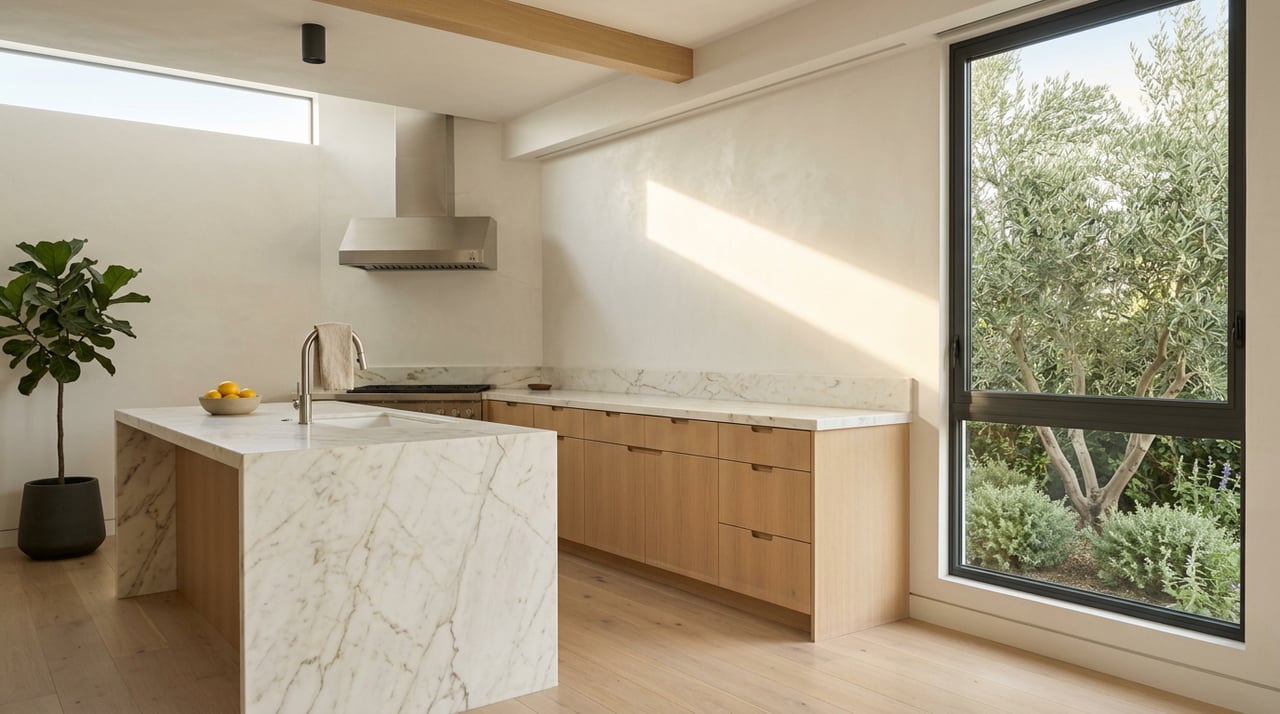
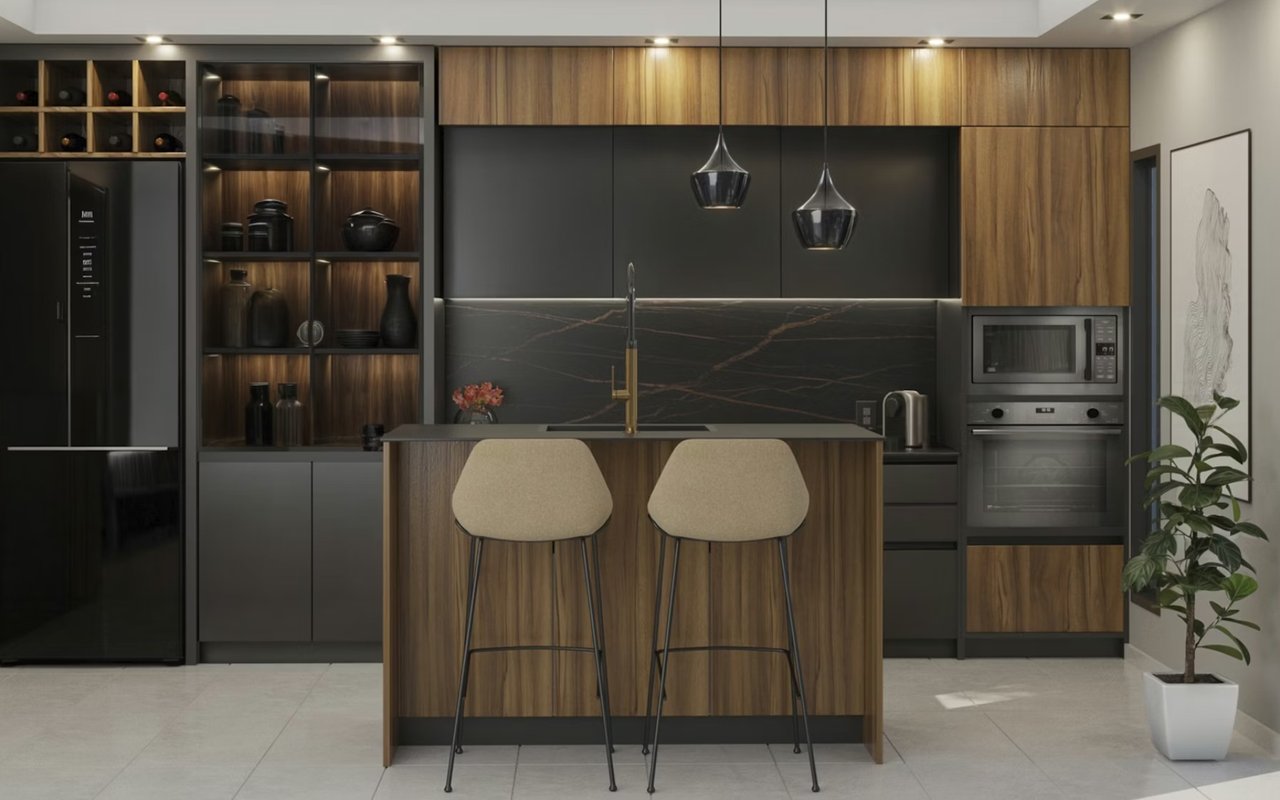
Modern kitchens with premium appliances
-
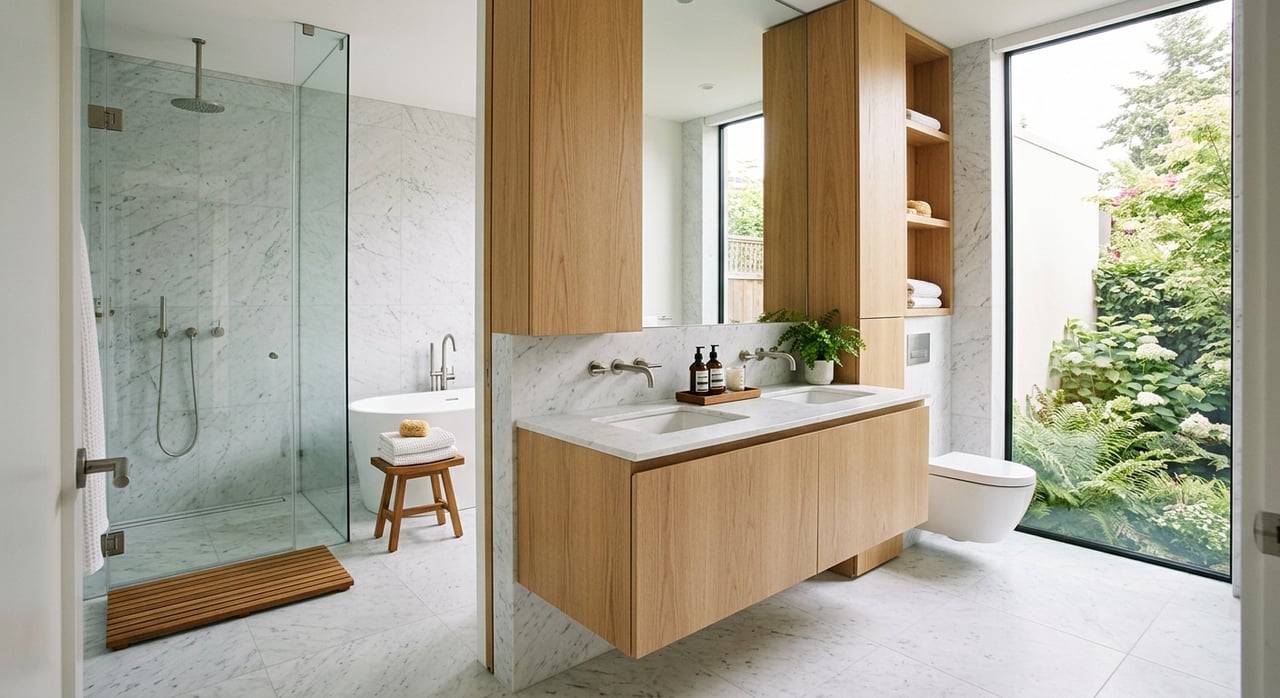
Updated bathrooms with spa-quality finishes
-
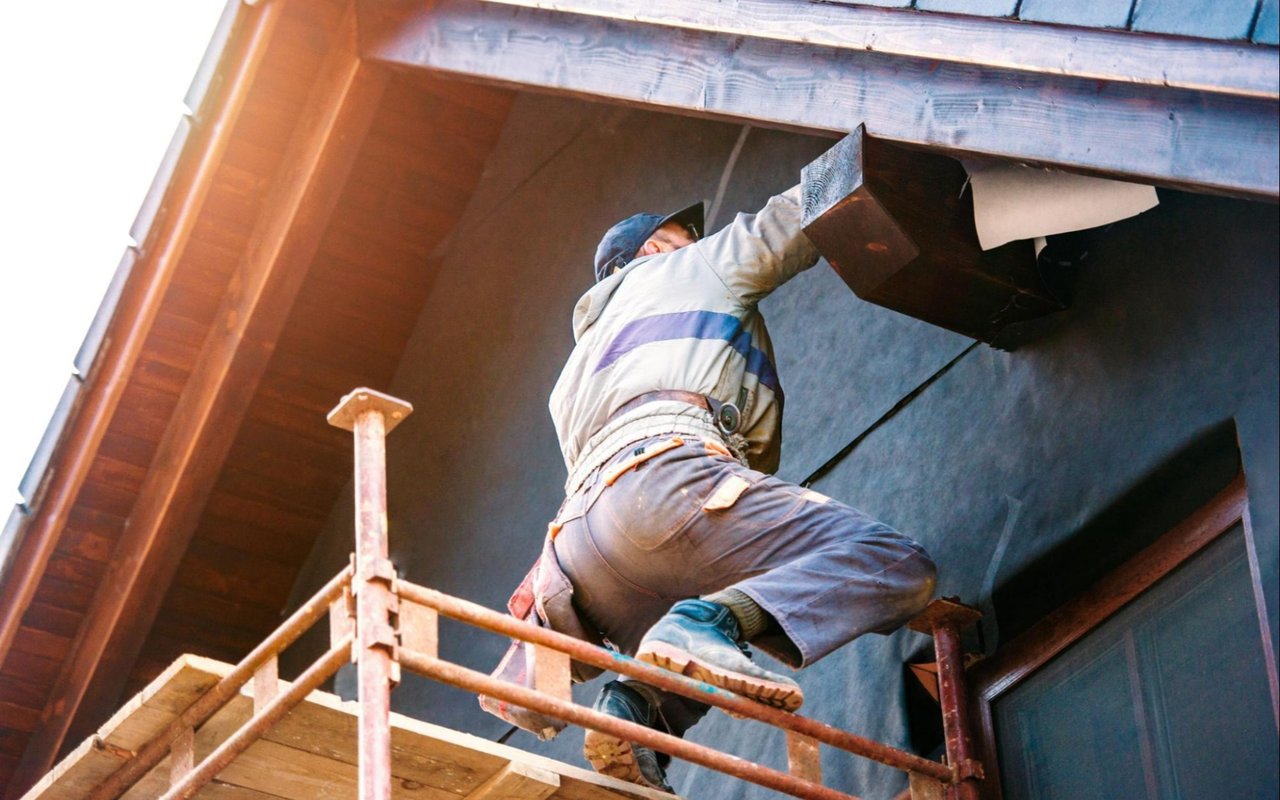
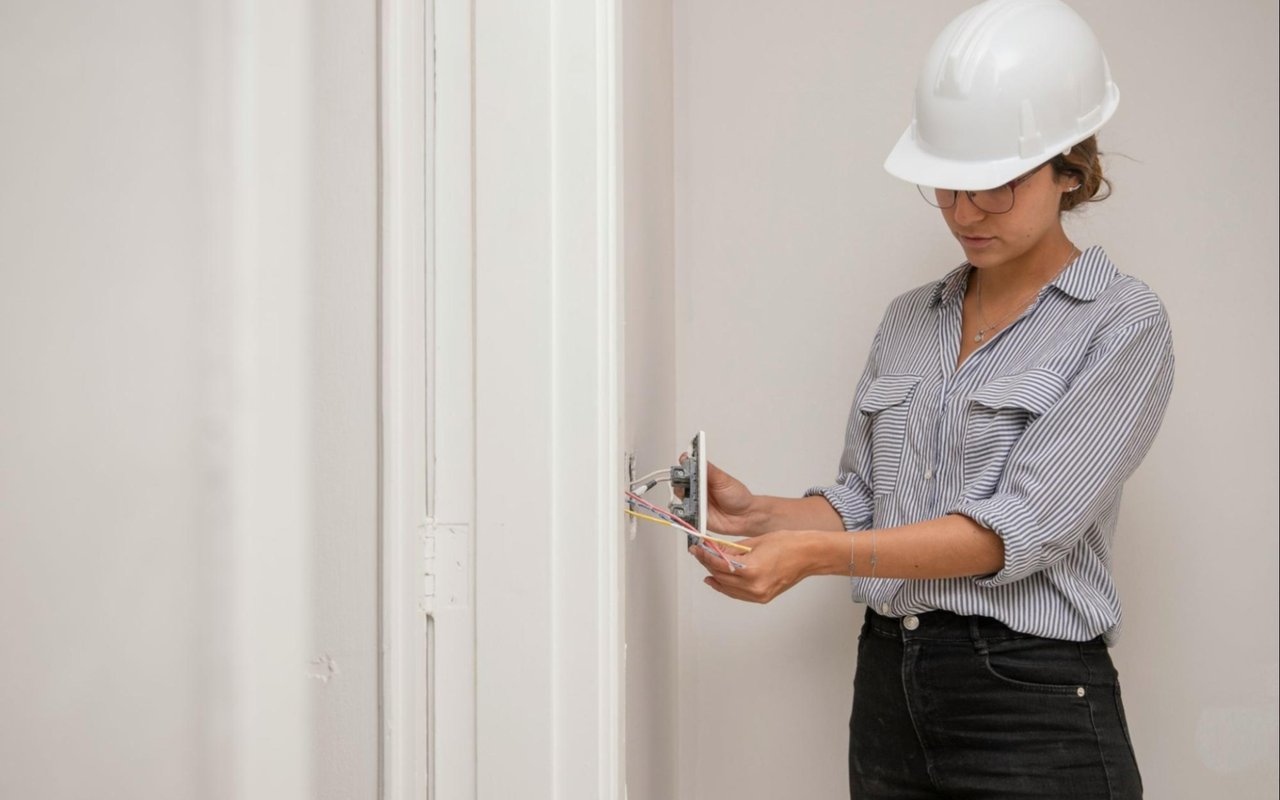
Reinforced structural systems
-
Energy-efficient windows and doors
-
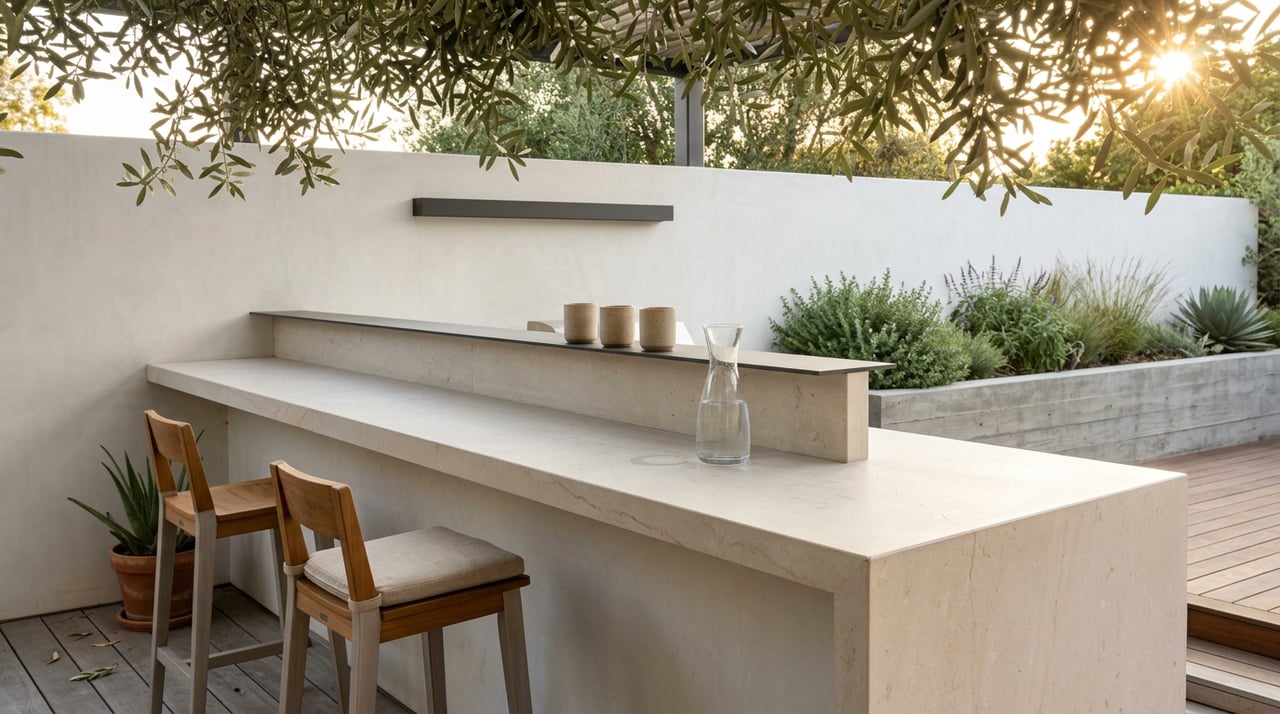
Outdoor living enhancements such as pools, decks, and fire features
When these improvements are executed with attention to architectural integrity, older homes can feel both timeless and contemporary. In many cases, thoughtful renovations allow homeowners to preserve Malibu’s classic design aesthetic while introducing modern luxury.
Maintenance and Condition Matter More Than Age
One of the biggest misconceptions about real estate value is that older homes automatically lose worth over time. In reality, maintenance and condition are often far more important than the year a property was built.
A well-maintained home that is regularly updated will generally retain strong market value, regardless of age. Conversely, a newer property that has not been properly maintained may experience faster depreciation.
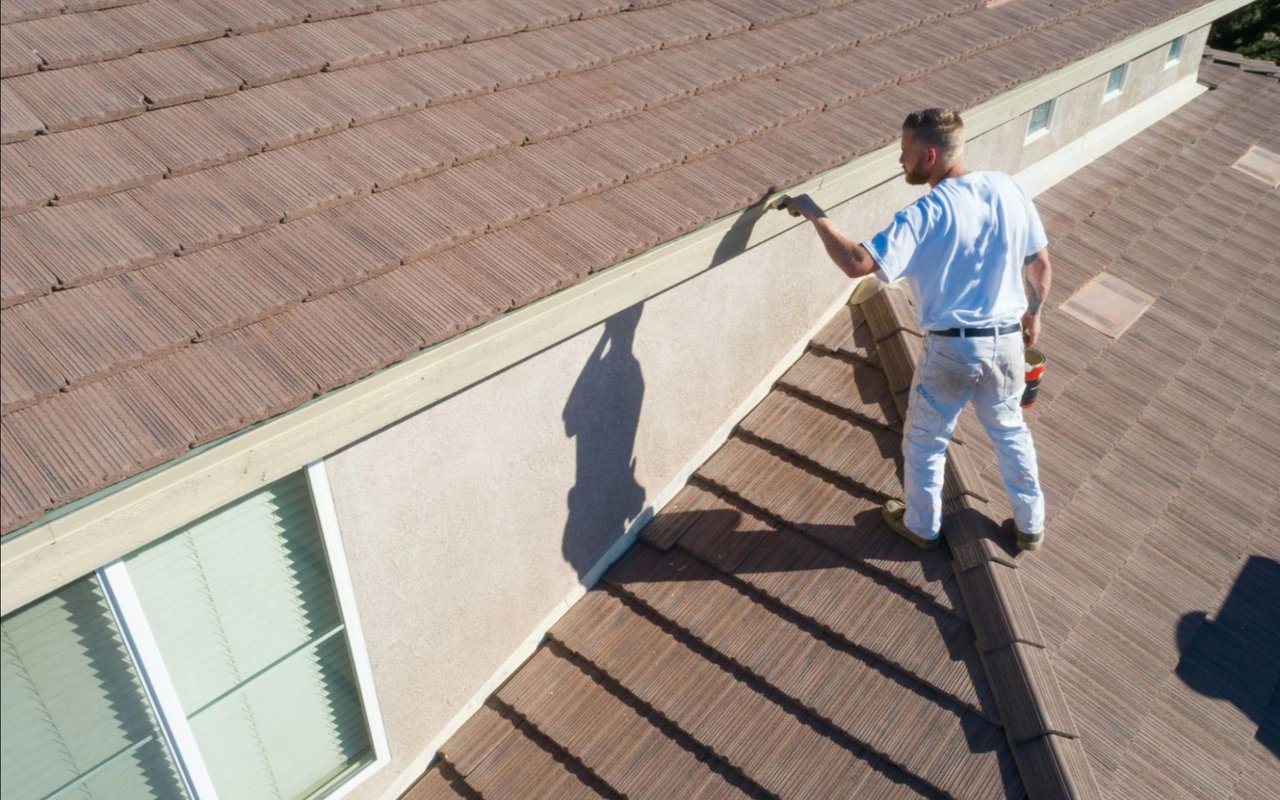
In Malibu, where coastal conditions can affect building materials, ongoing care is especially important. Salt air, sun exposure, and seasonal weather patterns can accelerate wear on roofing, paint, decks, and exterior materials.
Buyers evaluating Malibu properties frequently focus on inspection reports and structural quality rather than simply the home’s age.
A well-maintained home that is regularly updated will generally retain strong market value, regardless of age. Conversely, a newer property that has not been properly maintained may experience faster depreciation.
In Malibu, where coastal conditions can affect building materials, ongoing care is especially important. Salt air, sun exposure, and seasonal weather patterns can accelerate wear on roofing, paint, decks, and exterior materials.
Buyers evaluating Malibu properties frequently focus on inspection reports and structural quality rather than simply the home’s age.
Land Value vs. Structure Value in Malibu
Another key factor influencing the relationship between age and market value is the distinction between land value and structure value.
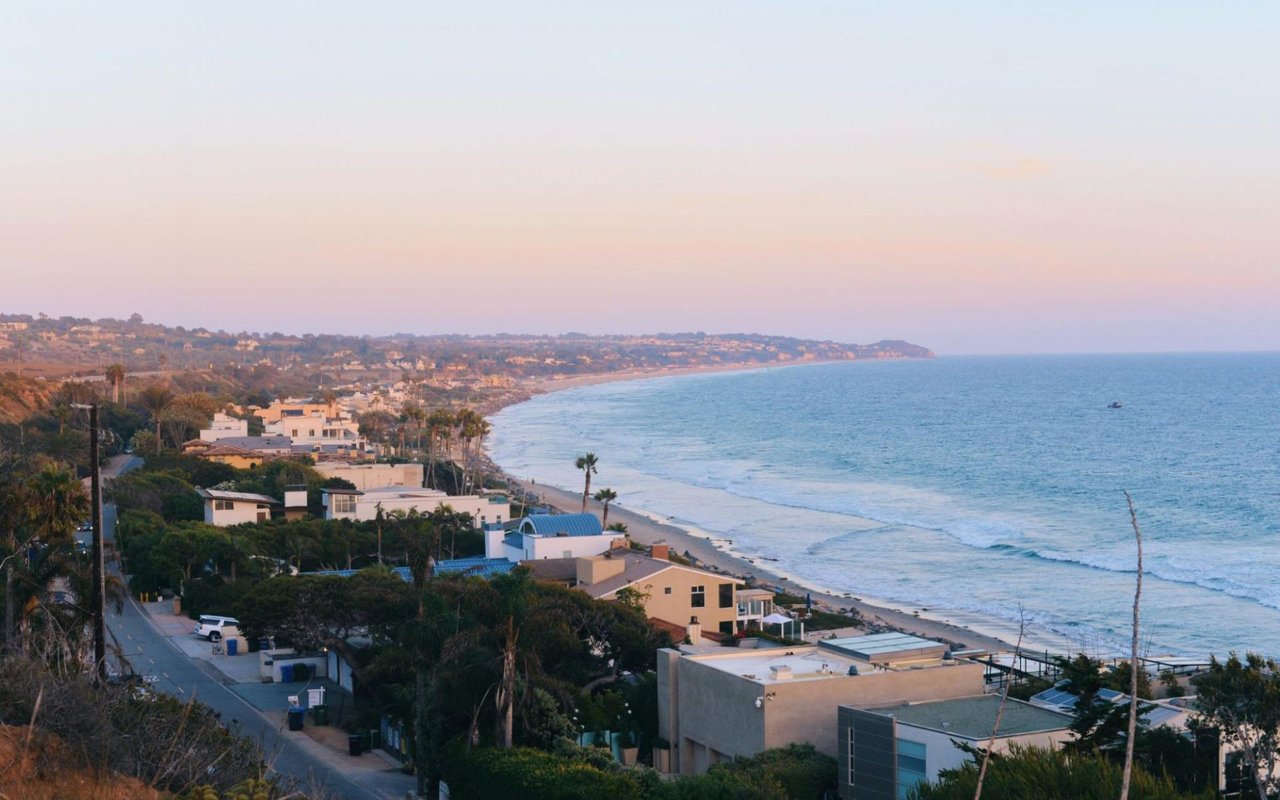
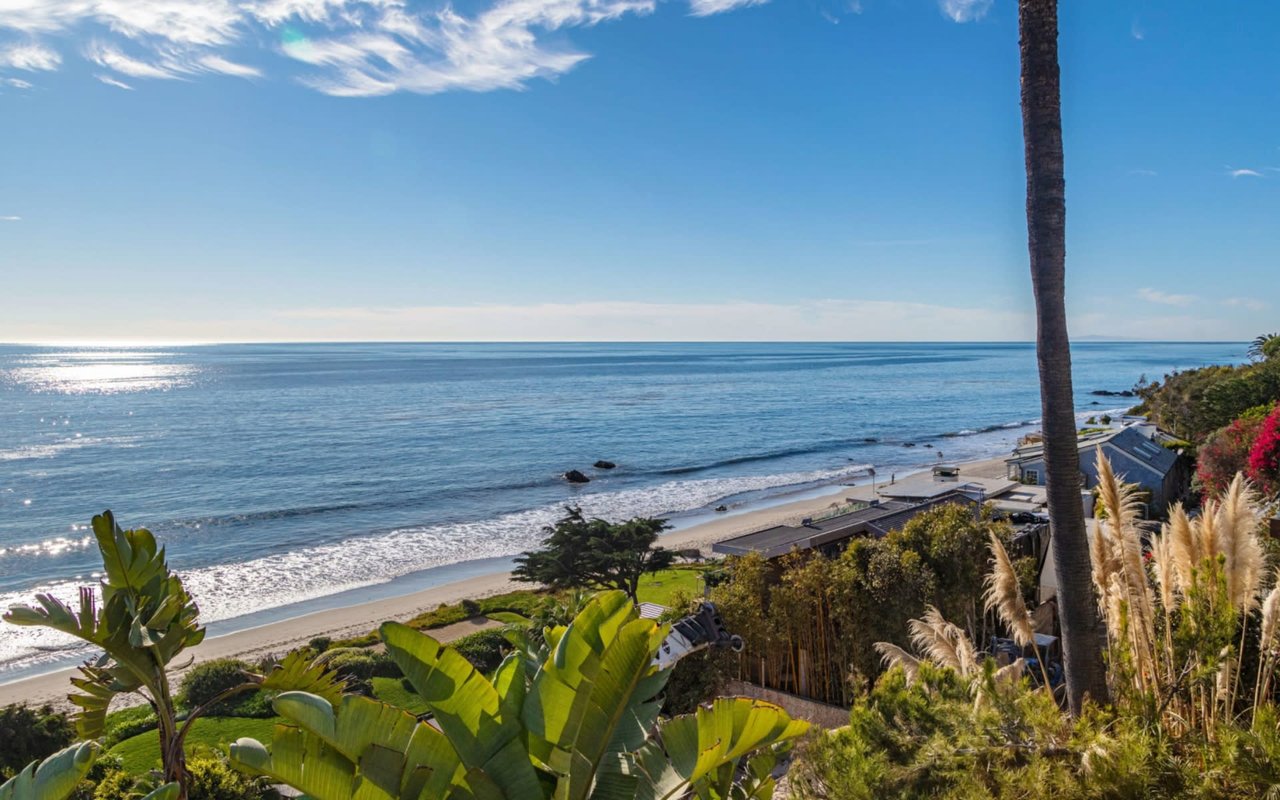
In many Malibu neighborhoods, especially along the coast, the land itself represents the majority of a property’s worth. Ocean frontage, panoramic views, and proximity to the beach dramatically influence pricing.
When land value dominates the equation, the age of the home becomes less relevant. Buyers may view the existing structure as a starting point for redevelopment or as an opportunity to design a custom estate.
This dynamic is particularly common with older beachfront homes, where buyers are often seeking the lot rather than the house itself.
In many Malibu neighborhoods, especially along the coast, the land itself represents the majority of a property’s worth. Ocean frontage, panoramic views, and proximity to the beach dramatically influence pricing.
When land value dominates the equation, the age of the home becomes less relevant. Buyers may view the existing structure as a starting point for redevelopment or as an opportunity to design a custom estate.
This dynamic is particularly common with older beachfront homes, where buyers are often seeking the lot rather than the house itself.
Buyer Preferences Continue to Evolve
The Malibu real estate market continues to evolve as buyer preferences shift. Some luxury buyers want brand-new construction with cutting-edge design and sustainability features. Others are drawn to homes with history, architectural significance, and established landscaping.
I often see buyers fall in love with older Malibu homes because of their charm, craftsmanship, and connection to the area’s coastal heritage. At the same time, modern architectural estates continue to attract global buyers seeking sleek design and turnkey living.
Ultimately, the Malibu market supports both ends of this spectrum, which is part of what makes it such a fascinating place to buy and sell real estate.
I often see buyers fall in love with older Malibu homes because of their charm, craftsmanship, and connection to the area’s coastal heritage. At the same time, modern architectural estates continue to attract global buyers seeking sleek design and turnkey living.
Ultimately, the Malibu market supports both ends of this spectrum, which is part of what makes it such a fascinating place to buy and sell real estate.
How Sellers Can Position Homes of Any Age
For homeowners considering selling, it’s important to recognize that age alone does not determine how a home performs in the market.
Presentation, maintenance, and strategic updates can dramatically influence buyer perception and final sale price. Even modest improvements such as updated lighting, refreshed landscaping, or modern staging can help highlight a property’s strengths.
When I work with sellers in Malibu, I focus on identifying the unique attributes that make each home valuable. Whether it’s architectural heritage, ocean frontage, privacy, or renovation potential, emphasizing these features helps buyers see the full opportunity a property offers.
Presentation, maintenance, and strategic updates can dramatically influence buyer perception and final sale price. Even modest improvements such as updated lighting, refreshed landscaping, or modern staging can help highlight a property’s strengths.
When I work with sellers in Malibu, I focus on identifying the unique attributes that make each home valuable. Whether it’s architectural heritage, ocean frontage, privacy, or renovation potential, emphasizing these features helps buyers see the full opportunity a property offers.
FAQ: Home Age and Market Value
Does an older home always sell for less than a newer home?
Not necessarily. In Malibu, older homes located on prime beachfront lots or in prestigious neighborhoods can command extremely high prices. Location and land value often outweigh the age of the structure.
Are renovated homes more valuable than new construction?
They can be. A thoughtfully renovated home that preserves architectural character while adding modern amenities can be highly desirable to buyers.
Do buyers prefer new homes in Malibu?
Some do, particularly those seeking turnkey living and contemporary design. However, many buyers are equally interested in classic Malibu homes with renovation potential or historic charm.
Should I renovate before selling an older home?
It depends on the property and the target buyer. Strategic cosmetic improvements can increase appeal, but major renovations may not always deliver a full return on investment. I help clients evaluate the best approach based on current market conditions.
Is land value really more important than the home itself?
In many Malibu coastal properties, yes. Ocean views, beachfront access, and location along the Pacific Coast Highway corridor often drive the majority of a property’s value.
Understanding how home age influences market value requires local expertise and deep knowledge of Malibu’s unique real estate landscape. Whether you’re considering buying, selling, or investing in Malibu, I’m here to help you navigate the market with clarity and confidence.
Working with me, Brian Merrick, ensures you have a trusted guide who understands the nuances that make Malibu properties truly exceptional.
Understanding how home age influences market value requires local expertise and deep knowledge of Malibu’s unique real estate landscape. Whether you’re considering buying, selling, or investing in Malibu, I’m here to help you navigate the market with clarity and confidence.
Working with me, Brian Merrick, ensures you have a trusted guide who understands the nuances that make Malibu properties truly exceptional.