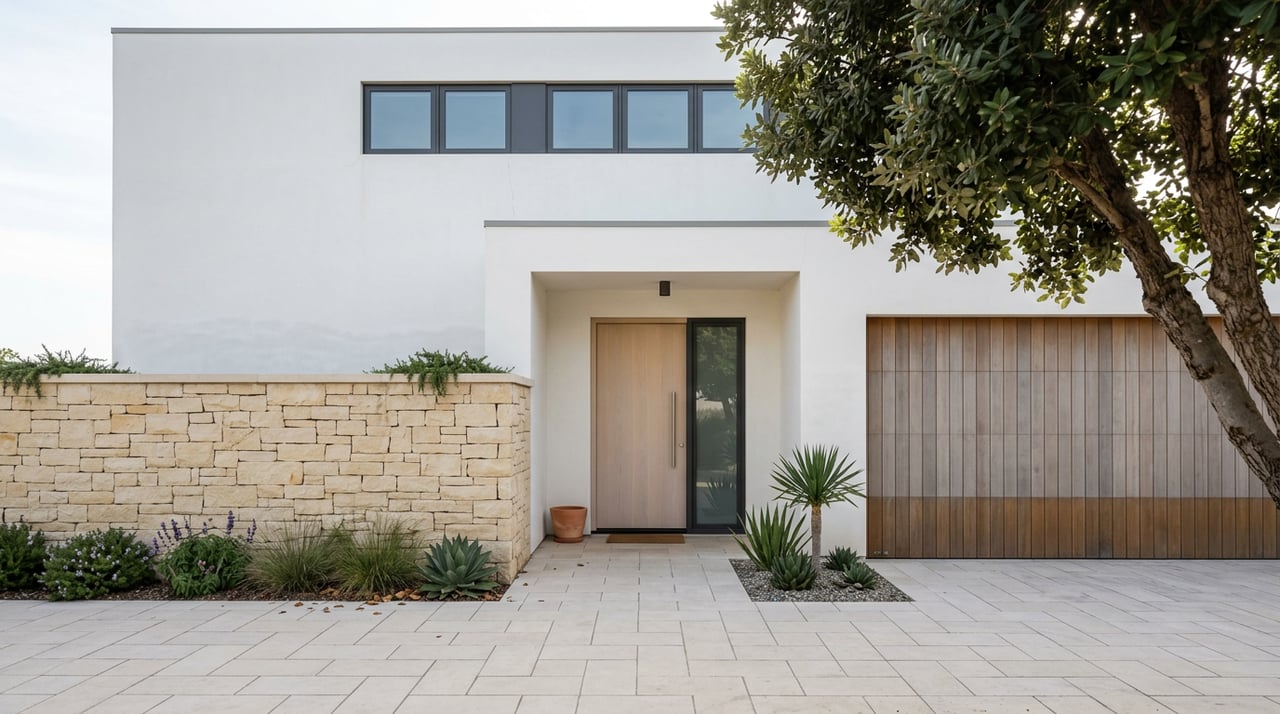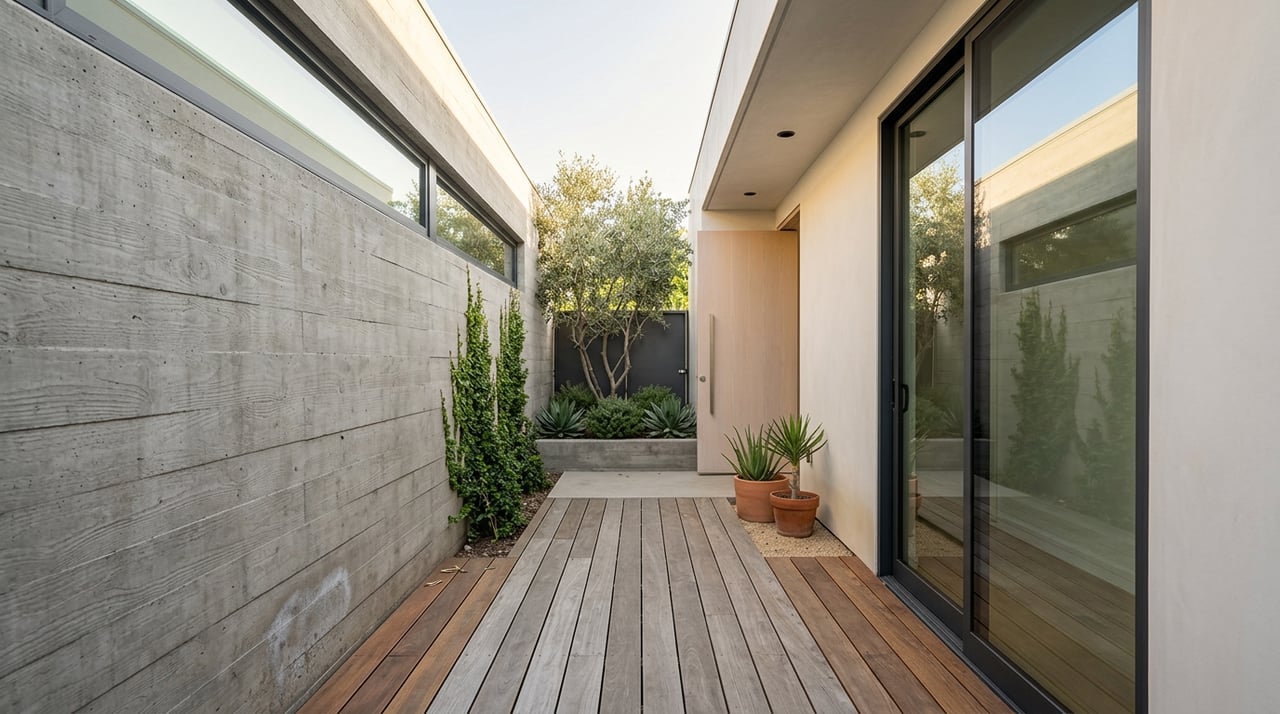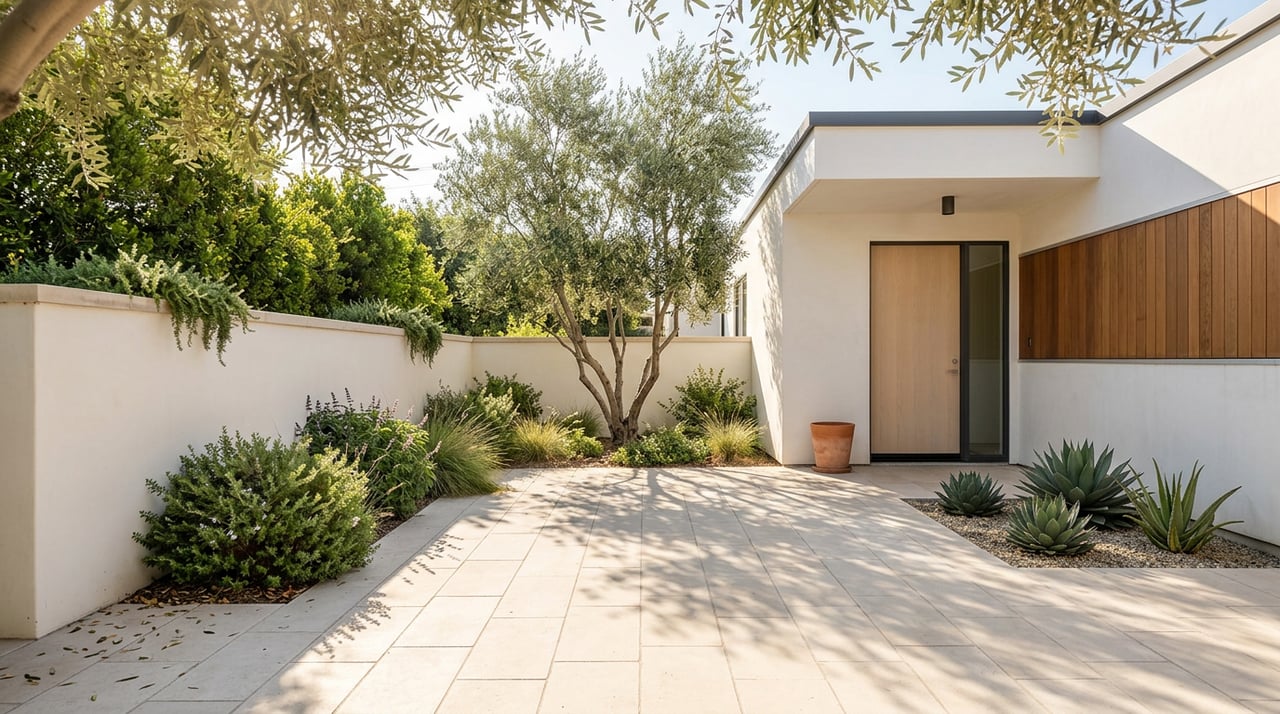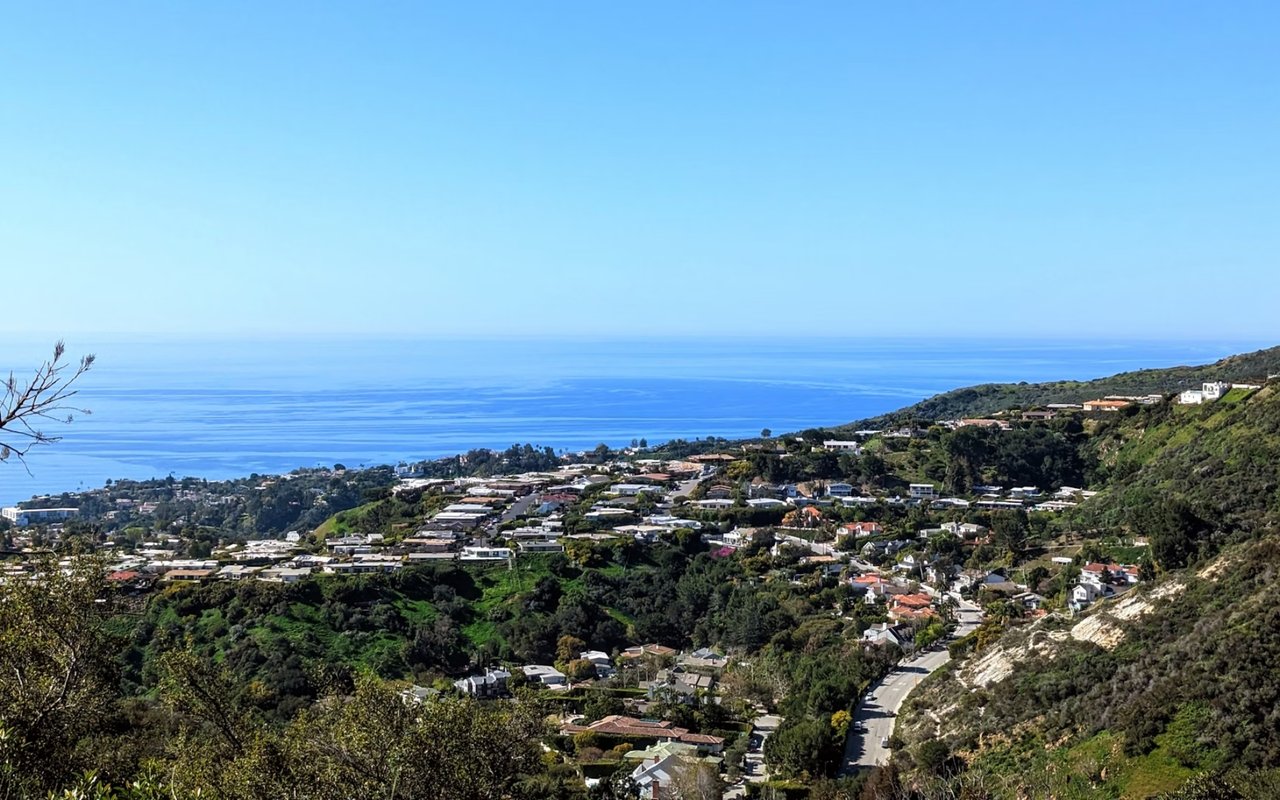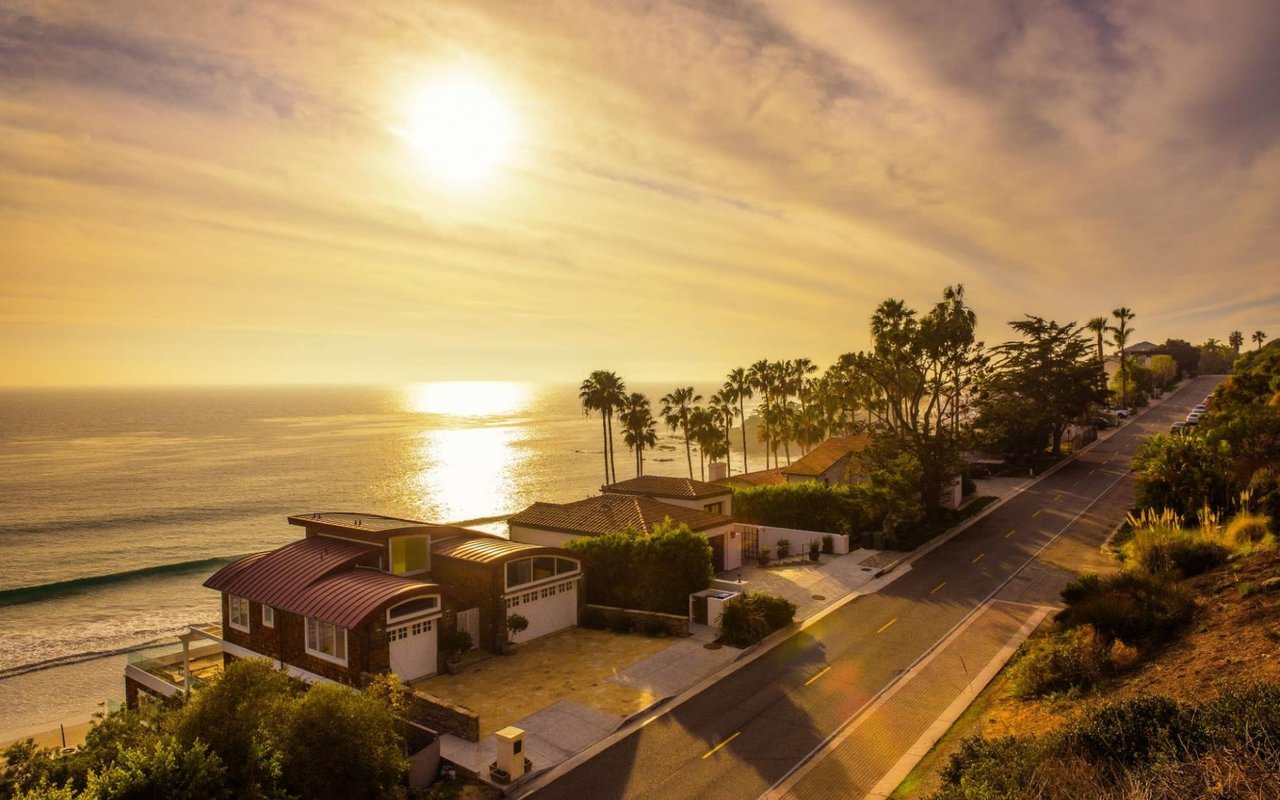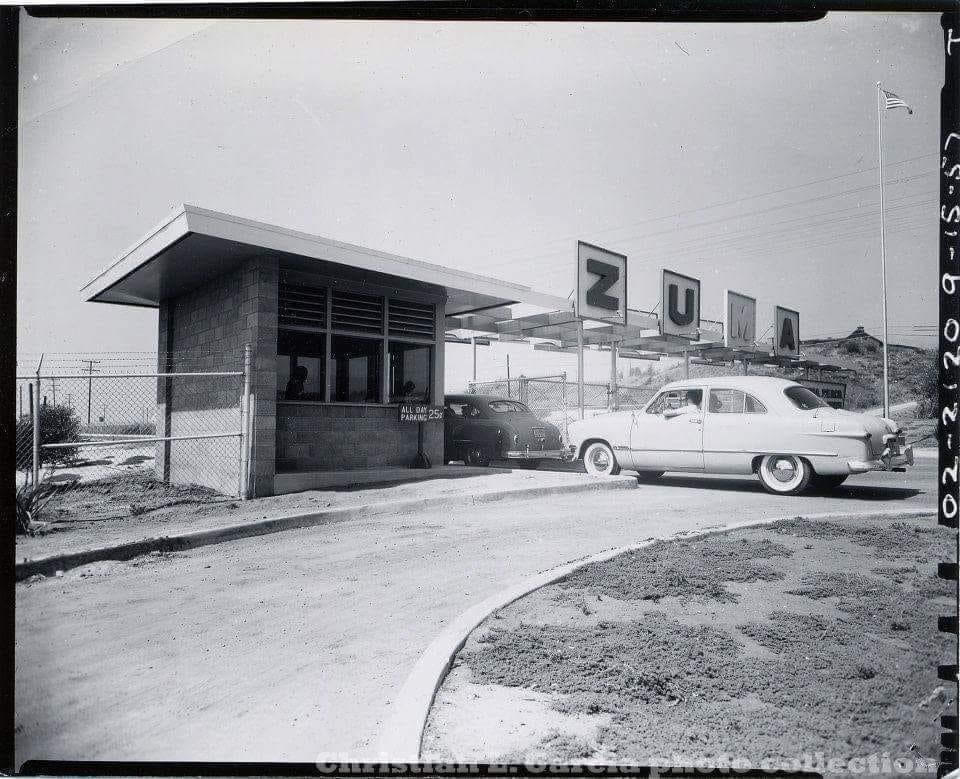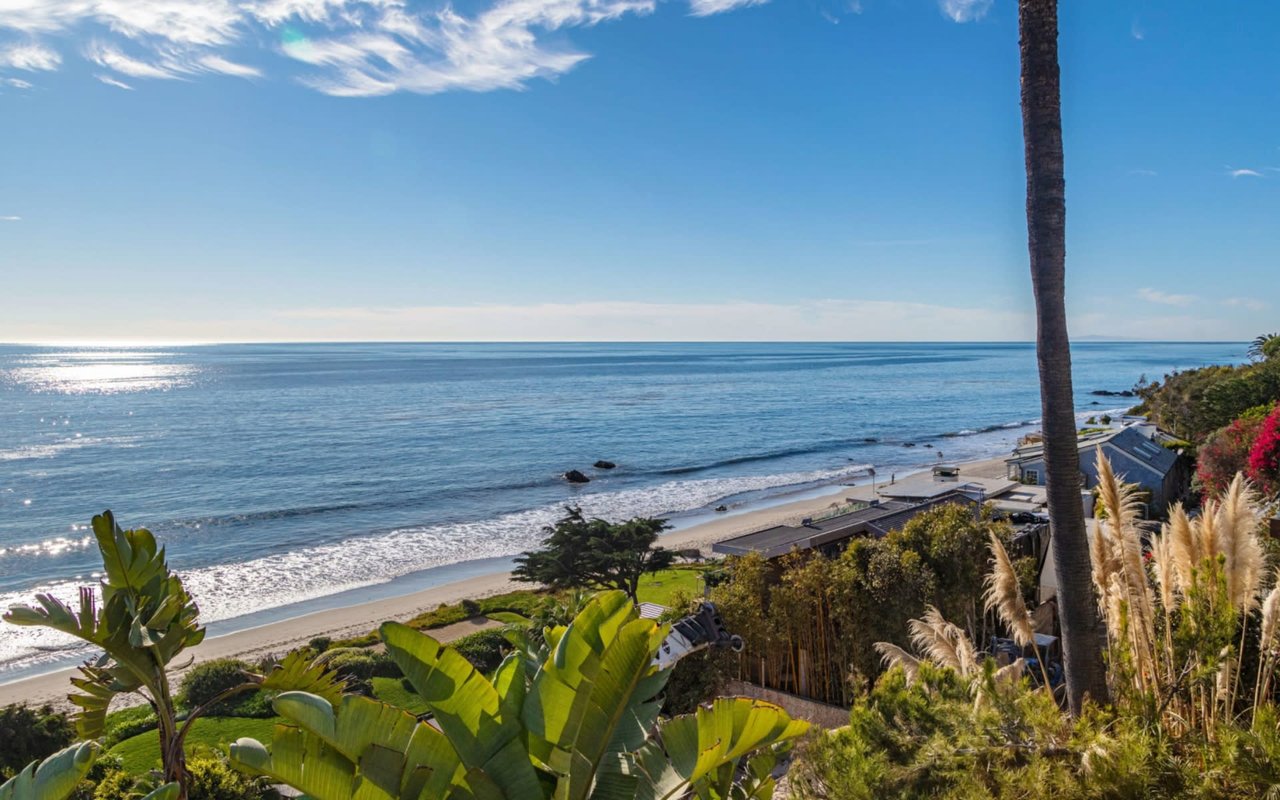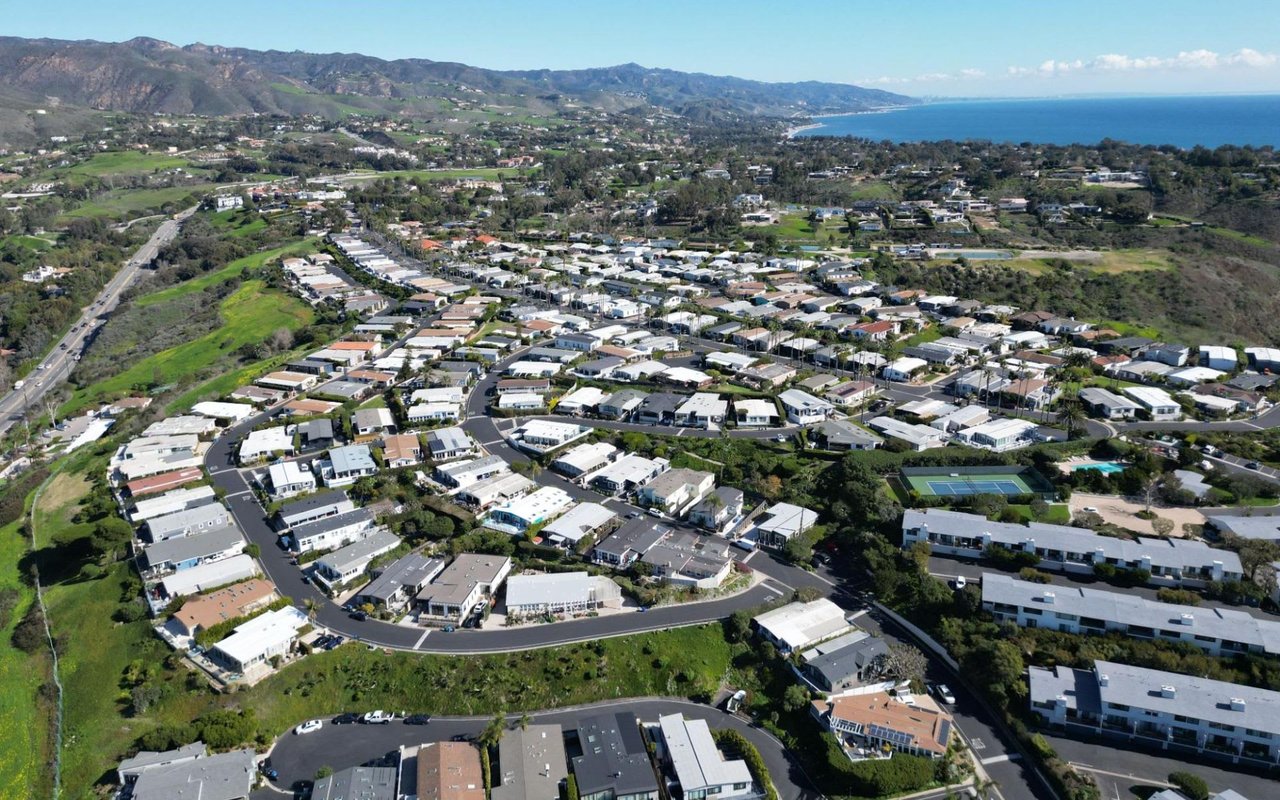

Malibu Colony sits inside a 24-hour guard gate with roughly 120 homes, an active HOA, and a waitlist mythology that suggests any listing will move fast. The data tells a slower story. Recent tracking of the enclave puts the median sale price near $22.5 million with average days on market around 154, and the tier leans balanced-to-buyer-favored because the pool of qualified buyers is small and negotiating room widens as prices climb. Scarcity is real. Urgency is not.
That gap between scarcity and urgency is the single most useful thing a Colony seller can understand before pricing a home. The gate doesn't create a queue of buyers. It creates an audience so narrow that positioning has to do the work the address used to do on its own.
Two Colonies live inside one gate
The Colony brand is one thing. The parcels underneath it are two very different assets, and pricing them the same way is the most common mistake in the enclave.
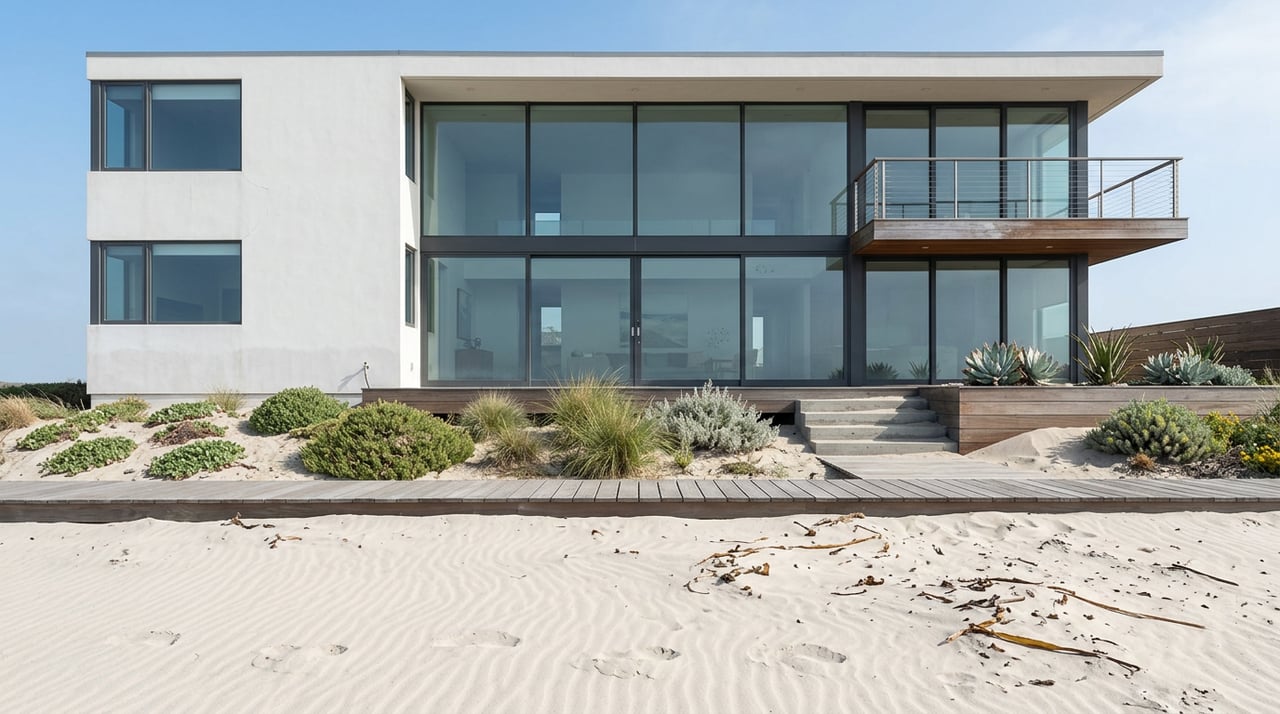
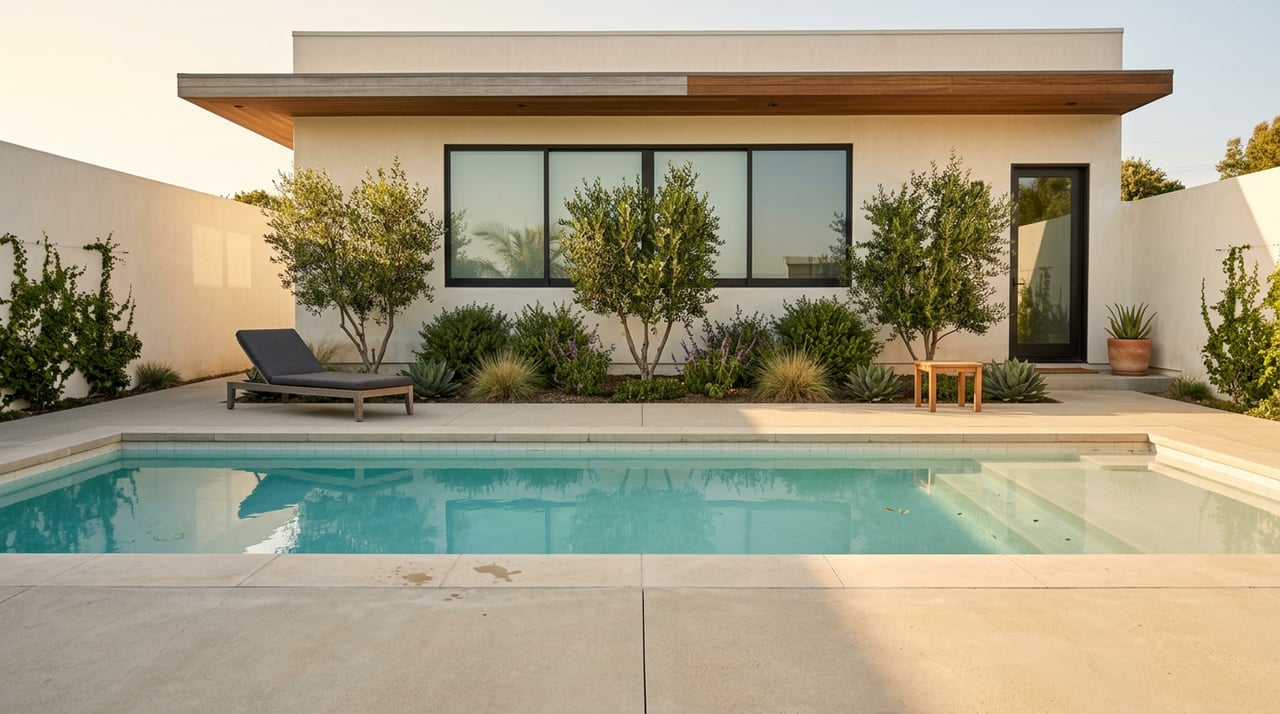
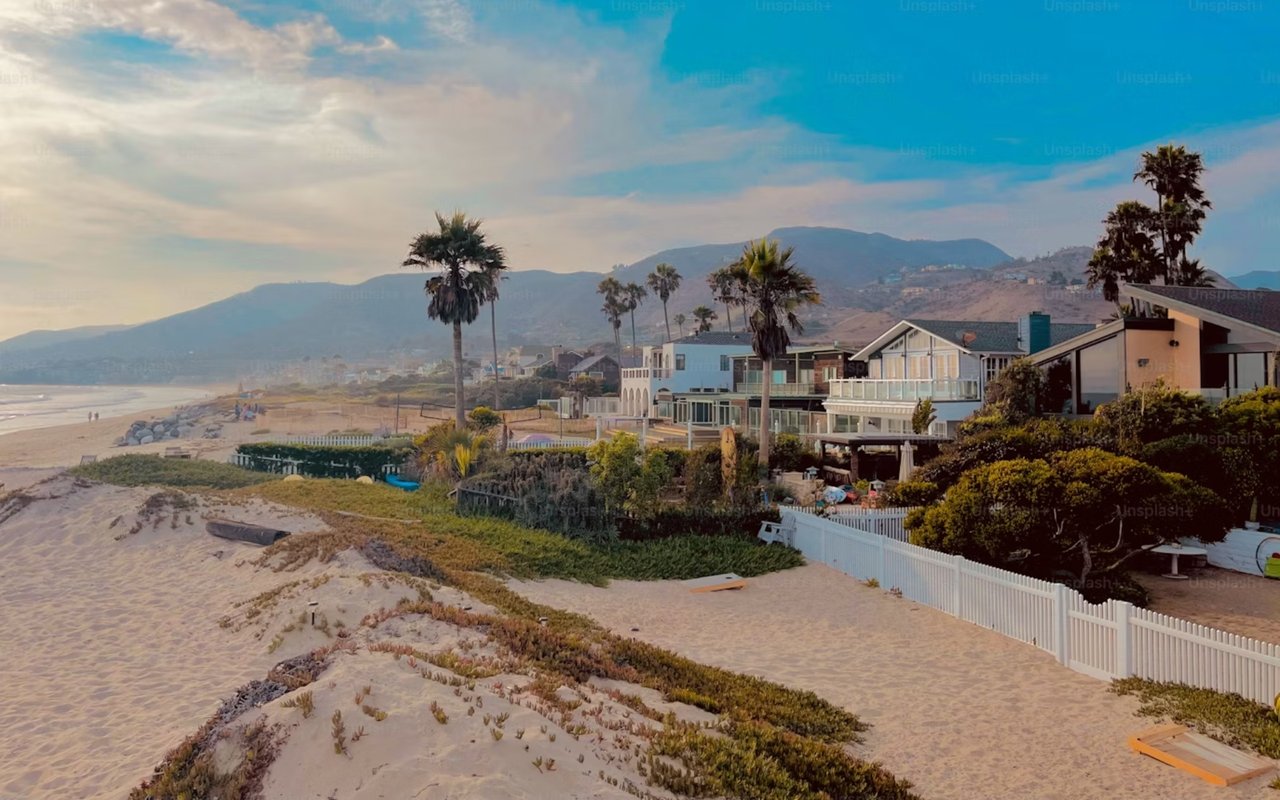
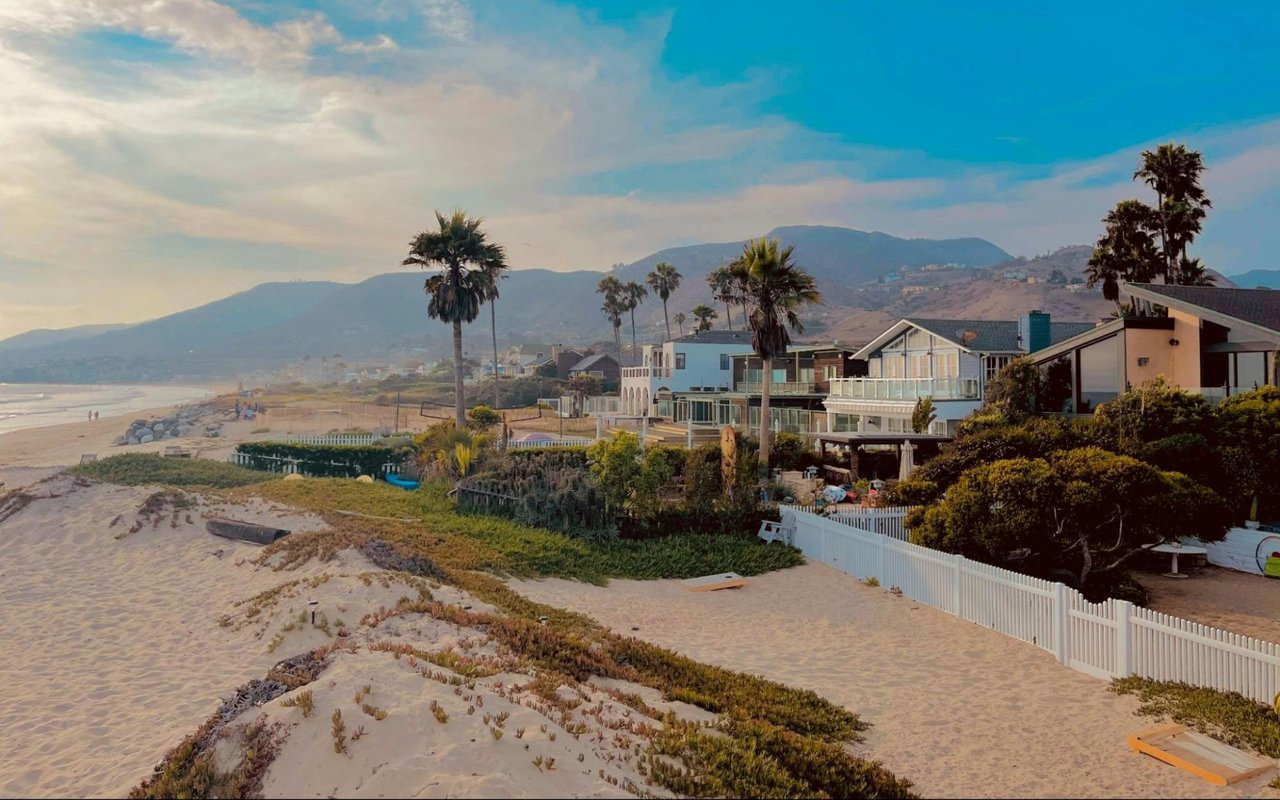
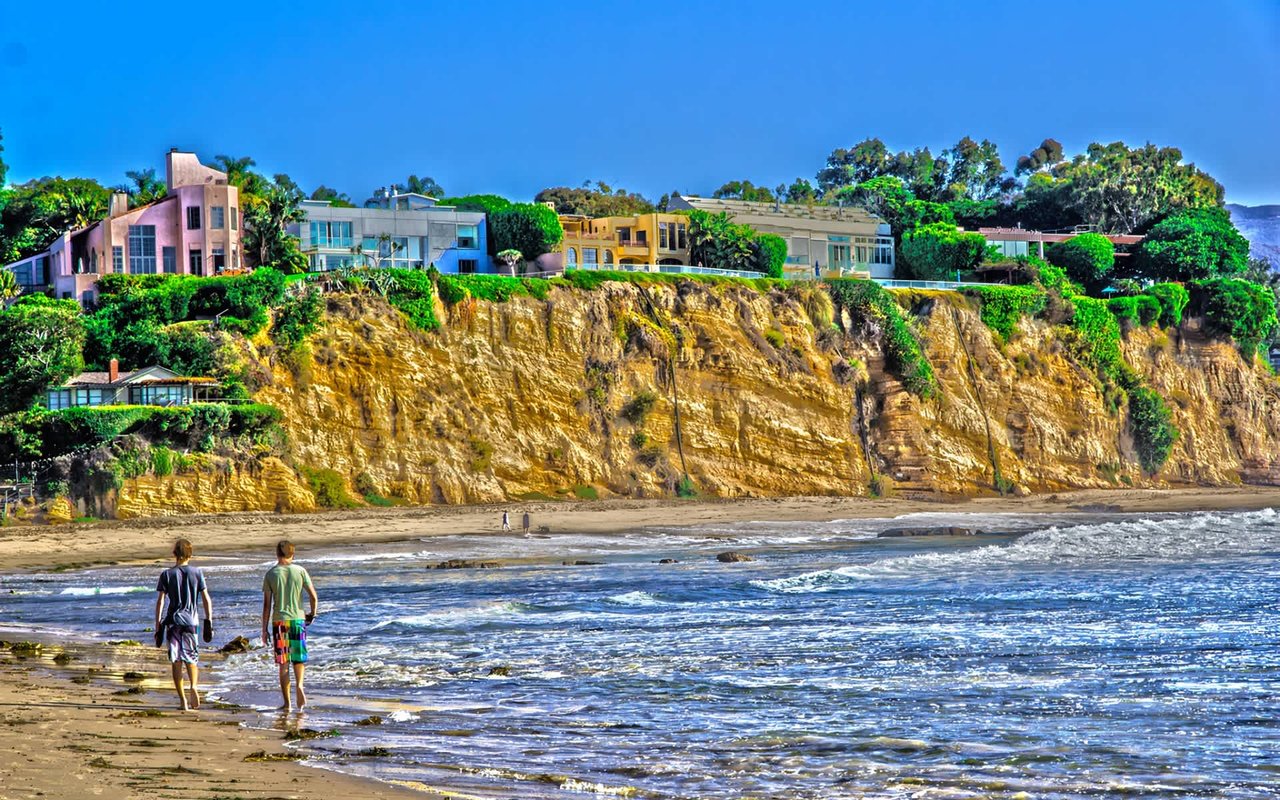
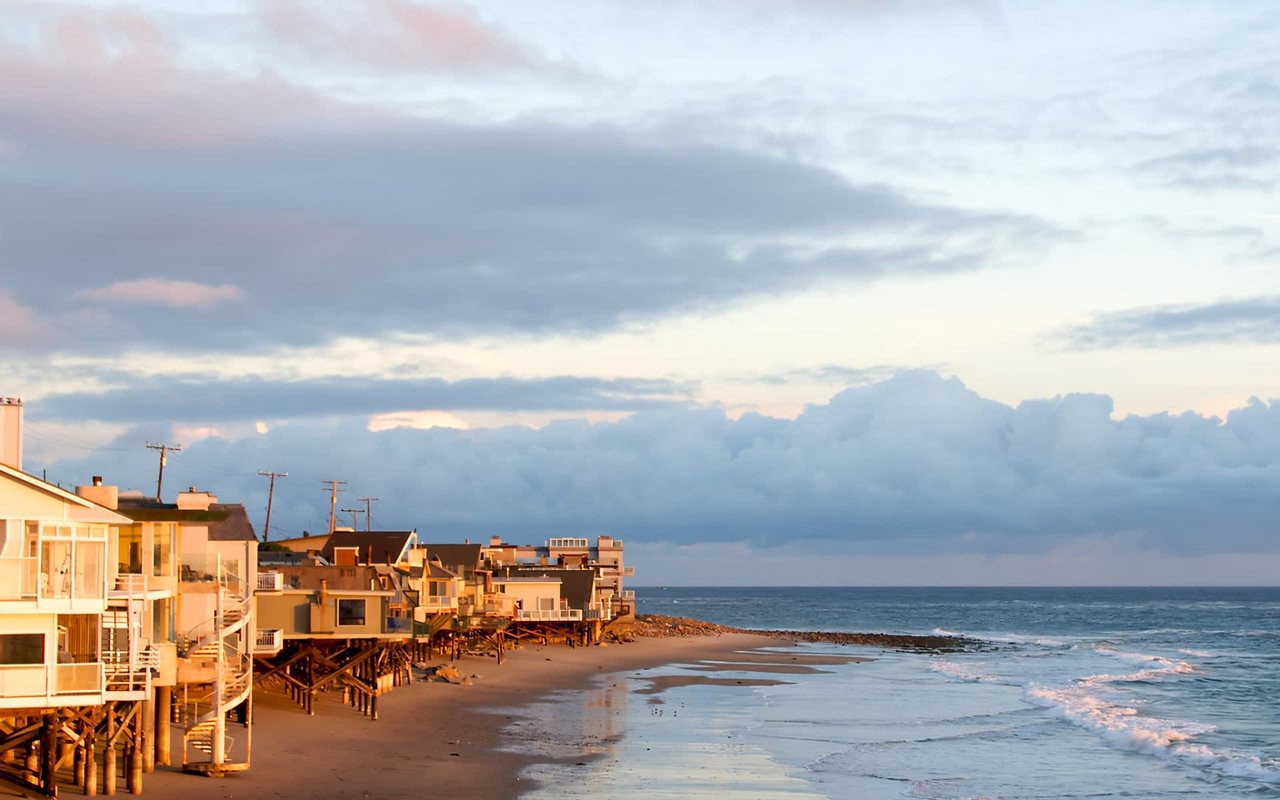
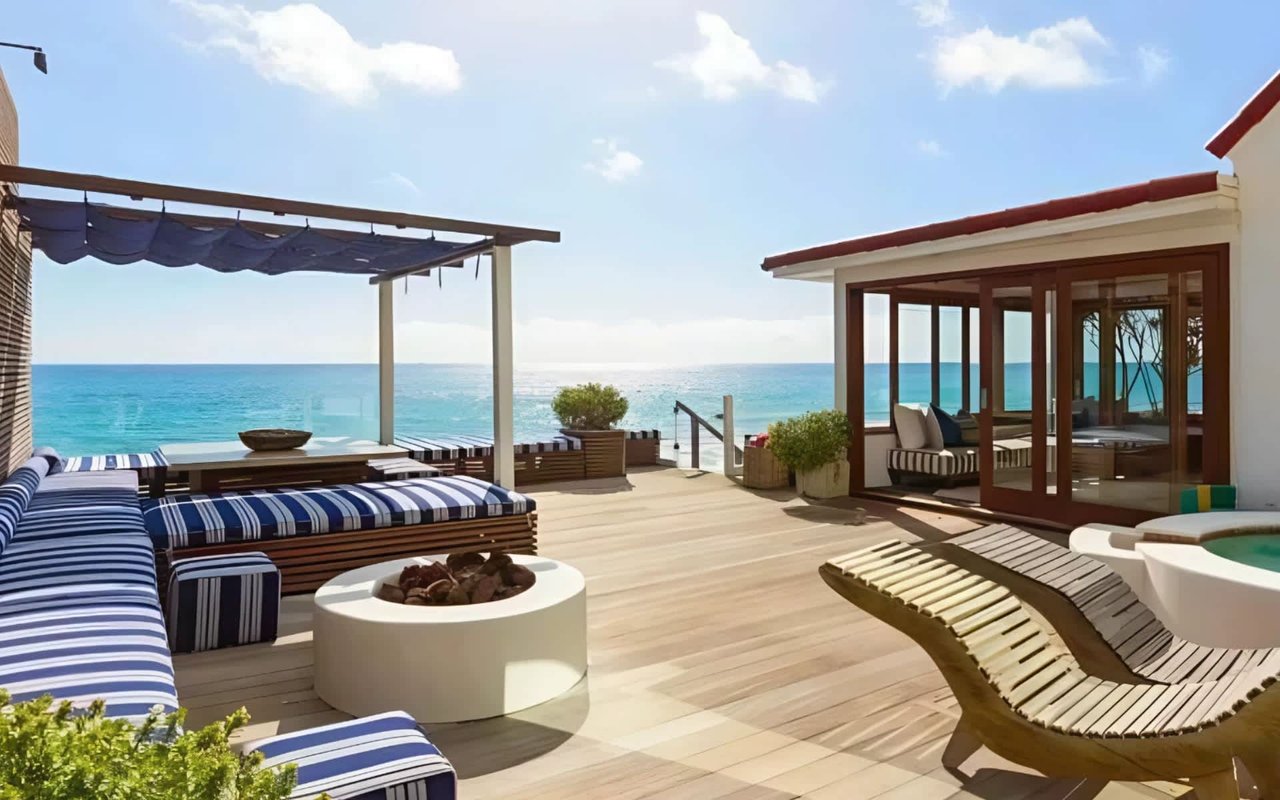
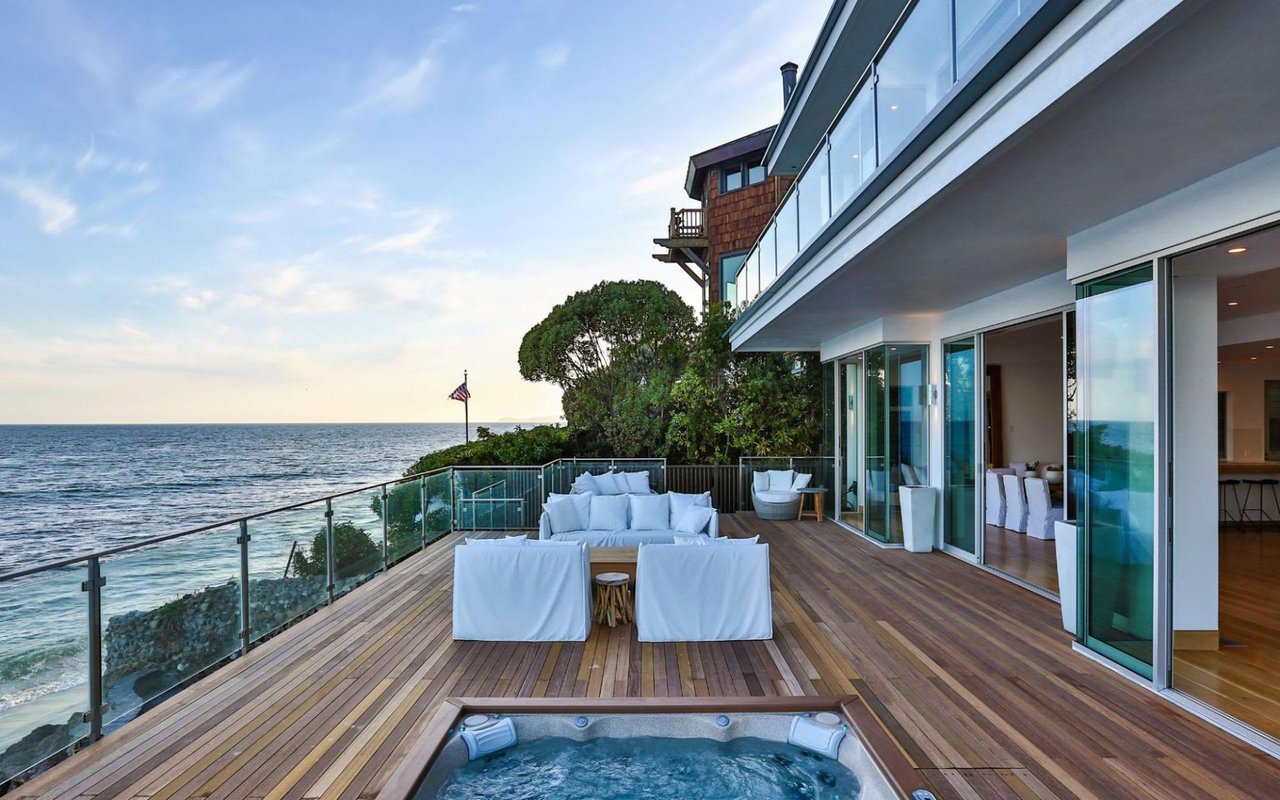
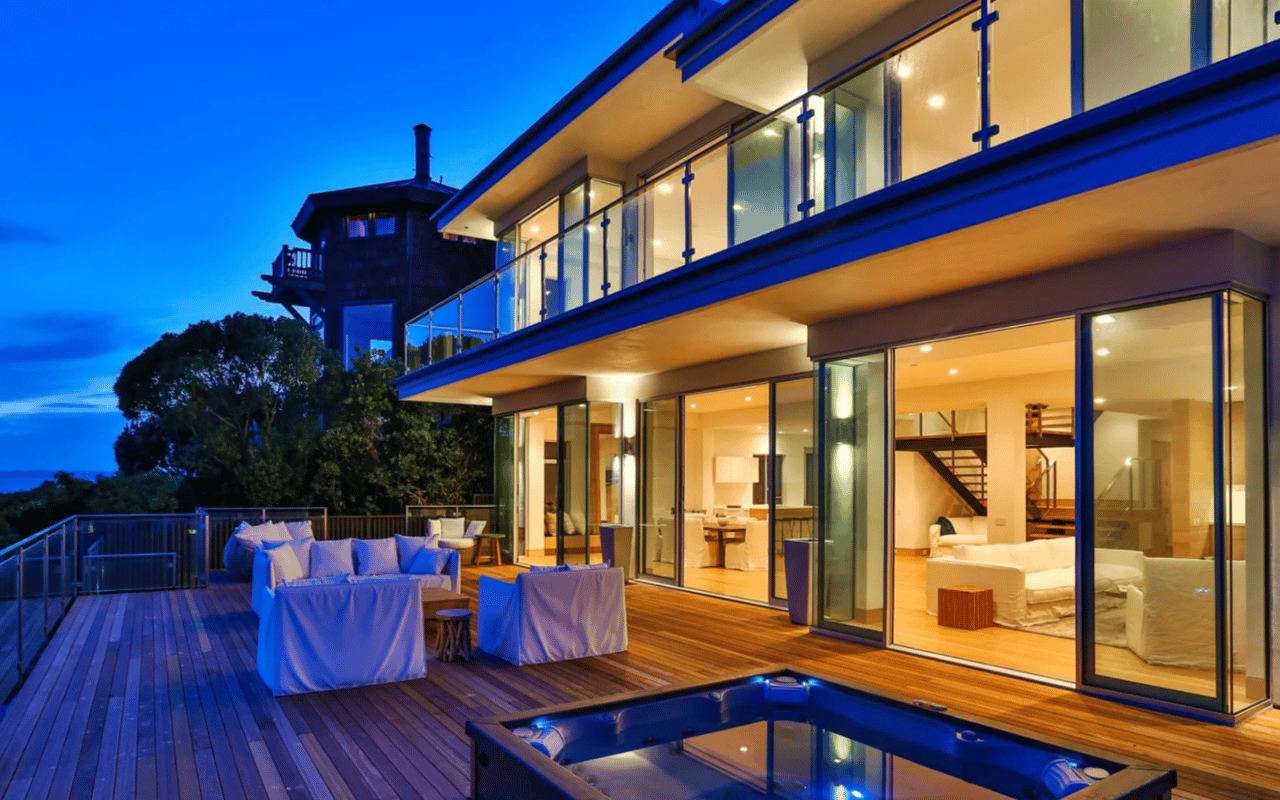
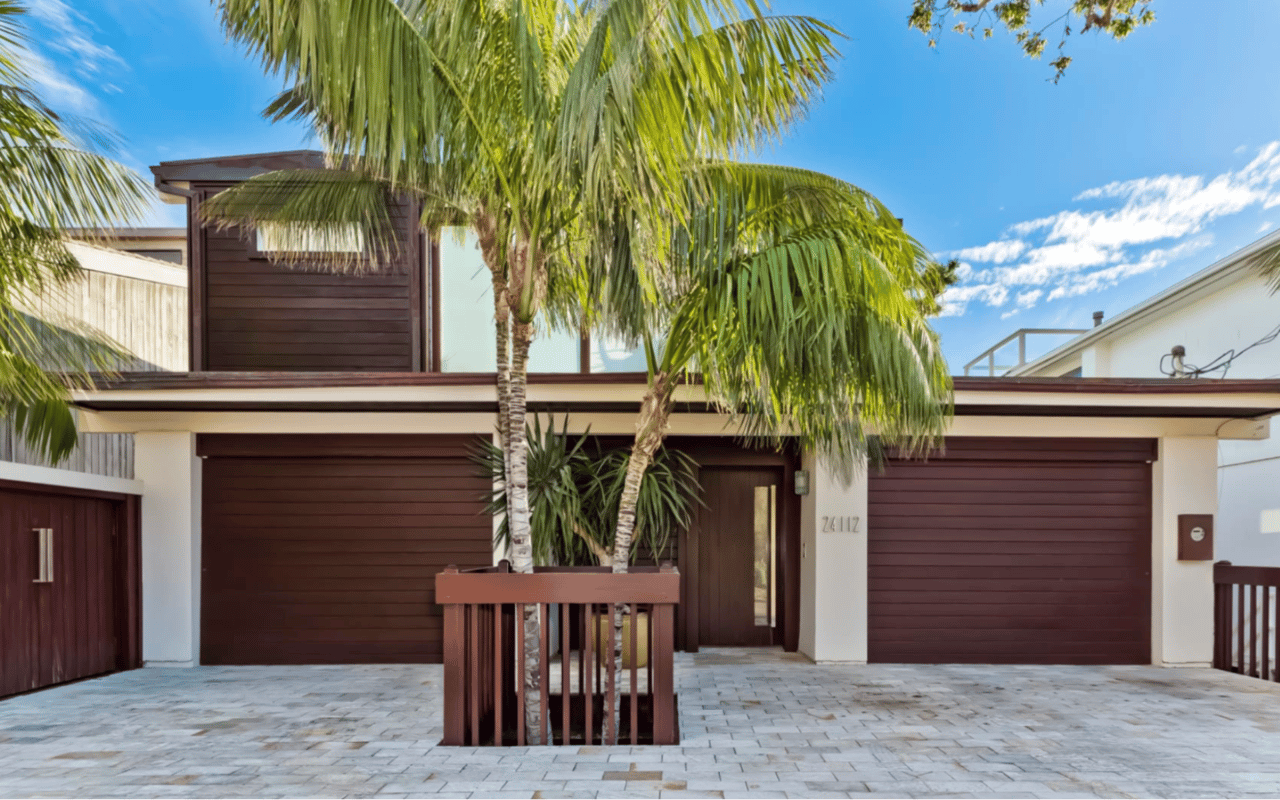
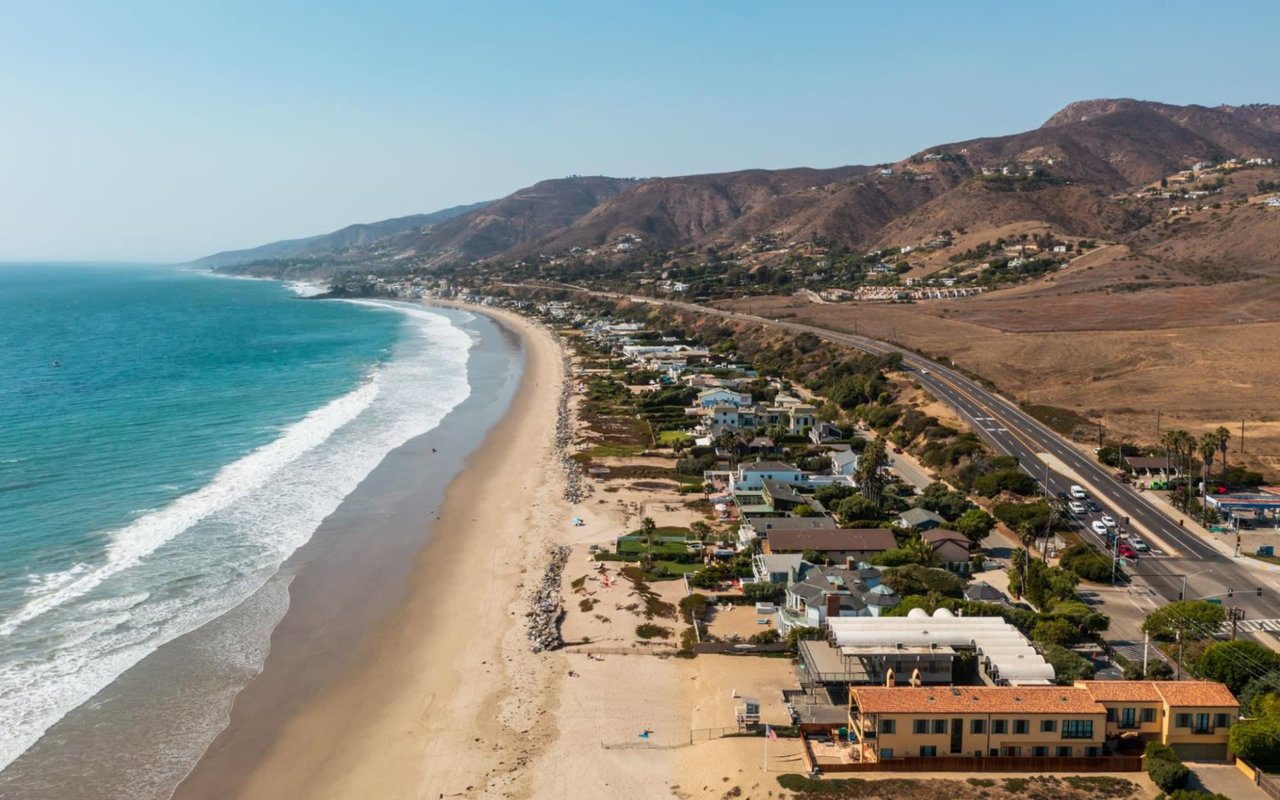
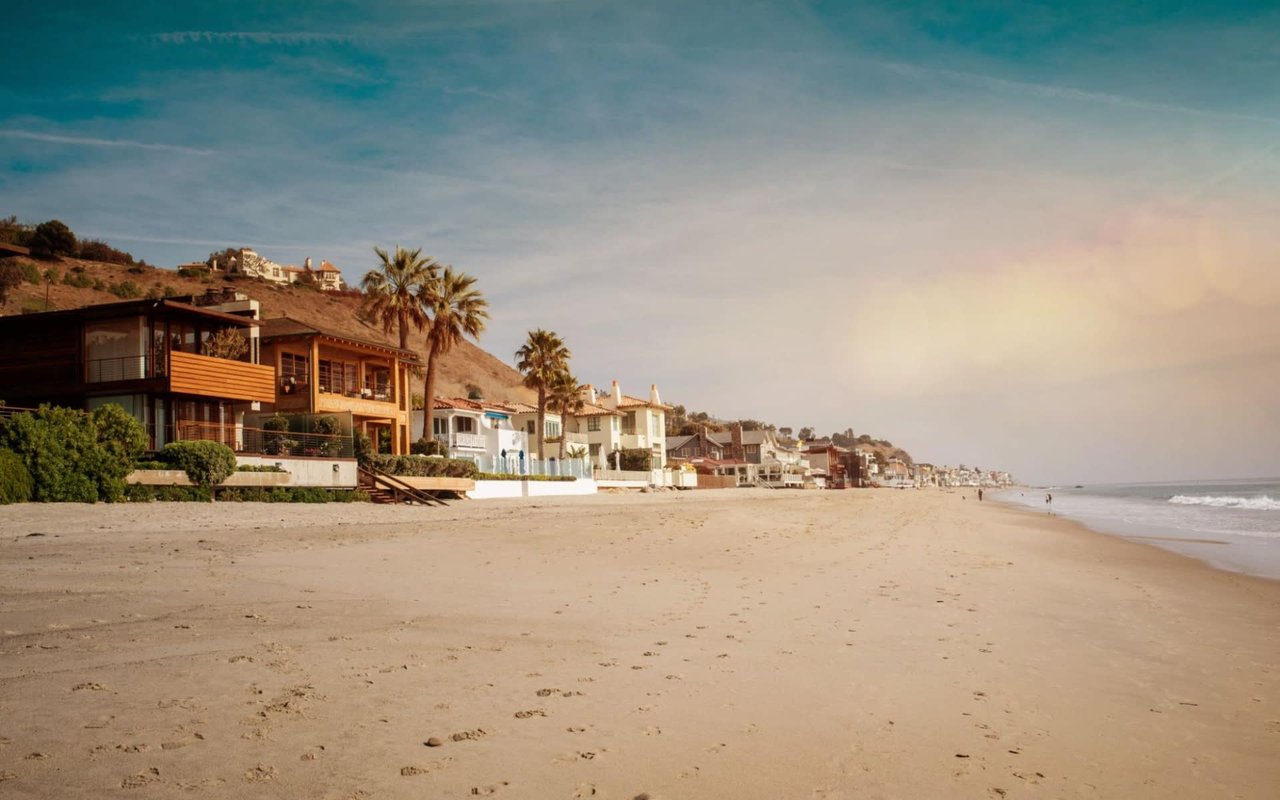
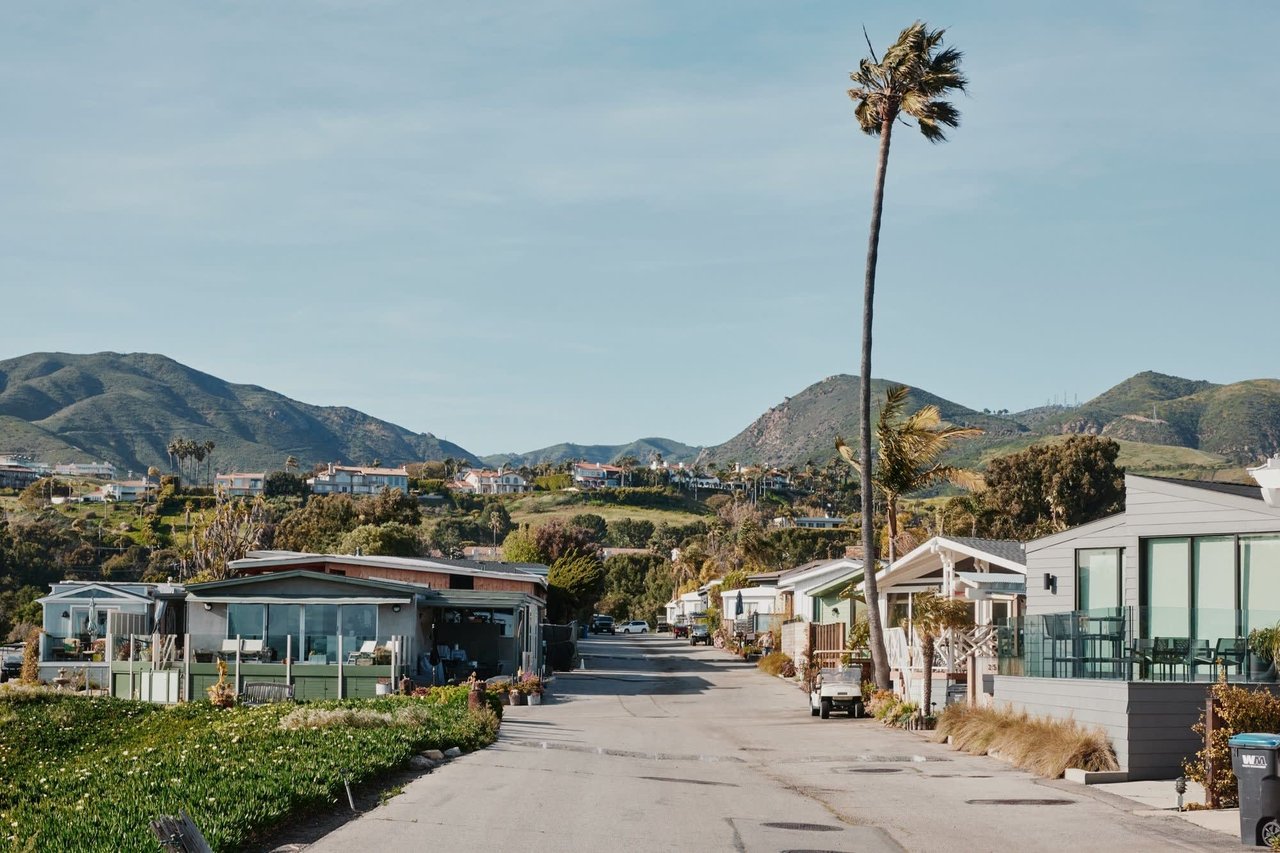
Beachfront lots on the south side of Malibu Colony Road run roughly 30 feet wide on average. They are narrow, close to neighbors, and value tracks frontage, sand condition, and view corridor. Landside lots on the north side of the road are often two or three times deeper, with room for a full tennis court alongside the house. The buyer for each is not the same person, and neither is the appraisal logic.
| Position | Typical lot | What the buyer is paying for | Behavior at list |
|---|---|---|---|
| South side, beachfront | ~30 ft wide, long and narrow | Sand frontage, direct access, Colony 87 or beach-key rights when included | Higher psf, more sensitive to easement disclosures and beach width |
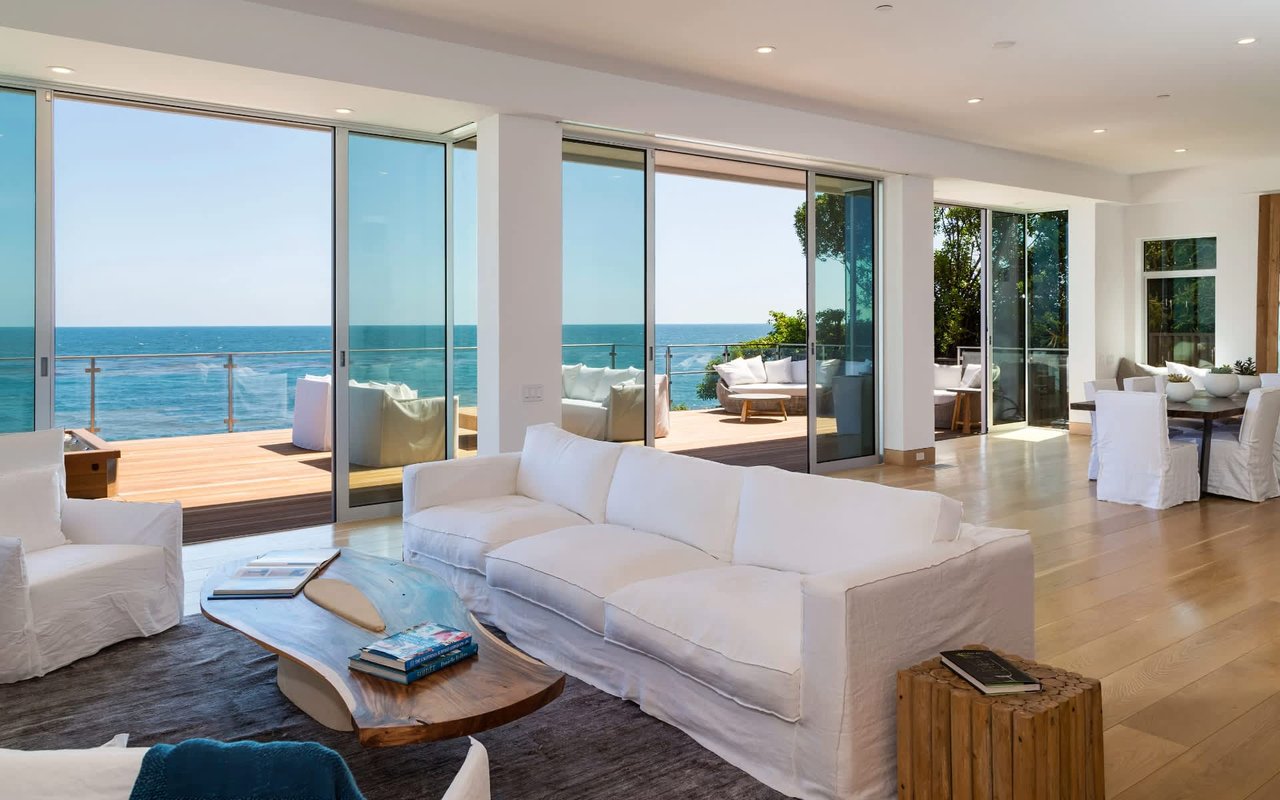
| North side, landside | Larger, room for tennis and pool | Compound-style program, privacy, walkability to the beach through Colony gates | Longer DOM, more design-conditional, buyer wants the amenity plan spelled out |
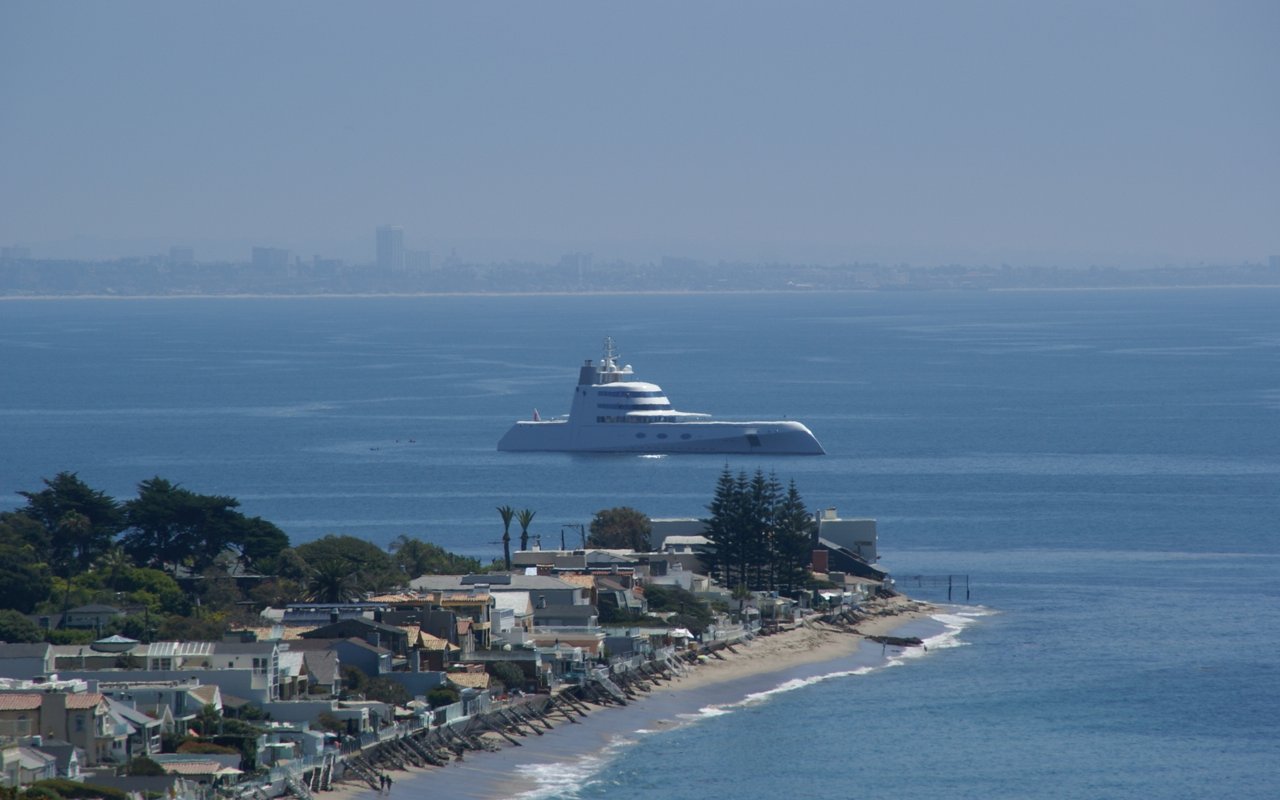
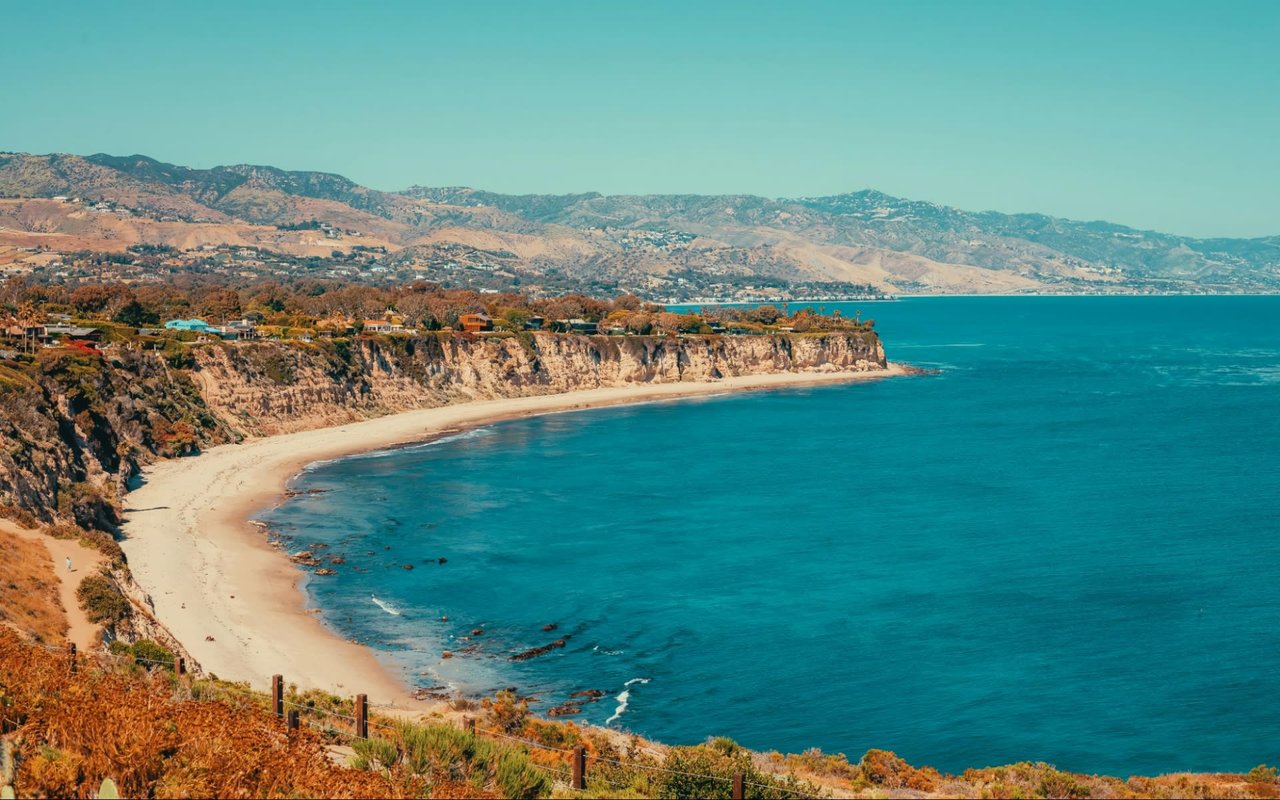
The reef at the south end known locally as Old Joe's helps preserve sand at that stretch of the Colony beach, which is a durable value input on the beachfront side and largely irrelevant on the landside. A comparable that mixes the two positions is not a comparable.
Scarcity does not equal speed
Sellers hear "properties rarely hit the market" and assume the corollary is "they sell quickly." At $10 million entry pricing and $15 million-plus for older single-lot homes, that corollary breaks down. Double-lot estates trade in the $40 million-plus range, and the buyer count at that number is not a queue.
Two forces stretch marketing timelines:
- The Colony has a pronounced off-market culture. Owners test private networks first, and public MLS activity often follows months of quiet outreach. The 154-day average on market understates true absorption because the clock frequently starts long before the listing goes public.
- Ultra-luxury coastal buyers now underwrite around insurance, coastal permitting, and seawall exposure in ways they did not a decade ago. Diligence takes longer even when the buyer is real.
A seller who prices to the top of the last comparable and expects a two-week bidding response is planning for a market that has not existed in this enclave for several cycles.
What actually shows up in the disclosure package
The Colony HOA is active and dues appear on public listing records for at least one Colony home at $450 per month. That is the operational fee. The friction is in what the HOA governs and what the gate implies for a transaction.
Every showing has to be pre-cleared through the guard. Broker previews, inspectors, appraisers, stagers, photographers, and buyer trips all move through the same choke point. Sellers who plan a listing calendar without a written access protocol lose days of showing capacity in the first two weeks, which is when a Colony listing needs momentum most.
A subset of Colony homes carries partial ownership in Malibu Colony 87, a private beachfront parcel roughly the size of a standard Colony homesite, landscaped and maintained for use by a select group of residences. Neighboring Colony 88 recently traded at $22 million, which is the closest thing to a market read on what that shared parcel adds to a home that includes rights to it. If your home has those rights, the listing has to price them in and the disclosures have to spell them out. If it doesn't, the listing has to be careful not to imply otherwise.
Beach-key language shows up frequently in Colony marketing. Not every home has the same key rights, and the distinction matters at the appraisal stage.
The beach behind your house is not entirely yours
Coastal Commission easement history is the disclosure item most Colony sellers underestimate. Since the mid-1970s the Commission has secured lateral public-access easements on dry sand across Malibu beachfront parcels one permit at a time, typically in exchange for approving pools, additions, and rebuilds. The easement pattern along the Malibu coast is a patchwork. The familiar rule that wet sand is public and dry sand is private does not describe parcels that carry a recorded easement across the dry sand.
Physical access adds to that. The MRCA Malibu Road Beach Access provides the only public stairway to the sand between Malibu Lagoon State Park and Amarillo Beach, with a viewing platform, three parking spaces, and a timed-lock gate. Malibu Lagoon State Park itself provides walk-on access at the eastern end of Colony beach. A buyer touring on a Saturday will see the foot traffic. It is a question that gets asked in every Colony deal, and the answer belongs in the listing narrative rather than the eleventh-hour email from buyer's counsel.
None of this reduces value. Handled poorly, it delays escrow.
The Colony address opens the first conversation with a buyer. What closes the sale is a clean read on which parcel you own, which rights travel with the deed, and what a diligence lawyer will find on day 30.
Pricing decisions the Colony name can't make for you
The Colony brand carries the top of the price range in coastal Malibu. It does not carry the marketing plan. Before signing a listing agreement, a seller should have written answers to a compact set of questions:
- Which Colony micro-market is this parcel in, and which three comparables actually match it on lot geometry and rights, not just address?
- Does the home include Colony 87 partial ownership or beach-key rights, and how are those documented for a buyer's title team?
- What Coastal Commission permits are recorded against the parcel, and what easements or deed restrictions came with them?
- How will showings be sequenced through the guard gate in the first 30 days, and who at the HOA is the point of contact when the schedule tightens?
- Is the listing going to test a private, off-market audience first, and for how long, before the public launch resets the days-on-market clock?
- What is the pricing scenario at 60, 120, and 180 days on market, and what triggers a change rather than a passive wait?
A seller who can answer those before the sign goes up is pricing the actual asset. A seller who can't is pricing the myth.
The Colony still walks to town
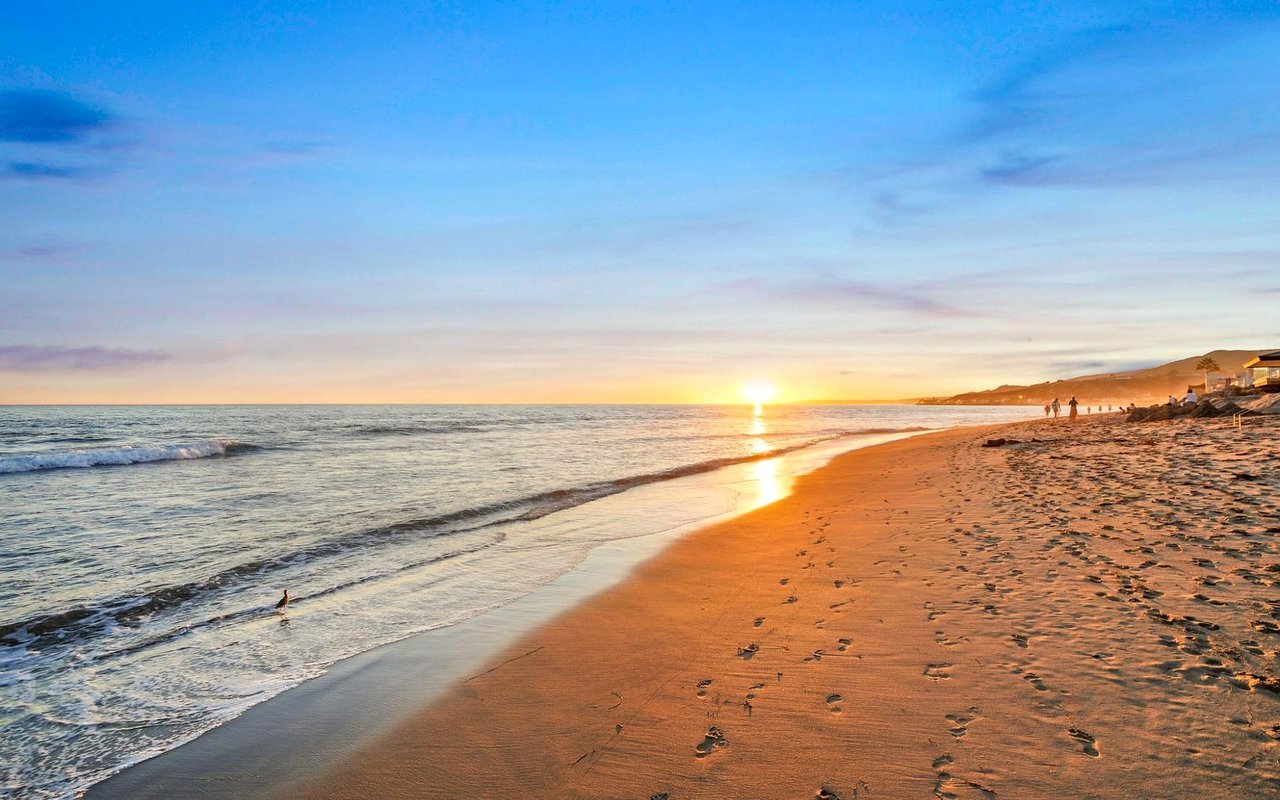
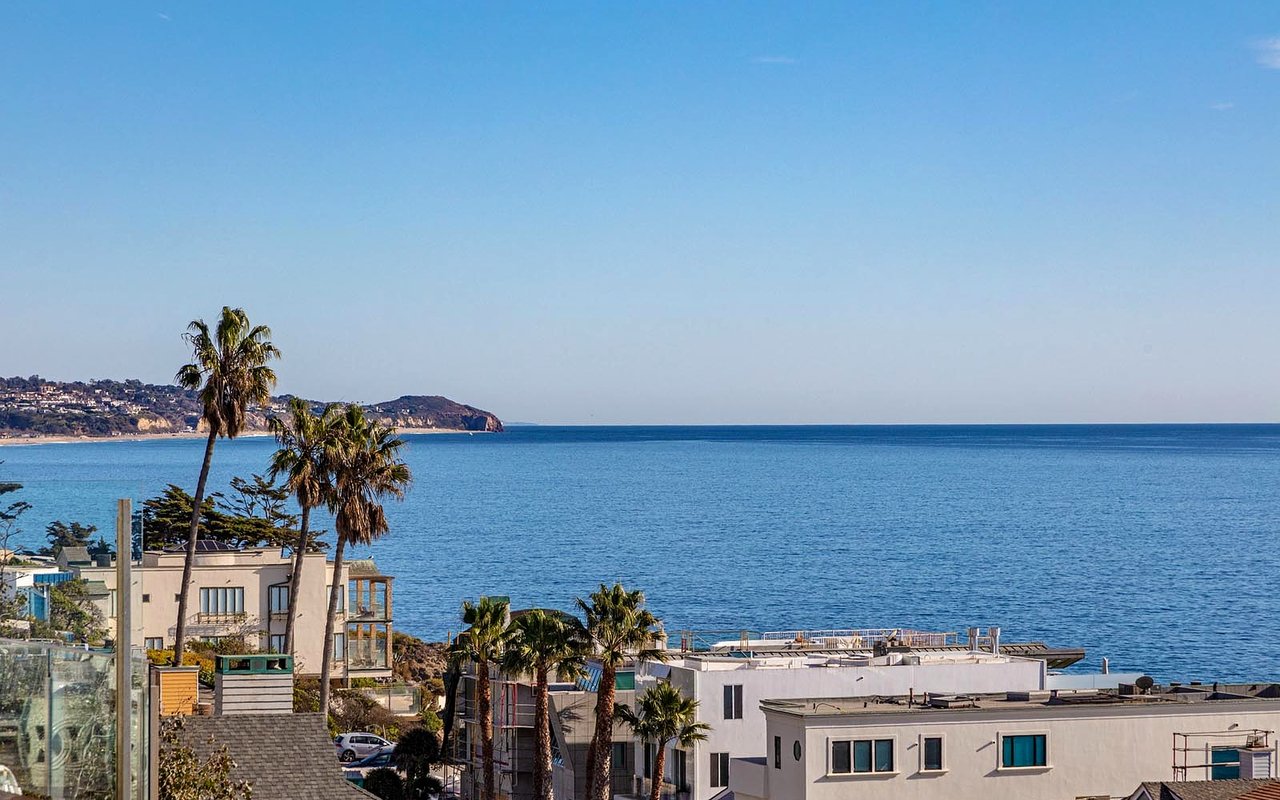
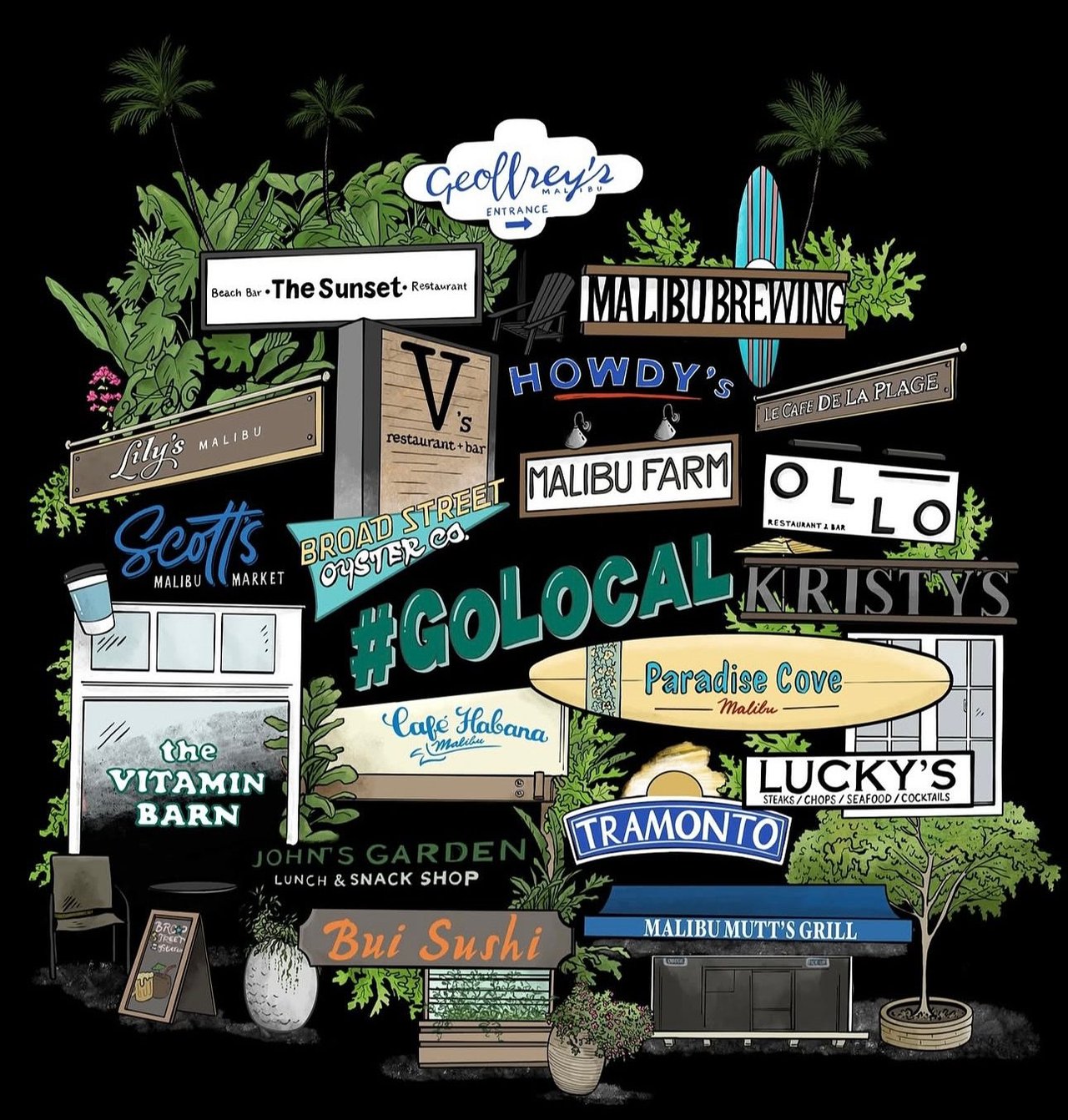
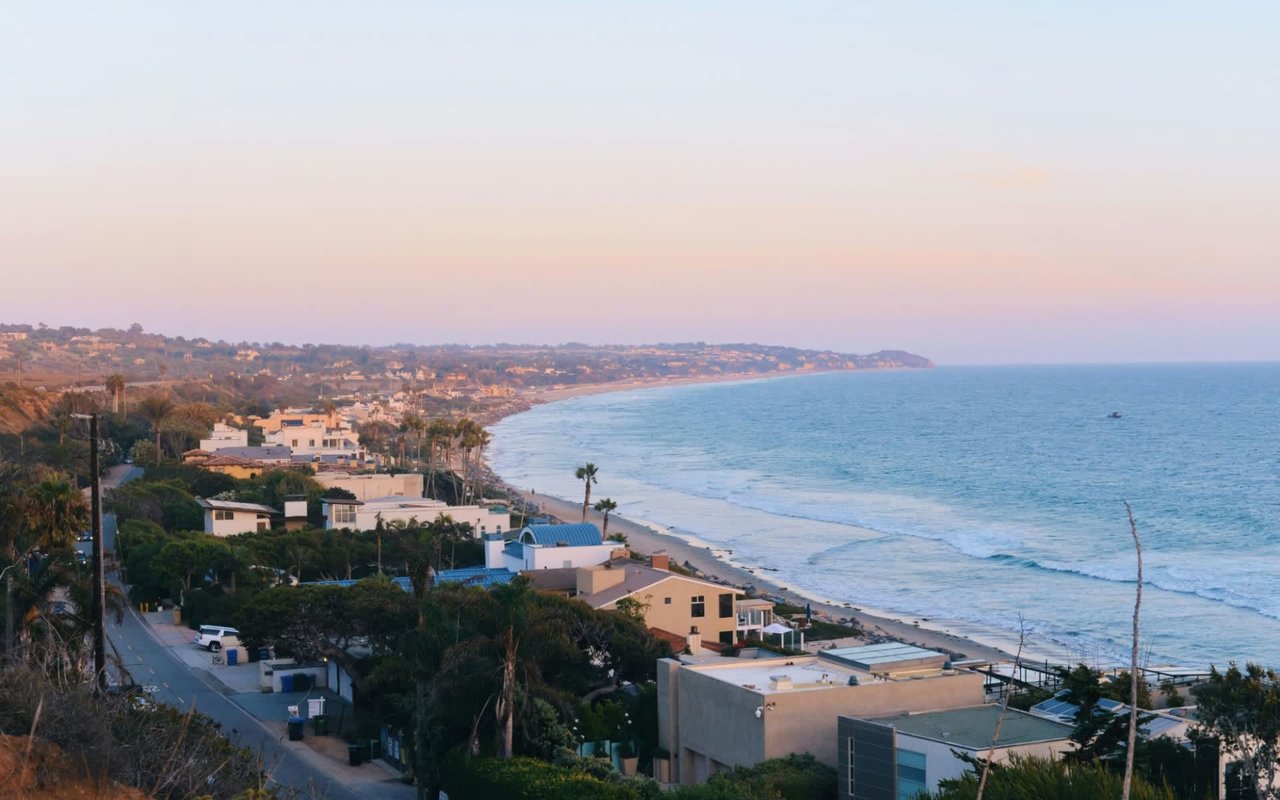
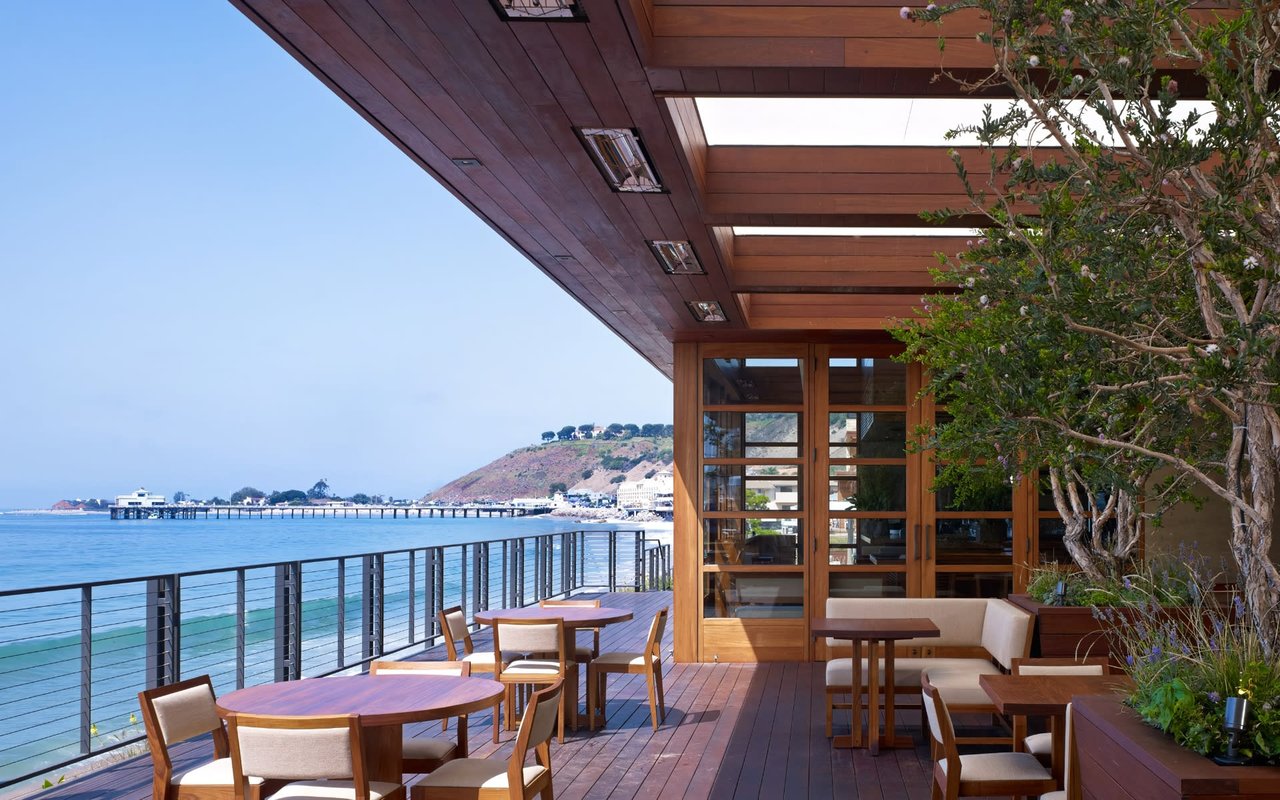
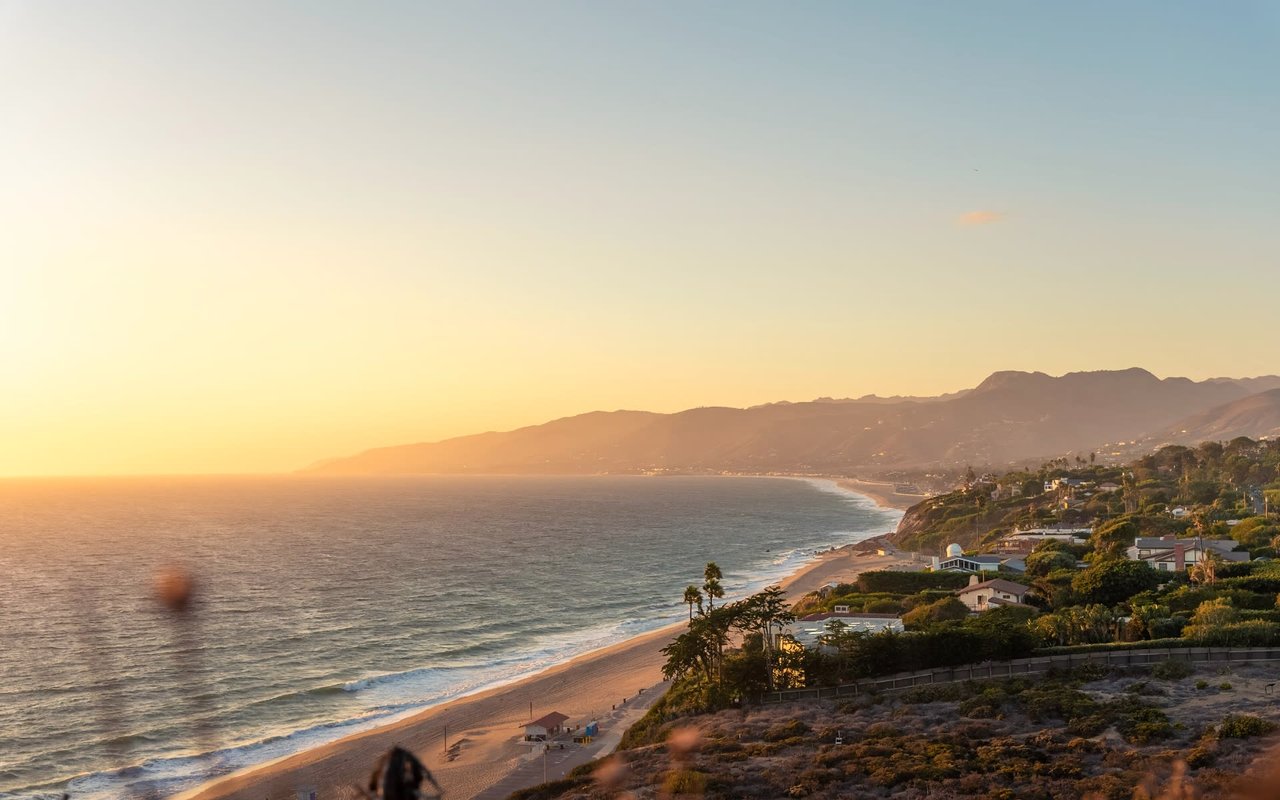
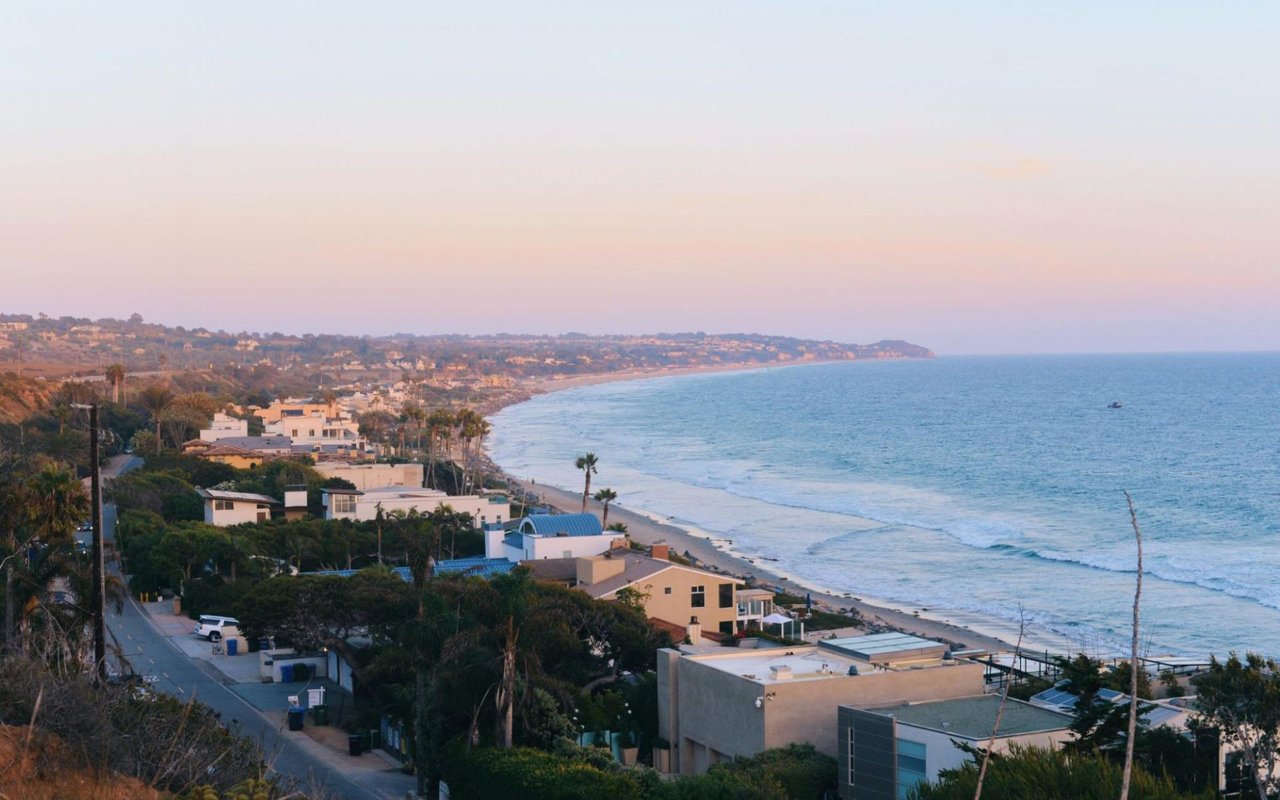
The listing narrative does not have to be defensive. Nobu, the Malibu Country Mart, Malibu Village, the Malibu Pier, and Surfrider Beach are all within walking distance of the Colony gates, and the enclave's controlled pedestrian access to Cross Creek and Colony Plaza is a real convenience for buyers who value being able to leave the car parked. Old Hollywood provenance still moves a certain buyer. Golden-hour light on the south-side beach still moves the rest.
The point is not to trade one story for another. It is to lead with the parcel and let the myth follow.
FAQ
Why do Colony listings sometimes sit for months when inventory is so thin? The buyer pool at $10 million and above is small, and Colony pricing frequently starts above $15 million. Off-market marketing often runs before the MLS clock starts, so the visible days-on-market figure understates the true timeline. Slower is normal at this tier.
Does the Malibu Colony HOA restrict what I can renovate before selling? The HOA is active and governs common elements and neighborhood standards. Any structural or exterior work on a Colony home also lives inside the City of Malibu and California Coastal Commission permit framework, which is where most pre-sale renovation friction actually sits.
If my home has beach-key or Colony 87 rights, how should that be handled in the listing? Documented, not implied. The rights should be spelled out in the disclosures and referenced in the listing description in a way that a buyer's title team can verify. Neighboring Colony 88 traded at $22 million, which anchors how meaningful those rights can be to value when they exist.
Selling inside the Colony rewards preparation more than it rewards patience. If you are weighing a listing on Malibu Colony Road this year, or thinking through timing for a legacy or trust sale, Brian Merrick Team has spent decades reading the parcel-by-parcel differences that decide how these homes actually trade. Work With Brian.