
If you have been wondering whether now is the right time to sell your Malibu Park home, you are not alone. In a market with high price points, limited data, and selective buyers, the answer is rarely as simple as “yes” or “no.” What matters most is how ready your property is to compete right now, what your likely net looks like, and whether a short delay could improve your position. Let’s dive in.
Malibu Park Timing Starts With Reality
Malibu Park is a thin-data market, which means headline numbers can point in the right direction without telling the whole story. Recent sold-home data shows a median sale price of about $4.336 million, a median price per square foot of $1.29K, and 205 median days on market over the last three months. At the same time, active-listing data shows a median listing price of $8 million, 39 homes for sale, $1.7K per square foot, and 67 median days on market.
That gap matters. It suggests that some sellers are still pricing aspirationally, while buyers are staying selective about what they will actually pay. Zillow’s home value index places the typical Malibu Park home value at $4,407,397, up 1.9% year over year, which points to stability, but not a market where every property automatically commands a premium.
Broader Malibu numbers support the same theme. In May 2026, Malibu had 553 active listings, a median listing price of $5.4 million, a median price per square foot of $1.6K, and 73 median days on market, with homes selling 6.55% below asking on average. Add a 30-year fixed mortgage rate of 6.52% as of June 11, 2026, and you have a market where buyers are still active, but careful.
What “Sell Now” Really Means
Selling now in Malibu Park does not simply mean putting a sign in the yard and waiting for attention. In this kind of market, a strong listing usually needs a sharp presentation, solid documentation, and pricing that reflects current buyer behavior. If those pieces are already in place, listing now can make sense.
A “sell now” case tends to be stronger when your home checks several boxes:
- Your permit history is easy to document
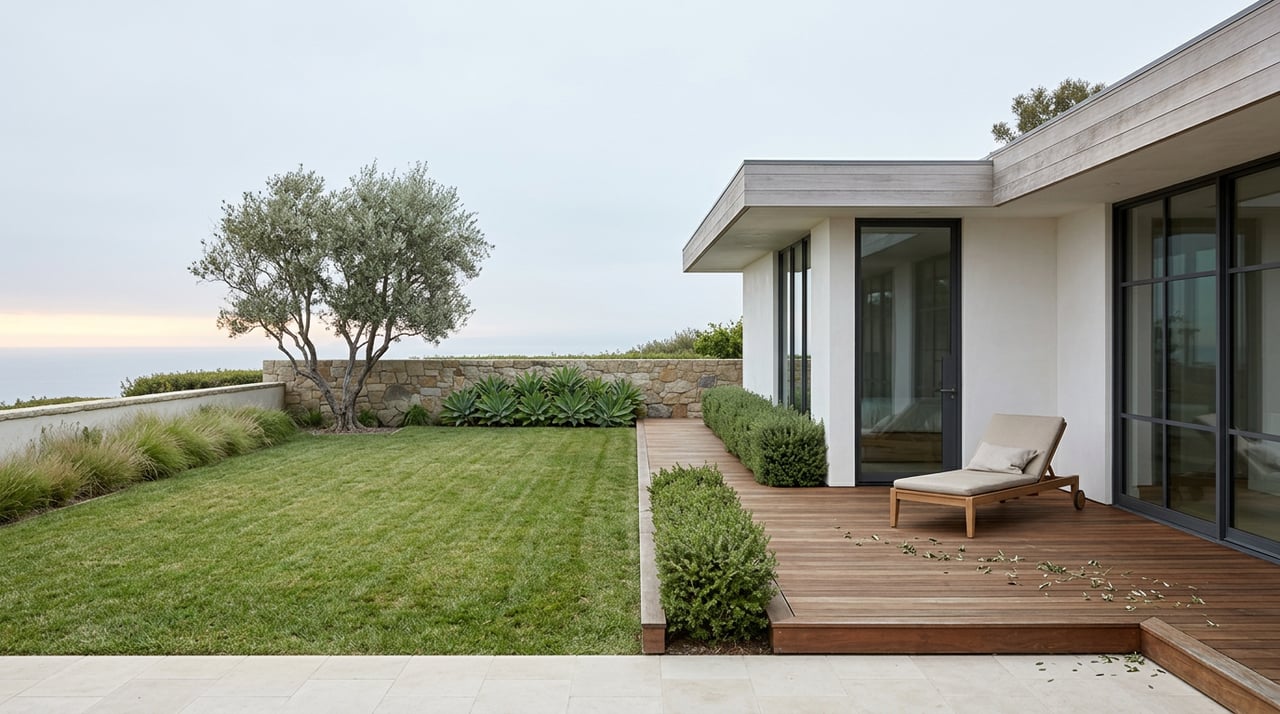
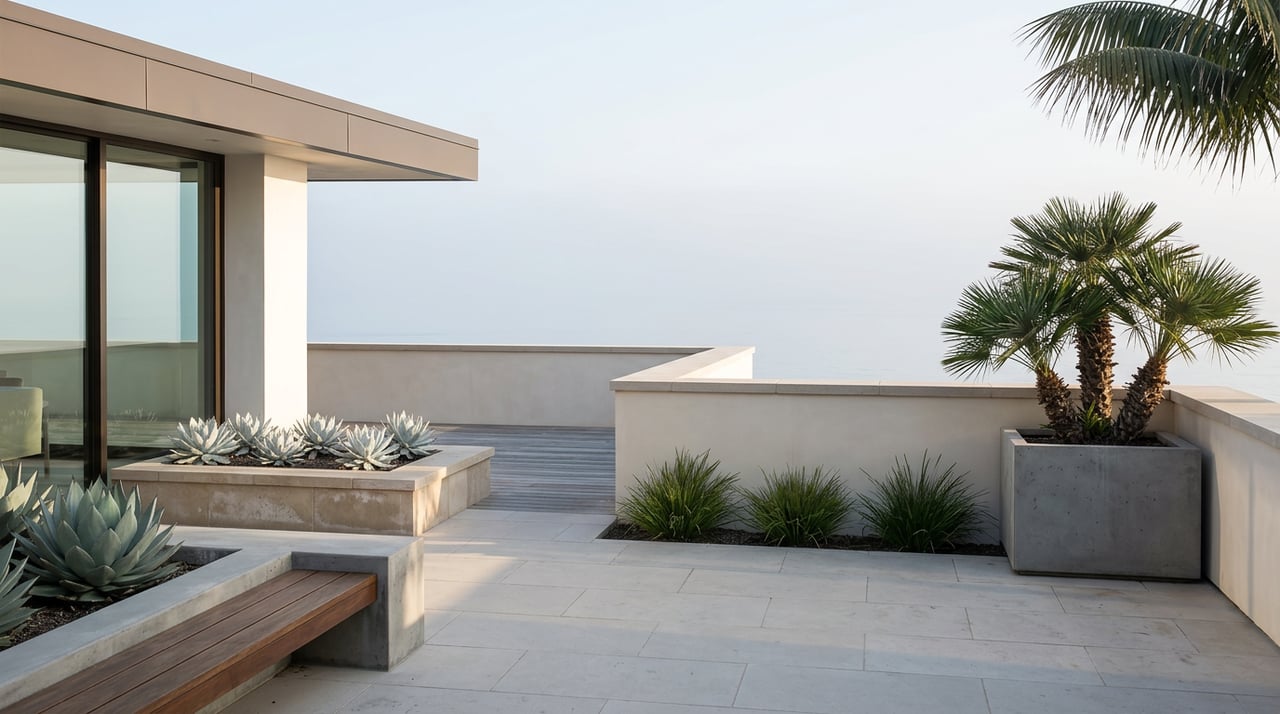
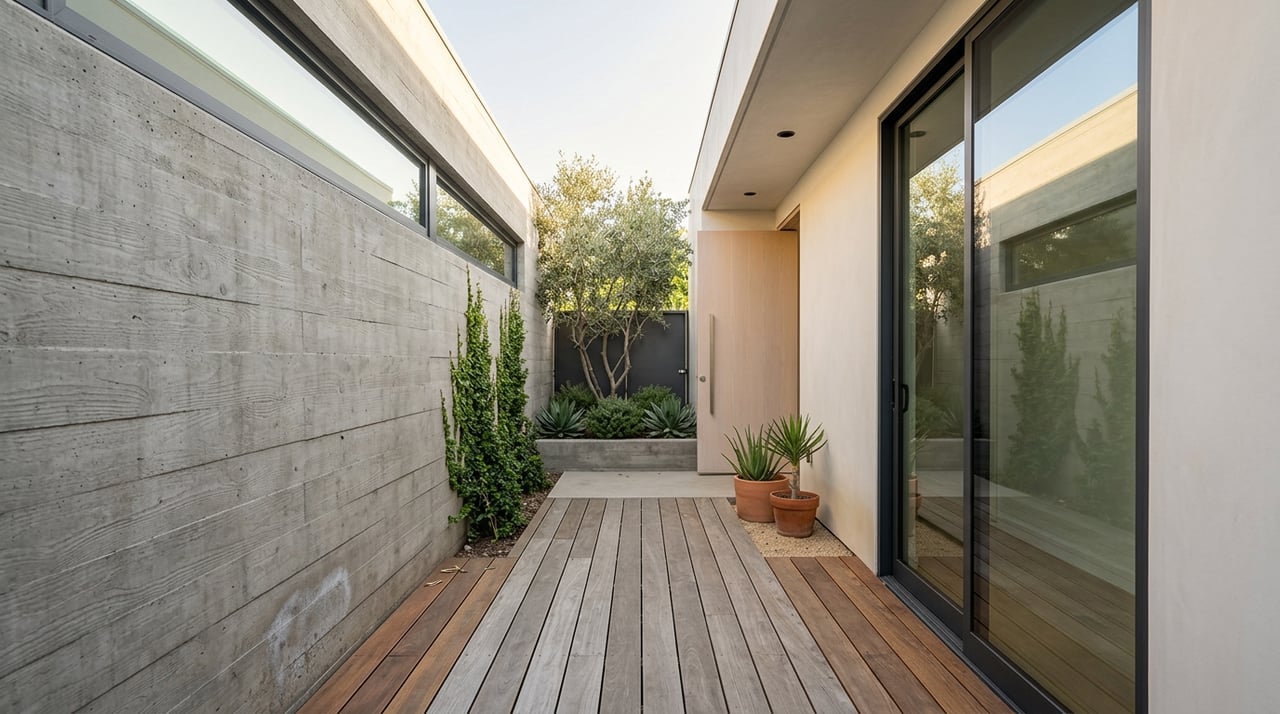
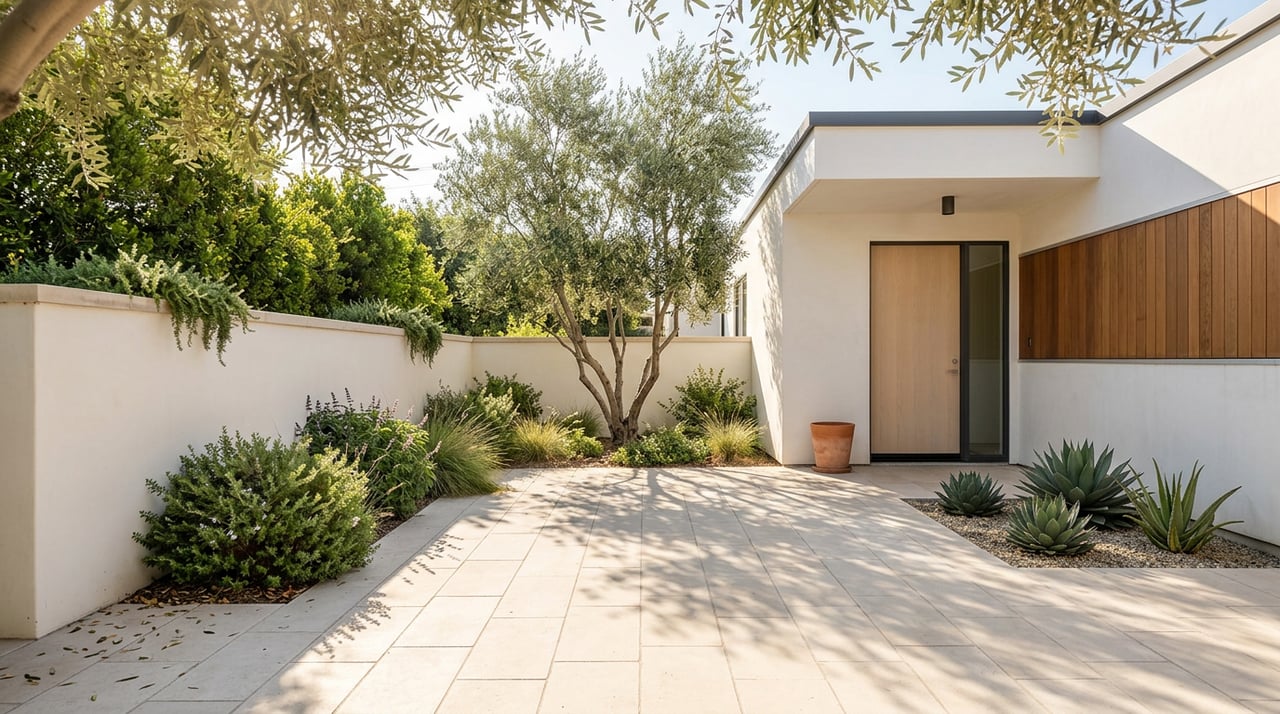
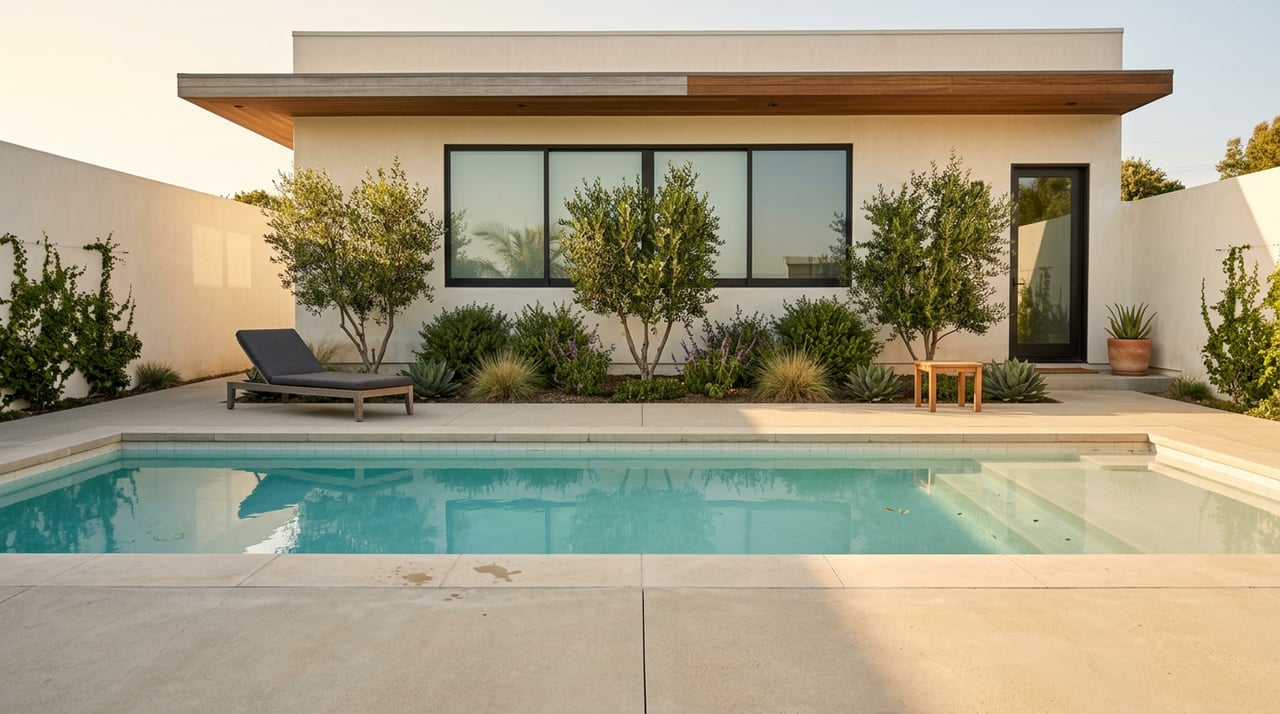
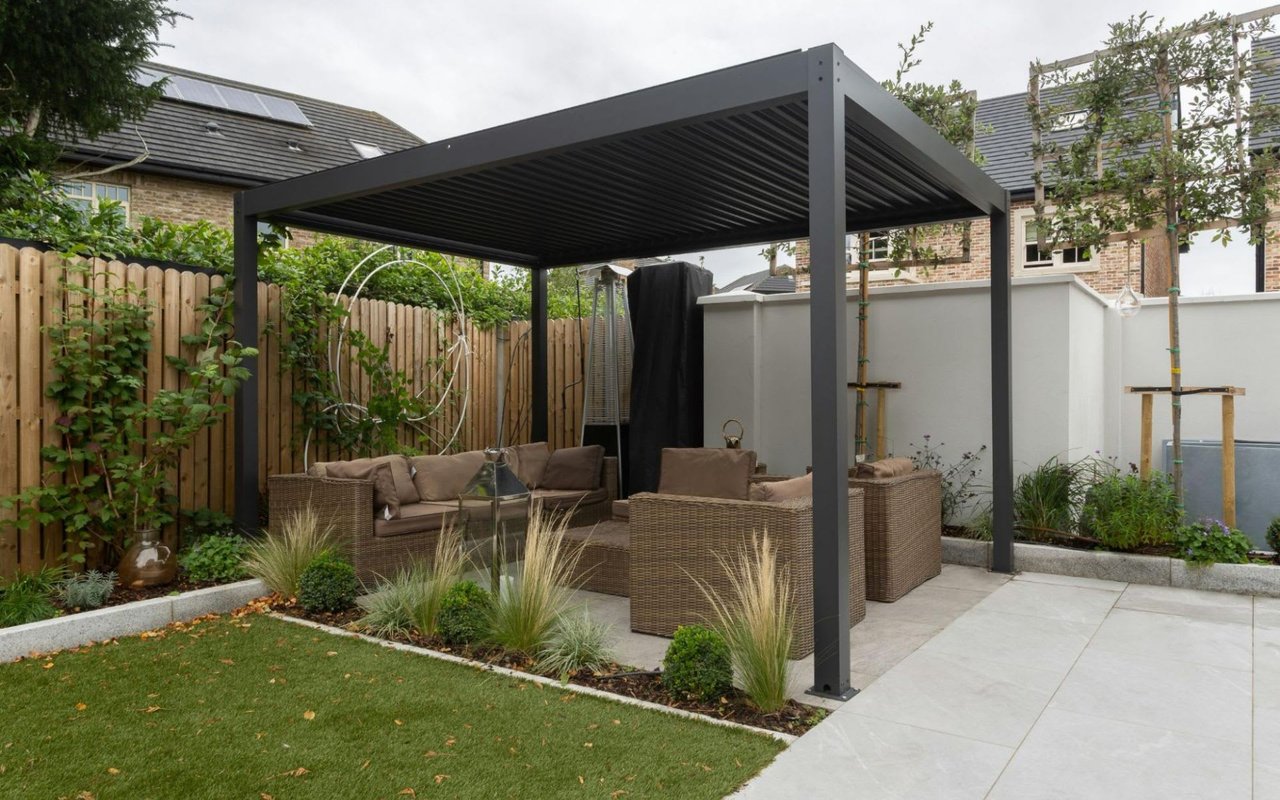
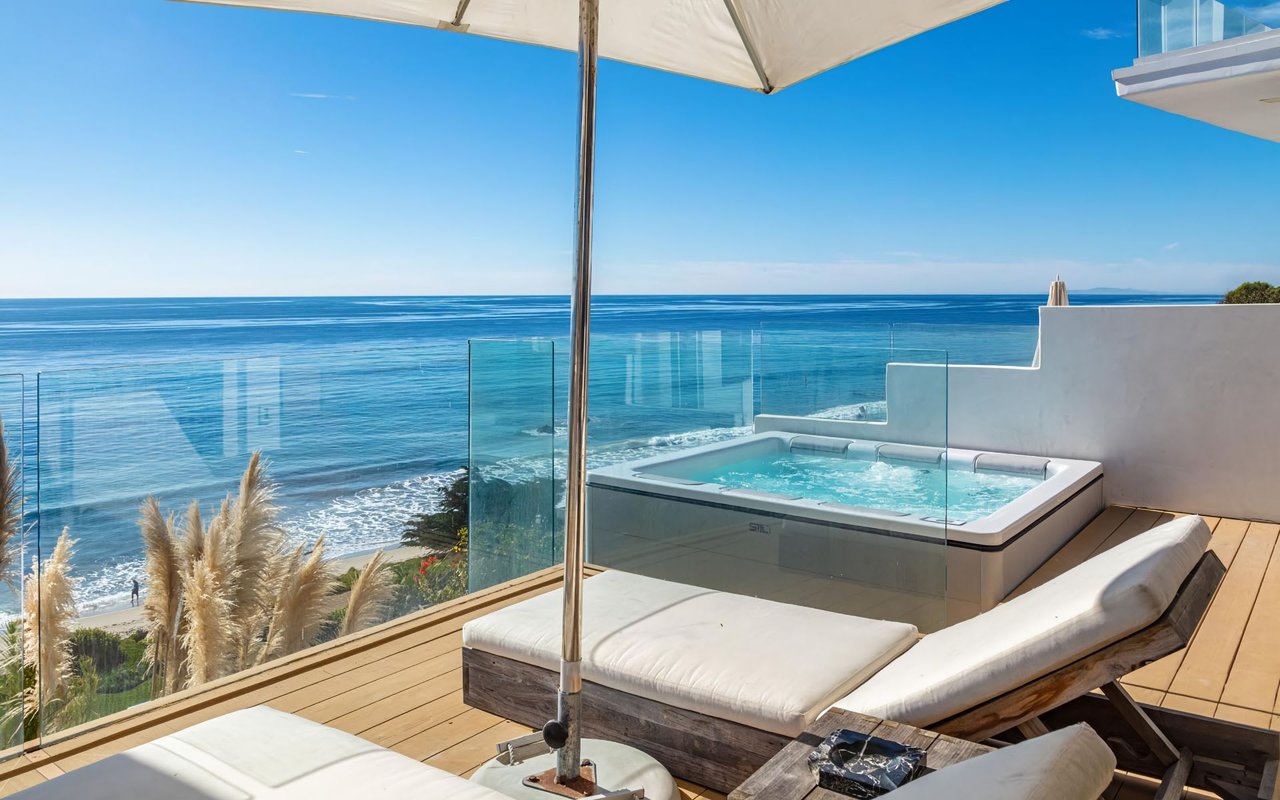
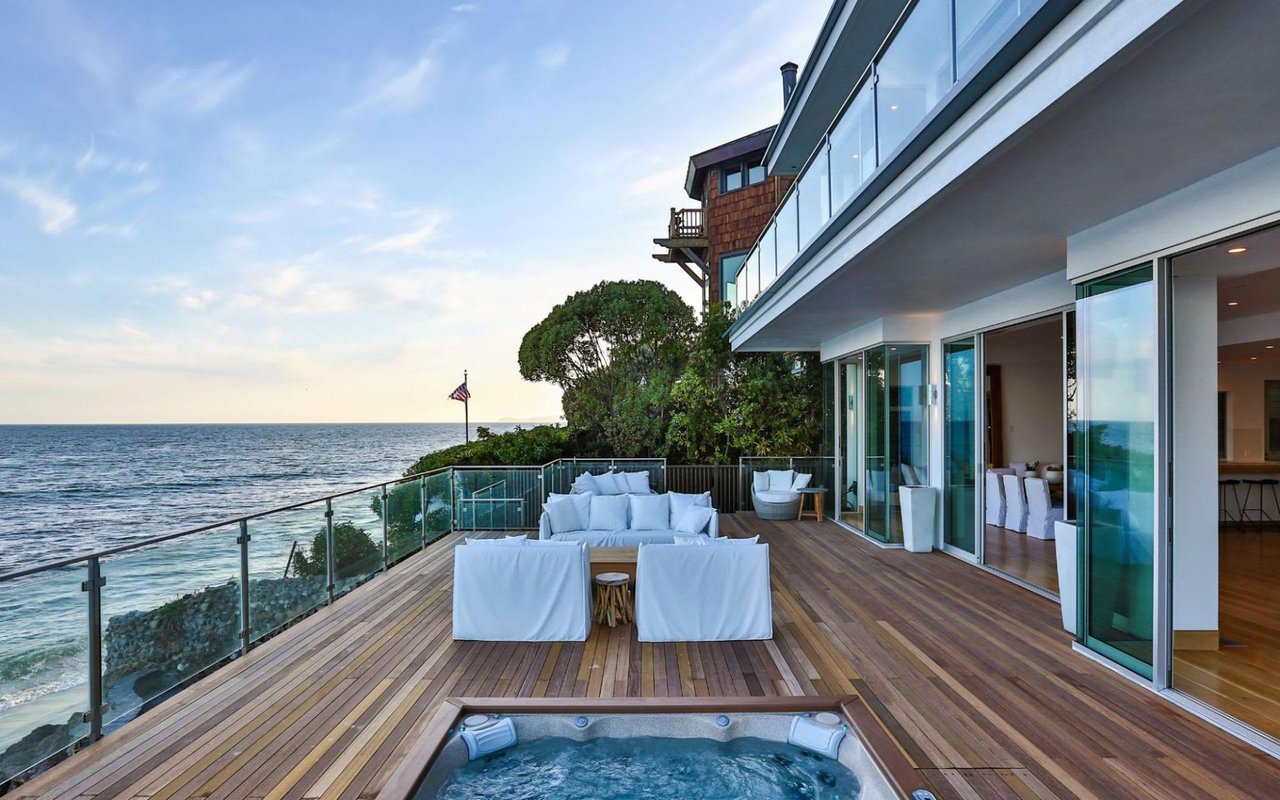
- Your outdoor space shows well
- Your home has features buyers already value in Malibu Park
- Your pricing can be supported by a realistic comp set
- You are comfortable with a market that may require patience and negotiation
If your property is ready, waiting may not create a better outcome. In a slower market, extra time off-market does not always lead to a higher sale price later.
What “Hold” Can Mean For You
Holding does not always mean waiting for the market to magically improve. Often, it means using time strategically so your home can enter the market in a more competitive position. That can be the better move if your property still needs work before it will meet buyer expectations.
A “hold” case may be stronger if you need time to:
- Resolve permit questions
- Prepare septic or wastewater documentation
- Improve landscaping or usable outdoor areas
- Stage the home more effectively
- Clarify what is cosmetic versus what is truly value-add
In Malibu Park, buyers often respond to land, privacy, and functionality as much as they respond to interiors. If your home is not yet telling that story clearly, holding for preparation can be smarter than rushing to market.
Buyers Are Looking Beyond Cosmetics
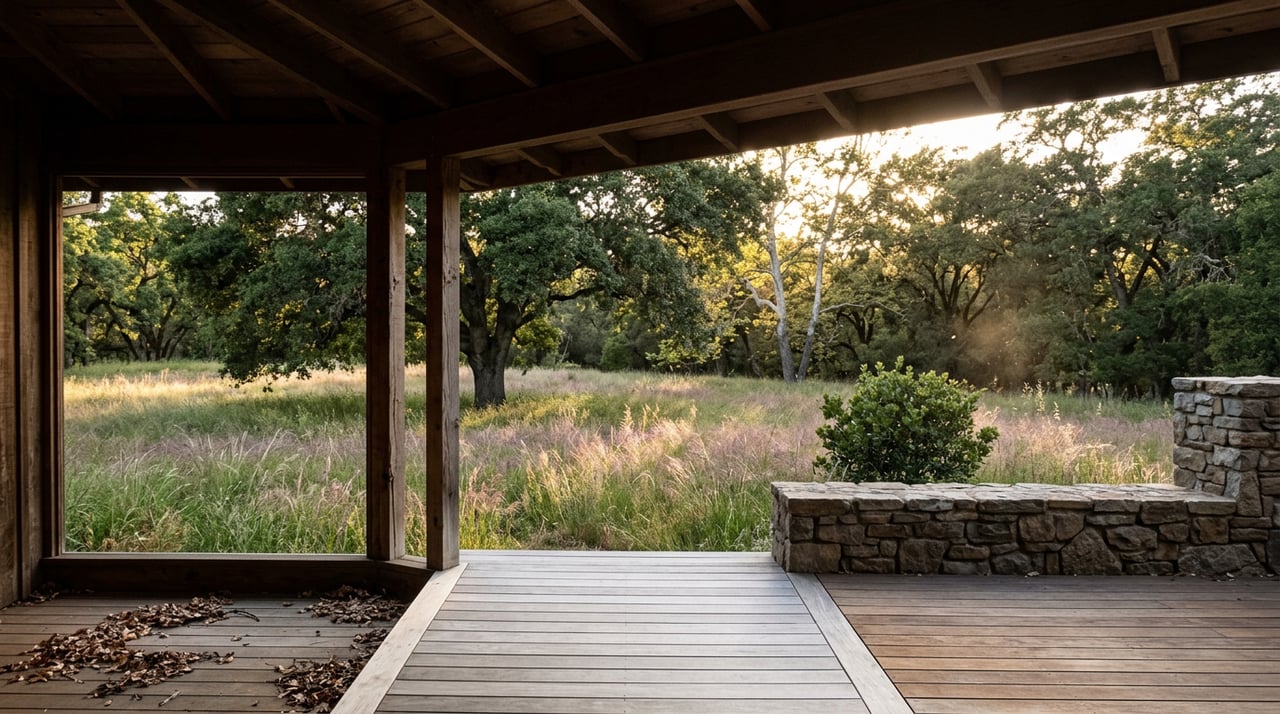
Malibu’s planning framework helps explain what buyers often notice here. The City’s Vision and Mission statements emphasize rural character, open space, views, privacy, and a residential environment designed to avoid suburbanization. The Local Coastal Program also supports large-lot single-family development, with agricultural uses and animal keeping allowed as accessory uses in the rural-residential framework.
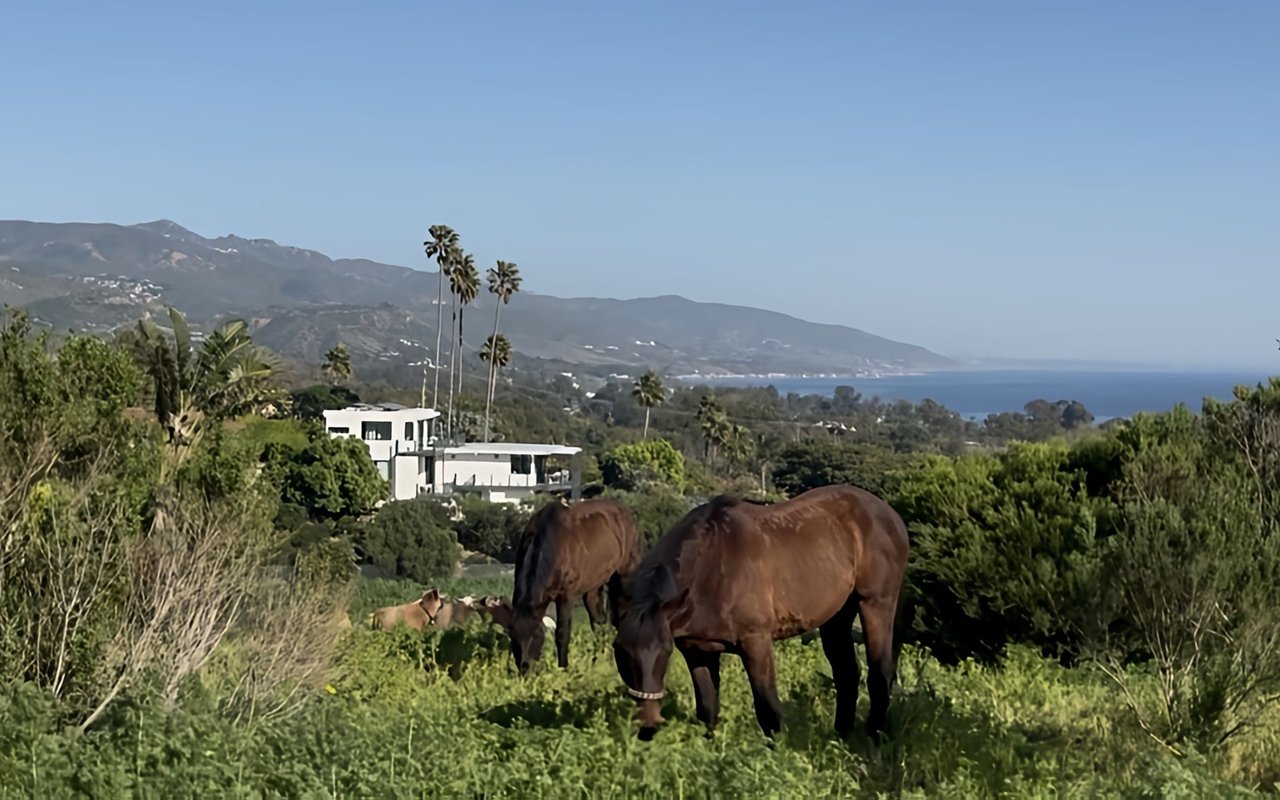
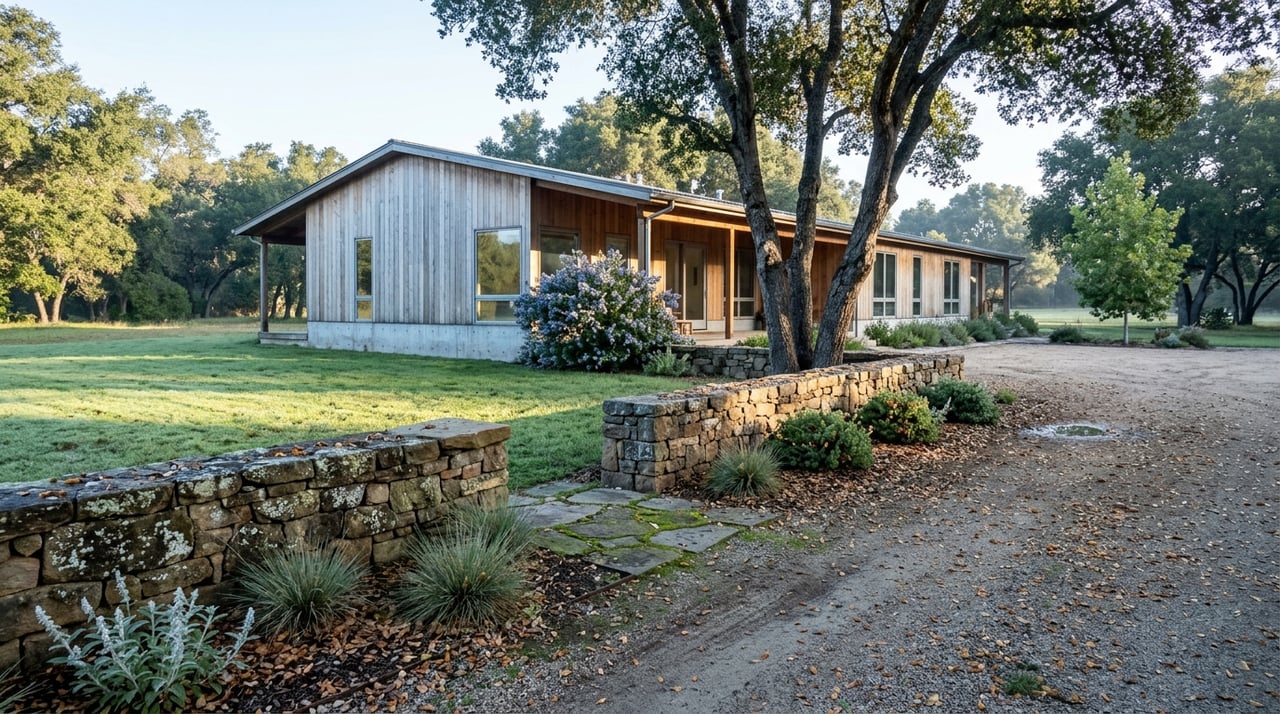
That context shapes buyer expectations in Malibu Park. Acreage, usable land, privacy, and horse-friendly improvements often carry real appeal because they fit the area’s identity. Current inventory reflects that, with listings that include parcels around 0.98, 2.27, 2.79, and 5.35 acres, along with equestrian estates featuring barns, stalls, arenas, round pens, turnout areas, and riding rings.
The City’s Malibu Equestrian Park also reinforces that horse-oriented infrastructure is part of the broader community fabric. The park includes two riding arenas, a picnic area, restrooms, and public or rental use for horse shows, lessons, and recreational riding. For some properties, that means outdoor usability and equestrian readiness may be more marketable than another round of interior cosmetic updates.
Ask These Questions Before You List
If you are deciding whether to sell now or hold, these are the most useful questions to ask:
Is your pricing story clear?
You do not need a generic price estimate. You need a pricing strategy that accounts for Malibu Park’s mixed signals, including longer days on market, a gap between asking and selling prices, and the fact that highly unique homes do not always have clean comparables.
Is your permit file clean?
Because Malibu is in the California coastal zone, much of the development and activity within city limits is subject to the City’s Local Coastal Program unless exempt. The City reviews coastal development permits locally, and the permit-search system allows owners to pull existing public records. If your property file is incomplete or unclear, that can affect timing, buyer confidence, and negotiations.
Do you have wastewater records in order?
If your property has an onsite wastewater treatment system, Malibu treats operating permits and point-of-sale inspections as part of the transaction checklist. New OWTS work requires a Coastal Development Permit, and rebuilt Woolsey Fire properties must obtain the OWTS operating permit within 60 days after the certificate of occupancy. This is not the kind of detail you want to discover after a buyer is already in escrow.
Is your home ready for disclosure review?
California sellers must deliver a Real Estate Transfer Disclosure Statement before transfer of title and disclose known environmental hazards. Natural Hazard Disclosure can include flood, dam-inundation, very high fire hazard, wildland fire, earthquake fault, and seismic hazard zones. If your home was built before 1978, lead-based paint disclosure rules may also apply.
Does your presentation match buyer expectations?
In Malibu Park, presentation is about more than tidy rooms. Buyers may be comparing how each property handles privacy, views, outdoor flow, land usability, and specialty improvements. Your home should feel easy to understand and easy to imagine using.
Why Preparation Matters More In A Selective Market
When buyers have choices, preparation becomes leverage. A well-prepared listing can reduce friction, support pricing, and help your home stand out for the right reasons. A poorly prepared listing can sit, invite price reductions, and create avoidable questions.
Staging can play a practical role here. According to NAR’s 2025 staging guide, 83% of buyers’ agents said staging makes it easier for buyers to visualize a home. More than a quarter of professionals reported 1% to 10% higher dollar value offered, and about half of seller’s agents said staged homes spent less time on the market.
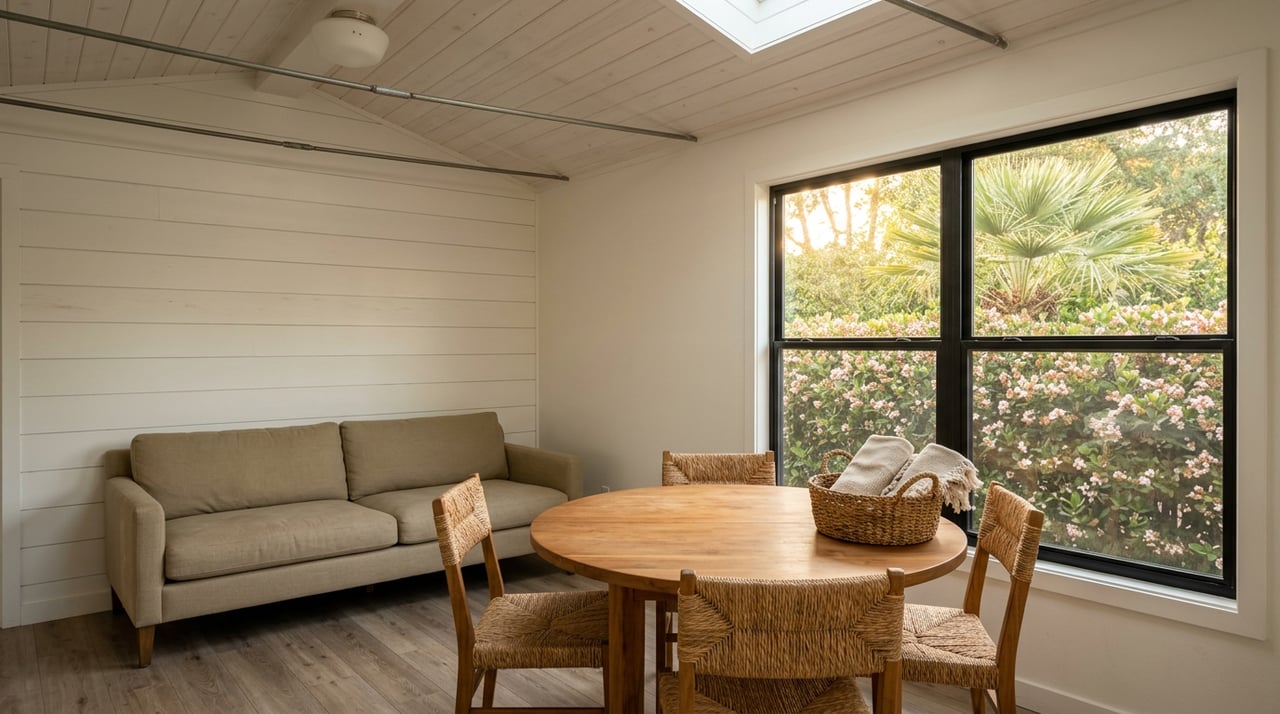
That does not mean every Malibu Park home needs a full redesign. It does mean decluttering, neutral paint, removing bulky furniture, and creating a clean backdrop can help buyers focus on the home itself. NAR’s 2025 report also cited a median staging-service cost of $1,500, compared with $500 when the seller’s agent handled staging.
A Practical Sell-Now Or Hold Framework
If you want a simpler way to think about the decision, start here.
Sell now if most of this is true
- Your home is market-ready today
- Permit and property records are organized
- Wastewater or septic documentation is current, if applicable
- The land, privacy, views, or equestrian features already show well
- You have a realistic pricing plan based on current conditions
- Your expected net proceeds support your next move
Hold if most of this is true
- You still need time for repairs, cleanup, or staging
- Permit or coastal records need clarification
- Outdoor areas are not yet presented at their best
- Specialty features are under-marketed or hard to understand
- You would benefit from a stronger pre-listing strategy before testing the market
In Malibu Park, Readiness Often Beats Prediction
Many homeowners ask the wrong first question. Instead of asking whether the market will be better in a few months, ask whether your home is positioned to compete now. In Malibu Park, timing is often less about predicting the next headline and more about deciding whether your property can enter a careful, high-expectation market with confidence.
That is where local judgment matters. A longtime owner, trustee, or transition-stage seller may need more than a pricing opinion. You may need help weighing net proceeds, preparation costs, property documentation, and the unique features that actually drive interest in this part of Malibu.
If you want clear guidance on whether your Malibu Park home is ready to sell now or worth holding a bit longer, the Brian Merrick Team can help you evaluate the property, the paperwork, and the market through a local lens.
FAQs
Should Malibu Park homeowners sell now or wait?
- It depends on how ready your home is to compete. If your pricing, presentation, permits, and property records are in strong shape, selling now may make sense. If key preparation work is still unfinished, holding can be the smarter move.
What do buyers value most in Malibu Park homes?
- Buyers often look closely at acreage, usable outdoor space, privacy, views, and horse-ready improvements. Those features align with Malibu’s rural-residential character and show up repeatedly in current Malibu Park inventory.
Do Malibu Park sellers need permit records before listing?
- Clean permit records can make a major difference. Because Malibu properties often involve coastal and local review considerations, having public records and permit information organized can help reduce buyer concerns and transaction delays.
What should Malibu Park homeowners know about septic or OWTS requirements?
- If your property has an onsite wastewater treatment system, operating permits and point-of-sale inspections may be part of the transaction checklist. It is wise to review that status before listing so you are not surprised mid-sale.
Can staging help a Malibu Park home sell faster?
- It can. NAR’s 2025 staging guide found that many agents believe staging helps buyers visualize the home more easily, and about half of seller’s agents reported shorter market times for staged properties.
Is pricing harder in Malibu Park than in other areas?
- Often, yes. Malibu Park is a thin-data, high-price market with unique homes and a gap between asking prices and recent sale prices, so pricing usually requires careful local analysis rather than a simple online estimate.