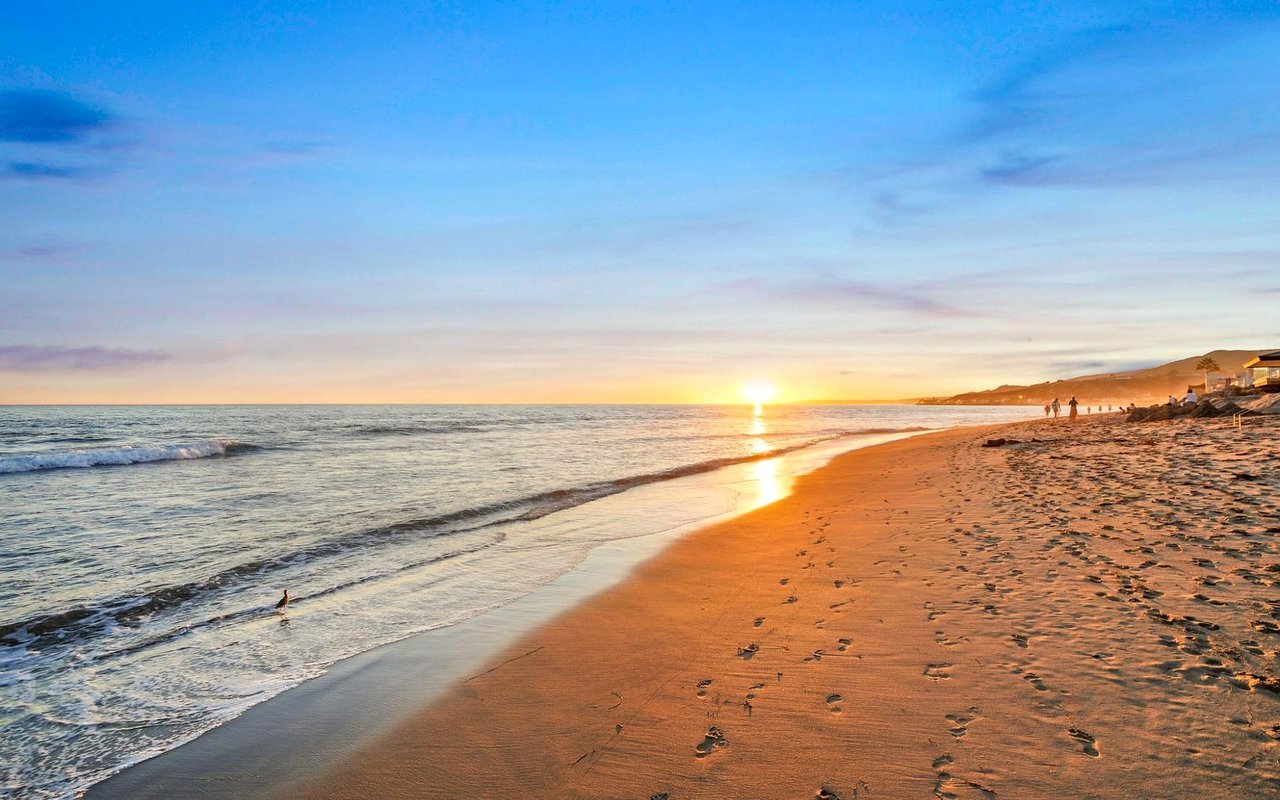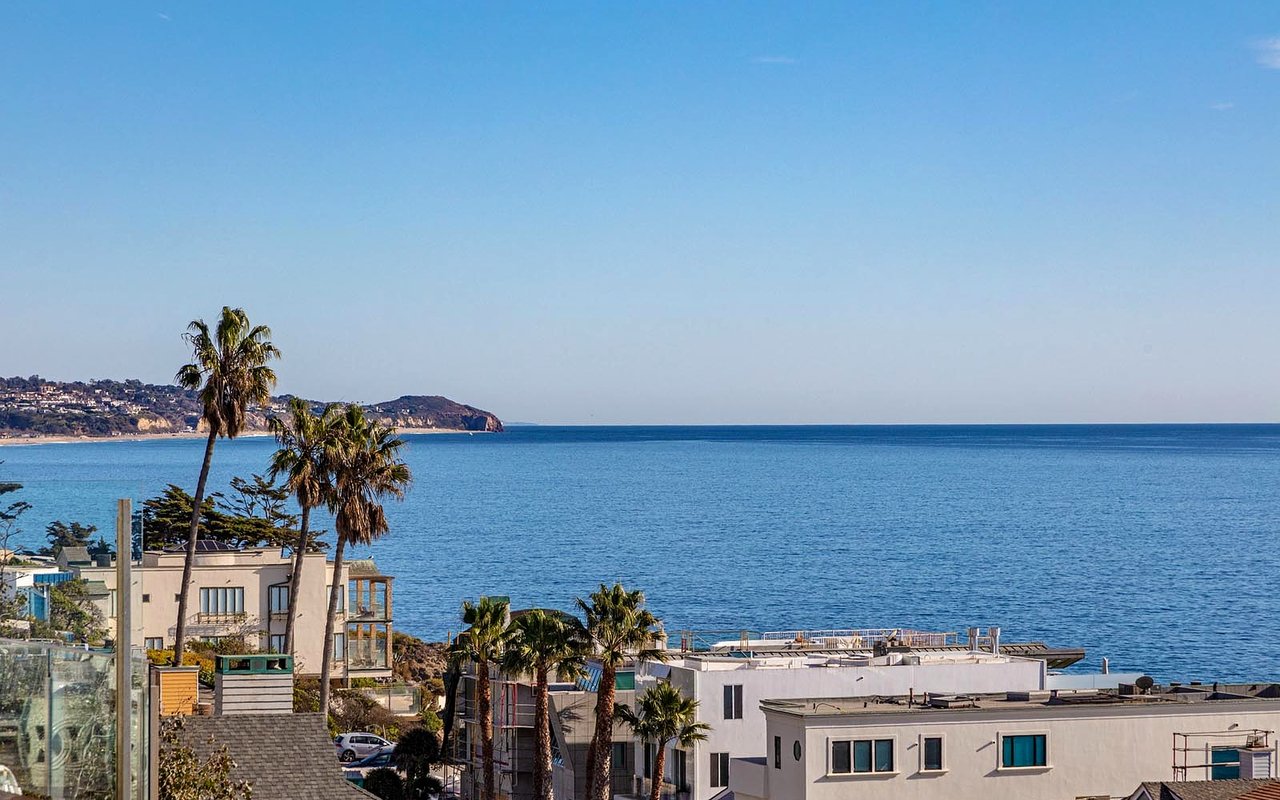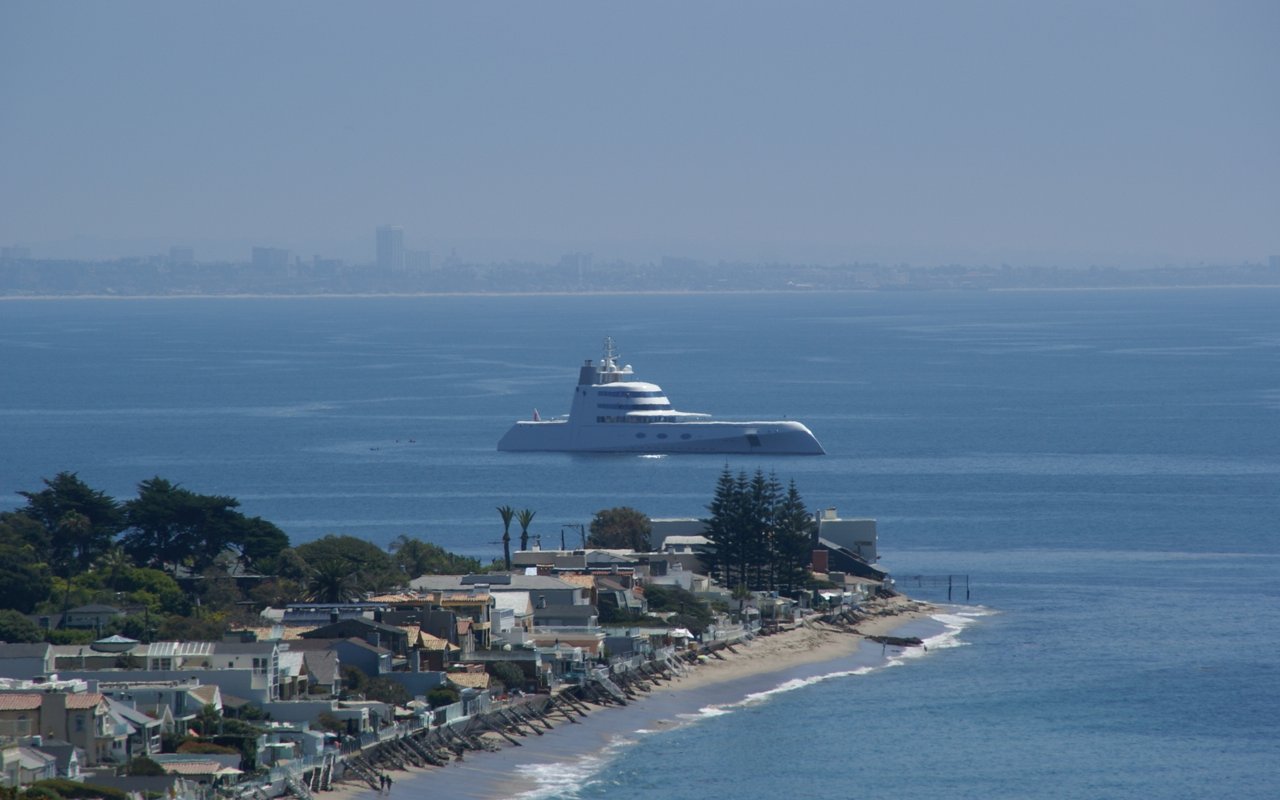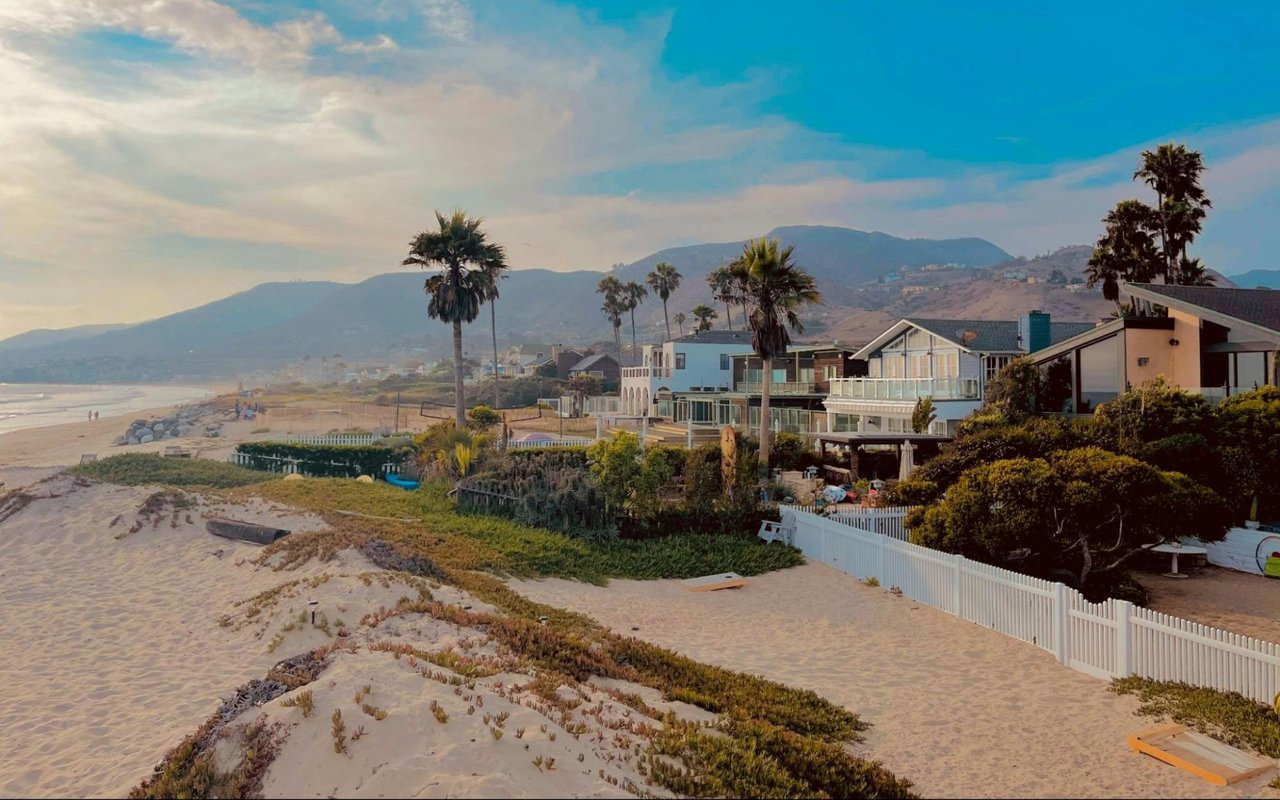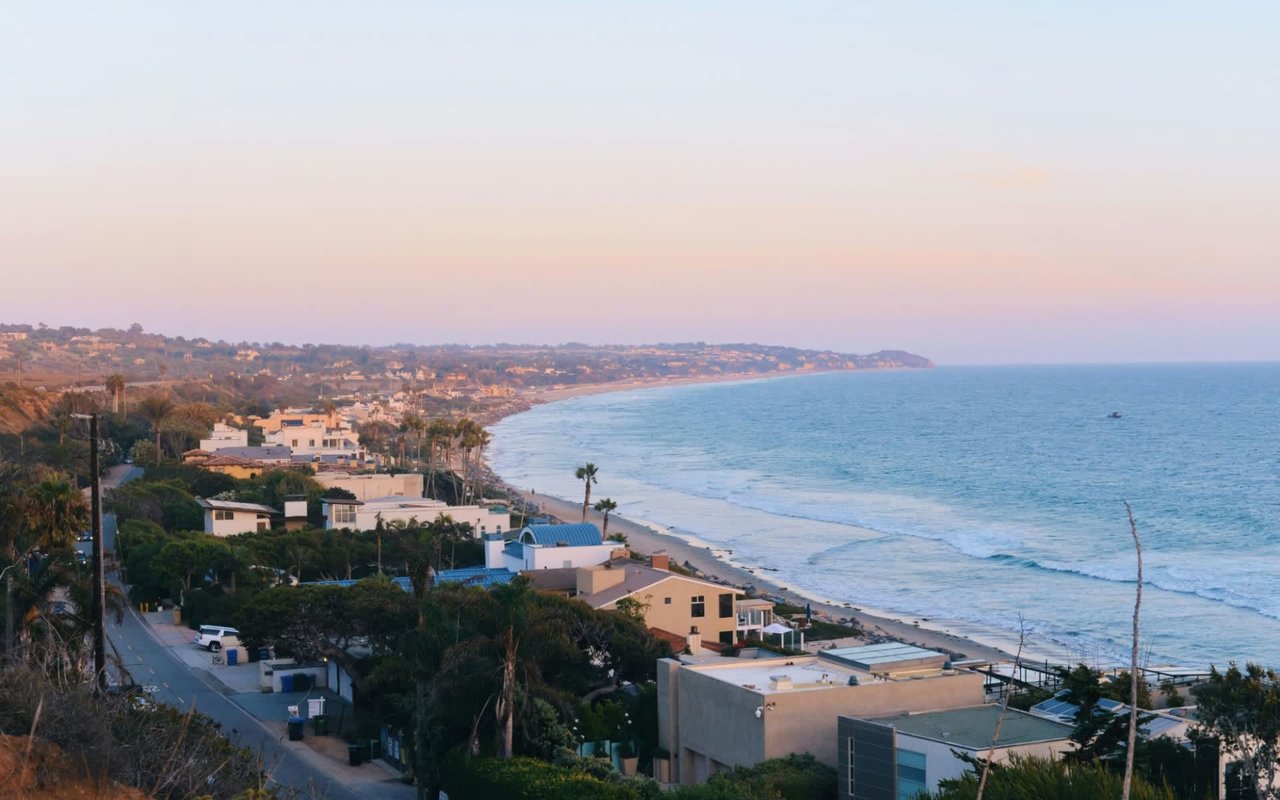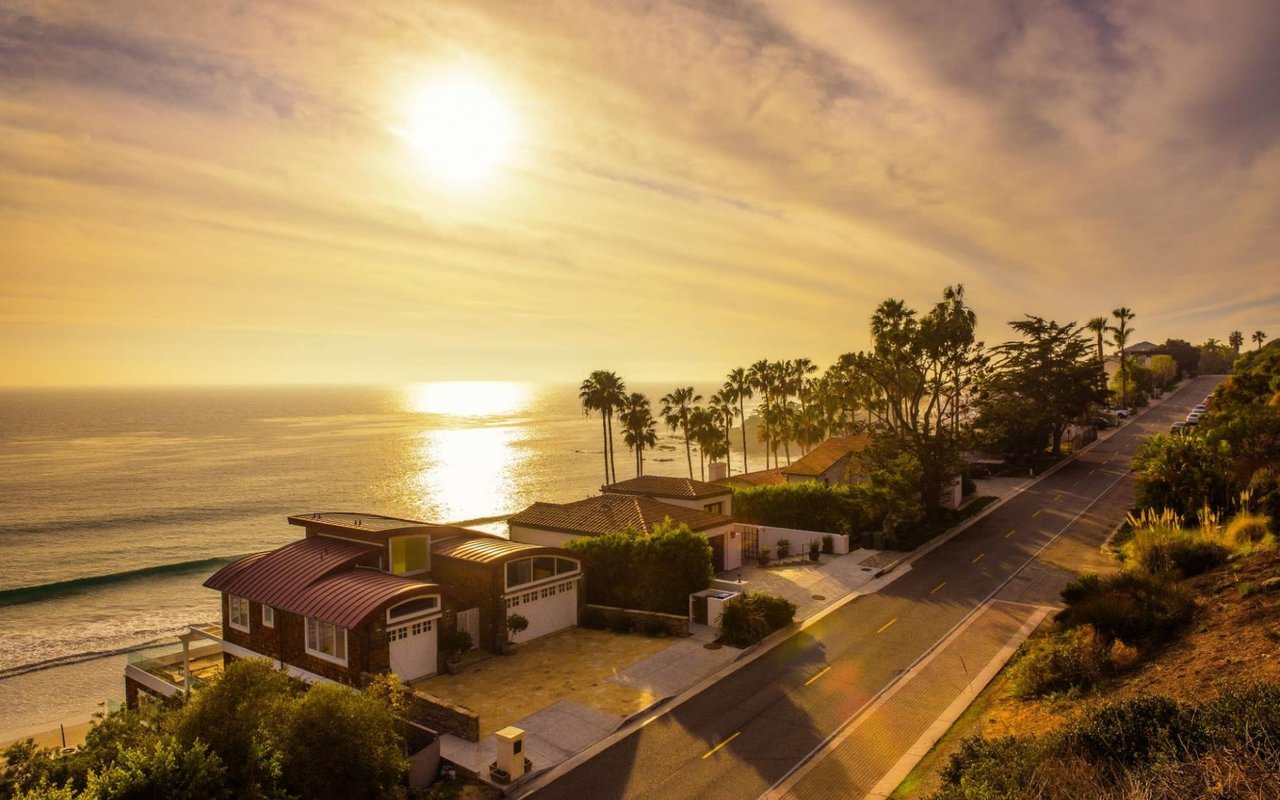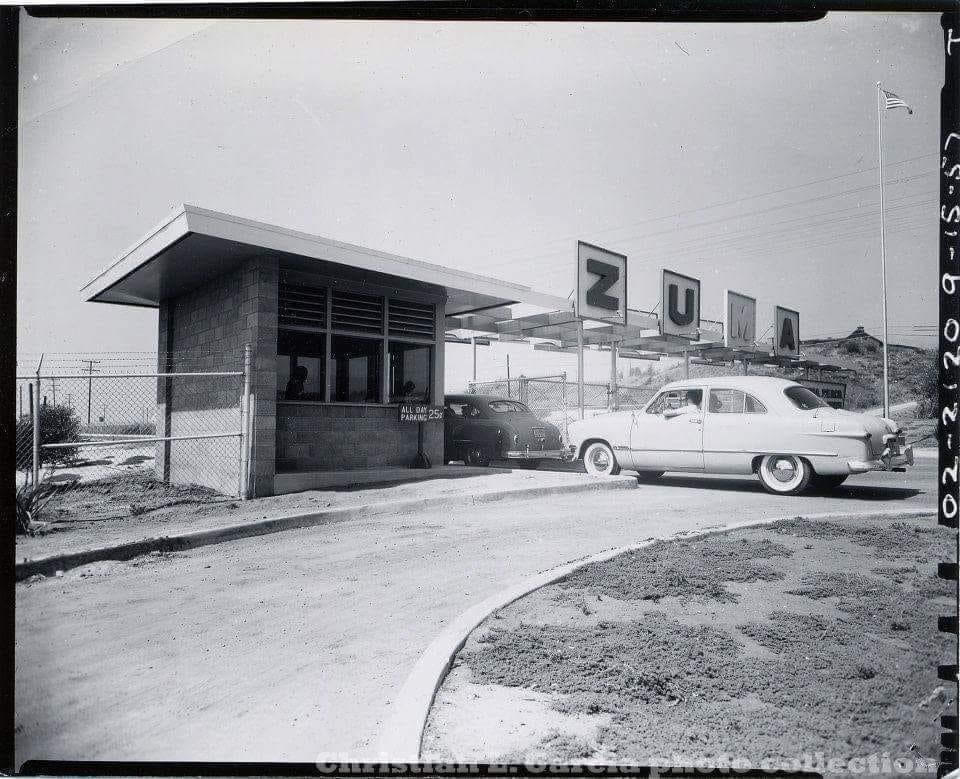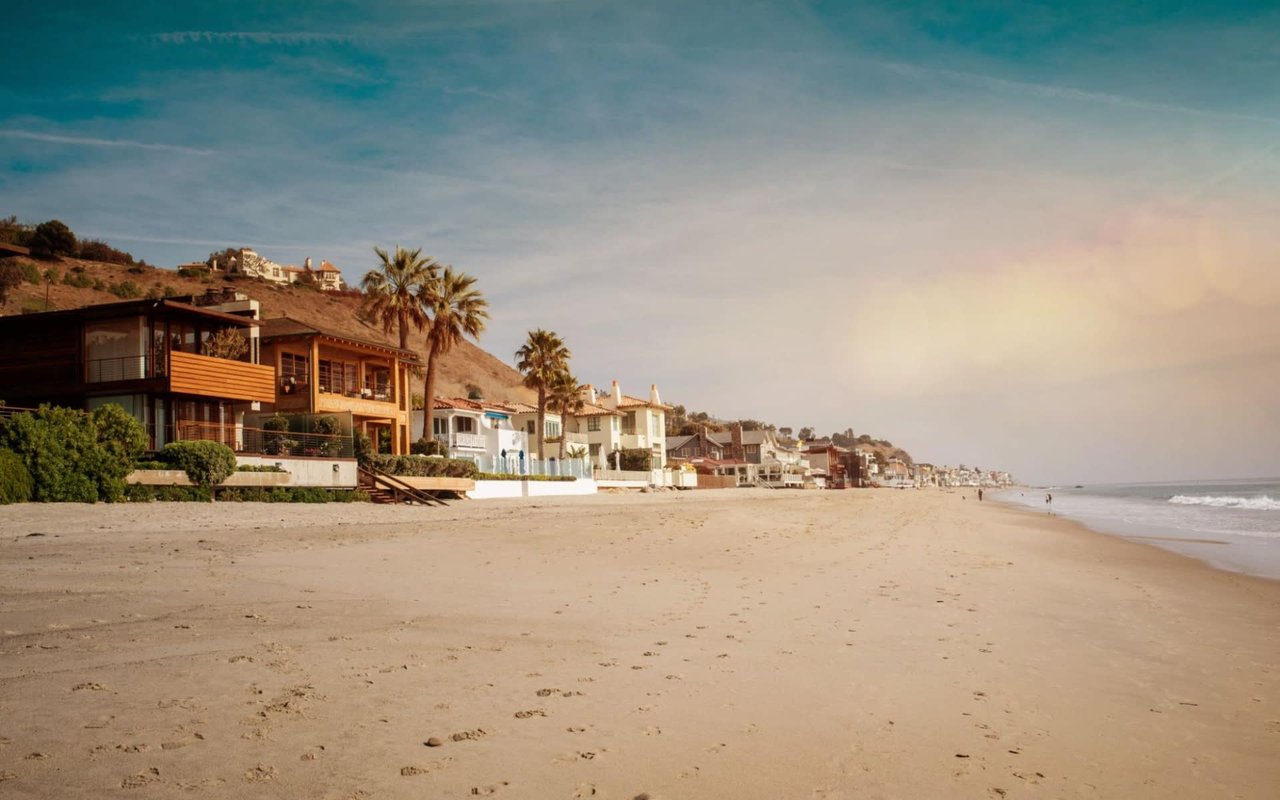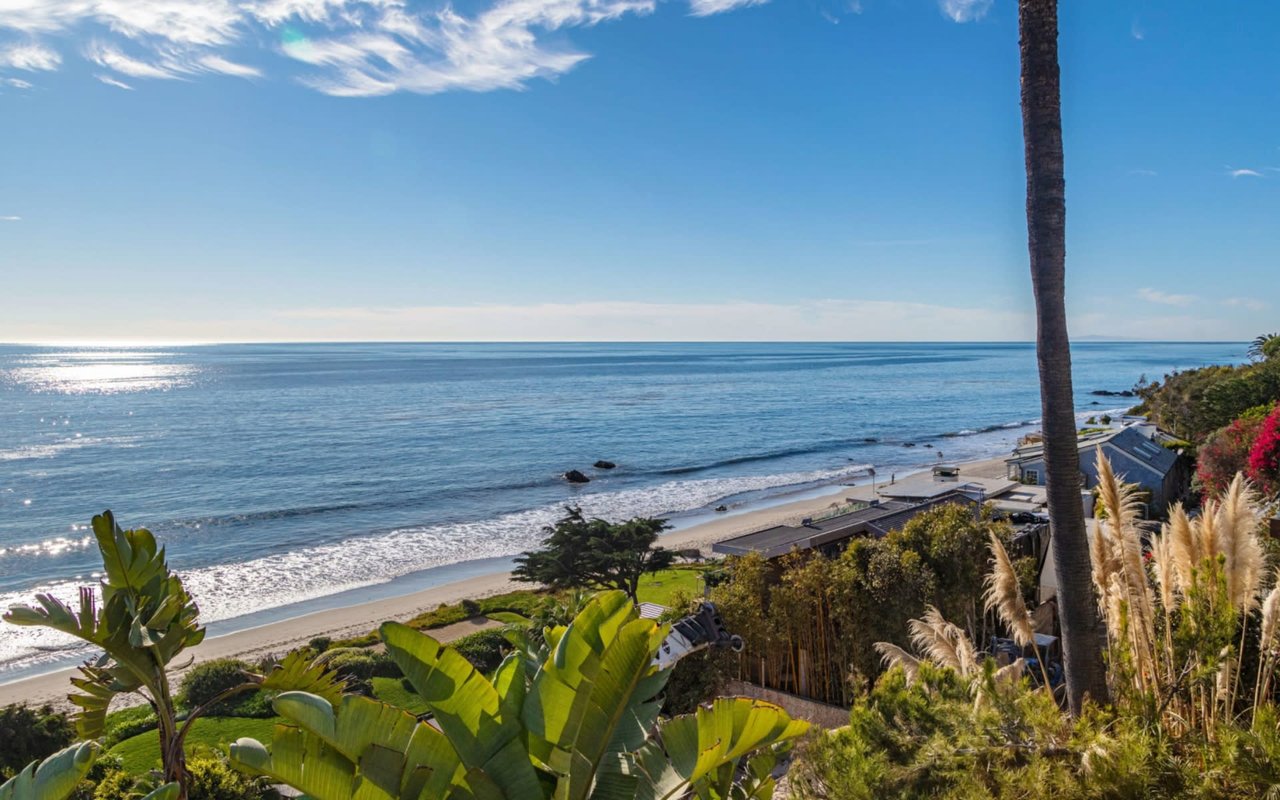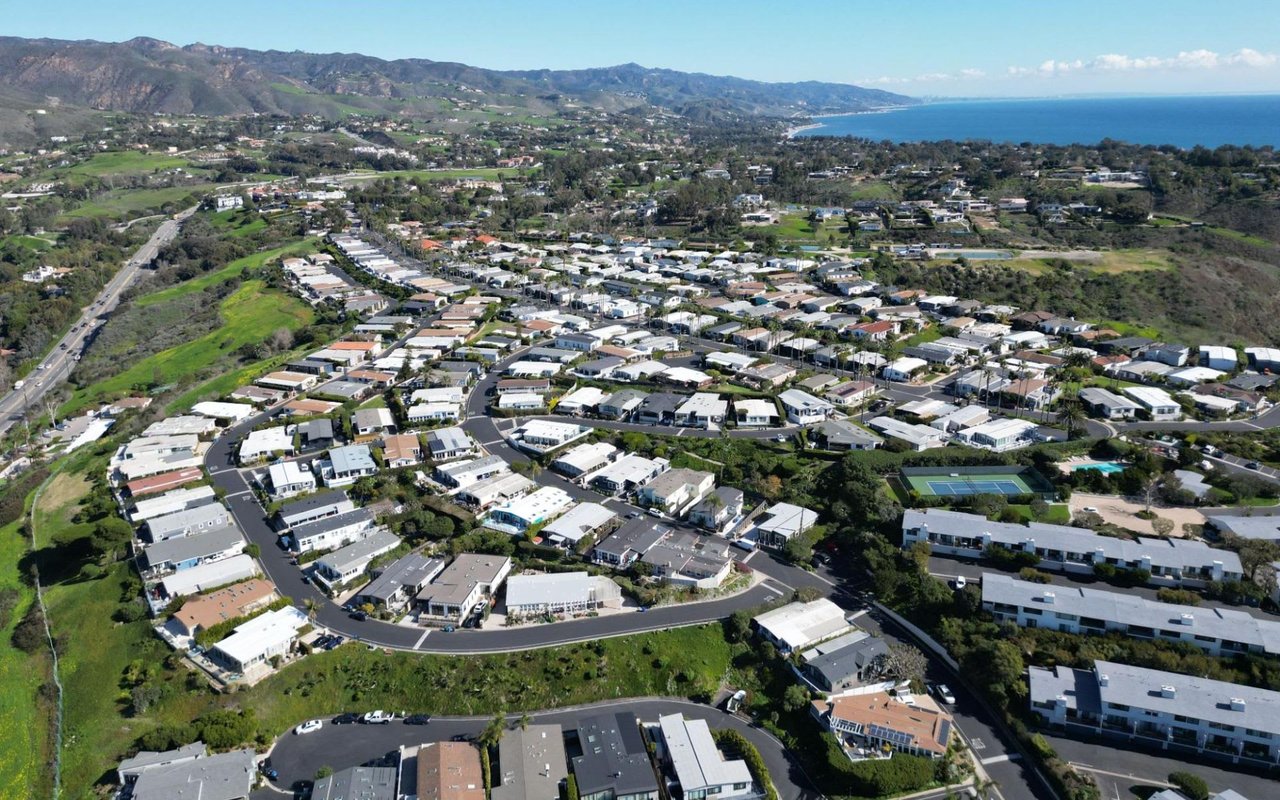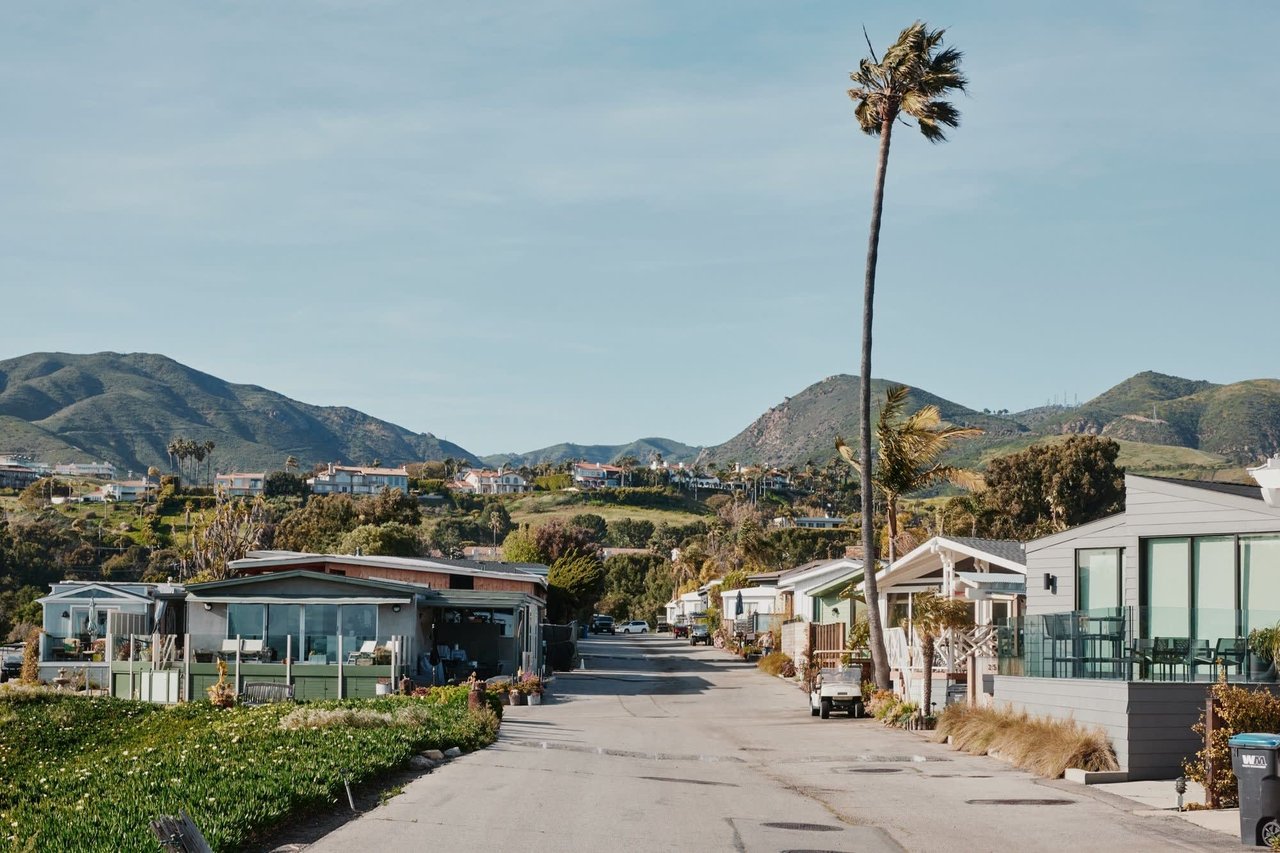

The clearest sign that summer 2026 is not a normal summer in Malibu West is not on the sand. It is on the inland side of Pacific Coast Highway, where the Zuma Beach underpass, the shortcut most of the neighborhood uses to reach the ocean on foot or by car from Westward Beach Road, is still shut. That single closure has rewritten how the block spends August.
The rhythm has not gotten quieter. It has moved. On weekday mornings, the sound of the neighborhood is coming from the coffee line at Trancas Country Market, not the guard shack at Tower 6.
The underpass, and what August looks like around it
Los Angeles County has been chipping away at the Zuma underpass problem all year, and the timeline matters if you live here.
- During the weeks of April 13 and April 20, 2026, County crews removed the majority of accumulated sediment and debris from the underpass.
- Within days, the underpass filled with approximately 10 inches of persistent standing water due to seasonal site conditions, including elevated groundwater and surface water flowing from Zuma Creek.
- On May 7, 2026, the Los Angeles Regional Water Quality Control Board directed the County to leave the existing site conditions as-is until groundwater levels lowered naturally, and dewatering paused.
- On June 11, 2026, County and City of Malibu staff met with the Regional Board leadership to revisit permitting options to dewater the underpass, and the Regional Board indicated a willingness to consider the County's request.
That is the state of play heading into the last stretch of summer: no reopening date, active coordination, and a beach access route that residents have effectively written off for this season. The reason the timeline reads slowly is not indifference. The underpass sits next to Zuma Creek, which means work in the area must comply with state and federal regulations designed to safeguard protected jurisdictional waters, sensitive habitat, and wildlife, requiring coordination with agencies including the California Department of Fish and Wildlife, Los Angeles Regional Water Quality Control Board, and the U.S. Army Corps of Engineers.
Practically, most Malibu West households have shifted to the at-grade PCH crossings at signalized intersections and to the long walk in from the north lots. The families with strollers are the ones feeling it most, and they are the ones who have quietly moved their morning routine one block inland.
Trancas, doing the work a town center usually does
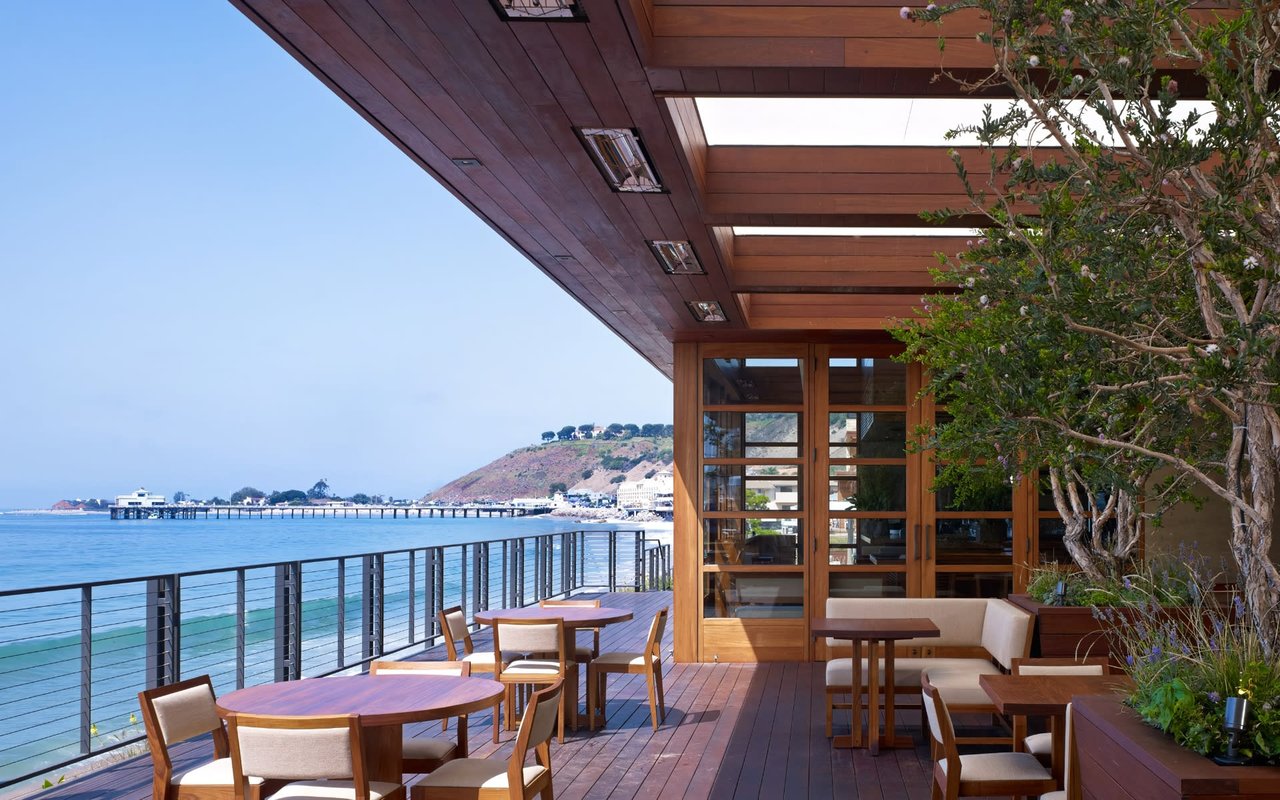
Trancas Country Market has always been the neighborhood's practical anchor. This summer it has become something closer to a town green. The site is a sprawling, yet compact collection of smartly curated fashion, culinary, and service tenants, unfolding throughout 17 lush, naturalistic acres nearby to Point Dume, Zuma Beach, local nature preserves, and it is where the neighborhood is spending the hours it used to spend on the sand.
A quick pass through the tenant mix, because the specifics are the point:
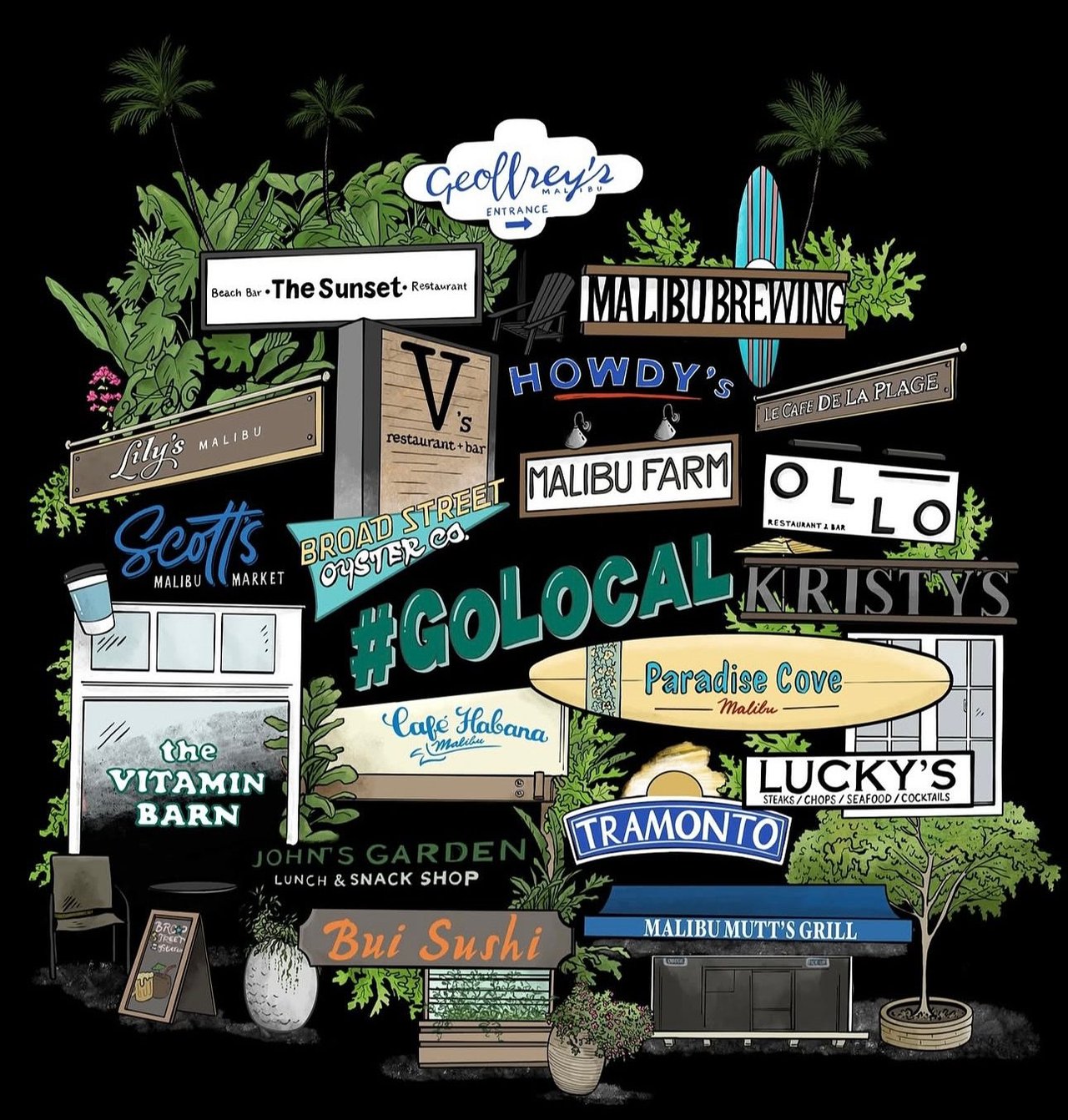
- Groceries and morning food. Vintage Grocers is the daily driver. Kristy's Village Café covers the sit-down breakfast crowd. SweetBu Candy Co. handles the after-camp stop.
- Coffee and beer. Malibu Brewing Company sits at R4, with hours running 11:00 am to 8:00 pm most days and until 8:30 pm on Friday and Saturday. It has been the closest thing the neighborhood has to a nightly gathering room since it opened in September 2022.
- Flowers, plants, and the errands that keep the property in shape. Sea Lily Malibu for cut flowers. Trancas Canyon Nursery for the long list every Malibu homeowner keeps. HAIR salon, Shine Beauty Collective, Trancas Tailors & Cleaners, PostalAnnex, and Wells Fargo cover the rest of the errand loop.
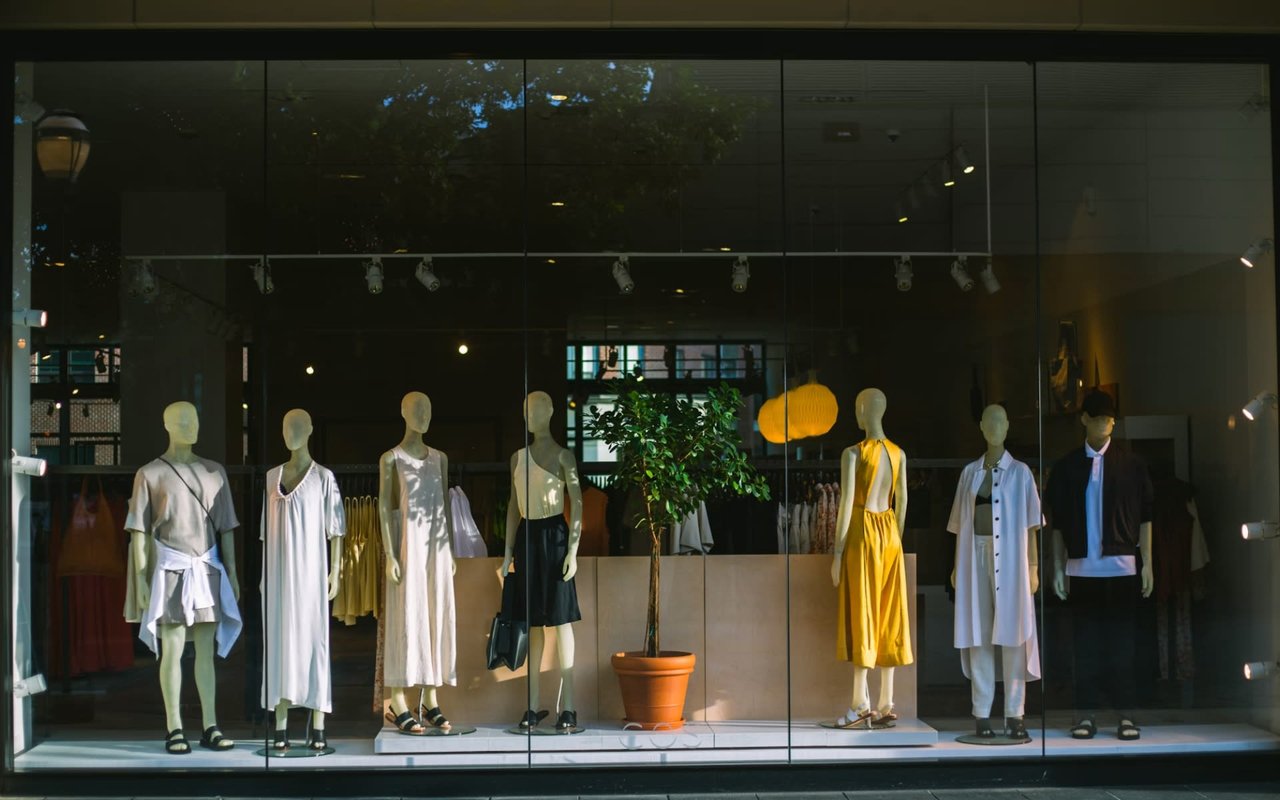
- Boutiques. 98% Angel, Saffron Case Homes, hiptique, Malibu Beach House, Náti Boutique, Drill Surf & Skate, and Sea Lily Malibu, plus Malibu Music for anyone whose teenager is picking up an instrument this fall.
The reason to name them individually is that the market's role in the neighborhood is a function of that specific tenant density. When the beach is one crossing farther away than usual, a 17-acre commons with a grocer, a brewery, a nursery, and a card shop starts absorbing hours that used to go to Zuma.
There is also a shift underneath the surface that longtime residents should register. In January 2026, Malibu Brewing Company announced it is taking a major step forward with two significant expansions: a second brewery and restaurant in Agoura Hills and a new location at Universal CityWalk. The Trancas taproom, however, is staying exactly where it is. For a business that a lot of neighbors treat as their default weeknight table, the fact that the flagship is not moving is worth knowing. Growth here is additive.
The triathlon weekends
The other calendar item shaping August and September at Zuma is the Zuma Foundation's race series. There are six dates in 2026, running from July through September, staged at the same stretch of sand fronting Malibu West. The event closes portions of PCH and reshuffles parking on race mornings.
For a resident, the useful frame is not "should I go watch." It is: know which Sunday mornings you cannot count on a quick errand run north on PCH. Combine that with the fact that the parking lots fill up quickly during peak season, June through August, and the routine that used to be "grab a coffee, walk down to Tower 6" now requires a small piece of planning it did not require last summer.
What the neighborhood does with all of this
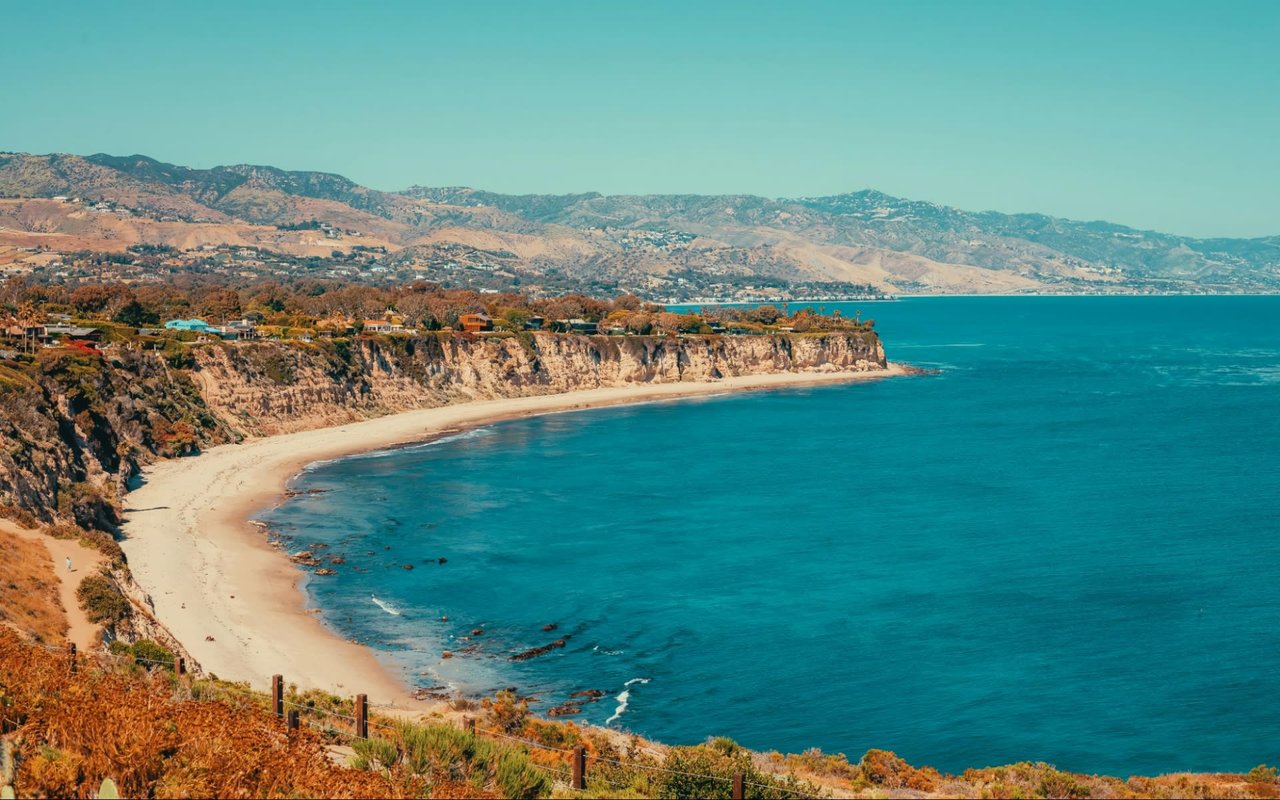
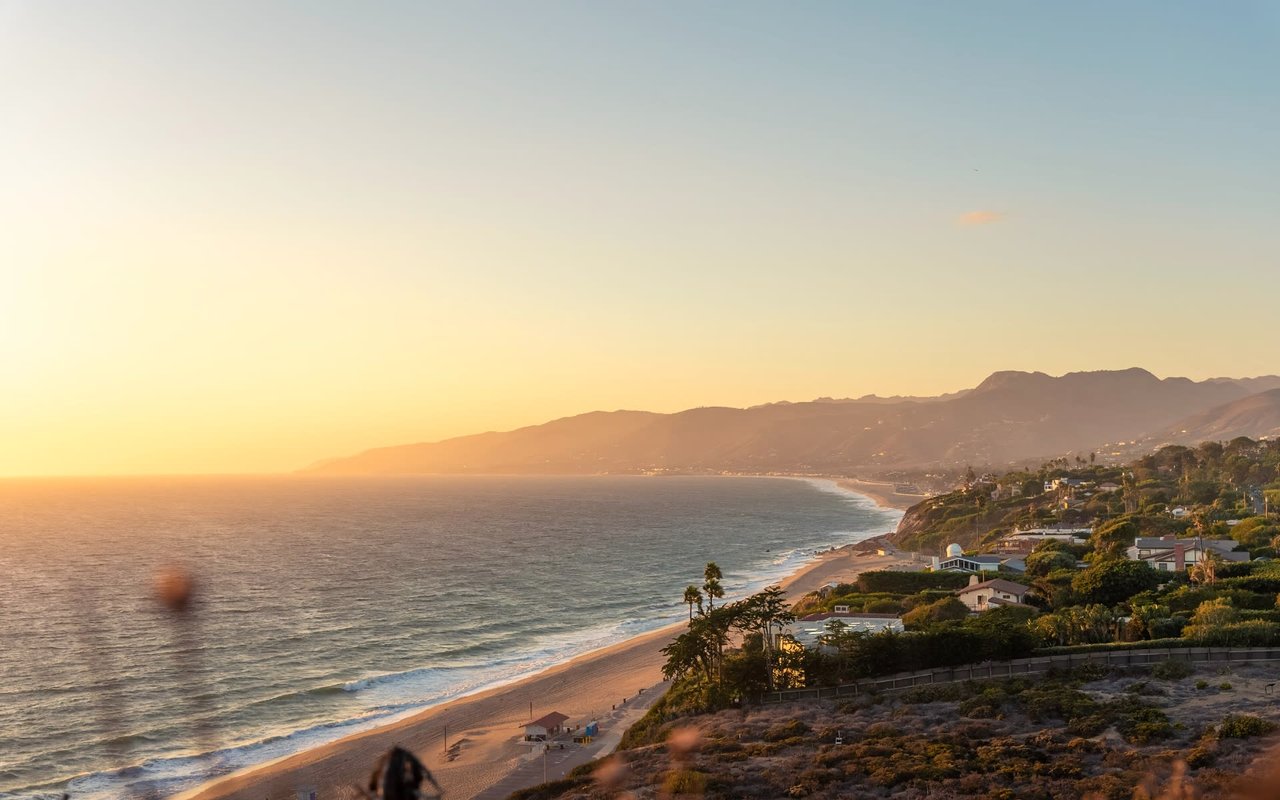
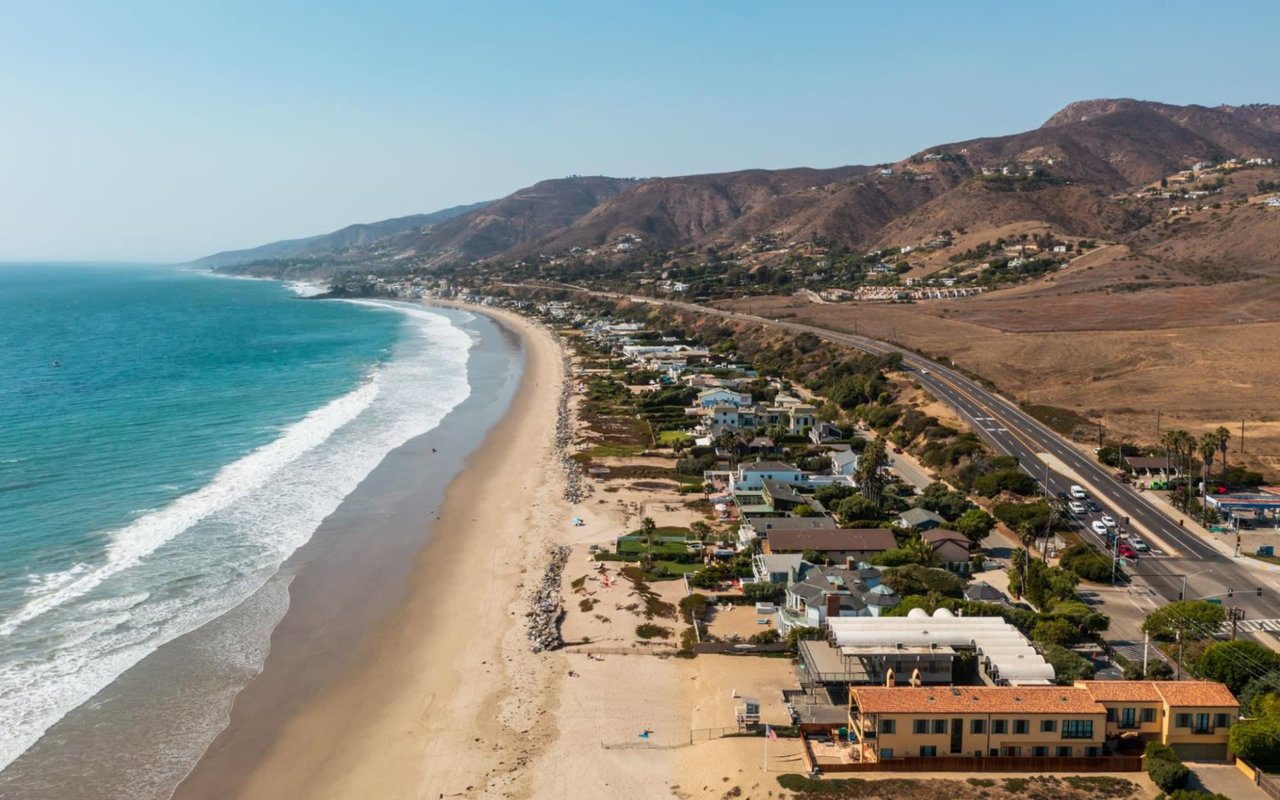
The through line is that Malibu West's summer geography has compressed. The beach is still there. Zuma is still protected by the Lifeguard unit of the Los Angeles County Fire Department, with 14 lifeguard towers on the sands proper and one of four L.A. County Section Headquarters located at the center of the beach, and it is still a 4-mile stretch of flat sand in Malibu. What changed is the friction between the front door and the sand. When friction goes up, a neighborhood reorganizes around the next-closest place that works, and for Malibu West that place is Trancas.
A few concrete adjustments residents are making this month:
- Morning beach time has moved earlier. The families who used to walk down at 10 are walking down at 7:30, before the north-lot parking pressure starts building.
- Sunday errand loops have consolidated. Grocery, flowers, hardware-adjacent, coffee, and lunch are being done in a single Trancas stop rather than spread across the day.
- Race-day mornings, roughly one Sunday a month between now and late September, are being planned around, not through.
- Sunset routines have shifted from the sand to the Trancas patio. It is closer, it has seating, and it does not require the underpass.
None of this is a complaint. It is what a neighborhood does when a single piece of the daily infrastructure is offline for a season. Malibu West has always been the part of Malibu that sits nearby to Point Dume, Zuma Beach, local nature preserves, and all that Malibu has to offer. That geography has not changed. The route has.
The last thing worth naming is that the underpass problem is a fixable one. The County has cleared the sediment once, the Regional Board reopened the conversation in June, and the seasonal groundwater that is the immediate obstacle will draw down as the wet season fades. Somewhere between now and the return of the rains, the neighborhood expects to have its shortcut back. Until then, the block's center of gravity has moved 800 feet east.
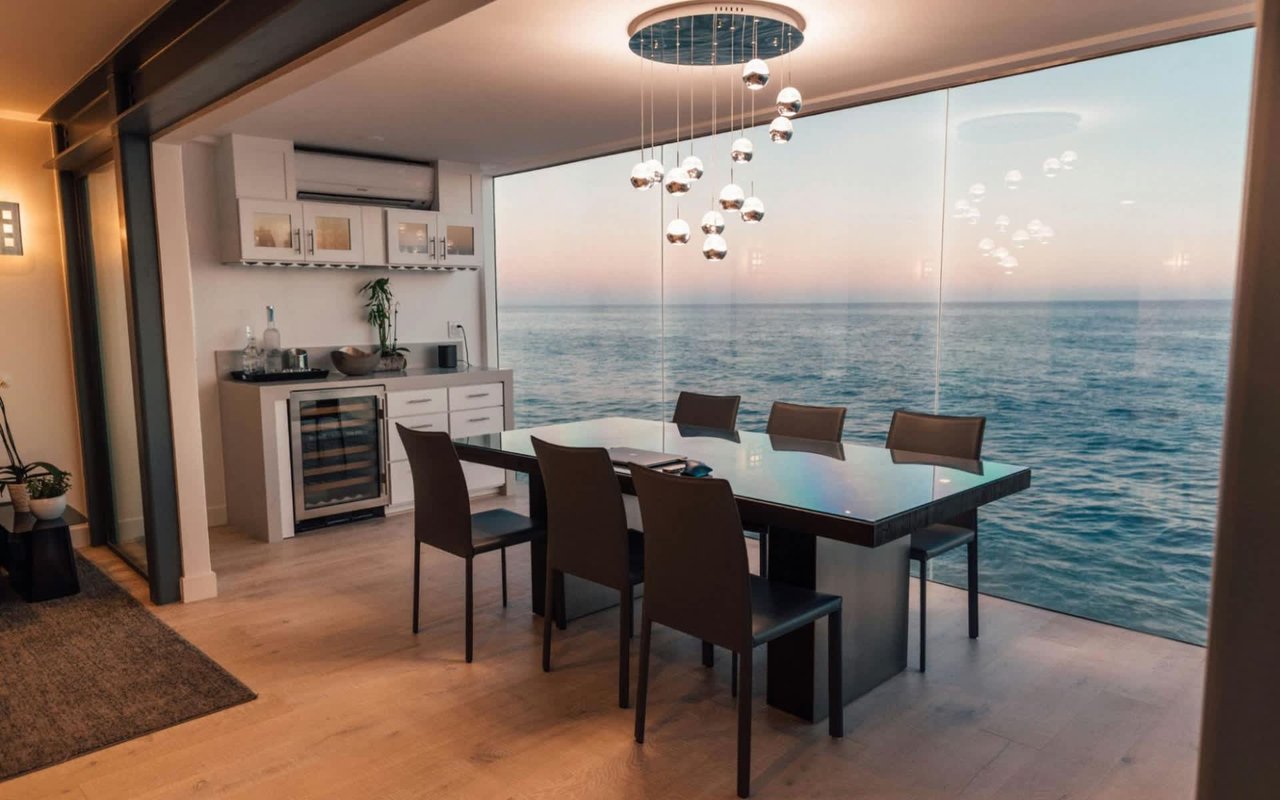
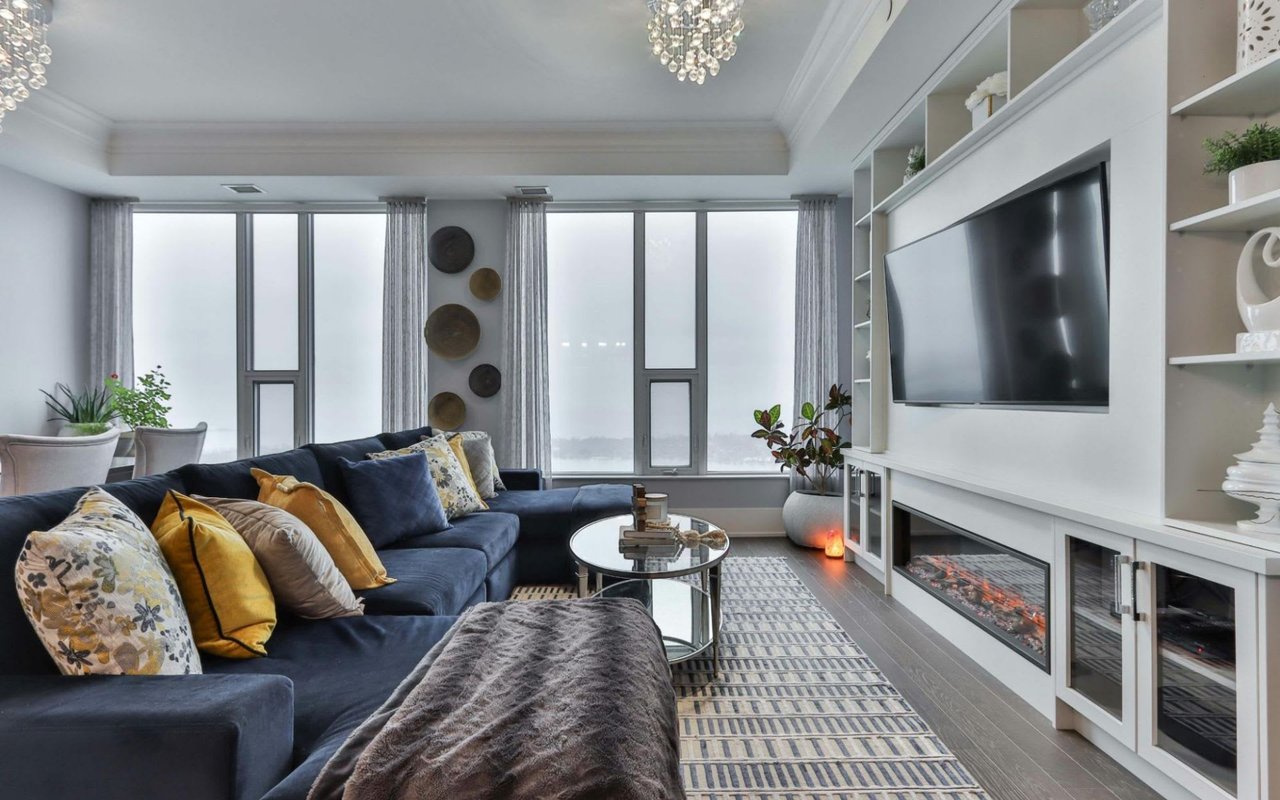
If you own in Malibu West and want a read on how this summer's rhythms are showing up in decisions your neighbors are making about their homes, Brian Merrick has spent more than three decades watching this block-by-block. Work With Brian when you're ready to talk.