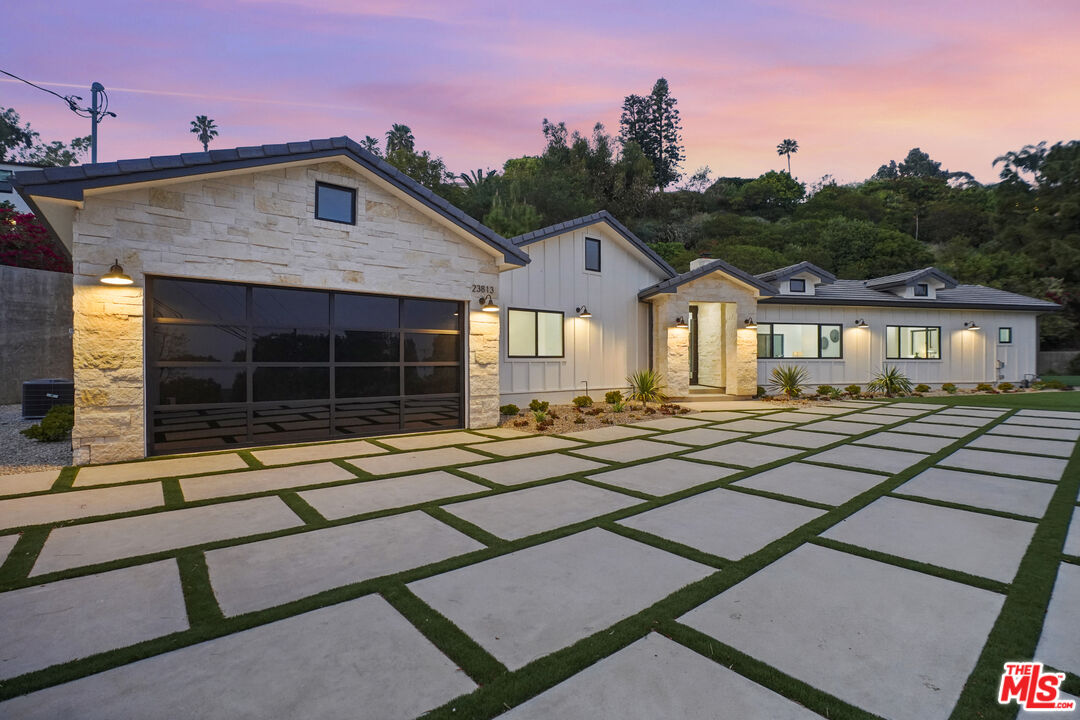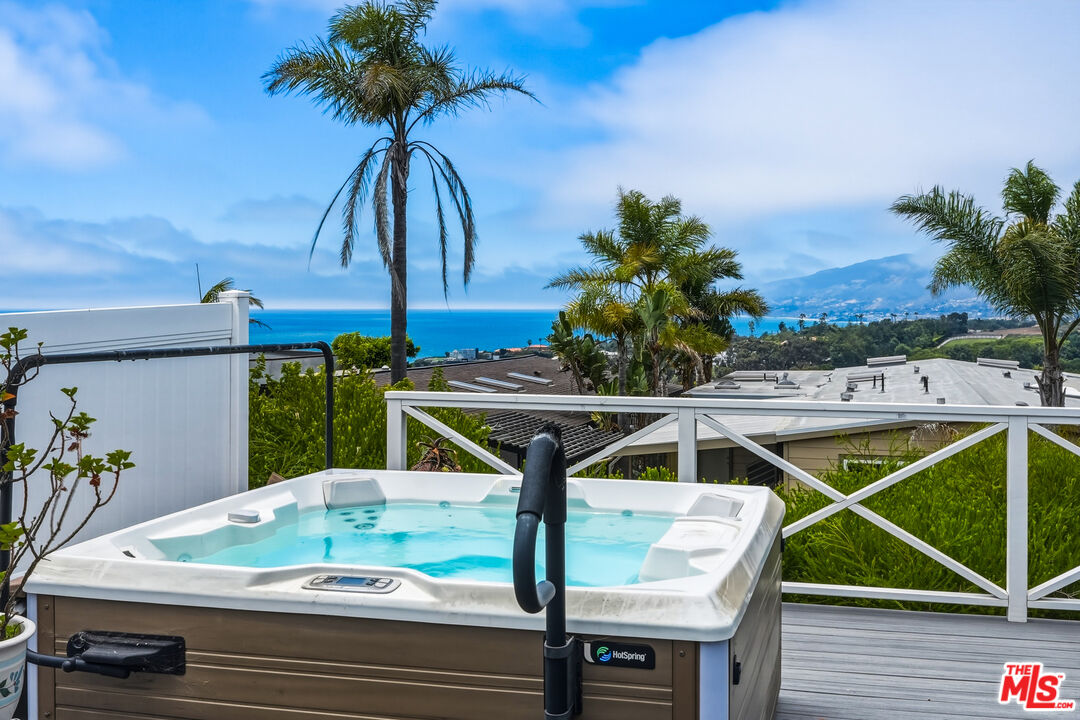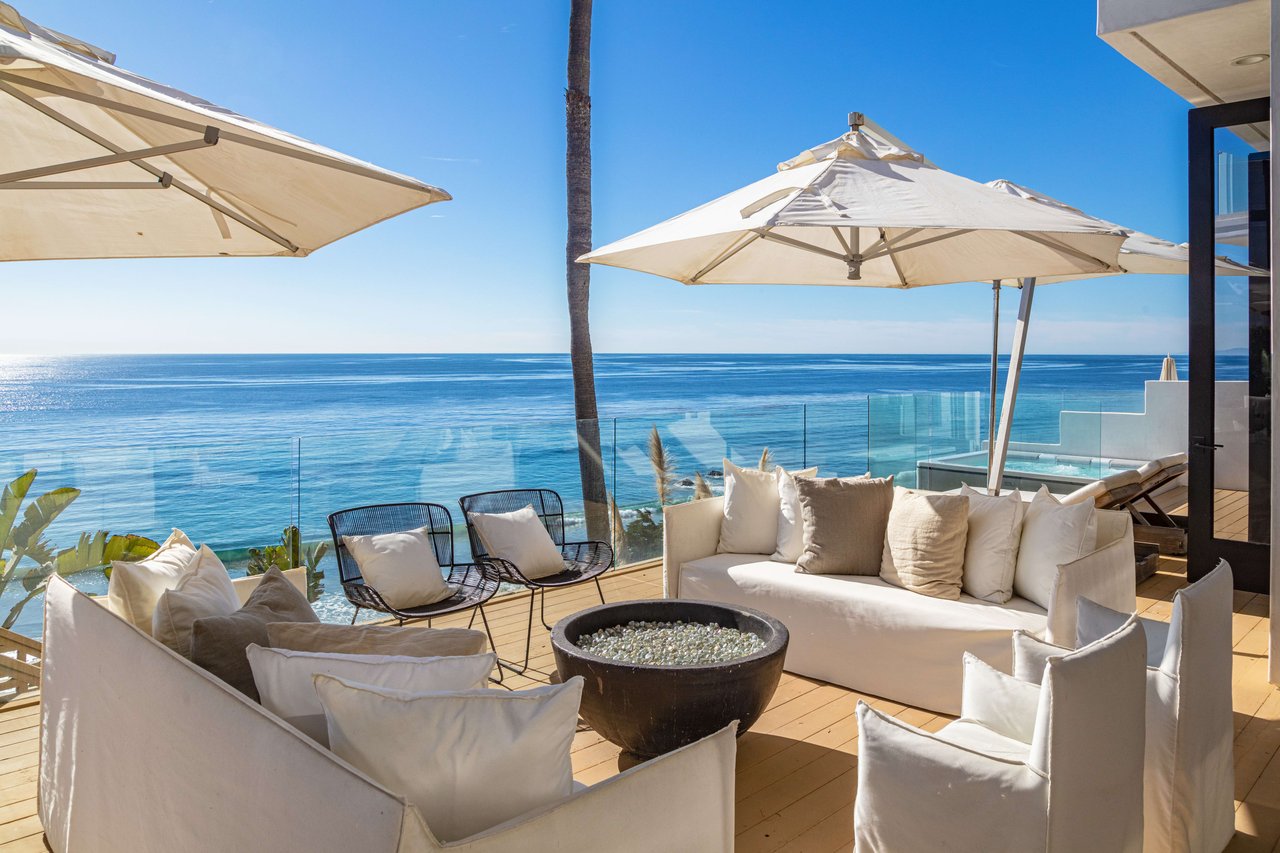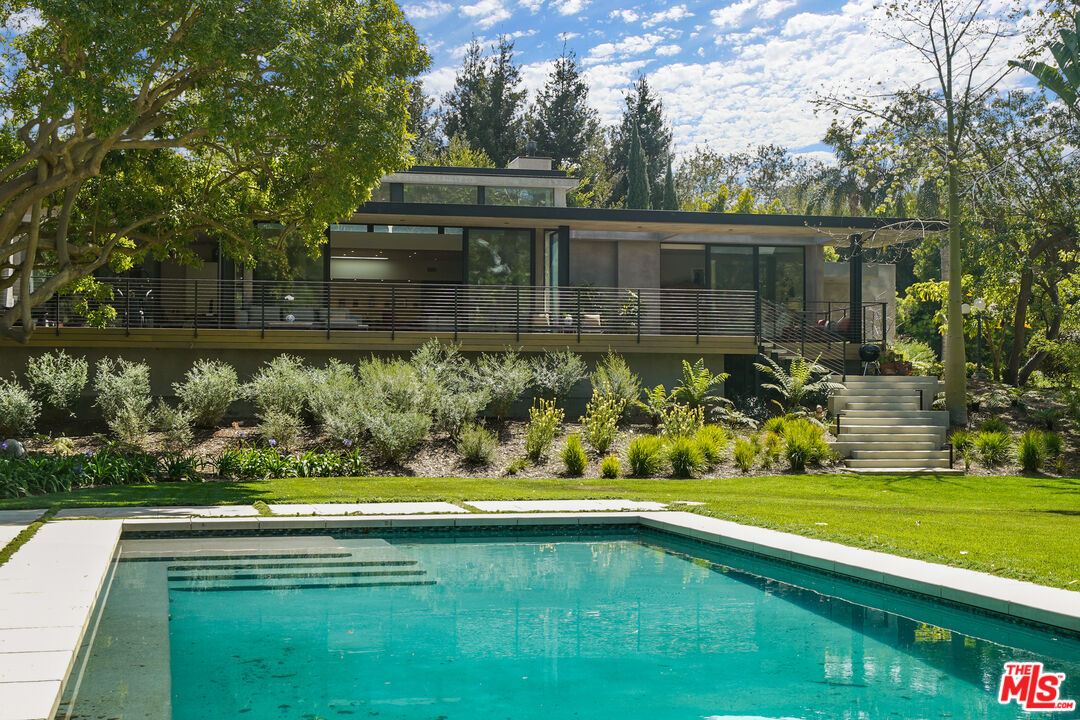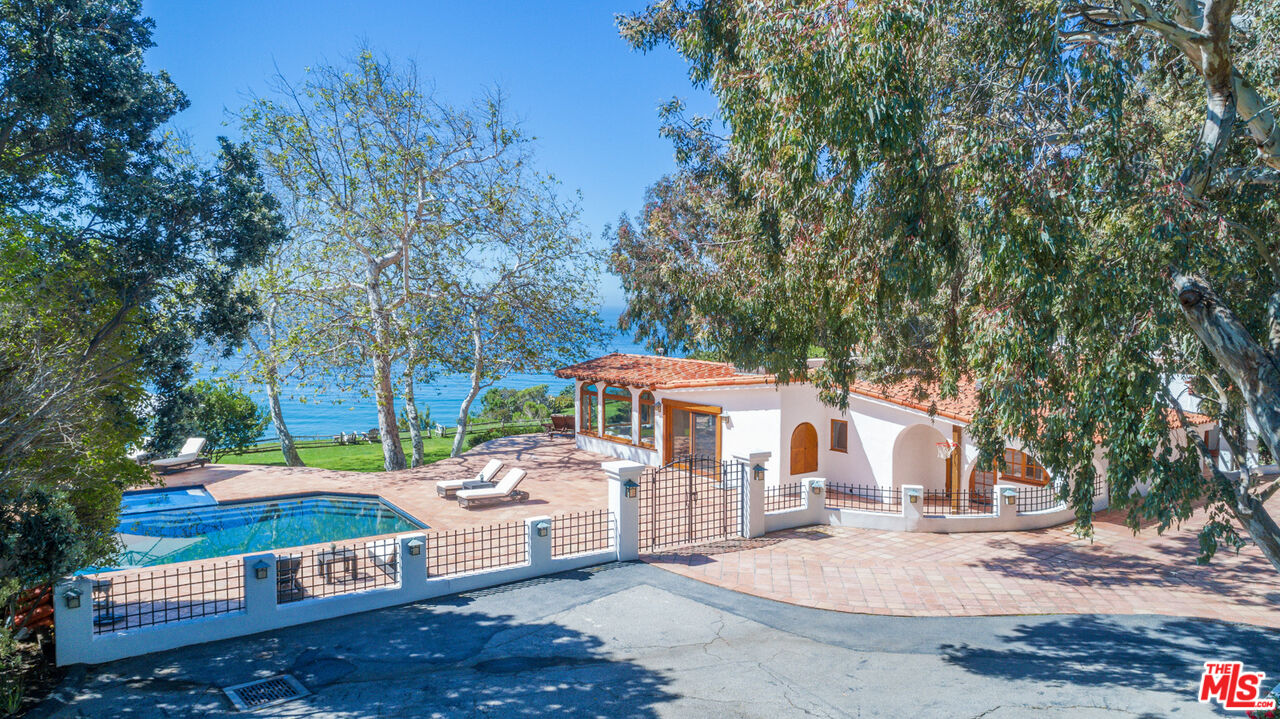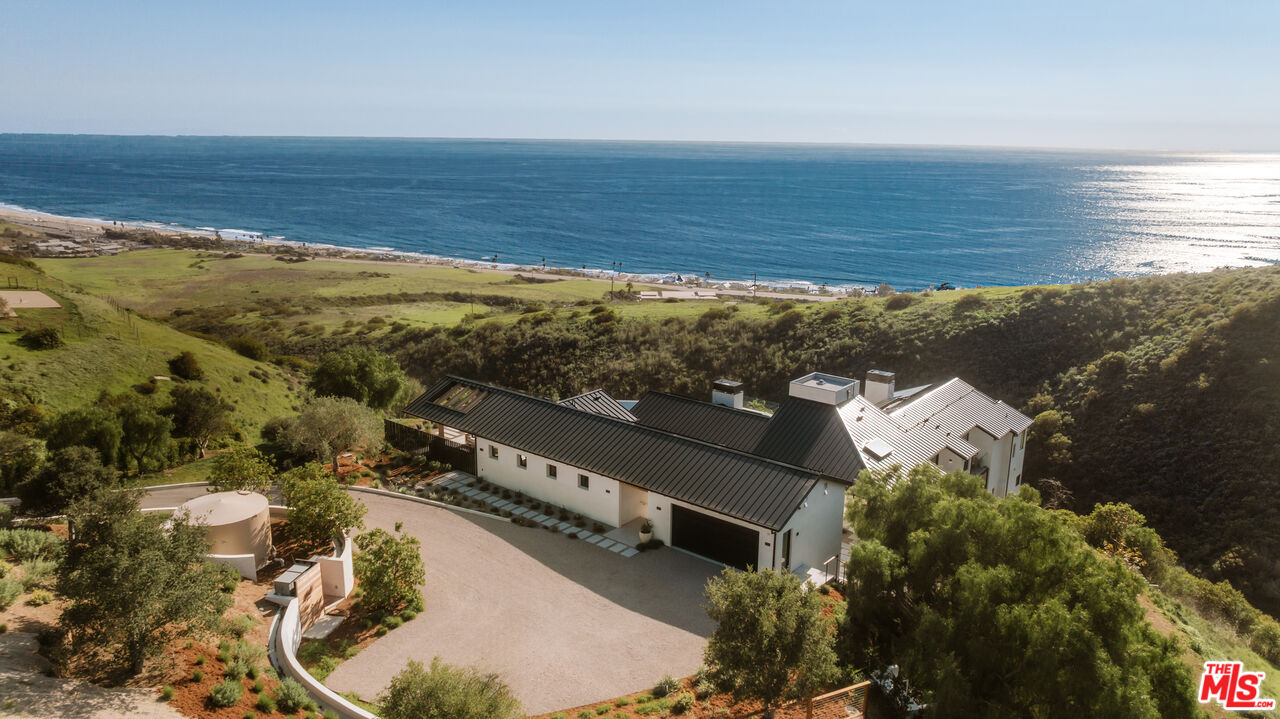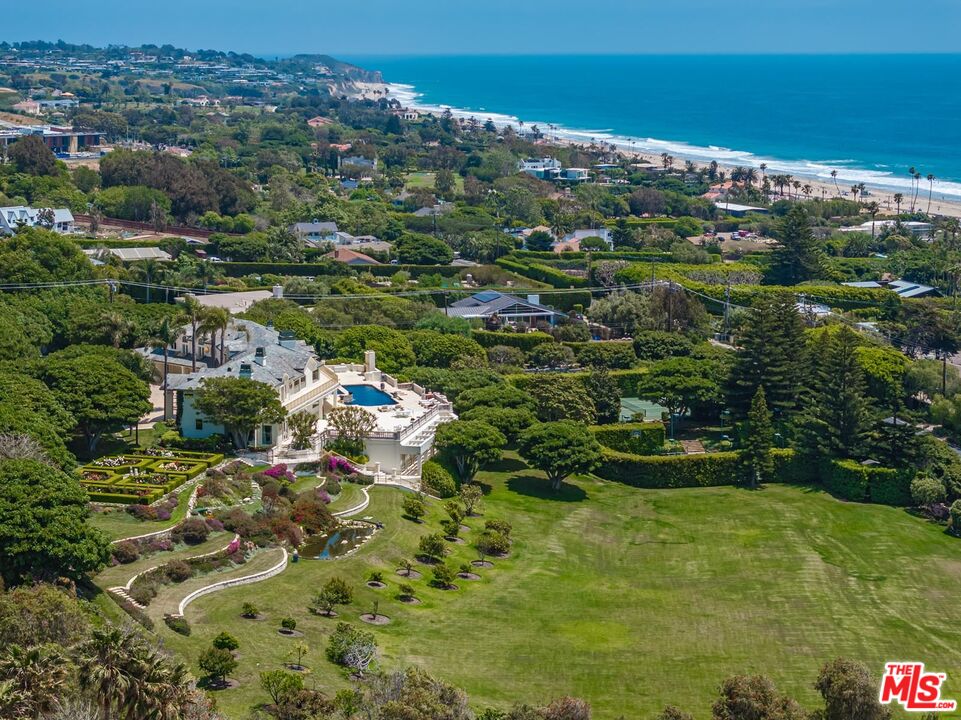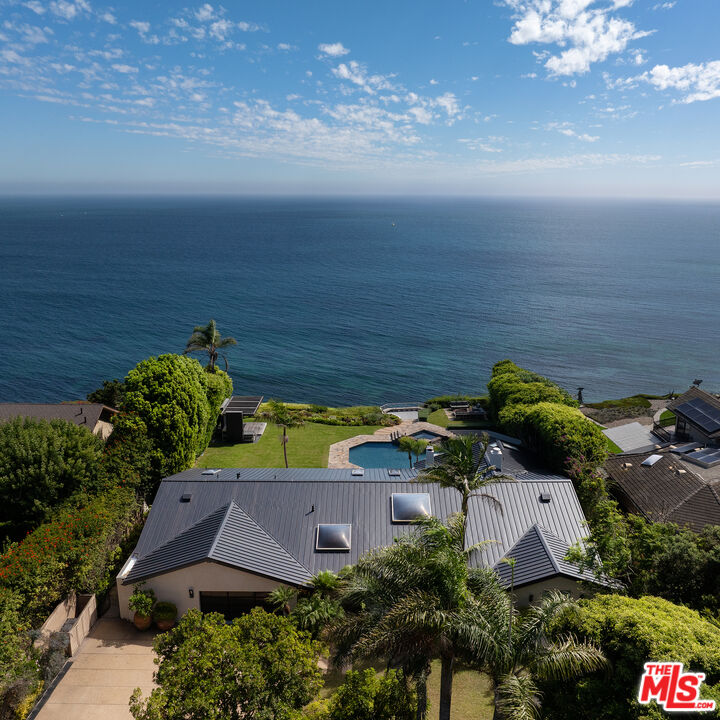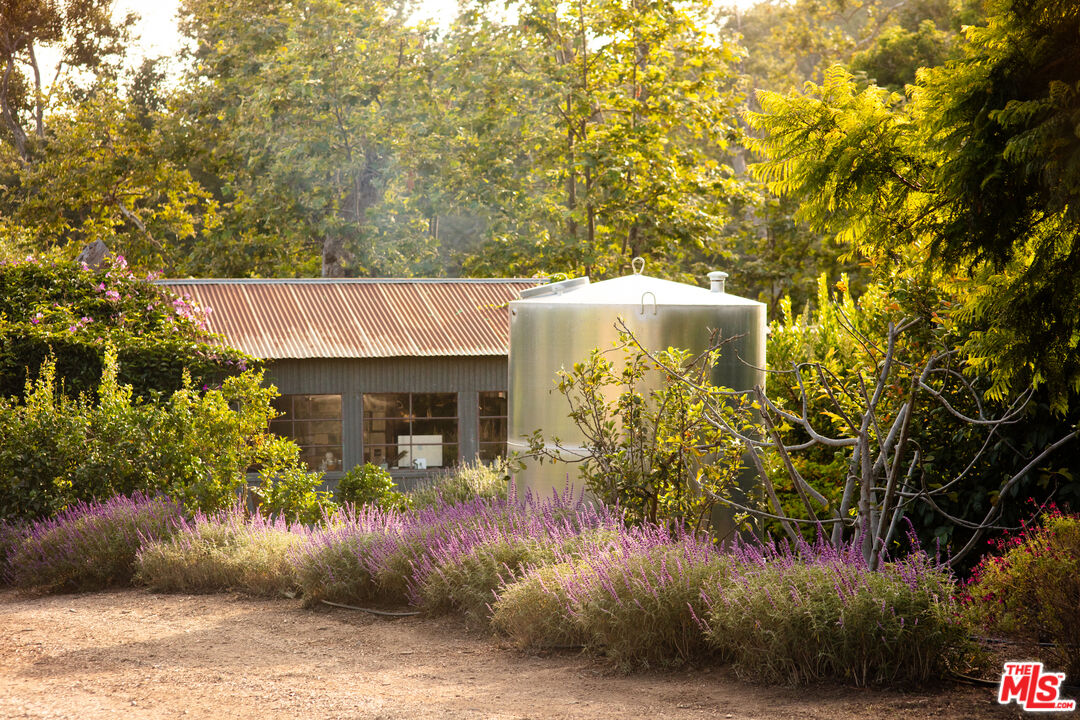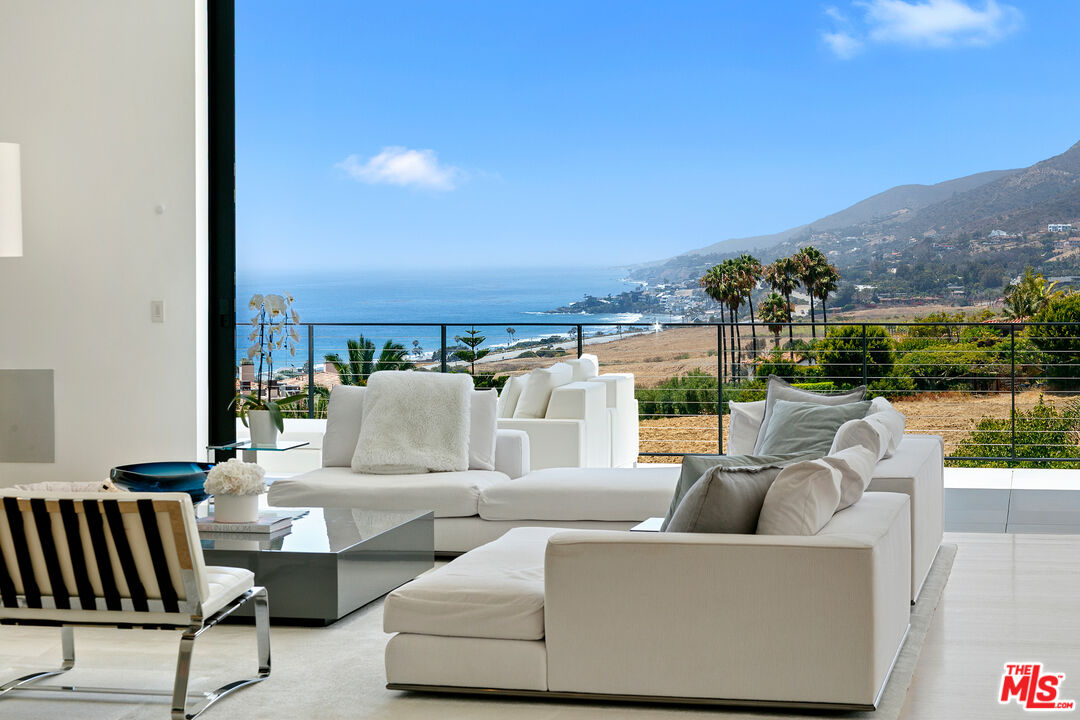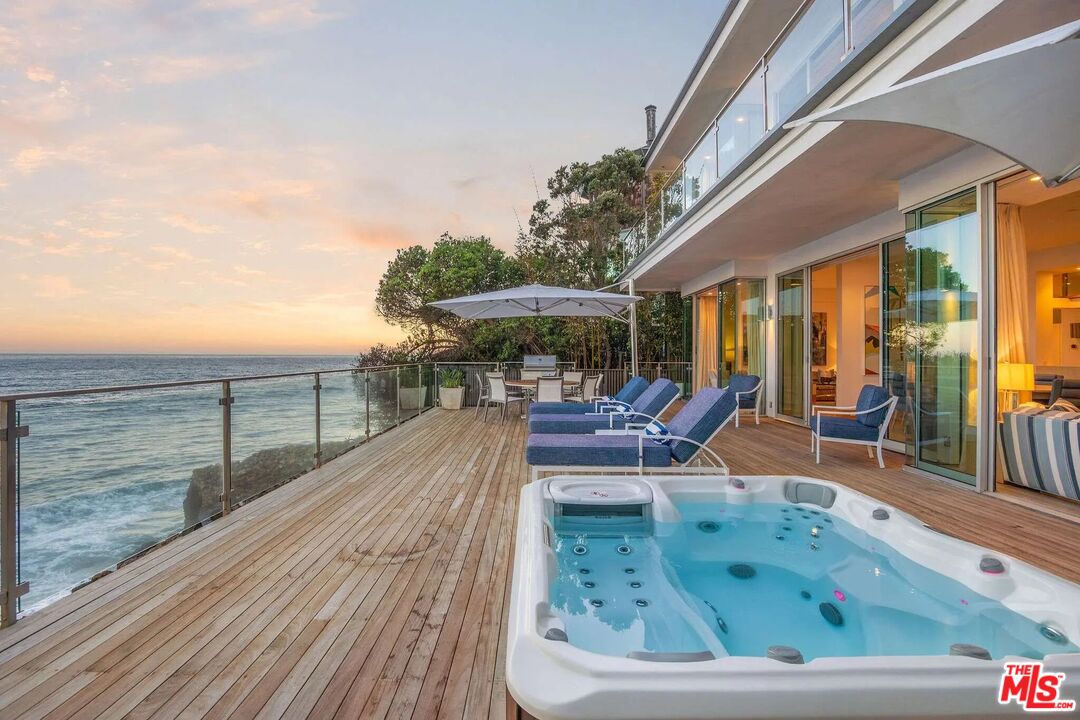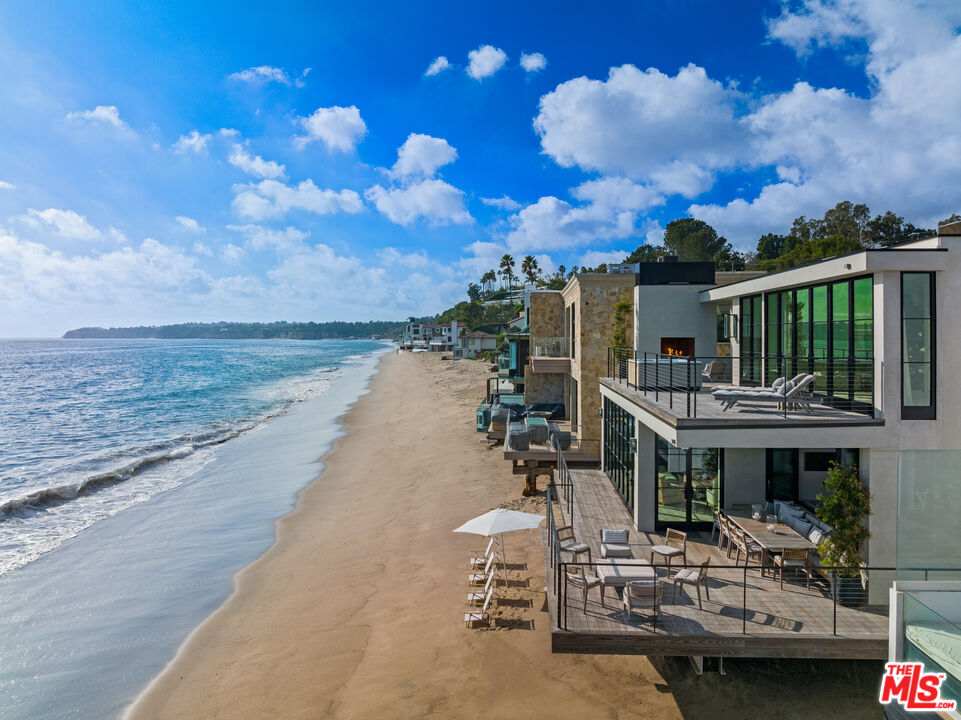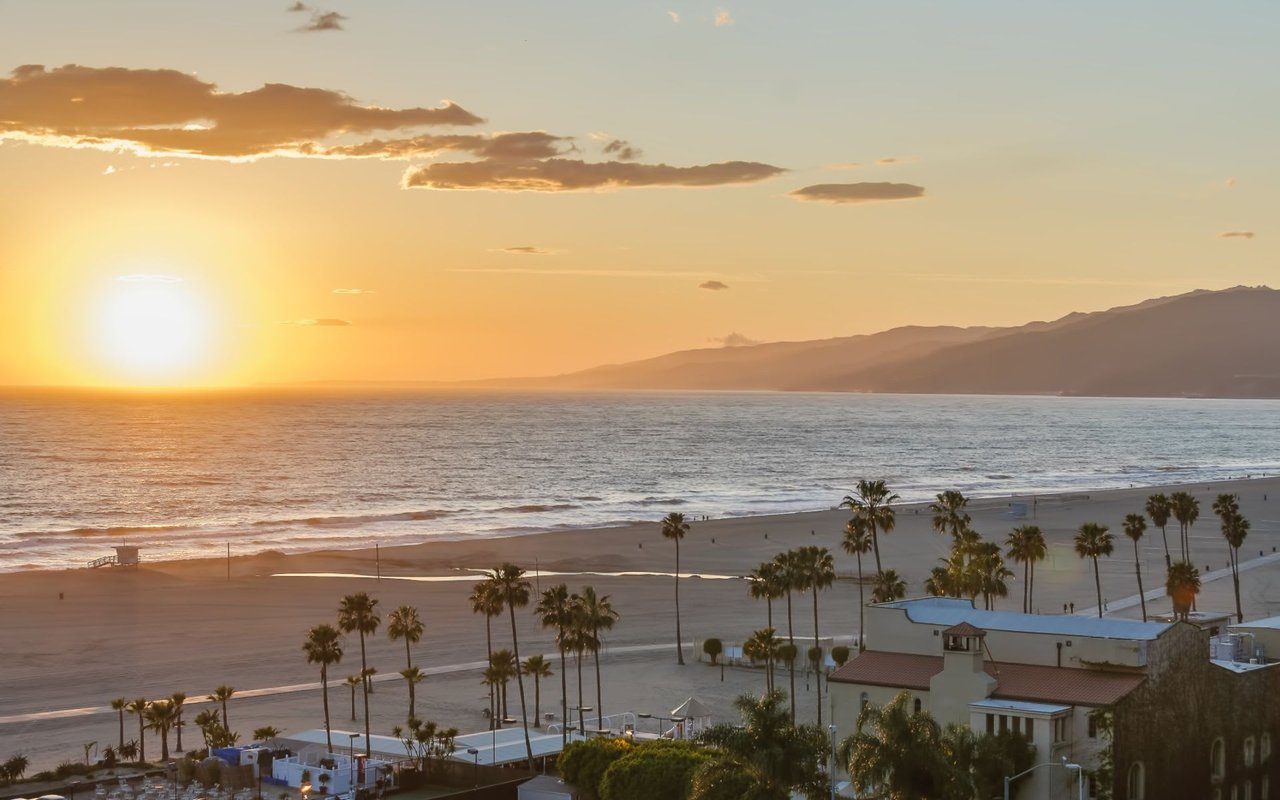

Breathtaking coastal community with an active, luxury lifestyle
Browse the most current Malibu homes for sale and active Malibu CA real estate listings, updated directly from the MLS. Whether you're searching for a beachfront estate, a hillside retreat, or a gated community residence, this is your starting point for Malibu California real estate — backed by more than 30 years of local expertise from Brian Merrick.
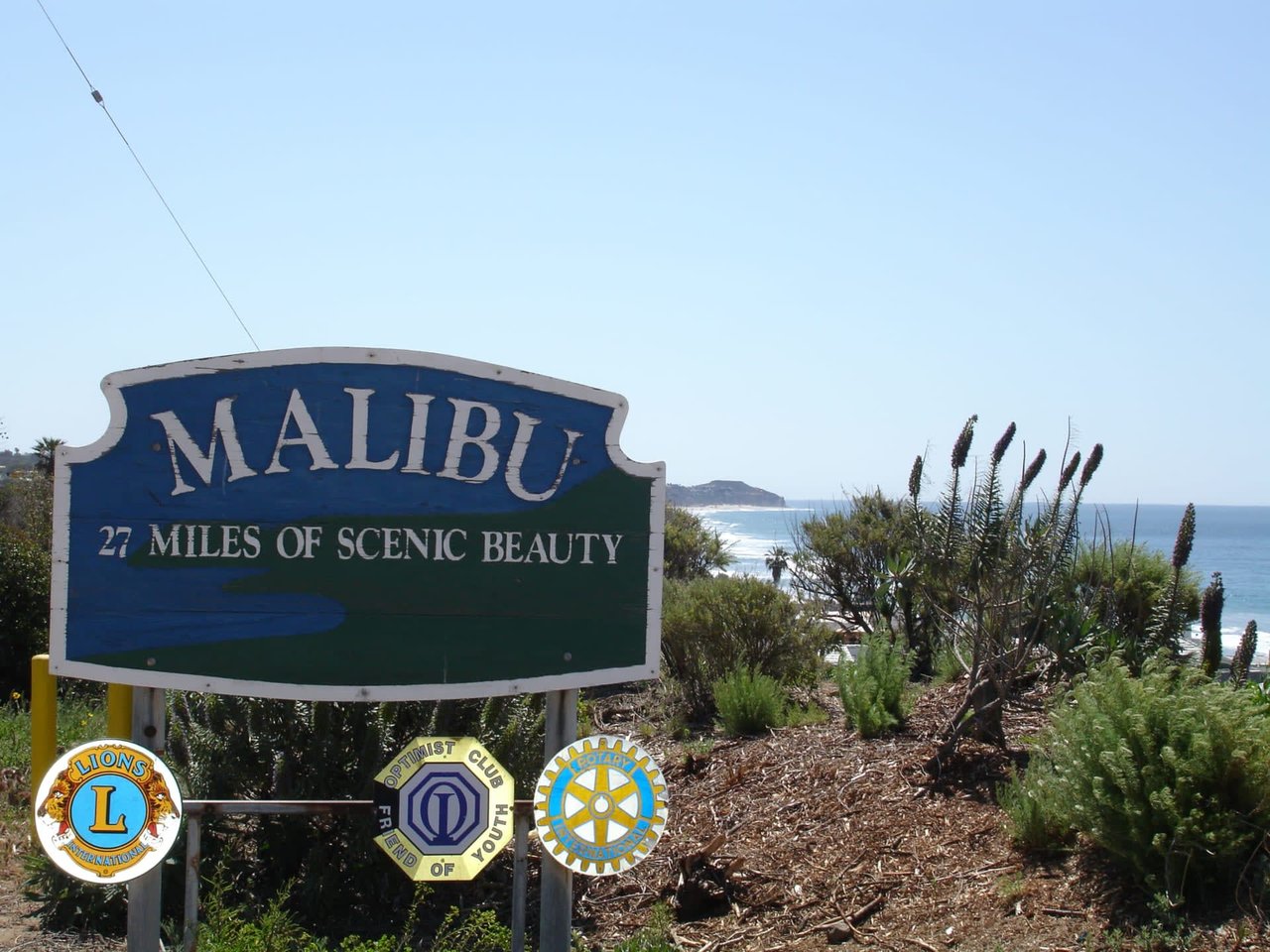
Malibu real estate spans 27 miles of Pacific coastline and includes some of the most coveted addresses in the world. Buyers exploring real estate in Malibu California will find oceanfront properties on Carbon Beach and Broad Beach, gated communities like Malibu Colony and Point Dume Club, equestrian estates in Malibu Park, and canyon retreats throughout the Santa Monica Mountains. Current Malibu home prices range from approximately $1.5M for canyon entry points to $50M+ for premier beachfront estates, with the average home price hovering near $3.14M as of 2026.
A significant portion of the best Malibu real estate for sale never reaches public listing portals — these properties trade off-market through established agent networks. Working with one of the top real estate agents in Malibu CA is often the only way to access the full inventory.
---
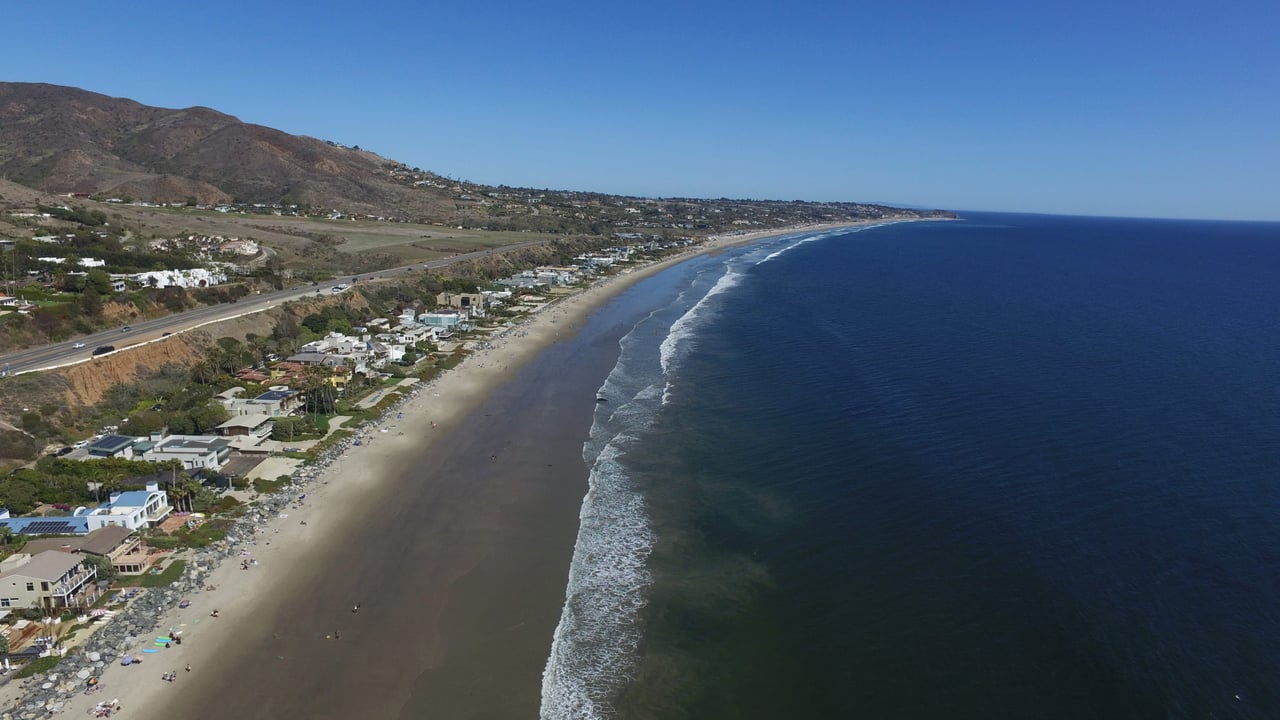
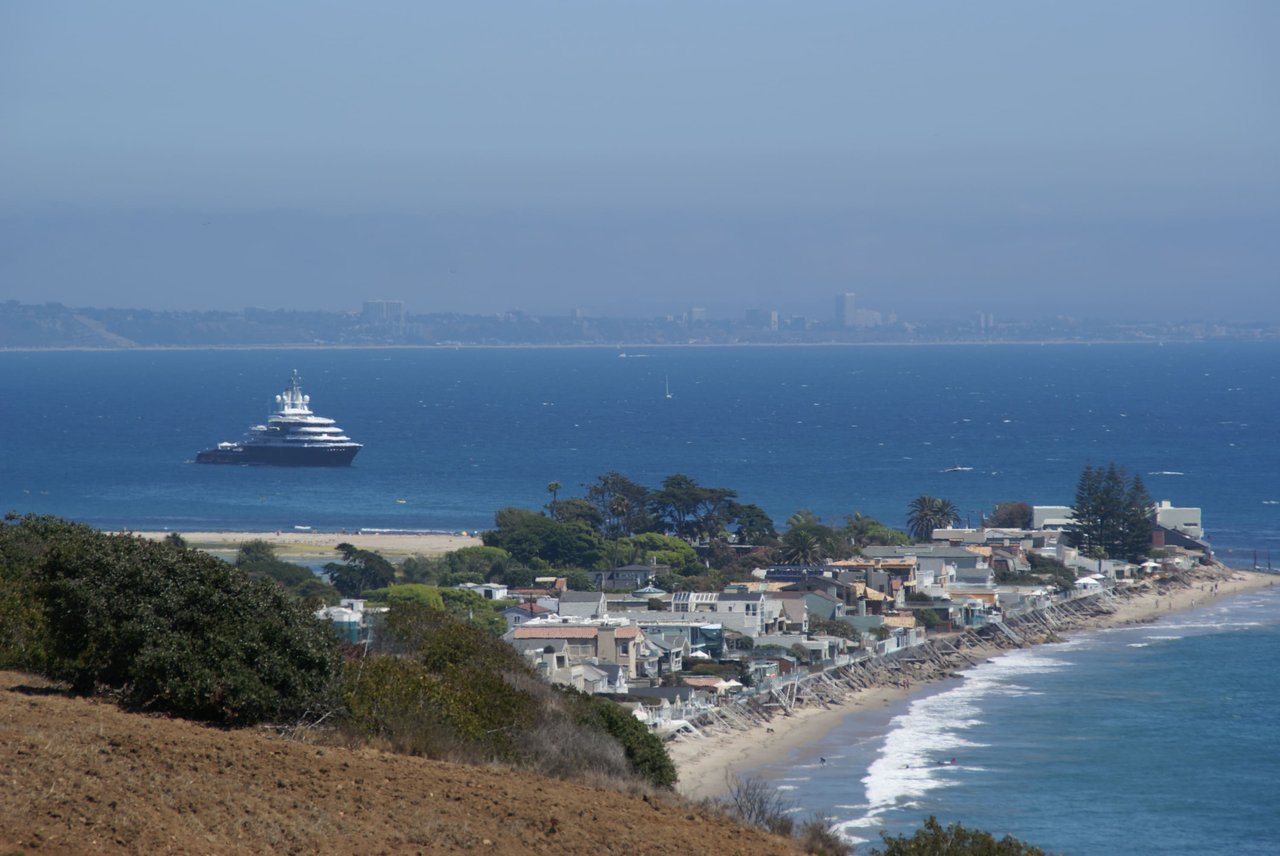
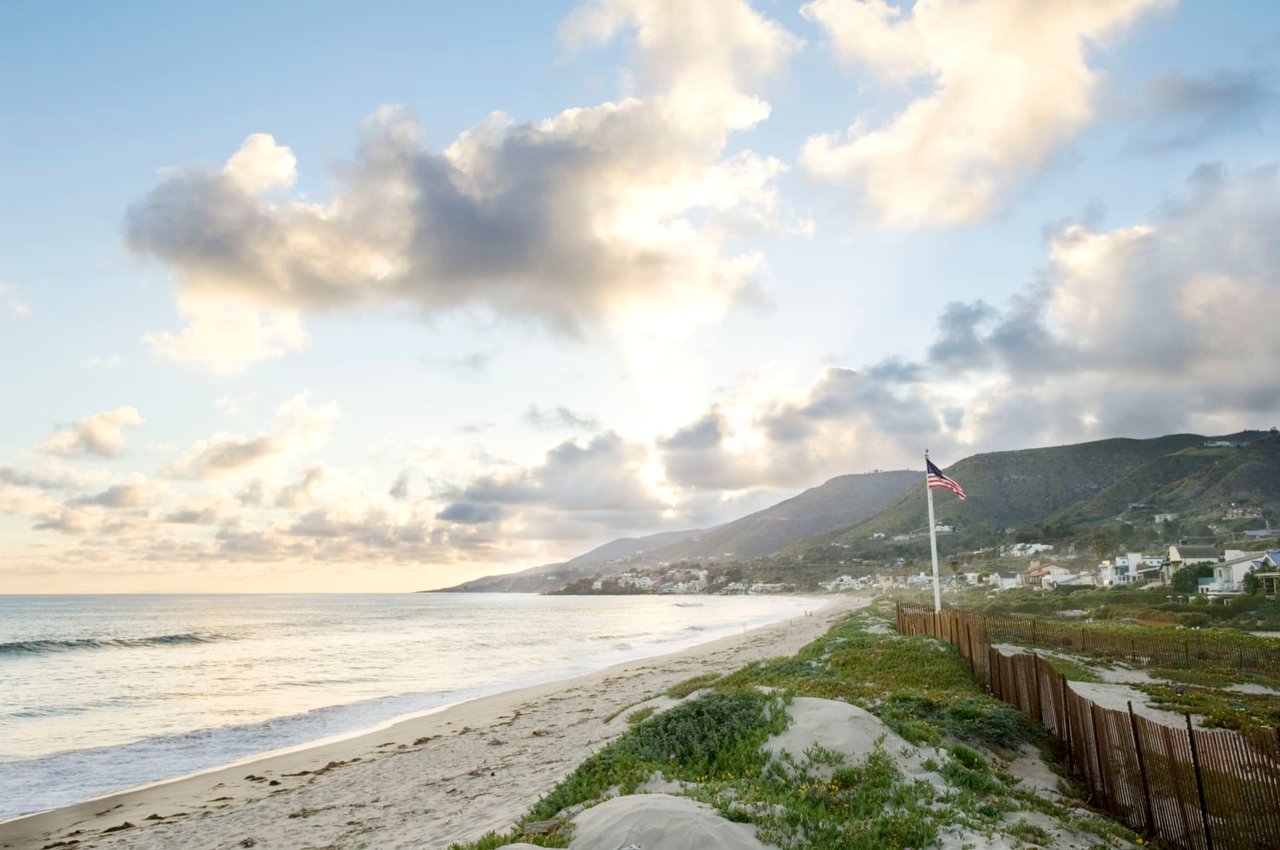
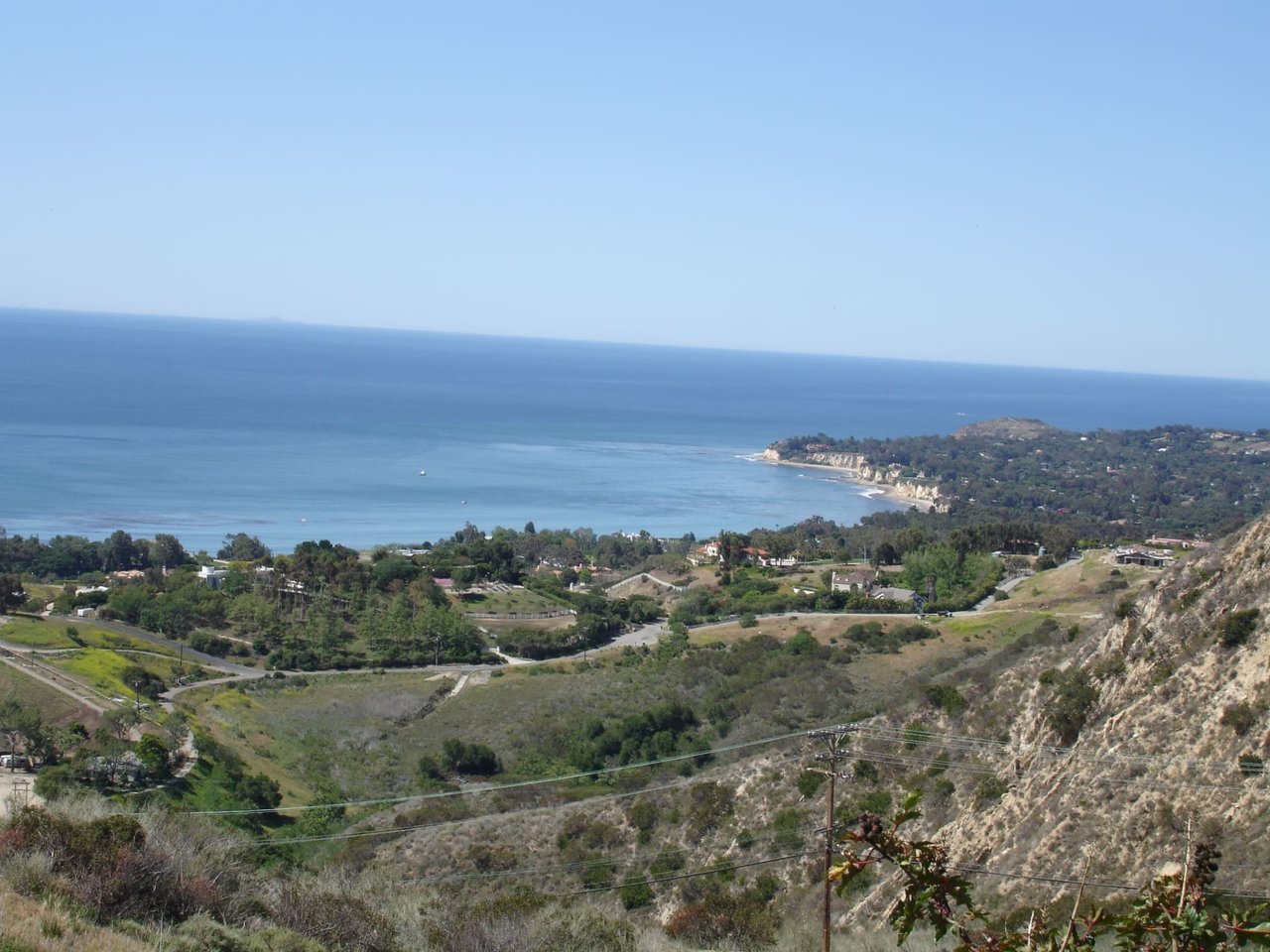
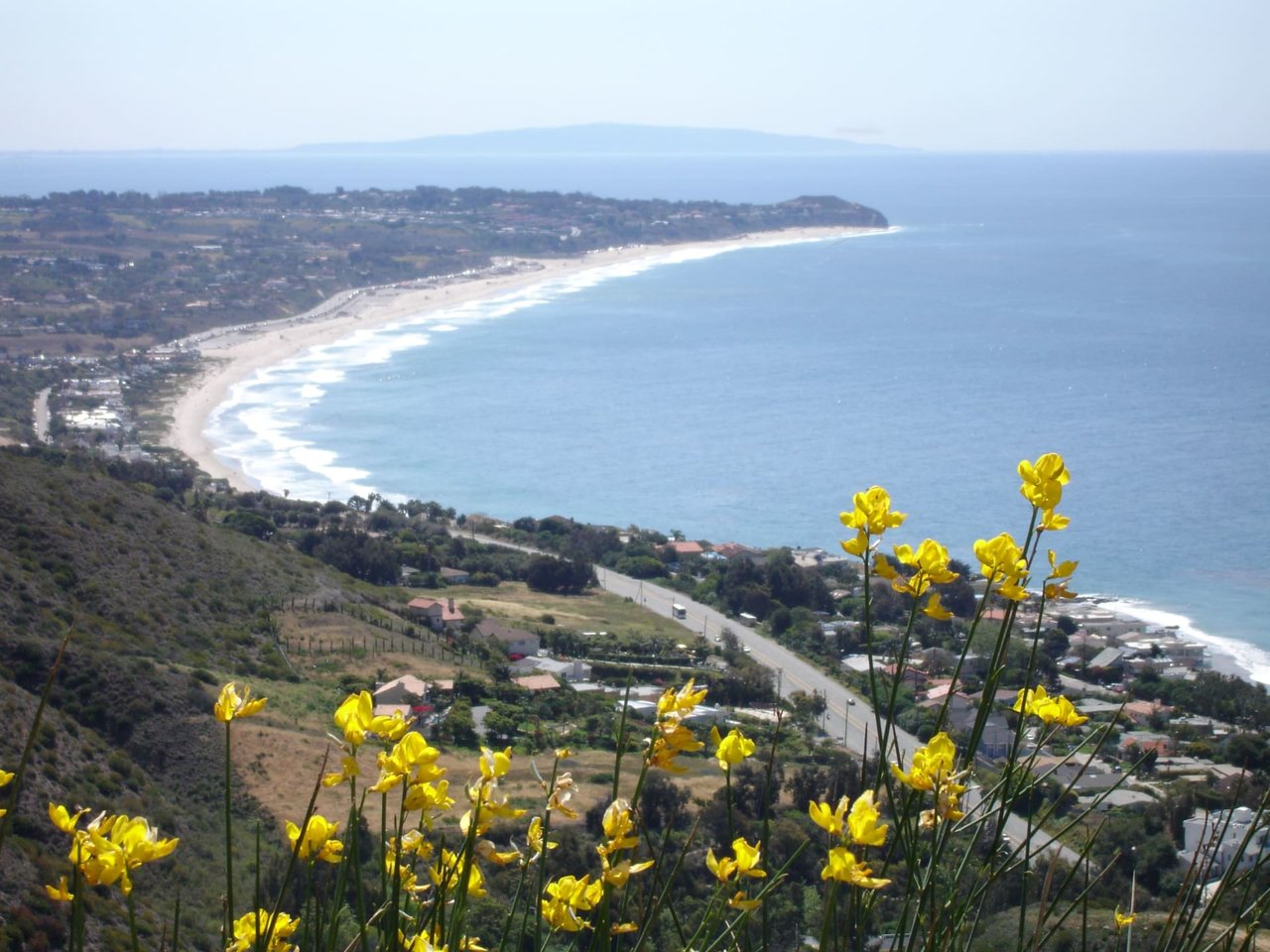
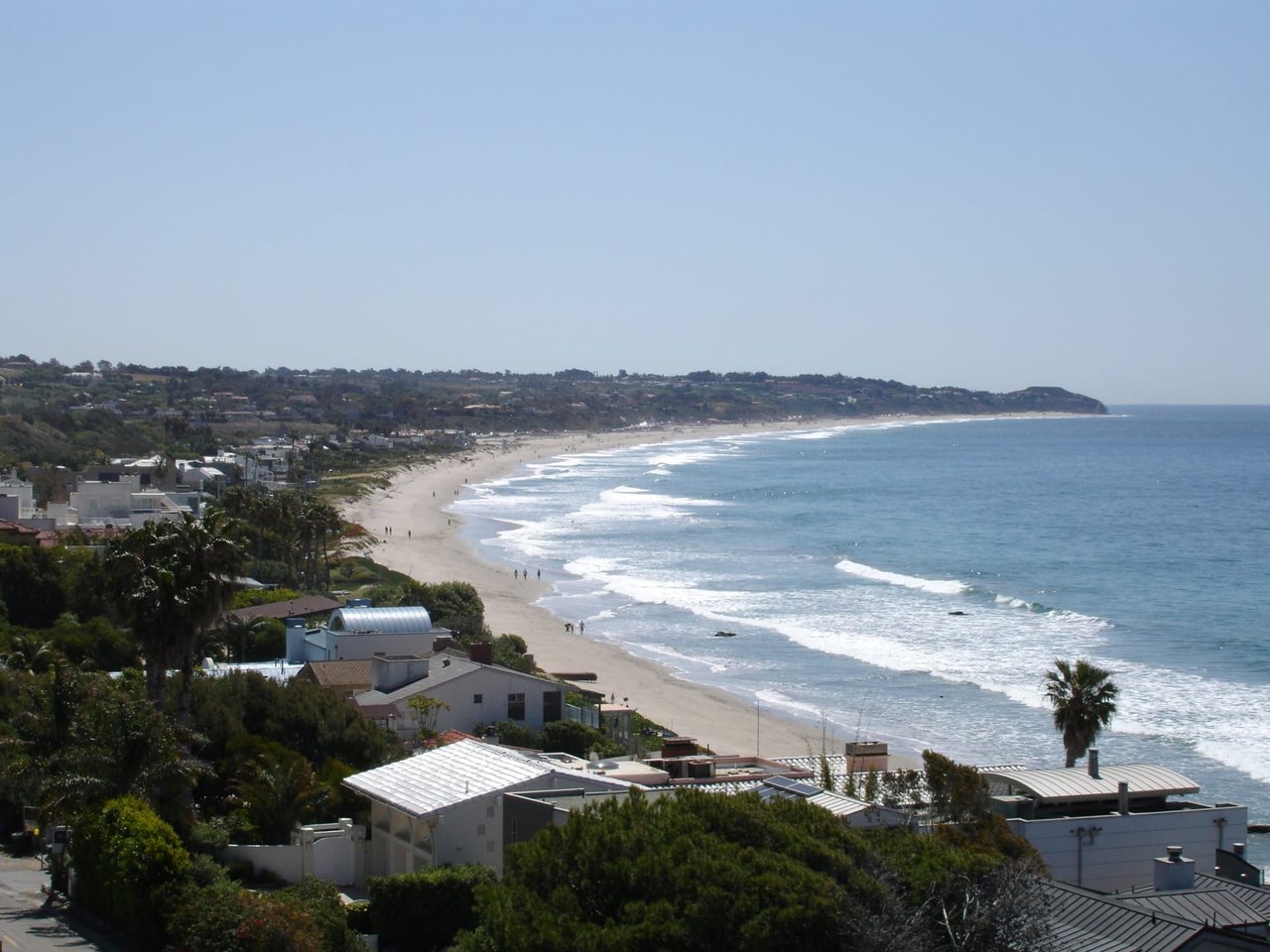
Situated along 27 miles of stunning Pacific coastline, Malibu is one of the most coveted addresses in California — and the world. Malibu real estate spans an extraordinary range of property types, from glass-walled beachfront estates on Carbon Beach and Broad Beach to equestrian ranches in Malibu Canyon, hillside retreats above Latigo Canyon, and gated communities like Malibu Colony and Point Dume Club. Whether you're searching for Malibu homes for sale as a primary residence, vacation retreat, or long-term investment, this is a market unlike any other.
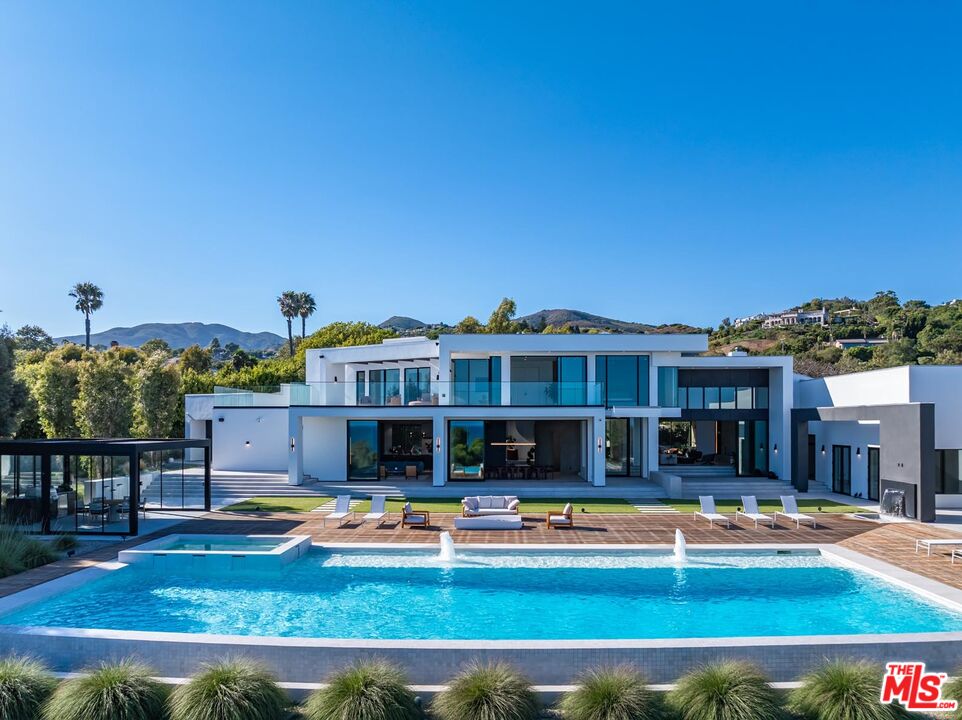
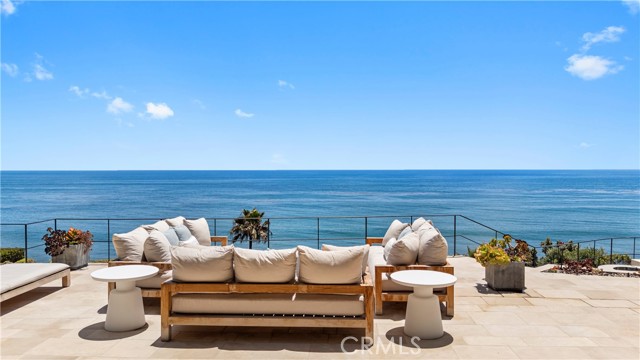
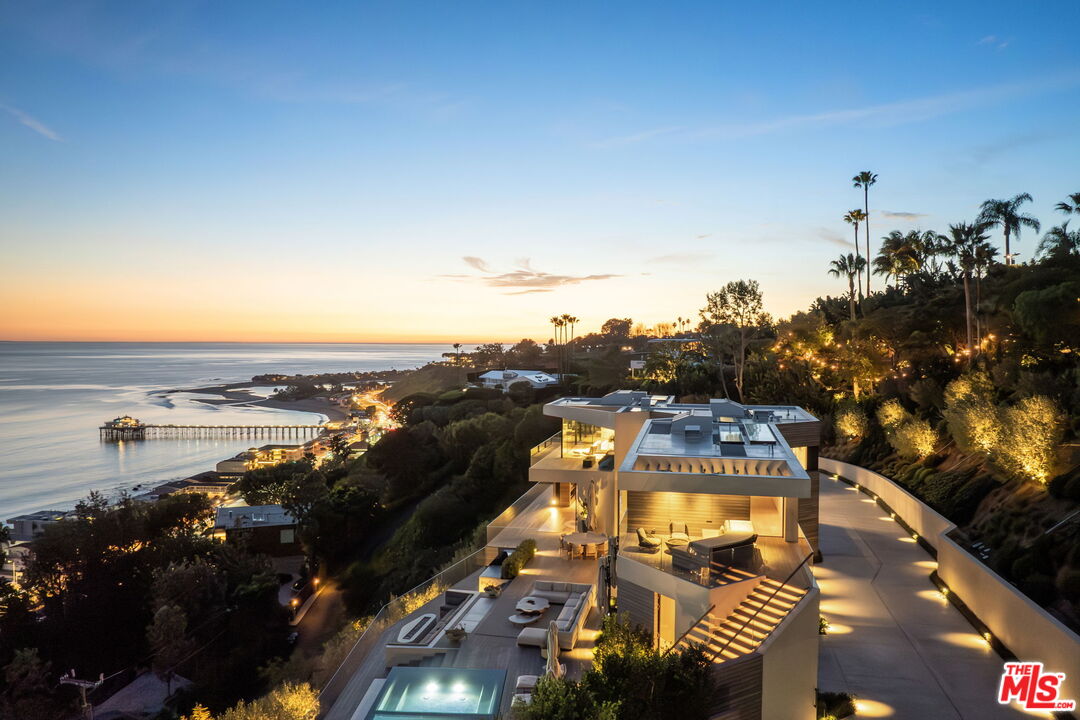
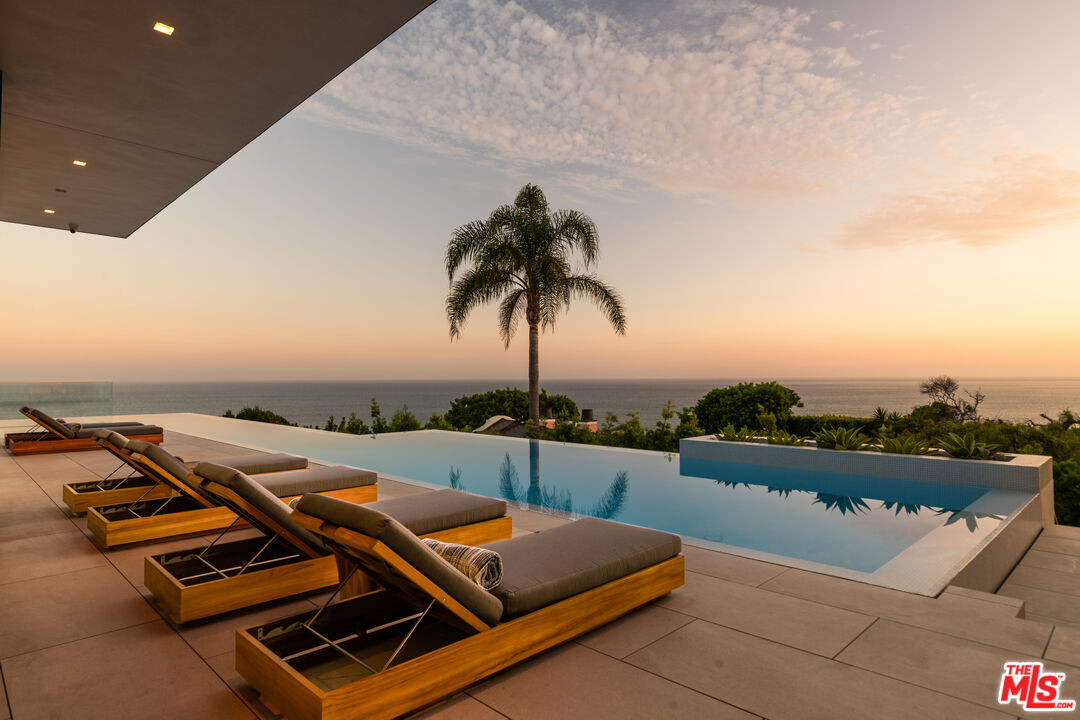
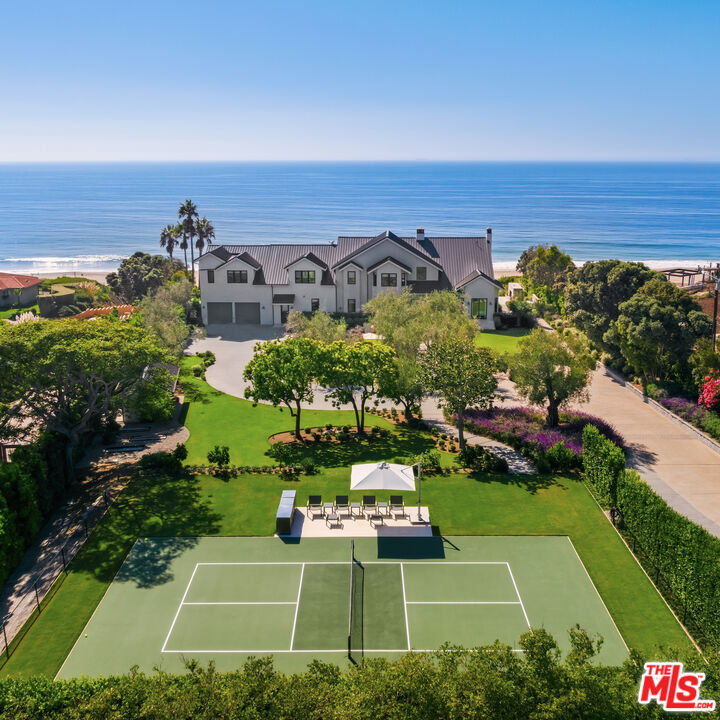
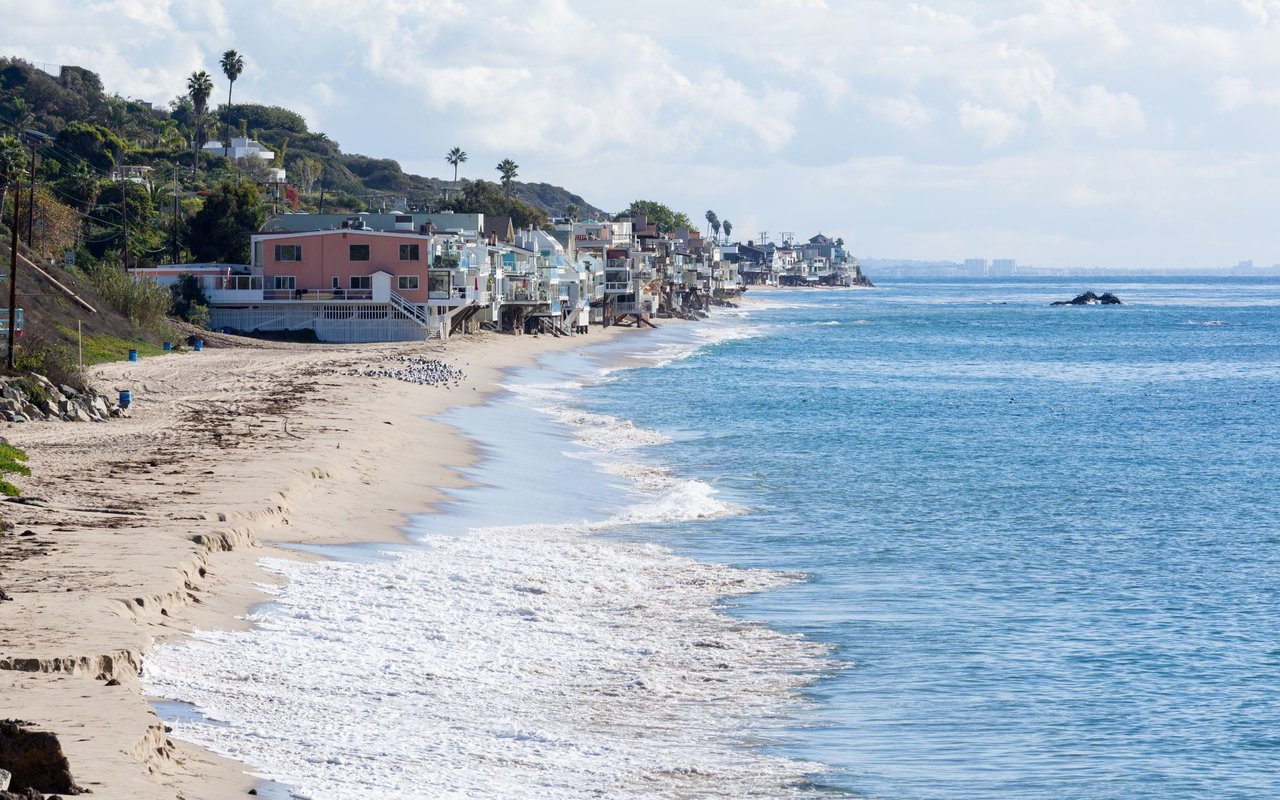
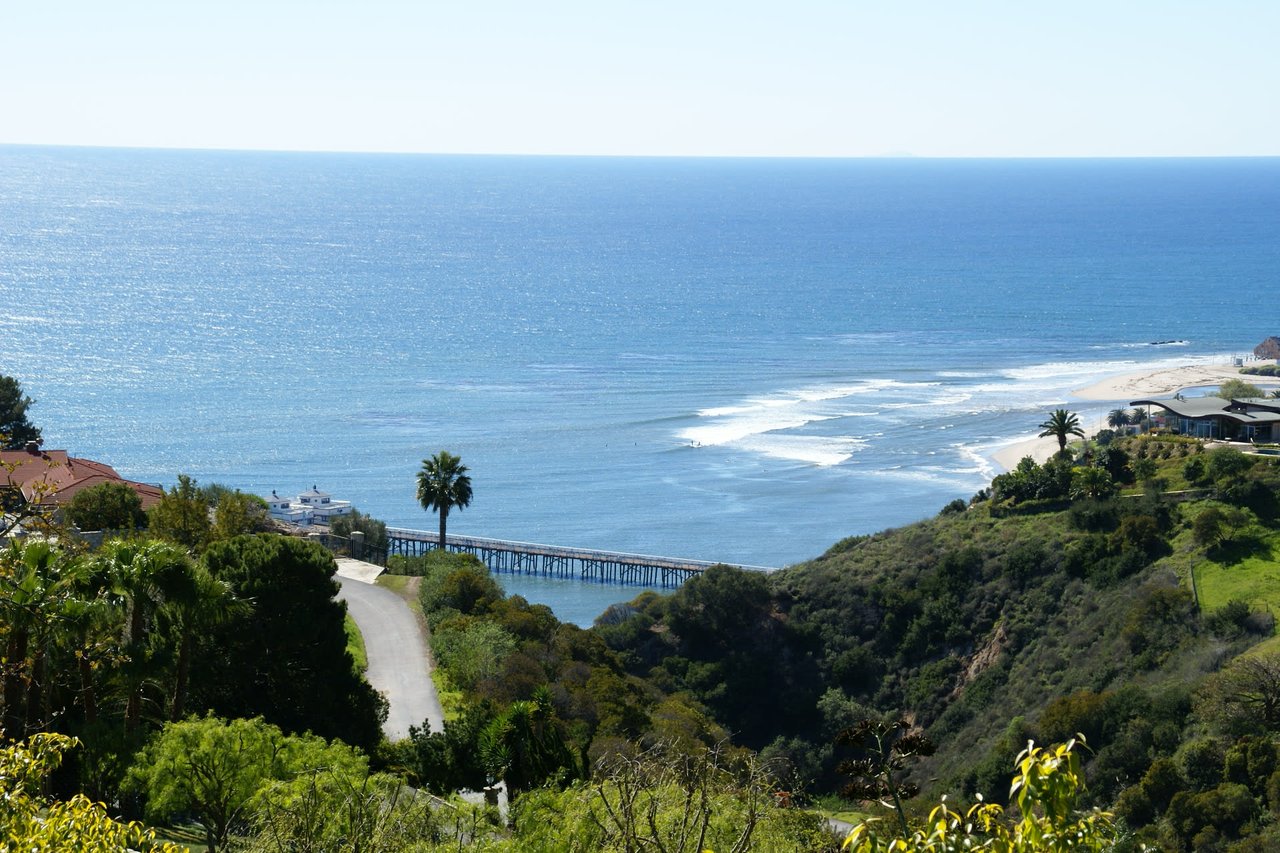
Cliffside properties and beachfront estates line both sides of the Pacific Coast Highway, offering panoramic ocean views, private beach access, infinity pools, gated security, and world-class architecture. Privacy is a defining feature of Malibu California real estate — expansive lots, mature landscaping, and generous setbacks ensure that residents can enjoy seclusion even within close proximity to Los Angeles. Many of these properties trade in the multimillion-dollar range, and the most coveted oceanfront addresses regularly command eight-figure prices.
For buyers exploring real estate in Malibu California, working with a knowledgeable local expert is essential. The market moves quickly, inventory is limited, and a significant portion of the best properties transact off-market — never reaching public listing portals. An experienced Malibu real estate agent with deep community ties can provide access and insight that no search algorithm can replicate.
Despite the resort-tier quality of life and extraordinary amenities available to every resident, the Malibu lifestyle is rooted in something surprisingly relaxed. The city's surf culture, unhurried pace, and genuine sense of community give it a small-town character that its prestige alone doesn't capture. Creatives, athletes, entrepreneurs, and families are all drawn here for the same fundamental reason: life here simply feels different.
Outdoor living is not an aspiration in Malibu — it's a daily reality. Hiking and biking trails wind through the Santa Monica Mountains, world-class surf breaks are minutes away, and the beach is a constant backdrop to everyday life. The combination of natural beauty, privacy, and proximity to Los Angeles makes Malibu real estate the most compelling proposition for high-net-worth buyers who refuse to choose between city access and coastal serenity.
Malibu is also a genuinely family-oriented community. Neighbors know each other. Local events draw real participation. And over the past 12 months, the market has recorded more than $13 billion in single-family home sales — a figure that reflects sustained, serious demand from both domestic and international buyers.
Malibu's Mediterranean climate is one of its most defining attributes and a significant driver of real estate demand. Warm, sun-drenched summers along the coast average in the mid-70s°F, moderated by the Pacific Ocean breeze that prevents the heat extremes common inland. Winters are mild, with average lows rarely falling below the mid-40s°F. Annual rainfall averages around 15 inches, concentrated primarily between December and March, leaving the remainder of the year reliably dry and clear.
Early morning marine layer is a common coastal feature, typically burning off by mid-morning to reveal vivid blue skies. For buyers accustomed to the heat of the San Fernando Valley or the density of central Los Angeles, the climate difference alone can feel transformative.
The ability to enjoy beaches, trails, and outdoor dining virtually year-round adds immeasurable value to Malibu CA real estate and supports the area's enduring appeal as a place to live — not just visit. It is worth noting that Malibu's dry, rugged terrain makes wildfire preparedness an important consideration. The Woolsey Fire of 2018 and subsequent events have shaped both community policy and construction standards, with fire-resilient building materials and defensible space requirements now central to new development and renovation throughout the area.
Malibu's history stretches back thousands of years. The area was originally inhabited by the Chumash Native Americans, who called it "Humaliwo" — meaning "the surf sounds loudly." The Chumash thrived on the region's abundant natural resources for centuries before Spanish colonization transformed the California coast.
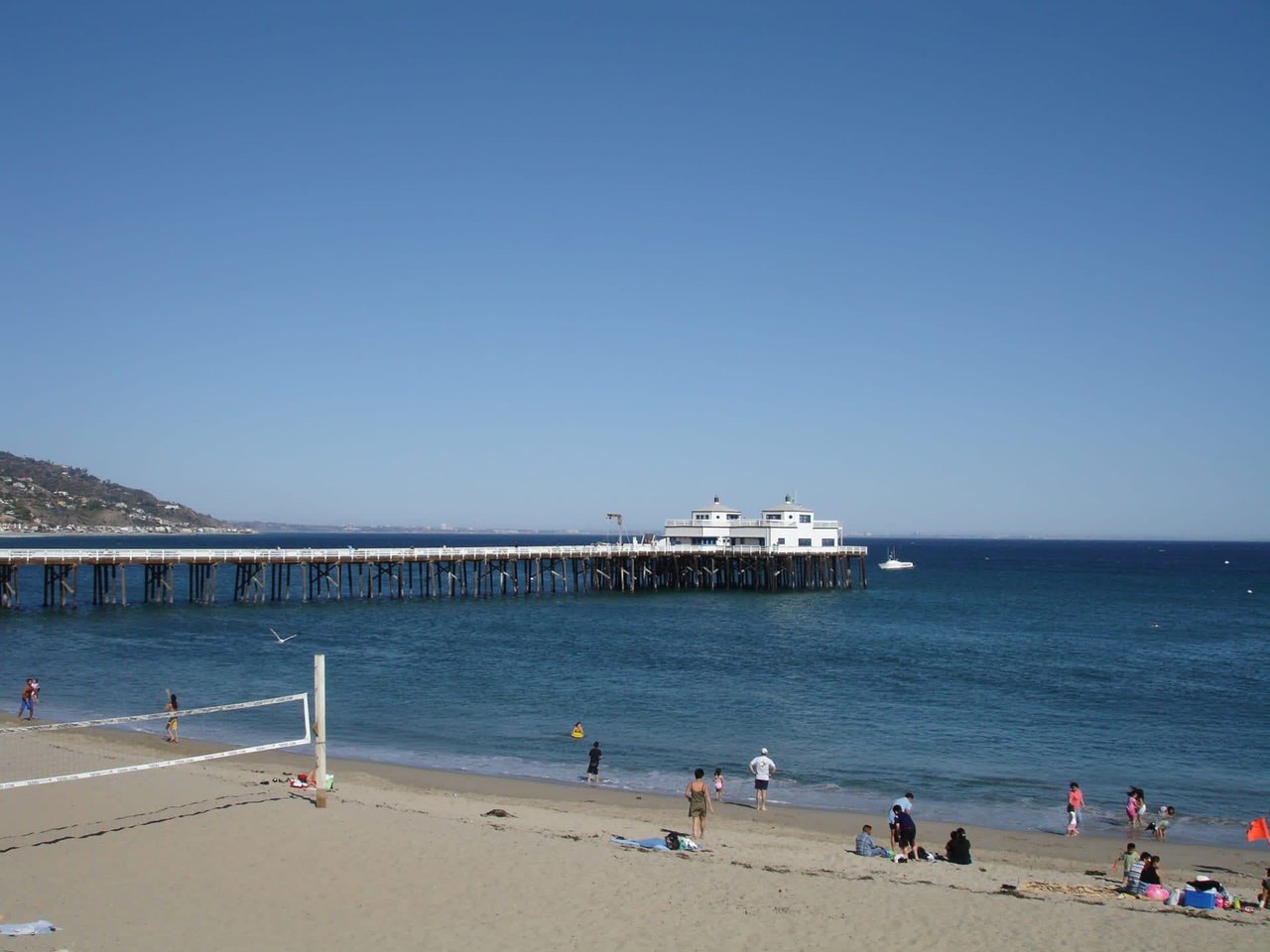
In the 1800s, Malibu became part of Rancho Topanga Malibu Sequit, a Spanish land grant given to Jose Bartolome Tapia. The land eventually passed to Frederick Hastings Rindge in 1892. His wife, May K. Rindge — often called the "Queen of Malibu" — fiercely protected the property and was instrumental in the construction of both the Malibu Pier and the Rindge Dam, keeping the coastline largely private for decades.
The construction of the Pacific Coast Highway in the late 1920s opened Malibu to development and set the stage for its transformation into the storied residential community it is today. By mid-century, Hollywood celebrities had discovered the area, drawn by its scenery and seclusion. The tradition continues today — Carbon Beach, Point Dume, and Malibu Colony remain among the most sought-after addresses for high-profile buyers seeking privacy without sacrificing proximity to Los Angeles.
Architecturally, Malibu is distinguished by contributions from some of the most celebrated designers of the 20th century. Richard Meier and John Lautner both left a lasting mark here, and the 1929 Adamson House — a Spanish Colonial Revival landmark with its iconic tilework — remains one of the most photographed historic buildings in Southern California. The Malibu Lagoon Museum and Adamson House are key sites for those interested in the area's rich past.
For a deeper dive, visit our Malibu History Page.
Central Malibu's Cross Creek and Malibu Village offer a curated mix of boutique retail, dining, and galleries. The Tracy Park Art Gallery hosts Saturday evening open houses with local artists, while Cafe Habana draws a loyal crowd for its Wednesday night karaoke. In western Malibu, the Trancas Country Market provides a relaxed shopping and dining experience and hosts summer concerts. Trancas Canyon Park includes a popular dog park, playground, and picnic shelters.
Wine lovers will appreciate the Malibu wine country experience. Cielo Farms is a sprawling Tuscan-inspired estate ideal for private tastings and events. Saddlerock Ranch offers wine safaris alongside traditional tastings, and Rosenthal Vineyard is a laid-back wine bar with sea views and live music.
For local institutions, Malibu Seafood remains the no-frills go-to for fish and chips. The Malibu Racquet Club provides state-of-the-art facilities for beginners and competitive players alike, and the members-only Sparrow Cafe inside the club is a community gathering spot.
Cultural and civic life rounds out the calendar. The Malibu Chili Cook-Off, Pepperdine Event Center programming, and the Pepperdine Art Gallery keep residents engaged year-round. The historic Adamson House and Serra Retreat add depth to the community's cultural identity. And for history enthusiasts, the story of the Rindge Malibu Railroad is worth exploring — there is far more to Malibu's past than most newcomers expect.
Malibu's culinary scene is as varied as its real estate — and just as impressive. From casual beachside spots to destination dining, the city offers something for every occasion and palate.
For elevated dining, Mastro's Ocean Club is the classic choice for steak and seafood, while Lucky's offers an extensive fine wine list. Geoffrey's and Saddle Peak Lodge are perennial favorites for romantic dinners and special occasions. Nobu Malibu remains the most celebrated sushi destination on the coast; Bui Sushi is the local alternative with a devoted following.
Along the pier, Malibu Farm houses both a full-service dine-in restaurant and a relaxed bar. Moonshadows offers waterfront dining with an award-winning tiki-themed patio. Malibu Beach Inn Restaurant and the chic Malibu Cafe at Calamigos Ranch — known for its "nouveau barbecue" — are equally memorable. Sunset Restaurant and Kristy's both sit on Zuma Beach, and Paradise Cove Beach Café is the ideal end to a long day in the sun.
International options are plentiful: Cholada for authentic Thai, Cafe Habana for Cuban and Mexican flair, Taverna Tony for Greek cuisine, and Nicholas Eatery for relaxed French fare. For Italian, Tramonte Bistro, Tra di Noi, and Gravina all deliver the goods. The beachside Duke's pays tribute to Malibu's surf culture with Hawaiian cuisine, while Broad Street Oyster Co. is a nautical seafood destination with strong local cred.
Health-conscious residents favor Howdy's for its California-fresh fusion and Ollo's for farm-to-table fare. Country Kitchen and Marmalade handle breakfast duty reliably. Rock Store along Mulholland Drive and The Old Place — a former general store turned restaurant — offer something genuinely off the beaten path. Finish any meal with classic or vegan ice cream from Cafe de la Plague, ideally in a housemade waffle cone.
Malibu is built around outdoor living, and there is rarely any shortage of ways to spend your time here. Zuma Beach is one of the most visited stretches of coastline in Los Angeles County, offering wide sandy shores ideal for swimming, sunbathing, and volleyball. Surfrider Beach near the Malibu Pier is a world-renowned surf break and the spiritual home of Malibu's legendary surf culture.
Water activities dominate the lifestyle calendar: surfing, paddleboarding, kayaking, kite surfing, windsurfing, free diving, and scuba diving are all accessible to beginners and seasoned enthusiasts alike. Rental outfitters and instructors are easy to find along the coast.
On land, the Santa Monica Mountains offer spectacular hiking, mountain biking, rock climbing, and horseback riding. Malibu Creek State Park and Escondido Falls are among the most popular trail destinations, drawing visitors from across the greater Los Angeles area. Hang gliding from the ridgelines above the Pacific is an experience unique to this stretch of coast.
The Malibu International Film Festival is a recognized platform for first-time filmmakers, featuring world and U.S. premieres. The Malibu Chili Cook-Off and programming at Pepperdine University's event spaces give residents a civic and cultural life that extends well beyond the beach. Boutique shopping along Cross Creek and vintage finds at Trancas Country Market add to the texture of daily life here.
Families researching real estate in Malibu beach California consistently cite the public school system as a major draw. Point Dume Marine Science Elementary School, serving grades K–5, is consistently ranked among the highest-rated elementary schools in California and is a primary reason the Point Dume and Malibu Park neighborhoods attract so many families with young children. Juan Cabrillo Elementary is another well-regarded option within the same district.
Malibu Middle and High School, serving grades 6–12, provides a strong academic program within the kind of tight-knit community environment that defines the city itself. Our Lady of Malibu offers a respected private K–8 education rooted in Catholic tradition and remains one of the most sought-after private alternatives in the area.
At the collegiate level, Pepperdine University — a private research university whose campus sits on a dramatic bluff overlooking the Pacific — adds an academic and cultural dimension that few coastal communities can match.
Active faith communities throughout Malibu include Our Lady of Malibu (Catholic), Calvary Chapel Malibu, The Malibu Gathering, Waveside Church, Vineyard Christian Fellowship, Malibu Pacific Presbyterian, Vintage Church Malibu, St. Aidan's Episcopal Church, University Church of Christ, Malibu United Methodist Church, and Ascend Malibu Fellowship.
Malibu's scenic location makes commuting a unique experience. The Pacific Coast Highway (PCH/Highway 1) is the primary artery in and out of the city, connecting Malibu to Santa Monica roughly 20 miles southeast and Oxnard approximately 40 miles northwest. For commuters heading to Downtown Los Angeles, the drive typically runs 45 minutes to an hour without traffic, with the Santa Monica Freeway (I-10) providing access to the broader LA freeway network.
For air travel, Los Angeles International Airport is about 27 miles southeast. Depending on conditions, the drive ranges from 40 minutes to 1.5 hours. Private aviation and chartered flights are available at Santa Monica Airport, approximately 23 miles away.
Public transit options are limited relative to urban Los Angeles, but Metro Express Line 534 provides bus service between Malibu and Santa Monica, where connections to the LA Metro Rail system are available. Rideshare services are commonly used for shorter trips within the city.
Longtime residents often regard the PCH commute not as a burden but as part of the Malibu experience — trading urban density for ocean views is, for most, an easy trade.
Malibu real estate is defined by coastal luxury, architectural distinction, and enduring investment value. The landscape of Malibu homes for sale spans an extraordinary range: sleek oceanfront estates on Carbon Beach and Broad Beach, equestrian ranch properties in Malibu Canyon, hillside retreats above Latigo Canyon, and gated communities like Malibu Colony and Point Dume Club.
Malibu luxury real estate commands some of the highest price points in California. The most prestigious corridors — Carbon Beach, Broad Beach, and Malibu Colony — regularly trade in the eight-figure range, offering private beach access, cutting-edge architecture, and a level of prestige that few addresses in the world can match. For buyers pursuing Malibu real estate for sale at the upper tier, these neighborhoods represent the apex of the California coastal market.
Beyond the beachfront, real estate in Malibu California extends into hillside and canyon communities that deliver expansive lots, mountain views, and a more secluded lifestyle — all within a short drive of the coast. Properties in these areas frequently feature equestrian facilities, guesthouses, and sustainable design elements that reflect the evolving priorities of today's high-net-worth buyers.
The Malibu CA real estate market is characterized by limited inventory and consistent demand, a combination that has sustained property values through broader market cycles. Off-market transactions are common at the upper tier, making local expertise one of the most valuable assets a buyer or seller can have. The best Malibu real estate agents maintain relationships and access that no public portal can offer.
The Malibu California real estate market consistently ranks among the most prestigious and high-value in the country. The median home price in Malibu hovers well above $3 million, with oceanfront properties on Carbon Beach and Broad Beach routinely trading between $10 million and $50 million-plus. Over the past 12 months, the market has recorded more than $13 billion in single-family home sales, reflecting sustained demand from both domestic and international buyers.
Limited inventory is a structural feature of Malibu CA real estate, not a temporary condition — coastal zoning restrictions, land scarcity, and high barriers to new construction keep supply tight across all price points. Buyers searching for Malibu homes for sale will find that well-priced properties in coveted communities like Malibu Colony, Point Dume, and Paradise Cove move quickly. Average days on market remain low relative to neighboring coastal cities, underscoring the enduring appeal of real estate in Malibu California.
For investors, Malibu represents a compelling long-term position. The combination of land scarcity, zoning constraints, and consistent demand from high-net-worth and celebrity buyers creates a natural floor for property values that few other markets can replicate.
Whether you are searching for a primary residence or a legacy investment, Malibu remains one of the most resilient real estate markets in the world. As we move through 2026, the market is shifting from the post-pandemic buying frenzy toward a more calculated, value-driven environment — and for prepared buyers, that shift creates meaningful opportunity.
A strategic buyer's market. After years of rapid price appreciation, 2026 has seen a cooling of the median sale price, currently hovering between $4.8M and $5.3M. Activity in the ultra-luxury segment ($20M and above) remains steady, however, as global wealth continues to view Malibu California real estate as a safe-haven asset with a permanent supply cap.
The rise of resilient luxury. Forward-looking buyers are now vetting homes based on updated California fire safety standards and coastal setbacks. Properties that already feature defensible space, non-combustible building materials, and modern seawalls are commanding a 15–20% premium over comparable homes that have not been hardened. Environmental readiness has become a genuine value driver, not just a disclosure requirement.
Inventory shifts. Supply has increased roughly 7–10% year-over-year, giving buyers more leverage than they have had in nearly half a decade. Average days on market now range from 90 to 170 days as the gap between aspirational seller pricing and buyer appraisal narrows. Well-priced, turnkey properties still move — but the days of unconditional offers on overpriced listings are largely behind us.
Leasing as a bridge. With purchase prices remaining elevated across all segments of Malibu real estate for sale, the rental market remains exceptionally strong. Average rents are near $16,000 per month, as many prospective buyers choose to lease within a specific neighborhood before committing to a purchase. For investors, this dynamic provides strong carry while waiting for the next appreciation cycle.
For buyers and sellers alike, success in the 2026 Malibu CA real estate market requires local expertise, accurate comparable data, and a clear-eyed view of both environmental risk and long-term value. Working with one of the top real estate agents in Malibu CA is more important now than at any point in the past several years.
Malibu's coastline and canyon landscape support a wider variety of residential property types than most buyers initially expect. Understanding the distinctions — in lifestyle, maintenance, regulation, and price — is essential for targeting the right community and making a confident decision in this market.
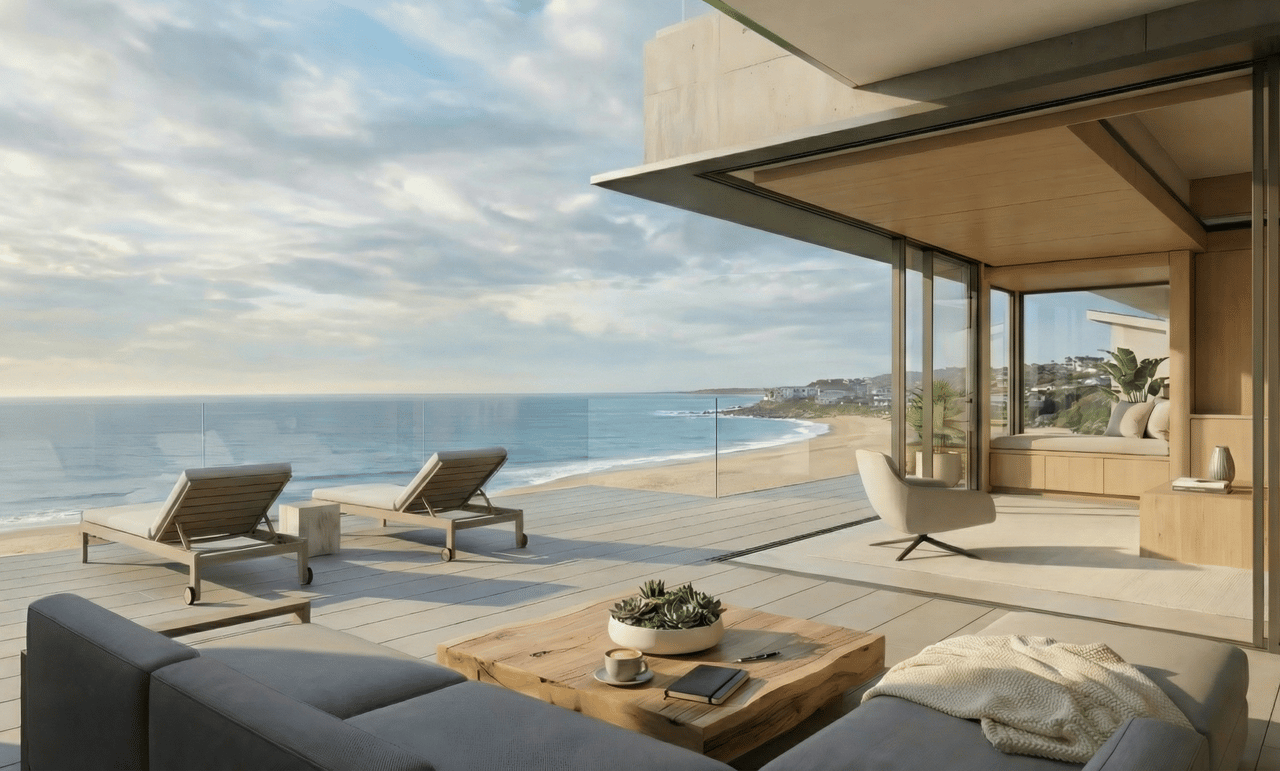
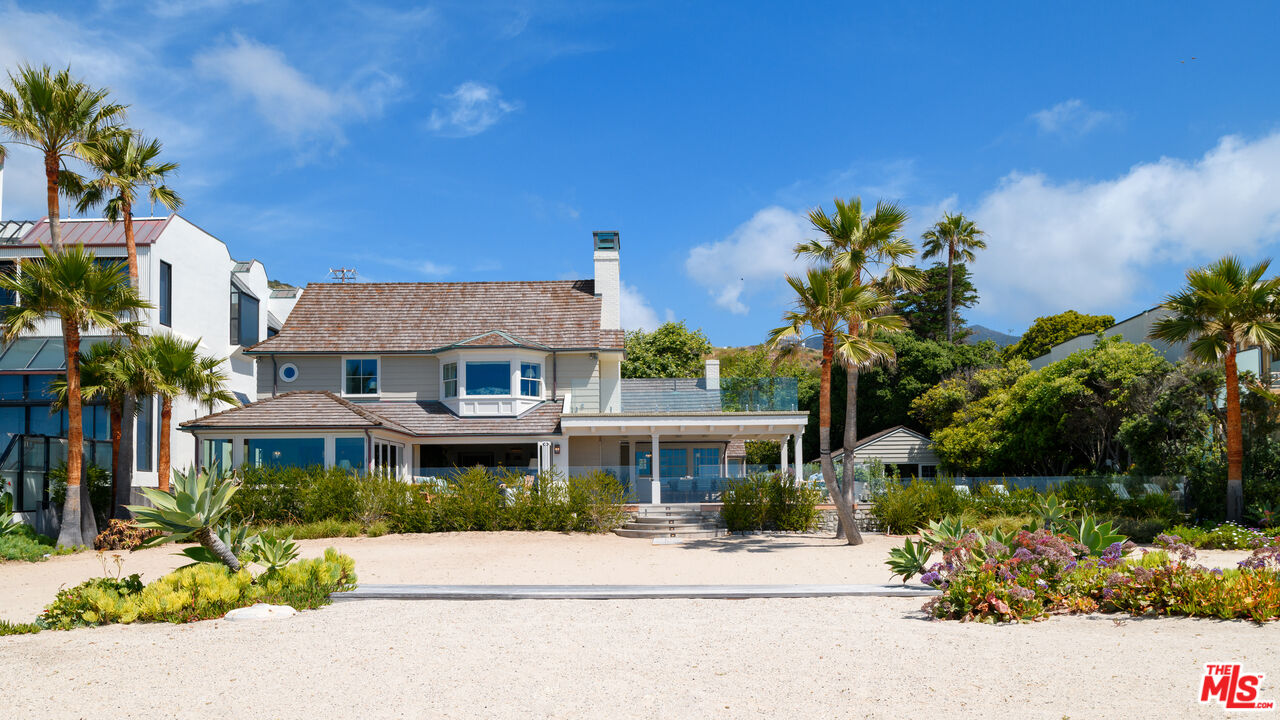
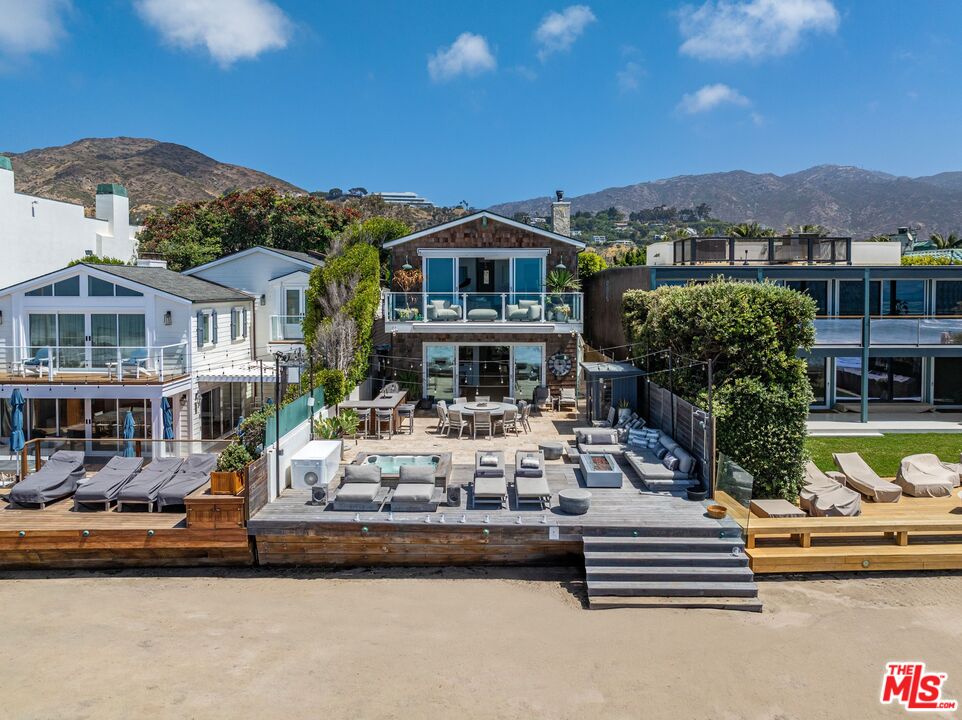
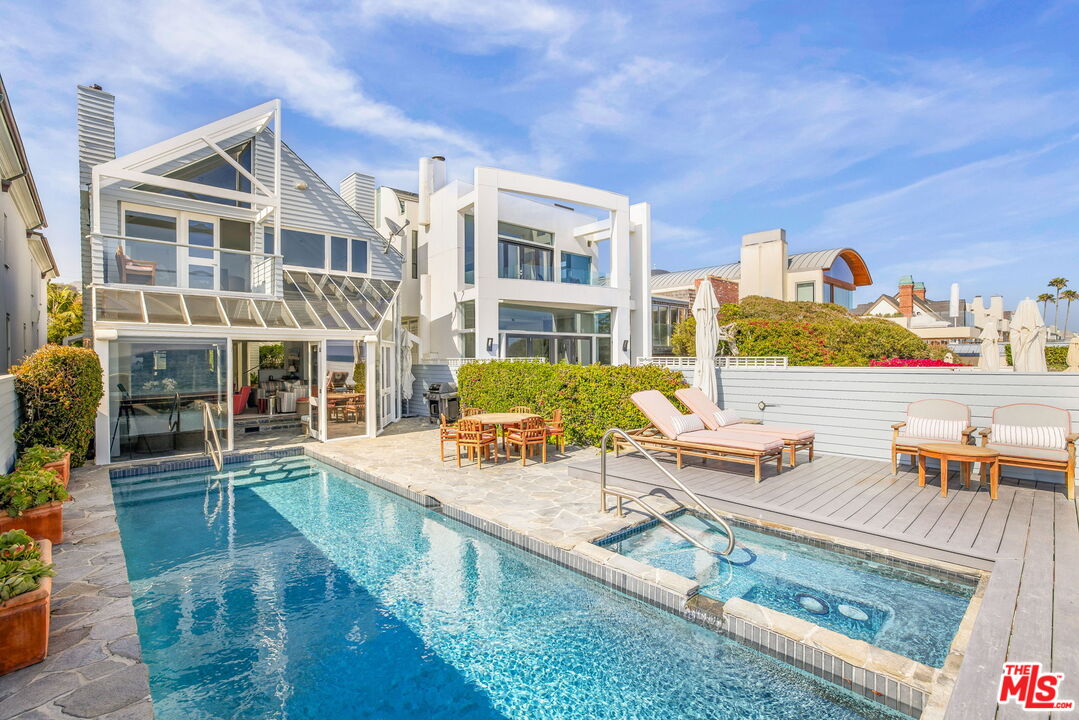
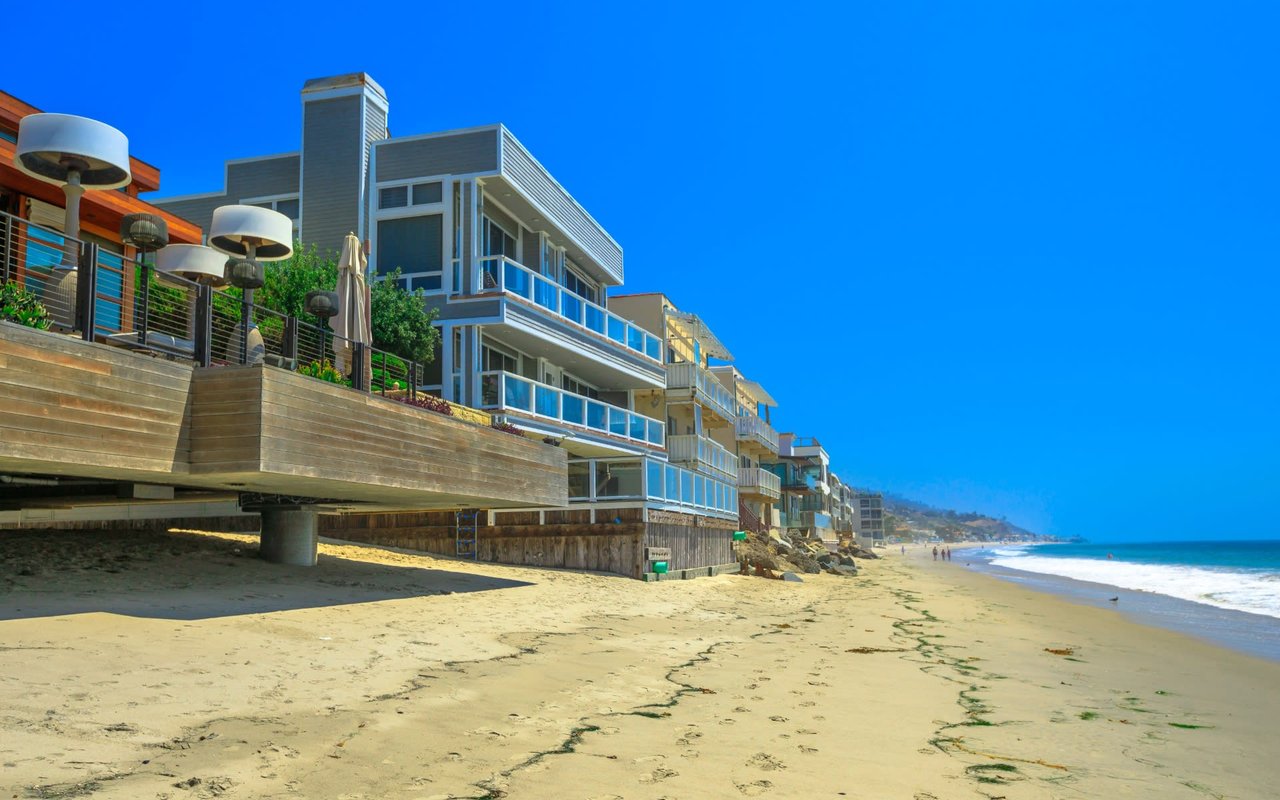
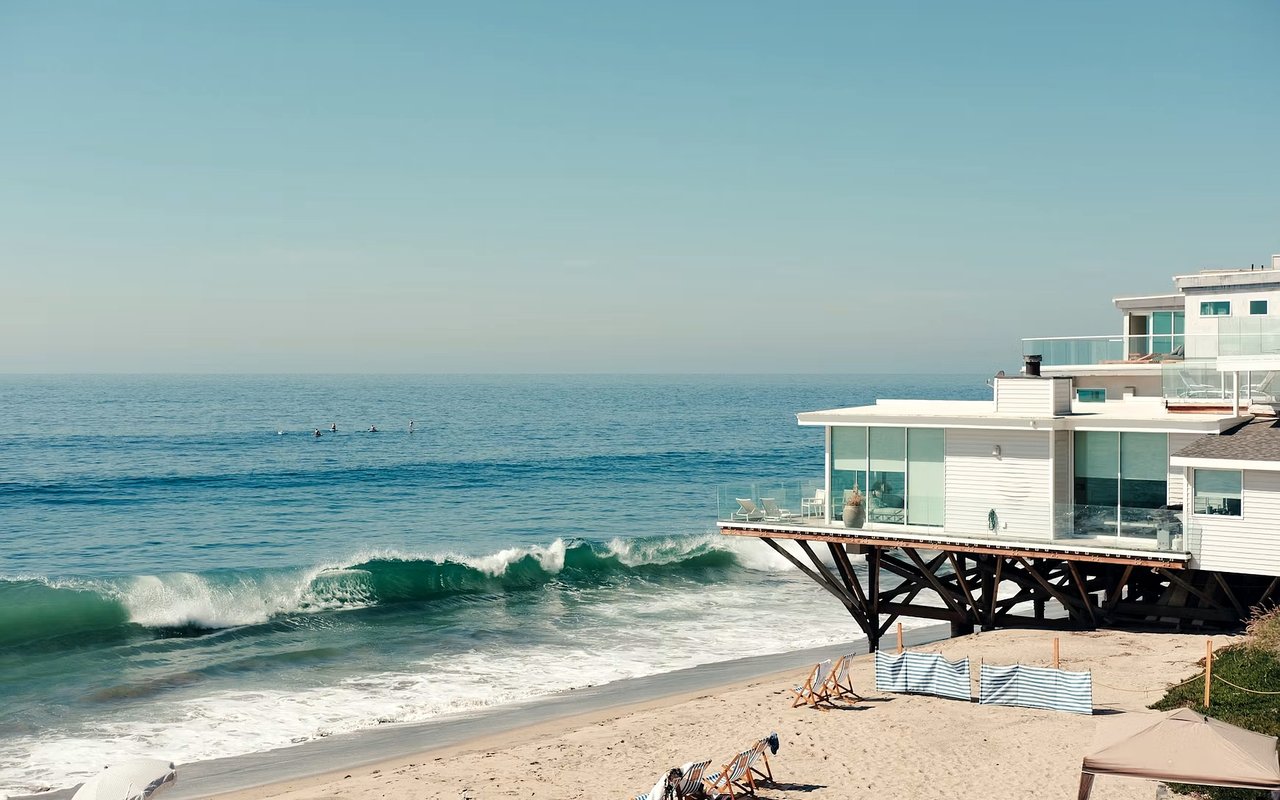
Beachfront homes are the quintessential Malibu real estate experience. These properties sit directly on the sand or over the water on pilings, with Carbon Beach, Malibu Colony, and Broad Beach representing the most coveted addresses. Residents enjoy direct ocean access, the sound of breaking waves, and walkability to coastal dining and culture. The trade-off is a higher maintenance burden from salt-air corrosion and, on some stretches, limited privacy from beachgoers. For buyers searching Malibu beachfront homes for sale, these properties represent the apex of the California coastal market.
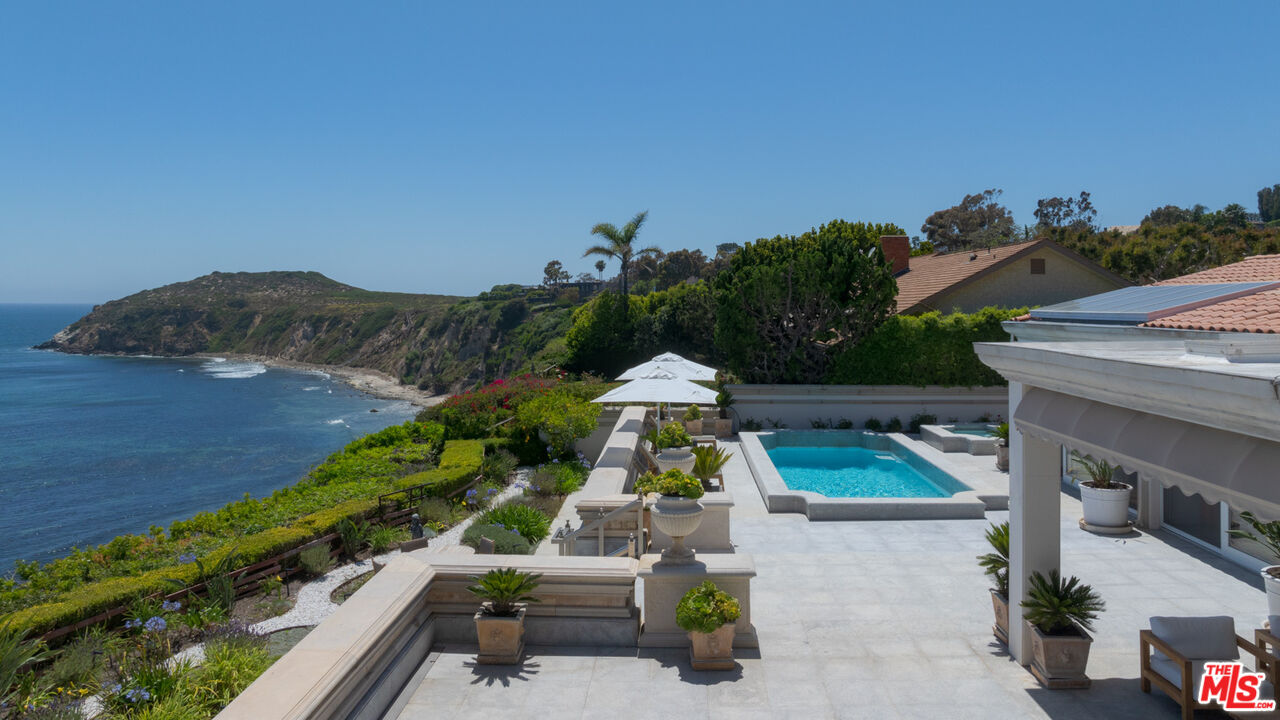
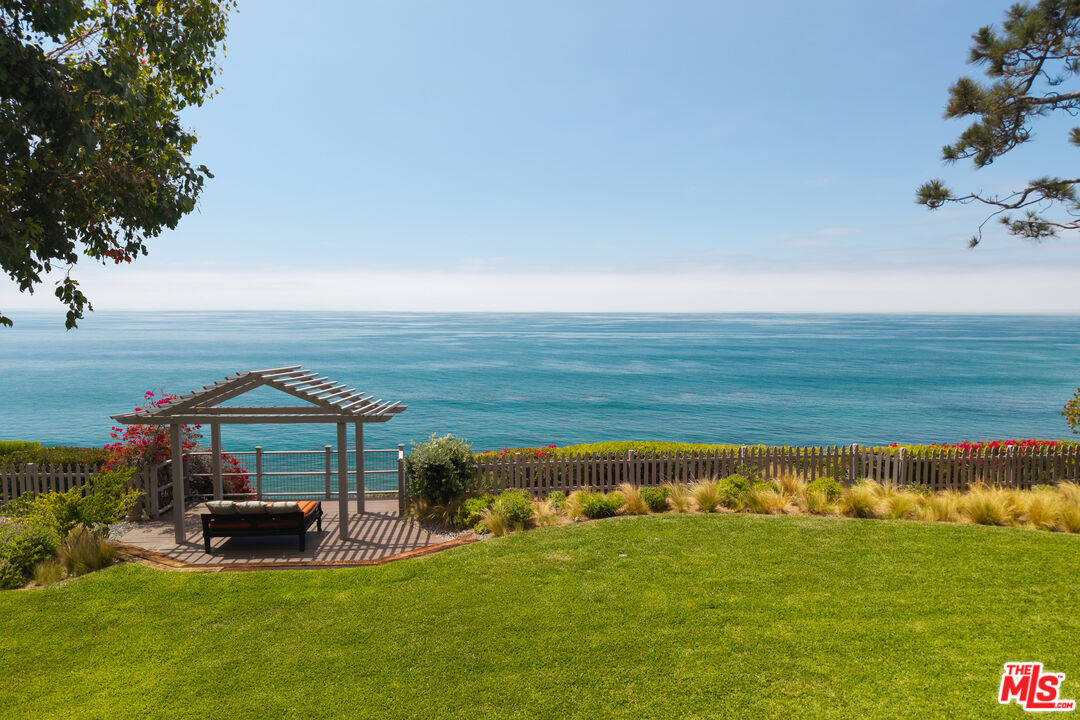
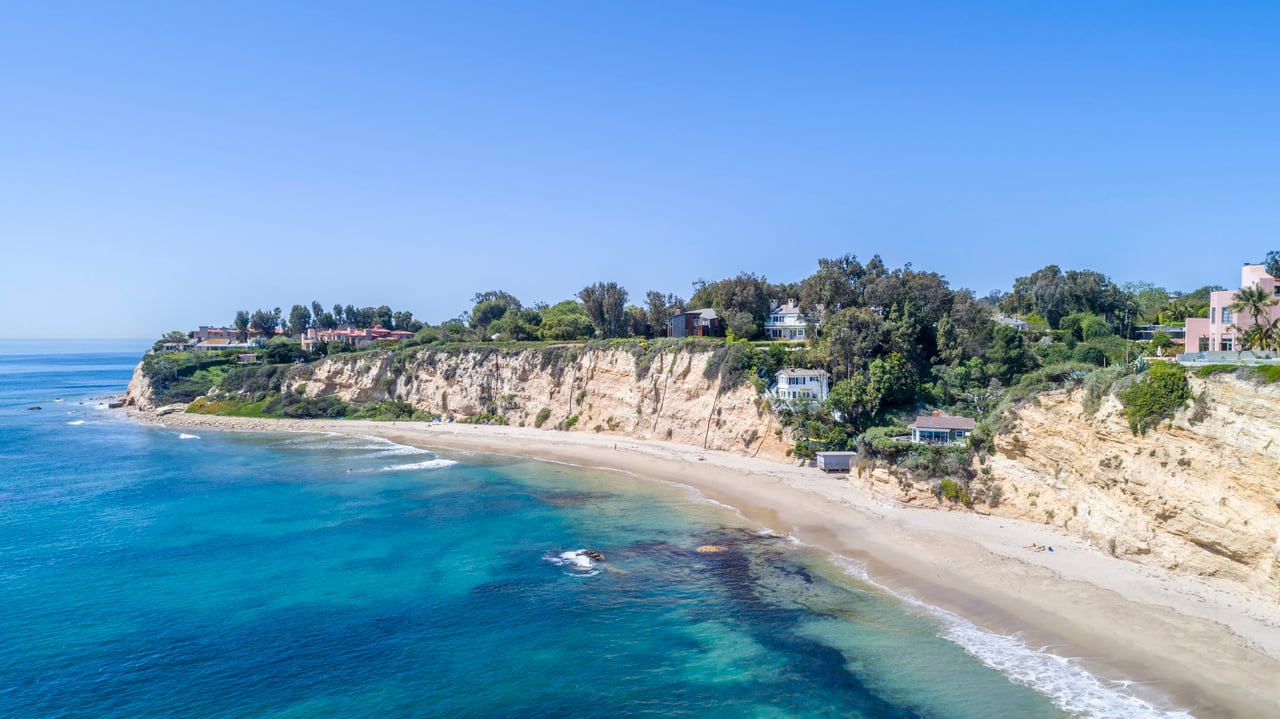
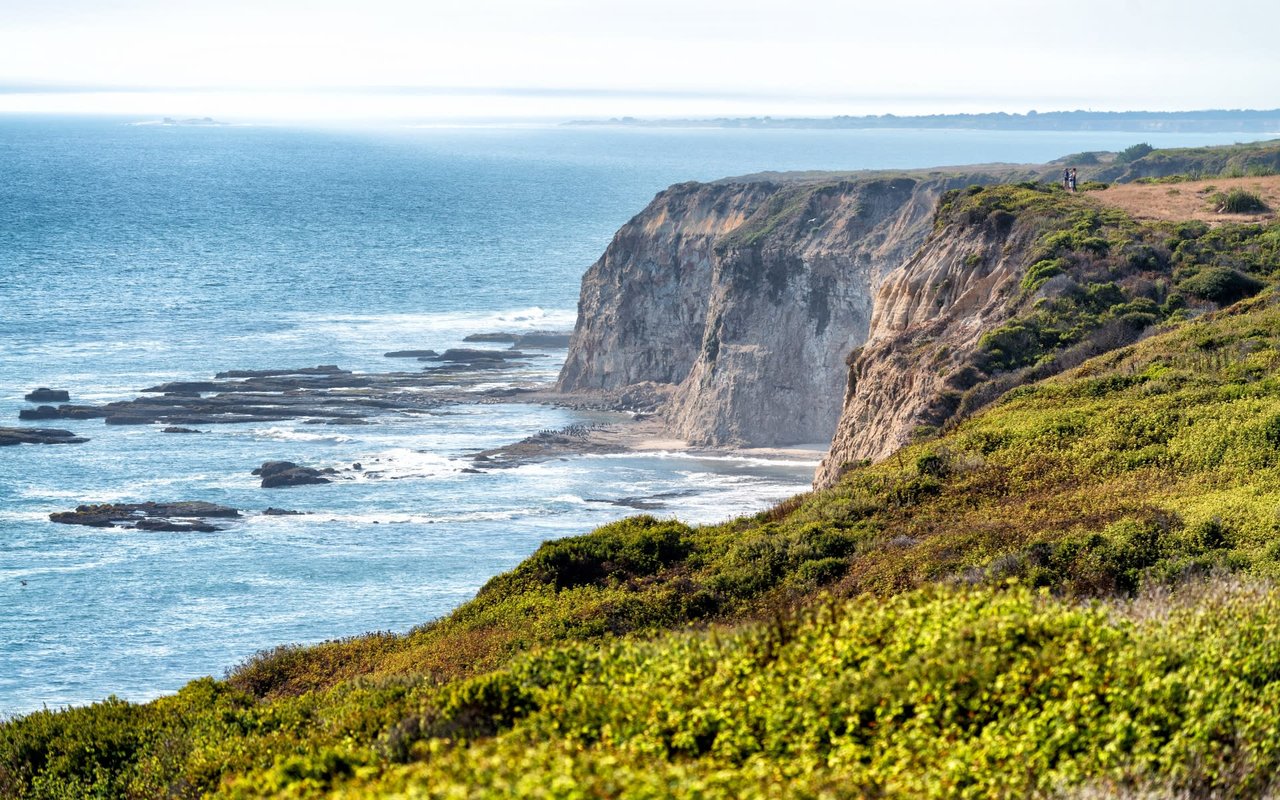
Bluff-top estates offer perhaps the most dramatic setting in all of Malibu real estate. Perched on cliffs above the Pacific, primarily at Point Dume and along the cliffs of South Malibu, these properties deliver panoramic ocean views, expansive acreage, and a level of privacy that sand-level beachfront homes cannot match. Many include private stairs or gated paths to secluded coves. Buyers should be aware of strict geological and coastal setback regulations that govern new construction and expansion on bluff properties.
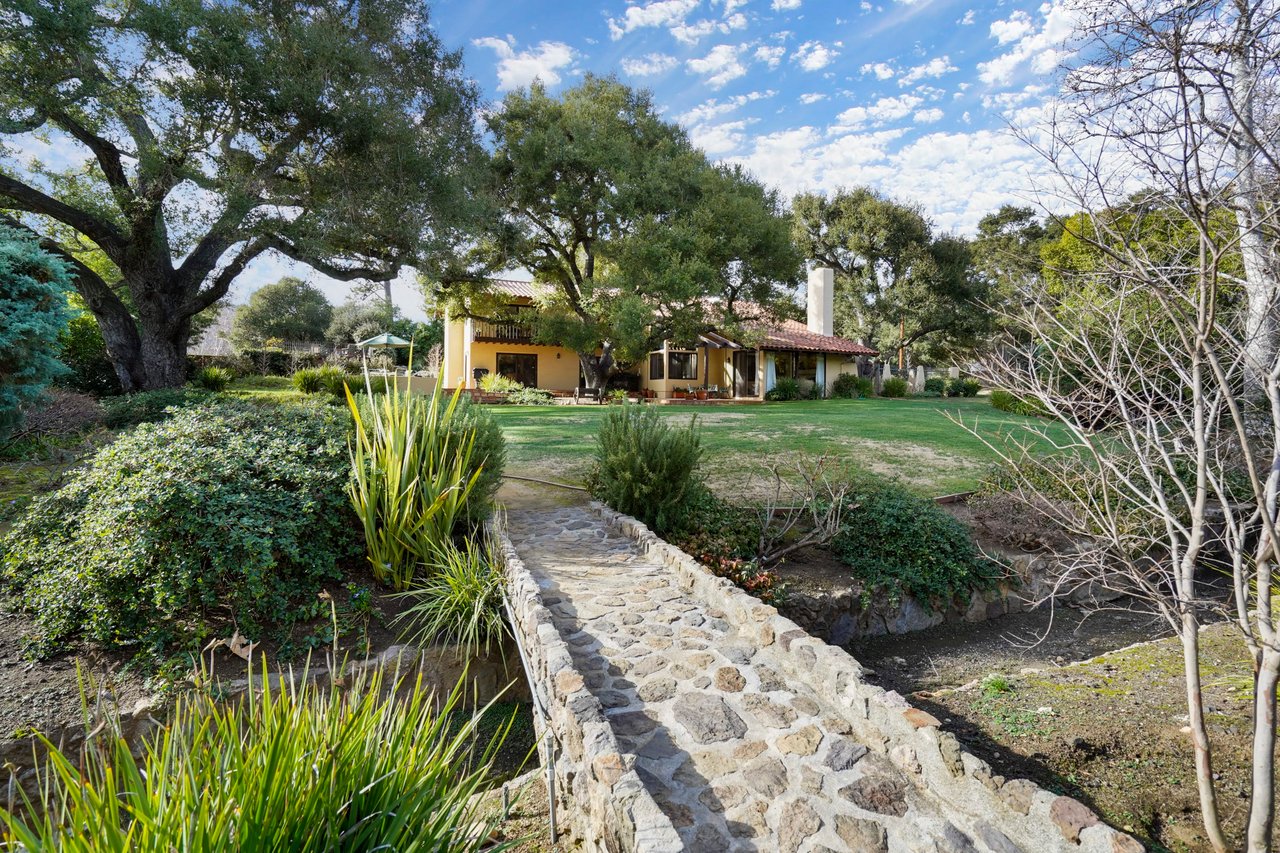
Canyon estates are located on the landward side of the Pacific Coast Highway, tucked into the Santa Monica Mountains in communities like Serra Retreat, Solstice Canyon, and Latigo Canyon. These properties offer seclusion, mature tree canopy, and a genuine retreat atmosphere — often on larger footprints with more architectural variety than their beachfront counterparts. The trade-off is a longer drive to the water and stricter requirements for wildfire defensible space. For buyers who want the Malibu address with a nature-forward lifestyle, canyon real estate in Malibu California offers compelling value.
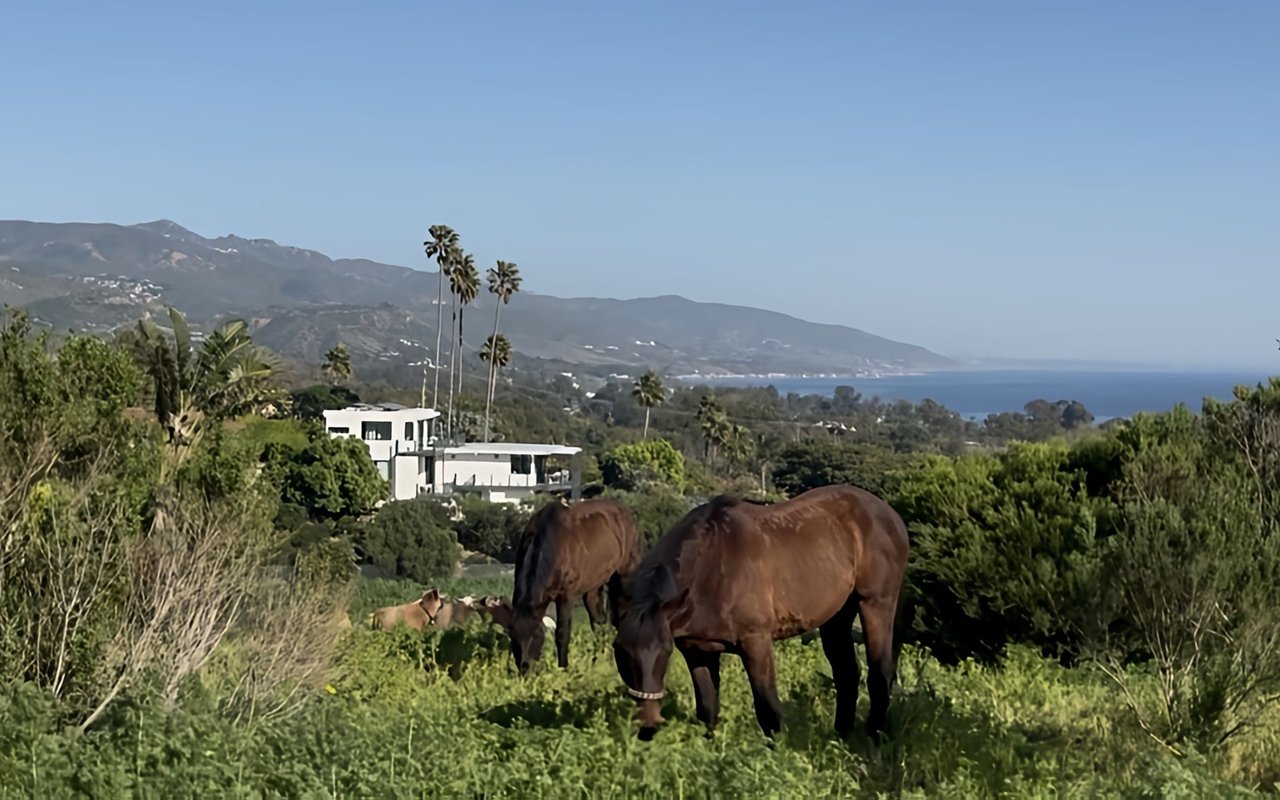
Equestrian properties are one of Malibu's most distinctive offerings and set it apart from virtually every other coastal market in California. Found primarily in Bonsall Canyon, Sycamore Park, and Malibu Park, these multi-acre properties feature stables, arenas, and direct access to miles of dedicated riding trails. Malibu is one of the few coastal enclaves that supports a genuine horse culture, and demand for equestrian real estate in Malibu beach California remains consistent among buyers seeking a truly rural coastal lifestyle.
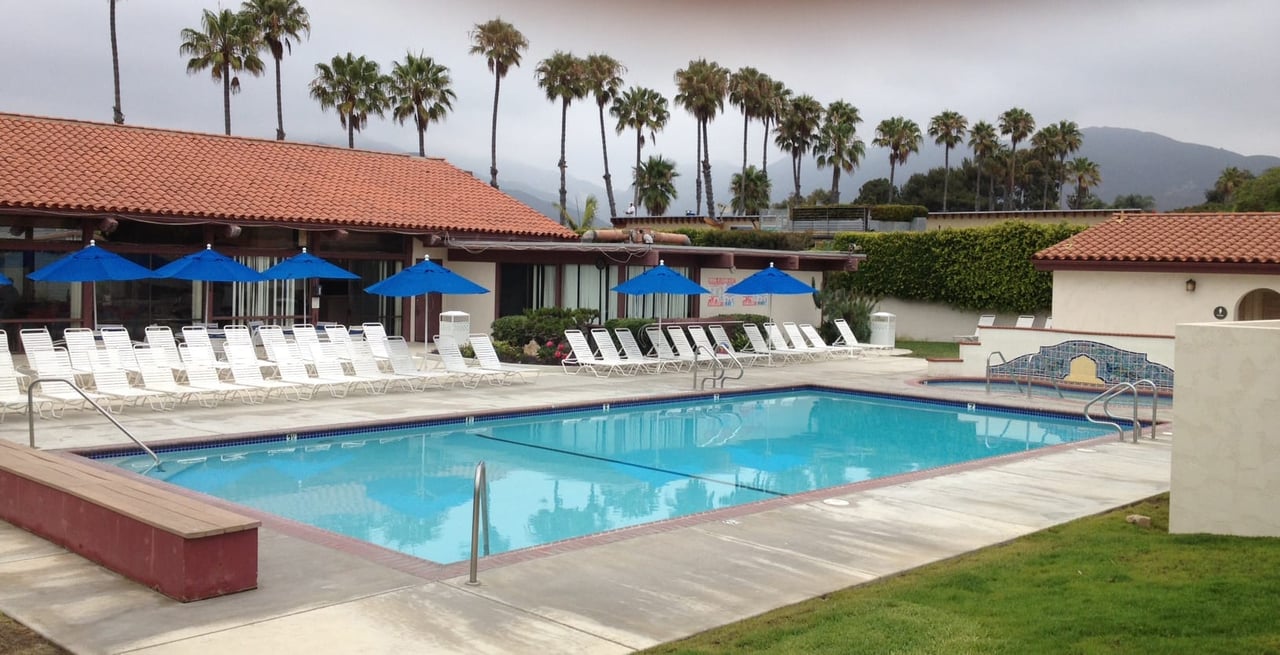
Manufactured homes — specifically the luxury communities of Paradise Cove and Point Dume Club — represent one of Malibu's most unique and frequently misunderstood property types. These are among the most prestigious manufactured home communities in the world, with properties routinely selling in the millions. Residents enjoy tight-knit community atmospheres, shared amenities including tennis courts, pools, and clubhouses, and some of the best private beach access in the city. The key distinction: buyers typically own the structure but pay space rent for the land, and financing is more specialized than a traditional purchase. For buyers exploring paradise cove mobile home park in Malibu or Point Dume Club, working with an agent who understands the nuances of this ownership structure is essential.
Malibu is widely regarded as one of the most expensive places to live in California. The cost of living in Malibu California is driven primarily by housing, with the average home price exceeding $3 million and monthly carrying costs for oceanfront properties running into the tens of thousands. That said, for residents who prioritize coastal beauty, privacy, and proximity to Los Angeles without sacrificing serenity, the value proposition is clear.
Groceries, dining, and services in Malibu generally run 20–30% above the Los Angeles average. Residents benefit from proximity to Whole Foods and locally owned Vintage Grocers for everyday needs. For families, private schooling, equestrian services, and marina access are additional lifestyle costs that factor meaningfully into household budgets.
For buyers weighing real estate in Malibu beach California against other luxury coastal markets — Pacific Palisades, Santa Monica, or Montecito — Malibu typically delivers greater privacy, larger lot sizes, and a more intimate community feel at comparable price points on the high end.
Purchasing Malibu real estate in California is one of the most consequential decisions a buyer can make in any market. Properties span from oceanfront estates on Carbon Beach to equestrian ranches in Malibu Canyon and manufactured homes in the gated Point Dume Club community. Understanding what distinguishes each area — and each property type — is the essential first step.
Malibu's coastal location introduces due diligence considerations that go beyond a typical residential transaction. These include California Coastal Commission regulations, fire zone disclosures, bluff erosion assessments for cliffside properties, and flood zone designations for beachfront homes. Title review and environmental disclosure are critical components of any offer on Malibu homes for sale.
Financing for luxury Malibu properties typically involves jumbo loan products. Many transactions at the upper tier are conducted in cash. Working with a lender experienced in high-value coastal properties well before submitting an offer is strongly advisable.
Relationships matter as much as preparation in this market. Many of the best properties available as Malibu real estate for sale never reach public portals — they trade off-market through agent networks built over years of local practice. The most experienced real estate agents in Malibu have that access. Working with one of the top real estate agents in Malibu CA is not just an advantage; in many cases it is the only way to reach the best inventory.
For buyers exploring specific communities, Malibu Colony, Broad Beach, Point Dume, and Malibu Park consistently represent the strongest combination of prestige, lifestyle amenity, and long-term value. Families often gravitate toward Malibu Park and Point Dume for their proximity to top-rated schools and generous lot sizes suited to growing households. For buyers seeking the most accessible entry into Malibu realty, Paradise Cove mobile home park offers a genuinely distinctive path into this coastal market.
Property taxes in Malibu are governed by California's Proposition 13, but local assessments make the effective rate slightly higher than the state average. For a new purchase in 2026, buyers should budget for an initial tax basis of approximately 1.22% of the purchase price.
The breakdown typically includes the 1.00% ad valorem base rate set by Proposition 13, approximately 0.15% in voter-approved indebtedness covering school and water bonds, Santa Monica-Malibu Unified School District parcel taxes of roughly $500–$600 or more per parcel, and variable special assessments for vector control, trauma centers, and local lighting districts.
One cost that surprises many buyers is the supplemental tax bill. Because the County Assessor takes several months to update records after a sale, buyers receive a one-time supplemental bill covering the difference between the seller's old assessed value and the new purchase price. This can be a significant sum on high-value Malibu real estate for sale and should be factored into closing cost planning from the outset.
One structural advantage worth noting: Malibu is served by the Santa Monica-Malibu Unified School District, which is a Basic Aid district. Local property taxes remain within the district rather than being redistributed by the state, resulting in higher per-pupil funding and contributing to the strong school ratings that make neighborhoods like Malibu Park and Point Dume particularly attractive to families.
For a detailed property tax analysis on a specific address, an experienced Malibu real estate agent can provide comparable tax histories alongside any offer evaluation.
In 2026, securing homeowners insurance is often the longest lead-time item in a Malibu escrow — and for buyers unfamiliar with the current landscape, it can also be the most stressful. Most of Malibu is designated as a Very High Fire Hazard Severity Zone, which triggers specific legal disclosure requirements and significantly narrows the field of available insurers.
The current insurance landscape. Many traditional carriers have reduced or eliminated their California residential coverage in recent years. Buyers who cannot secure coverage through standard market insurers often turn to the California FAIR Plan, which as of 2026 has expanded its residential limits to $3.3 million. For Malibu estates valued above that threshold — which includes the majority of beachfront and luxury properties — buyers must layer in Difference in Conditions or Surplus Lines coverage to protect the full value of the asset. Expect carriers to require specific home retrofits before binding a policy, including Class A roofing, ember-resistant vents, and removal of combustible materials within five feet of the structure.
Critical disclosures every buyer should review. Before waiving an inspection contingency on any Malibu real estate transaction, buyers should confirm the following. Under AB-38, sellers are legally required to provide documentation showing the property has passed a CalFIRE Defensible Space Inspection. Sellers must also disclose which fire-resistant features are present or absent on the property. For buyers considering vacant lots or significant fixer properties, Malibu's Ordinance 524 — updated in 2025 and 2026 — allows for like-for-like rebuilding plus a 10% increase in square footage or volume without requiring a full new Coastal Development Permit, a significant time advantage for buyers affected by recent fire events.
One practical note: always include an insurance contingency in your offer. Being pre-approved for a mortgage does not mean being pre-approved for insurance in this market. Use the standard 17-day inspection period to obtain a firm insurance quote before removing contingencies.
Buyers working with experienced real estate agents in Malibu California will have guidance on qualified insurance brokers who specialize in this market and can navigate the FAIR Plan, DIC coverage, and surplus lines process efficiently.
Marketing a property in Malibu requires a different approach than virtually any other coastal market. In 2026, sellers are navigating an environment where average days on market for luxury estates runs 150 days or more, buyers are more meticulous than they have been in years, and environmental readiness has become a primary driver of both perceived value and transaction speed.
Successful Malibu sellers in 2026 are approaching the process around three priorities.
Pre-listing compliance and hardening. The most effective sellers are completing pre-listing inspections for wildfire defensible space under AB-38 and septic system health before going to market. Providing a clean compliance package in the disclosure vault reduces buyer anxiety, prevents last-minute price renegotiation tied to insurance hurdles, and can meaningfully shorten the escrow timeline. In a market where buyers are already cautious, removing uncertainty from the process is a direct value proposition.
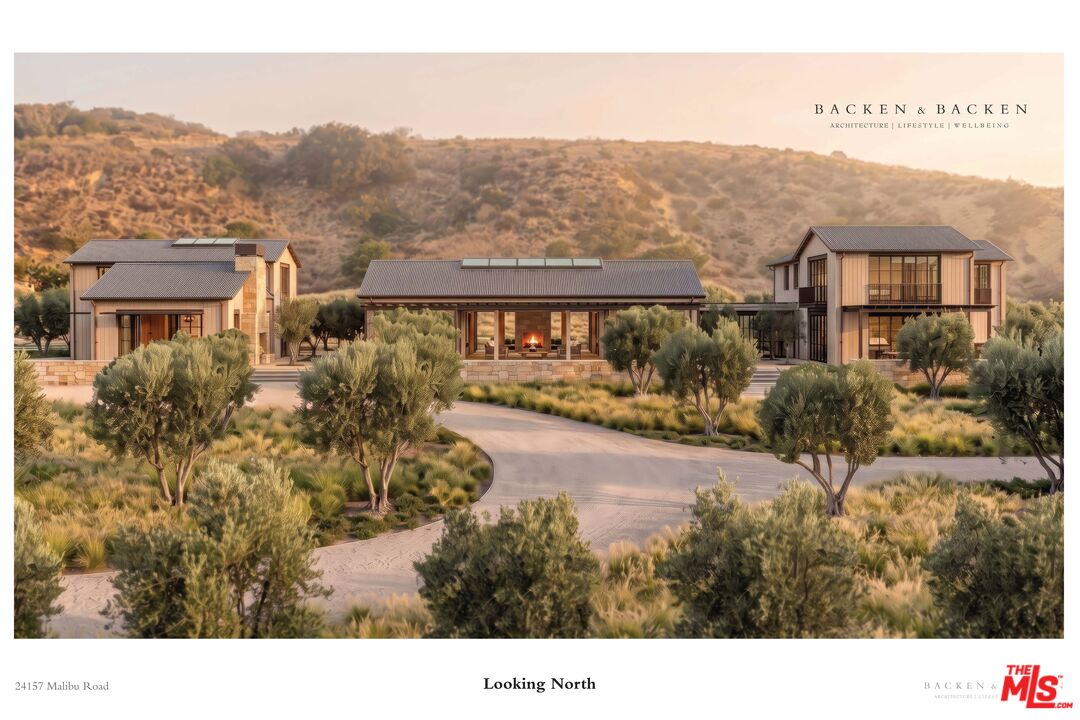
Presentation built for a digital-native buyer. With a growing share of high-net-worth buyers conducting initial research remotely and internationally, static photography is no longer sufficient for premium Malibu real estate for sale. Top-performing listings in 2026 are incorporating virtual walkthroughs, architectural rendering for renovation scenarios, and content that conveys the full lifestyle experience of the property — not just the square footage. Buyers want to understand what living there feels like before they ever visit in person.
Disciplined pricing from day one. While the median list price in Malibu sits near $3.5M, the gap between list price and final sale price has widened considerably. A test-the-market pricing strategy is currently high-risk. Positioning within 5% of recent comparable sales is the most reliable way to generate early engagement and, for the right property, competitive interest. Overpriced listings in the current environment are not just slow — they accumulate market time that becomes a liability in negotiations.
For sellers considering listing, an initial consultation with a knowledgeable Malibu realtor to review recent comparable data, compliance requirements, and realistic timeline expectations is the most valuable first step.
Malibu's architectural landscape is a harmonious blend of coastal luxury and modern innovation, shaped by some of the most influential designers of the past century.
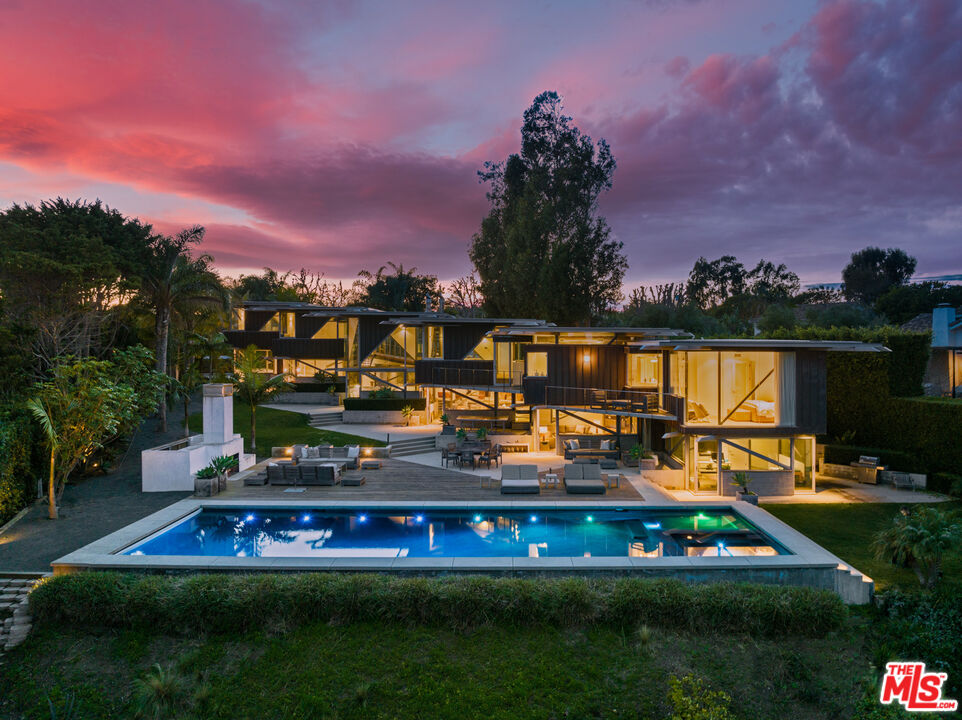
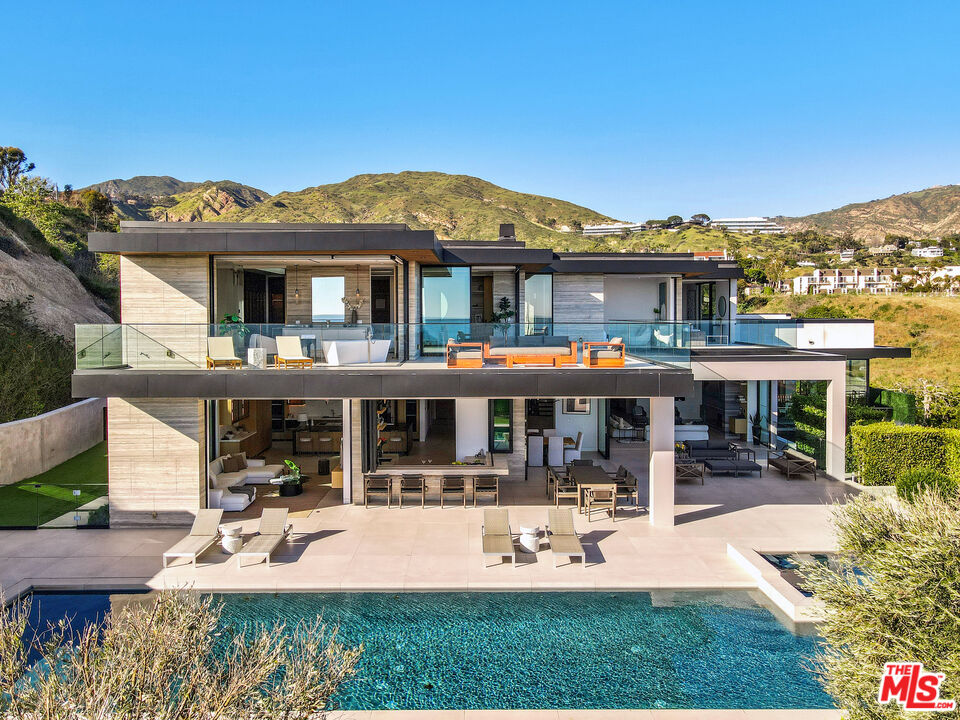
The Contemporary Beach House is perhaps the most iconic style — defined by expansive glass walls, open floor plans, and a seamless integration between interior and exterior space. Architects like Richard Meier and John Lautner made enduring contributions here. Lautner's Segel House, with its curved lines and panoramic ocean views, remains one of the most photographed residential structures in California.
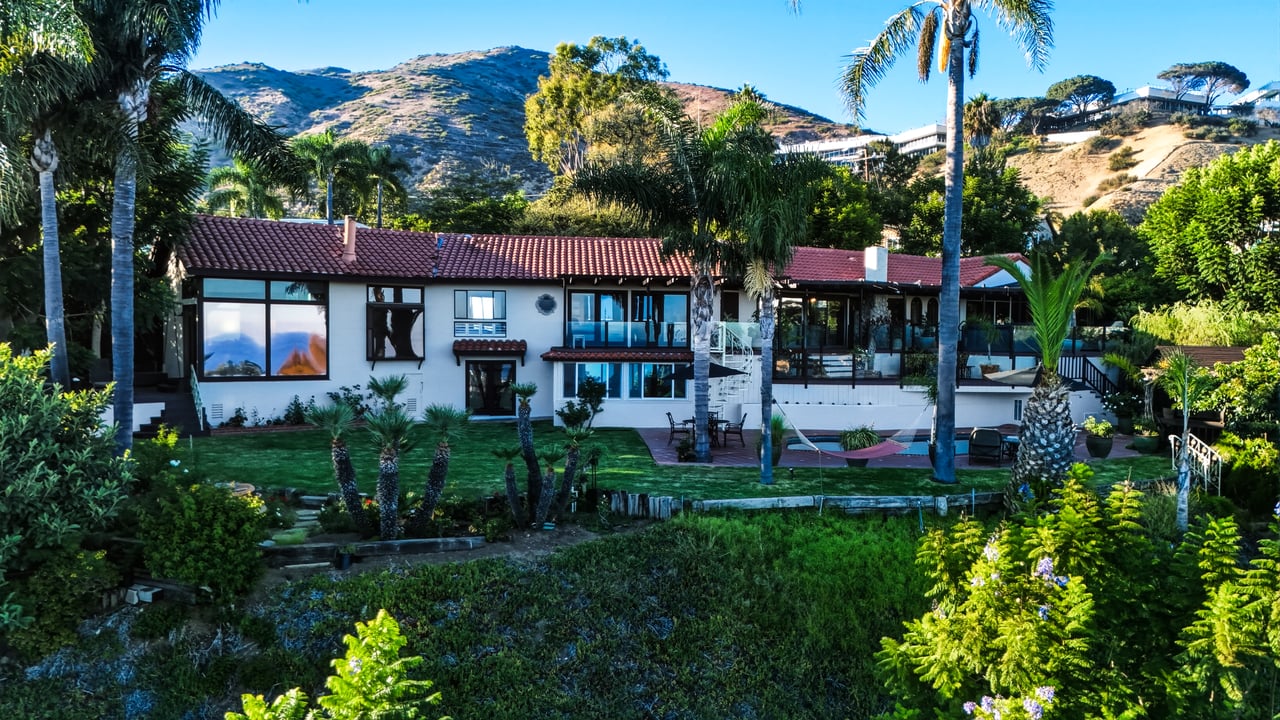
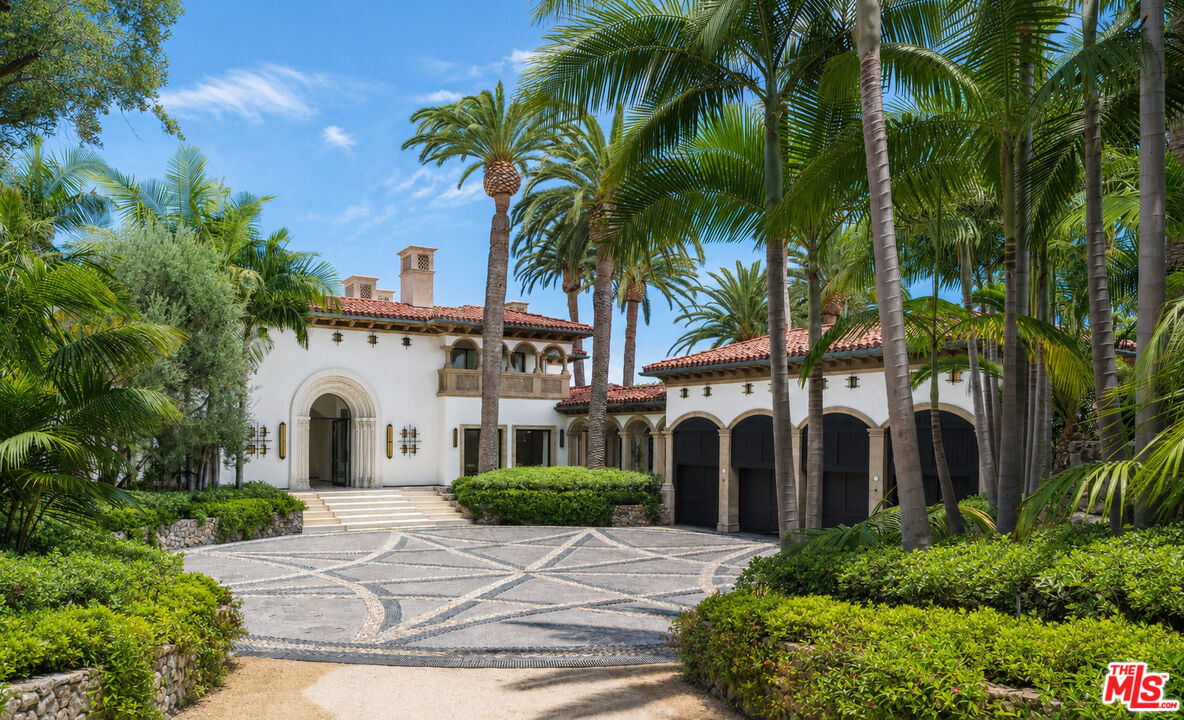
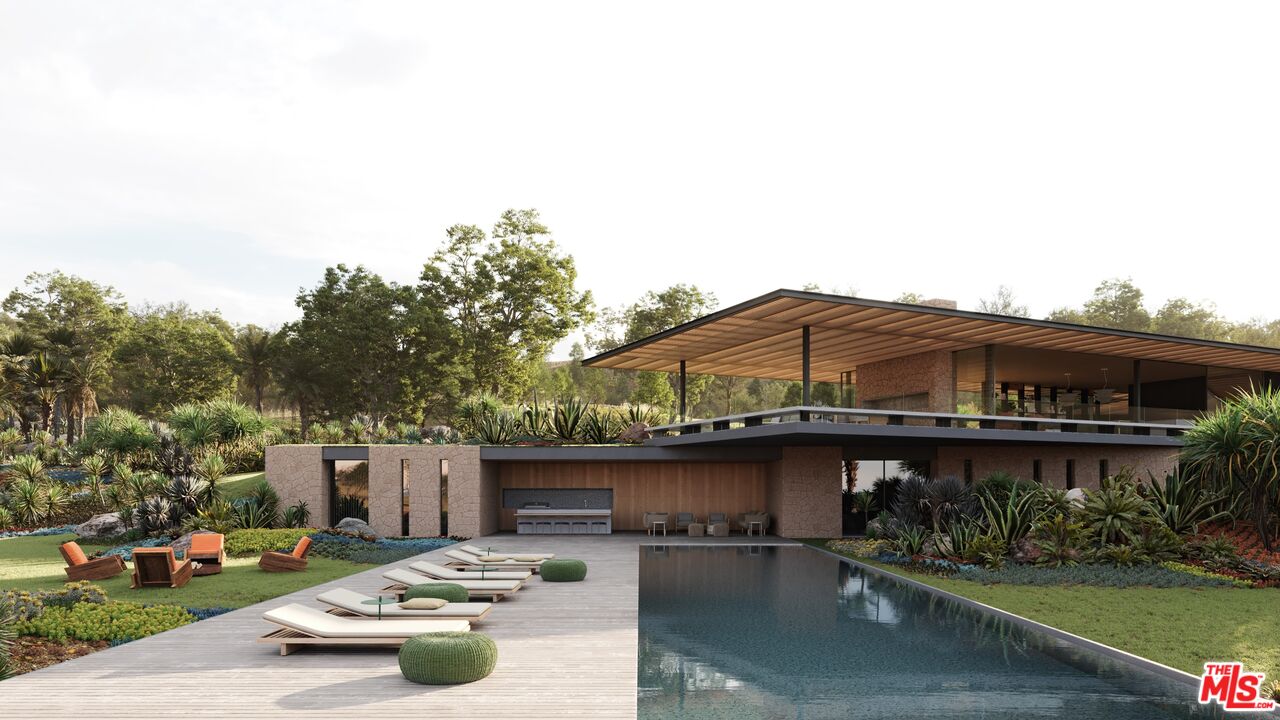
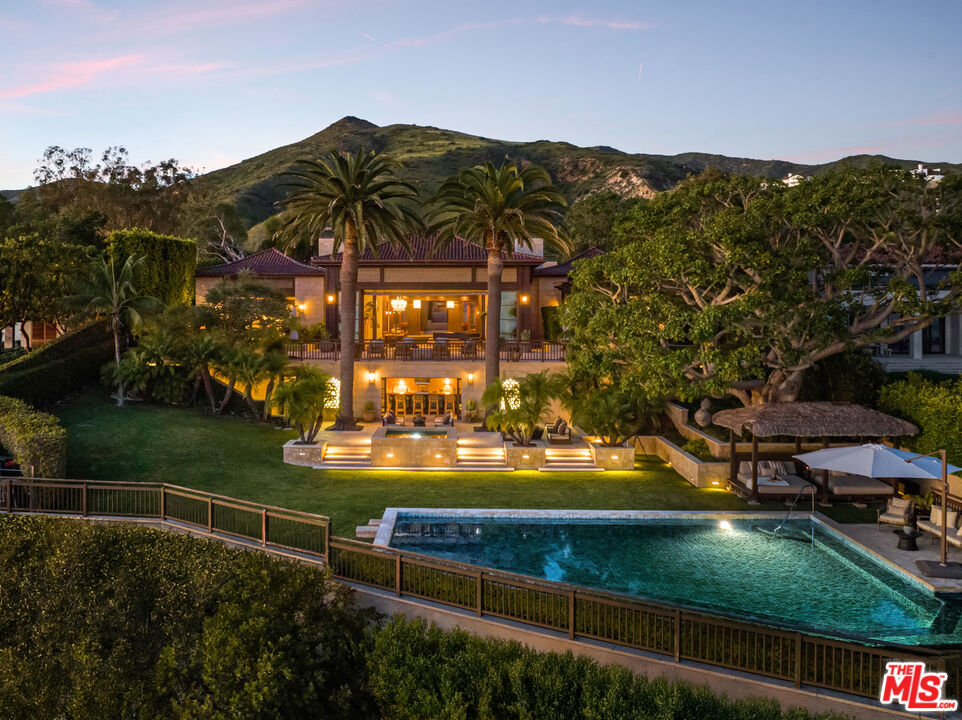
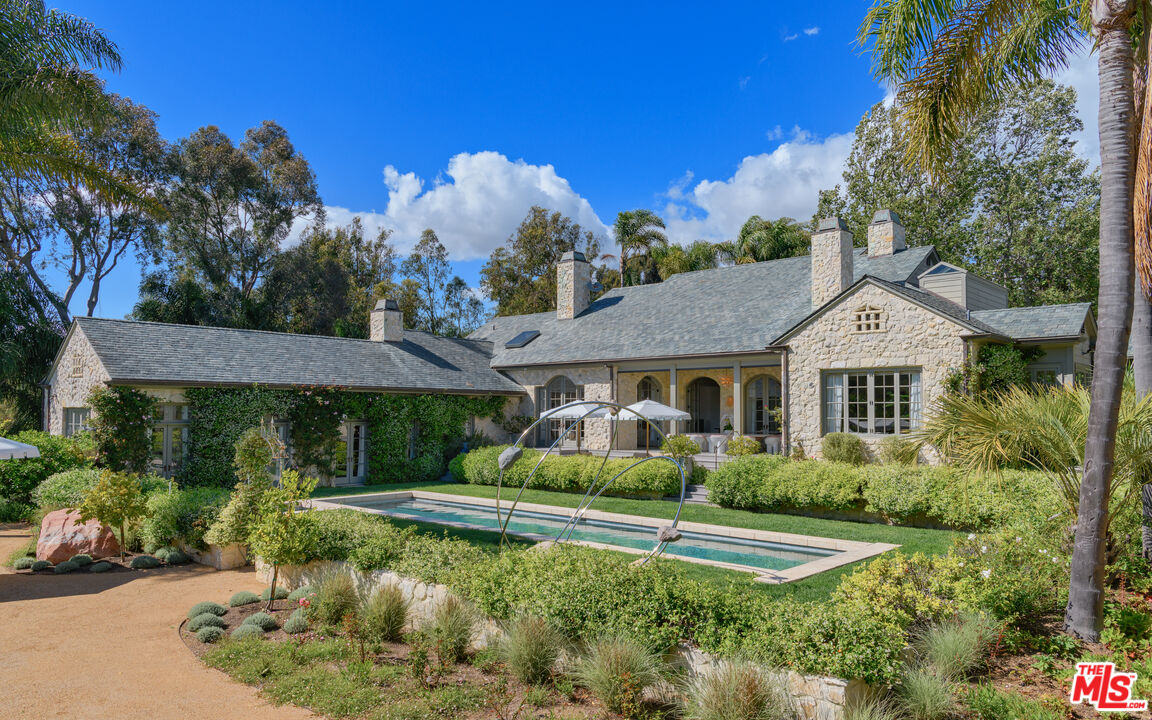
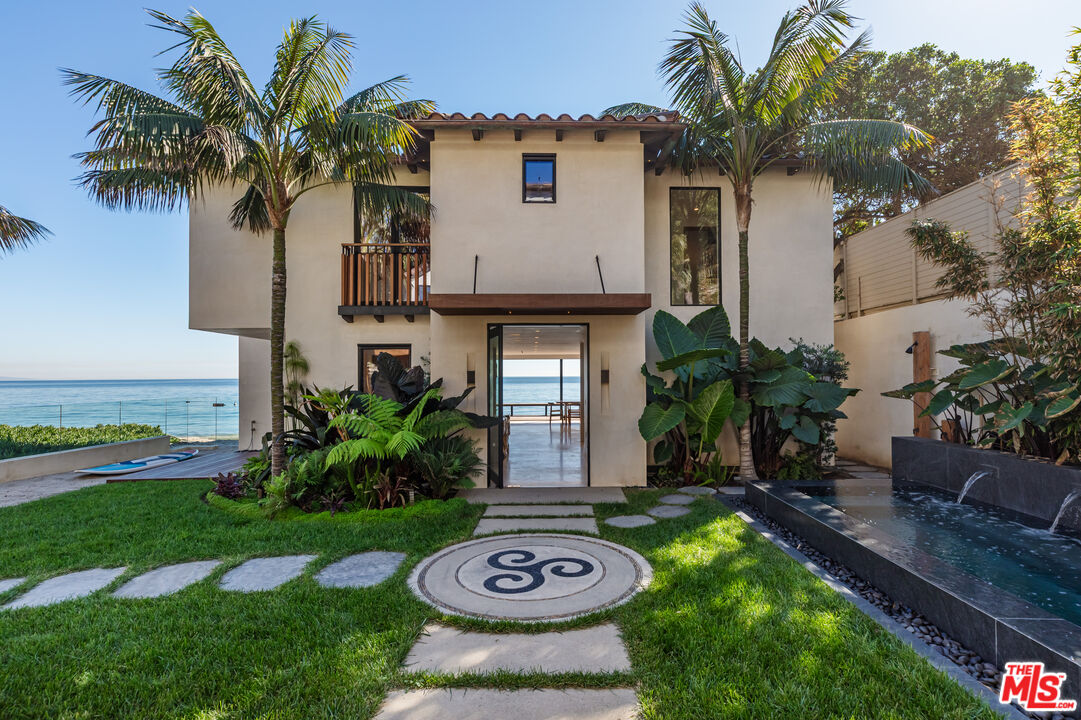
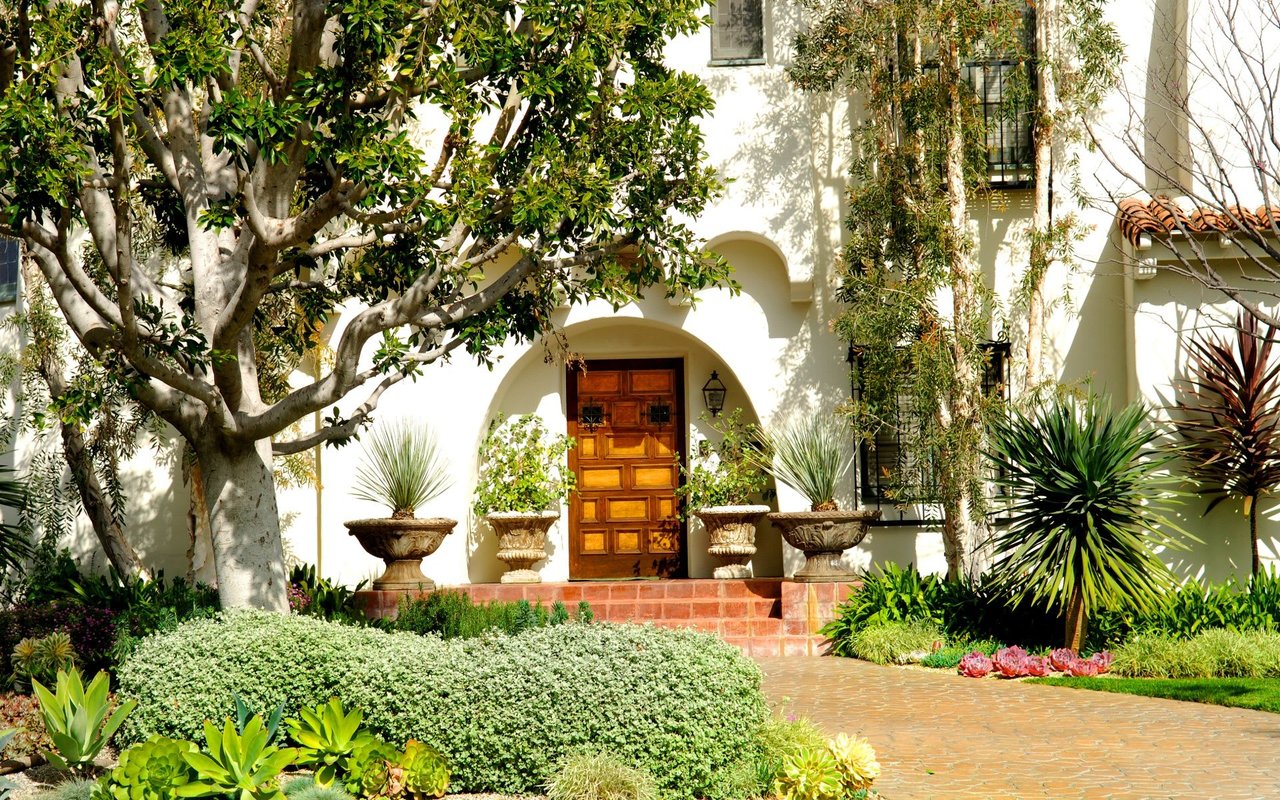
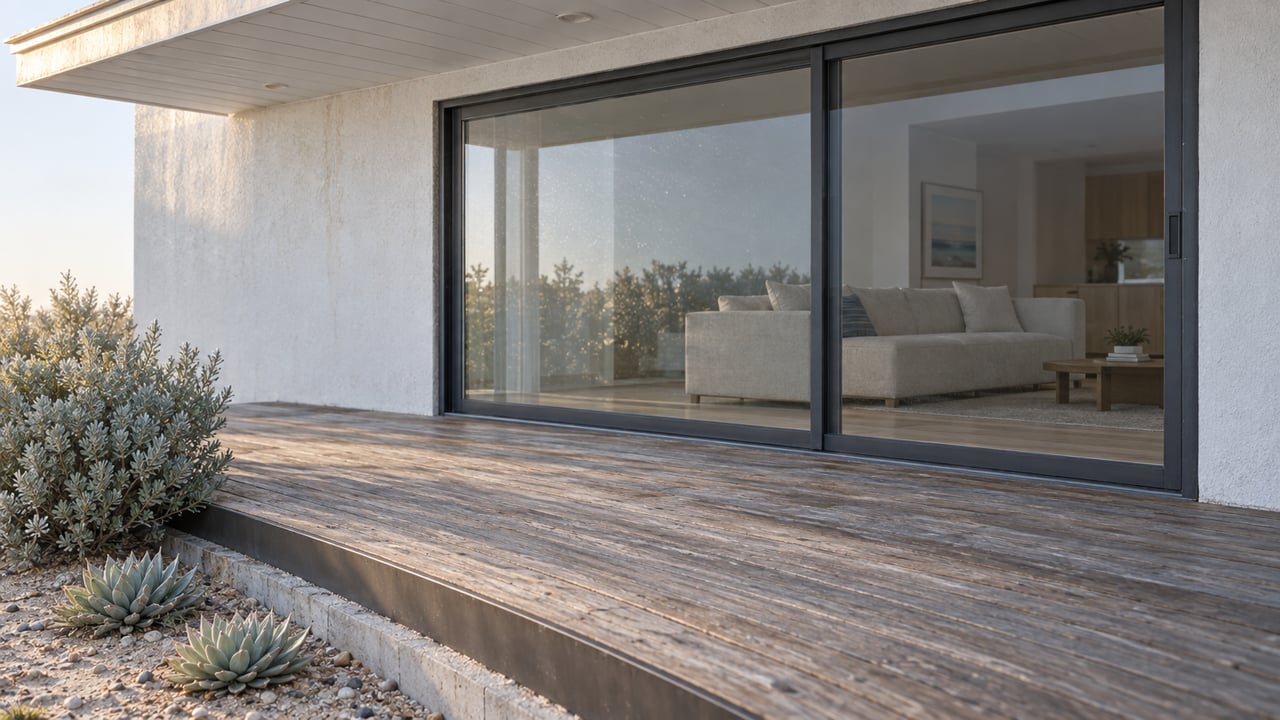
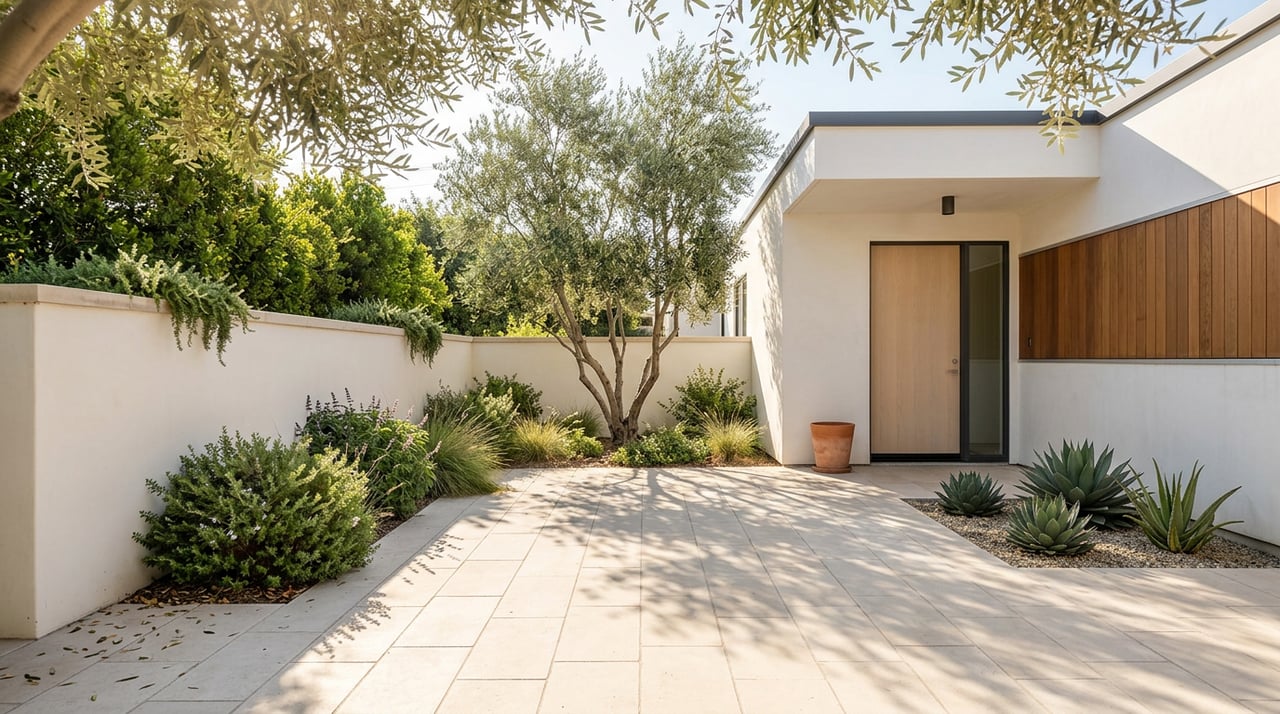
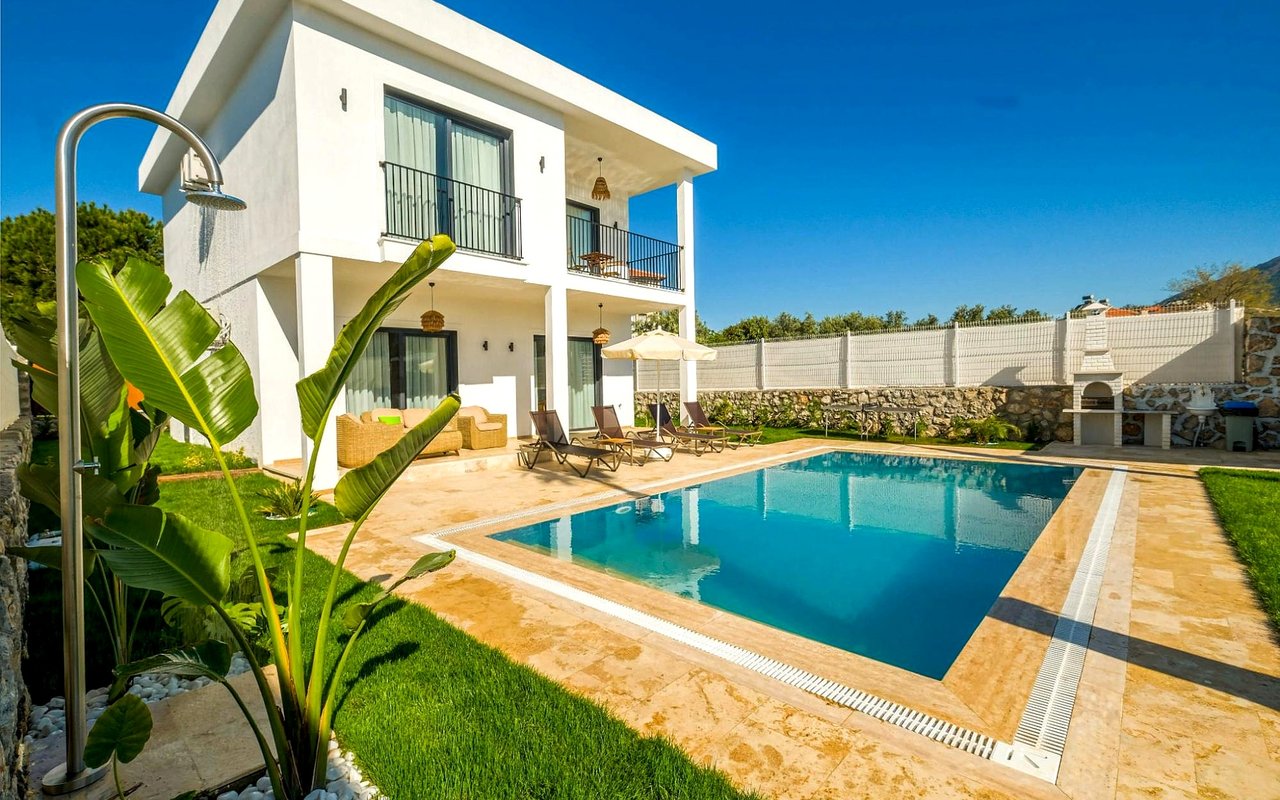
Mediterranean Revival architecture is prevalent throughout Malibu Colony and Carbon Beach, characterized by stucco exteriors, red-tile roofs, arched doorways, and courtyard gardens that draw on Spanish and Italian influences. In the hills, Modern Ranch Estates combine rustic stone facades and large verandas with contemporary interiors and sustainable design elements. Tropical Modernism is a growing trend among newer estates — minimalist architecture paired with lush landscaping, infinity pools, and resort-like indoor-outdoor living.
From historic Spanish villas to cutting-edge contemporary compounds, the architectural diversity of Malibu California real estate reflects a community that has always attracted those with a serious appreciation for design.
Malibu is home to some of the most desirable neighborhoods in California. Each offers a distinct lifestyle, price point, and community character.
Malibu Colony — Known as "The Colony," this prestigious gated beachfront community is synonymous with oceanfront luxury. Located just off the PCH, Malibu Colony features expansive estates with private sand access, panoramic ocean views, and architecture ranging from sleek contemporary to classic Cape Cod. Residents are steps from Malibu Pier and Surfrider Beach.
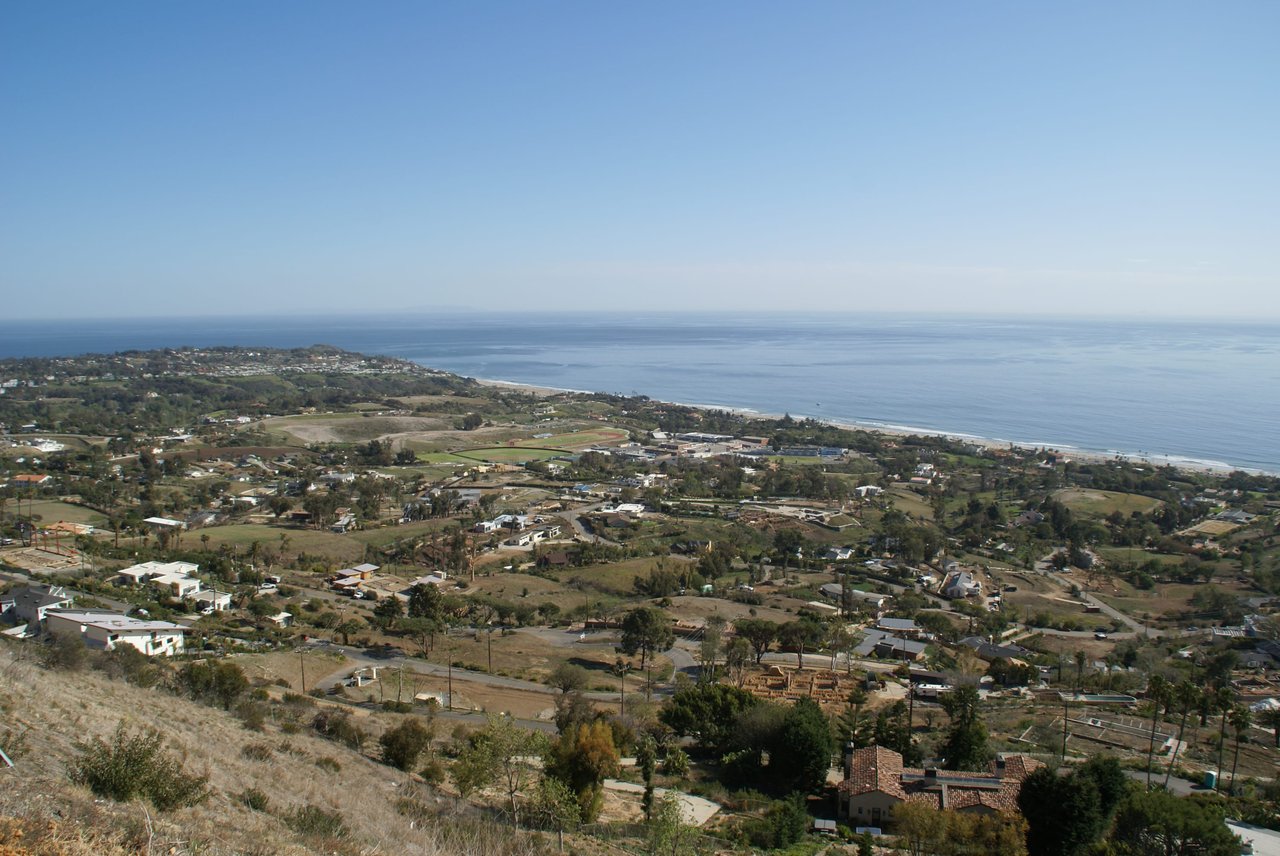
Malibu Park — One of the most sought-after communities for families, Malibu Park offers spacious lots, equestrian-friendly zoning, and proximity to top-rated schools including Malibu High School. Homes range from sprawling ranch-style estates to updated contemporary properties with sweeping Pacific views. Easy access to Zuma Beach and recreational trails make it a natural fit for outdoor-oriented households.
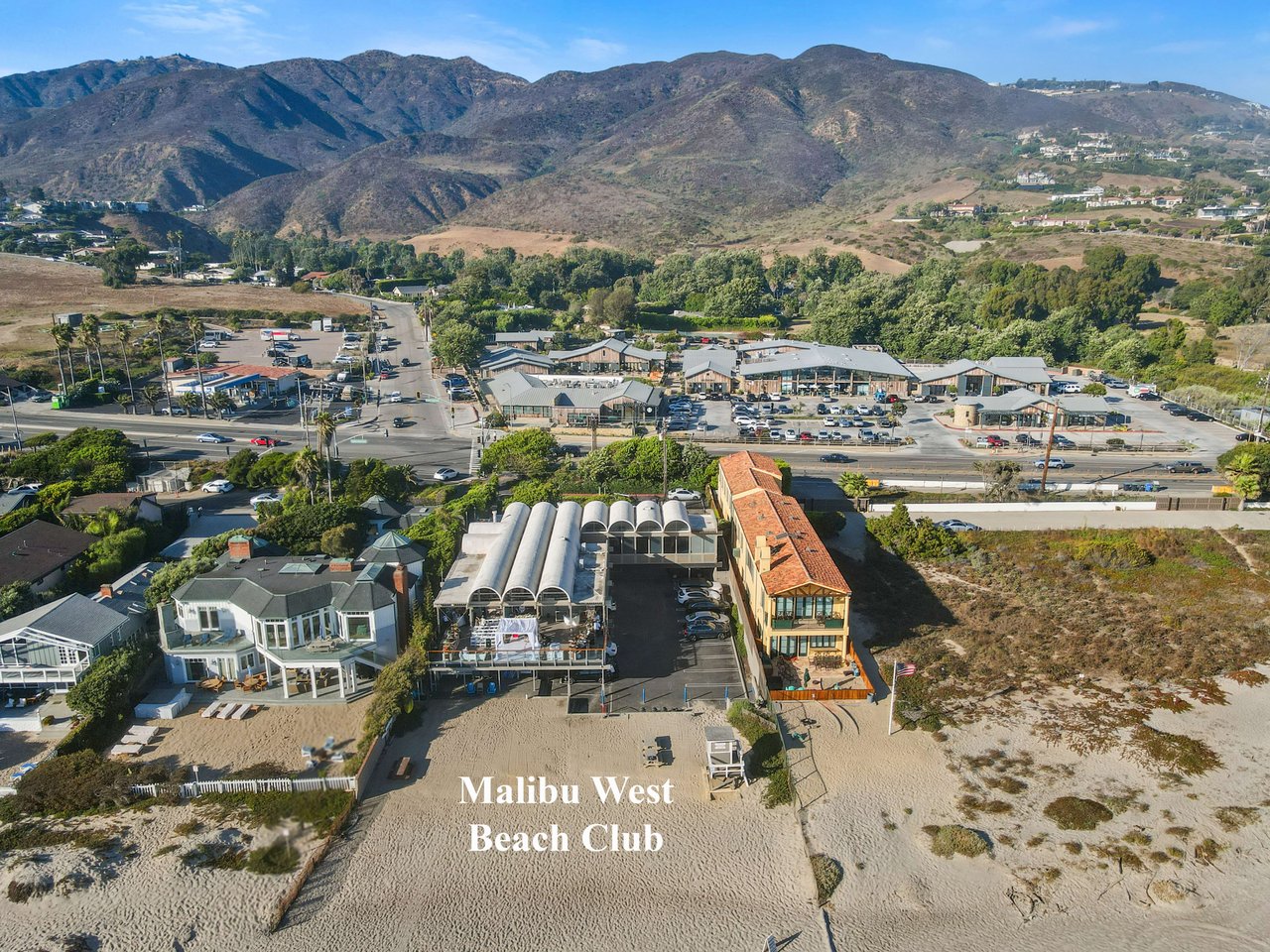
Malibu West — Anchored by the exclusive Malibu West Beach Club, this community-oriented neighborhood offers residents direct access to a pristine stretch of coastline. Located near Trancas Country Market, Malibu West features a mix of mid-century modern and updated contemporary homes. It is an excellent choice for buyers seeking a quieter beach lifestyle with strong community ties.
Point Dume — Famous for its bluff-top estates, large lot sizes, and expansive coastline views, Point Dume is one of the most recognized and desirable addresses in all of Malibu real estate. The area is surrounded by native flora within a naturally preserved landscape, and Point Dume Marine Science Elementary — consistently ranked among the best in California — is within walking distance.
Broad Beach — Defined by striking beachfront properties sitting directly on the sand, Broad Beach offers Cape Cod and modern architectural styles with unobstructed Pacific views and one of the most private and direct connections to the water available anywhere in the Malibu CA real estate market.
Carbon Beach — Often called "Billionaire's Beach," Carbon Beach is home to some of the most exclusive oceanfront estates in the world. Sleek contemporary architecture, celebrity ownership, and an unmatched concentration of wealth and design distinction define this corridor. Proximity to Nobu Malibu and the Malibu Beach Inn adds to the experience of living here.
Monte Nido — Nestled in the hills between Malibu and Calabasas, Monte Nido offers a tranquil, rural retreat with genuine privacy. Homes range from cozy canyon cabins to expansive estate properties surrounded by lush landscape and hiking trails. For buyers who want the Malibu address with a more nature-forward lifestyle, Monte Nido consistently ranks among the best neighborhoods to invest in for long-term value.
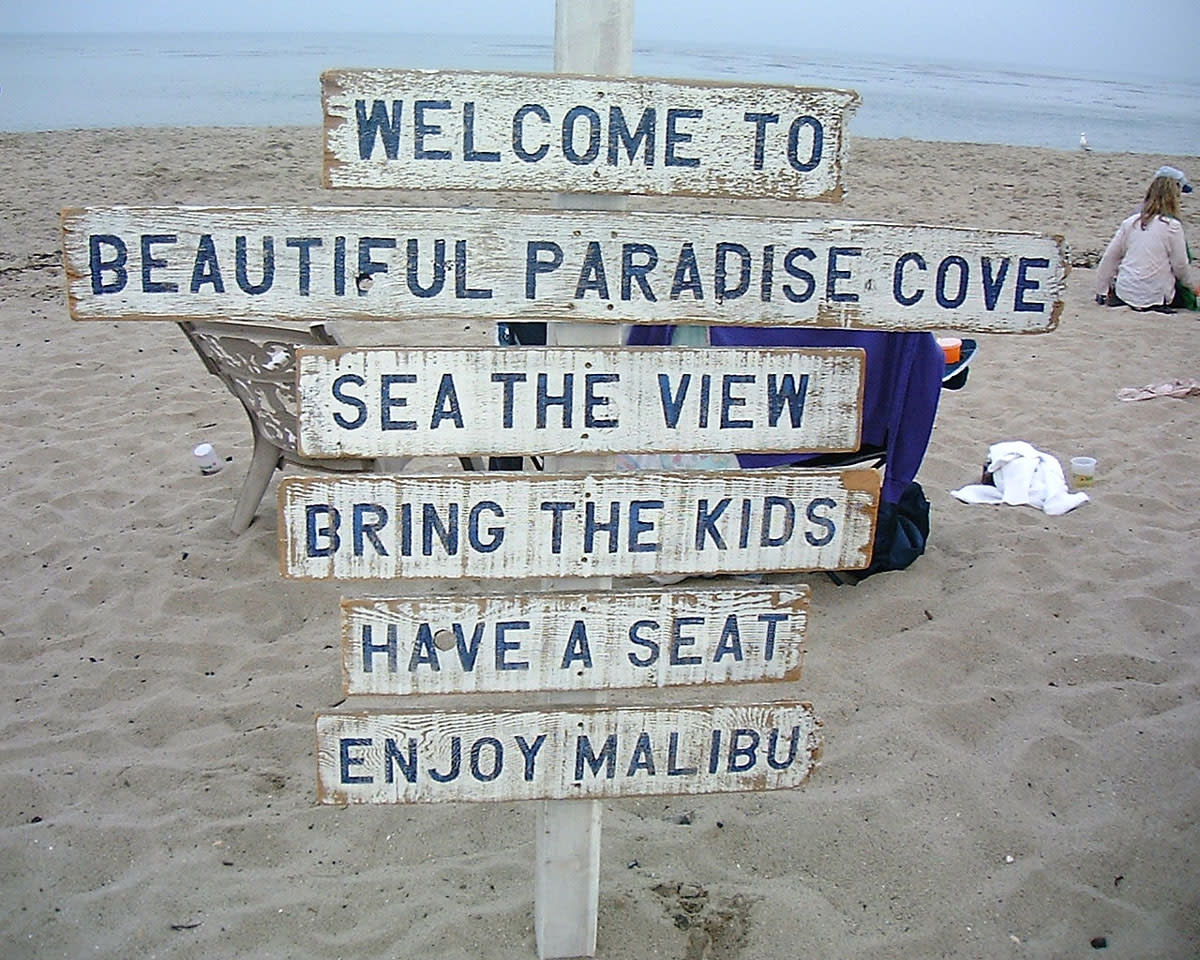
Paradise Cove — A coveted coastal community known for its eclectic mix of upscale manufactured homes and traditional beachfront properties. Private beach access, a laid-back atmosphere, and the beloved Paradise Cove Beach Café make it one of Malibu's most distinctive enclaves. For buyers interested in paradise cove mobile home park, this neighborhood offers one of the most accessible and characterful entry points into the broader market.
Point Dume Club — A gated manufactured home community perched on a bluff overlooking the ocean, Point Dume Club offers resort-style amenities including a pool, spa, clubhouse, and tennis courts. It remains one of the most affordable pathways into Malibu realty while delivering the coastal lifestyle and views the city is known for.
Malibu's reputation as a luxury coastal destination has attracted high-profile residents for generations. The city's scenic beaches, architectural estates, and secluded neighborhoods make it a consistent first choice for those who demand both luxury and privacy.
Legendary entertainer Johnny Carson owned a sprawling cliffside estate on Point Dume. Barbra Streisand has long called Malibu home. In more recent decades, Leonardo DiCaprio, Lady Gaga, Pierce Brosnan, Robert Downey Jr., and tech entrepreneur Larry Ellison — whose Japanese-inspired compound sits on Carbon Beach — have all maintained significant Malibu real estate holdings. The concentration of high-net-worth ownership along Carbon Beach, Broad Beach, and Point Dume is reflected directly in the architecture, the privacy infrastructure, and the off-market nature of most transactions at the top of the market.
Beyond celebrity appeal, Malibu's prestige is underpinned by consistently high property values, limited inventory, and proximity to Los Angeles — factors that make real estate malibu california a serious long-term asset class, not just a lifestyle purchase.
What is the average home price in Malibu in 2026? As of April 2026, the average home value in Malibu is approximately $3.14M, reflecting a modest year-over-year correction of around 2.2%. The market is highly segmented — canyon and hillside entry-level homes may start near $1.5M, while beachfront estates in Malibu Colony and Carbon Beach frequently exceed $20M. Buyers searching Malibu homes for sale will find meaningful variation in price point depending on proximity to the water, lot size, and community.
Is Malibu a good place to invest in real estate right now? Yes, though the investment thesis in 2026 has shifted from short-term appreciation to long-term wealth preservation. Malibu's strict coastal development standards and limited land supply create a permanent cap on inventory that supports values through broader market cycles. With average rental rates near $16,500 per month, investment properties in Malibu CA real estate generate strong income while owners wait for the next appreciation cycle.
How long does it take to sell a home in Malibu? In the current market, sellers should expect 90 to 180 days of market time. Properties that are correctly priced and feature fire-hardening upgrades tend to sell at the lower end of that range. Overpriced properties or those with unresolved compliance issues can sit significantly longer, accumulating market time that weakens negotiating position.
Can I build a new home in Malibu in 2026? New construction in Malibu involves both the City of Malibu and the California Coastal Commission, making it a complex and often lengthy process. However, under Ordinance 524, streamlined like-for-like rebuild options are available for properties affected by recent wildfires, often permitting a 10% increase in square footage or volume without requiring a new Coastal Development Permit — a significant advantage for buyers purchasing fire-affected lots.
What are the most important new real estate laws affecting Malibu buyers in 2026? Two updates are particularly relevant for buyers of Malibu real estate California. The FinCEN All-Cash Entity Reporting Rule now requires all-cash buyers purchasing through trusts or LLCs to disclose beneficial ownership information. Additionally, AB-723 requires clear disclosure when listing photos have been digitally altered or AI-staged — an important transparency measure as virtual renovation renderings become more common in luxury marketing.
What is the difference between buying a home in Malibu Colony versus Carbon Beach? Both are among the most prestigious addresses in all of real estate malibu california, but they offer meaningfully different experiences. Malibu Colony is a gated community with a range of beachfront estate styles, strong community identity, and walking distance to Malibu Pier and Surfrider Beach. Carbon Beach — "Billionaire's Beach" — is a smaller, more rarefied corridor defined by ultra-high-net-worth ownership, sleek contemporary architecture, and an exceptionally private atmosphere. Price points on Carbon Beach are among the highest per linear foot of any residential address in California.
Do I need a local real estate agent to buy in Malibu? Given the volume of off-market transactions, the complexity of coastal regulatory due diligence, and the nuance required to evaluate properties across Malibu's distinct micro-markets, working with one of the best real estate agents in Malibu CA is not just advisable — for most buyers it is the difference between accessing the full market and seeing only a fraction of it.
How much does a home in Malibu cost? As of 2026, the average home price in Malibu is approximately $3.14M. The market is highly segmented — canyon and hillside entry-level homes start near $1.5M, while beachfront estates in Malibu Colony and Carbon Beach frequently exceed $20M. Premier oceanfront properties on Carbon Beach and Broad Beach regularly trade between $10M and $50M+. Pricing depends heavily on proximity to the water, lot size, view corridor, and community.
What are the best neighborhoods in Malibu? The most coveted Malibu neighborhoods include Malibu Colony, a gated beachfront community known for oceanfront estates; Carbon Beach, often called "Billionaire's Beach," home to some of the most exclusive properties in California; Point Dume, famous for bluff-top estates and large lots; Broad Beach, defined by Cape Cod and modern homes directly on the sand; Malibu Park, a top choice for families due to spacious lots and proximity to top-rated schools; and Malibu West, a community-oriented neighborhood anchored by the Malibu West Beach Club. Paradise Cove and Point Dume Club also offer distinctive entry points into the market.
How do I find a Malibu real estate agent? Finding the right Malibu real estate agent is critical because a significant portion of the best properties trade off-market through established agent networks and never reach public listing portals. Look for an agent with deep local roots, a long track record in Malibu specifically, and demonstrated experience across the property types you're considering — beachfront, hillside, equestrian, or manufactured home communities. Brian Merrick is a lifelong Malibu resident with over 30 years of local practice, consistently ranked in the top 1% of Coldwell Banker agents worldwide.
Is Malibu a good place to buy real estate? Yes. Malibu real estate has historically been a strong long-term investment, with both beachfront and off-beach properties experiencing significant appreciation over time. The combination of strict coastal development standards, limited land supply, and consistent demand from high-net-worth and international buyers creates a permanent cap on inventory that supports values through broader market cycles. Beachfront properties are particularly resilient during downturns because the coastline is finite. Over the past 12 months, the Malibu market has recorded more than $13 billion in single-family home sales.
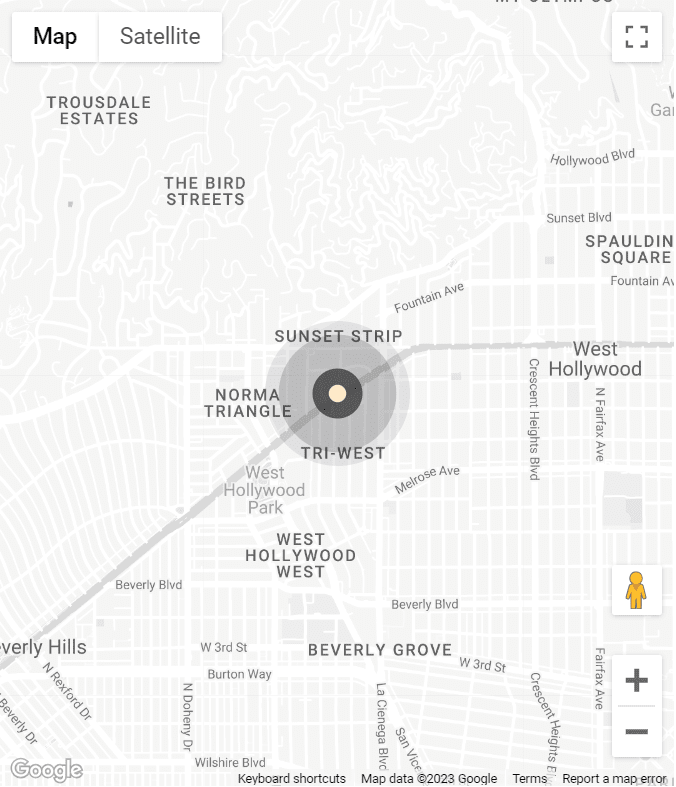
Where is Malibu located, and what areas is it close to? Malibu is a seaside community just outside of Los Angeles, stretching along 27 miles of coastline on the Pacific Ocean. From luxury beachfront estates to canyon ranch properties, Malibu is known for its laid-back coastal lifestyle and stunning natural beauty. Home to celebrities, Fortune 500 CEOs, and everyday residents, Malibu is an eclectic community that comes together in one unique coastal setting.
What types of homes are most common in Malibu? Malibu offers a diverse mix of homes, including modern luxury estates with state-of-the-art amenities and traditional ranch-style properties with large lots and expansive ocean views. Buyers can choose from oceanfront homes directly on the sand or off-beach properties that feature panoramic mountain and ocean vistas.
What is the average home price in Malibu? The Malibu real estate market is generally divided into two categories: beachfront homes and off-beach homes, each with distinct pricing and value drivers.
What is it like living in Malibu? Living in Malibu is often described as living your best life. A common phrase seen on license plates says it all: “Malibu, A Way of Life.” Life here centers around the beach and outdoor living—surfing, swimming, hiking, horseback riding, and mountain biking are all part of daily life. In the evenings, residents enjoy world-class dining at places like Nobu and Lucky’s, along with local favorites such as V’s and The Farm.
Who is Point Dume a good fit for? Point Dume is ideal for families, young professionals, and anyone seeking a true neighborhood feel with schools, shops, private beach access, and walkable streets. The area is home to the award-winning Malibu Elementary School, allowing many children to walk to class. The Point Dume Village offers convenient shopping, including a grocery store, a Pilates studio, and restaurants. It also features some of Malibu’s best beaches for surfing and tide pooling, making it a well-rounded community for a wide range of lifestyles.
How walkable is the Malibu West neighborhood, and what amenities are nearby? Malibu West is one of the most walkable neighborhoods in Malibu. Residents enjoy close proximity to the Malibu West Beach Club, Malibu Middle and High School, and the Trancas Country Market. This guard-gated community offers convenient access to amenities, making it one of the most accessible and livable neighborhoods in the area.
What schools serve Malibu? Malibu is part of the Santa Monica–Malibu Unified School District and offers several public-school options, including Webster Elementary School, Malibu Elementary School, Malibu Middle School, and Malibu High School. Santa Monica College also has a campus in central Malibu. Private school options include Our Lady of Malibu Catholic School (grades 1–8), MUSE Global School, and Pepperdine University.
How does Malibu Park compare to nearby neighborhoods? Malibu Park compares favorably to other Malibu neighborhoods due to its larger properties and proximity to both Zuma Beach and the Santa Monica Mountains. Residents enjoy easy access to beaches, hiking, and biking trails. The presence of Malibu Middle School and Malibu High School within the neighborhood also makes it especially appealing for families.
Are there HOA fees or special community rules in Malibu West? Unlike Point Dume and Malibu Park, which do not have homeowners' associations, Malibu West does have an HOA. The dues cover community amenities such as the Beach Club, tennis courts, streets, sewer systems, and security. HOA fees remain relatively reasonable, in part because the Beach Club is rented out for weddings and events, helping offset costs.
Is Malibu a good area for real estate investment or long-term value? Malibu has historically been a strong long-term investment. Both beachfront and off-beach properties have experienced significant appreciation over time. Beachfront properties tend to be more resilient during market downturns due to their limited supply—there simply isn’t any more coastline being created.
Over the past 50 years, Malibu real estate has consistently appreciated, with only brief periods of minor corrections. As a personal example, my family purchased a home on Point Dume in 1955 for $35,000. Today, that same property is worth approximately $8,000,000—an increase of about 22,757%.
If you're researching real estate agent Malibu options, you're likely weighing a decision that involves significant complexity — off-market inventory, coastal regulations, neighborhood nuances, and a market where relationships often matter more than listings.
Brian Merrick is a lifelong Malibu resident and one of the most experienced real estate agents in Malibu California. His family has owned property here since the 1940s, and he has been an active practitioner in this market for over 30 years — first as a custom home builder, then as an agent consistently ranked in the top 1% of Coldwell Banker agents worldwide. He has represented buyers and sellers across every segment of Malibu CA real estate, from manufactured homes in Paradise Cove and Point Dume Club to oceanfront estates on Carbon Beach and Broad Beach.
Brian's clients include executives of Fortune 500 companies, actors, producers, and private investors — many of whom return to him for subsequent transactions because of his discretion, local knowledge, and access to inventory that never reaches the public market. His record includes the Carroll O'Connor estate on Broad Beach, which at the time closed as the largest sale on that street at $28 million.
Whether you are beginning your search, evaluating a specific property, or need a trusted second opinion on a transaction already in motion, Brian is a resource — not a pitch.
Brian Merrick — Coldwell Banker Realty, Malibu Colony Office Phone: (310) 383-4336 Email: [email protected] Address: 29178 Heathercliff Rd, Suite 3, Malibu, CA 90265 License #01204107
Contact Brian · Search Malibu Homes for Sale · View Sold Properties
10,516 people live in Malibu, where the median age is 50.7 and the average individual income is $127,233. Data provided by the U.S. Census Bureau.
Total Population
Median Age
Population Density Population Density This is the number of people per square mile in a neighborhood.
Average individual Income
There's plenty to do around Malibu, including shopping, dining, nightlife, parks, and more. Data provided by Walk Score and Yelp.
Explore popular things to do in the area, including The Sound of Abigail, YamOGA Mindfulness, and Miel Yoga.
| Name | Category | Distance | Reviews |
Ratings by
Yelp
|
|---|---|---|---|---|
| Active | 0.02 miles | 0 reviews | 0/5 stars | |
| Active | 0.02 miles | 1 review | 5/5 stars | |
| Active | 0.02 miles | 2 reviews | 5/5 stars | |
| Active | 0.02 miles | 0 reviews | 0/5 stars | |
| Active | 0.02 miles | 5 reviews | 5/5 stars | |
| Active | 0.02 miles | 0 reviews | 0/5 stars | |
| Active | 0.02 miles | 0 reviews | 0/5 stars | |
| Active | 0.02 miles | 0 reviews | 0/5 stars | |
| Active | 0.02 miles | 0 reviews | 0/5 stars | |
| Active | 0.02 miles | 0 reviews | 0/5 stars | |
| Active | 0.53 miles | 0 reviews | 0/5 stars | |
| Active | 0.55 miles | 1 review | 3/5 stars | |
| Active | 0.8 miles | 29 reviews | 5/5 stars | |
| Active | 0.8 miles | 1 review | 5/5 stars | |
| Active | 0.8 miles | 0 reviews | 0/5 stars | |
| Beauty | 0.02 miles | 9 reviews | 5/5 stars | |
| Beauty | 0.02 miles | 14 reviews | 5/5 stars | |
| Beauty | 0.02 miles | 0 reviews | 0/5 stars | |
| Beauty | 0.02 miles | 0 reviews | 0/5 stars | |
| Beauty | 0.02 miles | 1 review | 5/5 stars | |
| Beauty | 0.02 miles | 0 reviews | 0/5 stars | |
| Beauty | 0.8 miles | 17 reviews | 5/5 stars | |
| Beauty | 0.8 miles | 7 reviews | 5/5 stars | |
|
|
||||
|
|
||||
|
|
||||
|
|
||||
|
|
||||
|
|
Malibu has 4,346 households, with an average household size of 2.39. Data provided by the U.S. Census Bureau. Here’s what the people living in Malibu do for work — and how long it takes them to get there. Data provided by the U.S. Census Bureau. 10,516 people call Malibu home. The population density is 530 and the largest age group is Data provided by the U.S. Census Bureau.
Total Population
Population Density Population Density This is the number of people per square mile in a neighborhood.
Median Age
Men vs Women
Population by Age Group
0-9 Years
10-17 Years
18-24 Years
25-64 Years
65-74 Years
75+ Years
Education Level
Total Households
Average Household Size
Average individual Income
Households with Children
With Children:
Without Children:
Marital Status
Blue vs White Collar Workers
Blue Collar:
White Collar:
Whether you are looking to buy, sell, or lease a luxury estate, oceanfront property, ranch, or condominium, Brian Merrick is happy to help.
Contact UsColdwell Banker Malibu-Cross Creek 23410 Civic Center Way, Ste D-2 Malibu, CA 90265 Coldwell Banker Malibu-Point Dume 29178 Heathercliff Rd, Ste 3 Malibu, CA 90265