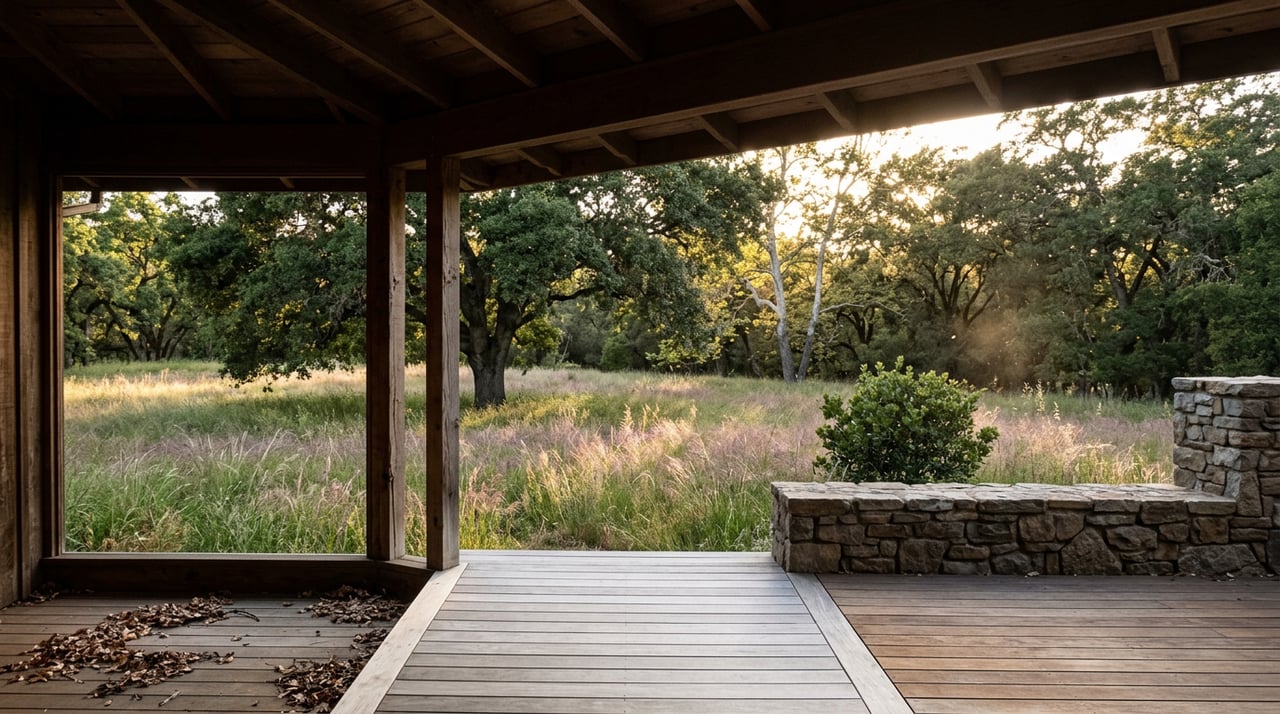

When buyers ask me what it's like to live in Monte Nido, I tell them the truth: it's the closest you can get to feeling like you've left Los Angeles entirely without actually leaving. I've spent over 30 years helping clients buy and sell across every corner of the greater Malibu market, and Monte Nido remains one of the most distinctive — and most misunderstood — communities I work in. People associate it with Malibu because of the proximity and the canyon culture, but Monte Nido is its own world: unincorporated, oak-shaded, and protected by terrain in ways that no city ordinance ever could replicate.
This guide is for the buyer who has started to look beyond the coastline. Whether you're trading a Calabasas cul-de-sac for acreage, or weighing a Point Dume bluff against a Monte Nido canyon estate, what follows is the on-the-ground perspective I share with my clients before we ever set foot on a property.
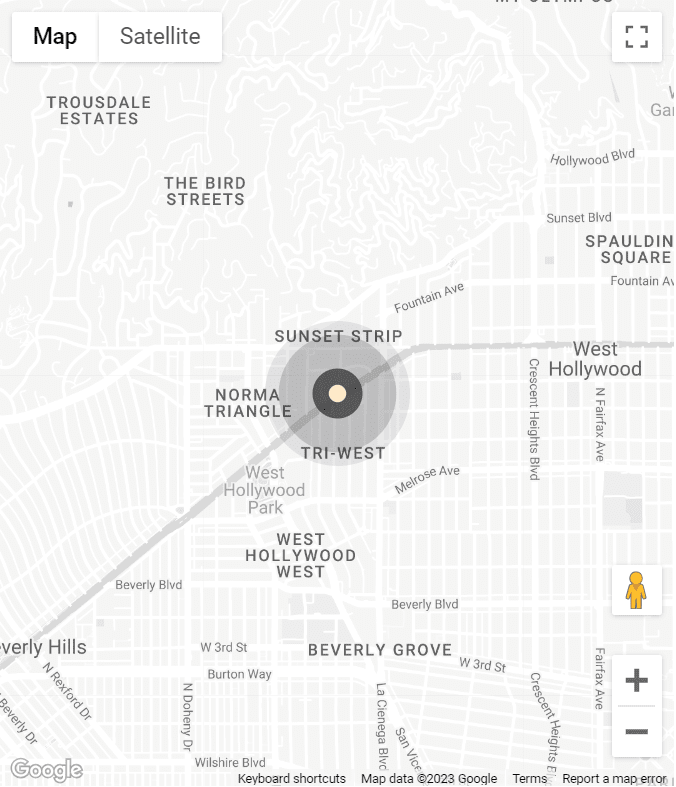
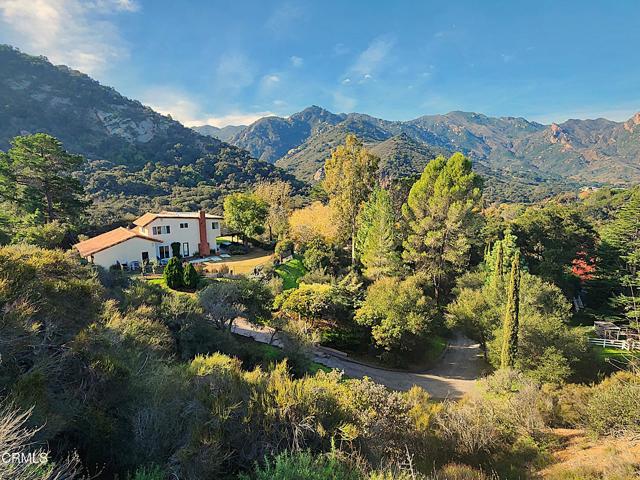
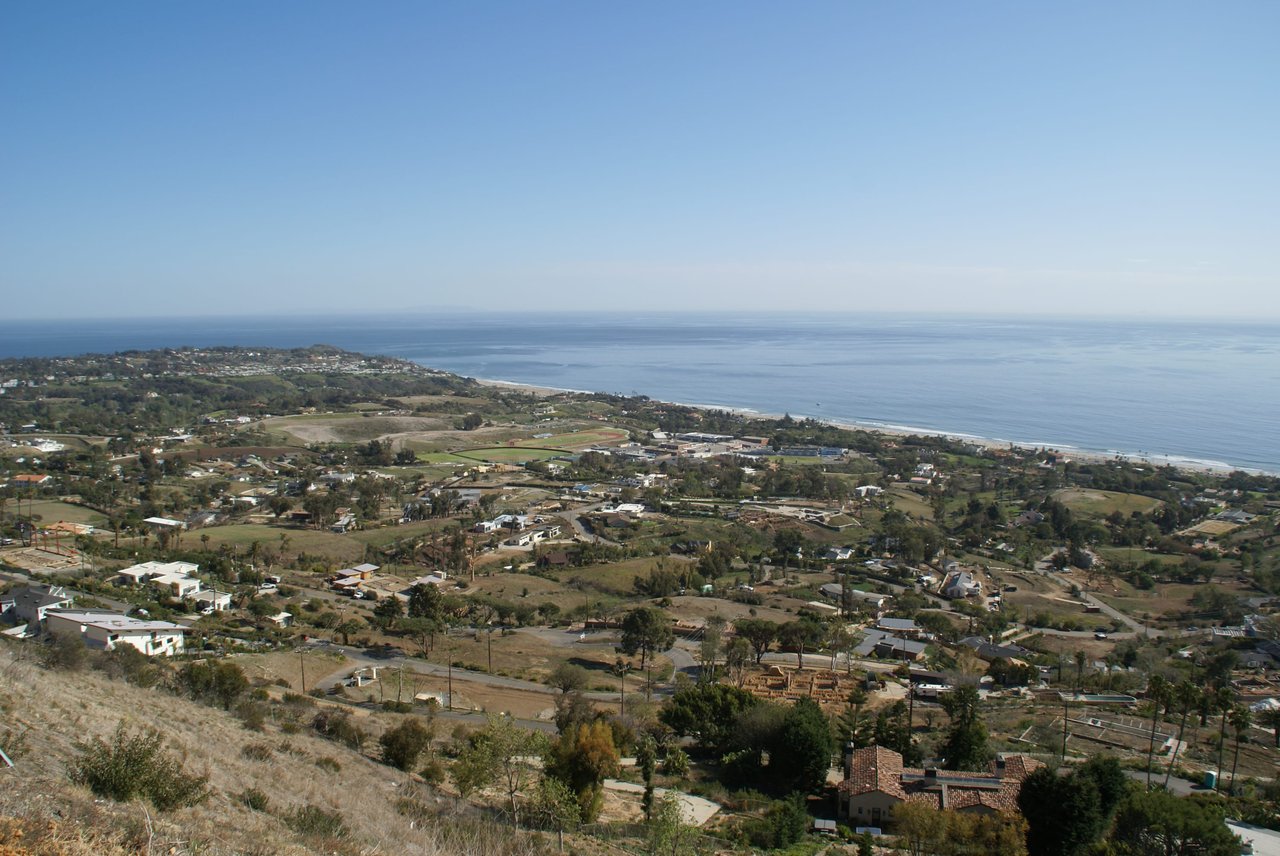
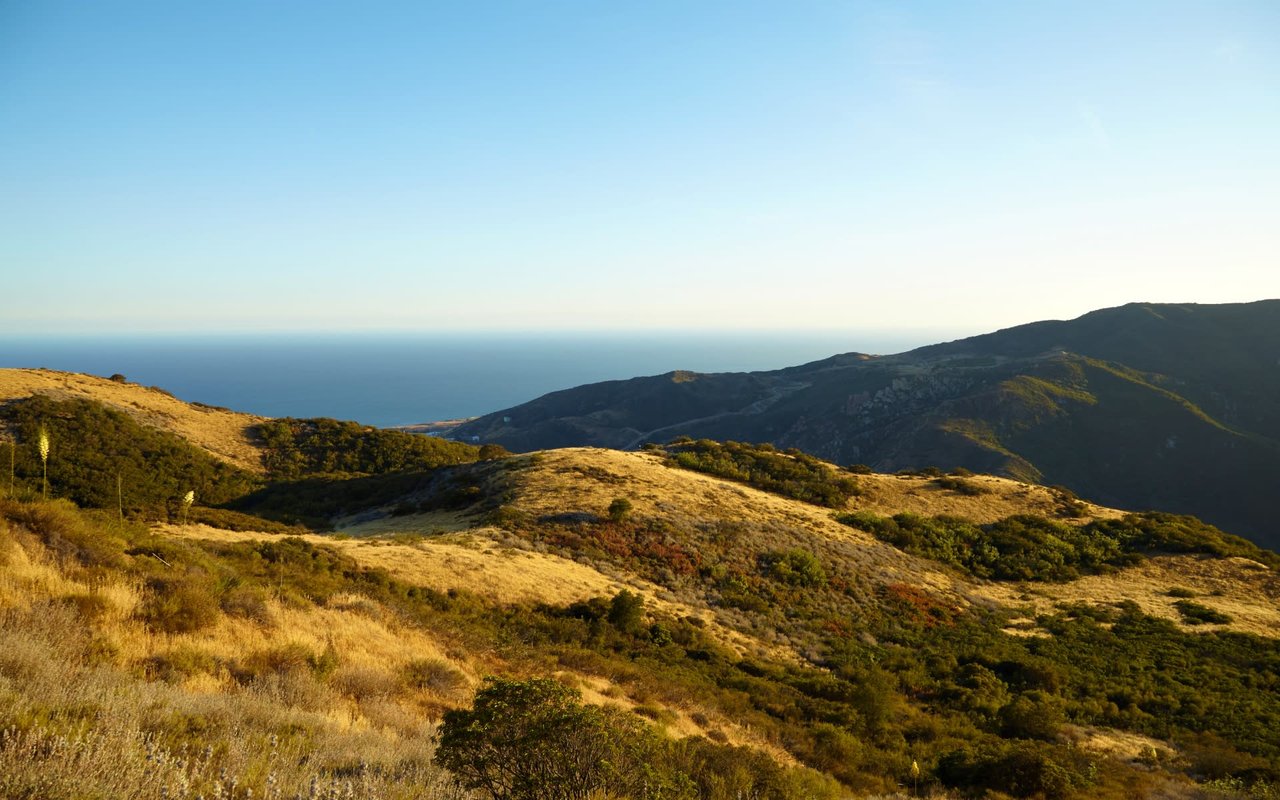
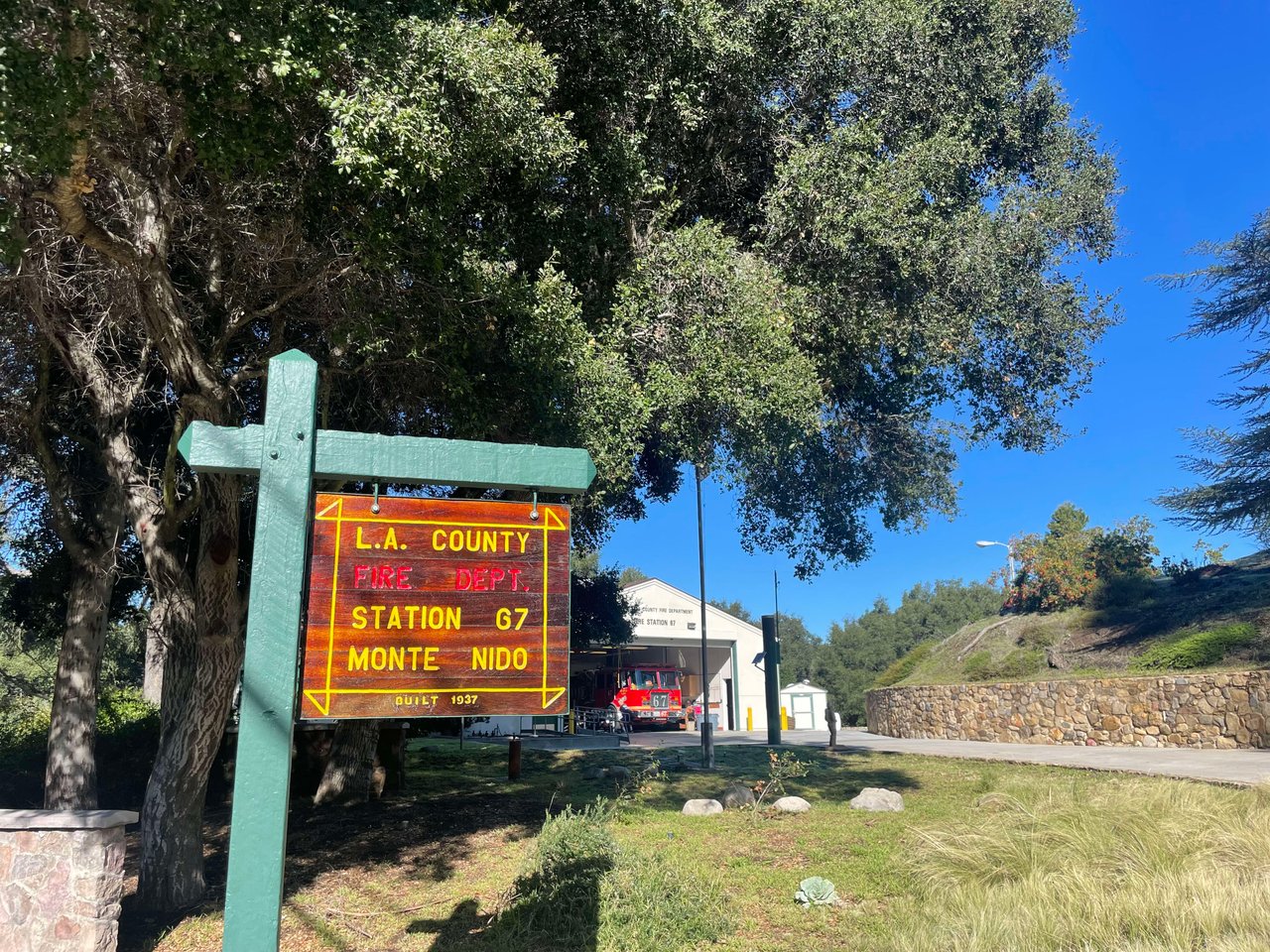
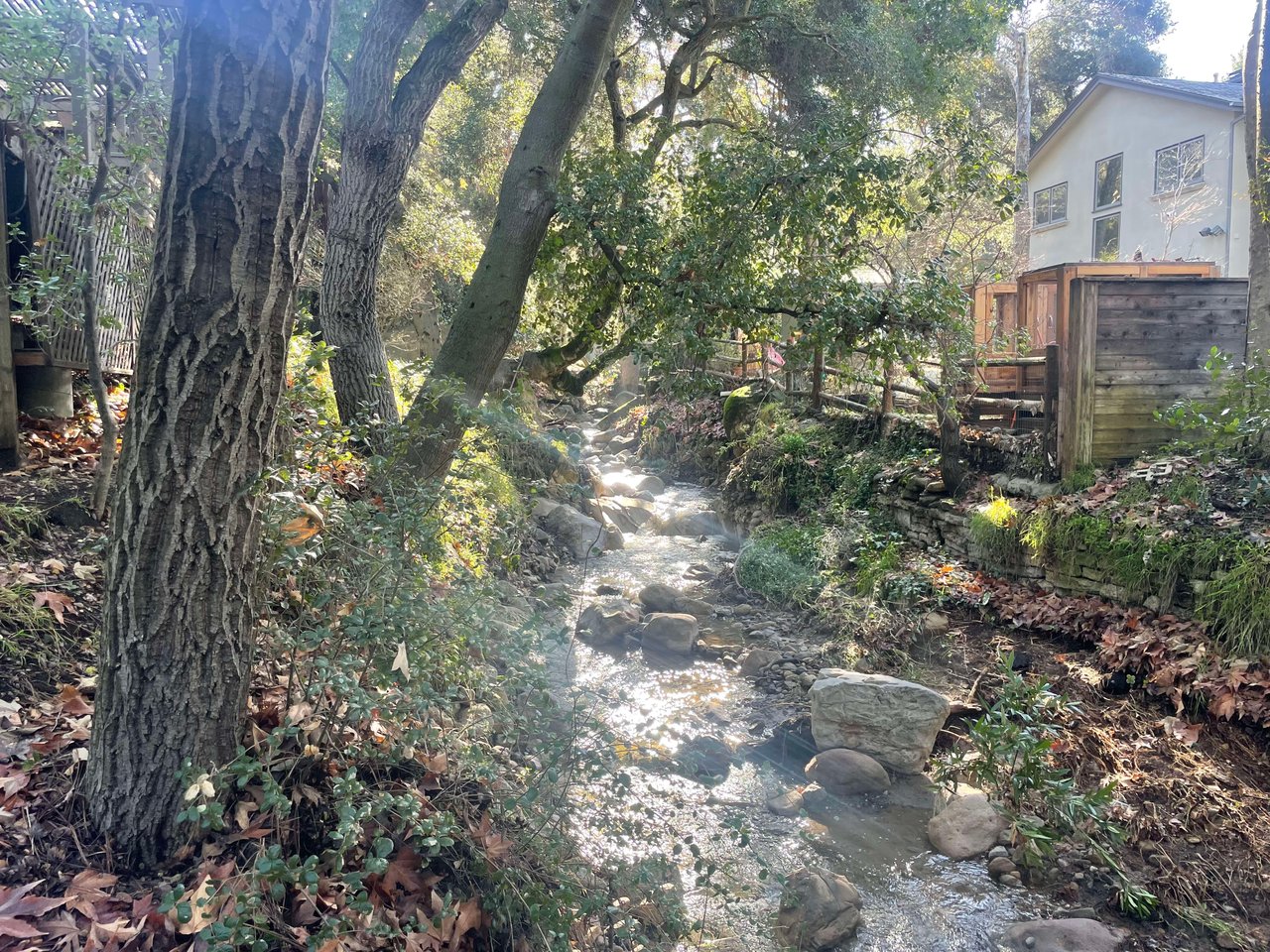
The name translates from Spanish as "mountain nest," and it's the most accurate description anyone has ever given this place. Monte Nido sits in a canyon valley in the heart of the Santa Monica Mountains, about three miles inland from the Pacific and just south of Calabasas. It's an unincorporated community in Los Angeles County, which means no city government, no streetlights, and no commercial corridor — just homes, oak canopies, seasonal creeks, and the Backbone Trail running through the back of the neighborhood.
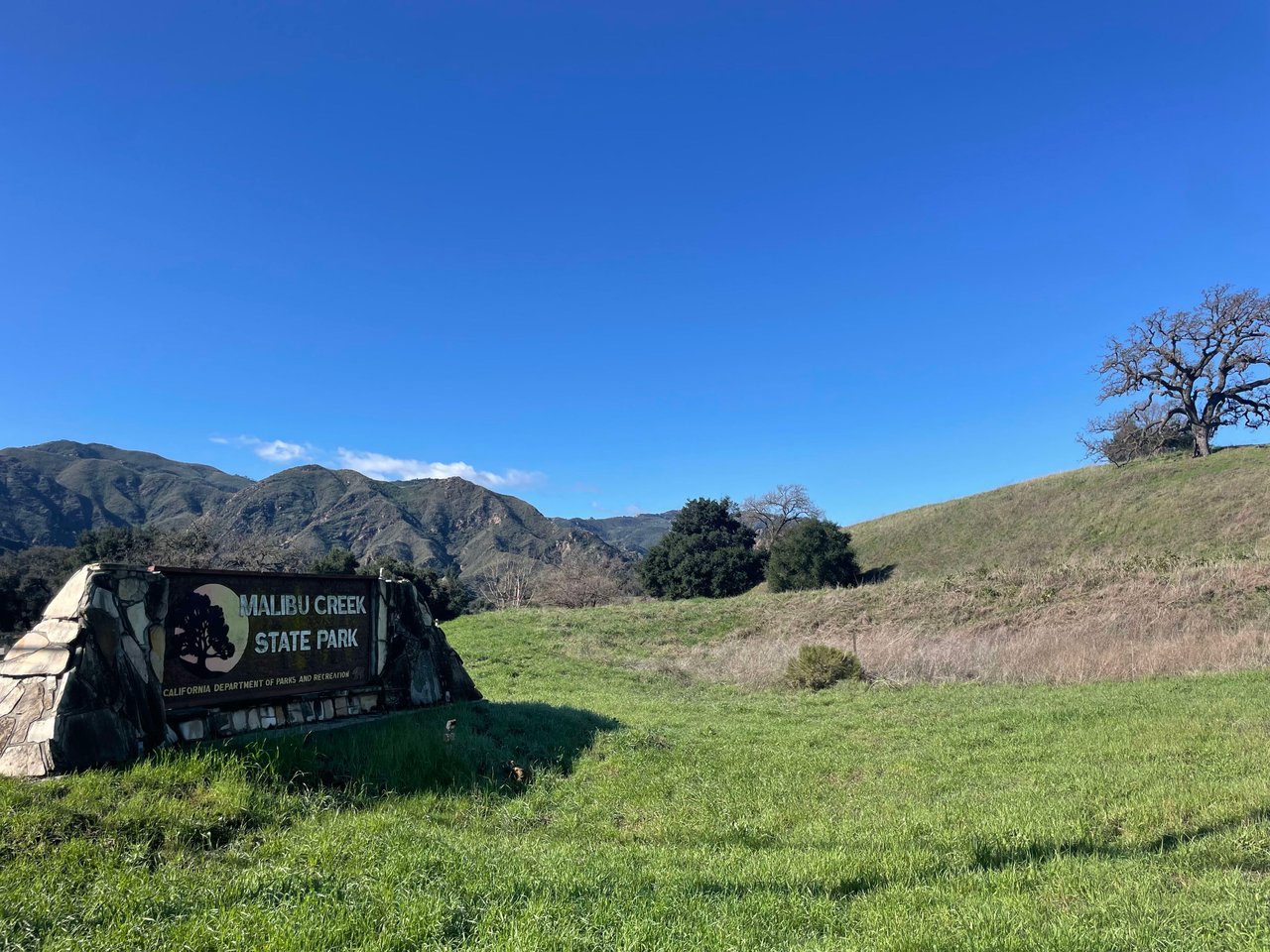
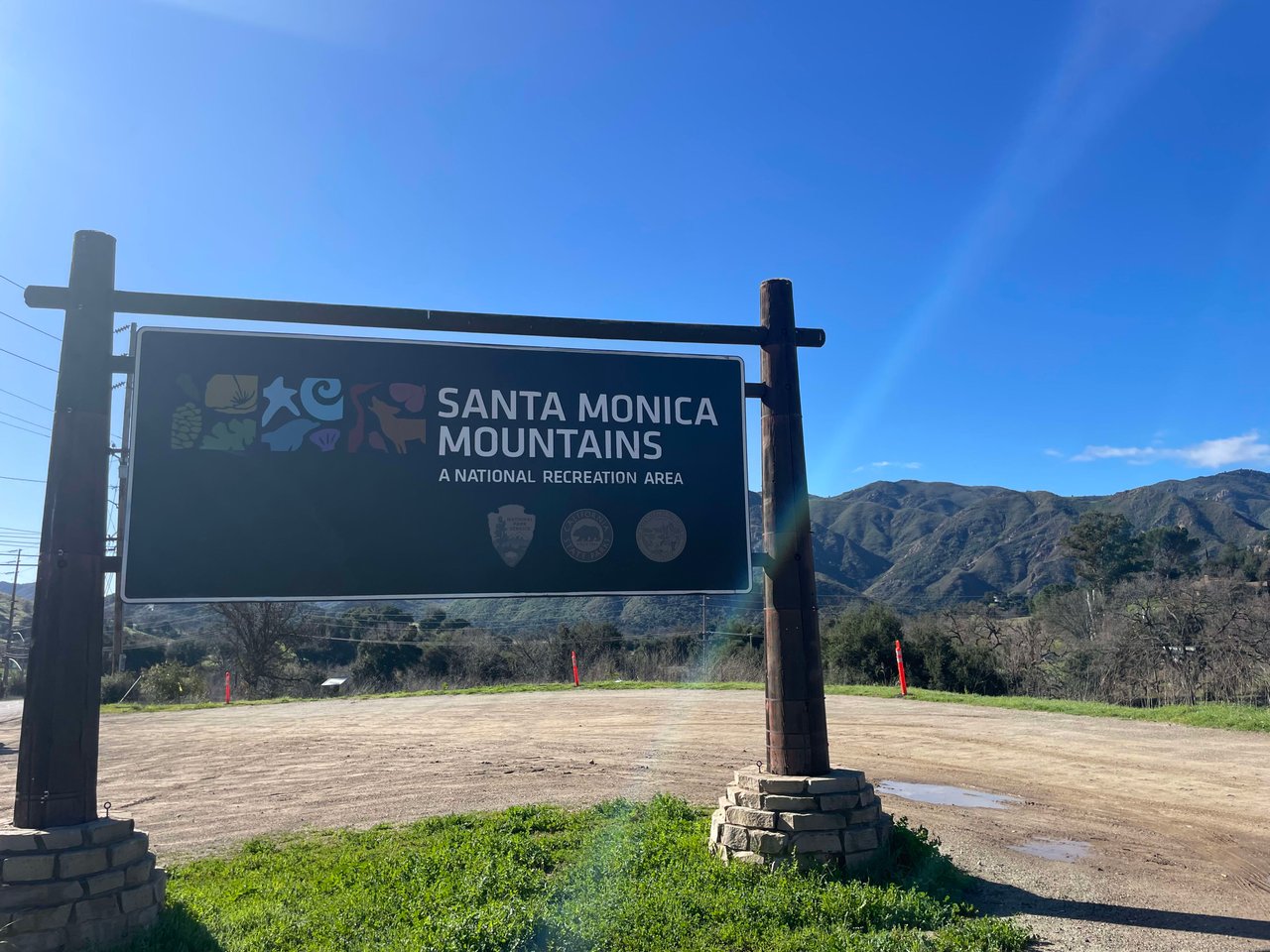
What gives Monte Nido its character is the topography. The community is flanked by Malibu Creek State Park to the south and the Santa Monica Mountains National Recreation Area on nearly every other side. That isn't a marketing detail — it's a structural reality that caps growth and protects the rural feel. You won't find new subdivisions here, because there's nowhere to build them.
The residents reflect the geography. Monte Nido has historically attracted artists, writers, equestrians, and entertainment-industry professionals who want a workshop, a barn, or simply a quiet place to think. The Monte Nido Valley Community Association — the MNVCA — is genuinely active, and within a few months of moving in, most buyers know their neighbors by first name. It's the kind of place where a July 4th parade still happens on golf carts and horseback, and where neighbors organize fire-safety meetings the way other communities organize block parties.
A few things newcomers should know upfront. There are no commercial stores, no gas stations, and no convenience retail within Monte Nido itself — the nearest options are in Calabasas (about 15 minutes) or Malibu (about 12 minutes). Cell service can be unreliable in the deeper canyon pockets, so most residents rely on fiber or Starlink. And because the neighborhood sits in a canyon valley rather than on the coastal strip, the climate is genuinely different from Malibu: summer highs frequently exceed 90°F, and winter mornings can bring frost. That climate shift is part of what gives the area its lush oak and sycamore canopy — a landscape that's increasingly rare in Southern California.
The Monte Nido market behaves differently from the broader Los Angeles real estate landscape, and frankly, that's one of its strongest selling points. With only a few hundred homes total, inventory is structurally low — typically fewer than a dozen active listings at any given time. That scarcity isn't a market cycle, it's a permanent feature of the geography.
As of Q2 2026, the median listing price in Monte Nido sits at approximately $3,497,000, with a median price per square foot of about $867. Homes are averaging around 56 days on market, with a sale-to-list ratio near 98%. Year-over-year, days on market have increased roughly 21%, which signals what I'd characterize as a buyer-balanced shift rather than a downturn. Sellers are negotiating more than they were two years ago, but well-priced, modernized homes are still moving without much resistance.
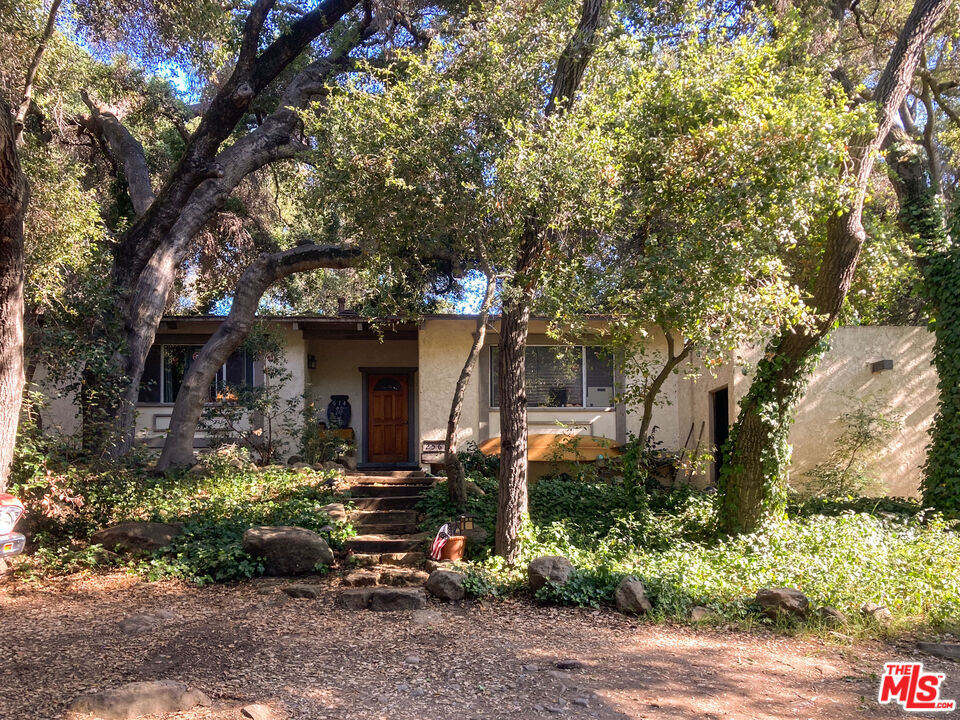
The price spread in Monte Nido is wider than most buyers expect. Entry-level canyon homes — typically smaller mid-century ranches or older cottages in need of updating — can start near $1.4M. From there, the market climbs steadily through the $3M to $5M range for renovated estates on usable acreage, and into the $10M-plus tier for new construction or trophy compounds with significant land. The current top of the active inventory is a new-construction estate on Crater Camp Drive listed at $14,995,000, sitting on more than 18 acres with a lighted tennis court — a property that gives you a sense of just how much usable land is possible here, even with the canyon topography.
A few dynamics worth understanding before you make an offer:
The turnkey premium is real. Buyers in this price range are increasingly unwilling to take on permitting risk, especially with mountain construction costs and fire-code requirements where they are today. Fully modernized and fire-hardened properties are commanding a meaningful premium over comparable homes that need work. If you're considering a fixer, build the renovation timeline and budget into your offer from day one.
Lot size and usable flat land drive value more than square footage. A 4,000-square-foot home on three acres of flat, fenced land — especially with equestrian infrastructure — will frequently outprice a larger home on a steep, hard-to-use parcel. This is the opposite of how coastal Malibu pricing works, and it's something I spend a lot of time recalibrating for buyers new to the area.
Insurance availability is a real factor in escrow. Monte Nido is in a Very High Fire Hazard Severity Zone, and securing a homeowners insurance policy is now one of the longer lead-time items in any canyon transaction. Some buyers go through the California FAIR Plan as a primary or layered solution. I always tell my clients: get a firm insurance quote during your contingency period, not after.
Off-market activity is significant. A meaningful share of Monte Nido transactions never reach the public MLS. Sellers here often prioritize privacy, and many of the most desirable properties trade through agent networks. If you don't see what you're looking for in a public search, that doesn't mean it doesn't exist.
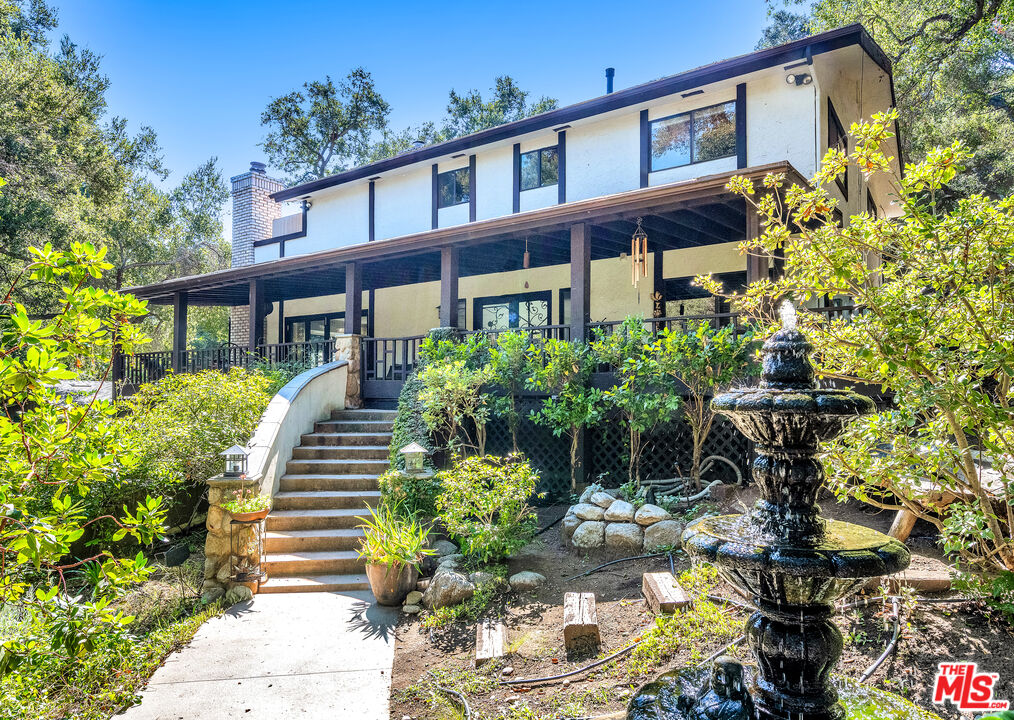
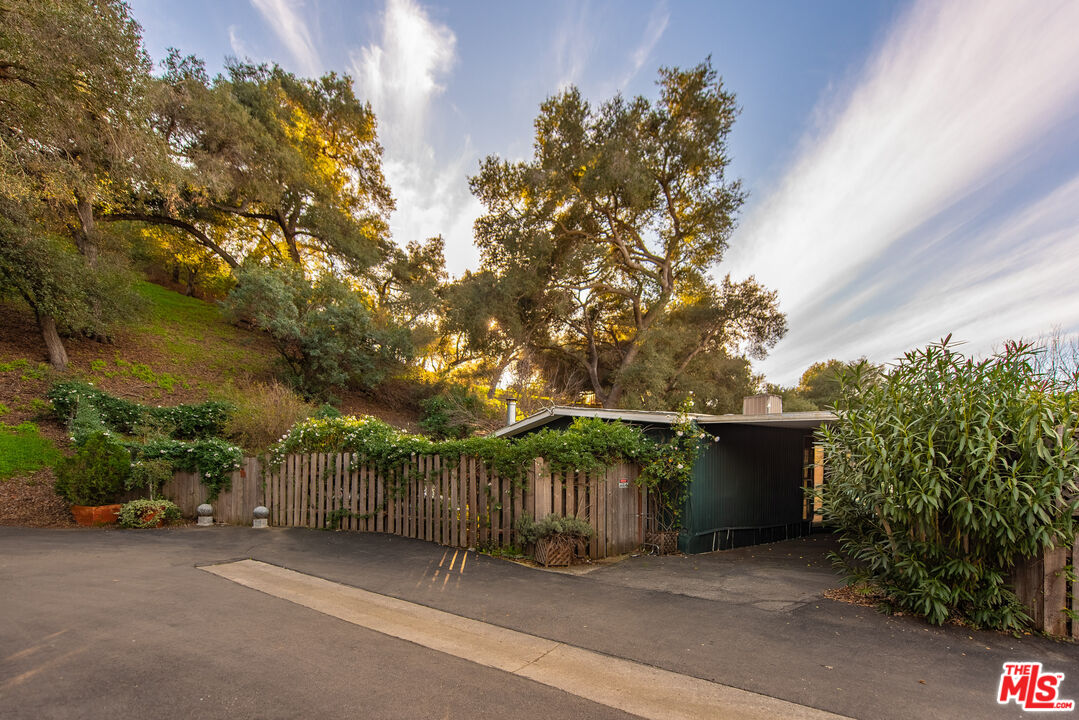
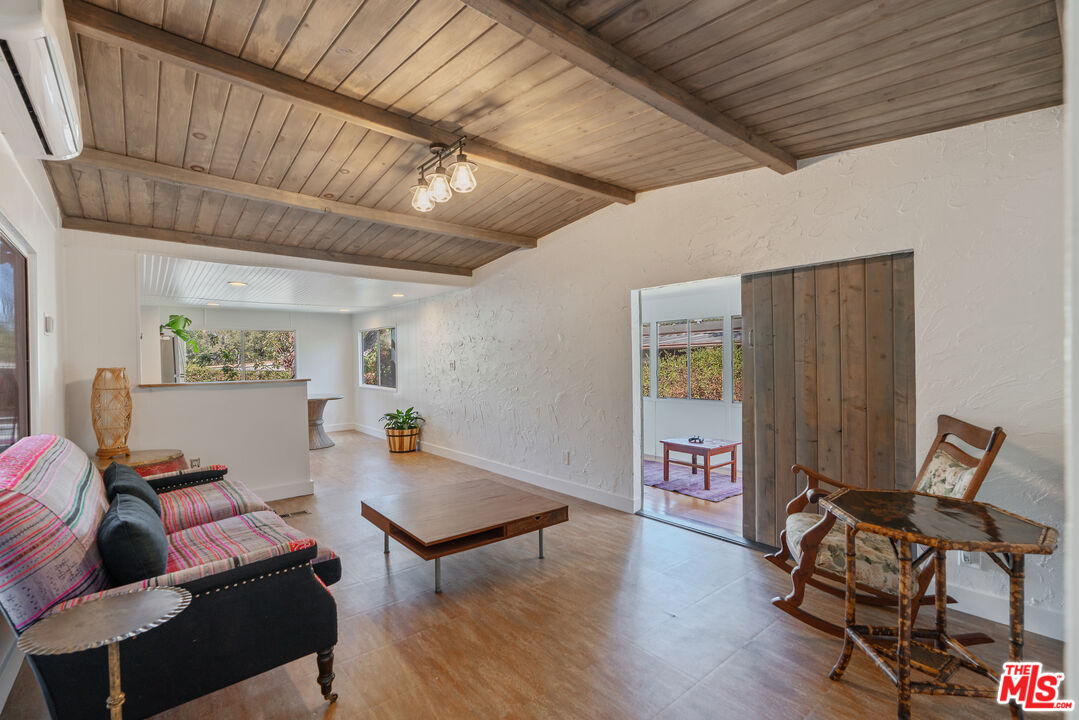
The architectural mix in Monte Nido is one of the things that makes it interesting to work in. The neighborhood started in the 1920s as a collection of weekend hunting cabins, and that bohemian, individualistic DNA still runs through the housing stock today. You won't find a tract here. Every property has its own story.
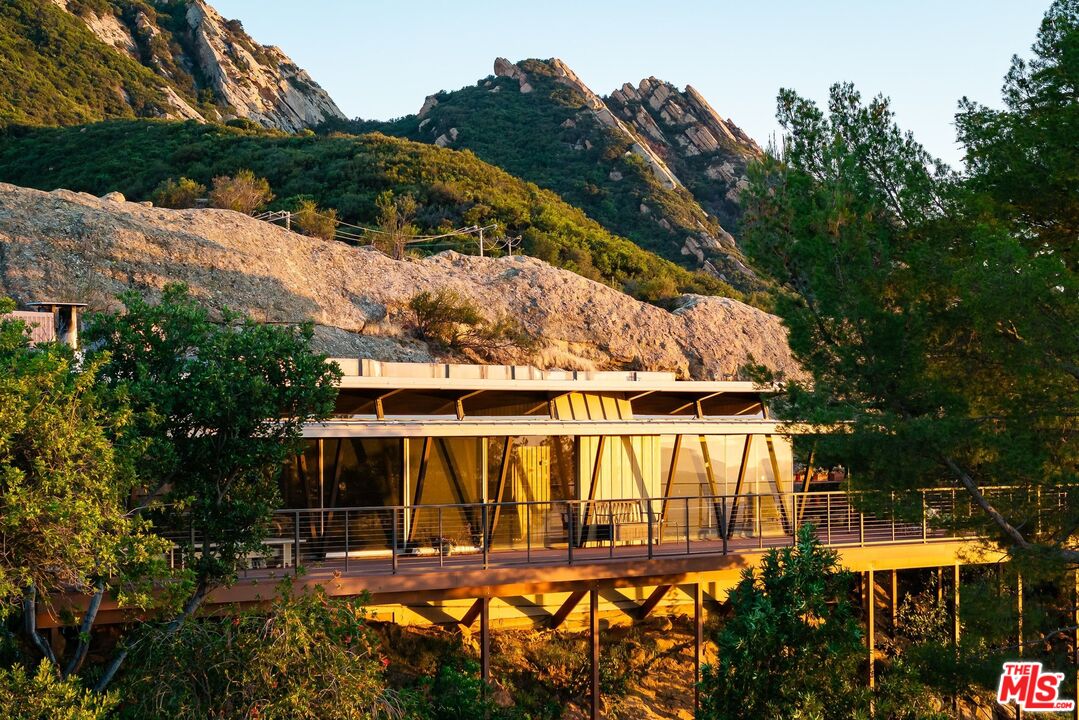
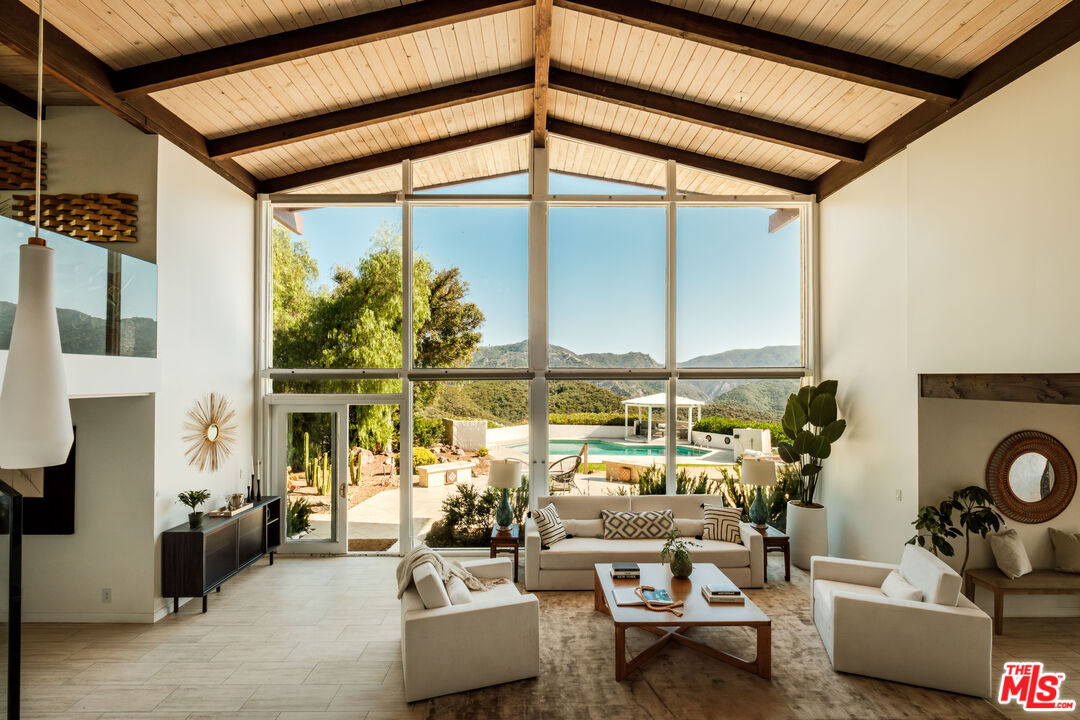
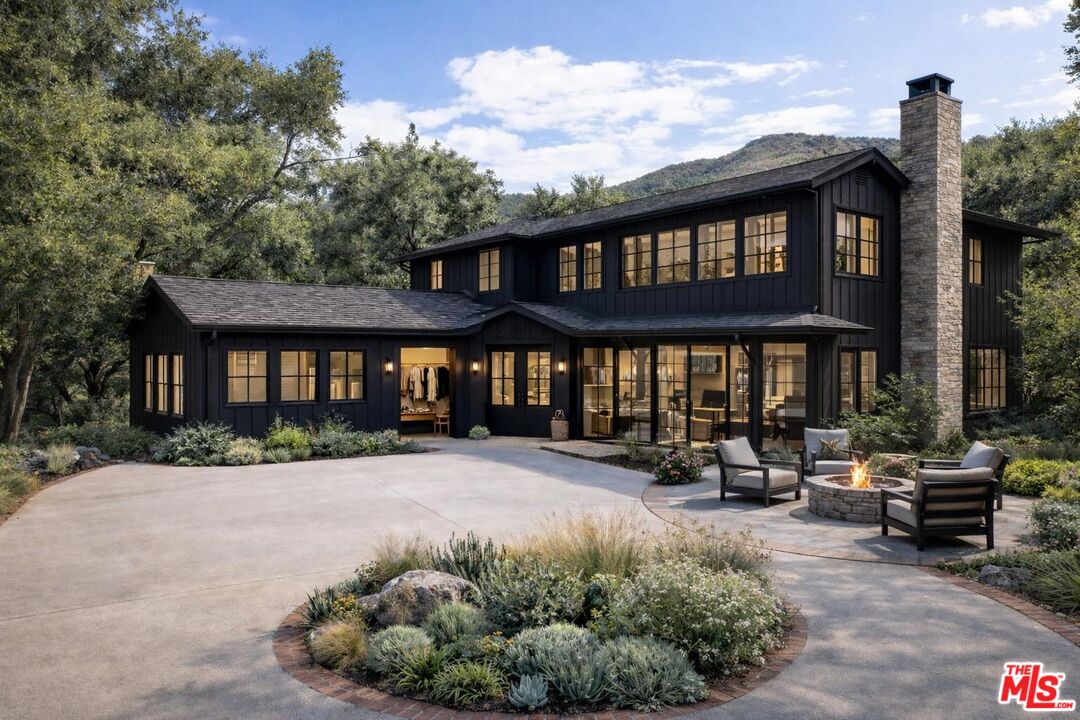
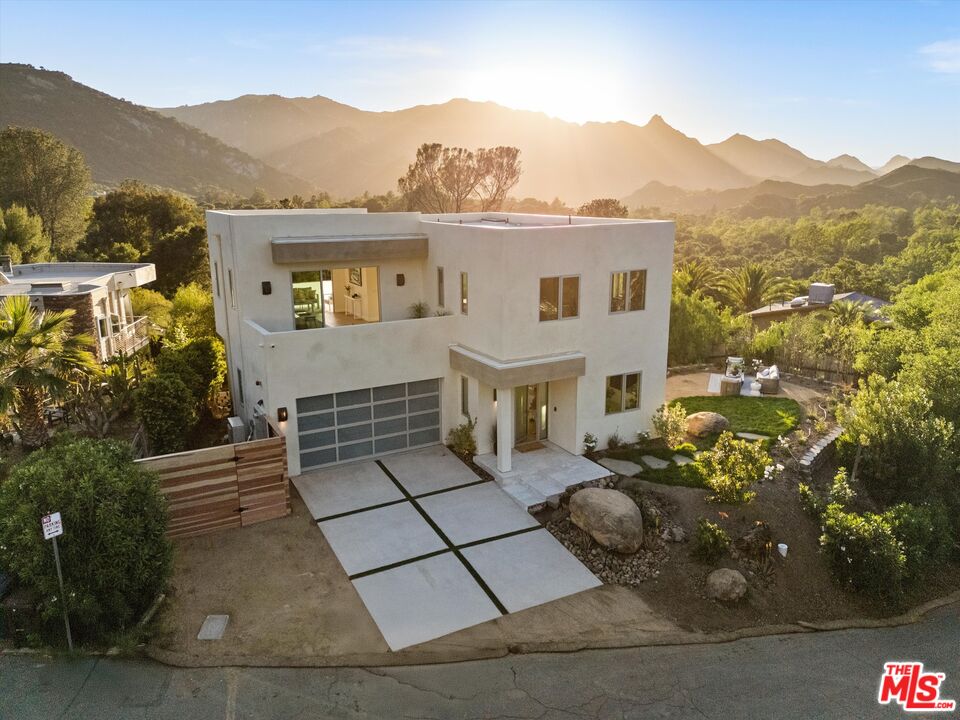
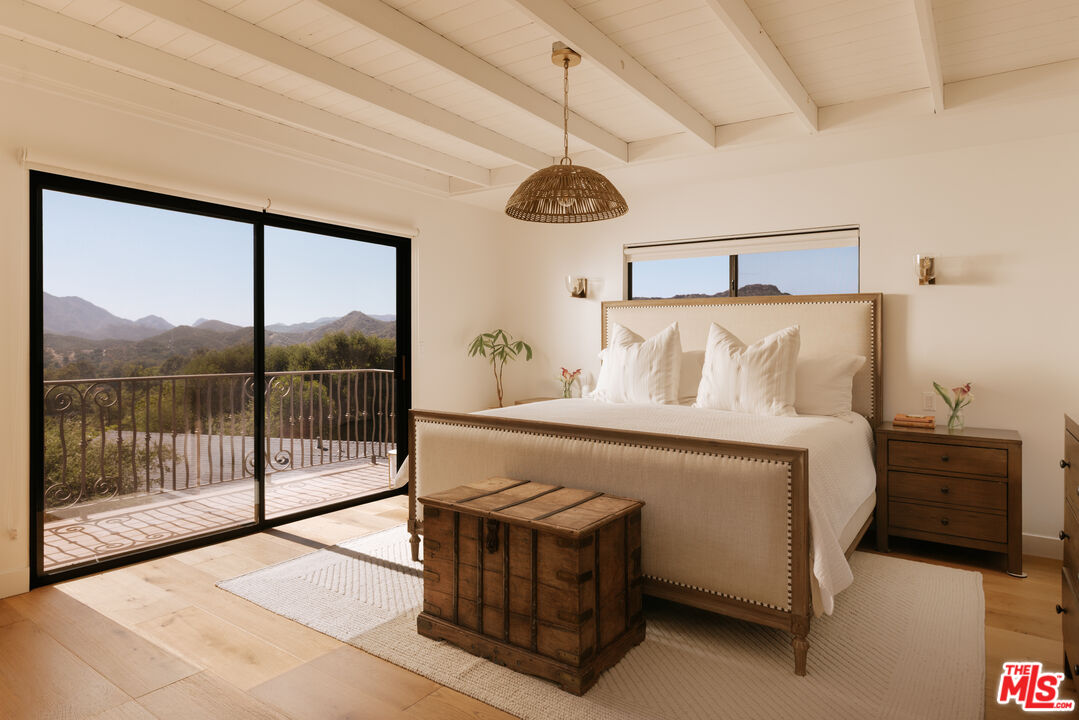
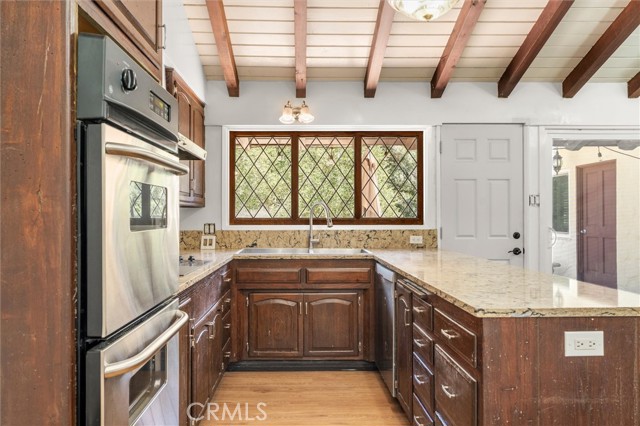
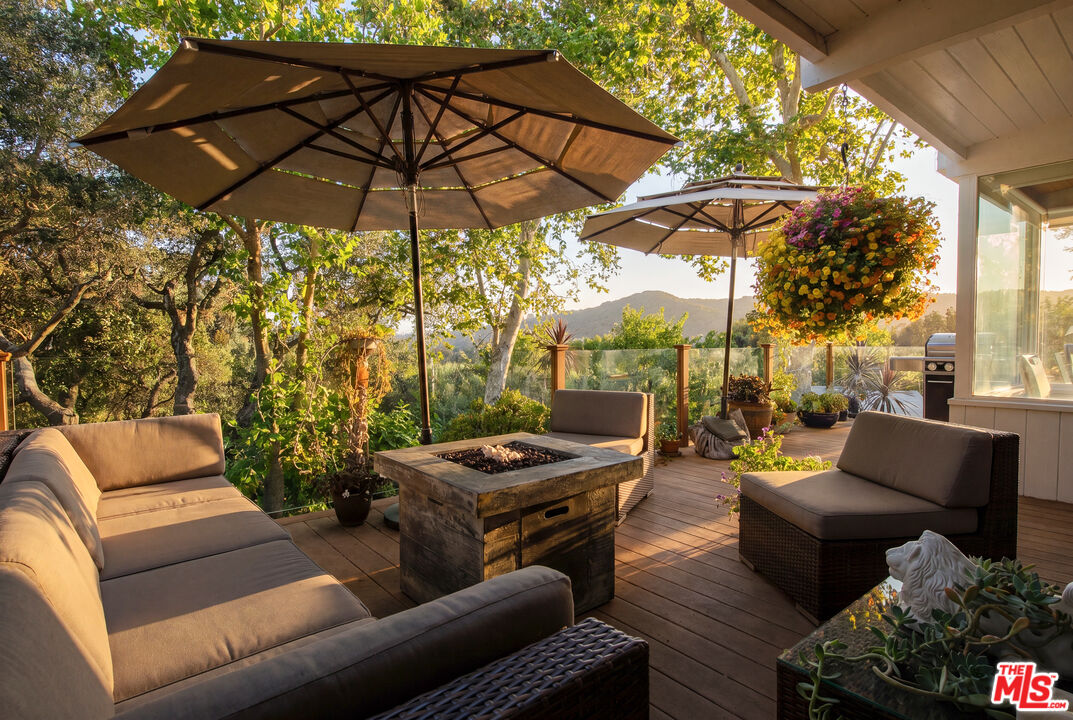
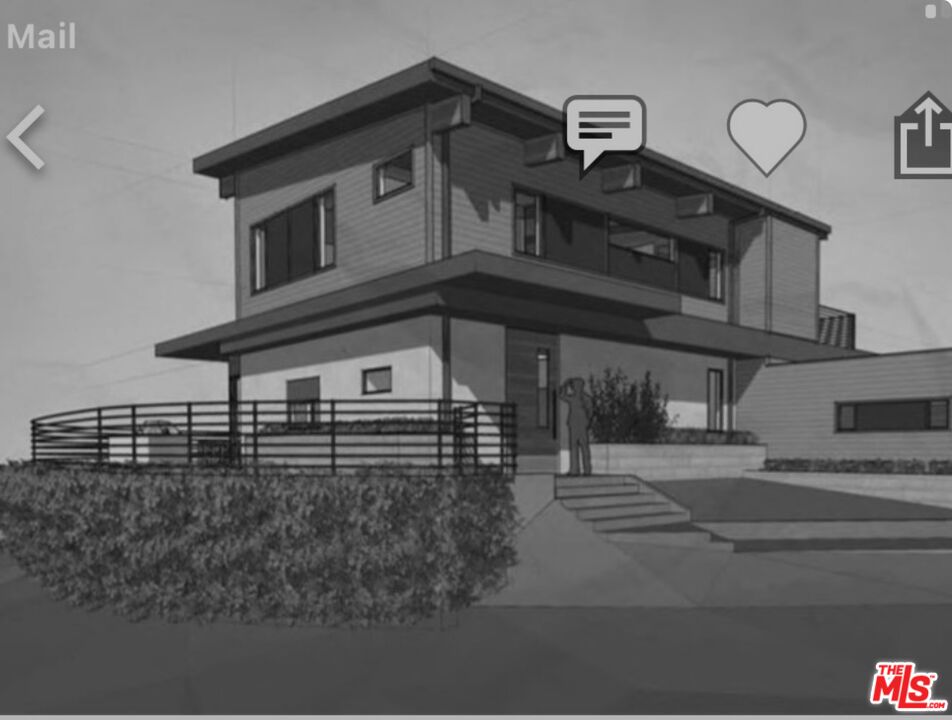
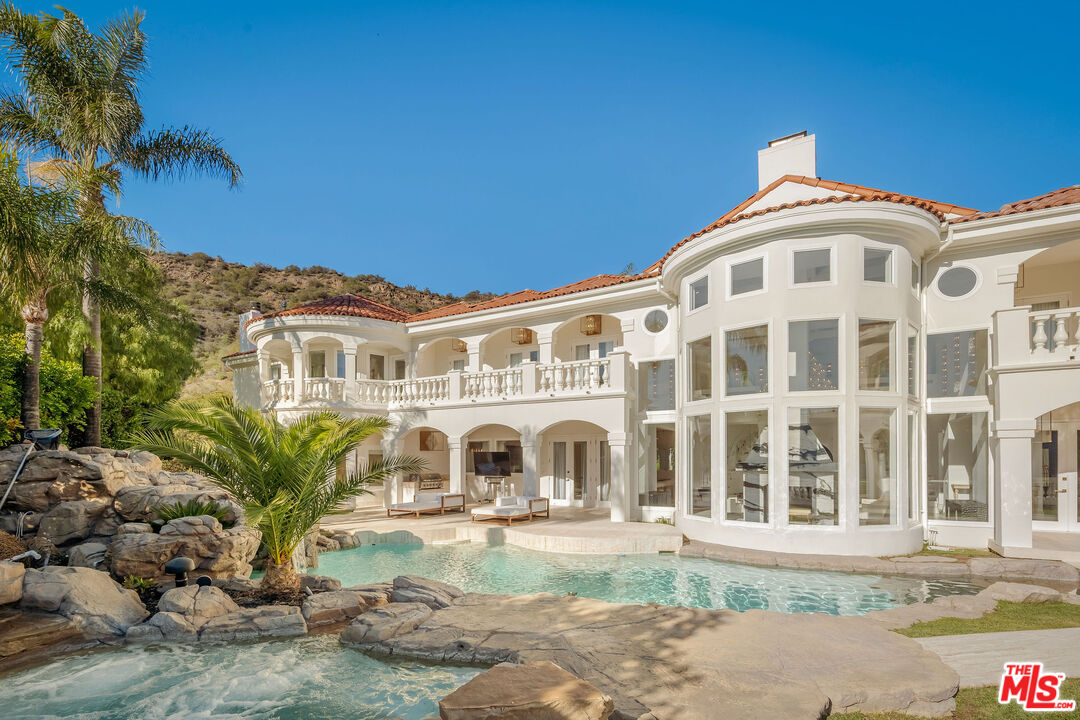
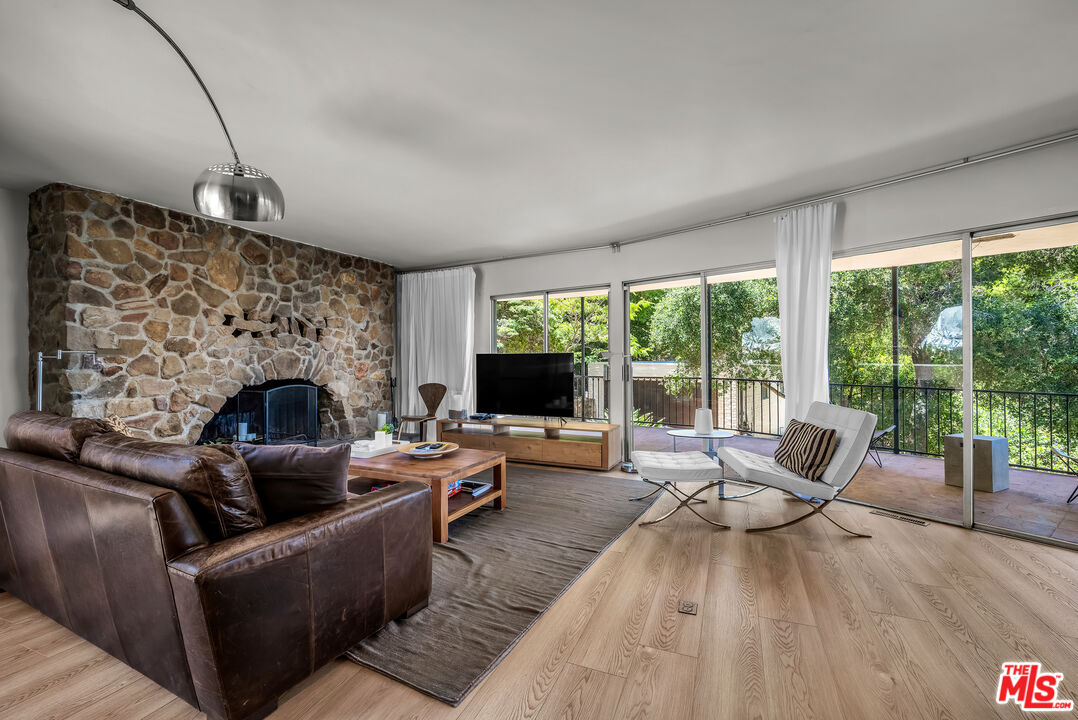
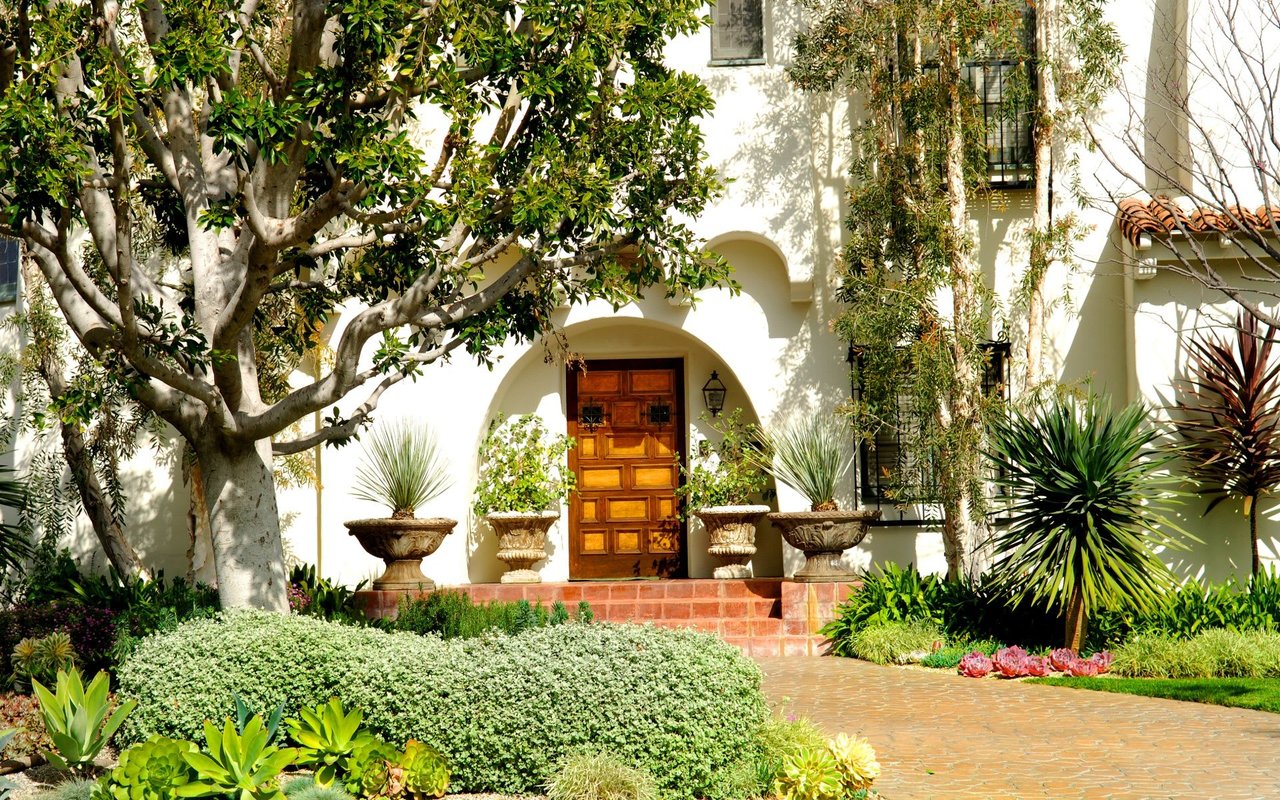
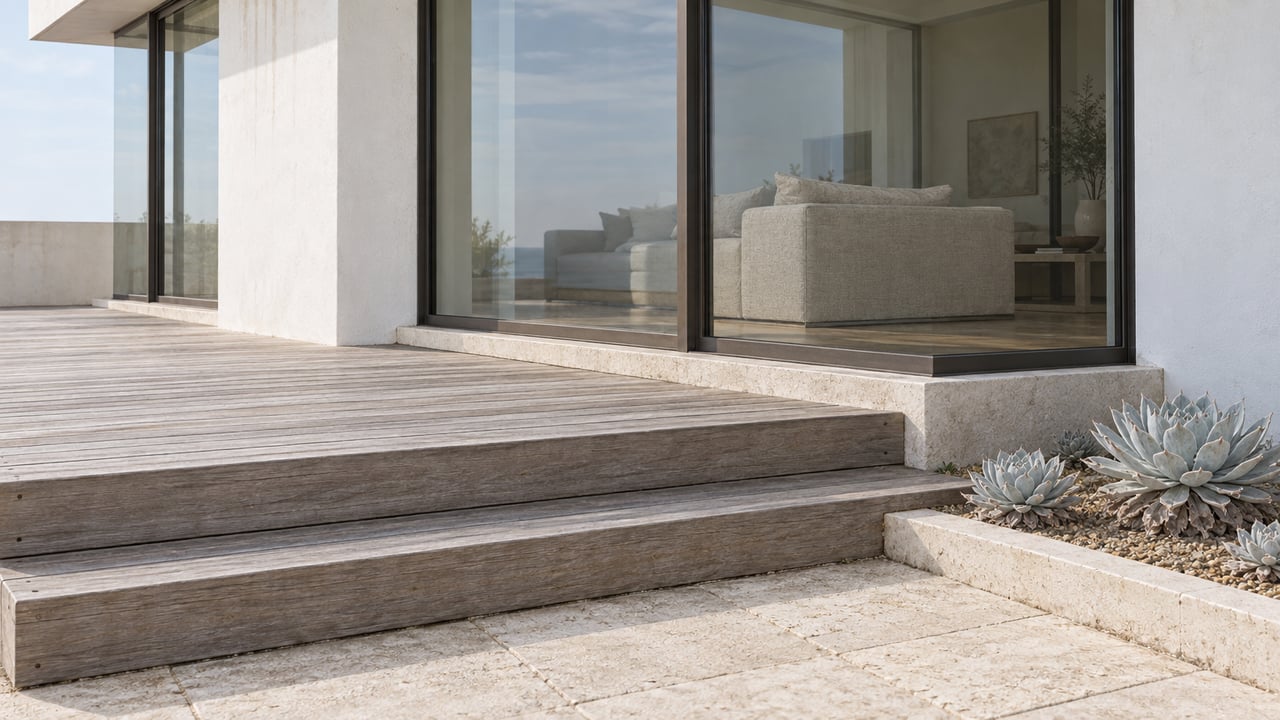
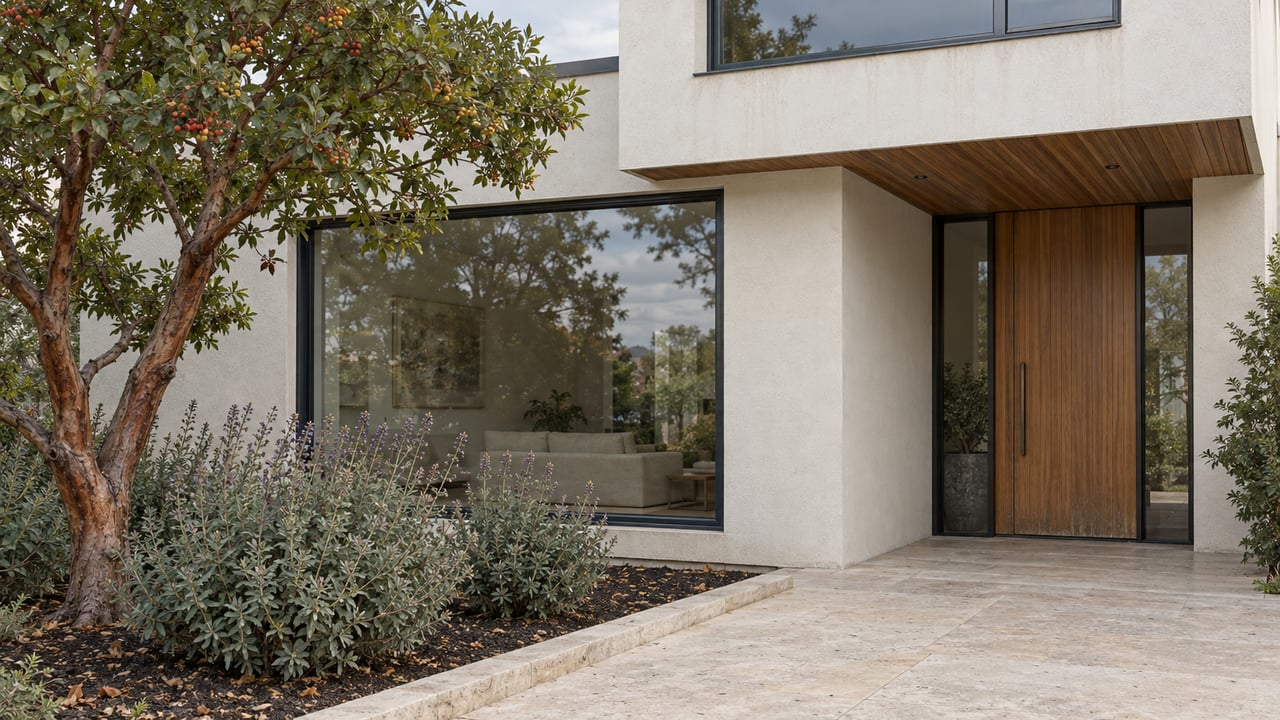
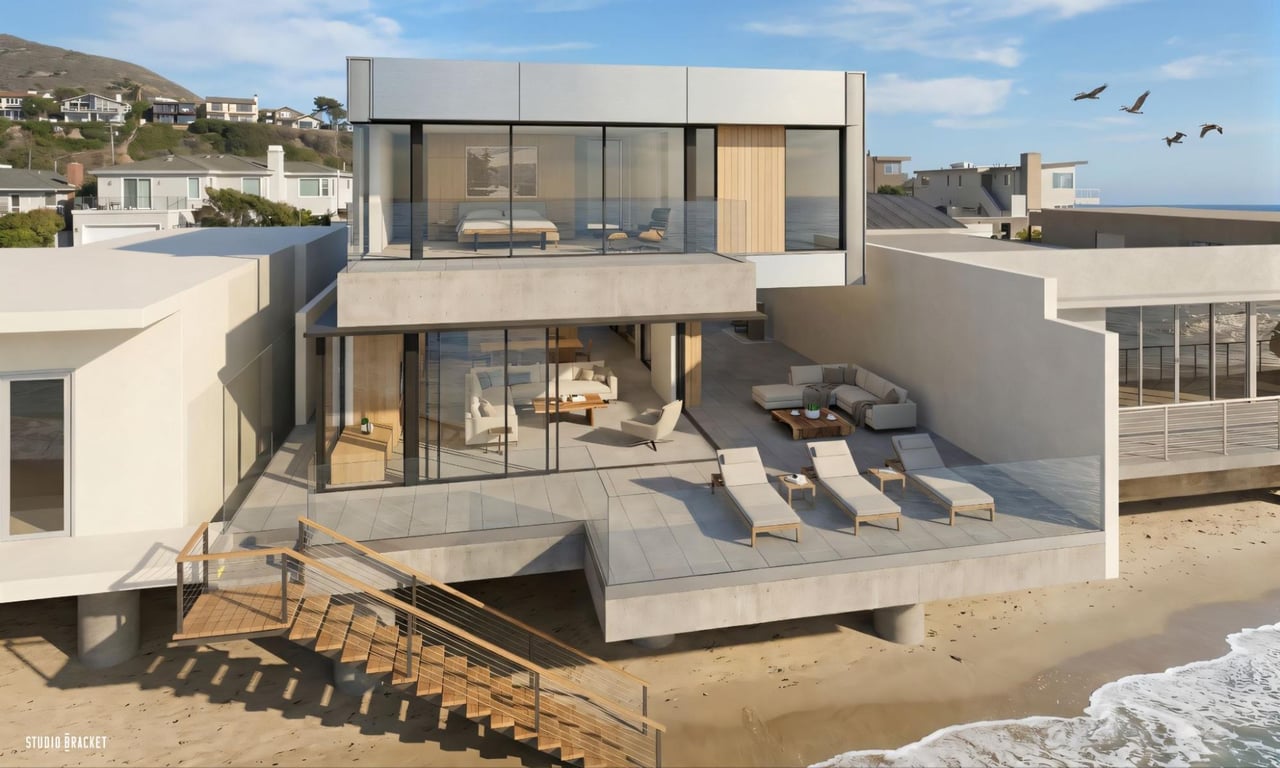
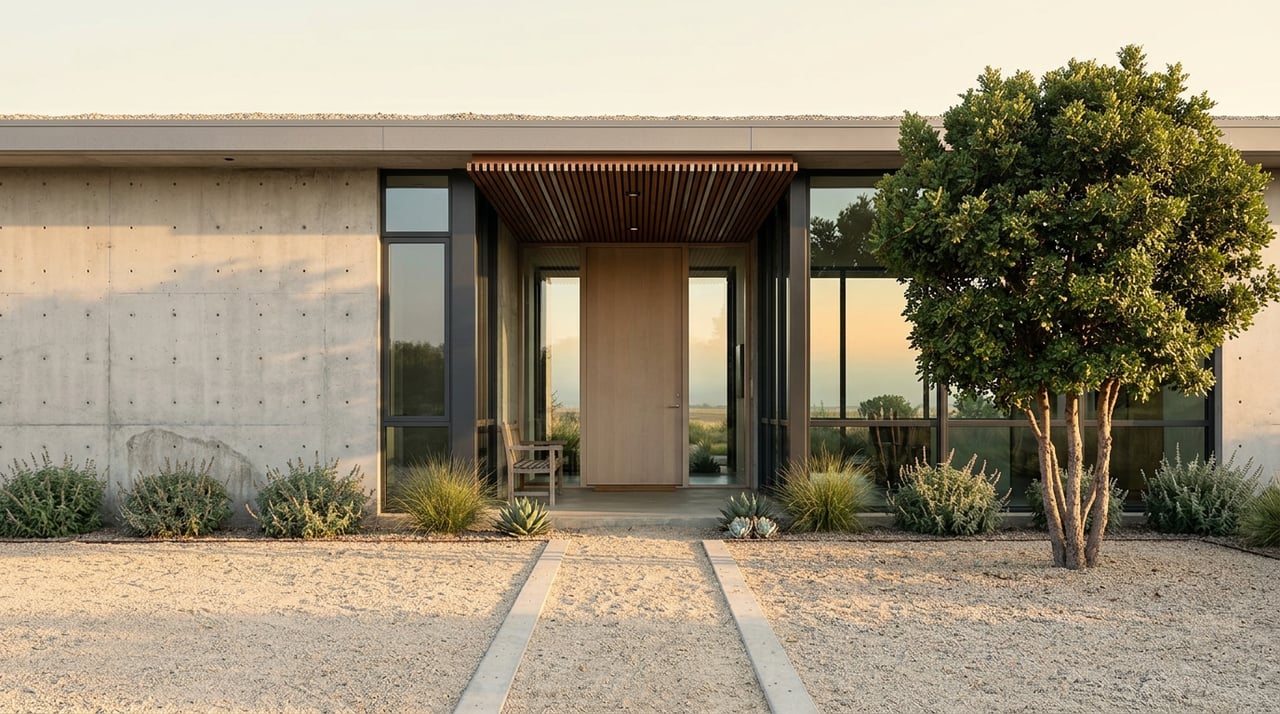
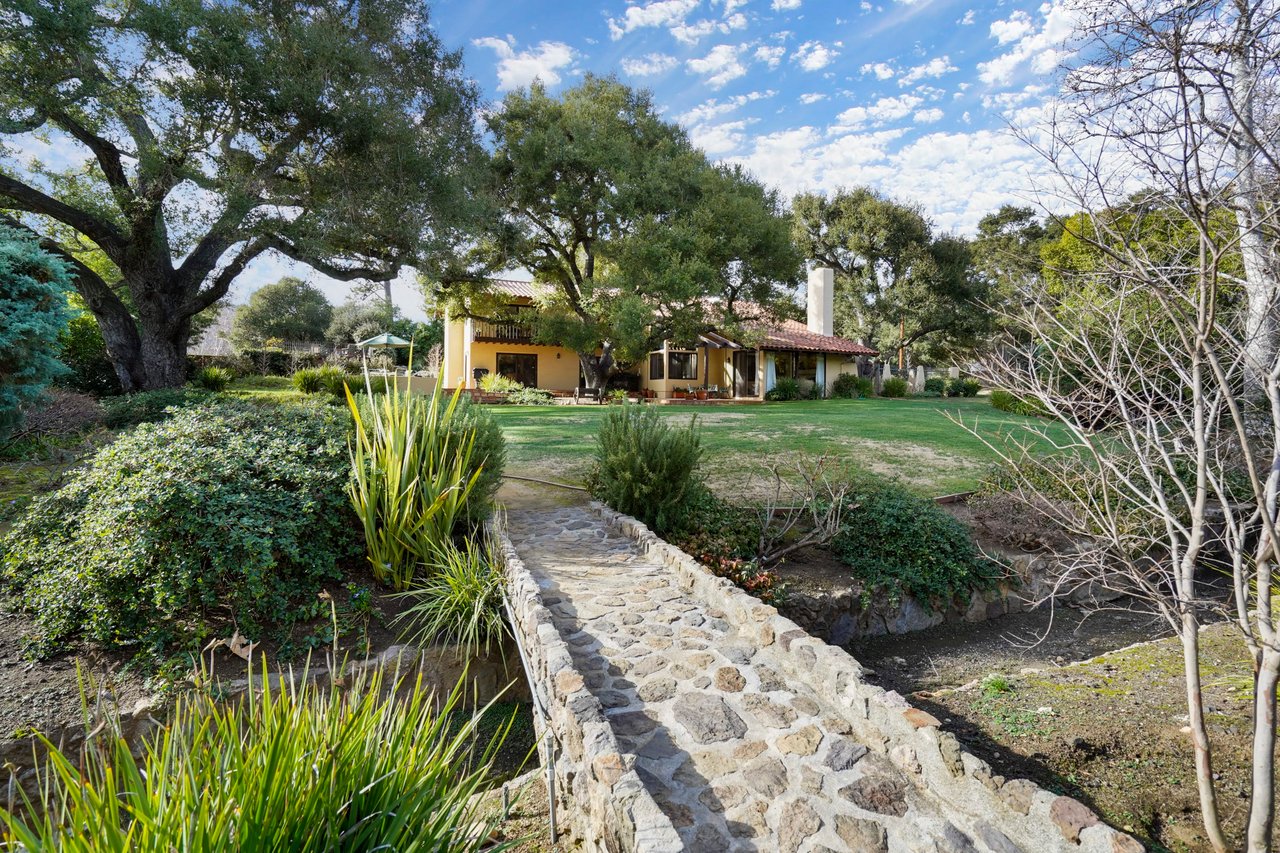
Canyon estates are the flagship properties. These are typically gated, multi-acre compounds with Contemporary, Spanish Colonial Revival, or Modern Farmhouse architecture. Expect expansive glass, wrap-around decks oriented toward the canyon views, infinity pools, and increasingly, integrated fire-protection systems like exterior sprinklers and dedicated water tanks. Square footage usually runs from 4,000 to over 8,000, and these are the homes that command the upper end of the market.
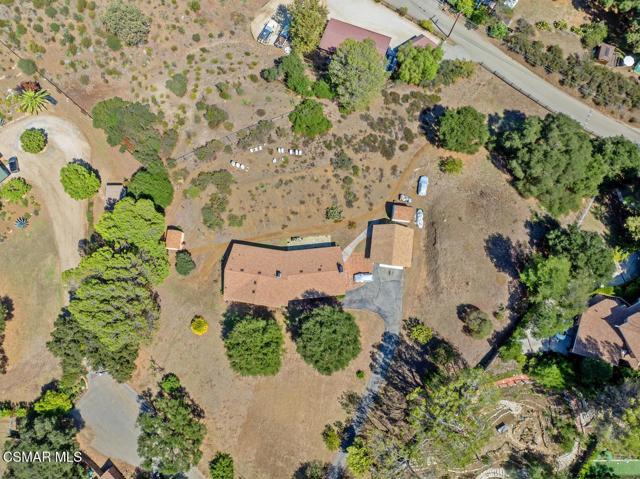
Equestrian properties are a defining feature of Monte Nido, and one of the few places left in Los Angeles County where you can actually live a horse-country lifestyle. These properties have professional infrastructure — riding arenas, multi-stall barns, tack rooms, fenced turnouts — and direct trail access into the Backbone Trail and Malibu Creek State Park. The aesthetic is rustic-meets-luxury: natural stone, reclaimed wood, drought-tolerant landscaping. What makes these properties valuable beyond the structures is the land itself. Flat, usable acreage suitable for livestock is genuinely rare in the Santa Monica Mountains, and that scarcity drives premium pricing.
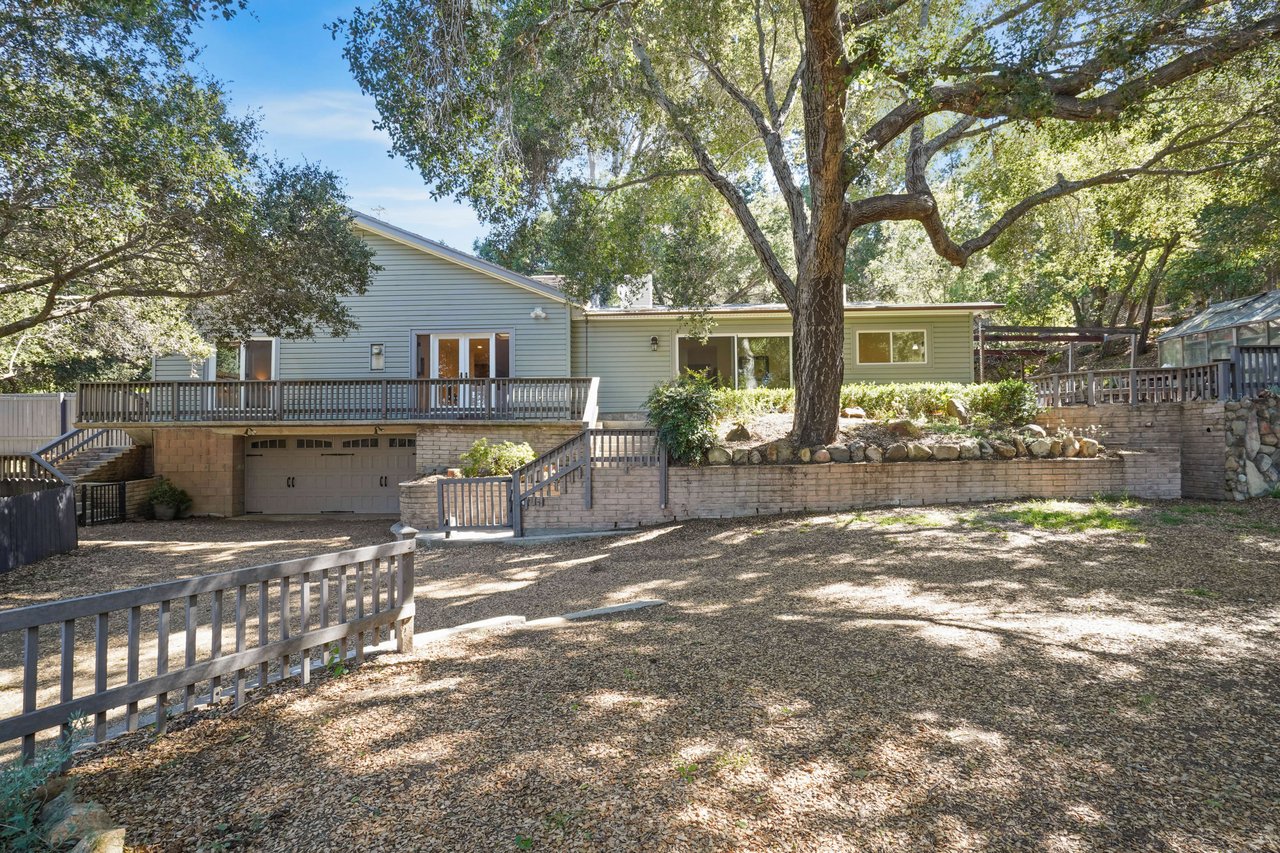
Custom hillside retreats are the most architecturally varied category. This is where you'll find the mid-century gems — some designed by names like Buff & Hensman — alongside rustic A-frames, glass-walled architectural one-offs, and detached creative studios. Many of these homes are built on stilts or tucked under the oak canopy, with a vertical rather than horizontal footprint. They're popular with creative professionals who want a separate writing studio, recording space, or yoga retreat on the property.
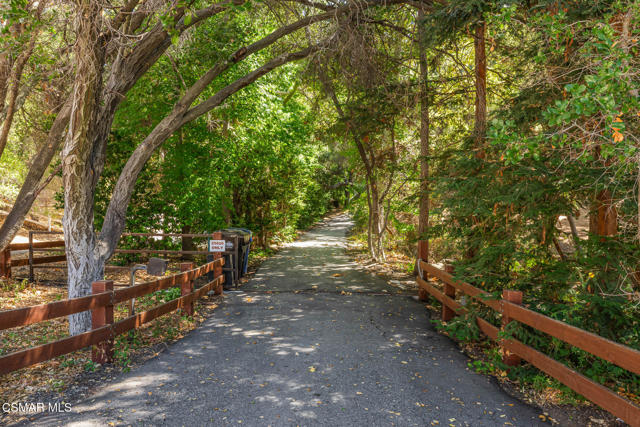
The lots themselves often sit in distinct sub-areas like Edenwild and Malibu Oaks, where the community maintains private roads specifically to preserve the quiet, low-traffic feel. It's a small detail that matters more than it sounds — those private roads are part of why Monte Nido stays as quiet as it does.
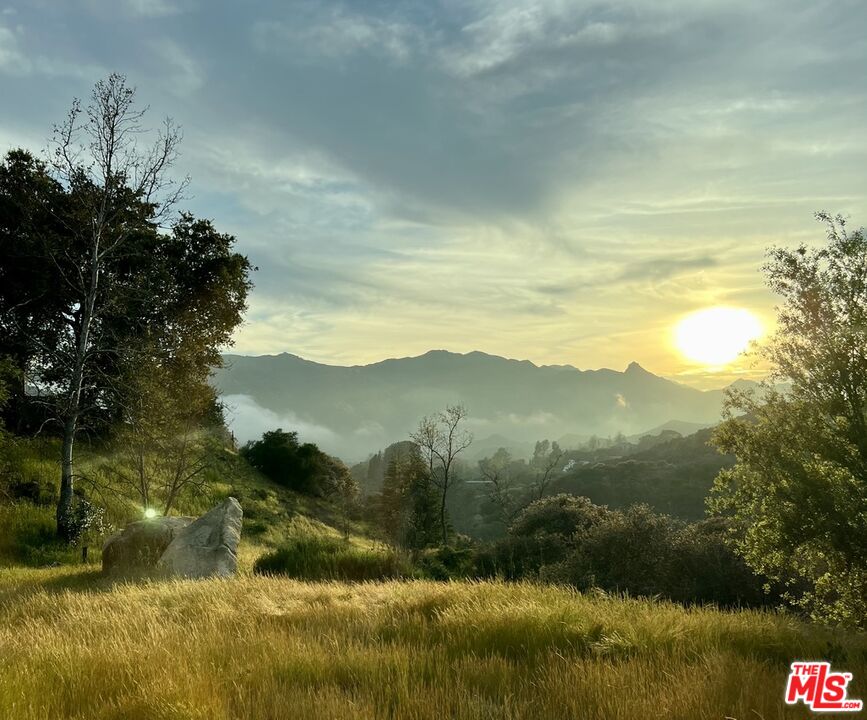
The most honest description I've heard a resident give is "living in a park." That's not hyperbole. The day-to-day rhythm in Monte Nido is dictated by the landscape — the sound of canyon hawks, the rustle of oak leaves, the seasonal flow of Cold Creek. There's no streetlight haze, no PCH traffic noise, and on most evenings you can see the Milky Way from your back deck.
The community is tight-knit in a way that surprises people. Because there are only a few hundred homes, neighbors actually know each other. The MNVCA organizes everything from advocacy efforts to fire-safety planning to social traditions — the annual Art Walk, where local artists open their home studios, and the legendary July 4th canyon parade are two events that most residents wouldn't miss. The vibe is private but not isolated. People value their solitude, but they show up for each other.
Wildlife is a daily presence. Mule deer grazing in front yards, coyotes calling at dusk, and the occasional mountain lion on a trail camera are part of the experience. For Monte Nido residents, this isn't a negative — it's the reason they bought here in the first place.
There are practical trade-offs worth understanding. A "quick grocery run" is a 25 to 30-minute round trip. Cell service is inconsistent in the deeper canyon pockets. Fire preparedness is genuinely a daily practice, not an annual reminder — defensible space, home hardening, and evacuation planning are part of the local literacy. And the canyon roads, while beautiful, require attention during storms or peak weekend beach traffic.
For families, Monte Nido children typically attend the Las Virgenes Unified School District, which I'll cover in more detail below. The school district is one of the primary reasons families specifically seek out this area over coastal Malibu, where the district is different.
Monte Nido's geographic positioning is what I call its "Goldilocks problem" — it's just isolated enough to feel rural, and just connected enough to make daily life practical. The community is accessed primarily via Piuma Road, Cold Canyon Road, and Mulholland Highway, all of which wind through some of the most scenic drives in the Santa Monica Mountains.
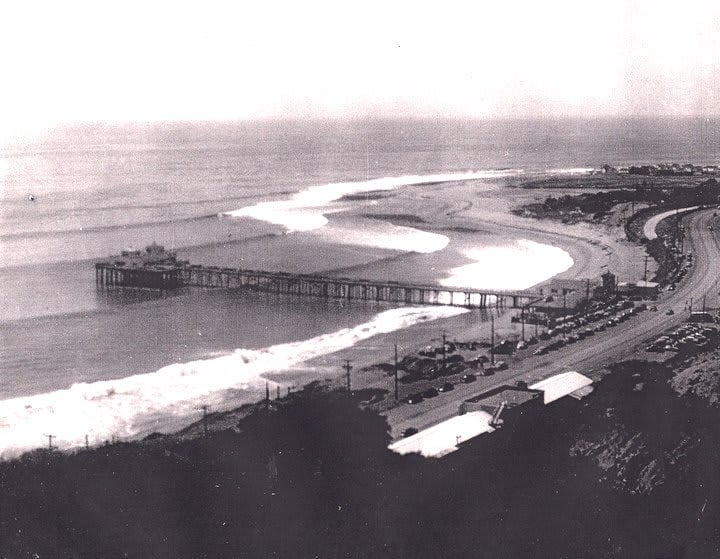
To Malibu beaches — the most direct route is Malibu Canyon Road (the southern extension of Las Virgenes Road). Surfrider Beach, Malibu Lagoon, and Malibu Pier are all about 10 to 12 minutes away. This is genuinely a community where you can surf in the morning and be home in your mountain retreat by lunch.
To Calabasas — The Commons, Old Town Calabasas, and the major shopping corridors are about 15 minutes north via Mulholland Highway or Las Virgenes Road. The Ventura Freeway (US-101) is accessible in about 12 minutes from the heart of the neighborhood.
To Santa Monica and the Westside — typically 40 to 50 minutes, depending on whether you take PCH south or jump on the 101 and route through the 405.
To Downtown LA — 55 to 75 minutes during normal traffic.
To LAX — about 60 to 75 minutes.
One thing I always tell commuter clients: the canyon roads are stunning, but they're also subject to weather closures, fallen rock, and significant tourist traffic on summer weekends. Most longtime residents check Waze for Piuma and Malibu Canyon Road before any major trip. It's a small habit that saves real time.
The recreational draw in Monte Nido isn't an amenity — it's the entire neighborhood. Residents step out their front door and onto trails that connect into the 67-mile Backbone Trail, which spans the full length of the Santa Monica Mountains. The Piuma Trail is a local favorite for steady-ascent hikes with ocean views, and the Monte Nido Connector links directly into the Calabasas-Cold Creek Trail system.
Malibu Creek State Park functions as a literal extended backyard. The park covers more than 8,000 acres and has earned the nickname "the Yosemite of Southern California." Beyond the hiking, the park is a hub for mountain biking — the Bulldog Road climb is one of the most demanding ascents in the region — and serious sport climbing at the Planet of the Apes Wall. The original MAS*H filming set is still accessible by trail, along with locations from Planet of the Apes and Butch Cassidy and the Sundance Kid. The Rock Pool, a striking geological formation with cliff walls and a swimming pool, is one of the most photographed spots in the park.
The equestrian community deserves its own mention. Monte Nido is one of the last places in Los Angeles County where you can ride directly from your private stable onto a public trail. Many of the dirt-shoulder roads are intentionally kept unpaved in sections to remain hoof-friendly. It's common to see neighbors chatting from horseback, and hitching posts are still a feature at certain local trailheads.
One trail note that catches new residents off guard: dogs are prohibited on the back-country trails within Malibu Creek State Park to protect local wildlife. Leashed dogs are welcome on the Monte Nido Connector and other neighborhood paths, but if you have a dog, plan your routes accordingly.
This is one of the most overlooked advantages of Monte Nido for families, and it's the single biggest factor I see driving relocation decisions from Westside families. Monte Nido is served by the Las Virgenes Unified School District, which is consistently ranked among the top-performing public districts in California. Because the community is unincorporated, residents share their educational infrastructure with Calabasas — they get the schools without the city density.
Chaparral Elementary School (K-5) on Liberty Bell Road is a California Distinguished School with strong arts and music programs and significant parent involvement.
A.C. Stelle Middle School (6-8) on Mulholland Highway offers an unusually broad range of electives for a middle school, including robotics, media, and performing arts.
Calabasas High School (9-12) is the secondary anchor — home to the AP Capstone program, the International Baccalaureate diploma track, a professional-level performing arts center, and competitive athletics.
For families seeking private options, Viewpoint School (K-12) in Calabasas is the most prominent college-preparatory independent school in the area. Manzanita School in nearby Topanga focuses on outdoor and nature-based learning, which fits the canyon lifestyle especially well. Muse Global School in Calabasas is a sustainability-focused private school, and Montessori of Calabasas is popular for early childhood.
A practical note for buyers: even though Monte Nido has a Calabasas mailing address (91302), it's unincorporated. When you enroll your children, LVUSD requires strict proof of residency — bring your deed or recent utility bills. The district takes verification seriously because of how many families try to access these schools.
Because Monte Nido itself has no commercial retail, residents toggle between two distinct lifestyle ecosystems depending on what they need on a given day. Heading 15 minutes north takes you into Calabasas; heading 12 minutes south takes you into Malibu. Both directions offer something different, and most longtime residents develop their own rhythm between the two.
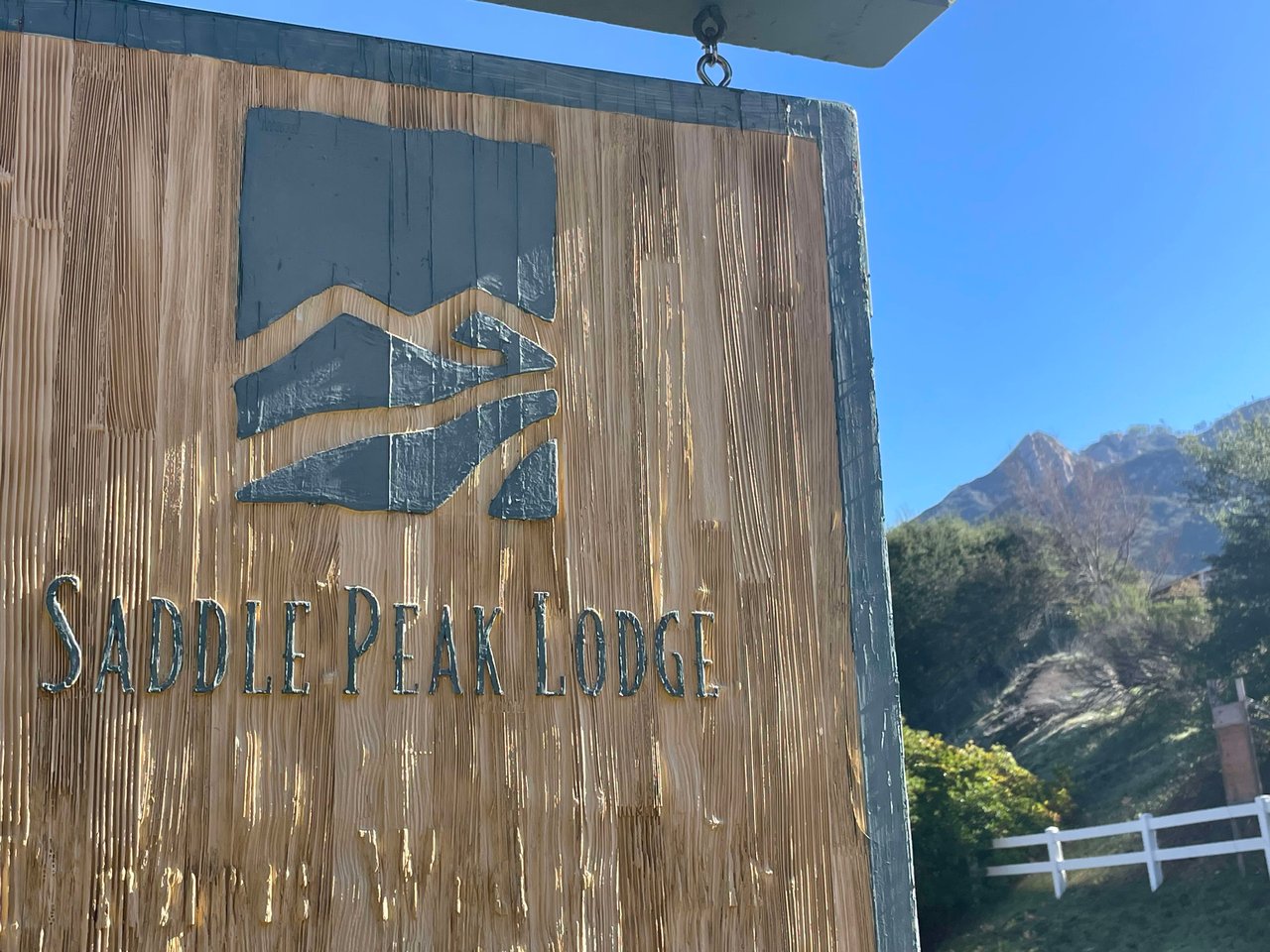
The one true neighborhood landmark is Saddle Peak Lodge, a Michelin-starred destination right at the edge of the community that feels like an upscale hunting lodge. The wild-game menu — elk, bison, occasionally emu — and the rustic multi-level dining rooms make it the go-to for anniversaries and neighborhood celebrations. Malibu Canyon Bar & Grill at the nearby Cambria Hotel is the casual local alternative.
On the Calabasas side, The Commons at Calabasas is the primary social hub — open-air Mediterranean-style, anchored by Williams-Sonoma, Barnes & Noble, an Erewhon Market, and a high-end cinema. Old Town Calabasas adds historic charm and the legendary Sagebrush Cantina for Sunday brunch. For groceries, most residents shop at Gelson's or Albertsons near Mulholland Highway and Calabasas Road.
On the Malibu side, the Country Mart and Lumber Yard offer the quintessential coastal luxury shopping experience — Chrome Hearts, Intermix, Sunspel, all arranged around a shared courtyard. Whole Foods at Cross Creek handles the grocery side, and Malibu Farm at the end of the pier is the standard recommendation for fresh, locally sourced brunch with ocean views.
The honest reality: residents here keep a well-stocked "canyon pantry." A run for a single gallon of milk is a 30-minute round trip, so the rhythm of household shopping shifts toward larger, less-frequent runs.
The buyers I work with in Monte Nido tend to share a specific profile — they've usually owned in Calabasas, Beverly Hills, or coastal Malibu before, and they're looking for something the previous neighborhood couldn't offer. Most often, that thing is land, privacy, or both.
The "geographic loophole" is the cleanest way to describe the appeal. You get rural canyon living, but you're 12 minutes from Pacific Coast Highway and 15 minutes from a Whole Foods. Most rural communities require you to sacrifice access. Monte Nido doesn't.
Forced scarcity is the second factor. Because the community is unincorporated and sits inside the protected Santa Monica Mountains Coastal Zone, new development is heavily restricted. The number of homes that can ever exist here is essentially fixed. For long-term holders, that constraint provides a structural floor under property values that few markets can match.
Wellness-driven buyers are an increasing share of the market. Monte Nido sits above the coastal smog layer and below the worst of the inland heat. Air quality is genuinely cleaner. Light pollution is minimal. Indoor-outdoor architecture is the default rather than the exception. For buyers prioritizing health and quality-of-life metrics, those factors compound over time.
And then there's value. A $3.5M budget in Point Dume might secure a modest older home on under an acre. The same budget in Monte Nido often buys a significantly larger, modernized estate on multiple acres with usable land. That trade — coastal proximity for square footage and acreage — is the central calculation for most of my Monte Nido buyers.
Finally, architectural freedom matters here in a way it doesn't in master-planned communities. Monte Nido doesn't have an HOA dictating paint colors or landscaping schemes. Buyers can build, renovate, and customize within the broader fire and coastal regulations, but without the corporate-design oversight that defines so much of newer Calabasas. That freedom is why so many architects, designers, and creative professionals end up here.
The decision I help clients work through most often is Monte Nido against the coastal Malibu neighborhoods, particularly Point Dume and Malibu Park. The honest comparison comes down to lifestyle priorities more than property quality.
Point Dume is the surf-lifestyle benchmark. Walkable to private beach keys, beach village shops, golf-cart culture. If your daily routine is centered on the water, Point Dume is hard to beat. Median pricing runs well north of $9M, with a price per square foot above $2,000.
Malibu Park sits between the two — equestrian-friendly, more space than Point Dume, ocean breezes, walkable to Zuma Beach. Median pricing around $7.9M. Larger lots, but still firmly coastal.
Monte Nido is the inland, mountain alternative. Median around $3.5M, price per square foot around $867. You give up immediate beach walkability, but you gain acreage, true privacy, the Dark Sky designation, and access to the LVUSD school district — which families specifically migrate for.
The other differentiator is governance. The coastal Malibu neighborhoods sit within the City of Malibu and the Santa Monica-Malibu Unified School District. Monte Nido is unincorporated LA County with the LVUSD district. For some buyers, that distinction is administrative — for families, it can be the deciding factor.
The shorthand I give clients: choose Point Dume for surf and walkability. Choose Malibu Park for space and ocean access. Choose Monte Nido for the most land, the most privacy, and the most distance from coastal crowds.
What is the average home price in Monte Nido? The median listing price in Monte Nido as of mid-2026 is approximately $3,497,000. Entry-level homes start near $1.4M, while luxury estates and equestrian compounds frequently reach $5M to $15M. Price per square foot averages around $867, reflecting the premium on larger lots and seclusion rather than raw square footage.
Is Monte Nido part of Malibu? No. Monte Nido is an unincorporated community in Los Angeles County. It carries a Calabasas (91302) mailing address and falls within the Las Virgenes Unified School District, not the City of Malibu or the Santa Monica-Malibu Unified School District. The Malibu association is geographic and cultural — the coast is three miles away — but administratively, Monte Nido is its own jurisdiction.
Are there fire safety considerations in Monte Nido? Yes, and they're significant. Monte Nido is in a Very High Fire Hazard Severity Zone. Residents are subject to annual defensible space inspections beginning in May, and home hardening — ember-resistant vents, non-combustible siding, Class A roofing — is standard for new construction and renovation. Securing homeowners insurance has become more complex; many residents rely on the California FAIR Plan as a primary or layered option. I always recommend buyers obtain a firm insurance quote during their inspection contingency window.
What's the commute like from Monte Nido? Scenic but winding. To Malibu beaches: about 12 minutes. To The Commons at Calabasas: about 15 minutes. To Santa Monica: 40 to 50 minutes. To Downtown LA: 55 to 75 minutes depending on traffic. Most residents consider the trade-off well worth it for the silence and the night sky.
Inventory in Monte Nido is structurally limited — typically fewer than a dozen active public listings at any time. Current MLS activity spans from entry-level canyon homes near $1.4M to new-construction estates north of $14M, with the bulk of buyer activity clustered in the $2.5M to $5M range. Land parcels are also available for buyers who want to build a custom retreat, with current offerings starting under $500K.
Spring tends to be the most active season, with a brief inventory uptick in May as sellers position for the next school-year cycle in the Las Virgenes Unified School District.
A point worth repeating: a meaningful share of Monte Nido sales happen off-market through agent networks. If you don't see your ideal home in the public search, that's not the full picture. Working with an agent who has direct ties to the Monte Nido Valley Community Association — and to the longtime owners who rarely list publicly — is often the only way to see the complete market.
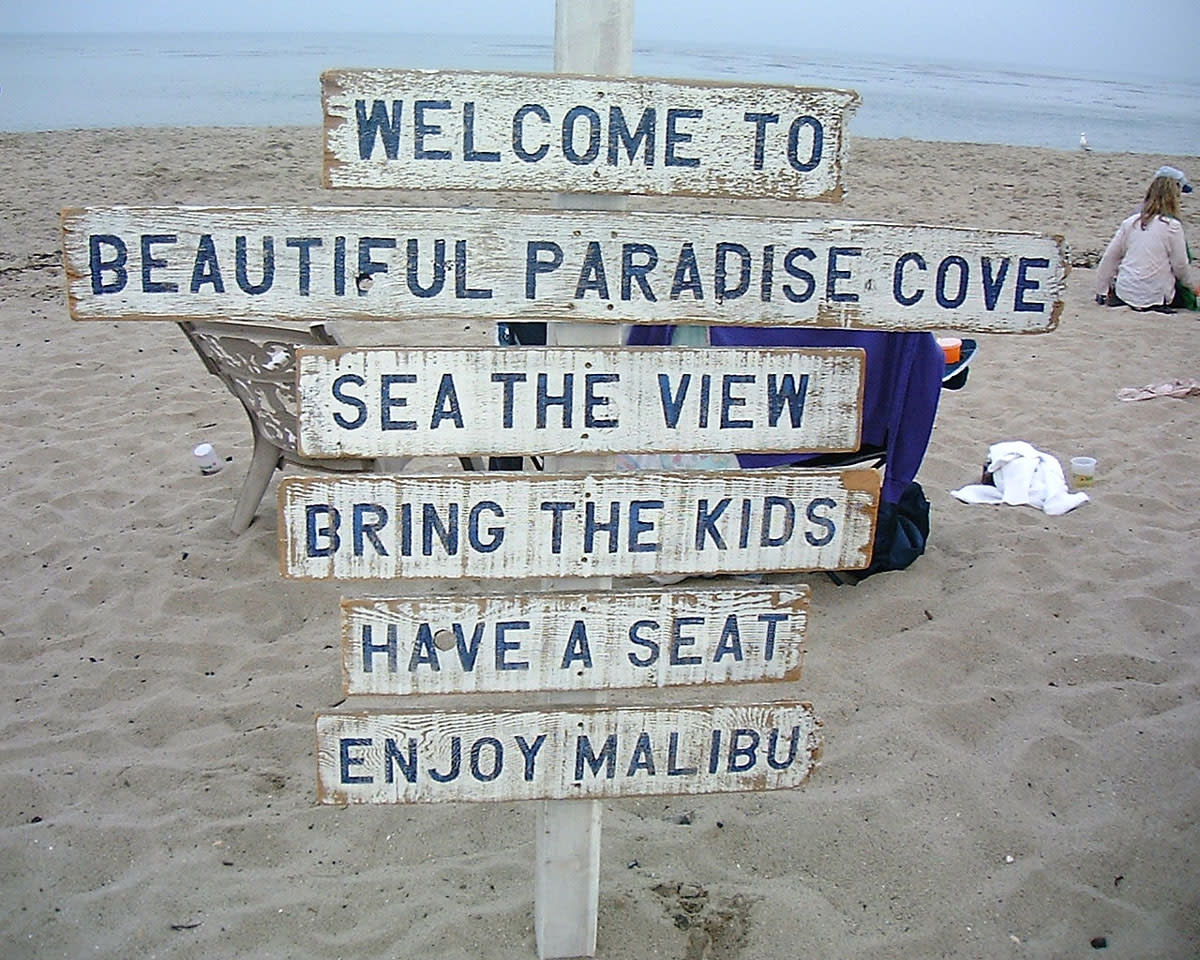
I've spent over 30 years working in the Malibu and greater Santa Monica Mountains market, and I've represented buyers and sellers across every segment of it — from oceanfront estates on Carbon Beach and Broad Beach to canyon retreats, equestrian properties, and manufactured homes in Paradise Cove and Point Dume Club. My family has owned property in this area since the 1940s, and I was a custom home builder in Malibu before I became an agent. That background matters in Monte Nido specifically, where understanding lot topography, fire infrastructure, and the realities of mountain construction is often the difference between a smart purchase and an expensive lesson.
I'm consistently ranked in the top 1% of Coldwell Banker agents worldwide, and I've represented executives at companies including Disney, BMW, and Bank of America, alongside actors, producers, and private investors who return for subsequent transactions because of the discretion and access I bring to the work. My past closings include the Carroll O'Connor estate on Broad Beach — at the time, the largest sale on that street at $28 million.
If you're considering a move into Monte Nido, evaluating a specific property, or already in escrow and want a second opinion, I'm a resource. No pitch, no pressure — just a conversation.
Brian Merrick — Coldwell Banker Realty, Malibu Colony Office Phone: (310) 383-4336 Email: [email protected] Address: 29178 Heathercliff Rd, Suite 3, Malibu, CA 90265 License #01204107

Whether you are looking to buy, sell, or lease a luxury estate, oceanfront property, ranch, or condominium, Brian Merrick is happy to help.
Contact UsColdwell Banker Malibu-Cross Creek 23410 Civic Center Way, Ste D-2 Malibu, CA 90265 Coldwell Banker Malibu-Point Dume 29178 Heathercliff Rd, Ste 3 Malibu, CA 90265