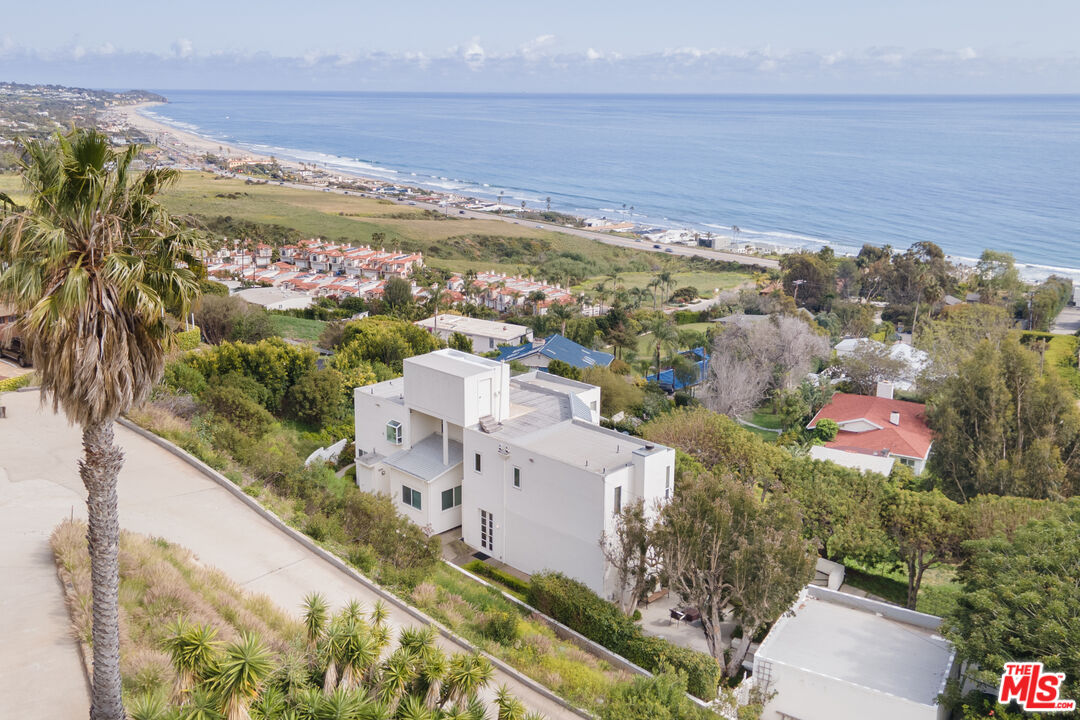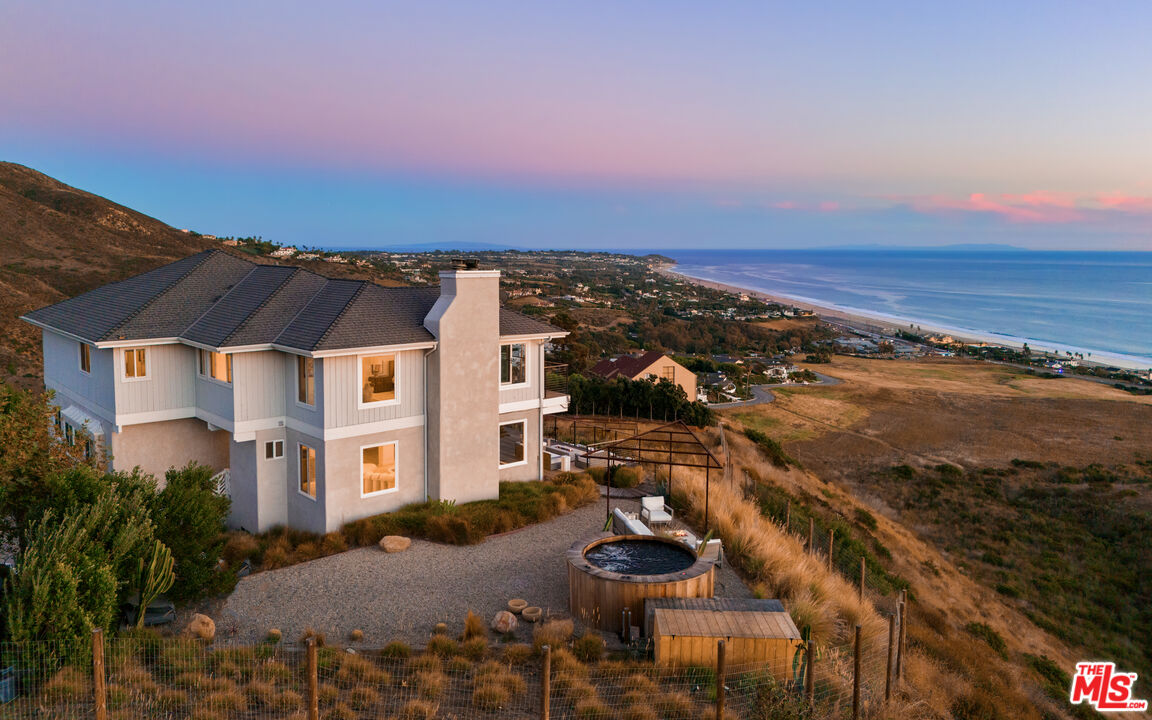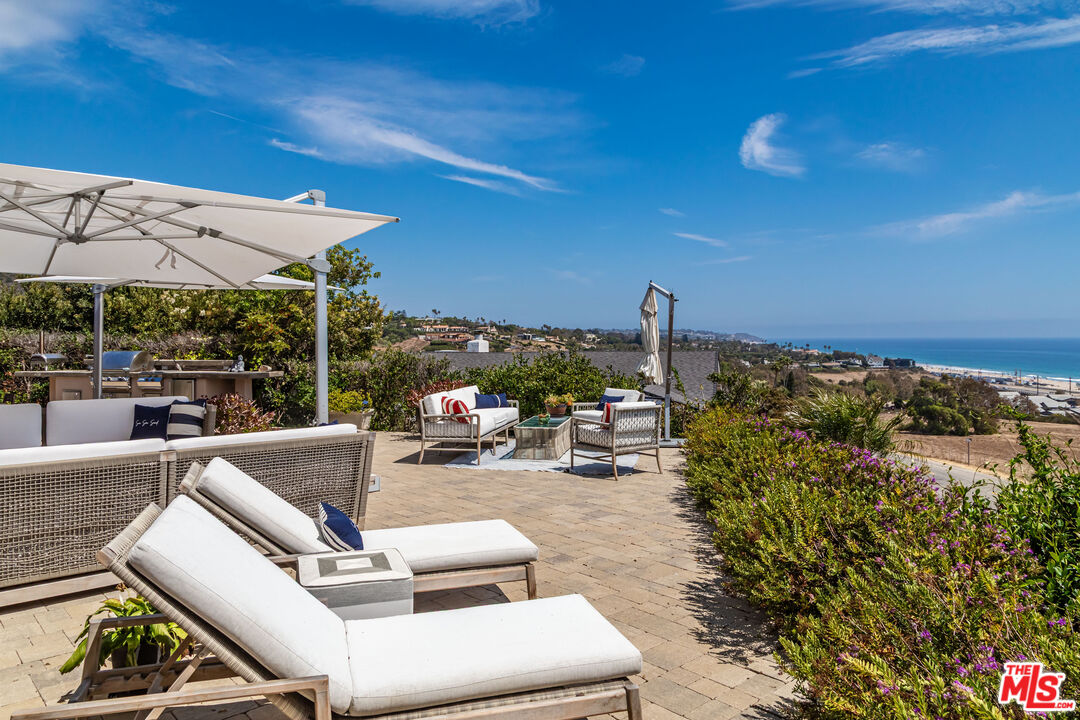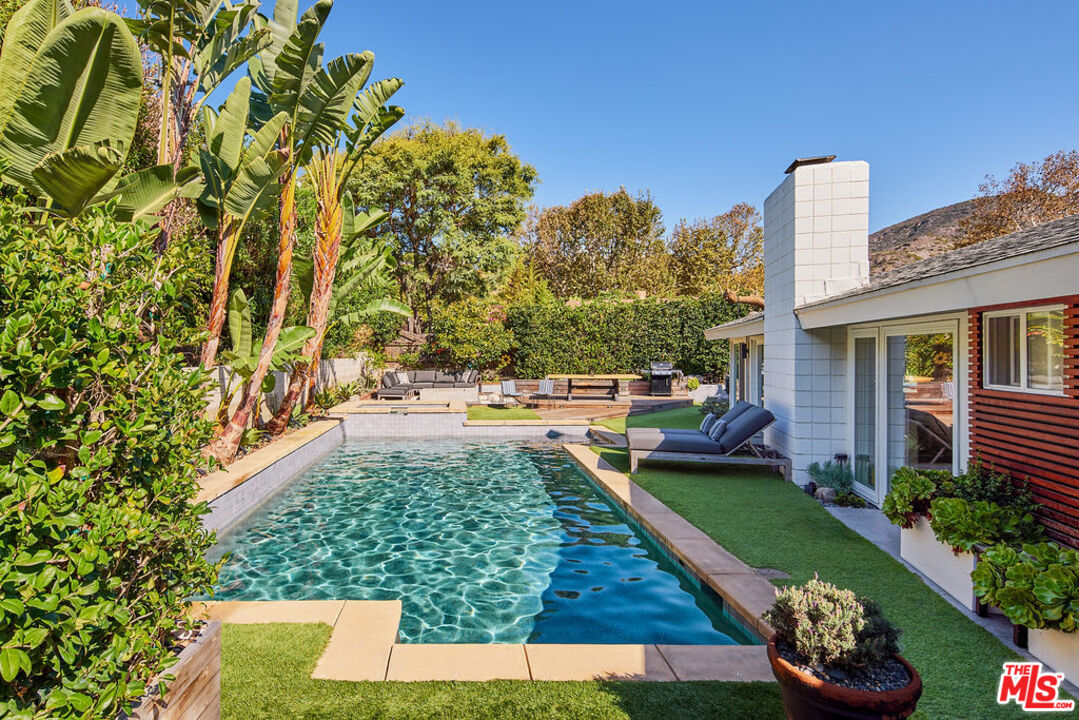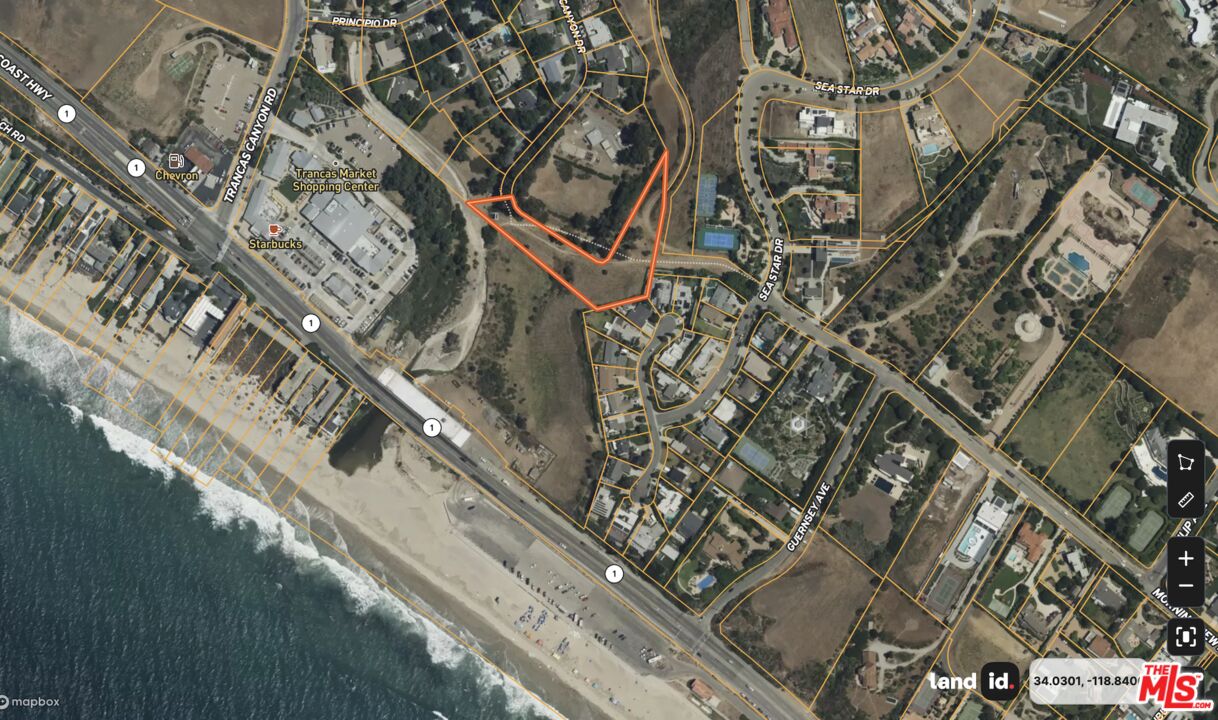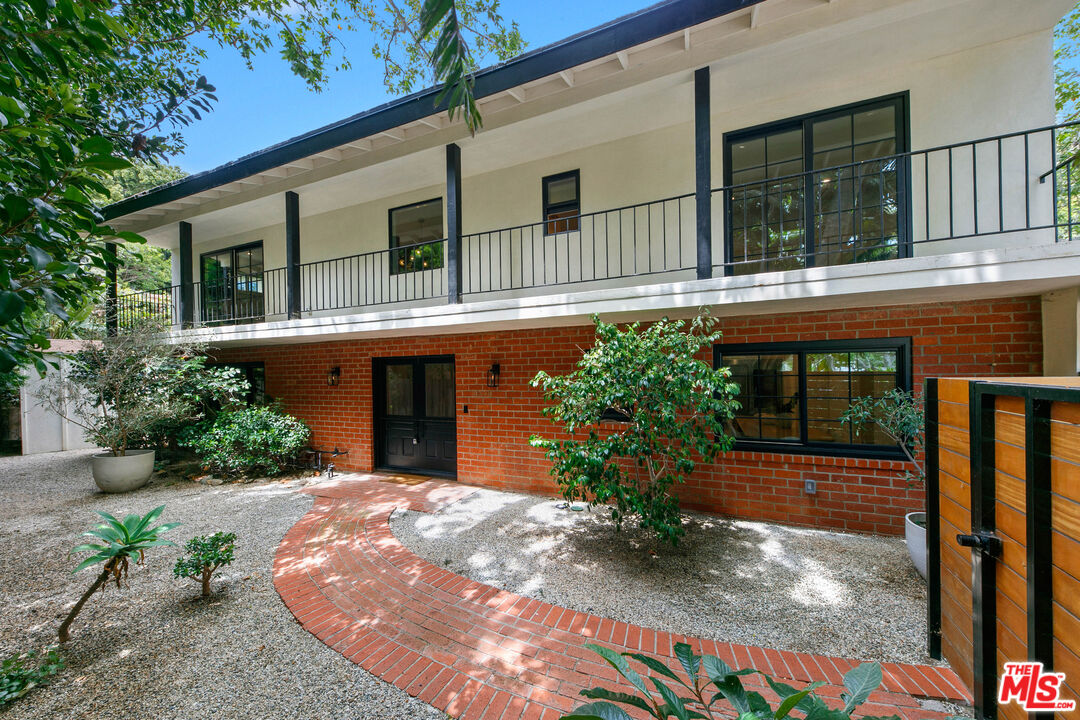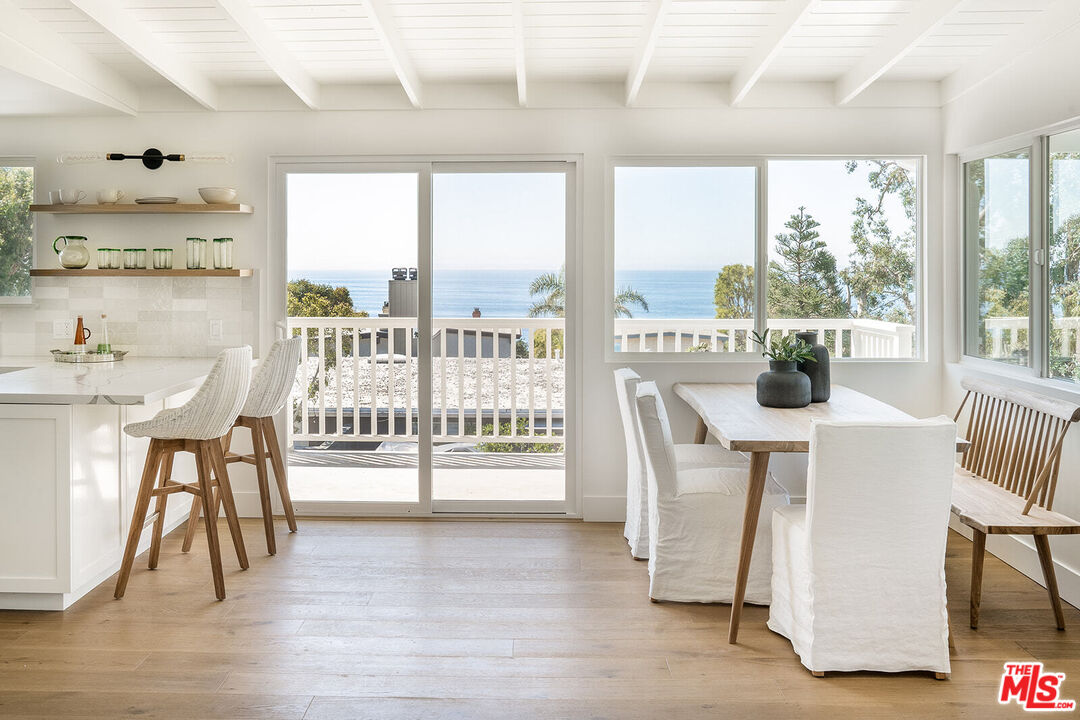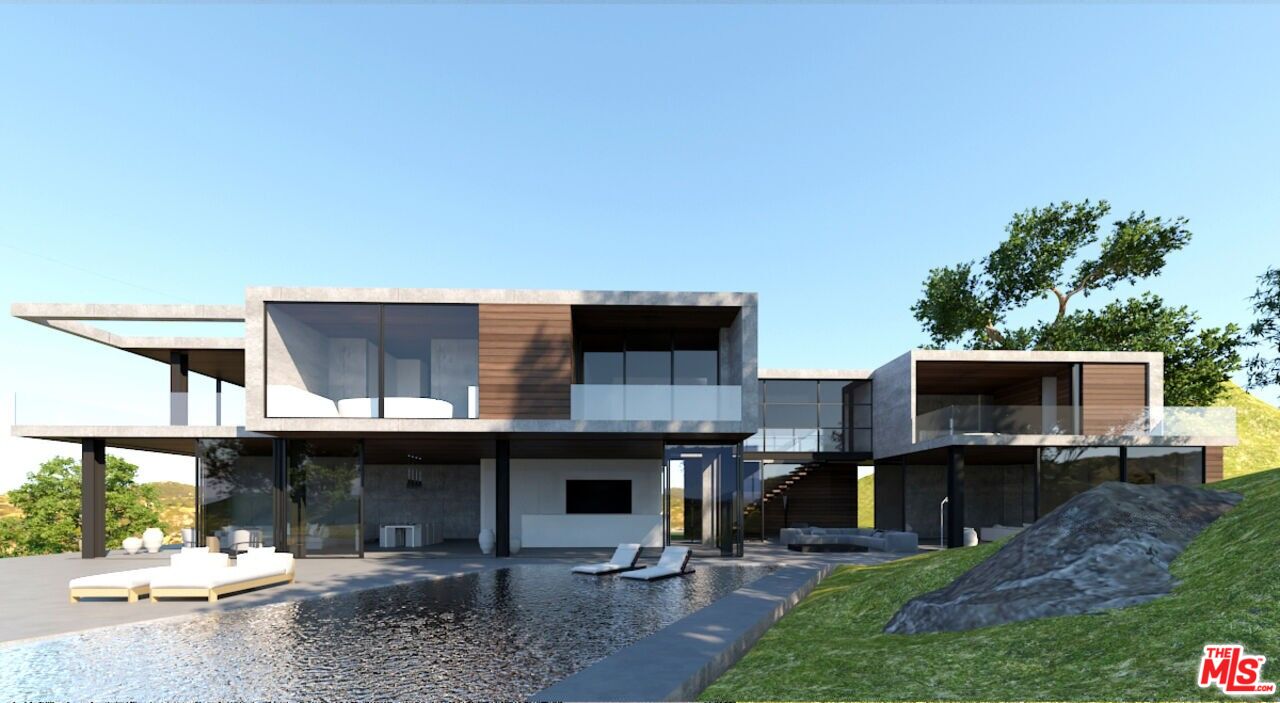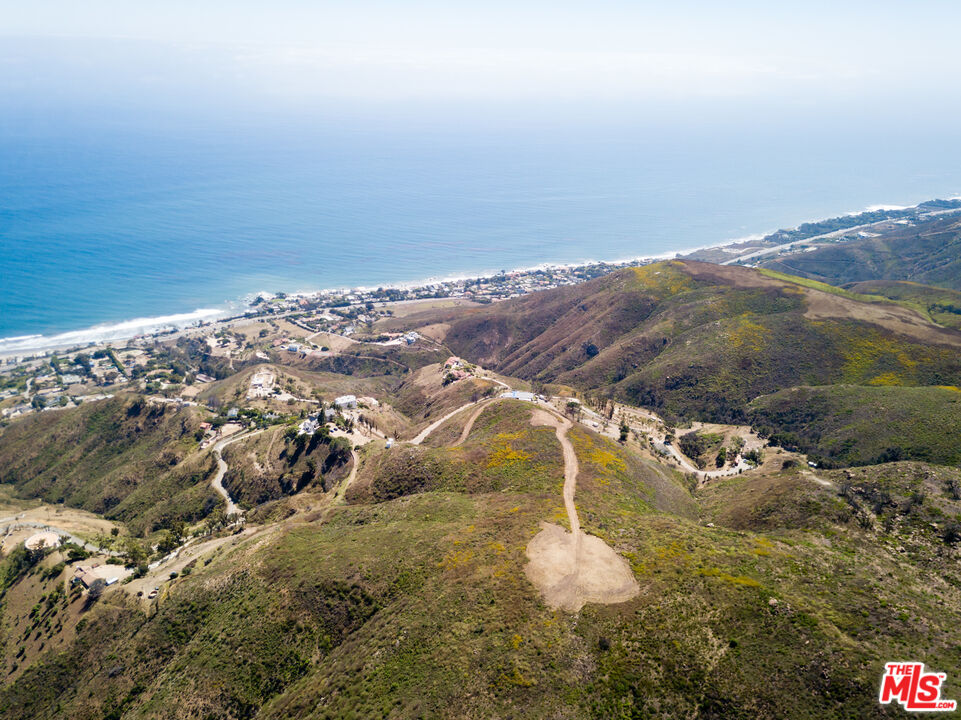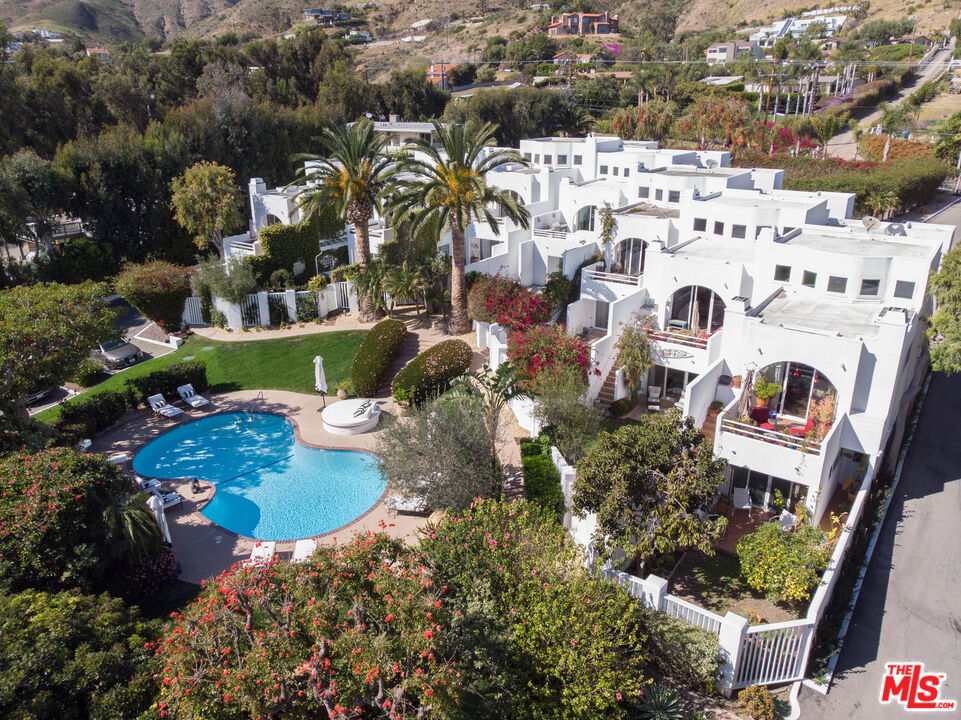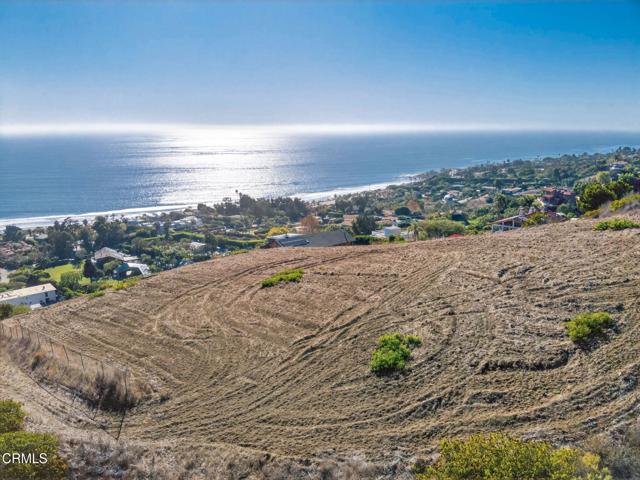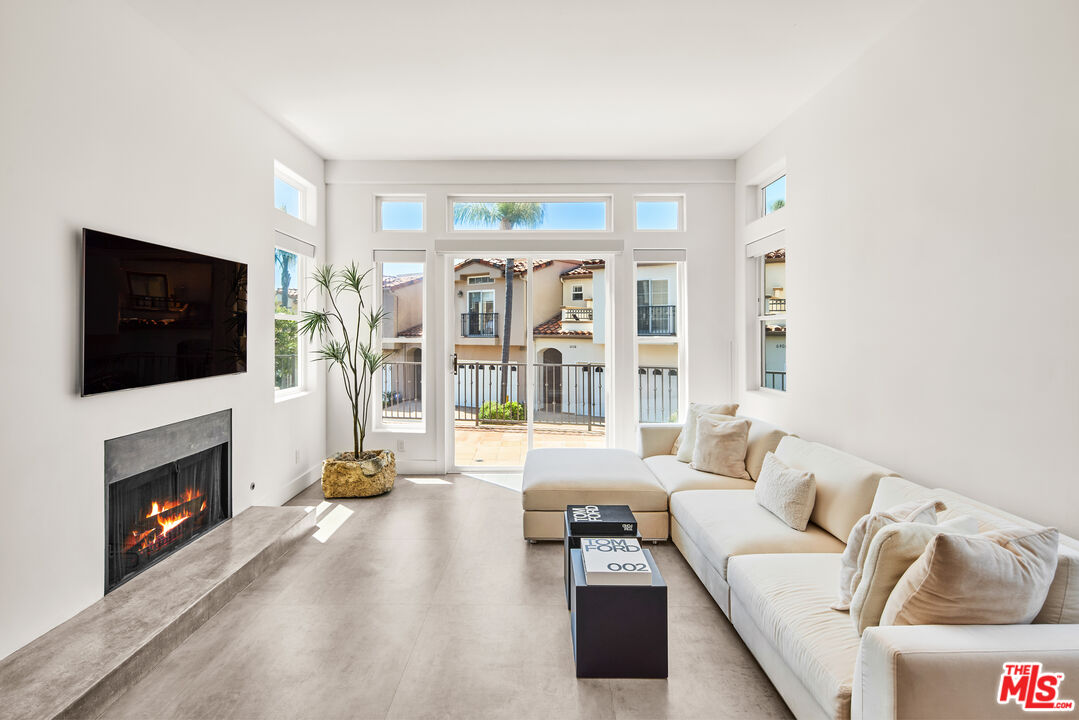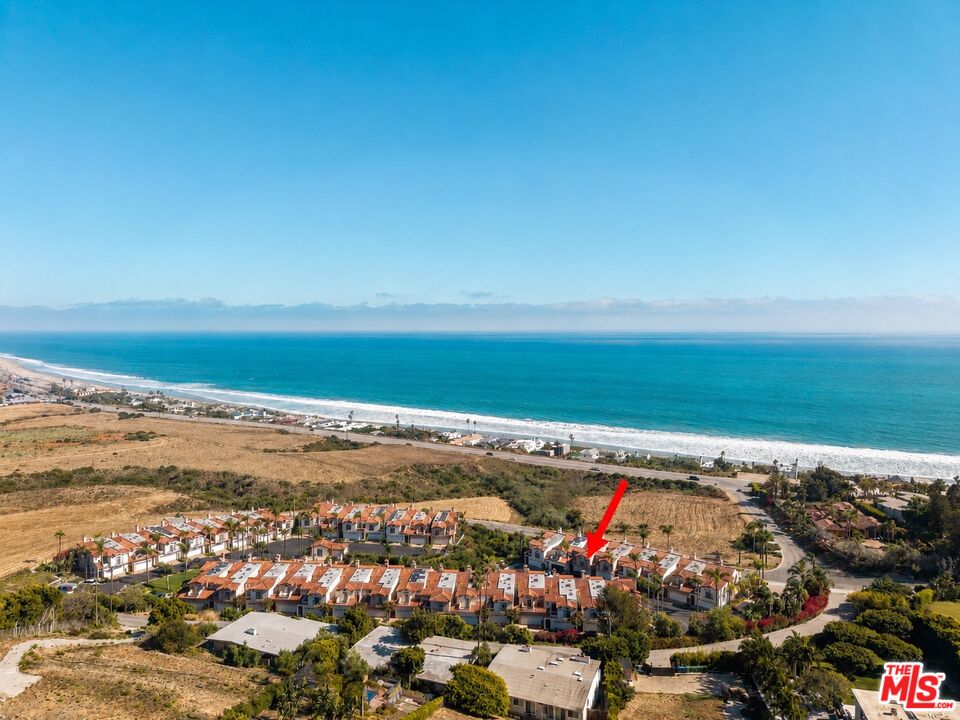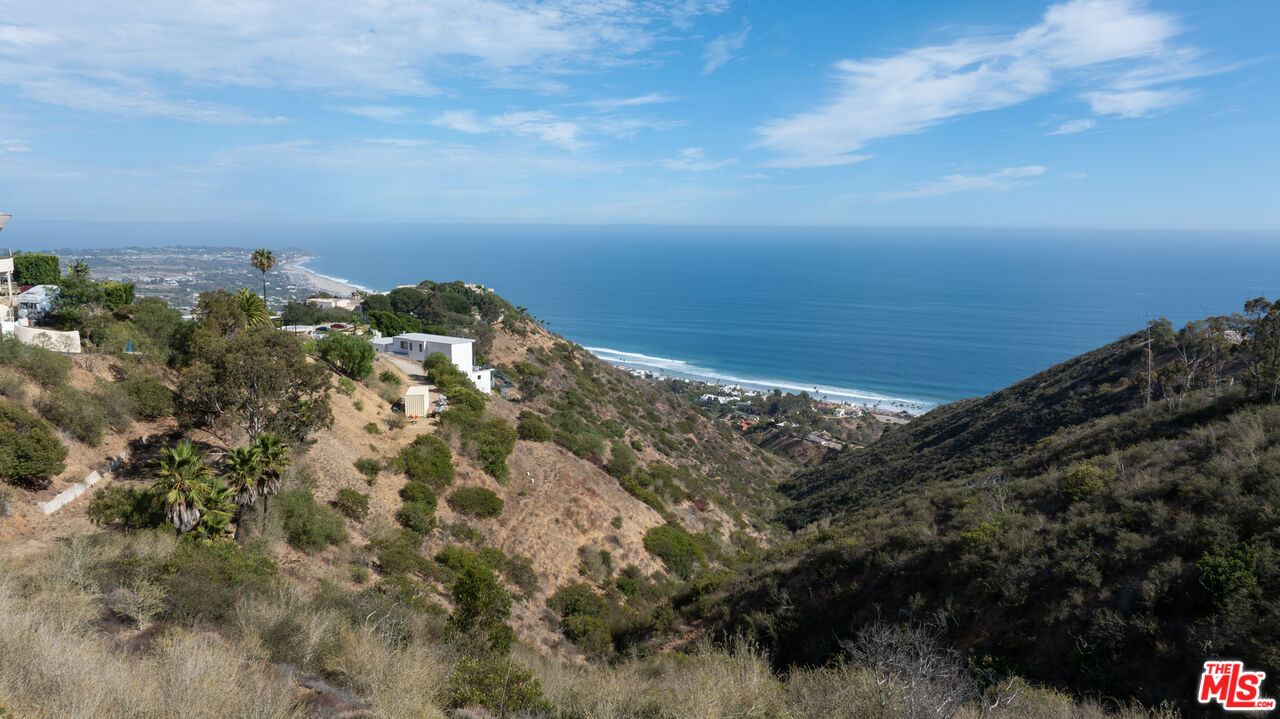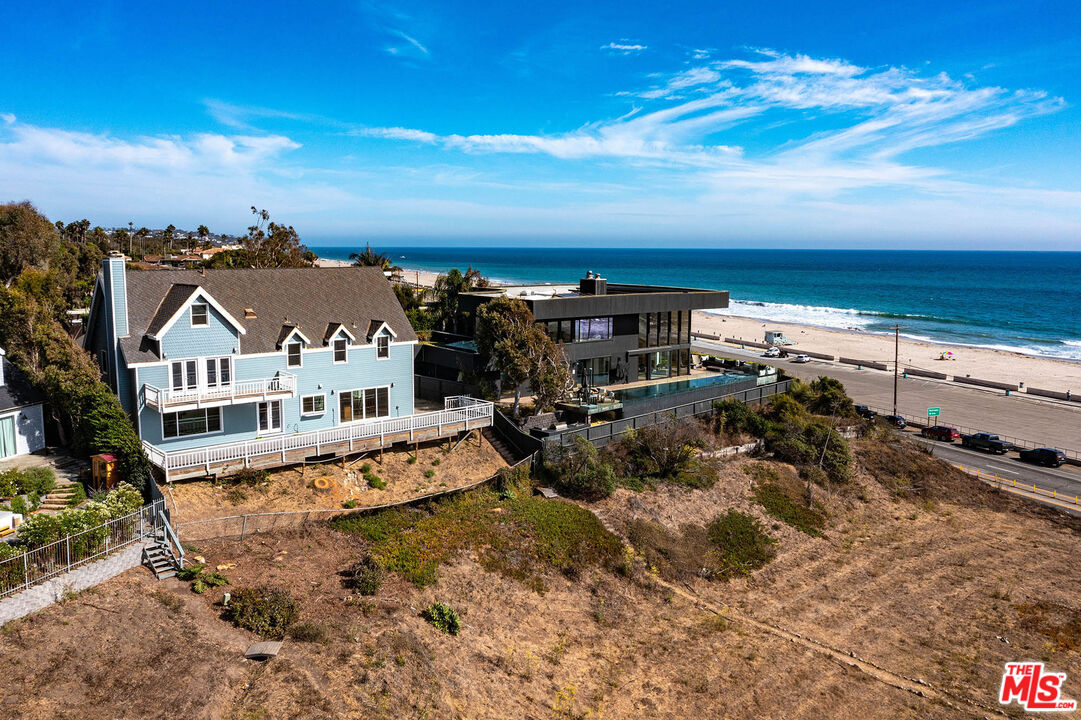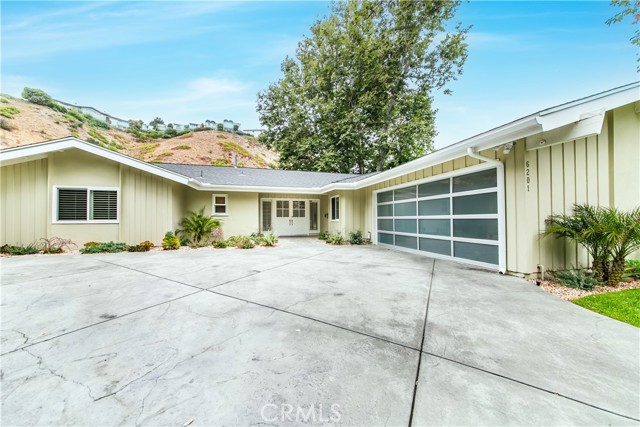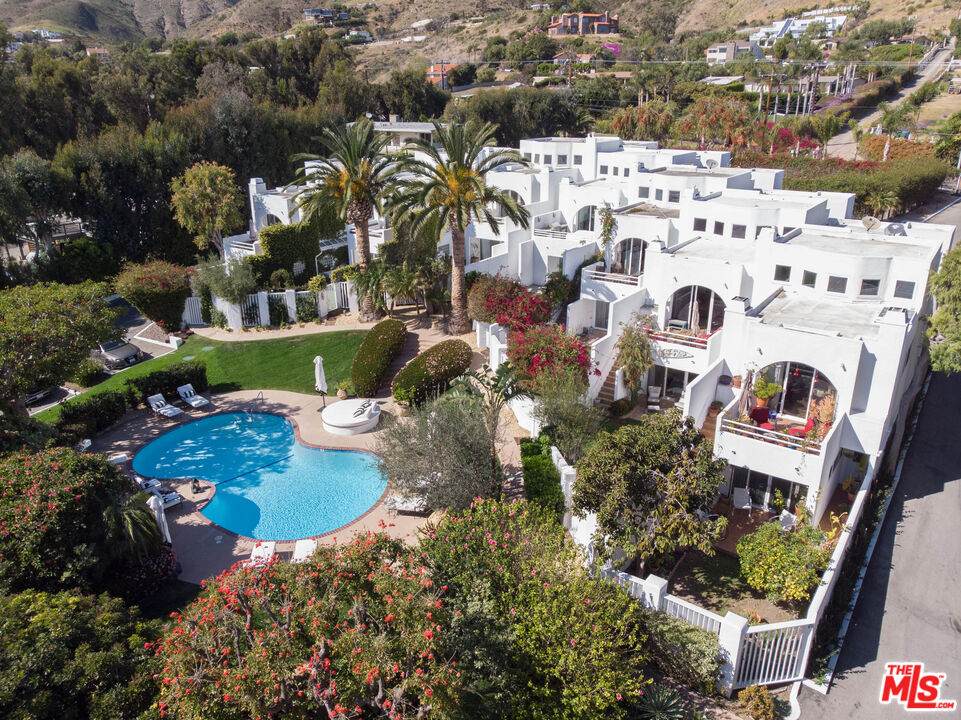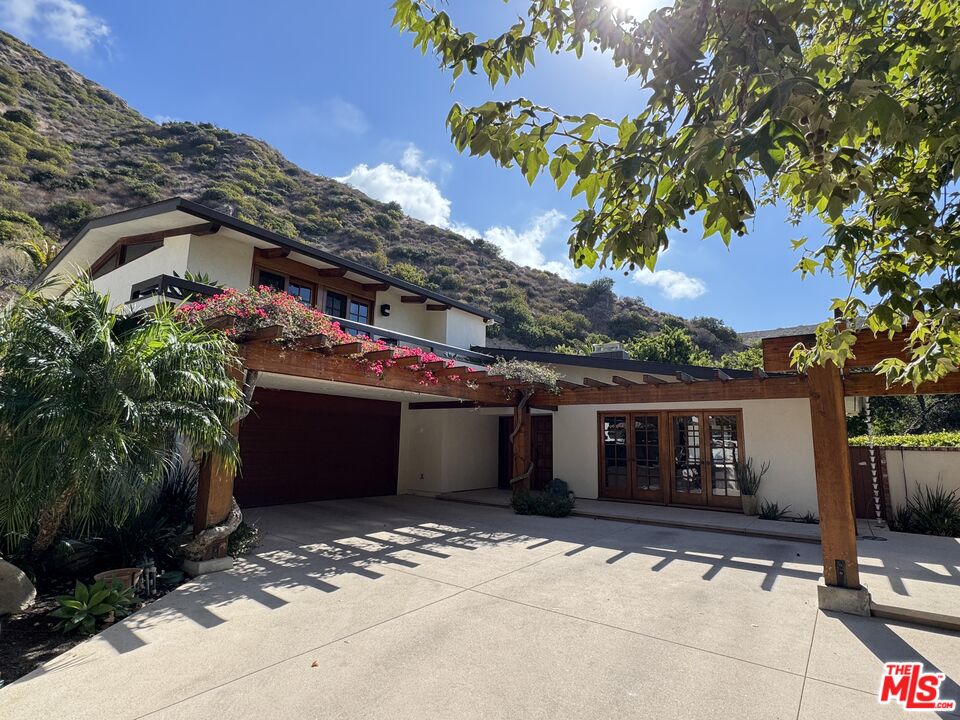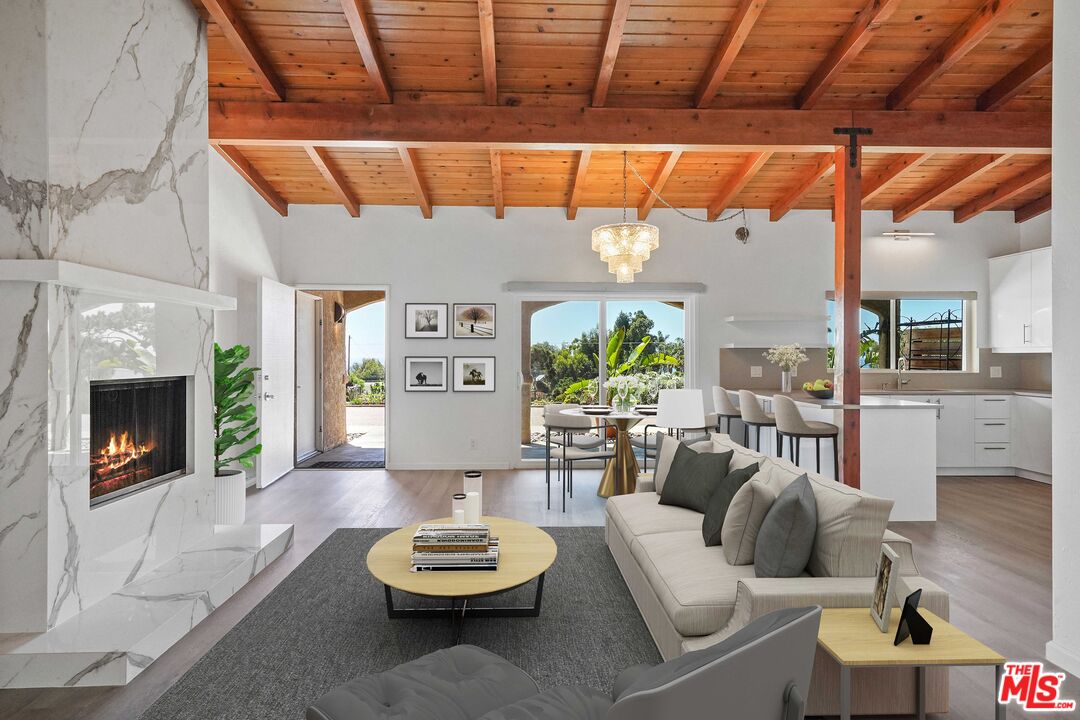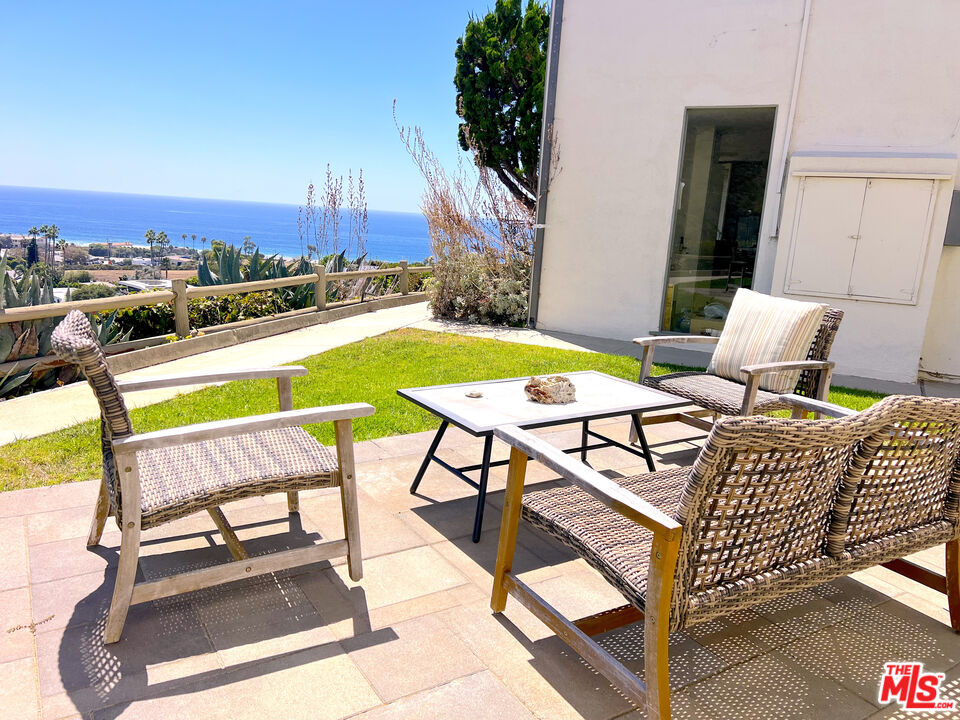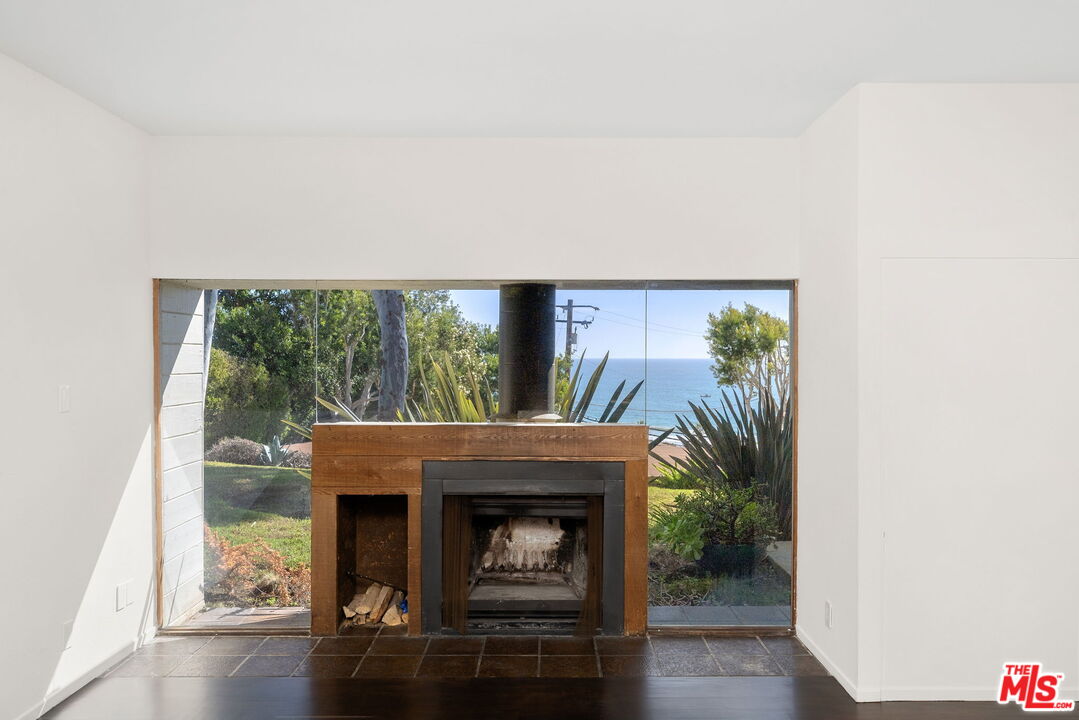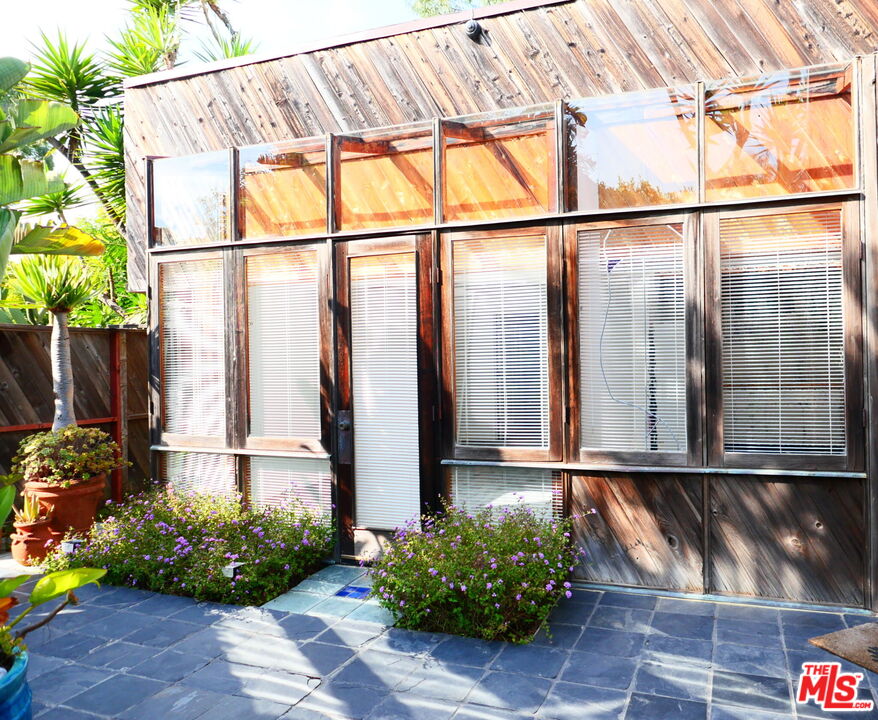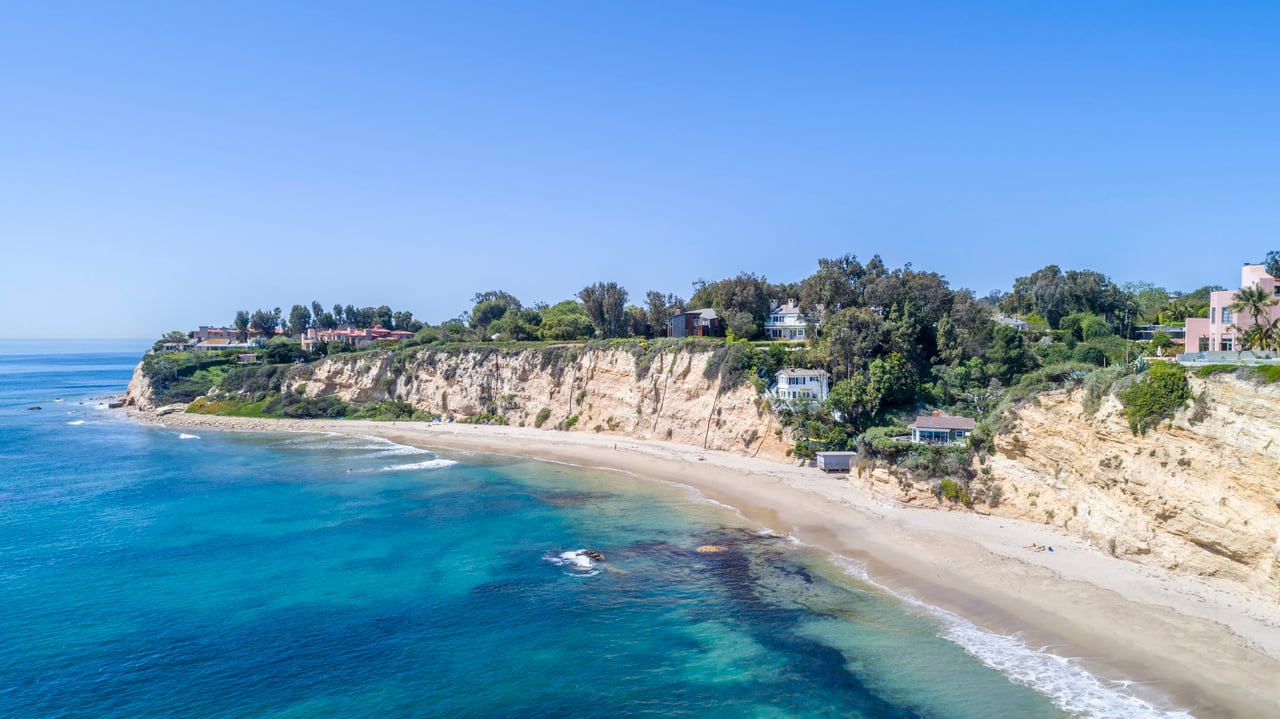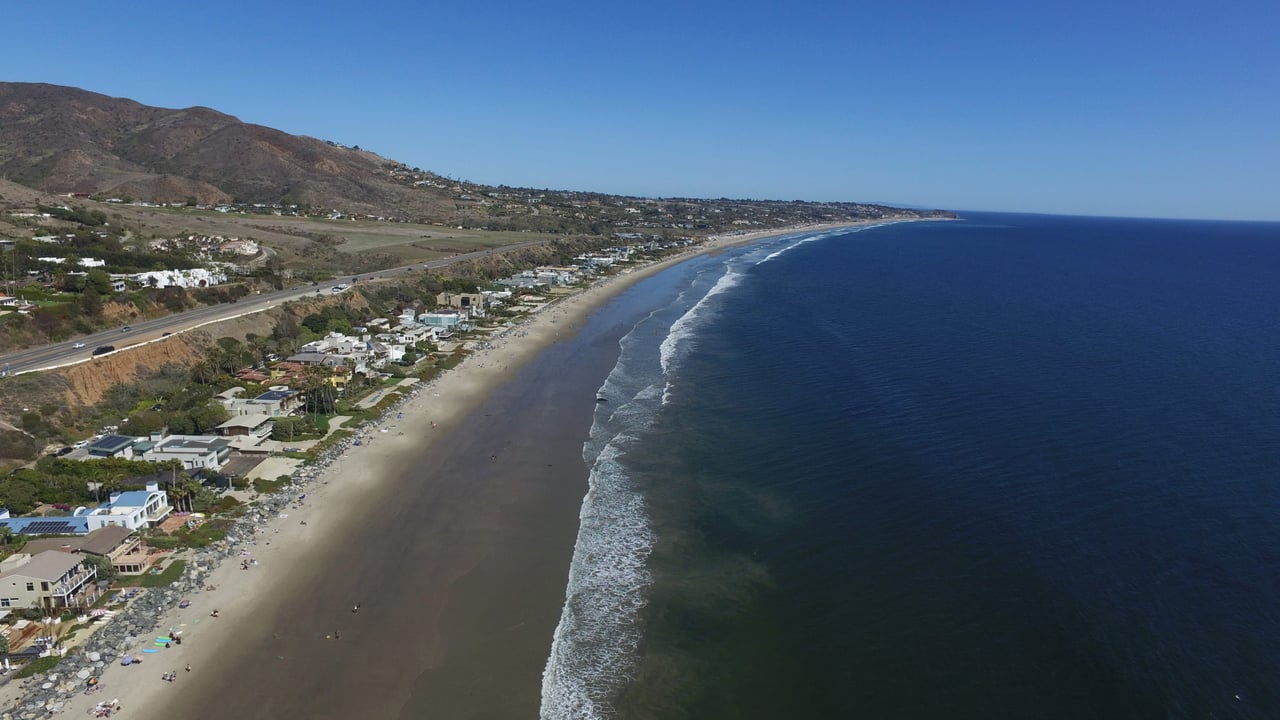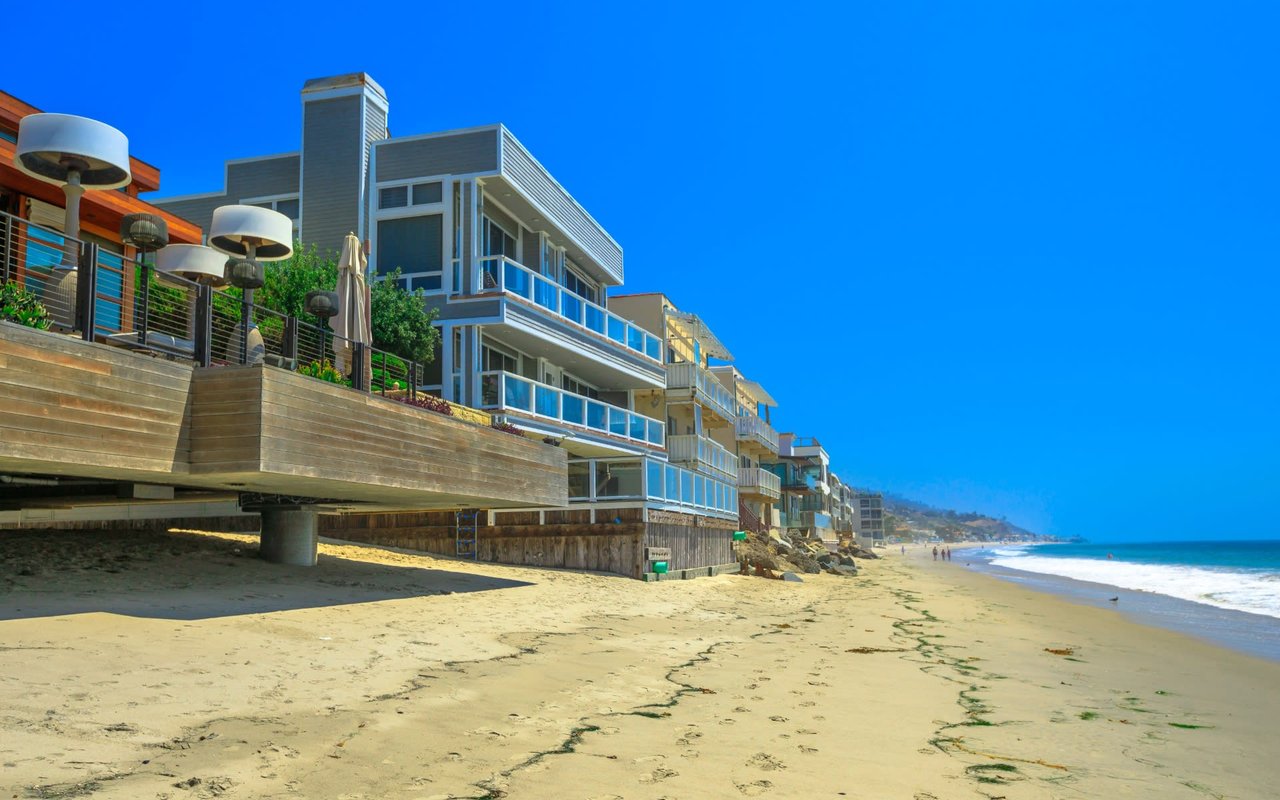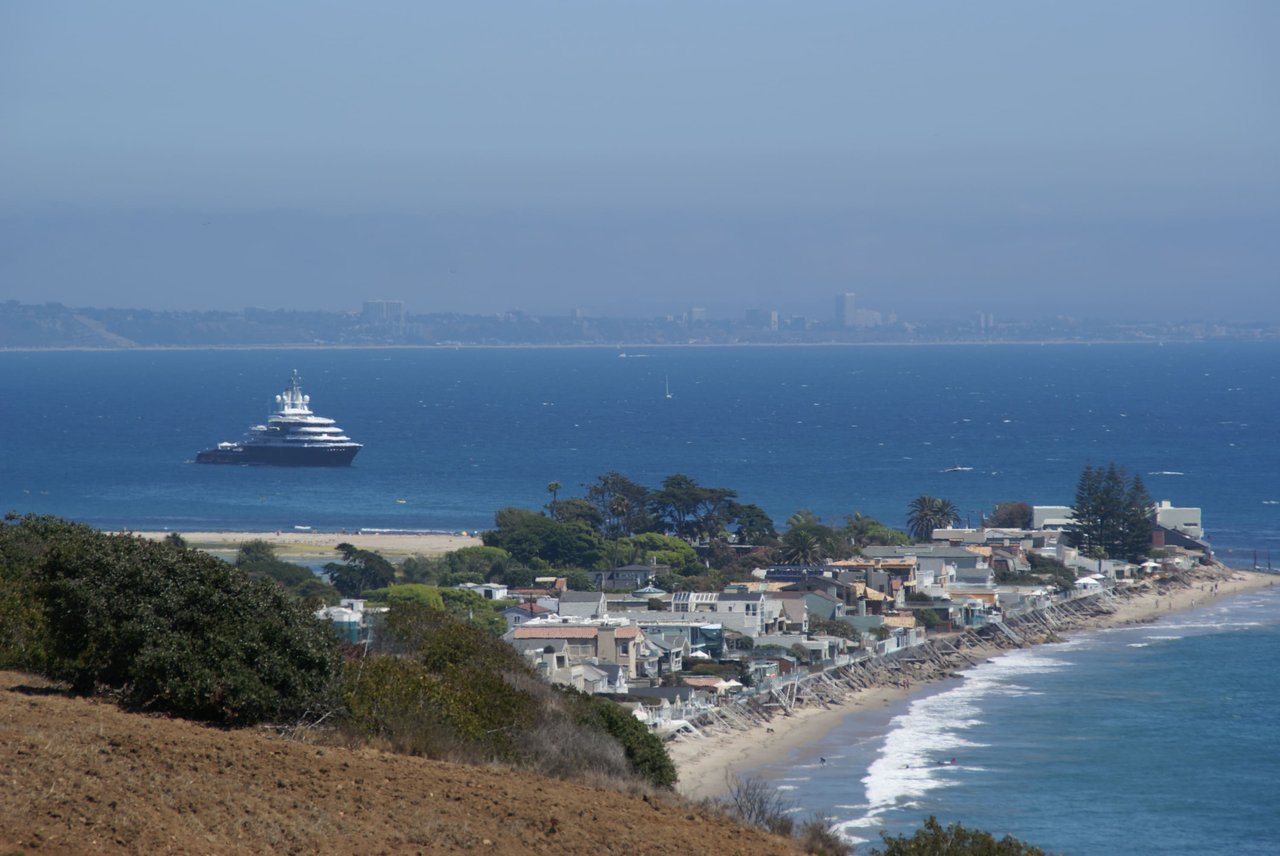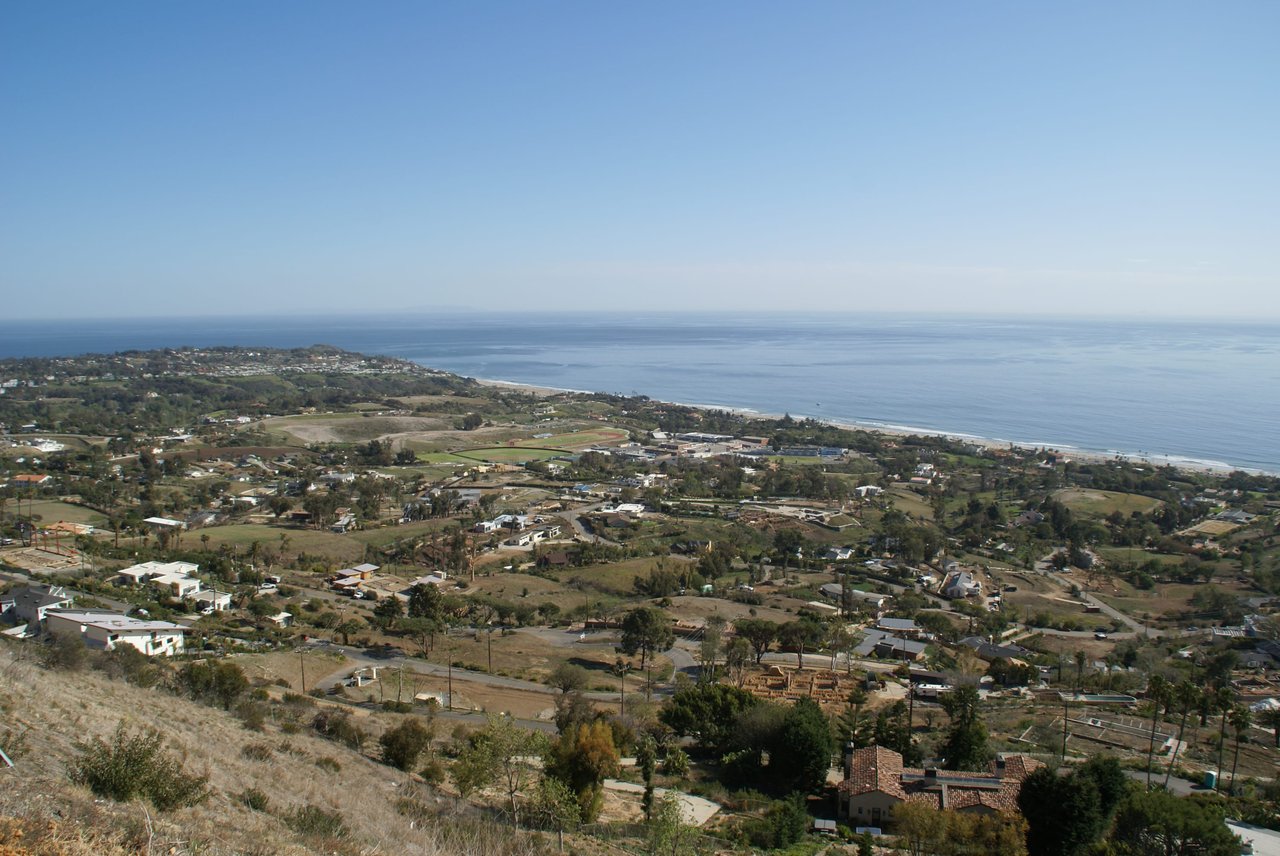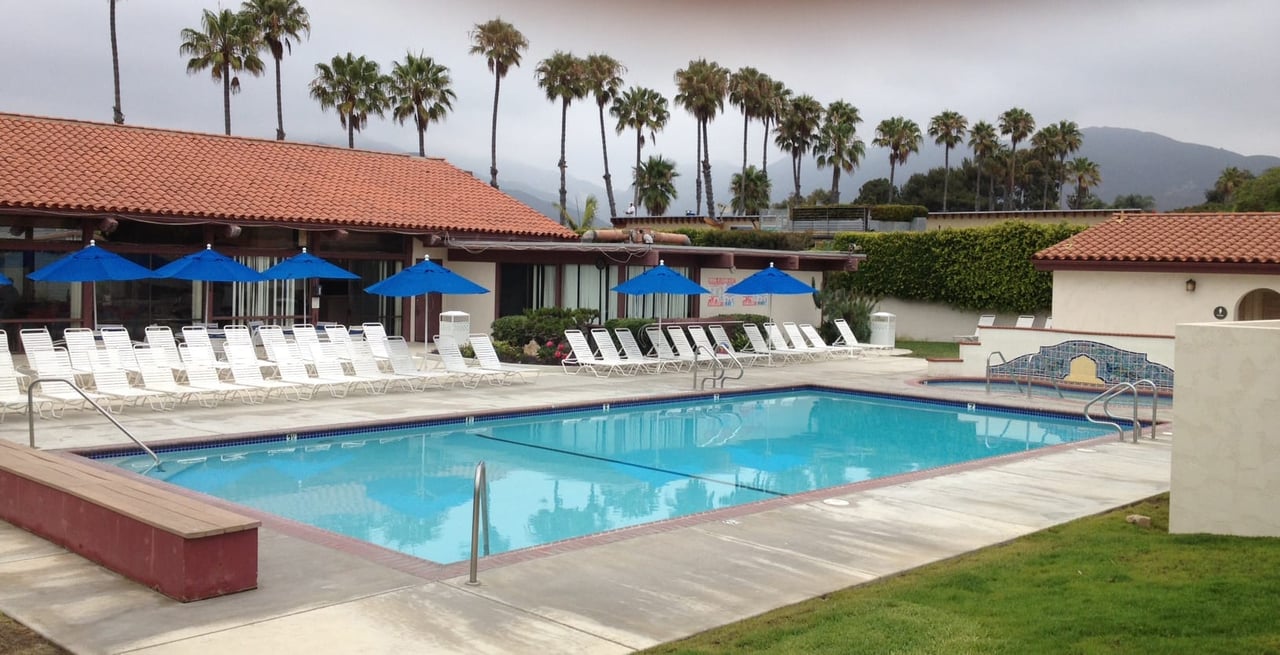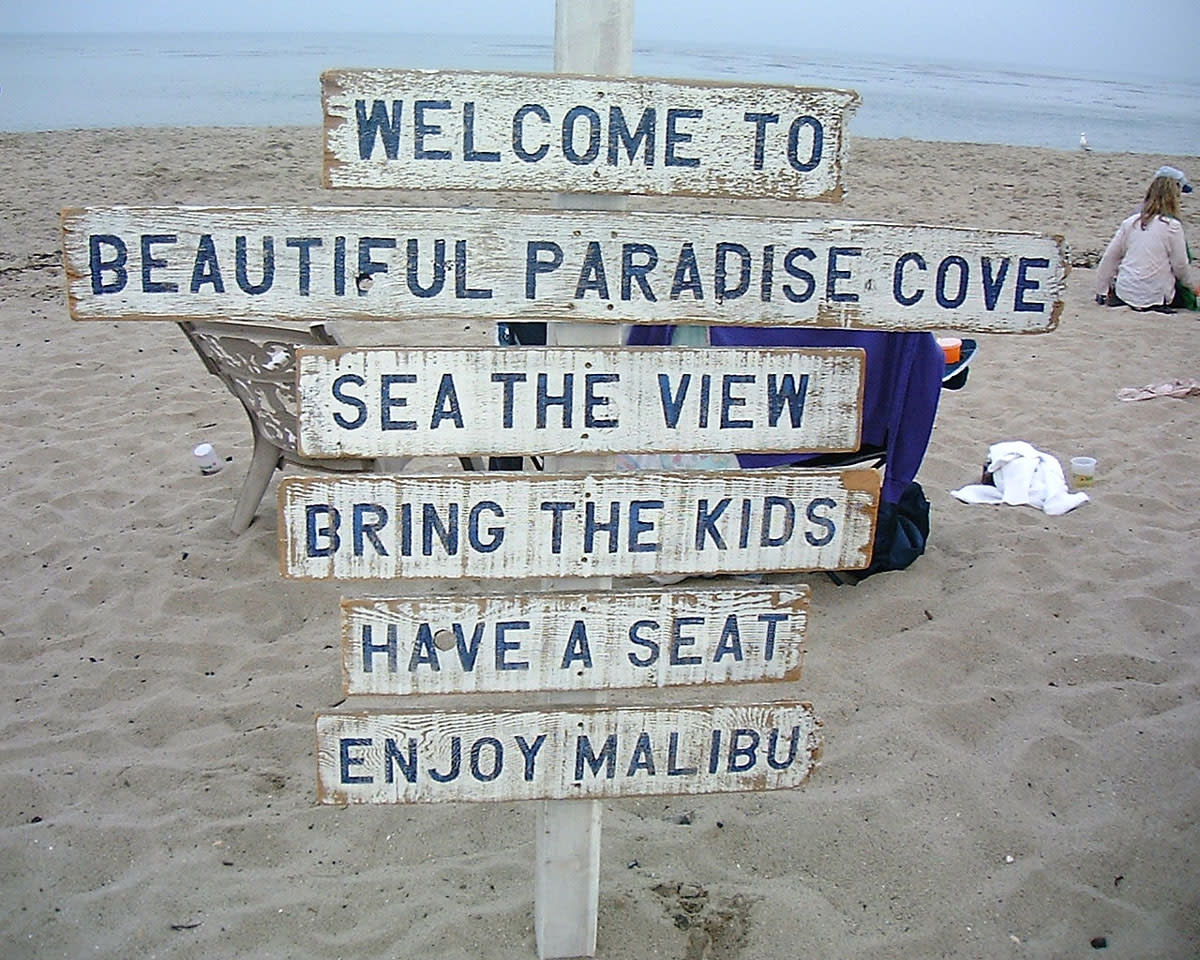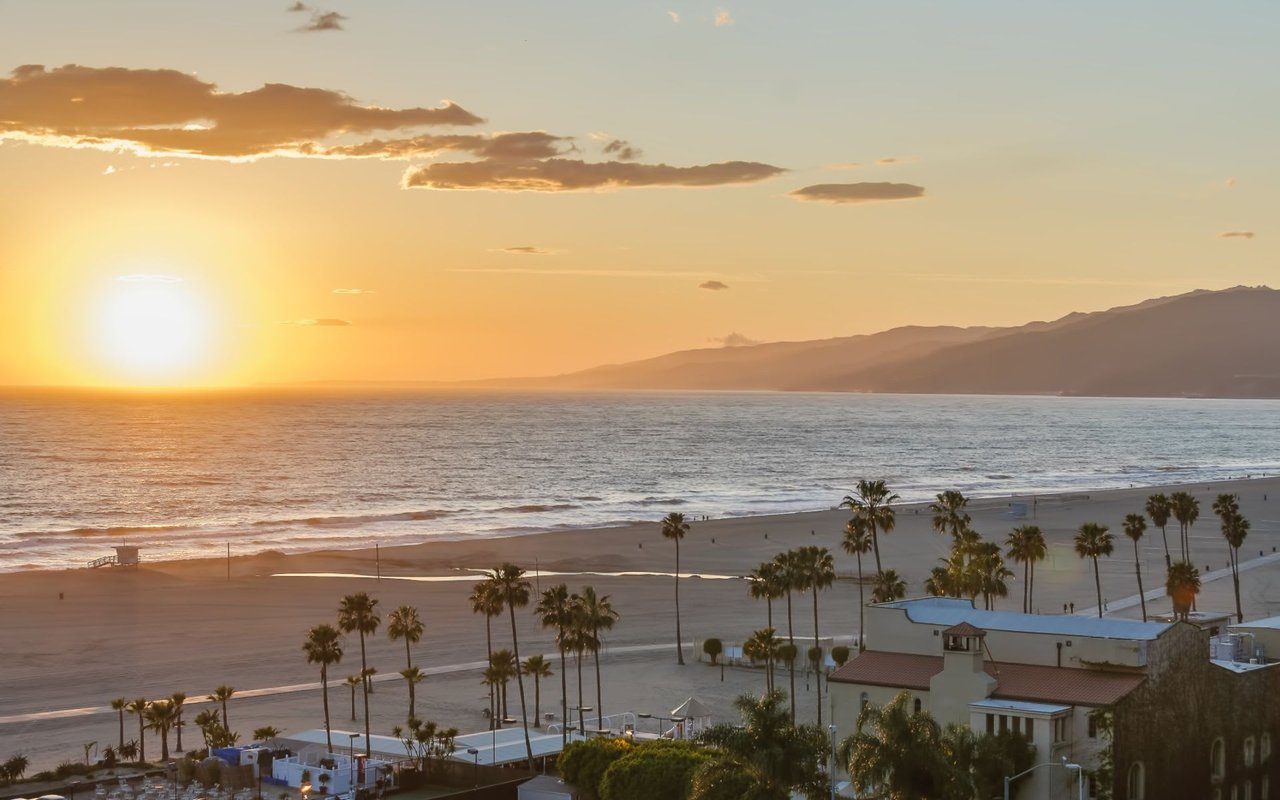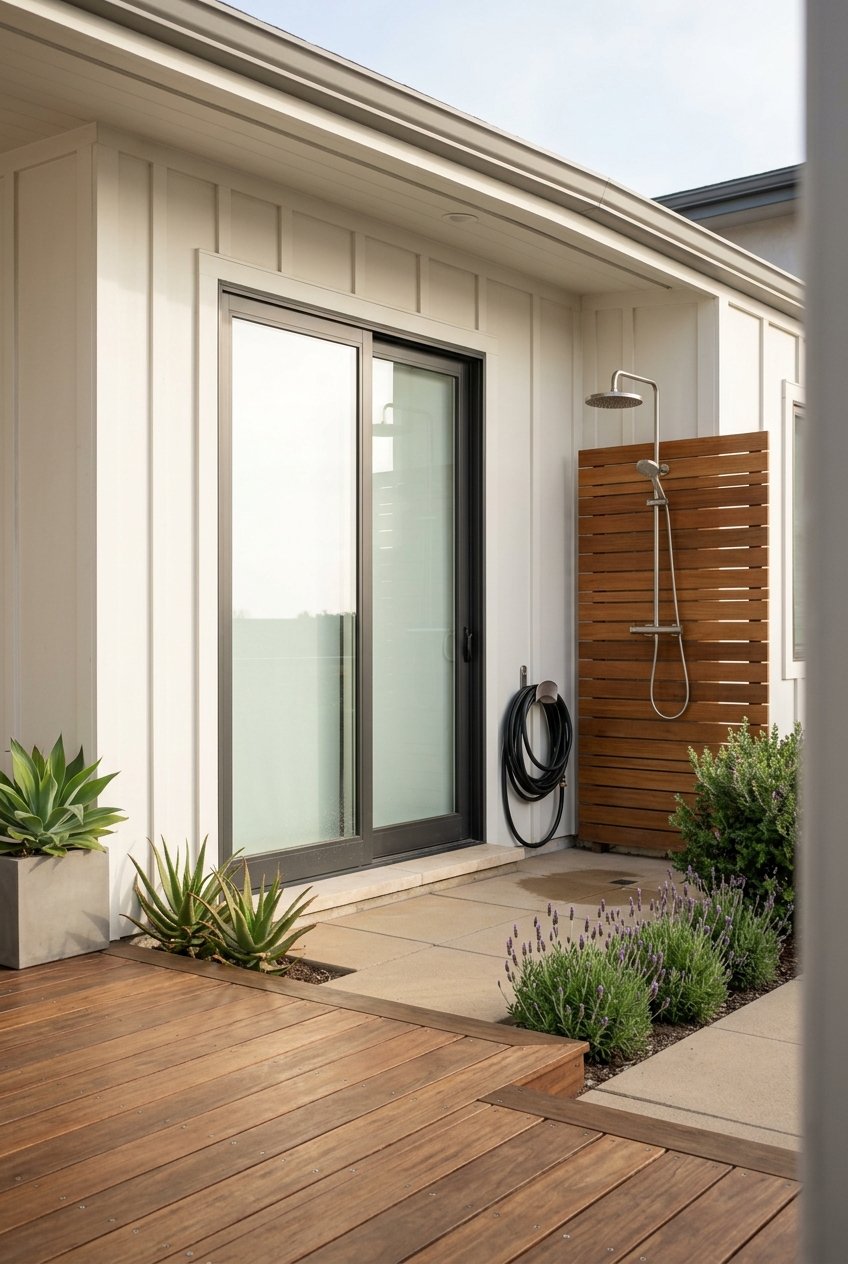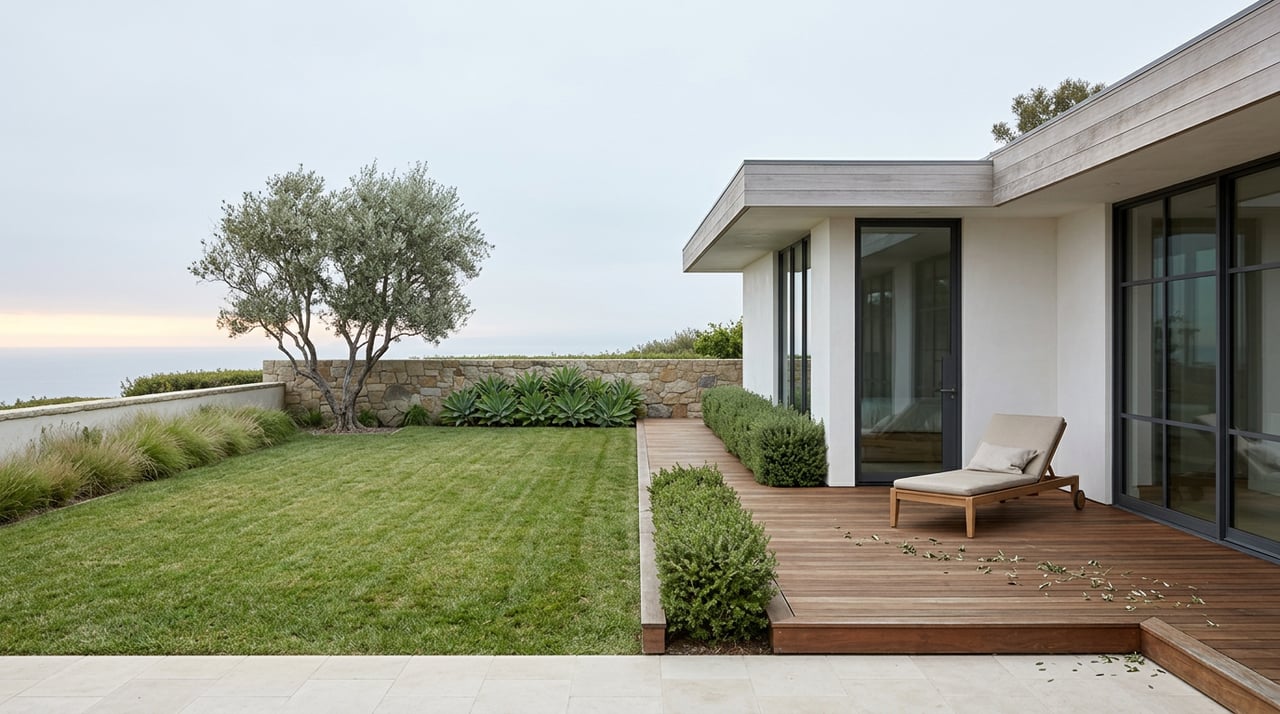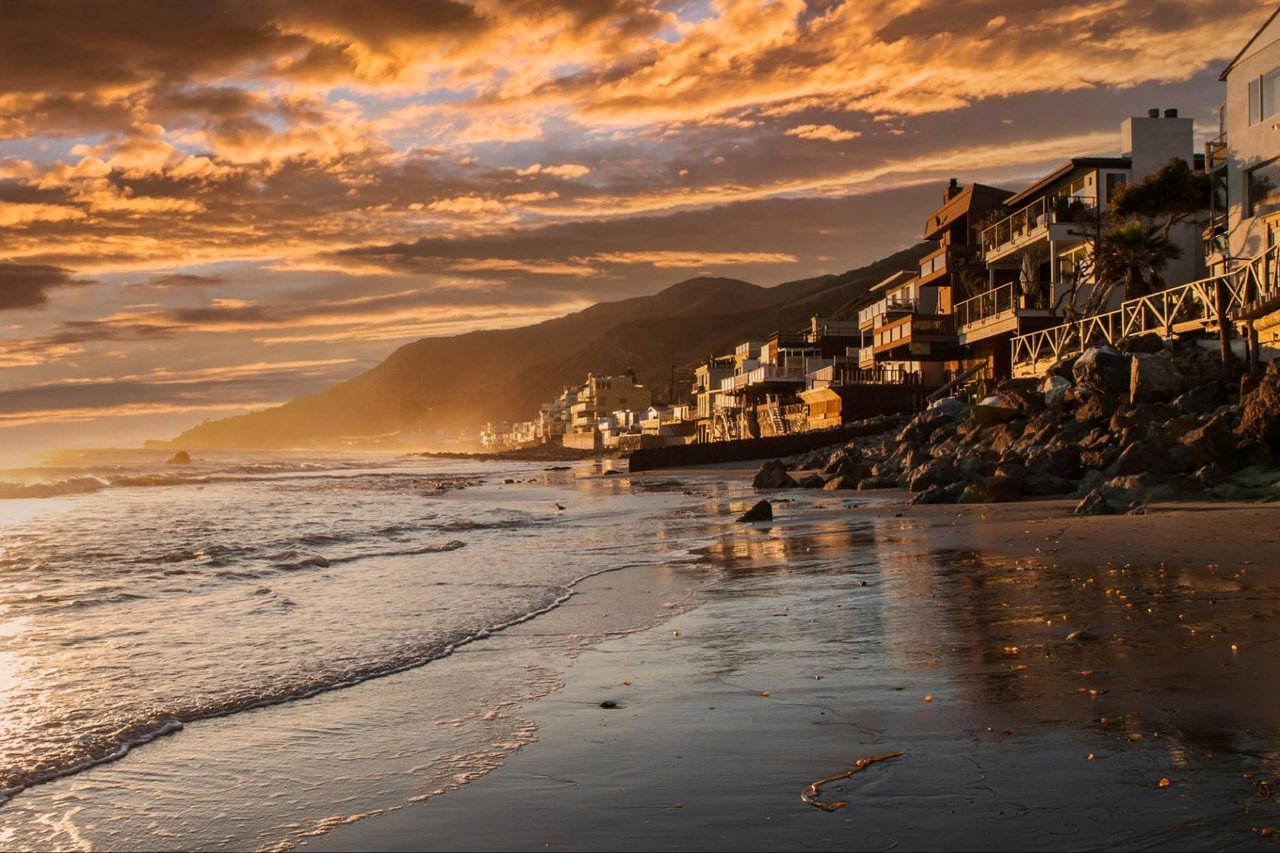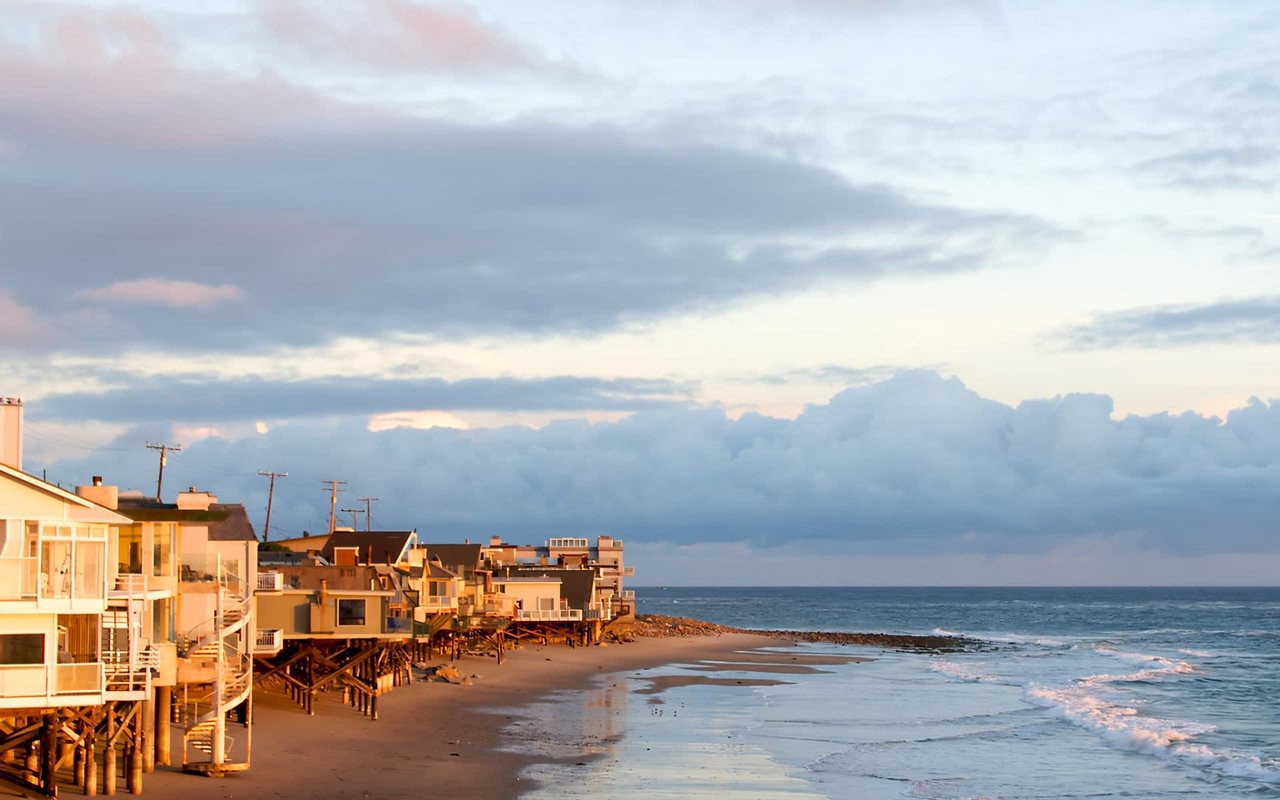

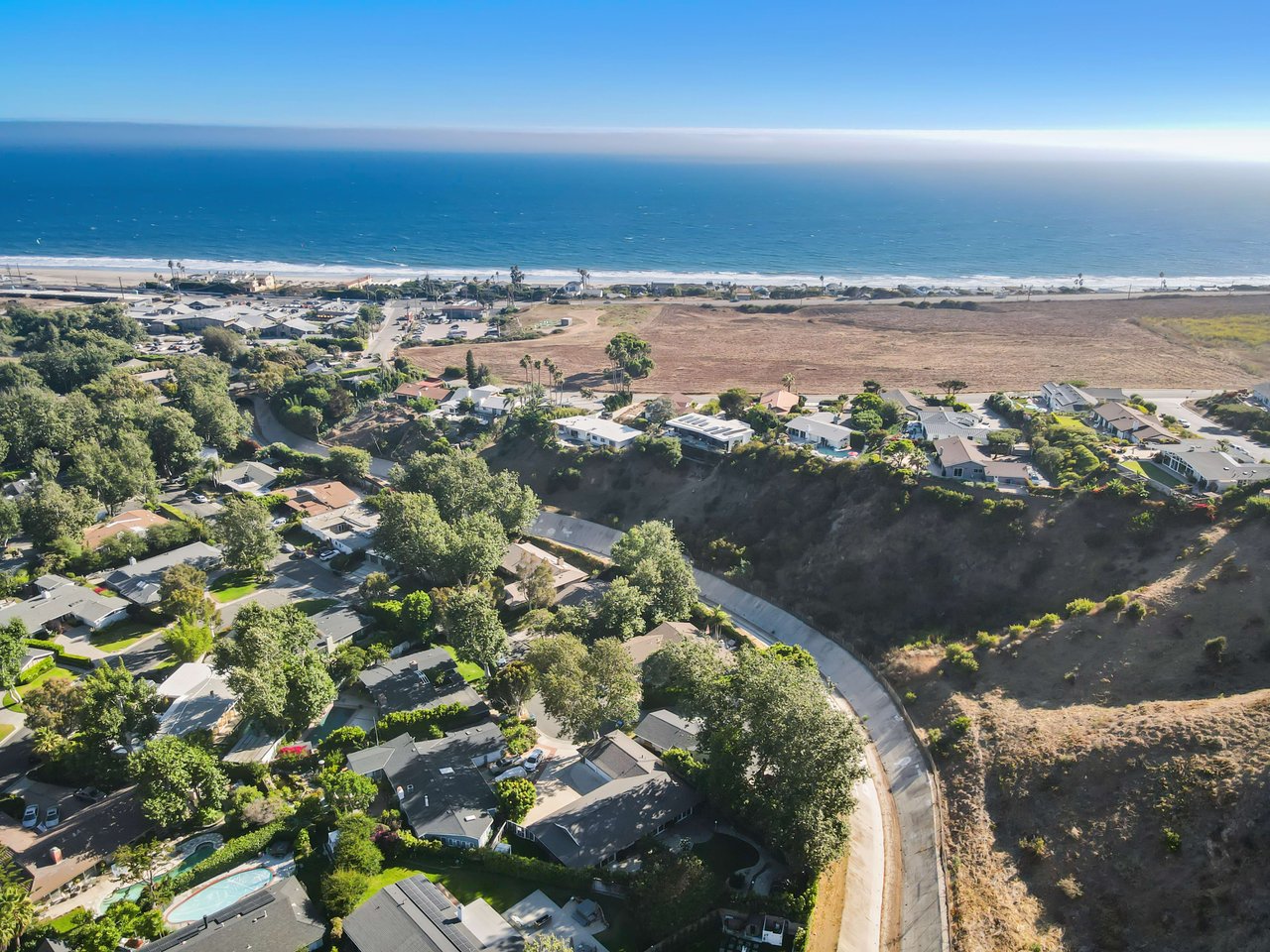
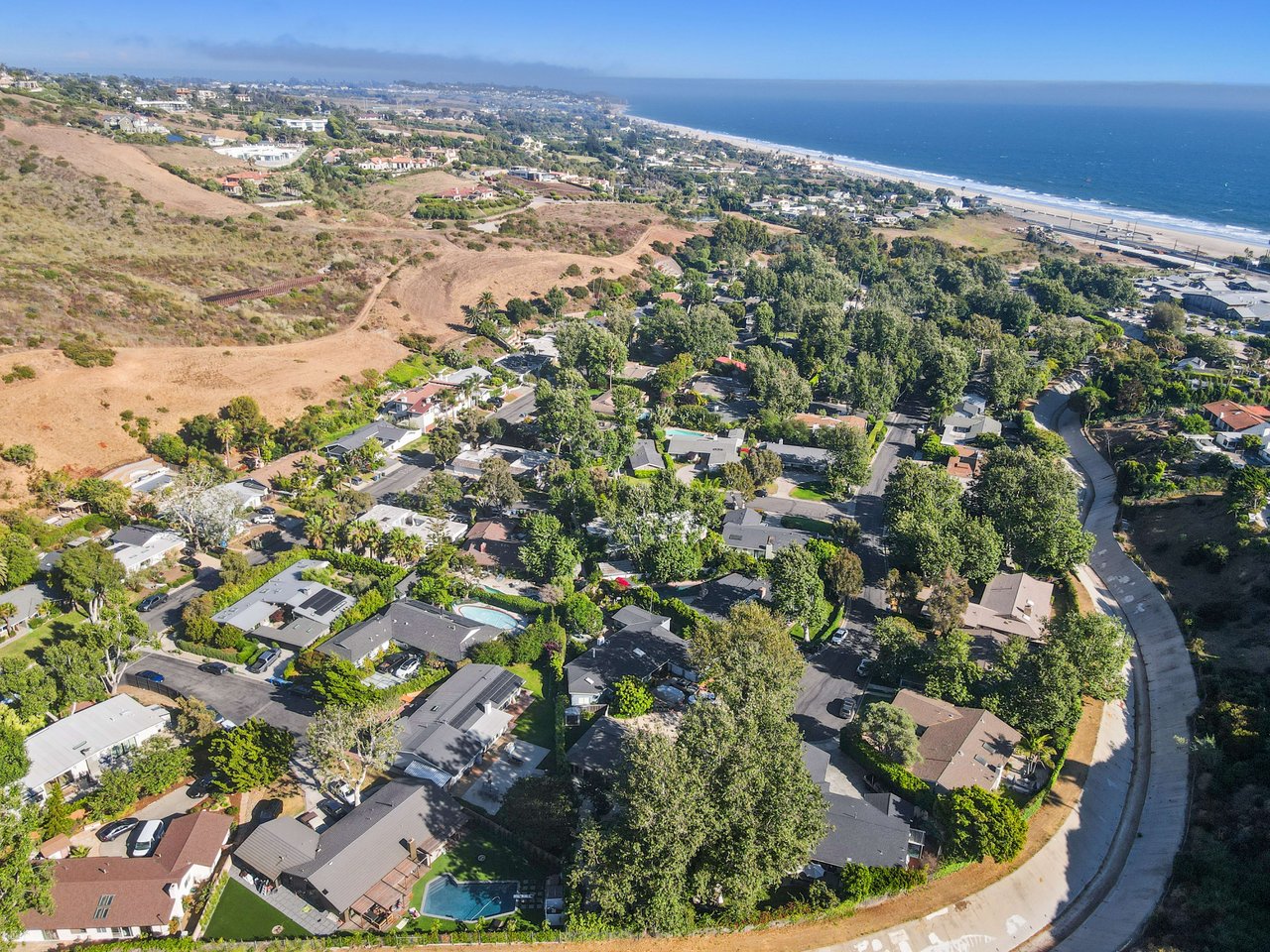
Tucked into the wide coastal shelf of Western Malibu, between Zuma Beach to the south and Trancas Canyon to the north, Malibu West is the rare Malibu neighborhood that feels like an actual neighborhood. Where most of Malibu is defined by either vertical beach houses packed onto the sand or steep canyon lots clinging to hillsides, Malibu West sits on a gently sloping plateau of flat lawns, wide driveways, and quiet streets where kids ride bikes to the community center. It's the kind of place where people know their neighbors and where the rhythm of life follows the tides rather than the traffic.
The neighborhood draws a specific kind of buyer: families who want space and a real sense of community without giving up the coast, second-home owners who value privacy over flash, and longtime Malibu residents who understand that a flat backyard within walking distance of the beach is one of the most genuinely scarce things in this entire stretch of California. What sets Malibu West apart from the showier oceanfront enclaves is its deeded membership to the private Malibu West Beach Club — a perk that turns an already desirable pocket into one of the most coveted family addresses on the Western coast. This is barefoot luxury in the truest sense: understated, grounded, and deeply local.
The Malibu West market today rewards patience, and the leverage has shifted firmly toward buyers. The frantic bidding wars of years past have given way to a slower, more deliberate pace. Homes here are routinely spending anywhere from 67 days to well over 150 days on the market before going pending, depending on the property and how realistically it was priced out of the gate. Inventory across Western Malibu has expanded meaningfully, which means affluent buyers now have the luxury of time — to compare properties, complete thorough coastal due diligence, and wait for exactly the right fit.
Competition is light. Properties rarely sell above asking, and the more common reality is homes closing for roughly 5% to 6% below list price, with nearly a quarter of listings taking a price cut before finding a buyer. On pricing, the entry point for a standard single-family home in the immediate neighborhood sits around $2.5 million to $4 million. Step out into the broader Western Malibu micro-market and the median sale price climbs closer to $4.8 million, while the median listing price pushes toward nearly $8 million — a figure inflated by the heavy concentration of ultra-high-end product at the very top of the market. For buyers, the takeaway is straightforward: there's room to negotiate, and the seller who prices to current reality is the one who actually sells.
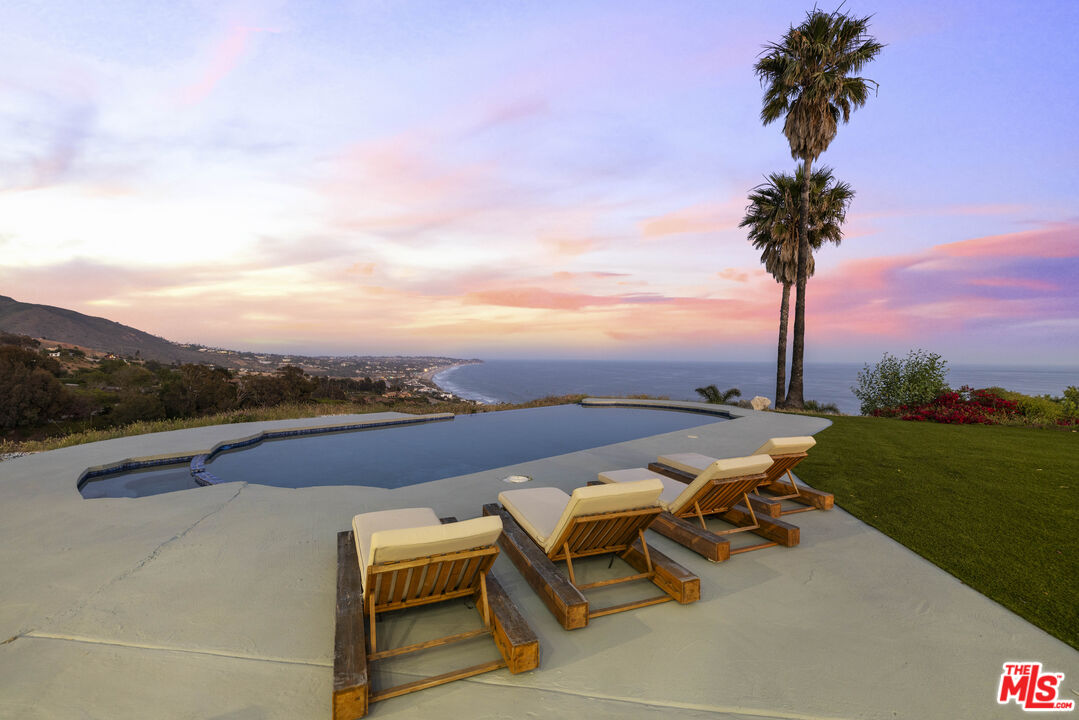
The luxury and ultra-luxury tier in and around Malibu West functions as its own distinct submarket, serving high-net-worth buyers, repeat purchasers, and second-home shoppers who prize absolute privacy and coastal security above all else. In this segment, sale prices routinely land between $6 million and $10 million and beyond. Properties on sprawling lots — streets like Harvester Road — or those with unobstructed ocean views command the top of that range.
It's worth understanding the architecture of value here. The core of Malibu West is landward: stable, ranch-style and mid-century modern estates with deeded beach club rights rather than sand under the foundation. But the neighborhood's luxury ceiling is heavily influenced by the adjacent oceanfront properties just across the highway. Buyers at this level are sophisticated and unhurried, and they negotiate hard — it's not unusual to see a high-end estate close 10% to 15% below an ambitious initial ask.
What today's luxury buyers want has also evolved beyond square footage and view corridors. Three trends define the modern high-end Malibu West purchase. Turnkey eco-luxury is in heavy demand — sustainable architecture, solar integration, rainwater harvesting, and certified green building. Wellness has moved from amenity to expectation, with infrared saunas, plunge pools, home gyms, and biophilic design that dissolves the line between indoors and the coastal environment. And because Malibu is governed strictly by the Local Coastal Program, premium dollars increasingly flow toward homes with meticulous permit histories and fully updated coastal development documentation. A clean paper trail eliminates future regulatory headaches, and savvy buyers will pay for that peace of mind.
Investing in Malibu West means setting aside the traditional cash-flow-first playbook and thinking in terms of long-term equity growth, wealth preservation, and tax-advantaged positioning. High acquisition costs compress cap rates and immediate cash-on-cash yields, so the math here works differently than it would in a conventional rental market.
The single most important thing for an investor to understand is Malibu's short-term rental regulation. The city requires that an STR property be the owner's primary residence, mandates an annual $495 permit, imposes a 15% Transient Occupancy Tax, and requires an active Onsite Wastewater Treatment System permit. In practice, this effectively closes the door on the standard absentee-owner STR model. Smart investors pivot accordingly — toward high-end corporate relocation tenants, executive leases, and 30-plus-day seasonal rentals, where summer leases can command $20,000 to $30,000 and up per month while sidestepping the primary-residence restriction entirely.
Appreciation in Malibu West rests on land scarcity. There is virtually no room left for new subdivisions, and that hard supply cap is what has historically protected long-term values. Add to that the historic separation of Malibu's schools from the Santa Monica system — a genuine micro-market catalyst that's expected to organically lift desirability and values across this family-centric footprint over time. As for value-add strategy, pure fix-and-flips are high-risk here given carrying costs and Malibu's notoriously slow permitting timelines. The investors who win tend to play a "fix-and-hold" game instead. Two approaches stand out: building ADUs to take advantage of California's favorable accessory dwelling laws and Malibu West's generous lot sizes, and executing high-end interior cosmetic renovations on dated ranch and mid-century homes — work that forces equity without triggering the arduous coastal structural permitting process.
Buying in Malibu West requires a specialized coastal playbook, and the current market hands the advantage to prepared buyers. With properties averaging 67 to 150-plus days on market and multiple-offer scenarios rare, there's almost no pressure to waive your consumer protections. You can write clean, methodical offers — and you should expect to structure them below asking, given that homes here routinely close 5% to 6% under list.
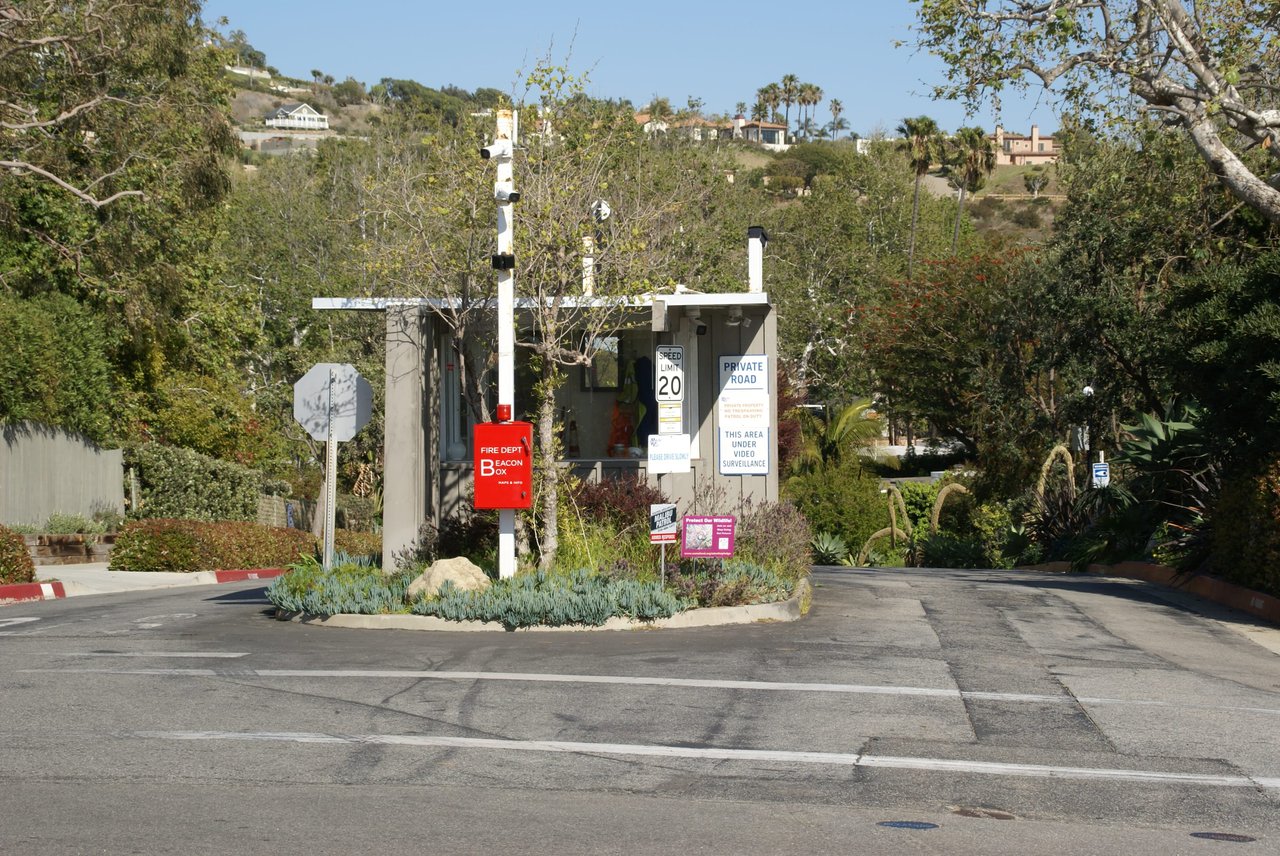
Where a typical suburban purchase might involve a quick 10-day inspection window, a Malibu West transaction demands rigid, specialized due diligence, and skipping any of it is a costly mistake. The septic system is the first and most critical item: Malibu West runs on septic rather than public sewer, so a comprehensive septic inspection, tank pumping, and a careful review of the City of Malibu's operating permit history are non-negotiable before you remove contingencies. Geology and fire risk come next — the area sits within a High Fire Hazard Severity Zone, so slope stability, brush-clearance compliance, and insurance availability all need to be scoped during your initial 17-day investigation period, before premiums or availability blindside your numbers. Finally, confirm the title: you'll want to verify that the property conveys active, clearly deeded rights to the Malibu West Beach Club, since that membership is a meaningful part of what you're paying for.
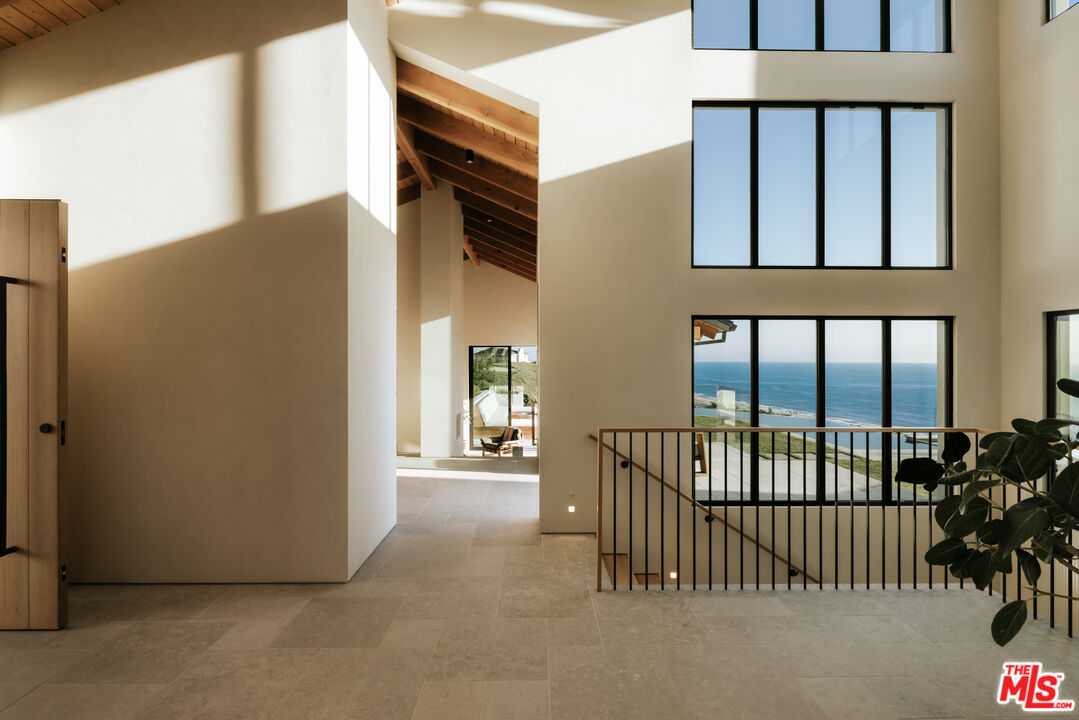
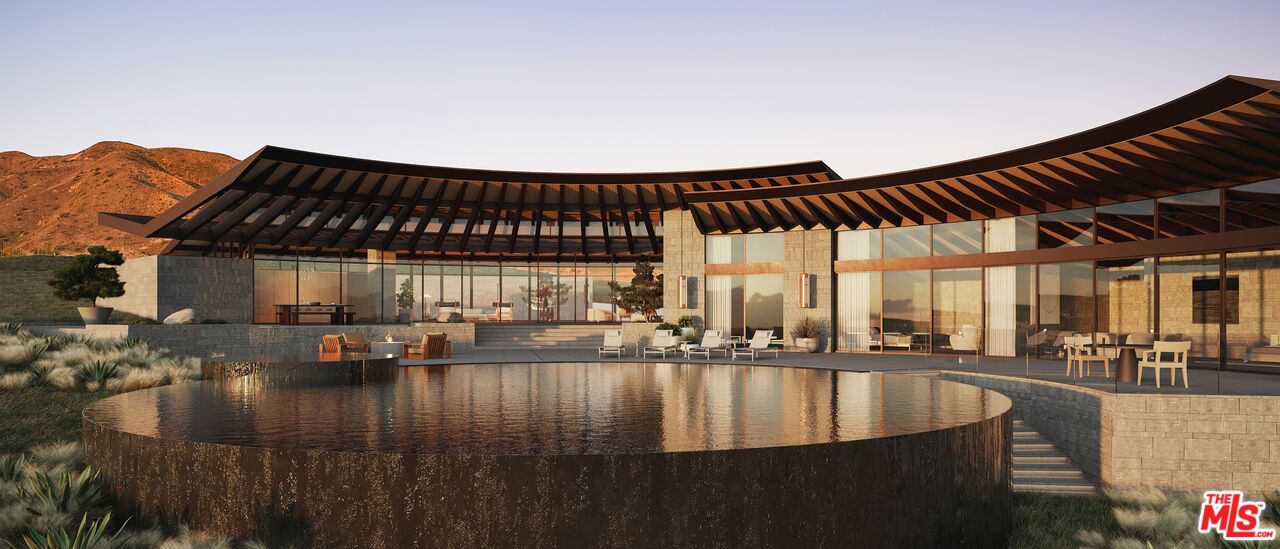
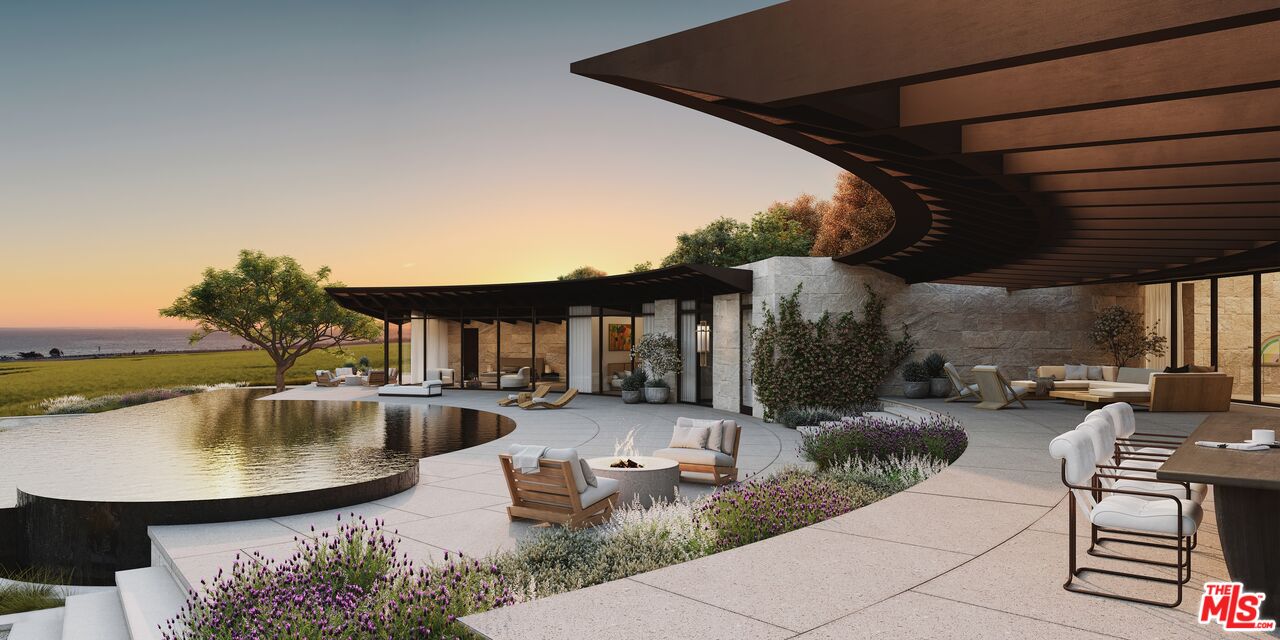
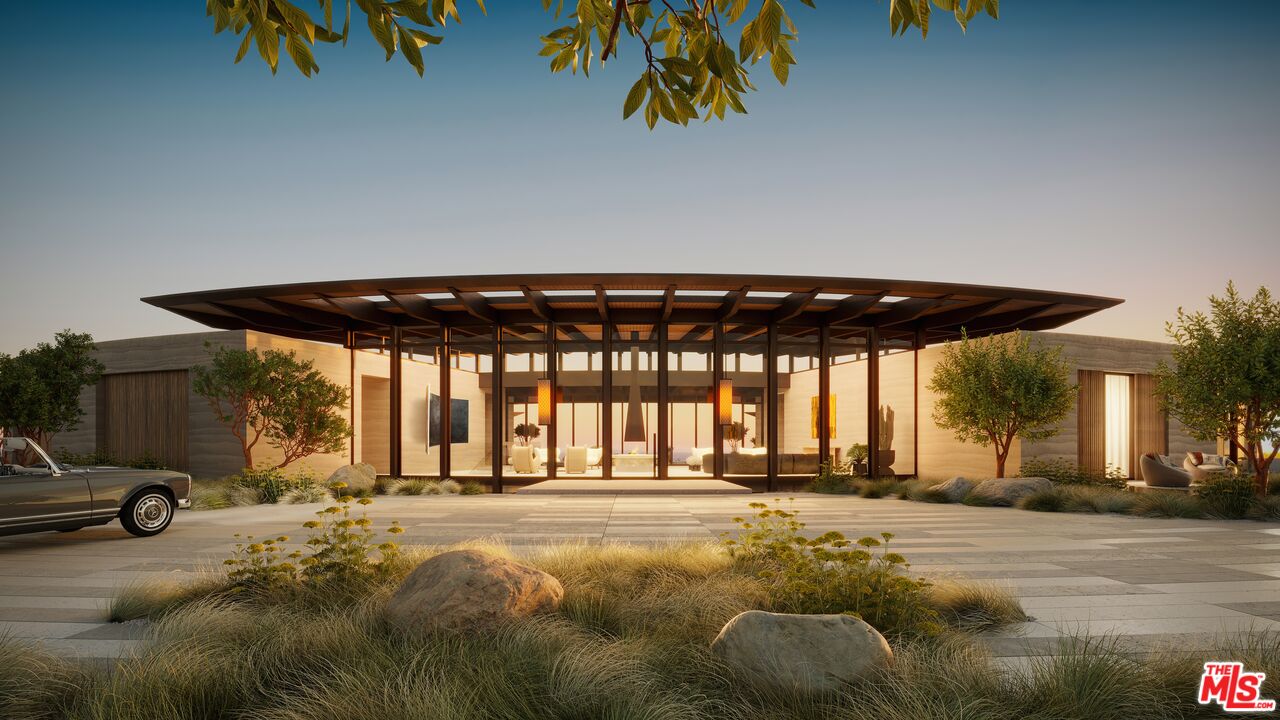
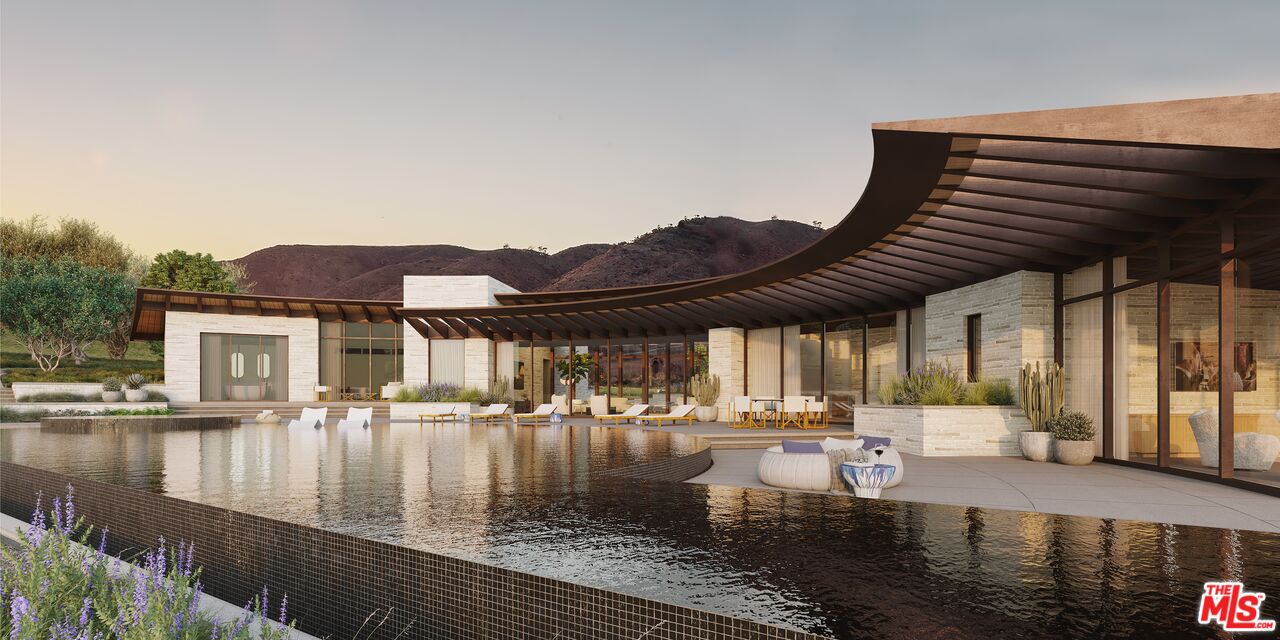
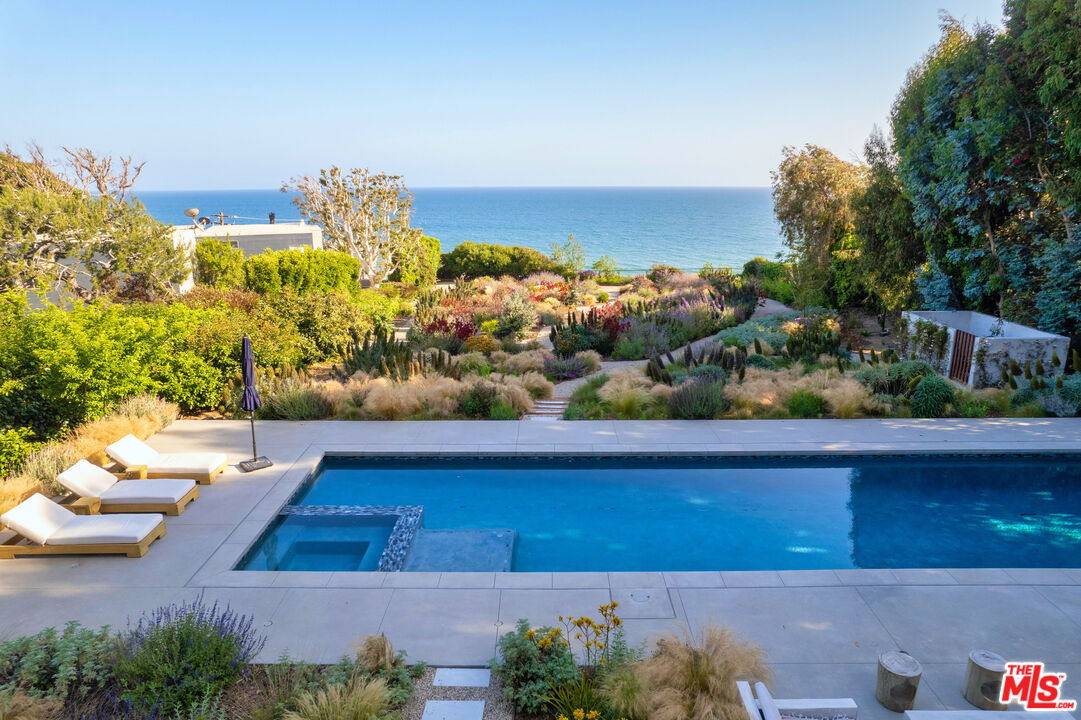
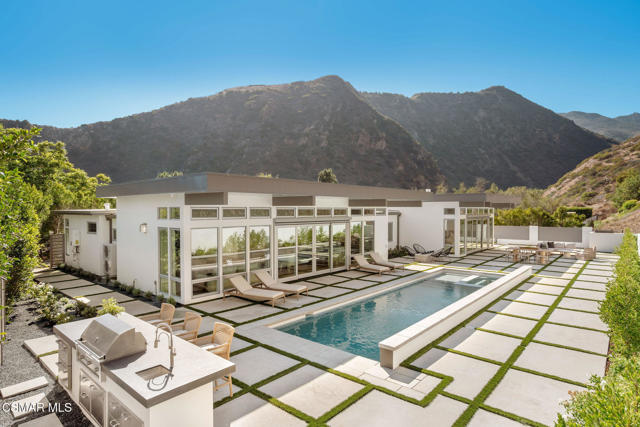
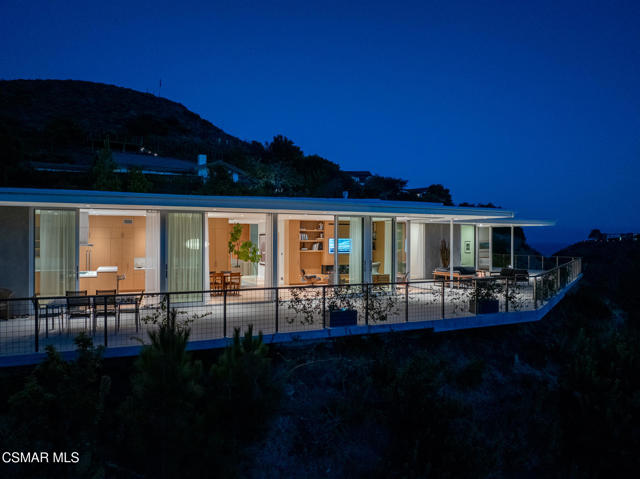
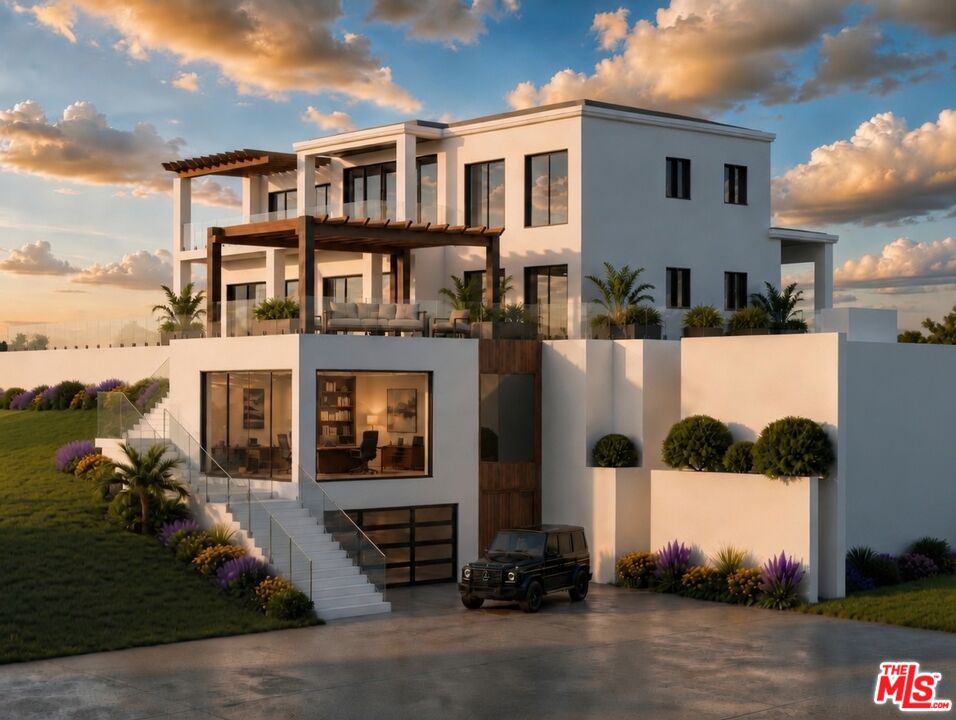
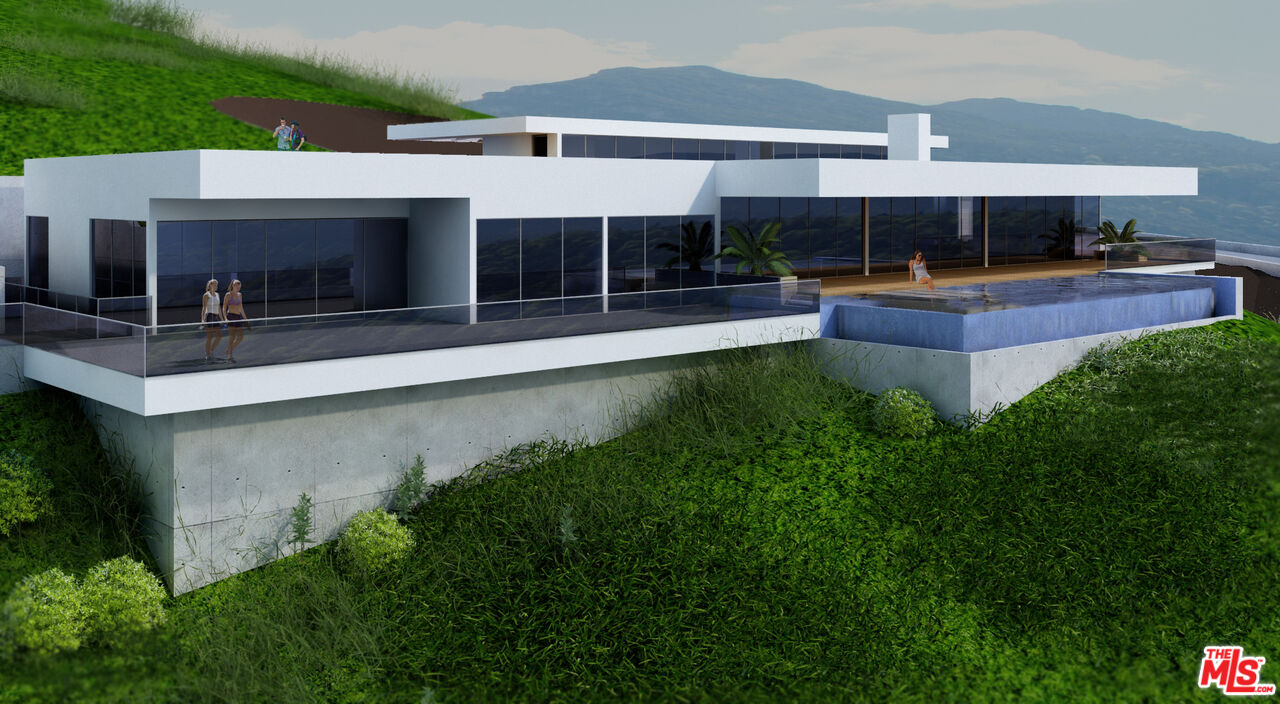
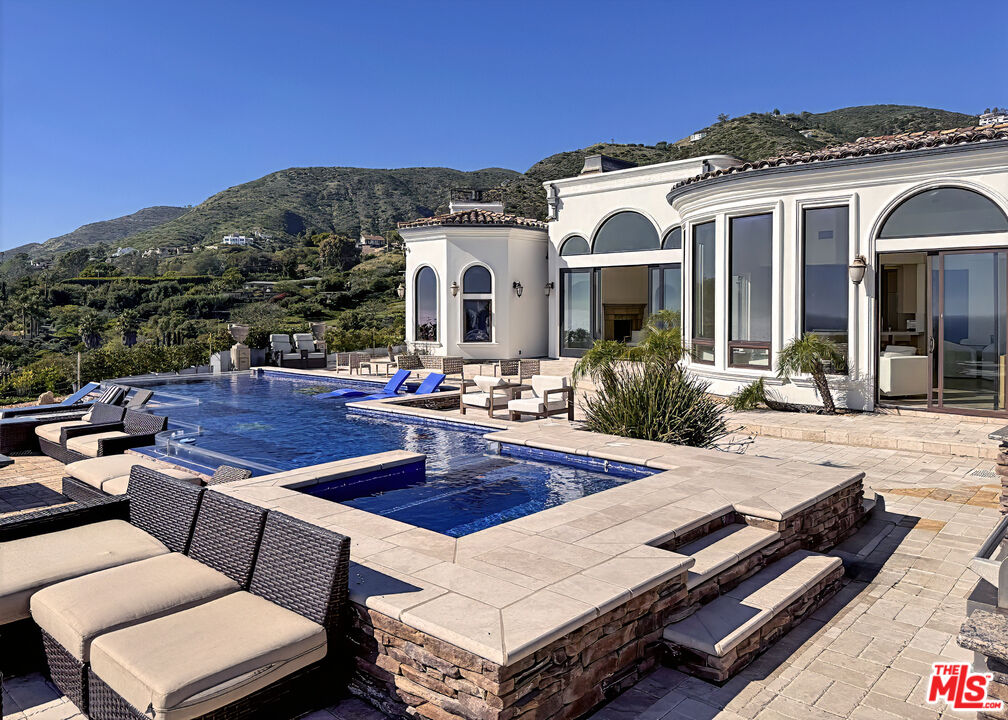
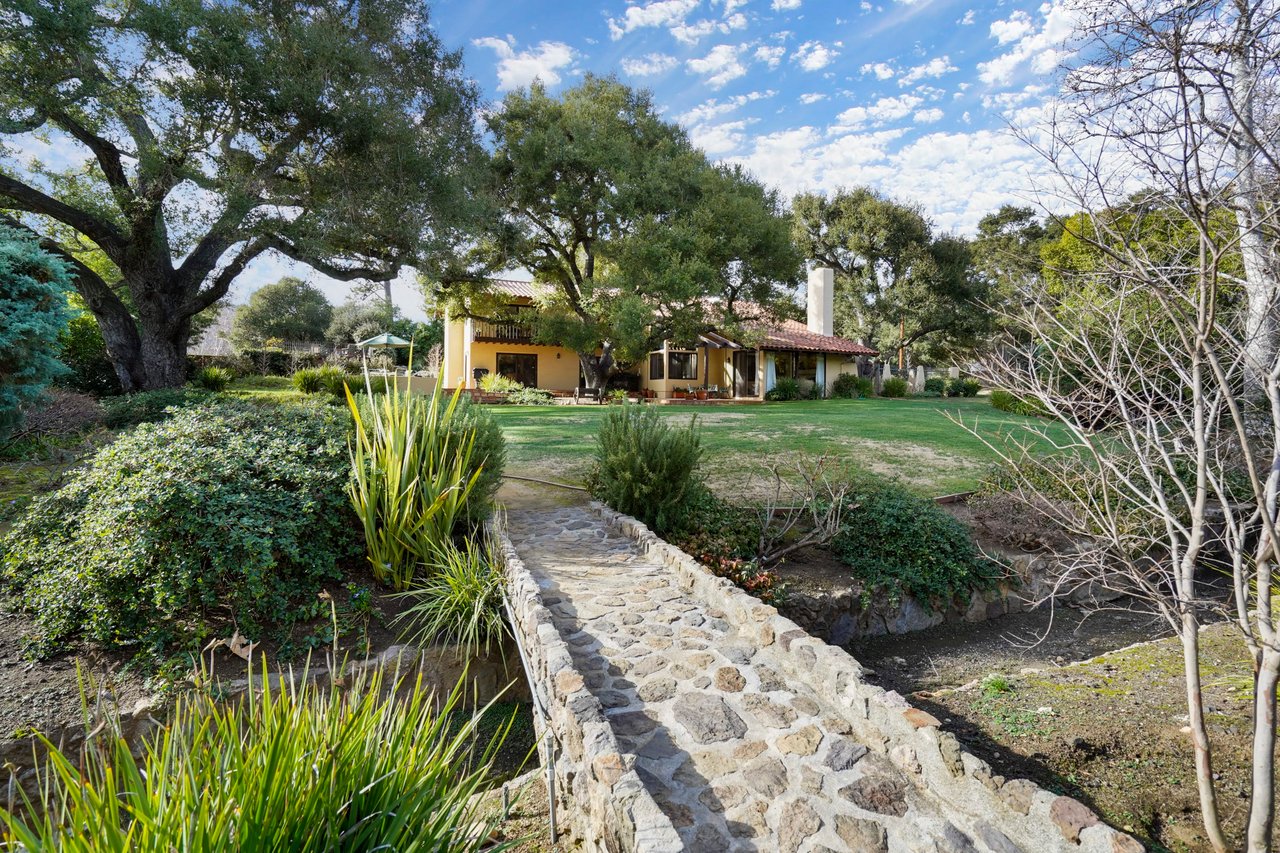
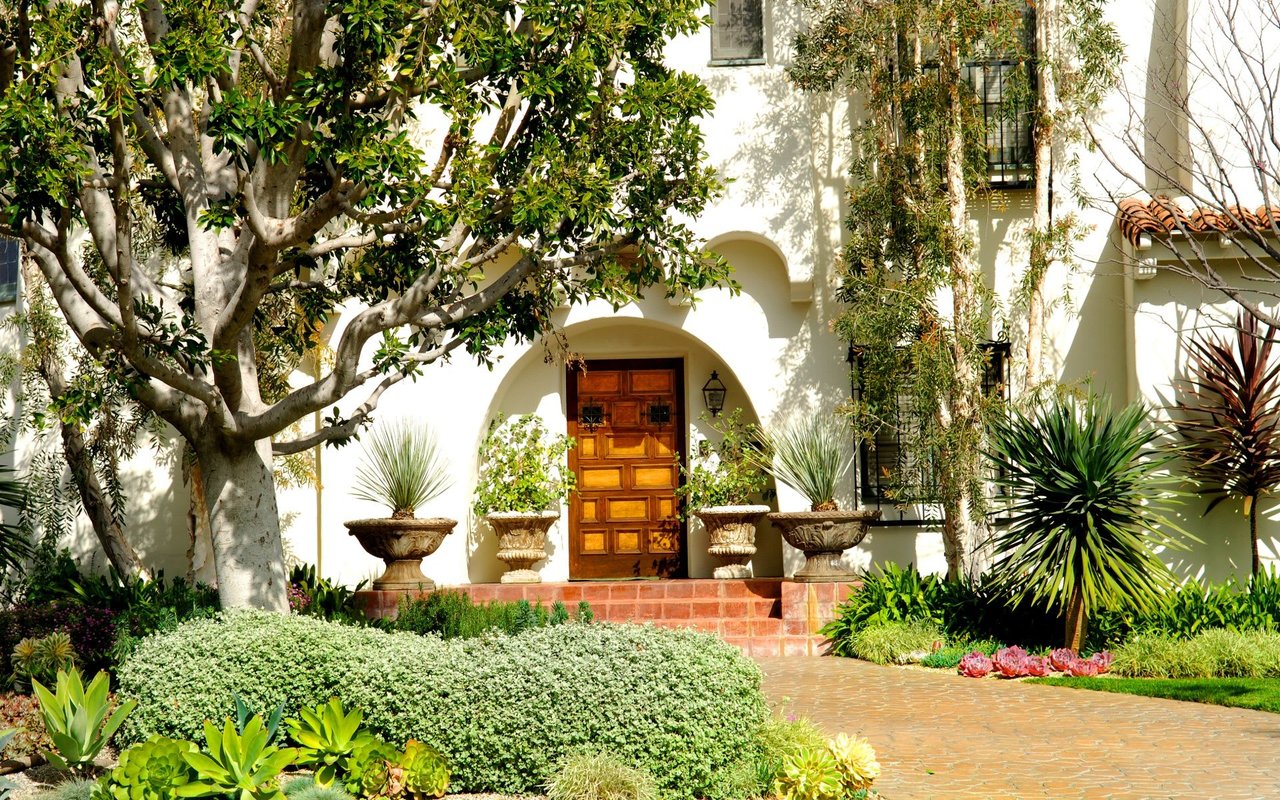
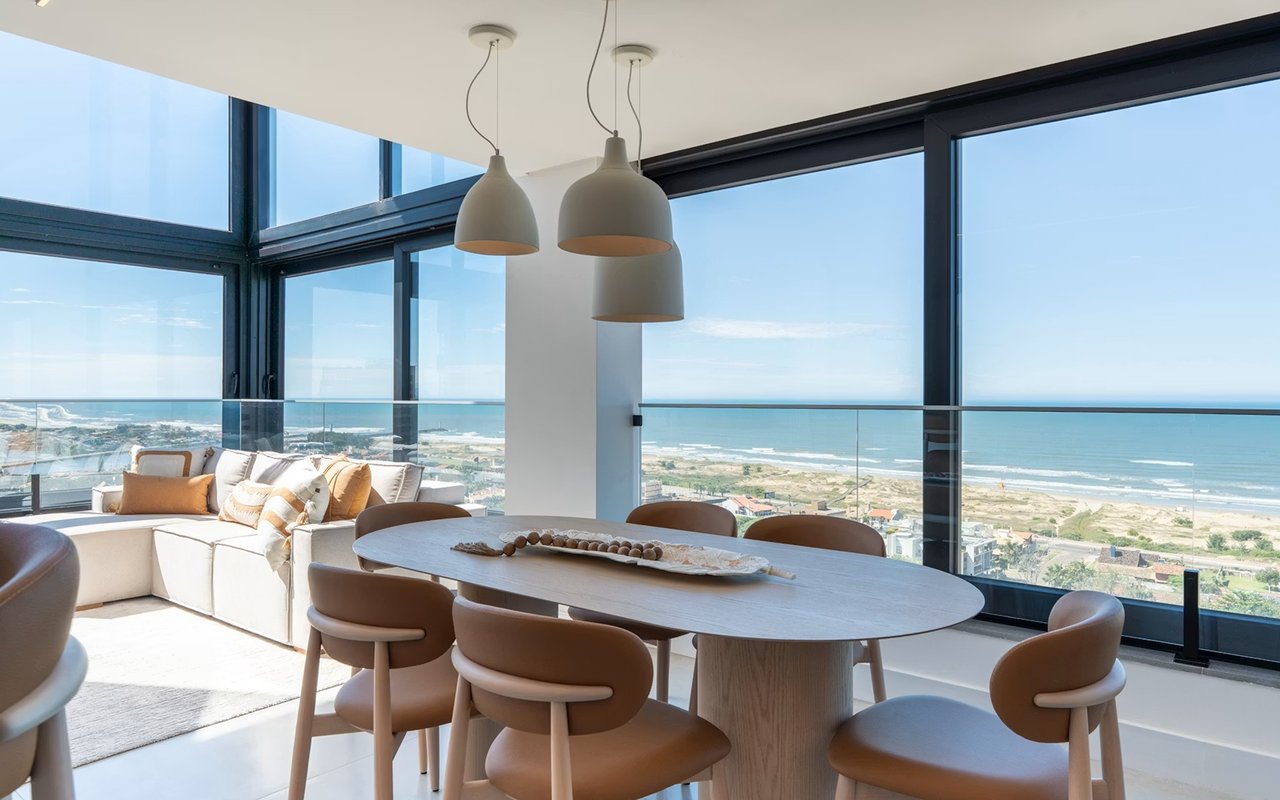
As for what you'll actually be touring, the architectural DNA here is distinct from the glass-and-steel beach shacks on the sand. Malibu West is celebrated for its single-story mid-century modern and ranch estates from the 1960s and 70s — post-and-beam construction, vaulted ceilings, and walls of glass framing the canyons and distant ocean — set on sizable, flat parcels with real backyards. That combination of suburban breathing room and immediate coastal proximity is, frankly, hard to find anywhere else in Malibu.
Selling here means accepting that this is a market built on patience and buyer leverage. The era of weekend bidding wars is over, and the typical single-family home now spends 67 to 150-plus days on the market before securing a committed buyer. Sellers should plan for an extended marketing window from day one. Because inventory across Western Malibu has grown, buyers feel no urgency — they'll tour a home repeatedly, request extensive documentation, and weigh it against every competing listing before they so much as draft an offer.
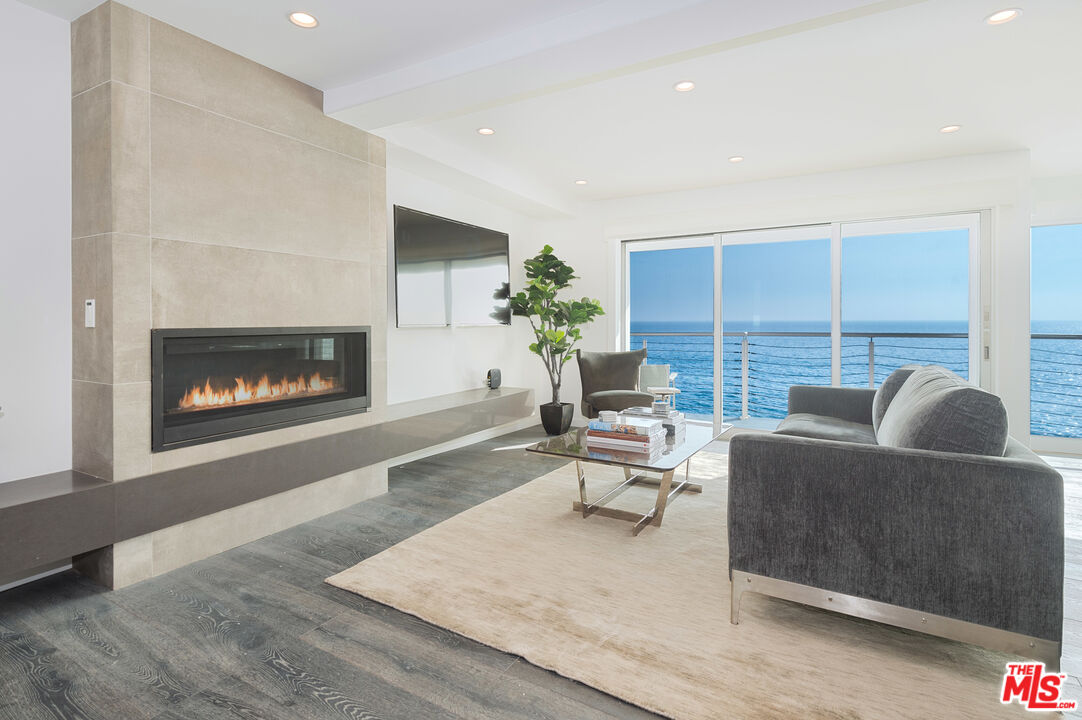
Presentation directly determines how much leverage you keep once negotiations begin. Buyers in this pocket are looking for light, open, organic interiors in a refined mid-century or modern coastal vein. Cluttered, dark, or heavily personalized homes languish. Staging should lean into the floor-to-ceiling glass, the natural light, and the seamless flow to outdoor living that defines the neighborhood. And don't underestimate material integrity: the ocean air is harsh, and discerning buyers actively hunt for salt-air corrosion on fixtures, weathered decking, and faded exterior paint. Addressing those small cosmetic flaws before listing removes the easy bargaining chips buyers would otherwise use to demand steep reductions in escrow.
Pricing a Malibu West home is part data exercise, part psychology, and the most common seller mistake is anchoring to the wrong numbers. Value can shift dramatically from one street to the next, so your comp strategy has to be disciplined. Isolate the neighborhood — do not benchmark your landward home against active oceanfront listings on the sand or mega-mansions over in Point Dume. Focus on recent landward sales within the Malibu West footprint itself, or closely matching canyon-adjacent ranches in Malibu Park and Trancas Canyon. And look at closed sales, not active listings. With the median Western Malibu listing price hovering near $8 million because of high-end outliers, what your neighbors are asking creates a dangerous false sense of security. What matters is what comparable homes have actually sold for over the last six months — a reality that generally reflects closings 5% to 6% below original asking.
The psychology matters just as much as the comps. In a market where roughly a quarter of all listings are forced into price cuts, your opening number is your single most powerful tool. The "price low to start a bidding war" tactic that works in hot markets simply doesn't here. But overpricing to "see what happens" is the more dangerous error — it racks up Days on Market, and a high DOM number carries a stigma that invites lowball offers. The most effective approach in this market is transparent pricing: set the home within 2% to 3% of true fair market value based on recent closed comps. That signals to local agents and their buyers that you're a serious, reasonable seller, which cuts through the noise of inflated listings and captures the small pool of active buyers before your listing goes stale.
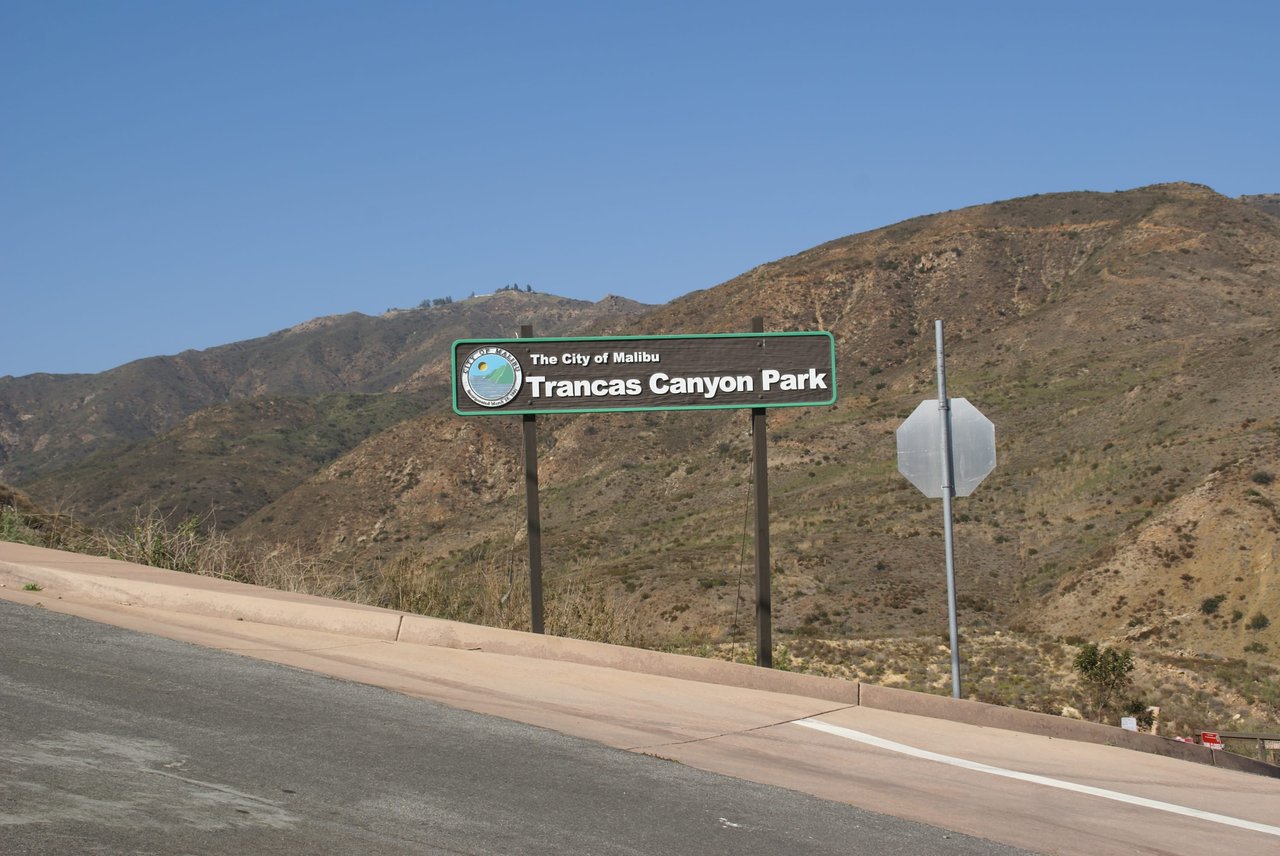
Relocating to Malibu West means stepping into a relaxed, tightly knit coastal lifestyle that feels worlds away from the density of Los Angeles, even though it's structurally connected to it. The geography is the first thing to understand. Bounded by Zuma Beach to the south and Trancas Canyon to the north, the neighborhood is laid out across a wide, gently sloping coastal shelf — clean, wide suburban-style streets flanked by deep canyons. That layout delivers something genuinely rare on this coast: flat backyards, wide driveways, and a safe pocket where children can ride bikes or walk to the neighborhood center.
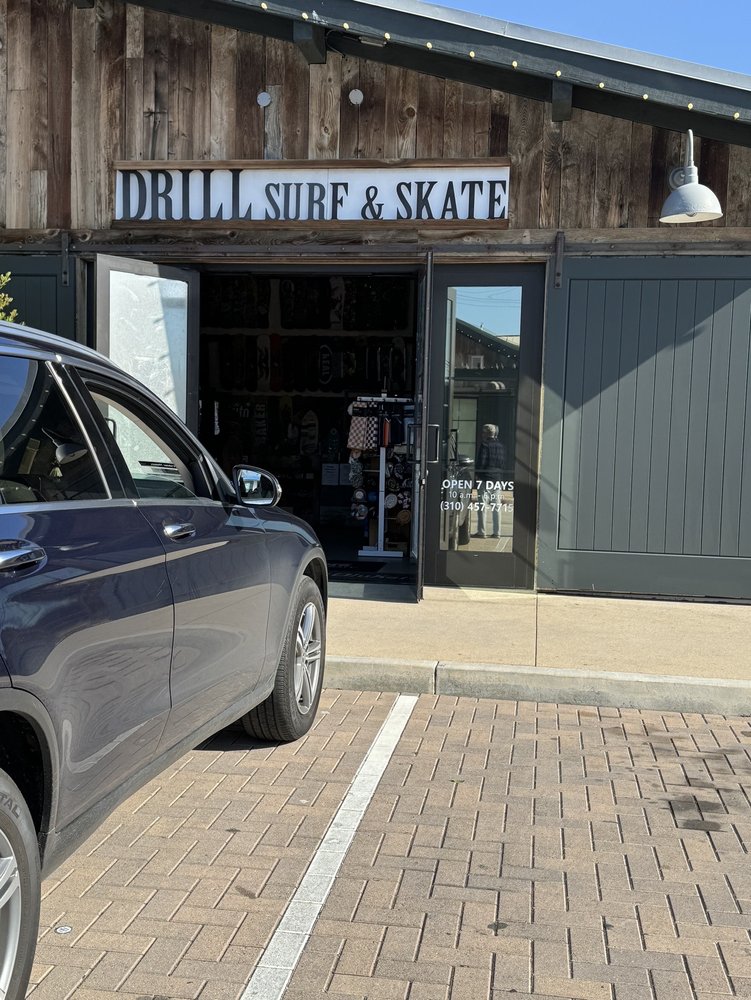
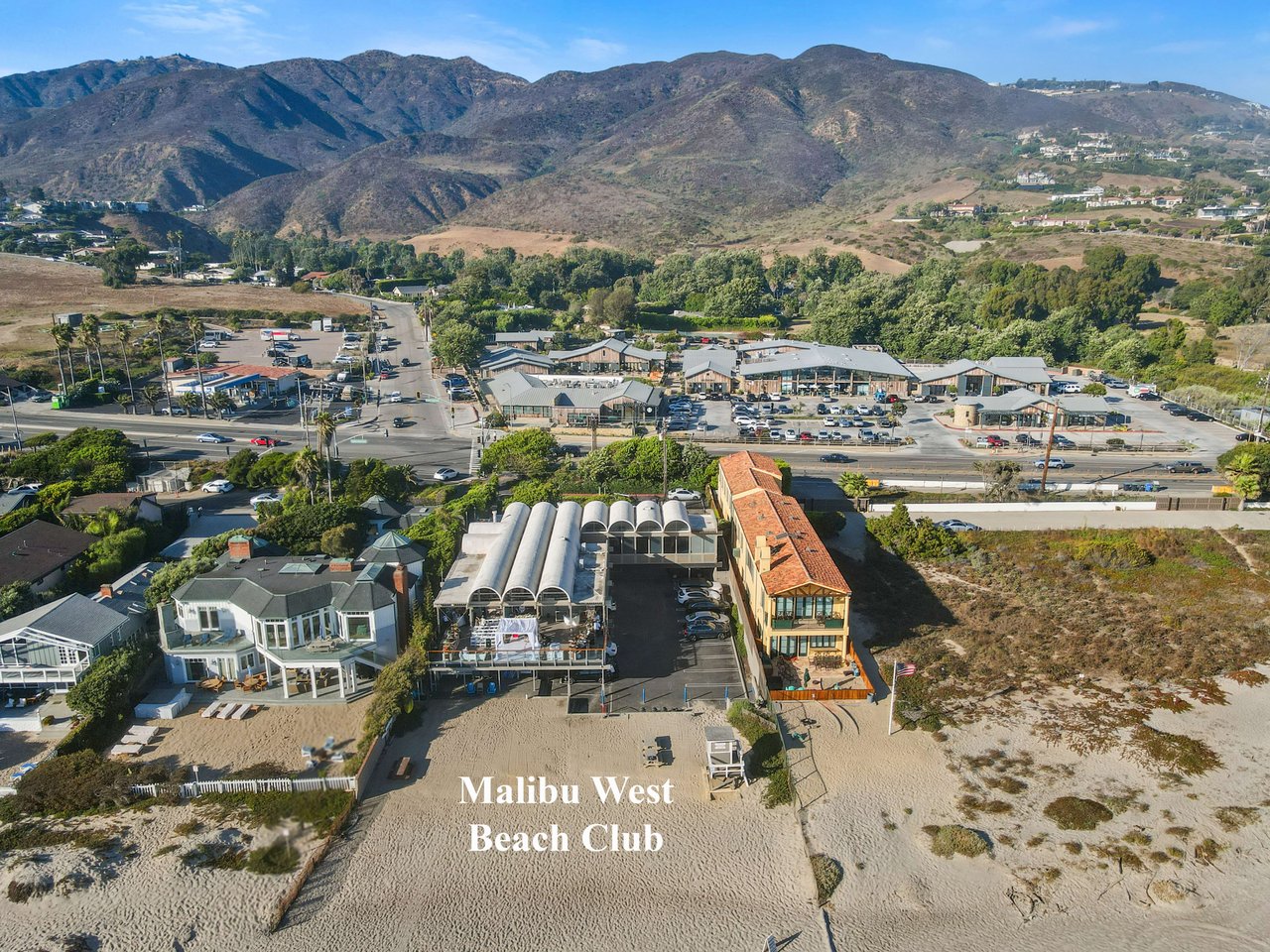
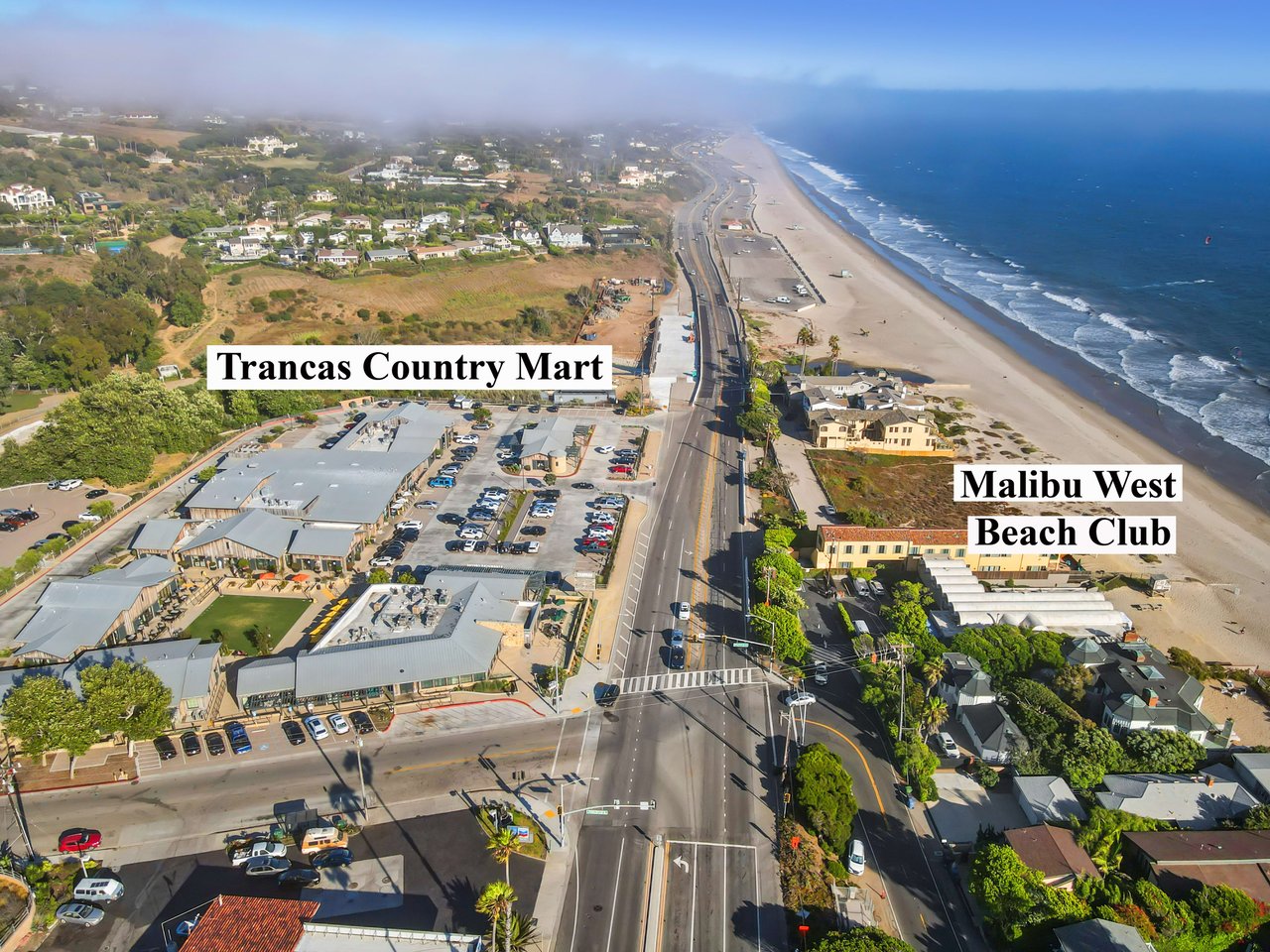
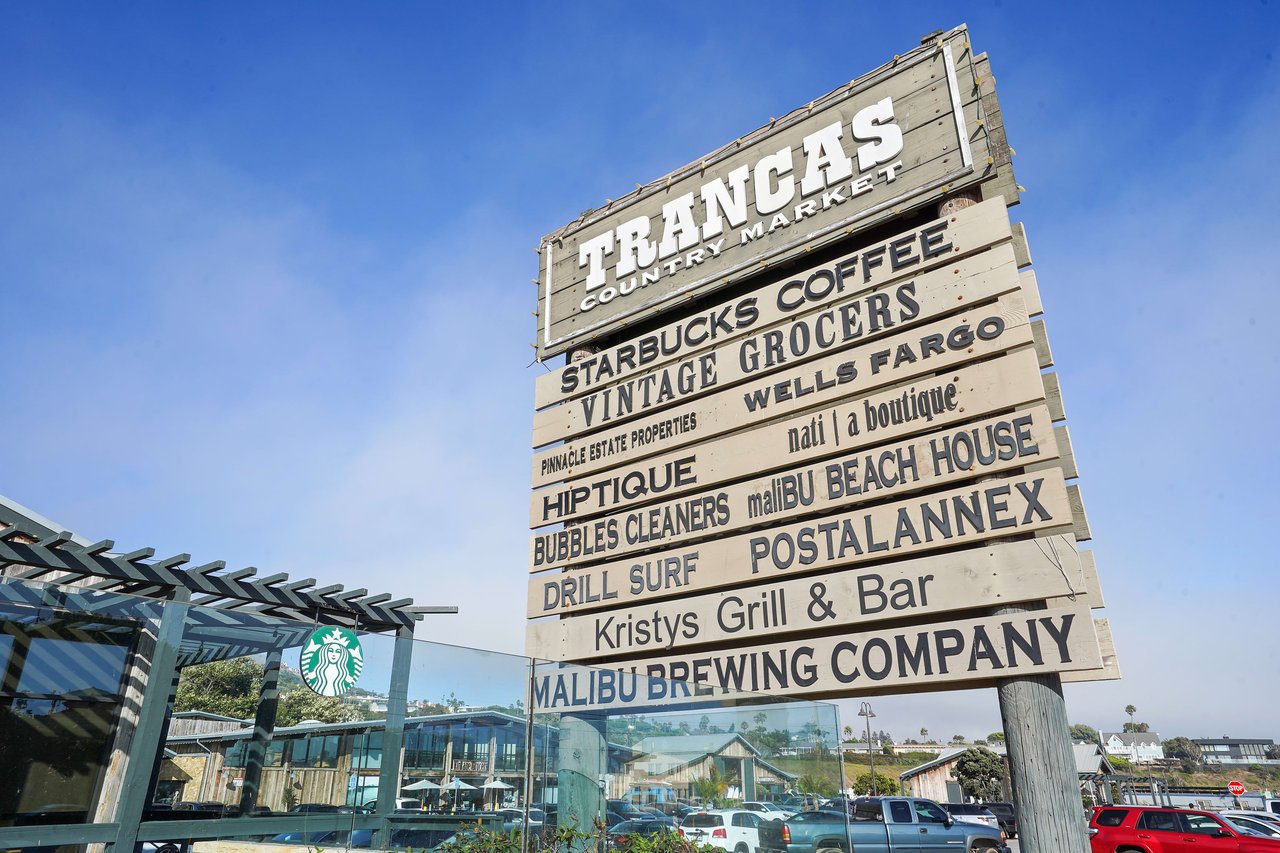
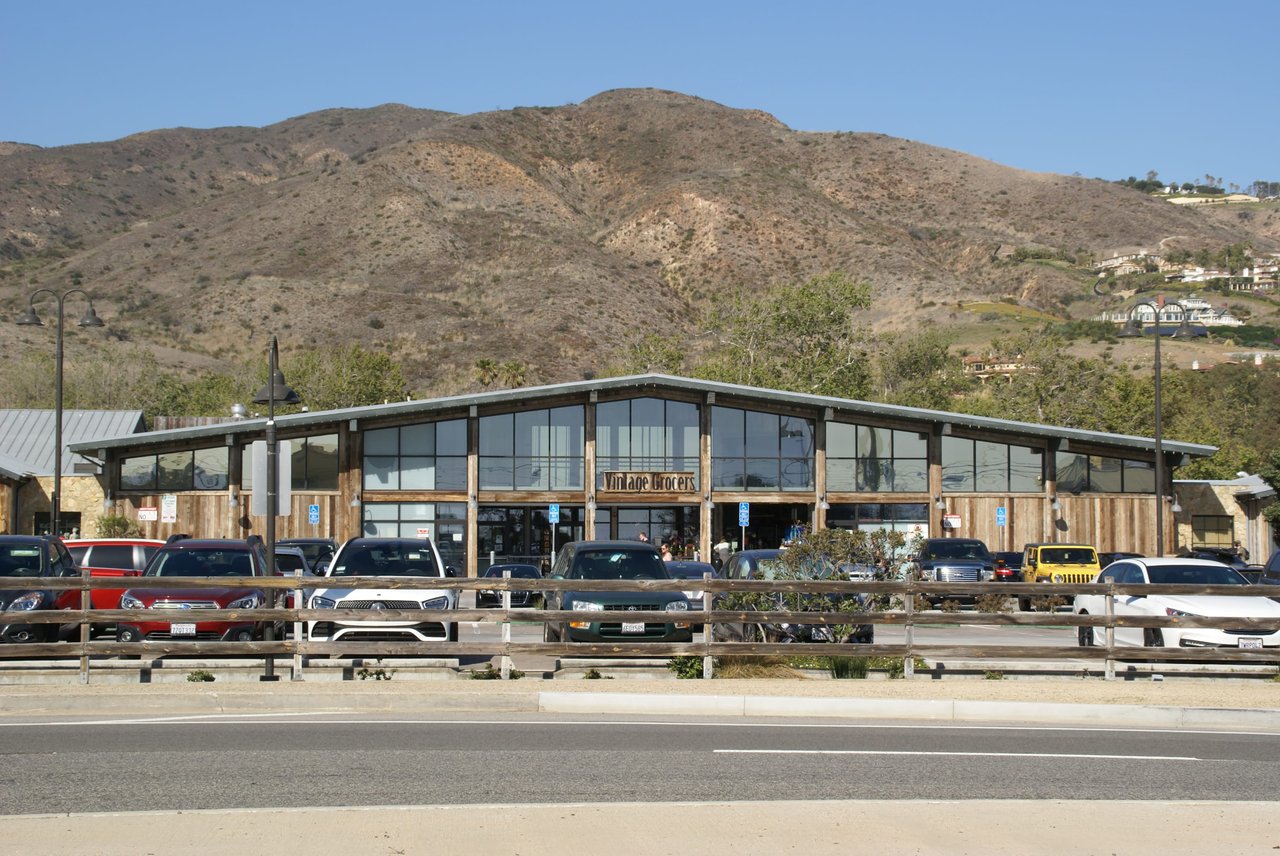
You won't sacrifice convenience to live here. The neighborhood sits immediately adjacent to the Trancas Country Market, an open-air upscale shopping center that functions as the local hub. It's anchored by Vintage Grocers, a high-end gourmet market, and rounded out with coffee shops, boutiques, surf shops, and casual open-air dining. The crown jewel, though, is the deeded membership to the Malibu West Beach Club just across Pacific Coast Highway — private beach access, locker facilities, tennis courts, and a beachfront deck for socializing and private events. For relocating families, the school picture is a major draw as well: the area is served by Malibu Elementary and Malibu High, and the community's push to decouple from the Santa Monica-Malibu Unified School District into an independent, locally controlled Malibu district has made the neighborhood especially attractive to parents focused on local school funding and resources.
Malibu West is an idyllic coastal retreat, and like most idyllic coastal retreats, its charm comes with a real understanding of transit trade-offs. Internally, the walkability is excellent — sidewalks and quiet streets make it genuinely easy to walk to a neighbor's house or down to the Trancas Country Market without ever starting a car. Step outside the immediate Trancas/Zuma pocket, though, and the walk score drops sharply. You cannot realistically walk to the Malibu Civic Center or the Pier; for any broader regional travel, a car is mandatory. Cycling follows a similar pattern: PCH has a designated bike lane that serious athletic cyclists use heavily, but it's a high-speed arterial, so family-friendly recreational riding stays on the interior streets or the wide pathways along Zuma Beach.
The commute is scenic but, in honesty, often prolonged, and traffic is heavily dictated by time of day, seasonal beach crowds, and the occasional coastal road closure. Here's how the major employment centers shake out at rush hour:
| Destination | Distance | Typical Rush-Hour Commute | Primary Route |
|---|---|---|---|
| Santa Monica | ~20 miles | 45–70 minutes | South on PCH |
| Century City / Beverly Hills | ~28 miles | 60–90 minutes | PCH to I-10 East or Santa Monica Blvd |
| Downtown Los Angeles | ~35 miles | 75–105+ minutes | PCH to I-10 East |
| San Fernando Valley (Warner Center) | ~22 miles | 45–60 minutes | PCH to Malibu Canyon / Kanan Dume Rd |
Public transit exists but is limited. LA Metro Route 134 runs along PCH and connects Western Malibu to the Downtown Santa Monica E-Line light rail station — a scenic, low-stress alternative to driving, though the ride from Trancas Canyon to Santa Monica runs roughly an hour each way.
For family buyers, the educational picture in Malibu West is both a high-intent factor and a story currently in motion. Historically part of the Santa Monica-Malibu Unified School District, Malibu is finalizing its historic separation into an independent, locally controlled Malibu Unified School District. For property owners, that's a structural win worth paying attention to: it directs local property tax revenue specifically toward Malibu schools, which is expected to translate into optimized student-to-teacher ratios, campus upgrades, and hyper-localized curriculum control.
The neighborhood is zoned for a strong, linear path of public schools. Malibu Elementary (grades K–5) sits just minutes away and is known for its tight-knit community, strong parent involvement, and a marine science and environmental education program woven into the standard curriculum. From there, students move on to the combined Malibu Middle & High School campus (grades 6–12), which posts high test scores, robust AP offerings, and notable arts and athletics programs — all set against sweeping Pacific views. Families looking outside the public system have elite private options within a short drive, including Our Lady of Malibu School (parochial, K–8) and The Sycamore School (independent, K–5), with additional renowned campuses like New Roads School further down the coast in Santa Monica.
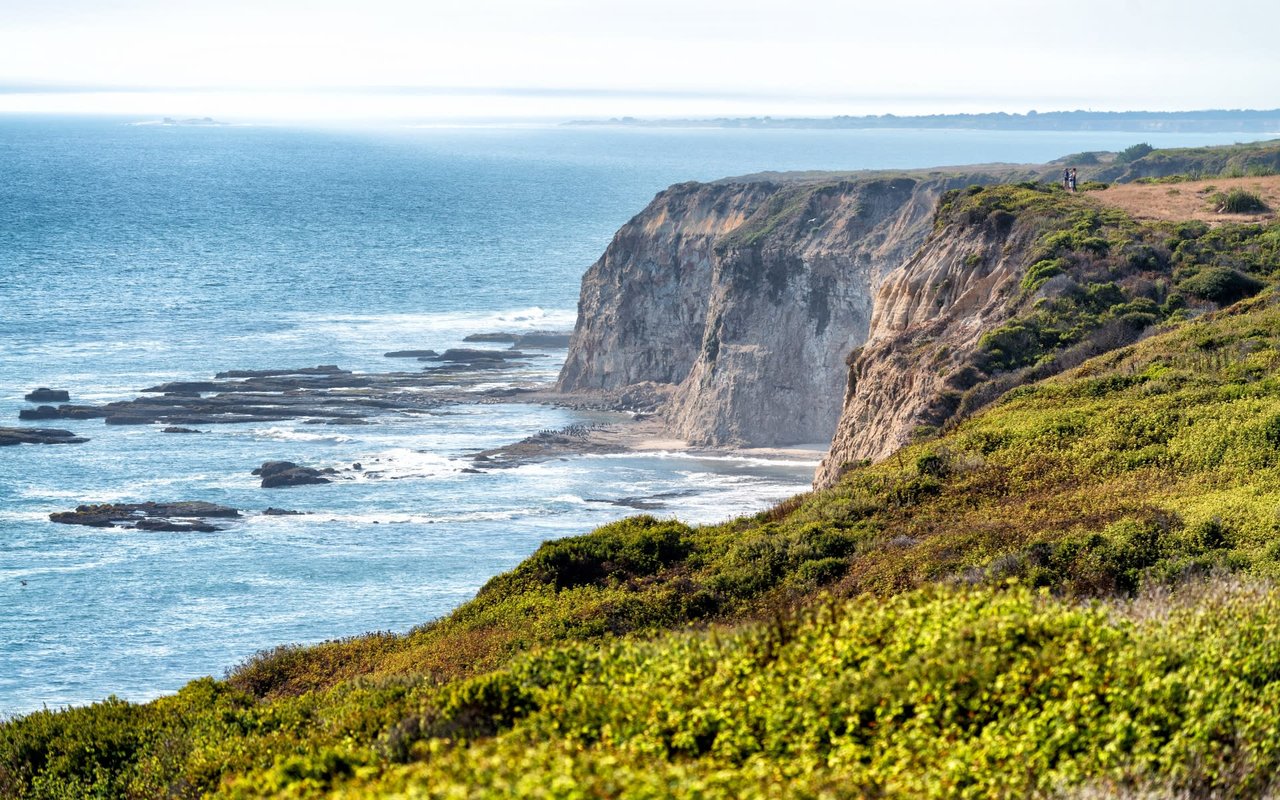
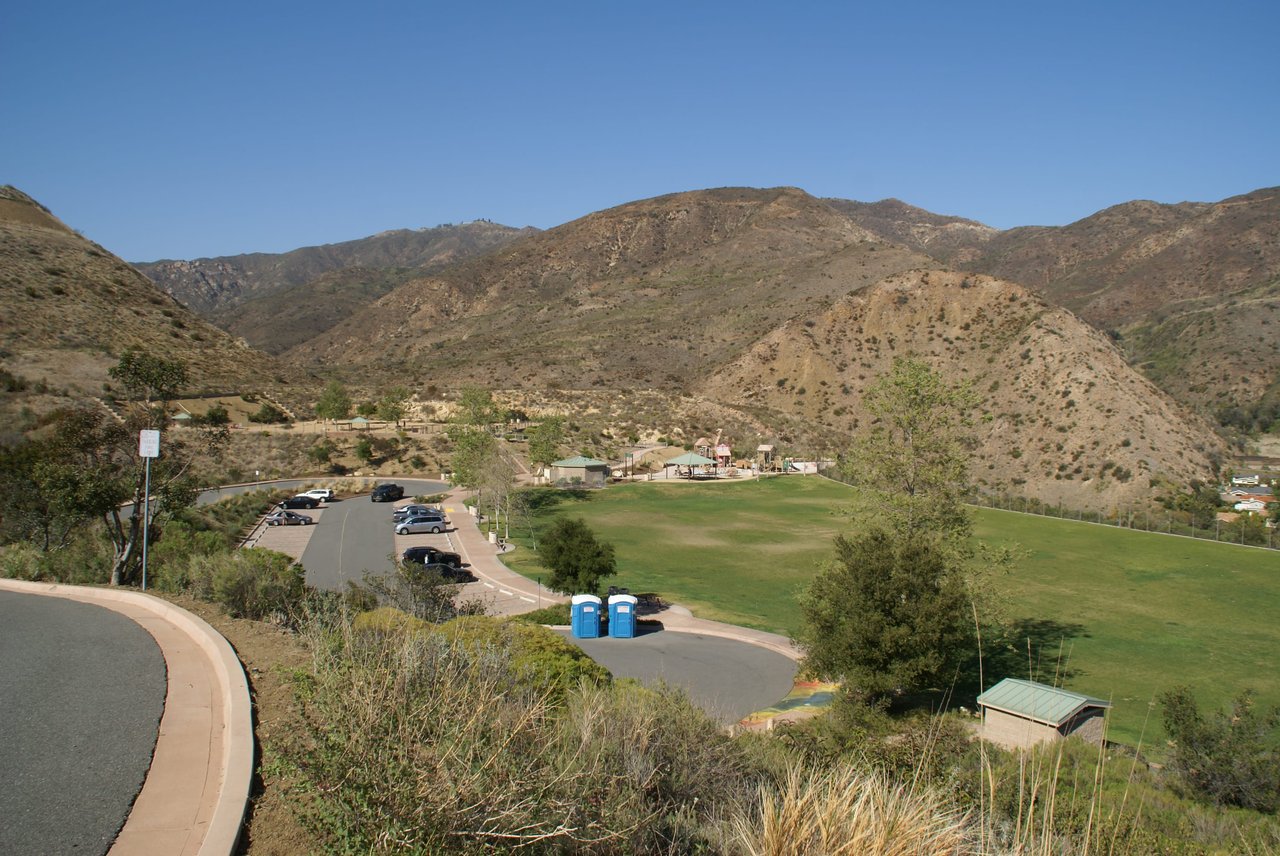
Malibu West functions as a natural bridge between the Santa Monica Mountains and the Pacific, which makes it a genuine paradise for anyone who lives outdoors. The Malibu West Beach Club is the primary hub for residents — deeded, crowd-free access to the sand where Zuma meets Broad Beach, plus private tennis and pickleball courts. Directly across the highway, Zuma Beach and Westward Beach offer wide, clean sand, excellent surf, and volleyball courts. Inland, the Zuma Canyon Trailhead sits right at the back of the neighborhood, opening straight into the Santa Monica Mountains National Recreation Area for hiking, trail running, and horseback riding through miles of chaparral with panoramic ocean views. And just five minutes away, the Point Dume State Beach and Nature Preserve delivers coastal bluff walks, tide-pooling, and prime cliffside vantage points for seasonal gray whale watching.
Malibu West trades the velvet-rope nightlife of Santa Monica or West Hollywood for something quieter and decidedly more local. The heart of the social scene is the Trancas Country Market — an open-air, rustic-chic destination at the neighborhood's edge that functions more like a town square than a restaurant strip. The local rhythm is an iced latte in the morning, an unhurried patio lunch with neighbors, and community gatherings on the grassy courtyard. The culinary scene leans into hyper-fresh, organic, locally sourced coastal California fare, served in venues that feel intentionally unpretentious — ocean-breeze dining, good wine, wood-fired pizza near the sand. As for nightlife, in Malibu West that mostly means private entertaining: sunset gatherings and cocktail hours on the Malibu West Beach Club's deck, where the evening tends to wind down not long after the sun dips below the Pacific. It's an exclusive, tight-knit lifestyle rather than a scene.
Property taxes are a real piece of the carrying cost here, and they deserve more attention than most neighborhood pages give them. Most out-of-state buyers know California's Proposition 13 sets a base rate of 1.0% of assessed value — but no one actually pays only the baseline. Once you stack on voter-approved school bonds, wildfire mitigation measures, flood control assessments, and infrastructure levies, the realistic effective rate in Los Angeles County typically lands between 1.14% and 1.25%. In practical terms, a standard Malibu West single-family home purchased at an entry point of $3.5 million carries roughly $42,000 a year — about $3,500 a month — in property taxes alone at a 1.20% effective rate.
The real advantage shows up after you buy. The moment escrow closes, the County Assessor resets the home's assessed value to your new purchase price, regardless of how low the previous owner's tax base may have been. From that new baseline, Prop 13 caps future annual increases in assessed value at a maximum of 2% per year (or the rate of inflation, whichever is lower). So even if Malibu rides another wave of rapid appreciation, your tax bill stays predictable and insulated for as long as you own. One line item buyers often miss: Malibu West has an active HOA that maintains the private streets, undergrounded utilities, and the Beach Club. Budget for an additional fee that has historically averaged around $695 per month — a mandatory cost, but one that directly funds the very amenities that make the neighborhood worth buying into.
If you're considering a move to Malibu West — or weighing whether now is the right time to sell — the most valuable thing you can have is someone who actually knows this coastline from the inside. The Brian Merrick Team brings exactly that. Brian is a lifelong Malibu resident and a member of one of the city's founding families, with the Merricks having lived in and owned Malibu real estate since the 1940s. Over more than 30 years in the business — and a background building custom homes here before that — Brian has represented everything from working ranches to the most prestigious oceanfront estates, including the landmark Carroll O'Connor estate sale on Broad Beach. As an affiliate of the Malibu Colony office of Coldwell Banker Realty, he consistently ranks in the International President's Premier, placing him among the top 1% of Coldwell Banker agents worldwide.
What that depth of experience means for you is practical: a clear read on septic and coastal due diligence, realistic pricing grounded in actual closed comps rather than aspirational list prices, and the local relationships that move a transaction forward smoothly in a market this specialized. Whether you're buying, selling, leasing, or simply trying to understand where Malibu West fits into your plans, Brian and his team are happy to be a resource — no pressure, just straight answers from people who genuinely know the neighborhood.
Reach the Brian Merrick Team at (310) 383-4336 or [email protected], or stop by the office at 29178 Heathercliff Rd, Suite 3, Malibu, CA 90265.
456 people live in Malibu West, where the median age is 55 and the average individual income is $82,145. Data provided by the U.S. Census Bureau.
Total Population
Median Age
Population Density Population Density This is the number of people per square mile in a neighborhood.
Average individual Income
There's plenty to do around Malibu West, including shopping, dining, nightlife, parks, and more. Data provided by Walk Score and Yelp.
Explore popular things to do in the area, including Strange Wines, Kristy's Village Cafe, and SweetBu Candy.
| Name | Category | Distance | Reviews |
Ratings by
Yelp
|
|---|---|---|---|---|
| Dining | 0.14 miles | 1 review | 4/5 stars | |
| Dining · $$ | 0.37 miles | 798 reviews | 3.7/5 stars | |
| Dining | 0.37 miles | 47 reviews | 4.6/5 stars | |
| Dining · $$ | 0.4 miles | 321 reviews | 4.4/5 stars | |
| Dining · $$ | 0.4 miles | 198 reviews | 2.5/5 stars | |
| Dining · $$ | 0.4 miles | 284 reviews | 3.9/5 stars | |
| Shopping | 0.41 miles | 1 review | 5/5 stars | |
| Active | 0.4 miles | 0 reviews | 0/5 stars | |
| Active | 0.41 miles | 0 reviews | 0/5 stars | |
| Active | 0.42 miles | 67 reviews | 4.3/5 stars | |
| Beauty | 0.41 miles | 1 review | 5/5 stars | |
| Beauty | 0.43 miles | 0 reviews | 0/5 stars | |
| Beauty | 0.43 miles | 5 reviews | 5/5 stars | |
|
|
||||
|
|
||||
|
|
||||
|
|
||||
|
|
||||
|
|
Malibu West has 200 households, with an average household size of 2. Data provided by the U.S. Census Bureau. Here’s what the people living in Malibu West do for work — and how long it takes them to get there. Data provided by the U.S. Census Bureau. 456 people call Malibu West home. The population density is 757 and the largest age group is Data provided by the U.S. Census Bureau.
Total Population
Population Density Population Density This is the number of people per square mile in a neighborhood.
Median Age
Men vs Women
Population by Age Group
0-9 Years
10-17 Years
18-24 Years
25-64 Years
65-74 Years
75+ Years
Education Level
Total Households
Average Household Size
Average individual Income
Households with Children
With Children:
Without Children:
Marital Status
Blue vs White Collar Workers
Blue Collar:
White Collar:
Whether you are looking to buy, sell, or lease a luxury estate, oceanfront property, ranch, or condominium, Brian Merrick is happy to help.
Contact UsColdwell Banker Malibu-Cross Creek 23410 Civic Center Way, Ste D-2 Malibu, CA 90265 Coldwell Banker Malibu-Point Dume 29178 Heathercliff Rd, Ste 3 Malibu, CA 90265