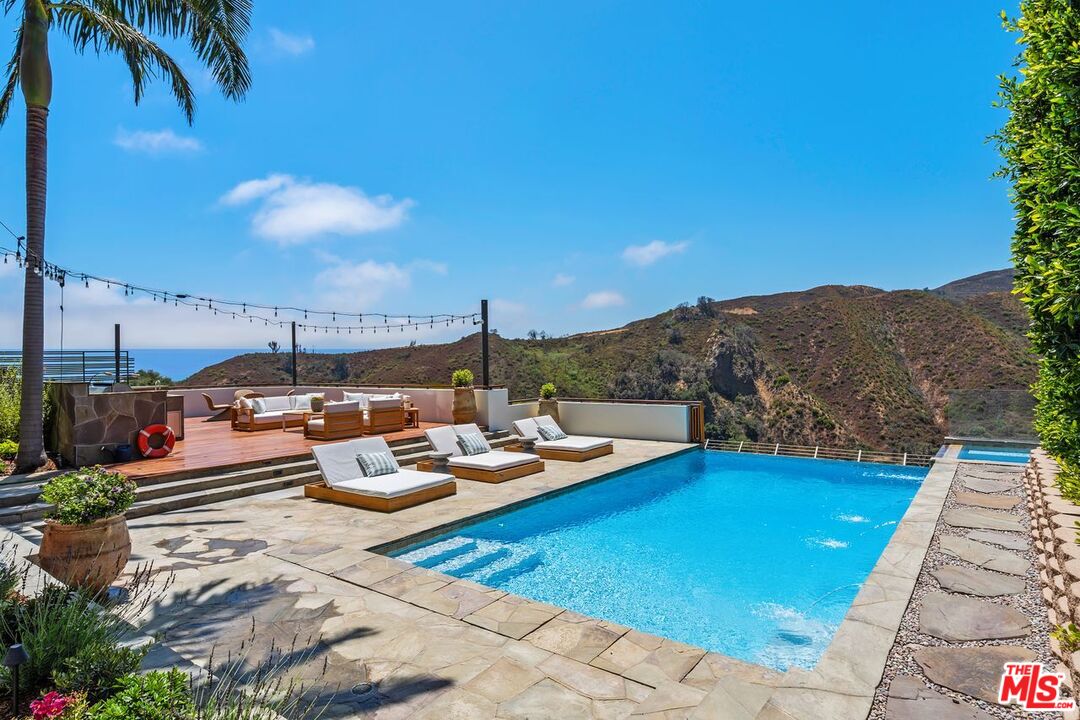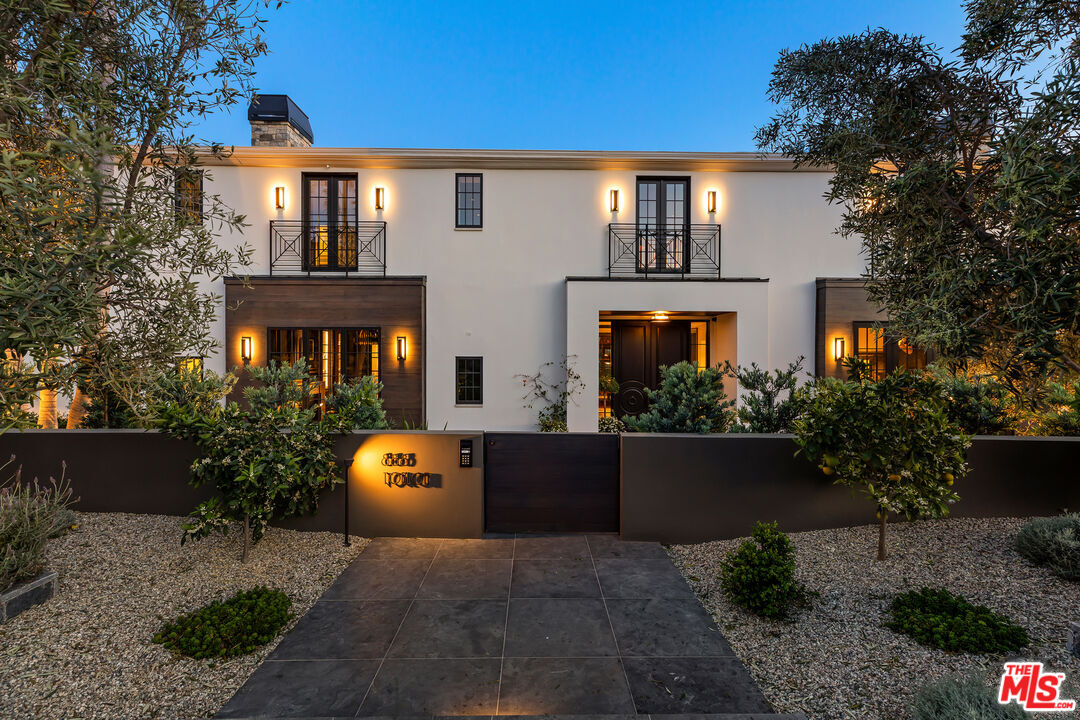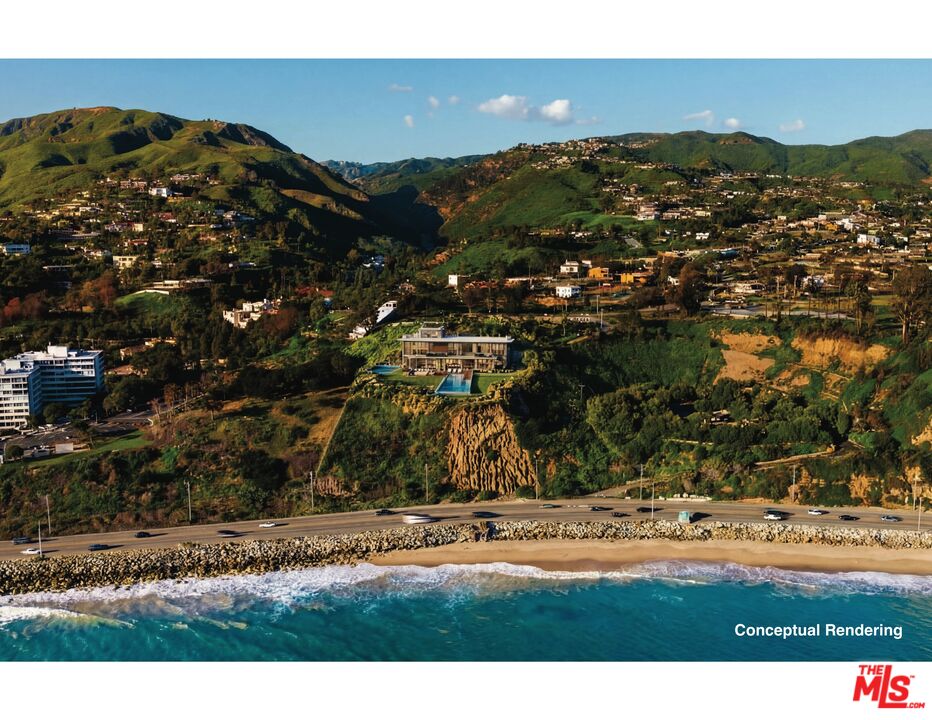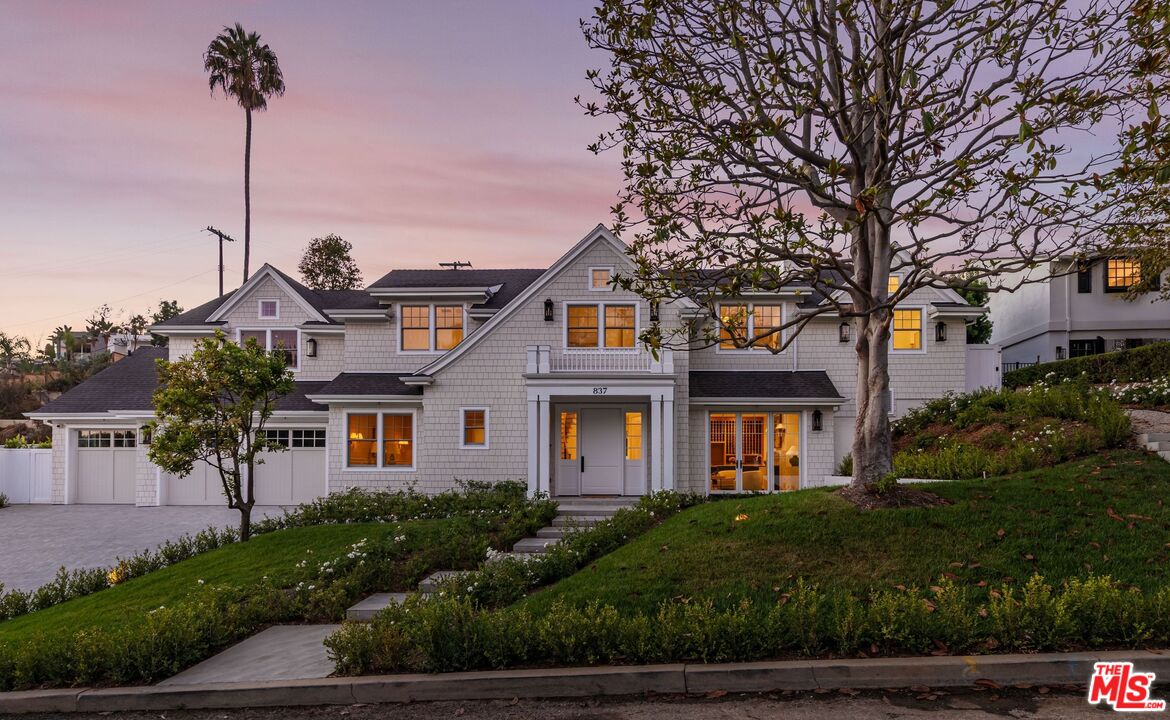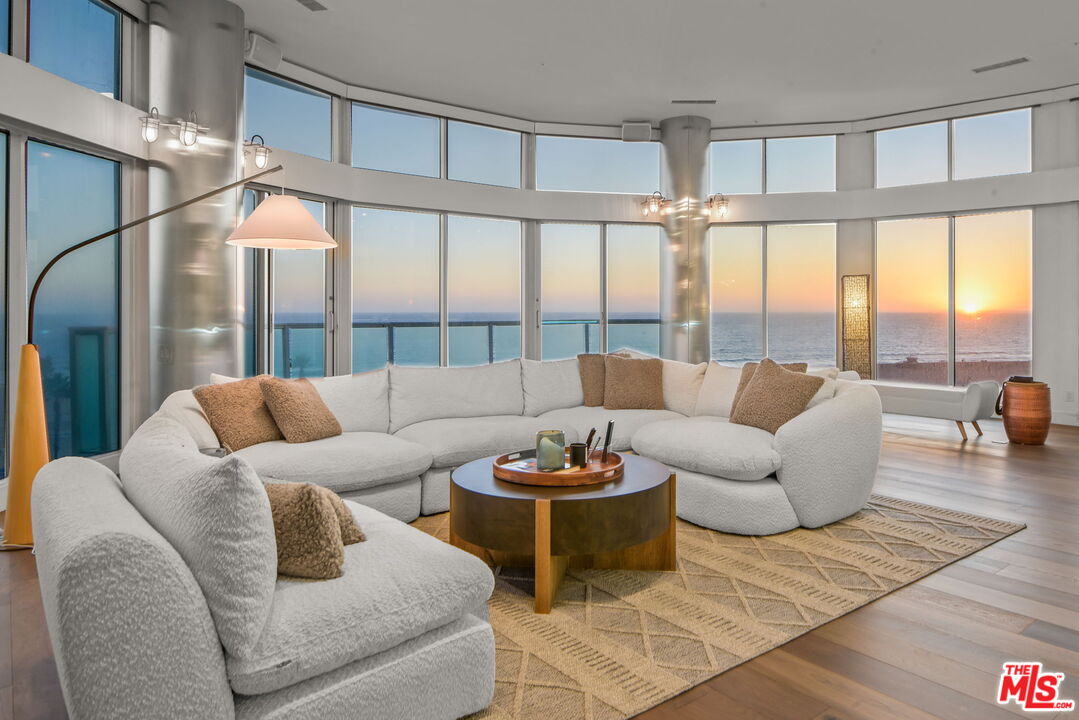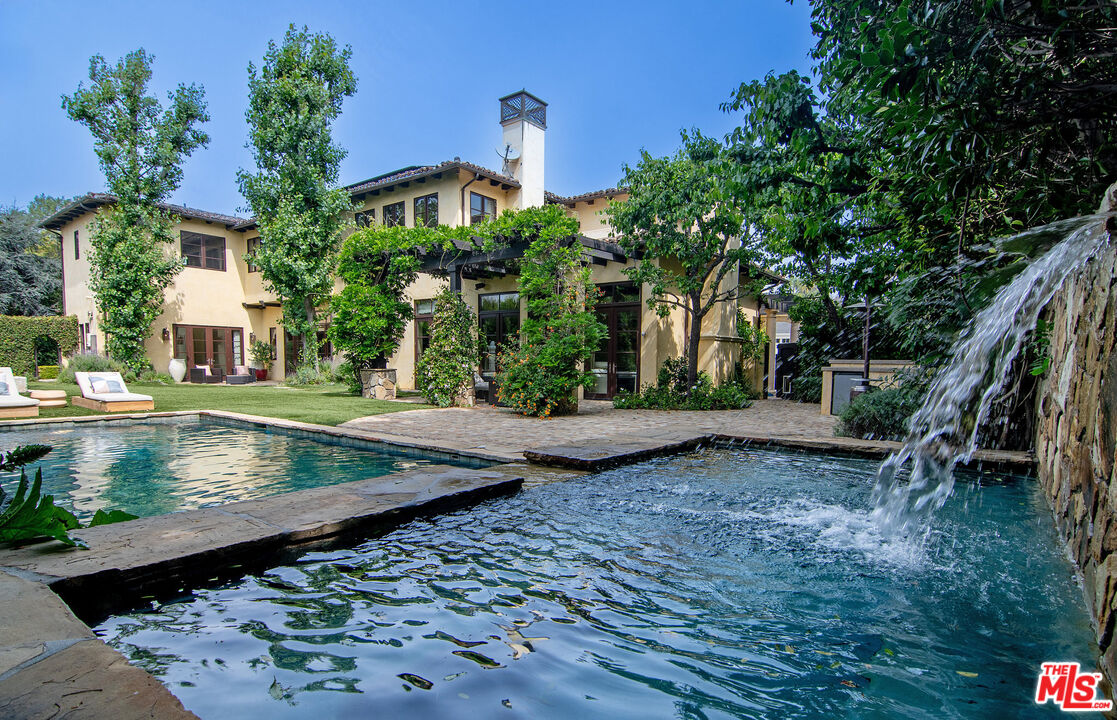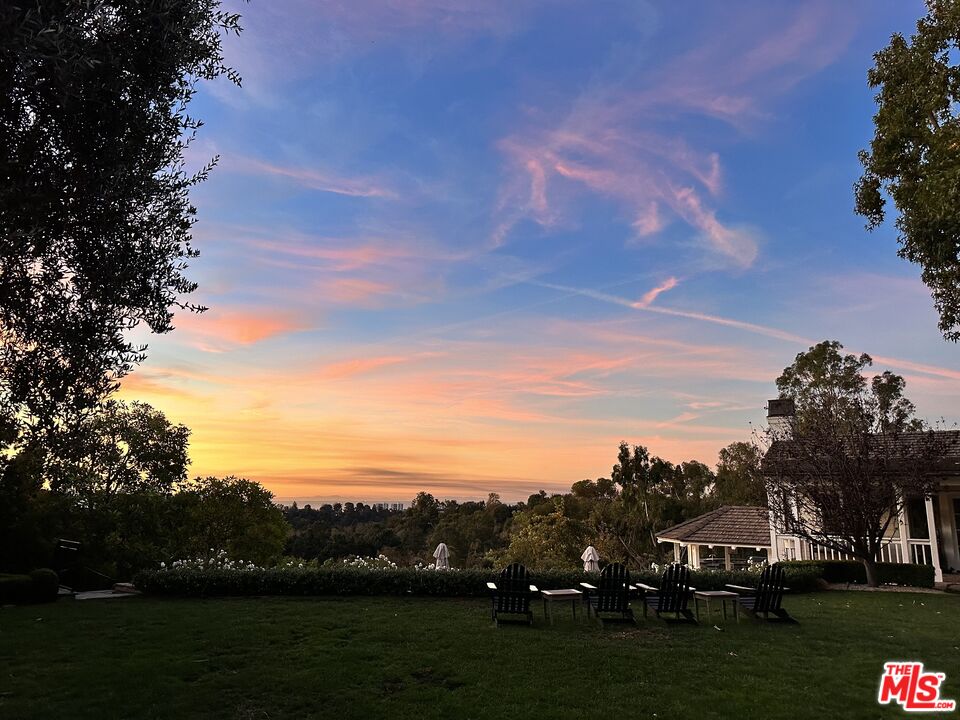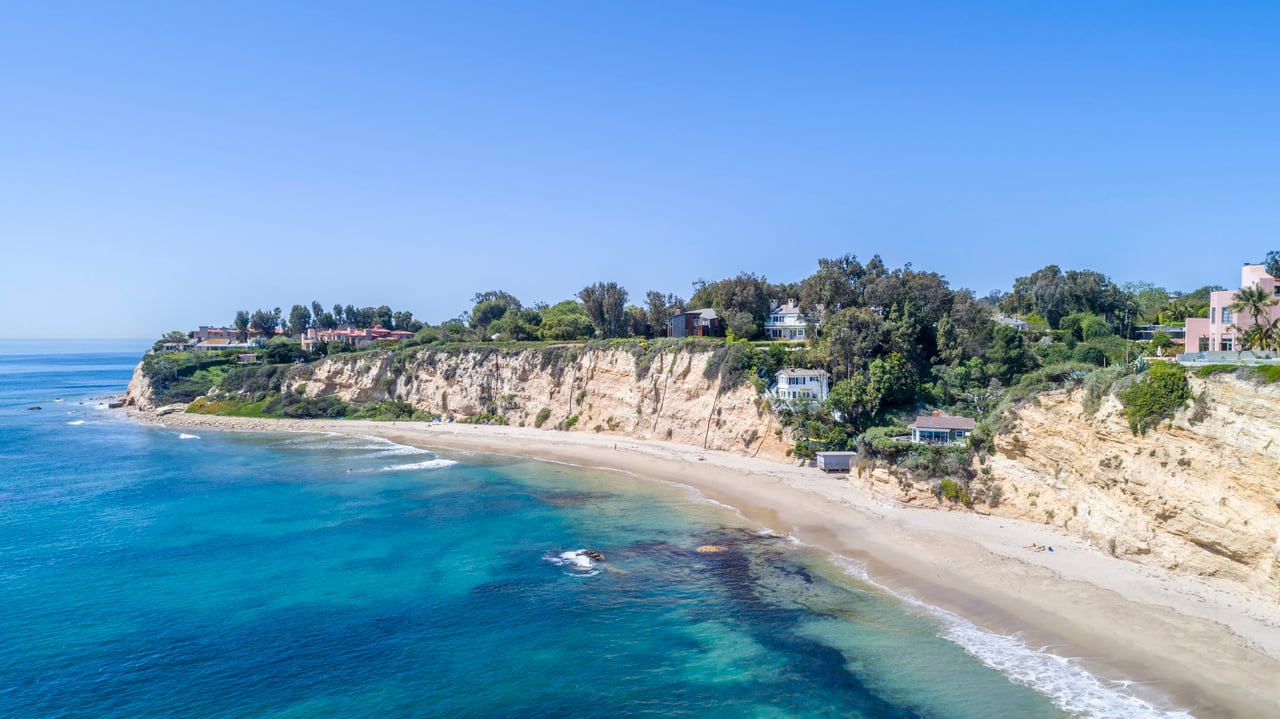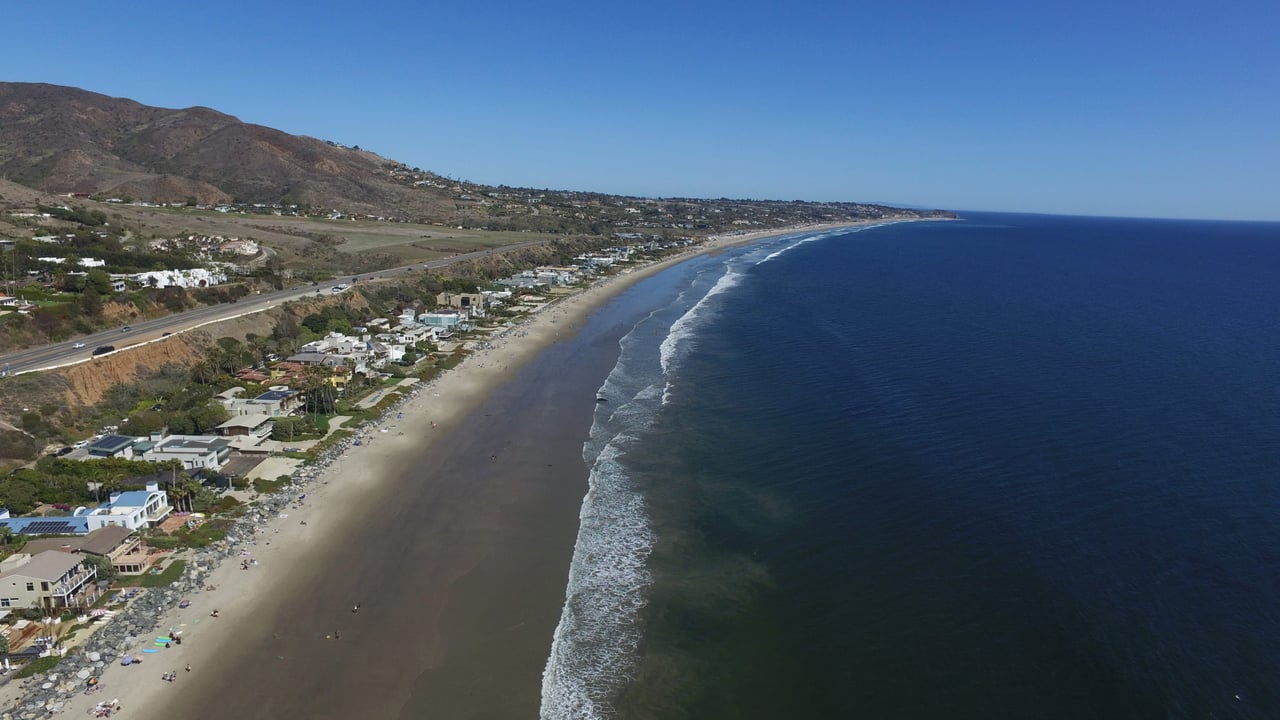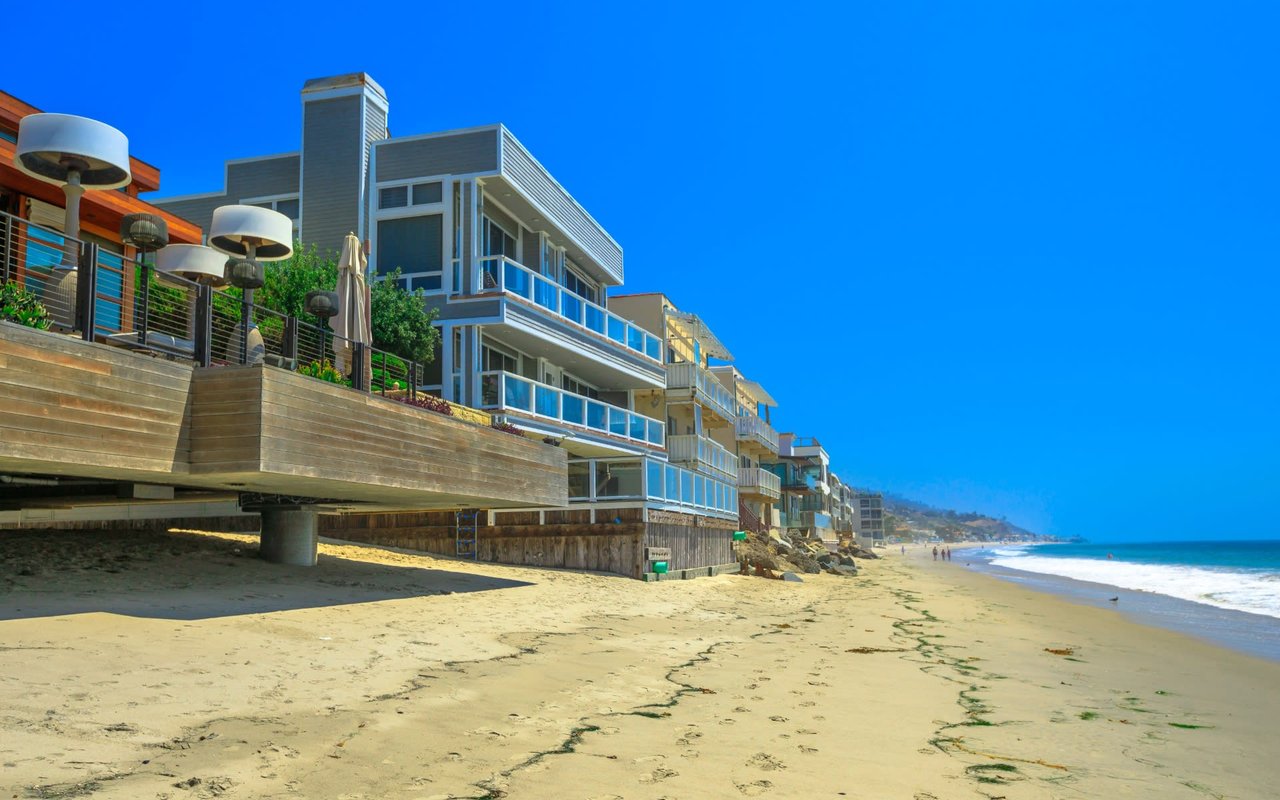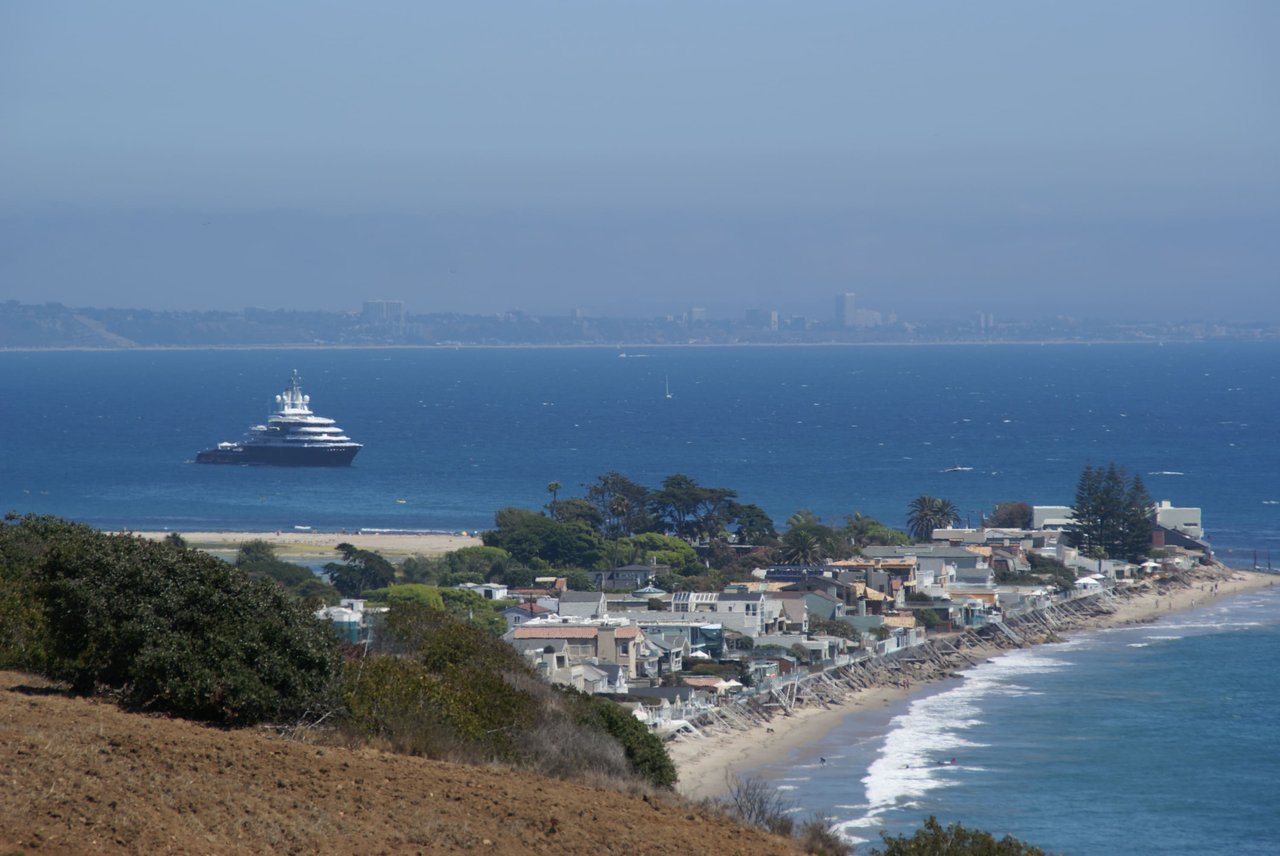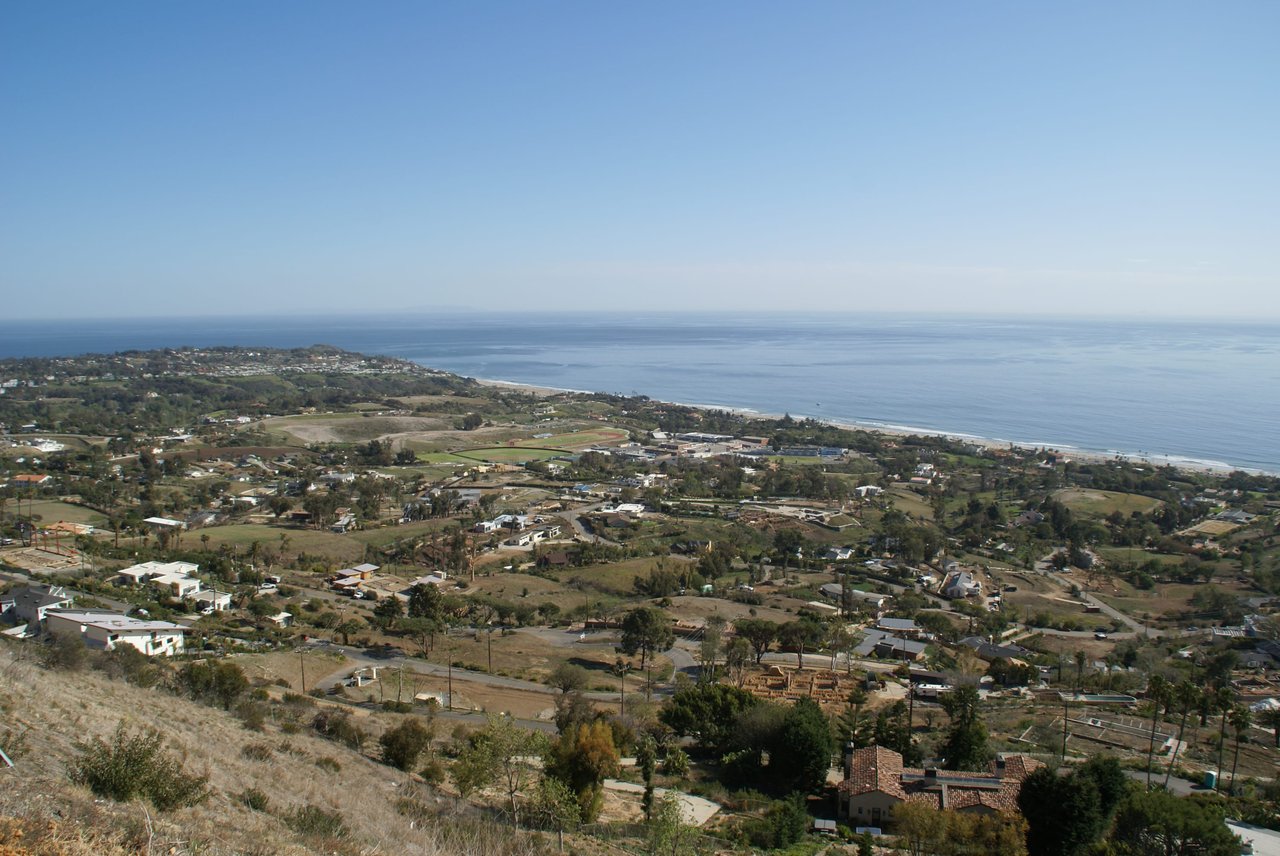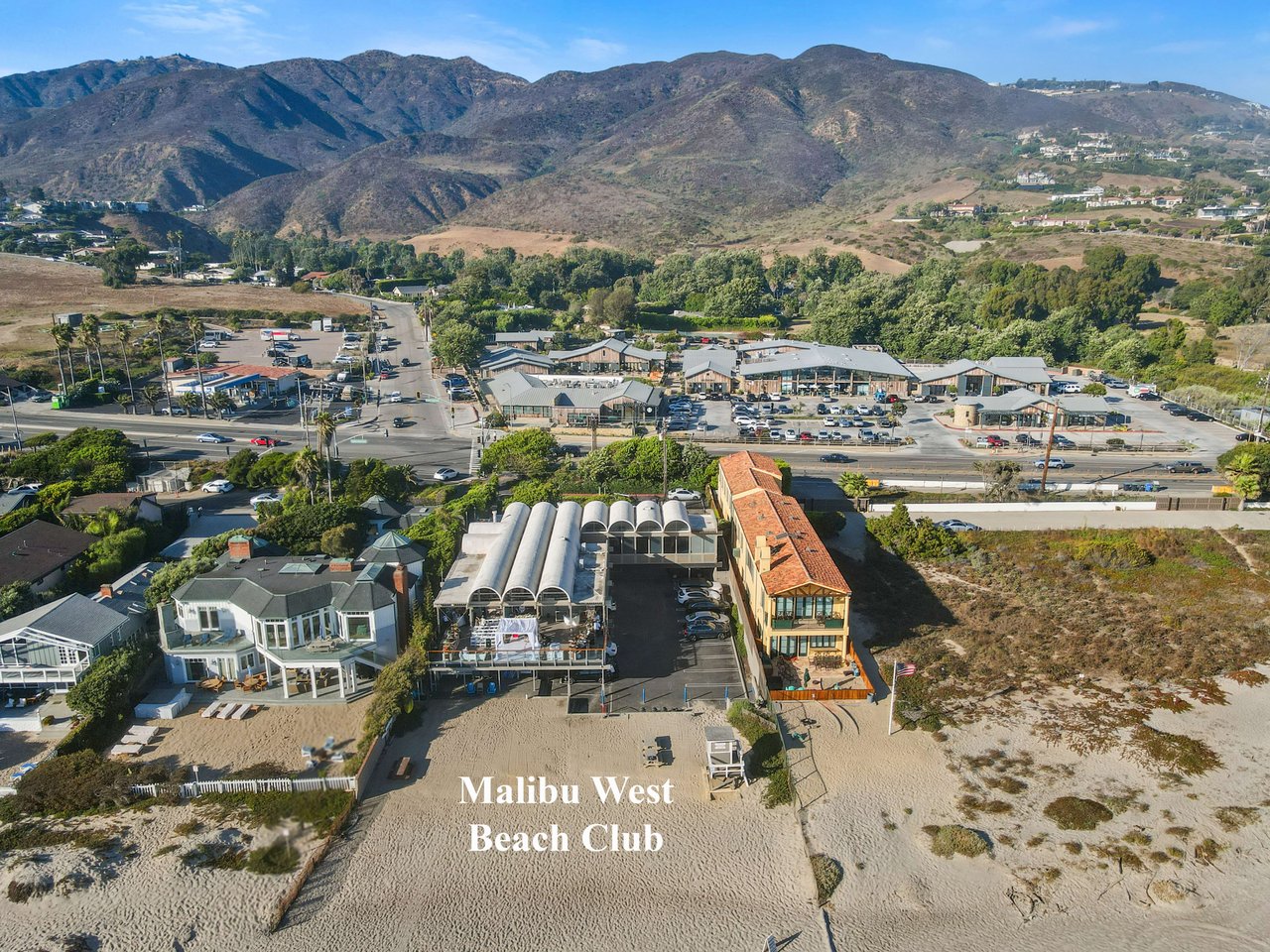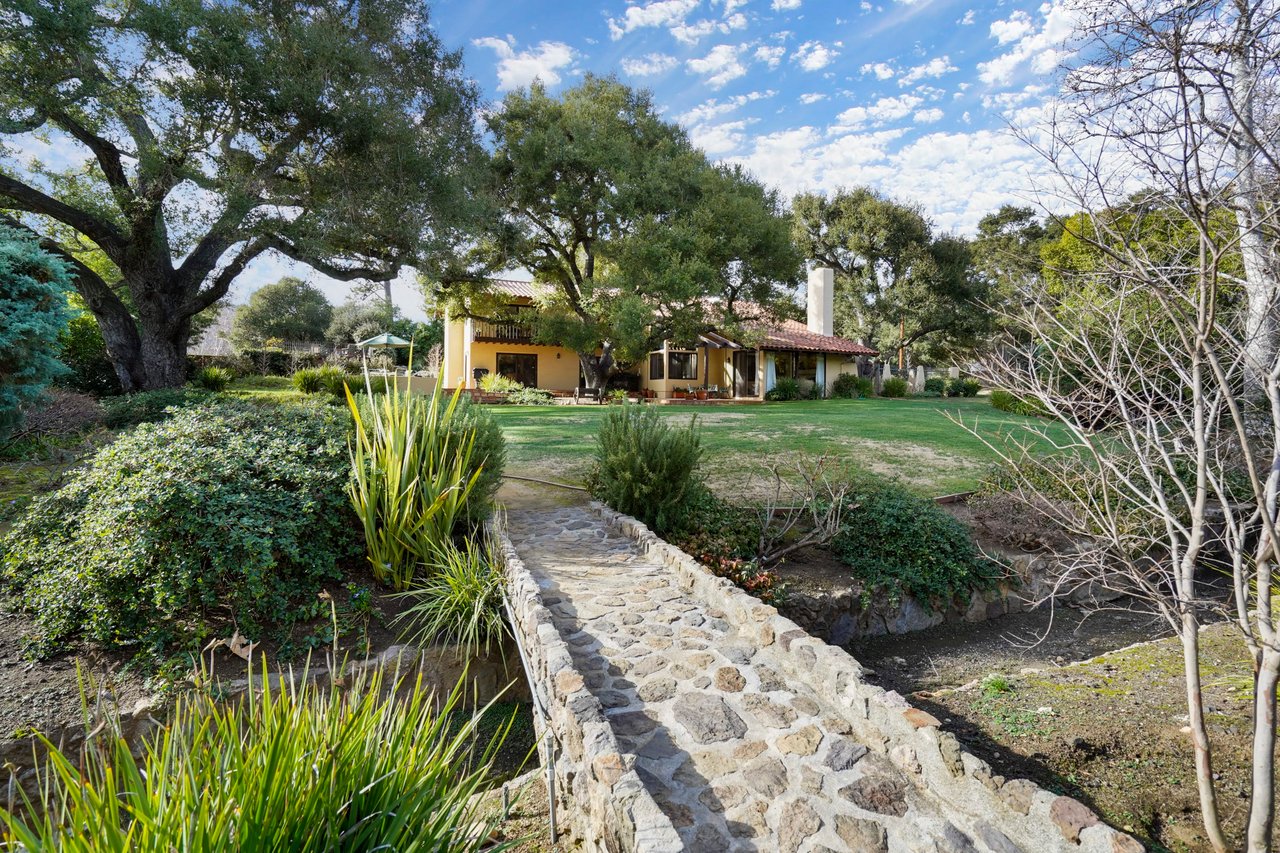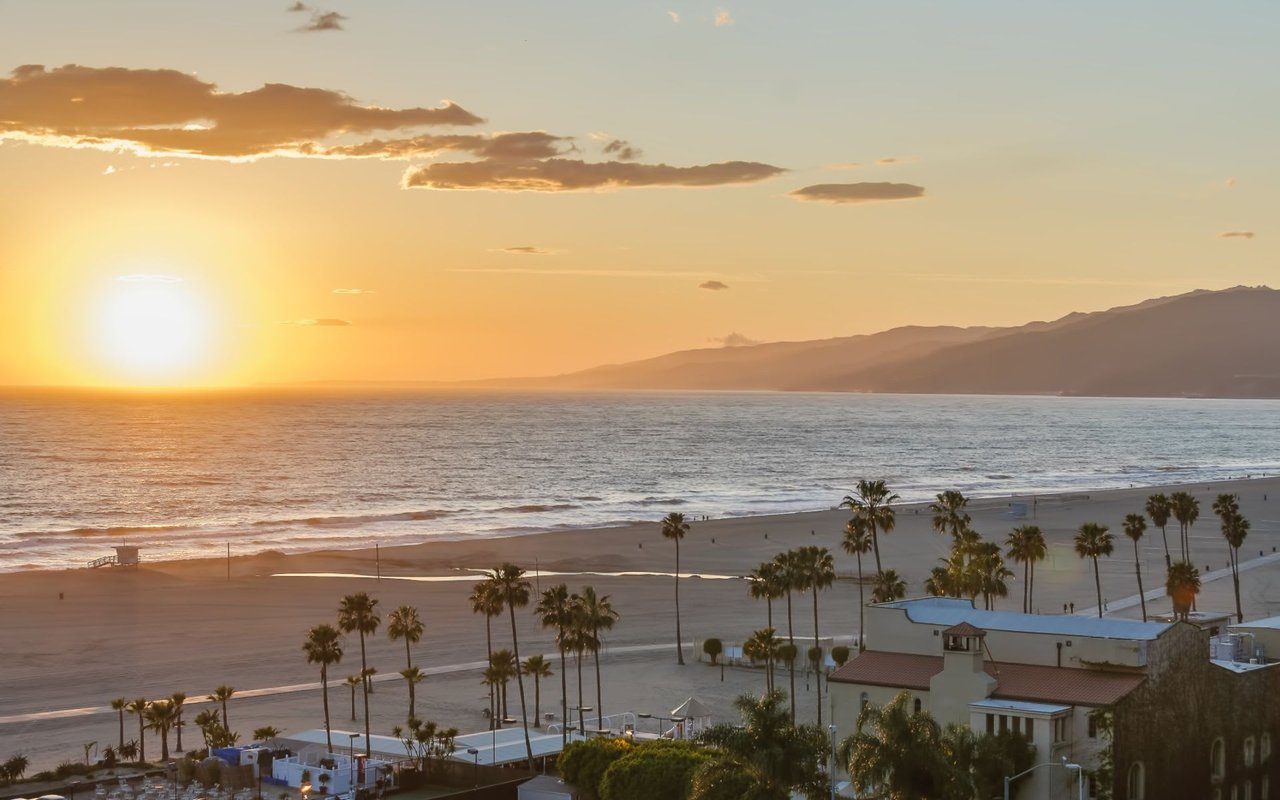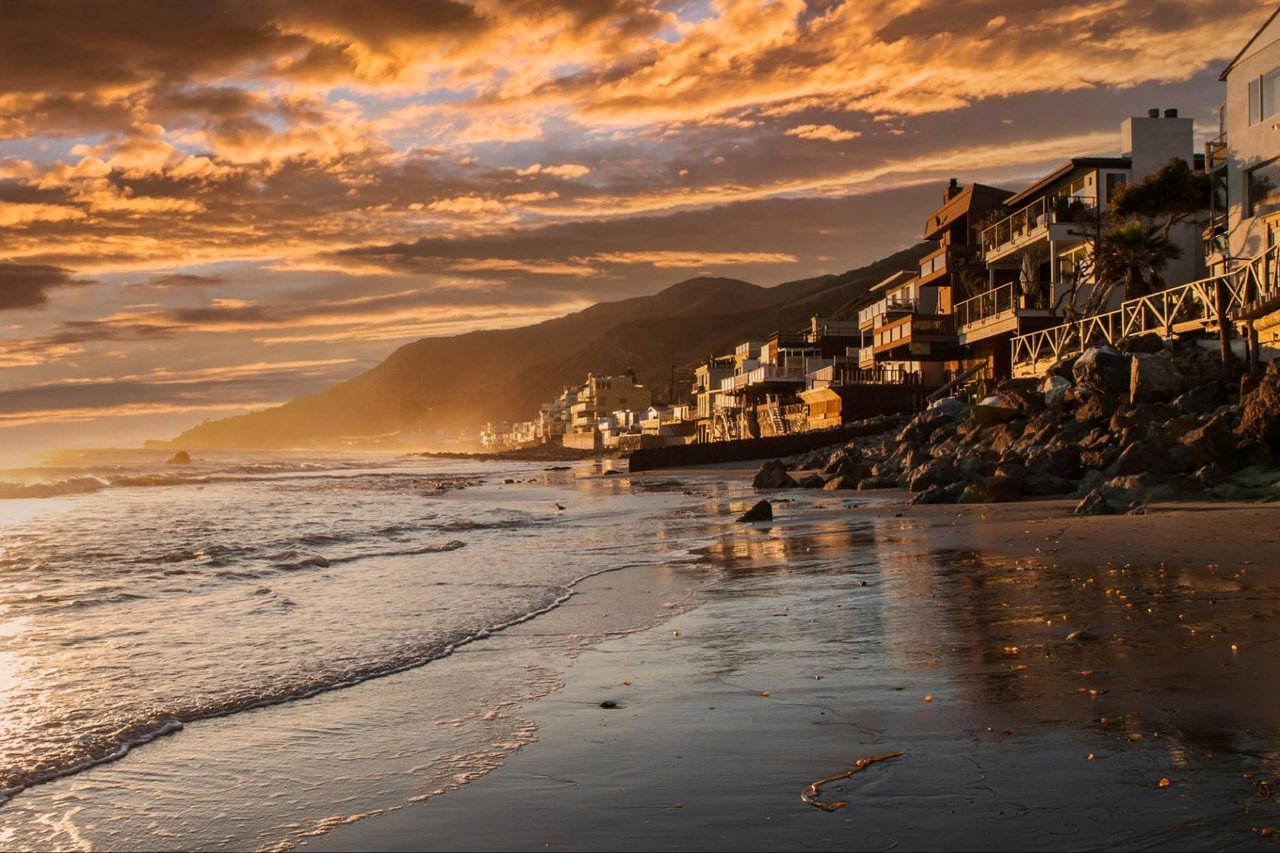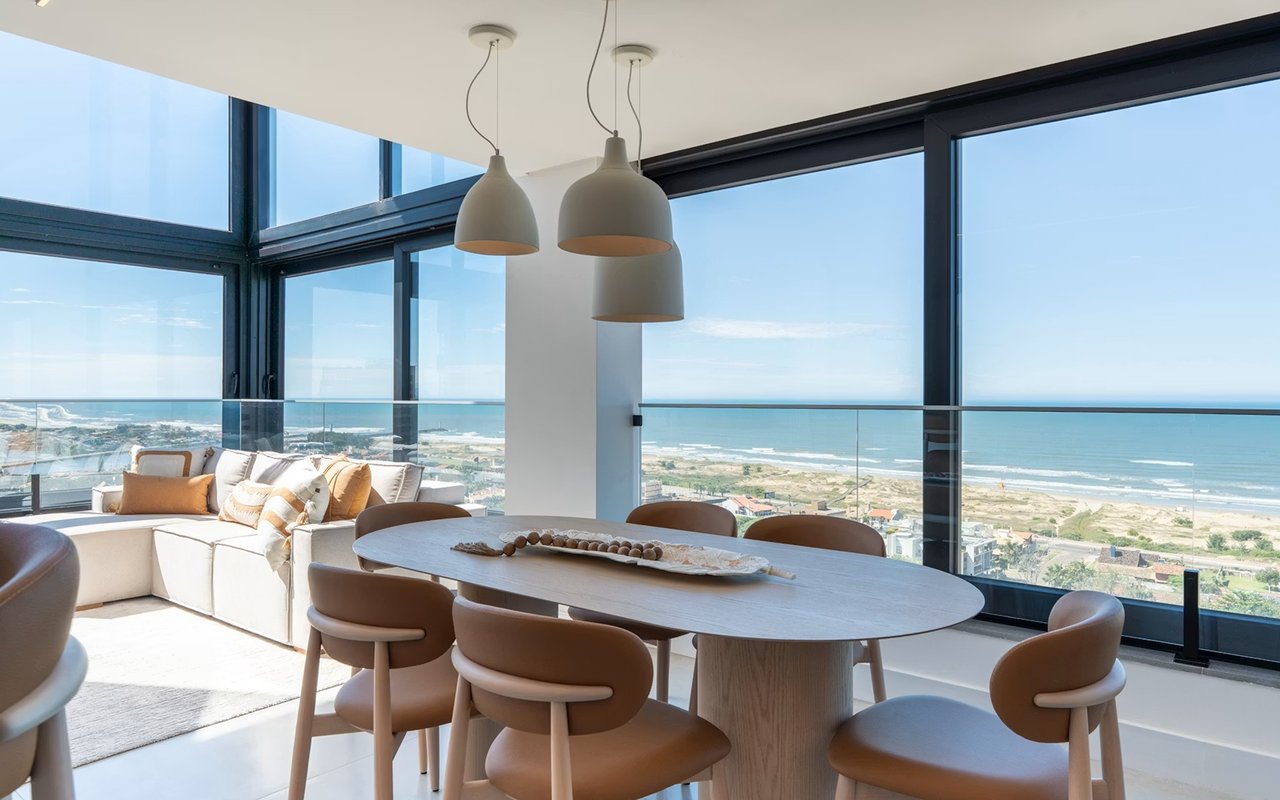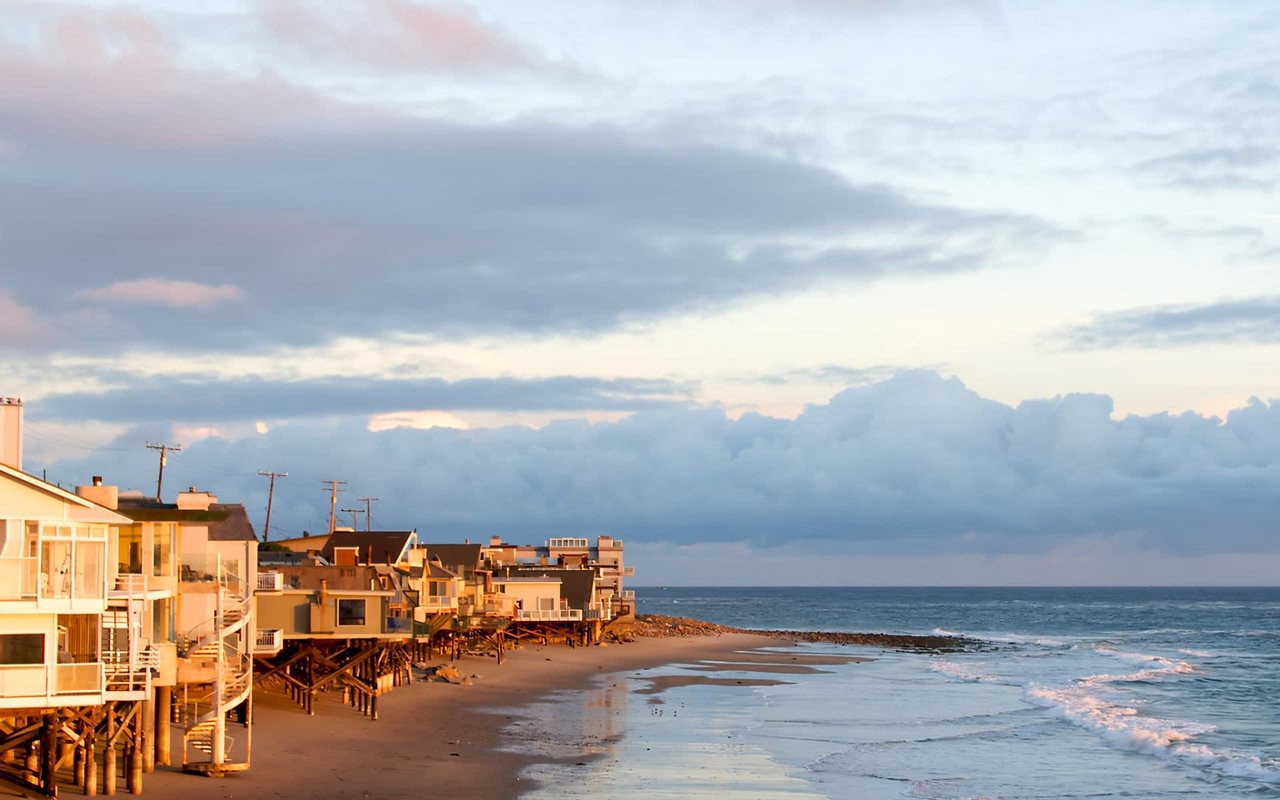

Pacific Palisades occupies one of the most coveted positions in all of Los Angeles — a coastal enclave tucked between the Santa Monica Mountains and the Pacific, where canyon trails, ocean bluffs, and a genuine village center coexist within a few square miles. Locals simply call it "the Palisades," and the name carries weight: this has long been one of the Westside's most desirable addresses, the kind of place that feels removed from the sprawl of the city while sitting minutes from Santa Monica and the tech corridor of Silicon Beach.
The neighborhood tends to attract a specific profile of buyer — families drawn to its exceptional charter schools, entertainment and tech executives who want a coastal home base within an easy commute, and wellness-minded residents who organize their lives around morning trail runs and surf sessions rather than nightlife. It's worth understanding up front that the Palisades today is a community in the middle of a profound transition. Following the Palisades Fire, the area has entered a non-traditional period defined by acute inventory scarcity, an unprecedented volume of land sales, and a buyer pool reshaped by insurance realities. For anyone reading the headlines, the market here is more nuanced than any single statistic suggests — and understanding that nuance is the difference between a smart purchase and an expensive misread.
The most important thing to understand about the Palisades market is that the headline numbers are misleading. On paper, the neighborhood-wide median sold price has dropped sharply — currently sitting somewhere between $2.75M and $3.0M, well below the $3.5M-plus pre-fire baseline. But that decline is largely a statistical illusion. It reflects a roughly 60% collapse in active traditional home inventory combined with a high volume of lower-priced lot and partial-property sales dragging down the aggregate math. Actual values for standing, move-in-ready homes have not fallen; if anything, scarcity has pushed them in the opposite direction.
On pace, the broad market averages around 48 to 49 days on market, but that figure blends two completely different worlds. Structurally sound, move-in-ready homes are moving fast — frequently going pending in under 30 days — while cleared lots and rebuild sites sit far longer. The buyer footprint splits along the same line: end-users deploying insurance payouts to secure scarce, immaculate homes on one side, and cash investors and developers targeting unbuilt land on the other. Looming over all of it is the insurance hurdle. With standard carriers having largely retreated from these hillside coastal areas, buyers are routinely factoring $30,000 to $60,000 a year in California FAIR Plan premiums into their carrying costs, and that single line item now heavily dictates deal velocity and terms.
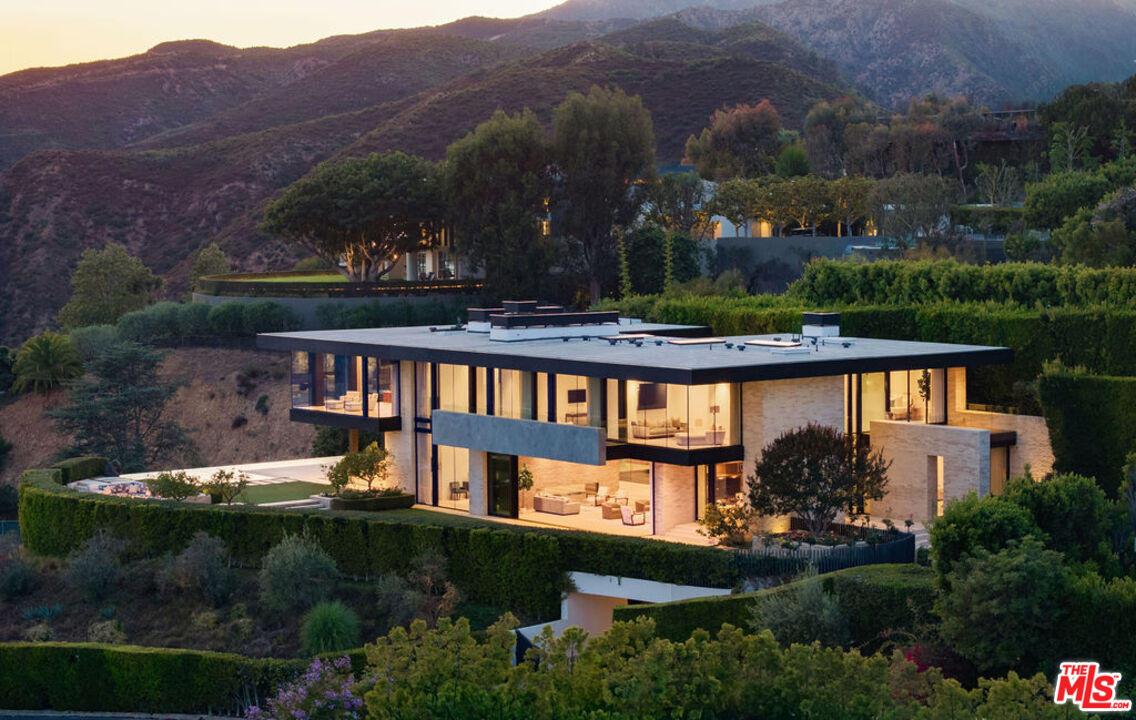
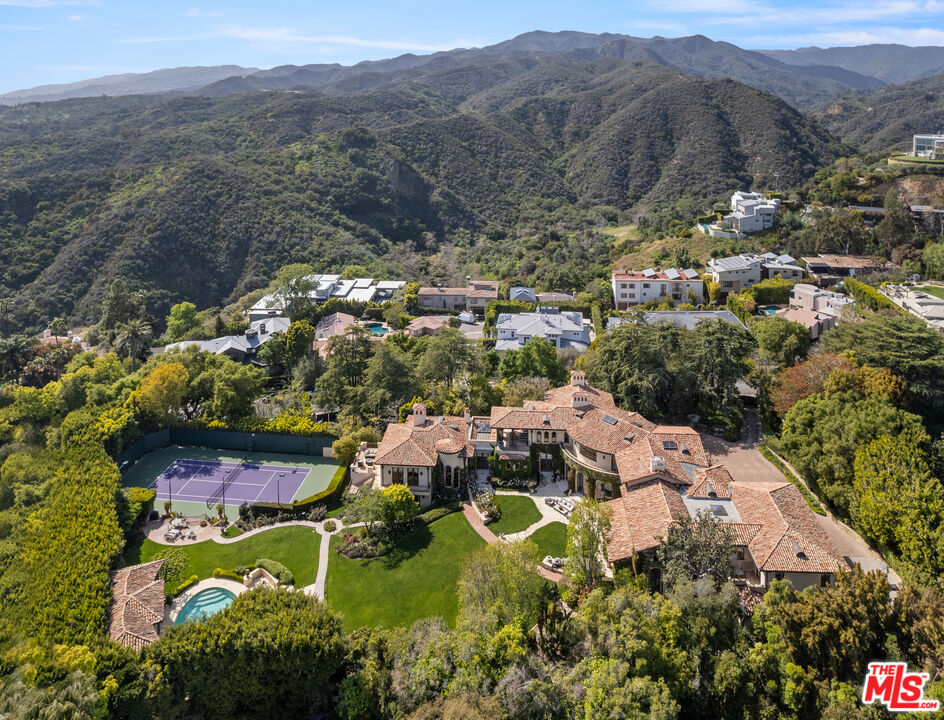
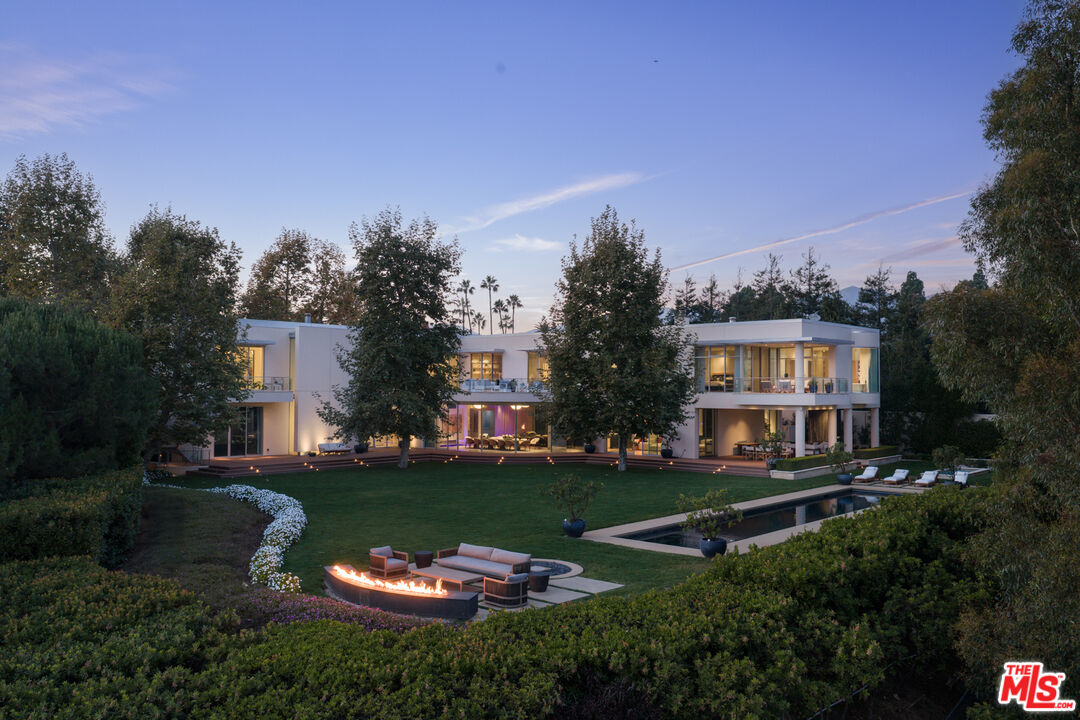
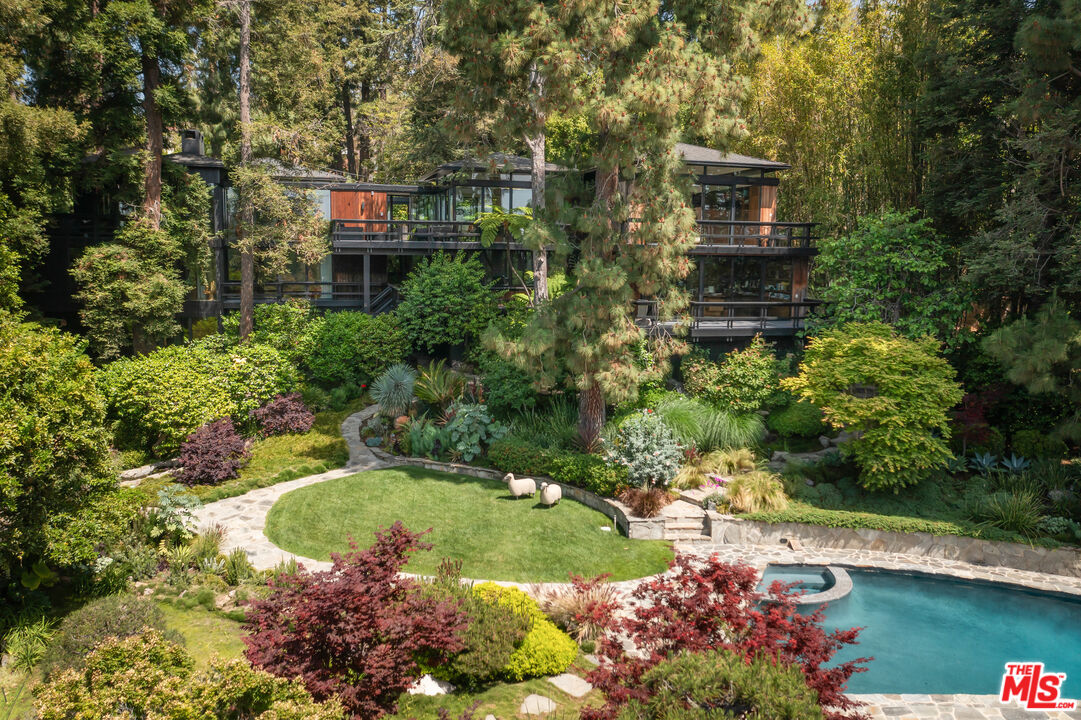
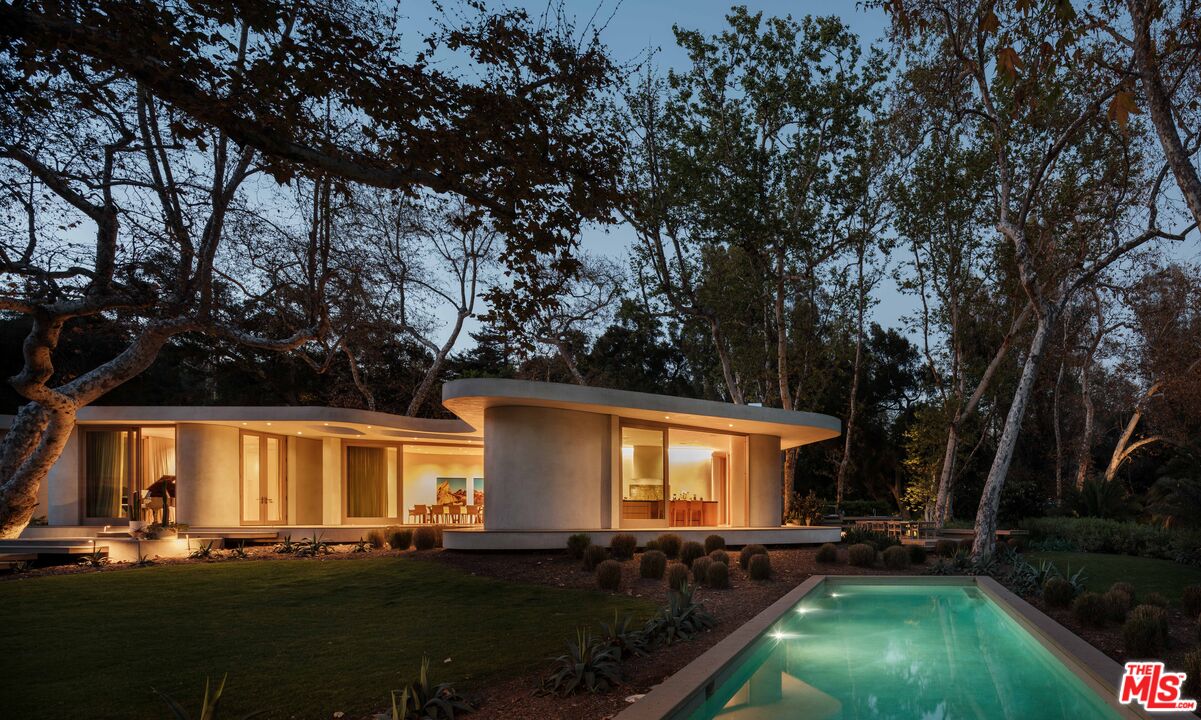
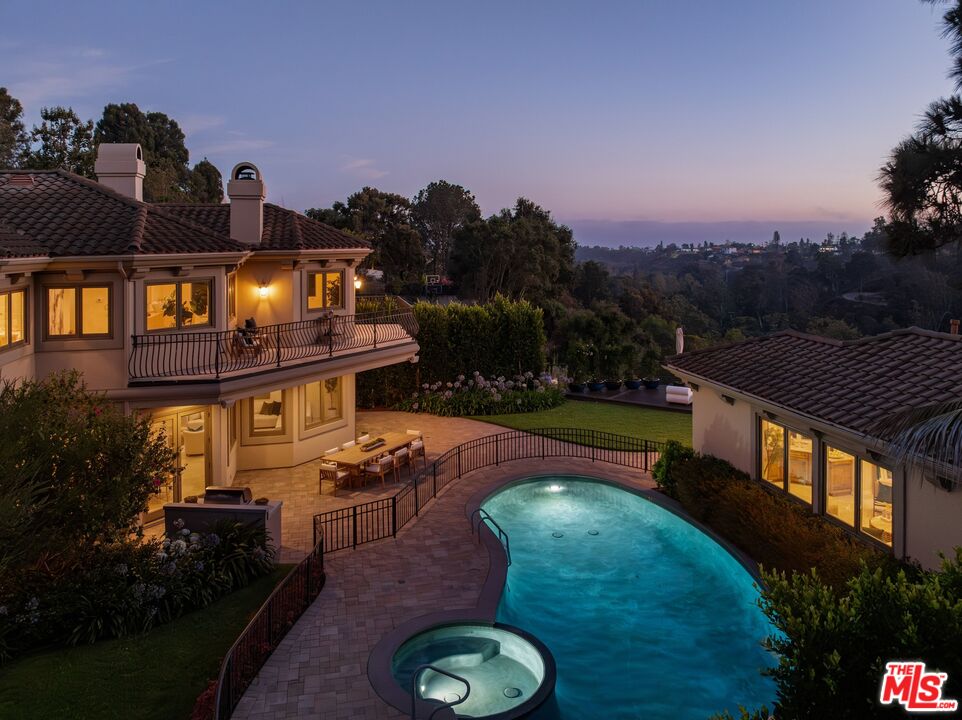
The luxury and ultra-luxury tiers in Pacific Palisades remain some of the most exclusive real estate in Southern California, and they've proven remarkably resilient. High-net-worth buyers continue to view the area as a long-term, generational asset. While "entry-level" luxury — renovated Village cottages and townhomes — sits in the $2M to $3M range, the true high-end tier routinely pushes from $10M to north of $40M for trophy estates. The wide spread between land parcels and finished architectural masterpieces is exactly why the median active luxury listing price (around $3.99M) tells you so little on its own.
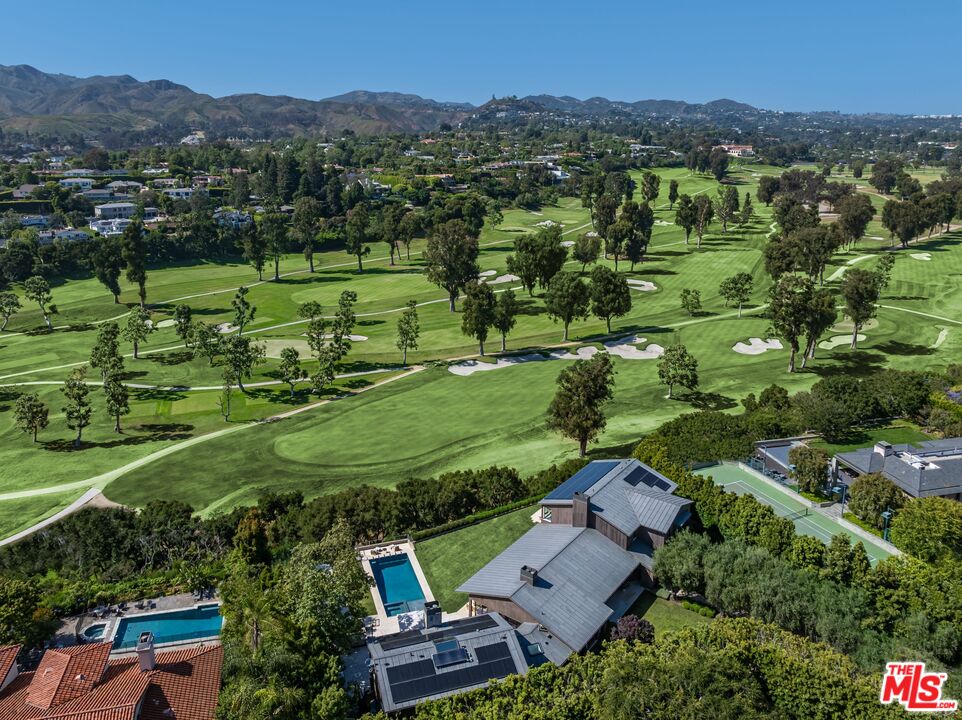
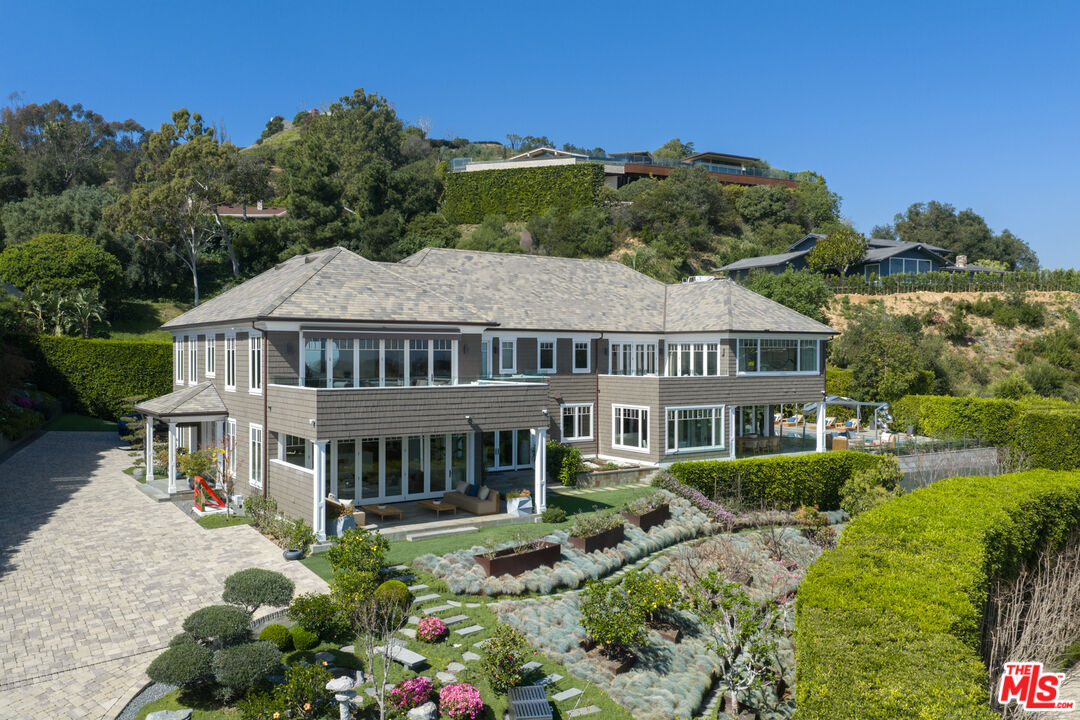
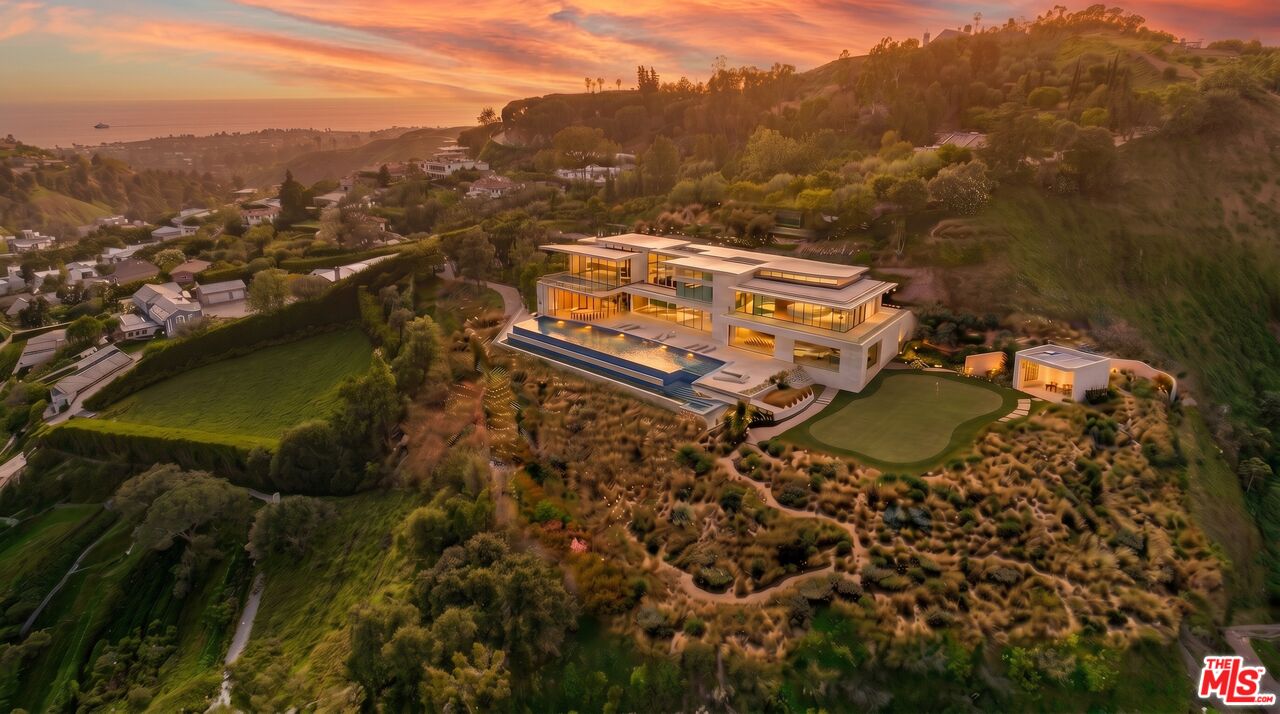
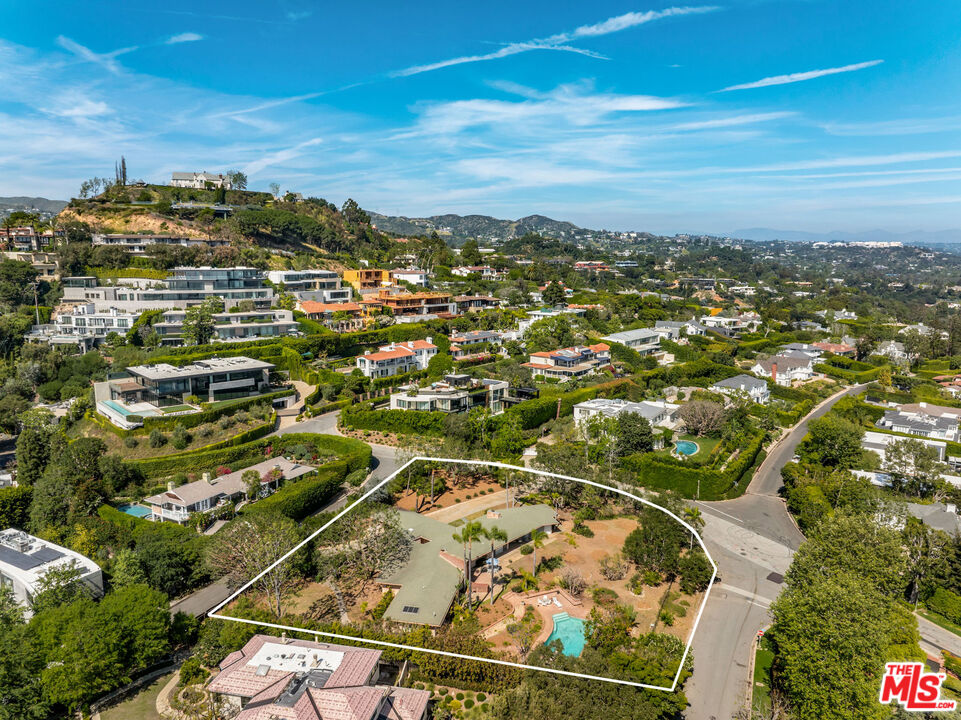
Geography drives everything at this level. The Riviera and Huntington Palisades remain the gold standard — the Riviera with its flat, sprawling lots bordering the world-famous Riviera Country Club, and Huntington with its grand estates perched on ocean-facing bluffs. In the most desirable Huntington pockets, rolling medians for intact legacy estates have reached as high as $9.2M. Rim and view corridors carry the neighborhood's steepest scarcity premiums, with buyers there prioritizing privacy, lot size, and proximity to the Riviera Country Club. A distinct ultra-luxury land sub-market has also emerged: premier cleared parcels on premier streets with ocean or ridge views now command $2.2M to $2.8M for the dirt alone, acquired cash-in-hand by developers and end-users planning custom estates on a five-to-ten-year horizon. Crucially, the luxury tier is largely insulated from the financing and insurance bottlenecks affecting the broader market, because so many of these transactions close all-cash.
Investing here today requires a fundamentally different playbook than it did a few years ago. The structural transformation following the fire has split the traditional buy-and-hold market into a dual market driven by high-end development on one side and premium rental demand on the other.
The fix-and-flip model for older intact homes has mostly given way to a land acquisition and ground-up development market. Investors and corporate buyers — accounting for somewhere between 20% and 40% of recent lot transactions — are targeting cleared parcels, with land running $1.1M to $1.6M in steeper areas like the Highlands and climbing to $2.2M to $2.8M-plus for premium flat view lots in the Riviera or Huntington. For developers with liquid capital, these lots represent a long-term entry point into addresses that would otherwise be unattainable. Los Angeles has streamlined the permitting pathway for like-for-like rebuilds, averaging four to seven months, but stretched contractor capacity means realistic build timelines still demand an 18-to-24-month horizon. The exit thesis rests on the neighborhood's historic premium and aggressive corporate reinvestment into community revitalization, most visibly Caruso's continued investment in Palisades Village.
On the rental side, the market is exceptionally robust. Displaced homeowners who want to stay in the community while their homes are rebuilt have created an intense supply crunch for standing single-family homes. Median monthly rent sits around $9,500, with pristine larger homes commanding considerably more. And while the neighborhood-wide median sales price looks like it's collapsed, intact move-in-ready homes are actually holding a scarcity premium. Investors who buy standing homes are positioned for insulated, long-term appreciation as the community's infrastructure undergoes major modernization, including extensive utility undergrounding initiatives slated to run through the decade.
Buying a primary residence here means navigating one of the most hyper-localized landscapes in recent Southern California history. The market overall is balanced to warm, with a sale-to-list ratio averaging 96% to 97% — but that number splits sharply by property condition. Move-in-ready homes are highly competitive, with affluent end-users (many armed with insurance payouts from lost properties) competing for a supply that remains roughly 60% below the historic five-year average. These sell quickly, often in under 30 days. Lots and rebuild sites are a steadier, cash-heavy environment where buyers negotiate harder below asking and price in debris clearance and geotechnical engineering costs.
The contingency process here looks nothing like a standard California transaction, and the insurance contingency is the single biggest hurdle. With standard carriers largely gone from these areas, buyers must secure underwriting — frequently through the California FAIR Plan — before removing contingencies, and those $30,000 to $60,000 annual premiums have to be baked into debt-to-income ratios from the outset. Beyond insurance, expect heavy scrutiny of environmental and structural disclosures: for intact homes near the historic fire perimeter, smoke, ash, and air-quality remediation documentation matters, and AB 38 Defensible Space compliance is a standard requirement before closing. If you're buying a lot to build on, a fully finalized municipal debris clearance certificate from the seller is a standard contract contingency.
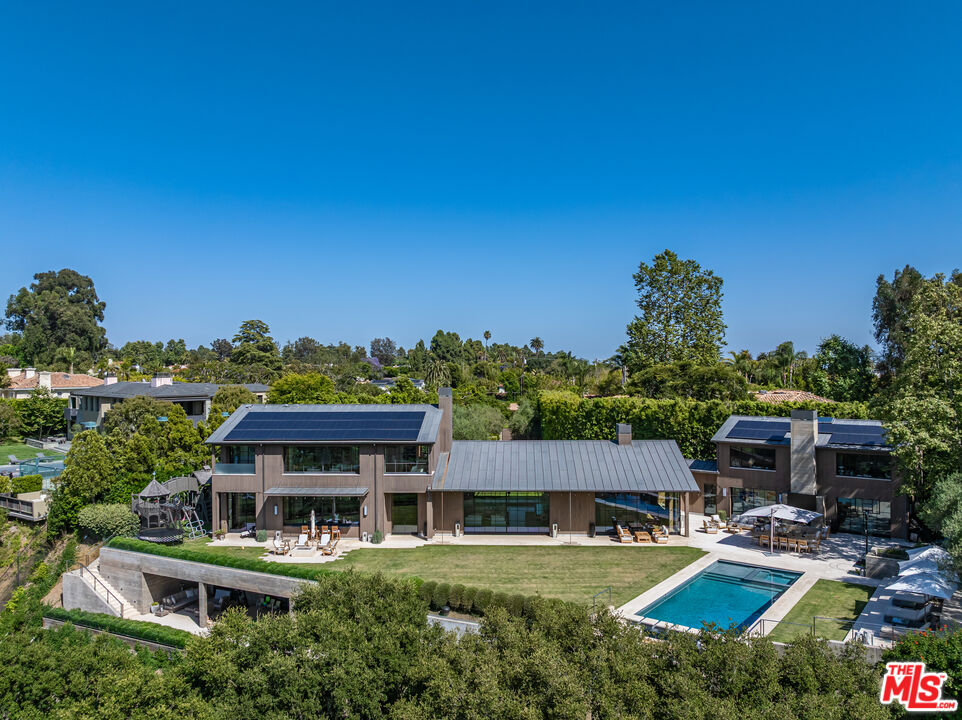
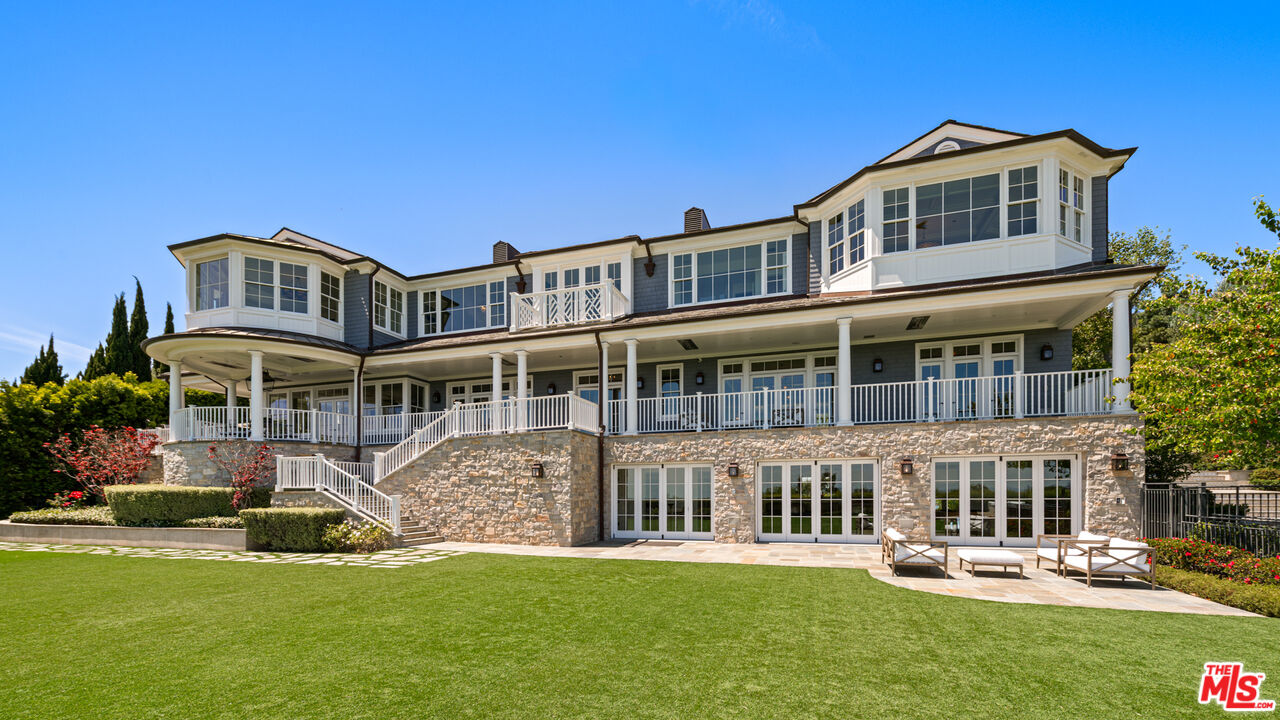
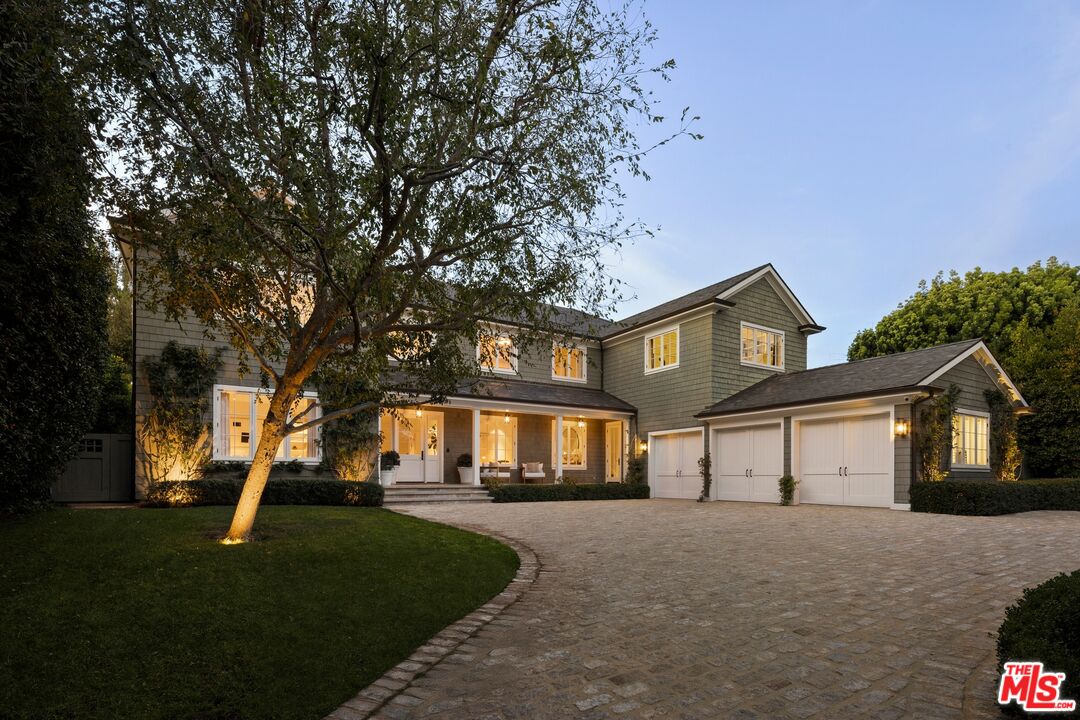
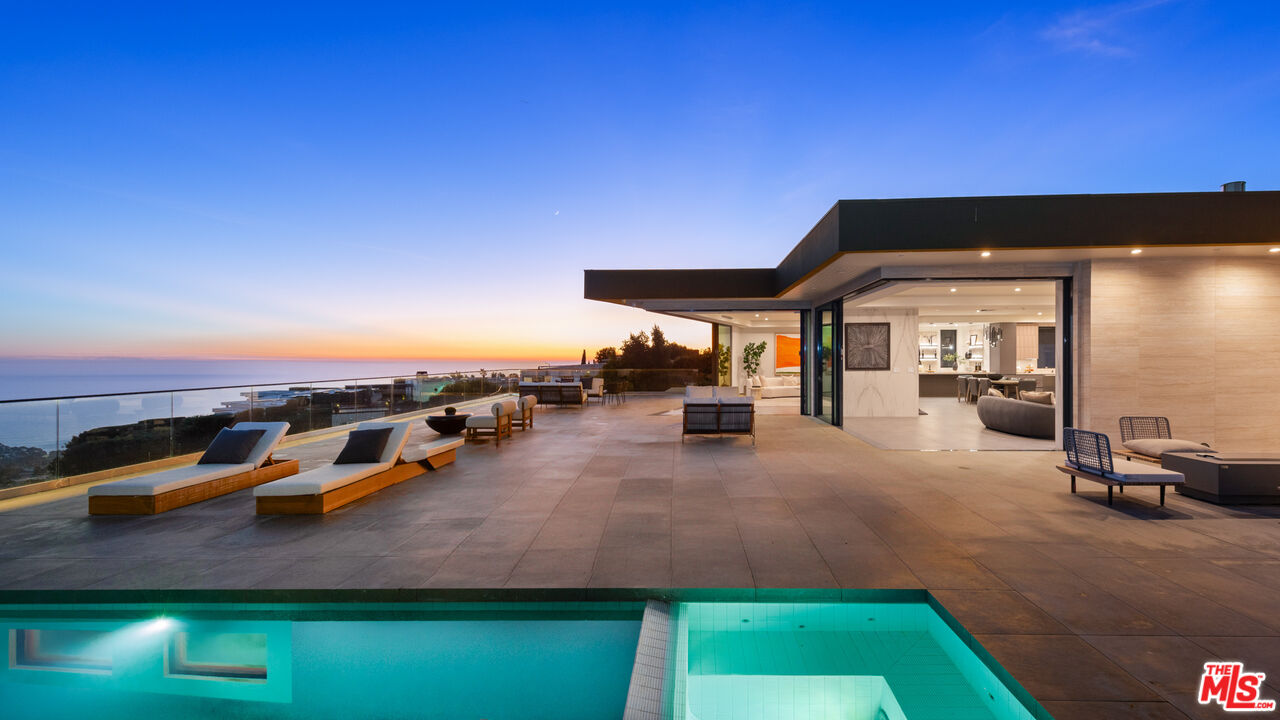
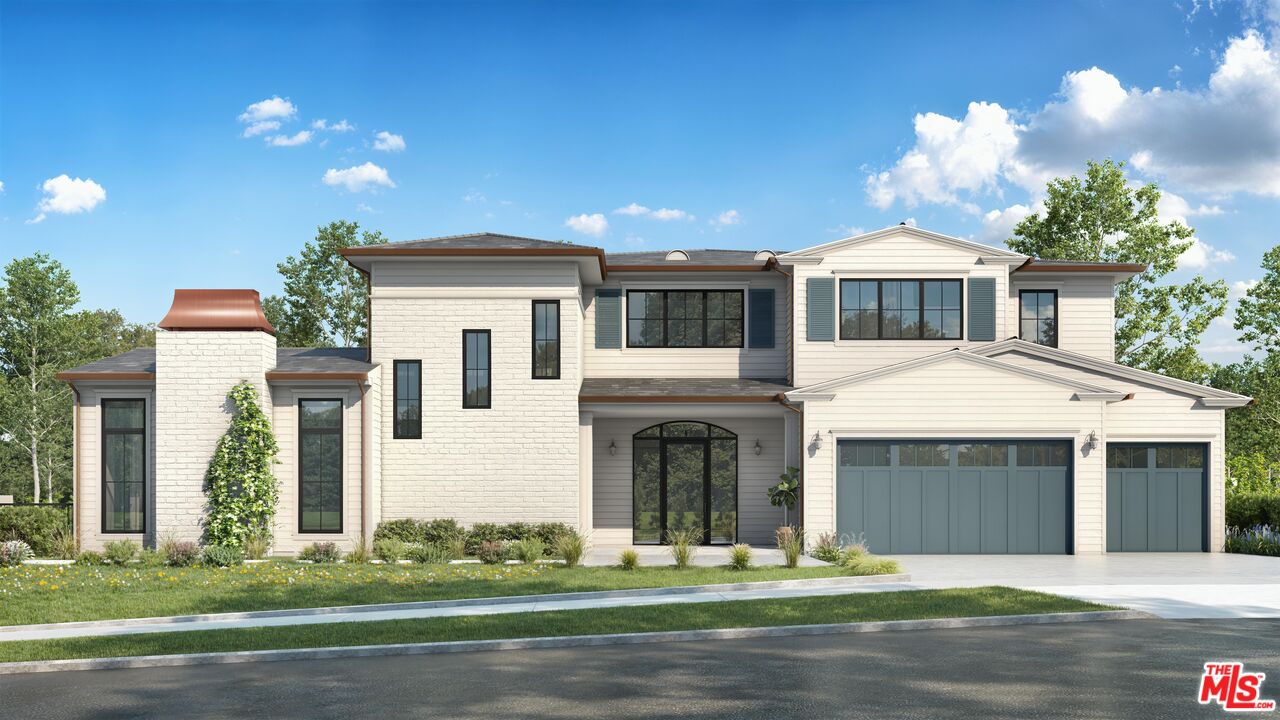
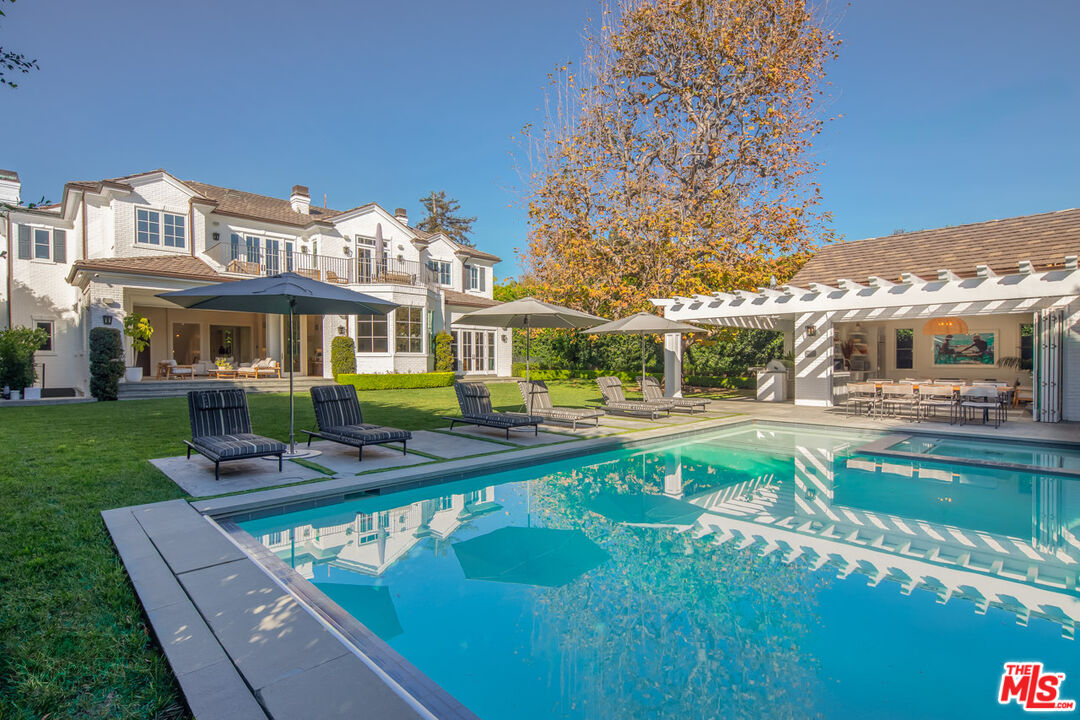
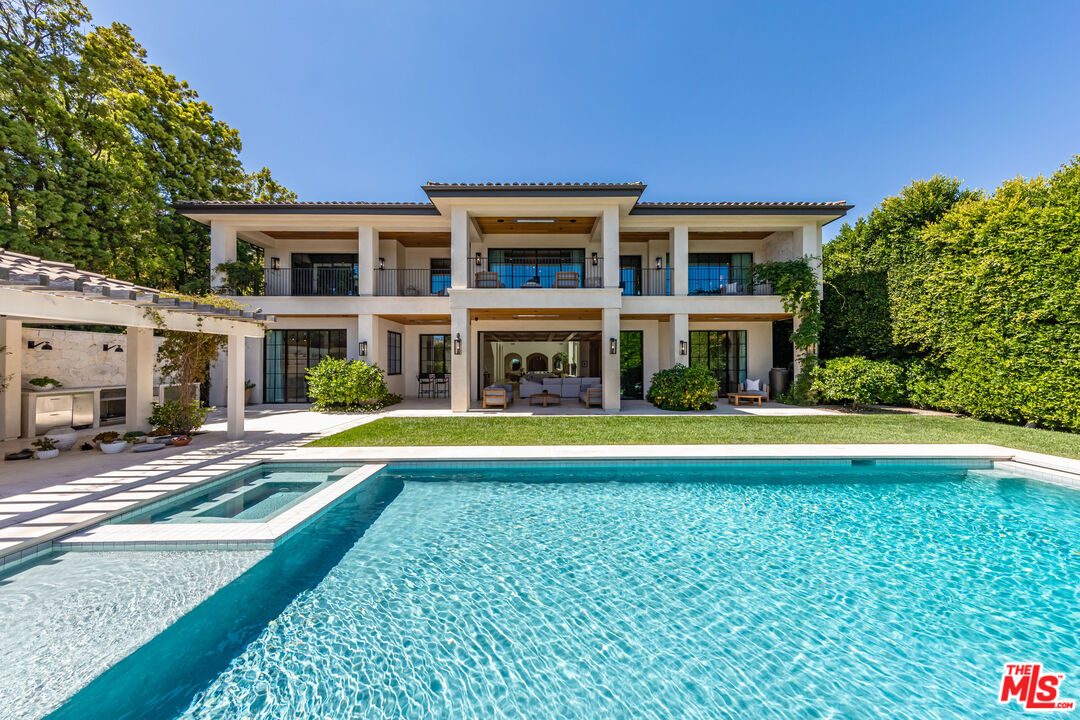
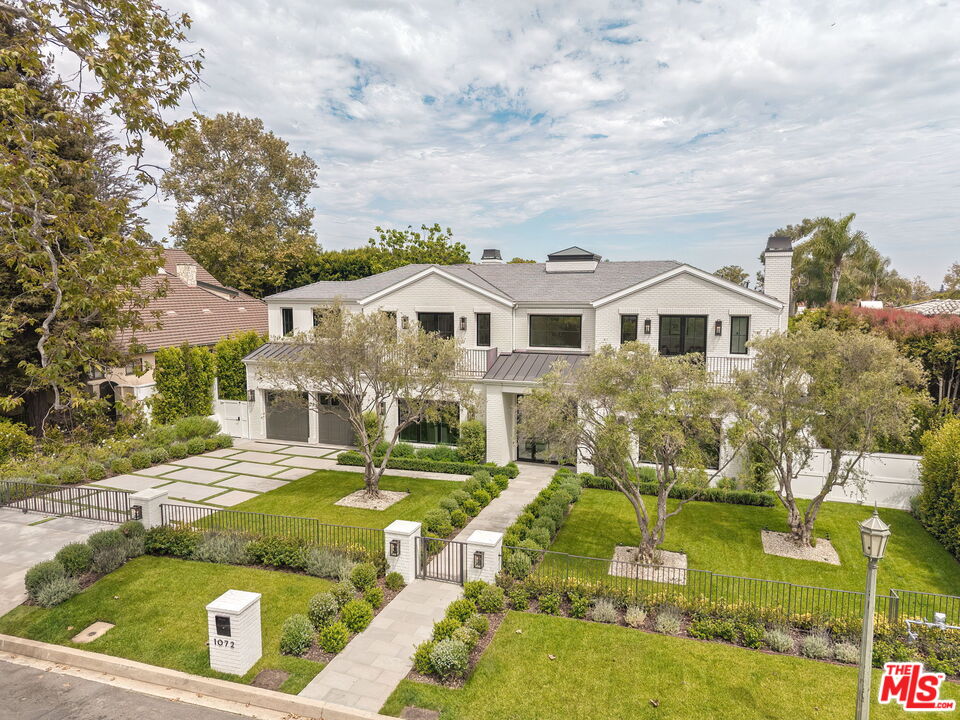
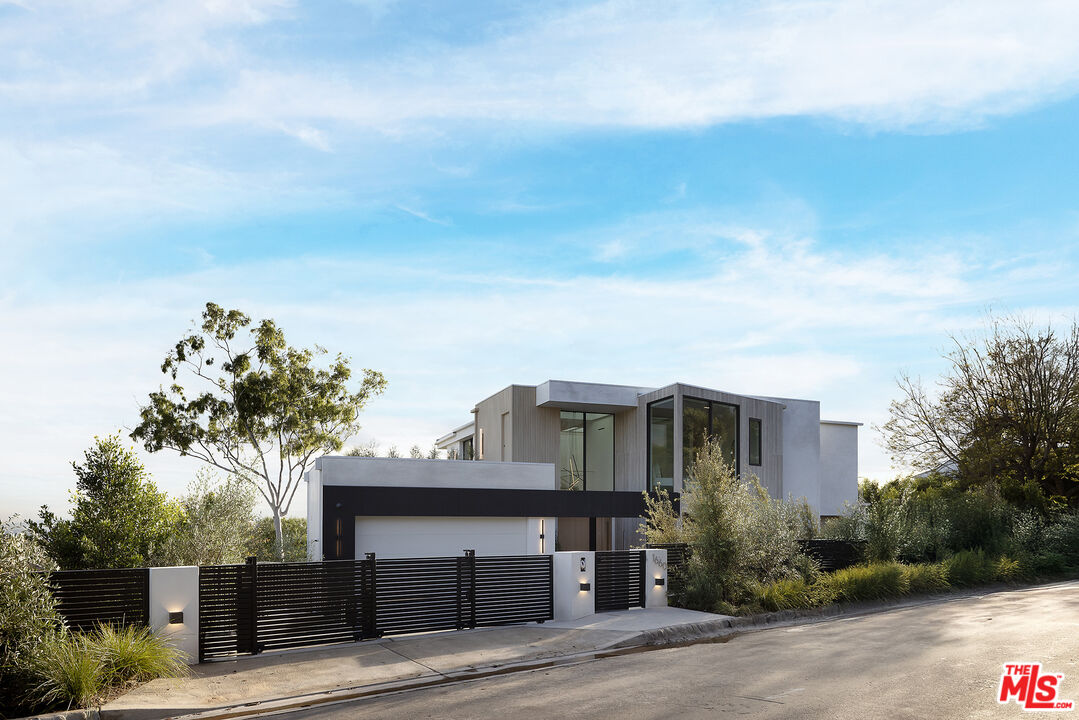
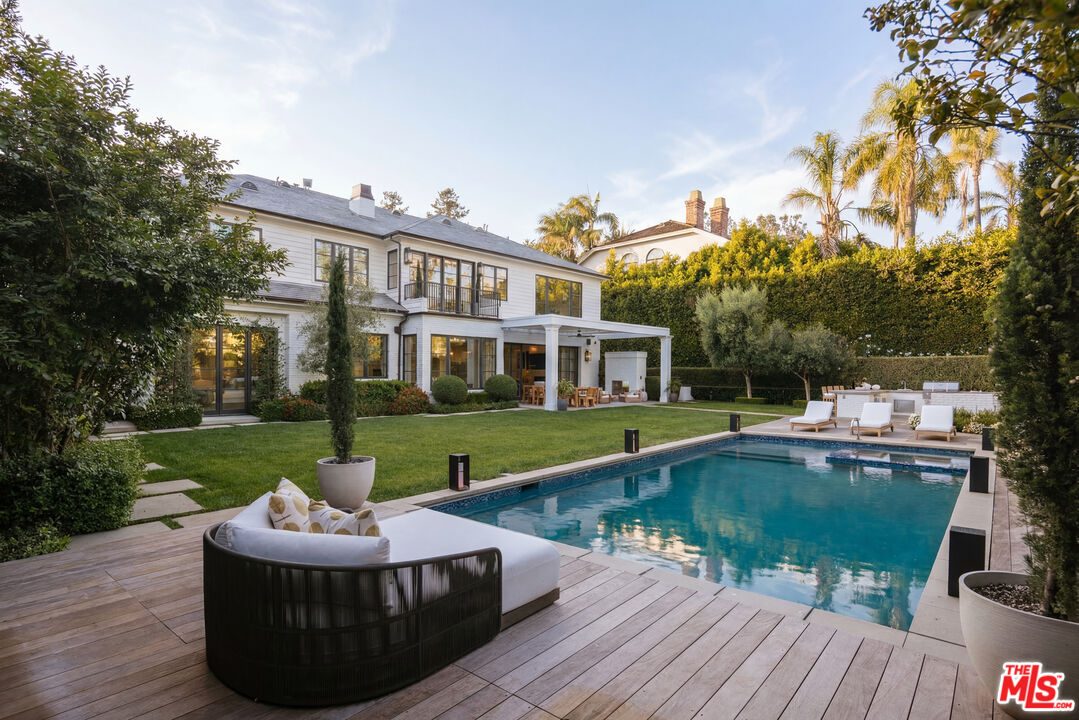
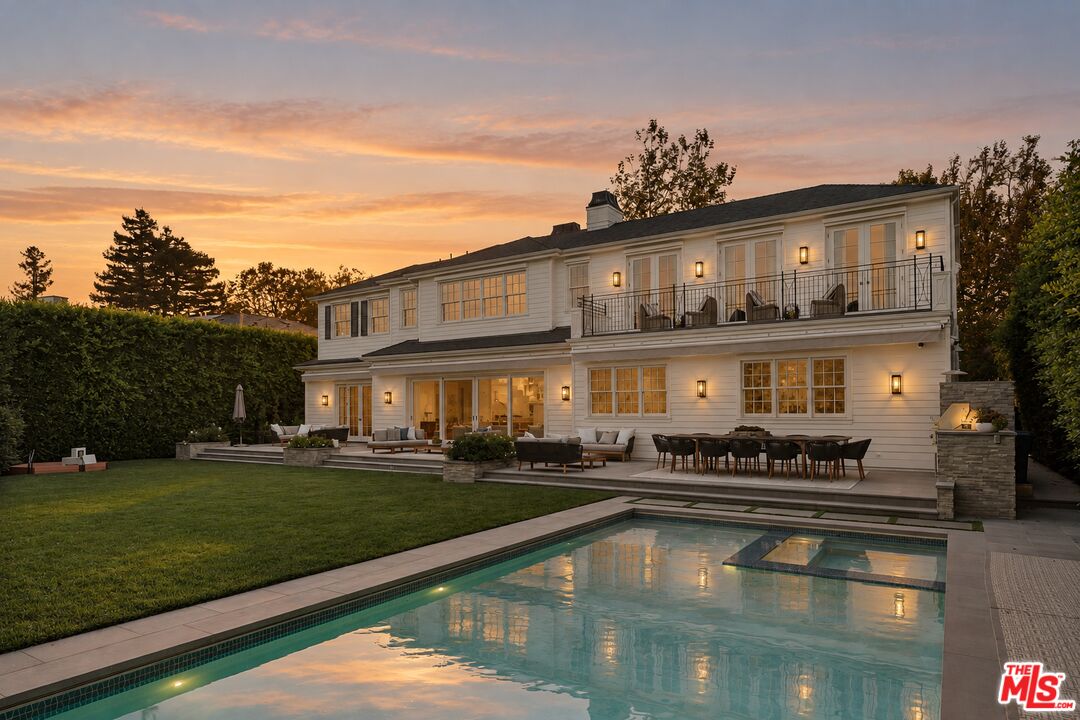
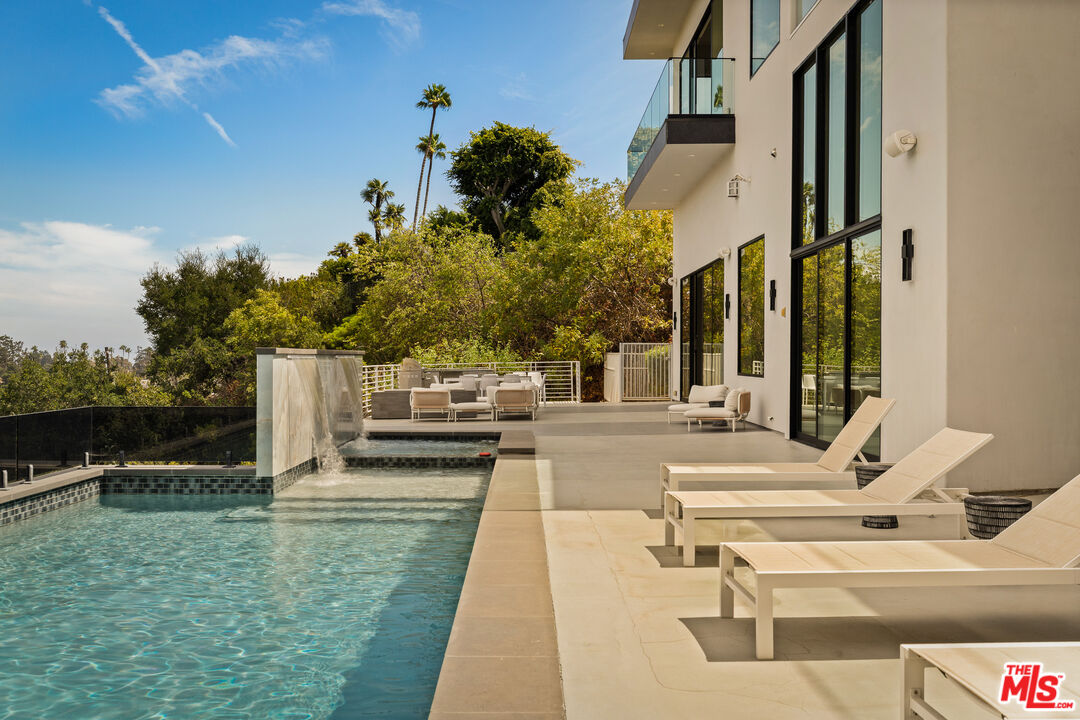
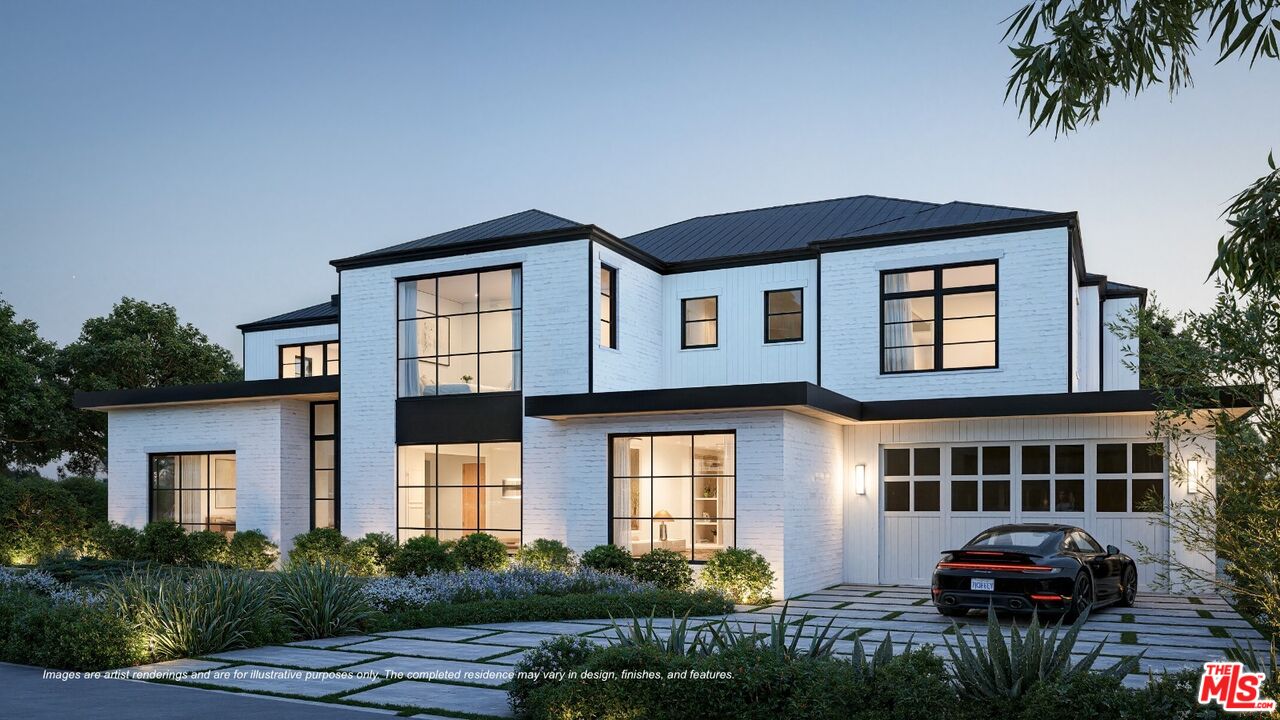
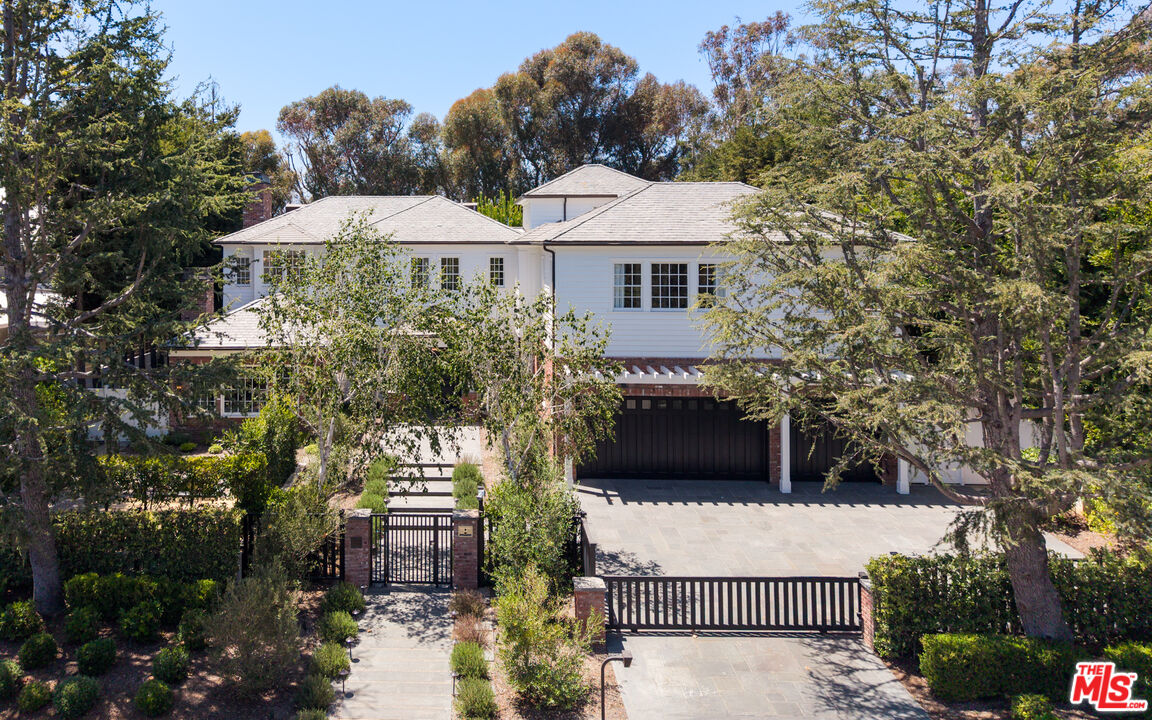
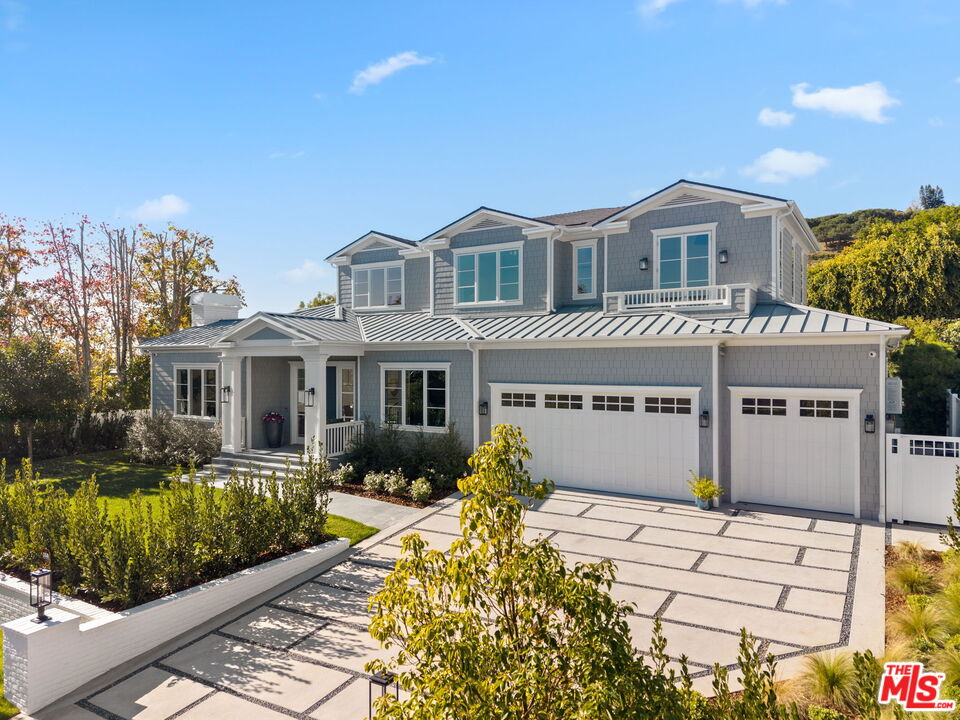
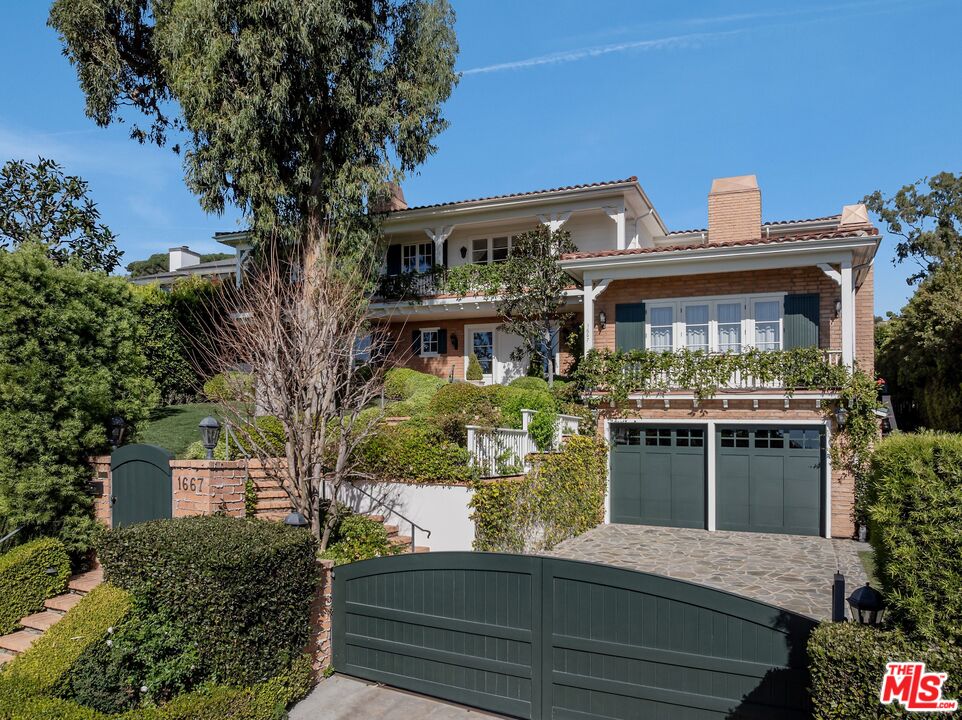
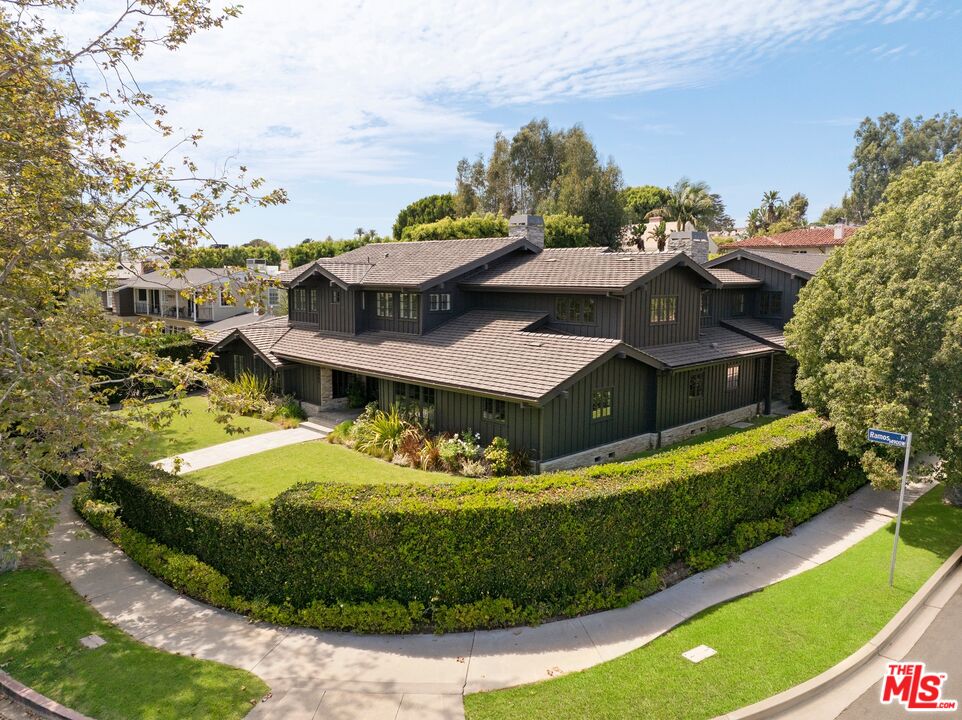
As for what you'll be looking at, the Palisades offers three distinct property types right now. Single-family estates range from classic Cape Cods and traditionals in the Huntington and Alphabet Streets to ultra-modern glass-and-steel homes along the rims of Marquez Knolls and Castellammare. Condominiums and townhomes, concentrated in the Highlands and along the Sunset corridor, offer a way to bypass high-maintenance land management and steep individual fire underwriting, though HOA fees reflect local realities. And cleared parcels — an unprecedented share of the active registry — offer a clean slate for custom construction.
Selling in the Palisades demands a sophisticated grasp of a bifurcated market, because the experience differs entirely depending on what you're selling. The broad average of roughly 48 to 64 days on market is essentially meaningless for an individual seller, since it blends two unrelated asset types. Move-in-ready structural homes are moving at an accelerated pace, frequently into escrow within 30 days or less, thanks to the scarcity premium created by that 60% drop in standing inventory. Cleared lots and development sites move far more slowly — often 90 to 120-plus days — as cash investors perform extensive due diligence on slope stability, soil engineering, and building constraints before committing.
For sellers of standing homes, presentation carries unusual weight because of who's buying. Many in the current pool are affluent families displaced by the fire, and their primary motivation is immediacy and peace of mind. That makes turn-key presentation a mandate, not a nicety — buyers are dealing with construction and supply-chain fatigue, and a fully furnished, beautifully landscaped, immediately livable home commands the most attention. Just as important, and often overlooked, is environmental detailing. Sellers should effectively stage the home's mechanicals: change all HVAC filters, perform deep air-duct cleanings, and present official smoke and ash mitigation clearances right alongside the standard property brochures. In this market, proof of a clean, healthy home is as persuasive as any amount of cosmetic staging.
Pricing in the Palisades is fundamentally an exercise in separating real demand from misleading macro statistics. Standard valuation algorithms are failing here, because the neighborhood-wide median has dropped roughly 35% to 49% over the past year — a decline driven not by collapsing values but by a heavy mix of lower-priced lot sales pulling down the aggregate. Any seller who anchors to a zip-code average or an automated valuation model is working from a broken number.
The right strategy is hyper-local and depends entirely on what you own:
| Property Type | Comp Strategy | Key Pricing Drivers |
|---|---|---|
| Intact / move-in ready | Compare only against other standing homes sold in the last 3–6 months; never blend in lot sales | Proximity to the fire perimeter, age of build, quality of views |
| Cleared view lots | Price by square footage, terrain slope, and specific neighborhood demand (Riviera vs. Highlands) | Coastal/ridge view lots command $2.2M–$2.8M; steeper non-view land runs $1.1M–$1.6M |
The psychology matters just as much as the comps, and the through-line is transparency. Buyers here are acutely sensitive to carrying costs, especially those FAIR Plan premiums running $30,000 to $60,000 a year. Price an intact home too high and it sits past the 30-day mark, which in this market signals to buyers that there may be undisclosed structural, environmental, or insurance problems. The most effective way to defend a premium asking price is to remove fear entirely — provide an upfront transparency package that includes an active insurance quote, a clean AB 38 Defensible Space compliance certificate, and a structural engineering report. Ground your price in structural comps and hand buyers proof of a secure investment, and you signal exactly what cash-heavy, insurance-weary buyers are looking for.
Relocating to the Palisades means settling into one of LA's most geographically isolated and naturally beautiful enclaves — a coastal-village lifestyle that feels worlds away from the city while remaining fully connected to the Westside. The first thing to understand is that the Palisades is not a single place but a collection of distinct micro-neighborhoods, each with its own character.
The Village is the cultural and commercial heart, anchored by the walkable Alphabet Streets north of Sunset, where families walk to school and kids ride bikes on tight-knit blocks. The Riviera and Huntington Palisades are the premier estate districts — the Riviera flat and sprawling beside the country club, the Huntington grand and bluff-perched above the ocean. Marquez Knolls and Castellammare are defined by dramatic topography, the former full of multi-level homes with sweeping ocean views, the latter a terraced hillside neighborhood with an almost Amalfi Coast feel rising directly above PCH. And the Highlands, set high in the Santa Monica Mountains, offers a quieter, more alpine atmosphere with a mix of single-family homes, townhomes, and community recreation — though it sits furthest from the beach and the Village core.
Lifestyle here centers on health, nature, and community rather than urban energy. Rick Caruso's curated Palisades Village functions as an open-air luxury town center, complete with boutiques, fine dining, a vintage movie theater, and a Sunday Farmers Market that doubles as the neighborhood's main social event. Residents enjoy immediate backyard access to Temescal Gateway Park and Will Rogers State Historic Park, with Will Rogers State Beach at the base of the bluffs. And for families, the exceptional public charter schools — particularly Marquez Charter Elementary and Palisades Charter High — are frequently the single biggest reason buyers commit to the area.
The Palisades operates as a "pocket community," and your daily transit experience varies dramatically depending on where in it you live. Walkability is hyper-localized. The Village and the immediate Alphabet Streets earn a very high walk score, where residents can run errands, grab coffee, and dine out entirely on foot. The hillside and canyon neighborhoods — Marquez, Castellammare, the Highlands — are strictly car-dependent, with steep elevations and discontinuous sidewalks. For recreational cycling, though, the area is legendary: the Marvin Braude Bike Trail (the 22-mile Strand) is accessible right at the beach, and road cyclists regularly tackle the climbs up Mandeville and Latigo Canyons. Commuting by bike is a different story, requiring navigation of busy, winding arteries like Sunset Boulevard that lack dedicated lanes.
The neighborhood essentially runs on two roads — Sunset Boulevard east-west and PCH north-south — with no direct freeway access, so peak-hour traffic can add real time to any trip. Santa Monica and Silicon Beach are an easy 15 to 25 minutes, which is exactly why the Palisades is such a popular base for tech and creative professionals. Century City and Westwood run 30 to 50 minutes via Sunset, highly variable with school-zone and rush-hour traffic. Downtown LA is a demanding 50 to 75-plus minutes, making the Palisades a tough fit for daily DTLA commuters. LAX comes in around 30 to 45 minutes via PCH to Lincoln or Vista Del Mar.
For family buyers, the schools are arguably the single strongest driver of demand and value retention in the Palisades. The public schools here operate under a distinctive independent charter model within LAUSD, which grants them local governance and real academic flexibility — and the results speak for themselves. Marquez Charter Elementary (K–5) holds an A- Niche grade and a 7/10 GreatSchools rating, with reading and math proficiency well above state averages and a famously active parent community. Palisades Charter Elementary, or "Pali El," serves the Village and Alphabet Streets as a historic, deeply rooted community school. Paul Revere Public Charter Middle School (6–8) carries a 9/10 GreatSchools rating and feeds the neighborhood's students into advanced math, a competitive STEM program, and extensive arts electives. And Palisades Charter High School — "Pali High" — sits on an A+ Niche grade and a 9/10 GreatSchools rating, ranking #217 in California per U.S. News, with a 95% graduation rate, an average SAT of 1320, and more than 30 AP courses.
Buyers concerned about fire impacts should know that following facilities damage from the regional wildfires, both Pali High and Marquez maintained uninterrupted, top-tier instruction using state-of-the-art temporary modular campuses, with fully funded modernization and rebuilding now underway — a meaningful signal of the schools' structural resilience. For families looking outside the charter system, the private options are elite and close at hand, including St. Matthew's Parish School (PS–8) on its park-like canyon campus, the arts-integrated Seven Arrows Elementary (K–6) near the Village, and Village School (TK–6), known for early-childhood development and strong secondary placement.
Few urban neighborhoods in Southern California can match the Palisades for outdoor access, and for wellness-minded buyers this is a major part of the appeal. The Palisades Recreation Center at the edge of the Village serves as the athletic and social heartbeat for local families, with baseball diamonds, tennis courts, playgrounds, and a gymnasium hosting youth leagues. Temescal Gateway Park, just off Sunset, is the ultimate neighborhood trailhead, opening directly into miles of canyon trails and ocean viewpoints within the wider Santa Monica Mountains National Recreation Area. Will Rogers State Historic Park — once the humorist's estate — offers expansive lawns, the well-known Inspiration Point loop, the western terminus of the 67-mile Backbone Trail, and the only remaining public outdoor polo field in Los Angeles County. And below the bluffs, Will Rogers State Beach provides sand, premier surf breaks, volleyball, and direct entry to the 22-mile coastal bike path.
The social scene in the Palisades is best understood as a lifestyle signal: intentional, wellness-focused, and family-oriented, trading high-octane nightlife for refined coastal dining and early evenings. The neighborhood's social current winds down early, with residents prioritizing dawn trail runs and surf over late-night lounges. Palisades Village by Caruso functions as the community's living room, anchoring the dining scene with spaces like The Draycott, a California-brasserie hybrid built for patio cocktails, and Blue Ribbon Sushi, with neighbors regularly running into each other over an early dinner or an artisan scoop at McConnell's. For special occasions and iconic views, residents head down to Mastro's Ocean Club on PCH, while canyon institutions like Giorgio Baldi offer the kind of intimate, low-key luxury that draws entertainment-industry figures seeking genuine privacy. Evening entertainment is understated and cinematic, centered on the beautifully restored Bay Theatre with its seat-side dining; anyone wanting a livelier bar scene makes the quick 10-to-15-minute drive into Santa Monica or Brentwood.
Property taxes deserve careful attention in any Palisades affordability calculation, and there are a few local wrinkles worth flagging. Like all of California, the Palisades operates under Proposition 13: your base rate is set at 1% of assessed value (your purchase price) at the time of sale, and the assessed value can rise by no more than 2% per year thereafter, protecting long-term owners from runaway increases even as home values climb. In practice, though, the effective rate here typically lands between 1.1% and 1.25% once voter-approved local bonds and direct assessments are layered on, a portion of which supports LAUSD and the local charter infrastructure.
The post-fire landscape adds two considerations buyers should not overlook. First, examine preliminary title reports closely for localized Mello-Roos districts or specific municipal assessment districts — these fund the major community resiliency projects now underway, including the extensive utility undergrounding designed to reduce future fire risk across the hillside corridors. Second, plan for a supplemental tax bill in your first year of ownership, which covers the difference between what the previous owner was paying (potentially a very low rate if they'd owned the home for decades) and the new rate based on your higher purchase price. Neither is a reason for concern, but both belong in an honest carrying-cost model.
Navigating a market this complex — where the headline statistics actively mislead, where insurance can make or break a deal, and where the difference between a standing home and a cleared lot changes everything — is not something to do without a deeply experienced local advisor. The Brian Merrick Team brings exactly that kind of grounded, on-the-coast expertise. Brian is a lifelong Malibu resident and a member of one of the area's founding families, with more than 30 years in local real estate and a background building custom homes before that. As an affiliate of the Malibu Colony office of Coldwell Banker Realty, he consistently ranks in the International President's Premier, placing him in the top 1% of Coldwell Banker agents worldwide, and his work spans the full range of the Westside coastal market — from Malibu and the Palisades to Calabasas and beyond.
What that experience means for you is practical and specific: a clear-eyed read on insurance and FAIR Plan realities, pricing grounded in true structural comps rather than broken averages, and the kind of local relationships that move complicated, cash-heavy transactions across the finish line. Whether you're an end-user searching for a scarce move-in-ready home, an investor evaluating a rebuild site, or a longtime owner weighing how to sell in this environment, Brian and his team are glad to be a resource — straight answers from people who know this coastline intimately, with no pressure attached.
Reach the Brian Merrick Team at (310) 383-4336 or [email protected], or visit the office at 29178 Heathercliff Rd, Suite 3, Malibu, CA 90265.
23,837 people live in Pacific Palisades, where the median age is 46.9 and the average individual income is $134,844. Data provided by the U.S. Census Bureau.
Total Population
Median Age
Population Density Population Density This is the number of people per square mile in a neighborhood.
Average individual Income
There's plenty to do around Pacific Palisades, including shopping, dining, nightlife, parks, and more. Data provided by Walk Score and Yelp.
Explore popular things to do in the area, including Blue Anthony Dias, Design My Treats, and Seaview Restaurant.
| Name | Category | Distance | Reviews |
Ratings by
Yelp
|
|---|---|---|---|---|
| Dining | 0.43 miles | 0 reviews | 0/5 stars | |
| Dining · $$$ | 1.57 miles | 1 review | 5/5 stars | |
| Dining | 2.49 miles | 0 reviews | 0/5 stars | |
| Shopping | 2.17 miles | 0 reviews | 0/5 stars | |
| Shopping | 2.35 miles | 34 reviews | 4.6/5 stars | |
| Shopping | 2.37 miles | 0 reviews | 0/5 stars | |
| Active | 0.43 miles | 0 reviews | 0/5 stars | |
| Active | 0.43 miles | 0 reviews | 0/5 stars | |
| Active | 2.14 miles | 8 reviews | 4.5/5 stars | |
| Active | 2.24 miles | 0 reviews | 0/5 stars | |
| Active | 2.43 miles | 1 review | 5/5 stars | |
| Nightlife | 1.71 miles | 1 review | 5/5 stars | |
| Nightlife | 2.05 miles | 0 reviews | 0/5 stars | |
| Beauty | 0.08 miles | 0 reviews | 0/5 stars | |
| Beauty | 2.34 miles | 0 reviews | 0/5 stars | |
| Beauty | 2.36 miles | 0 reviews | 0/5 stars | |
| Beauty | 2.43 miles | 23 reviews | 4.8/5 stars | |
|
|
||||
|
|
||||
|
|
||||
|
|
||||
|
|
||||
|
|
Pacific Palisades has 9,319 households, with an average household size of 3. Data provided by the U.S. Census Bureau. Here’s what the people living in Pacific Palisades do for work — and how long it takes them to get there. Data provided by the U.S. Census Bureau. 23,837 people call Pacific Palisades home. The population density is 960 and the largest age group is Data provided by the U.S. Census Bureau.
Total Population
Population Density Population Density This is the number of people per square mile in a neighborhood.
Median Age
Men vs Women
Population by Age Group
0-9 Years
10-17 Years
18-24 Years
25-64 Years
65-74 Years
75+ Years
Education Level
Total Households
Average Household Size
Average individual Income
Marital Status
Whether you are looking to buy, sell, or lease a luxury estate, oceanfront property, ranch, or condominium, Brian Merrick is happy to help.
Contact UsColdwell Banker Malibu-Cross Creek 23410 Civic Center Way, Ste D-2 Malibu, CA 90265 Coldwell Banker Malibu-Point Dume 29178 Heathercliff Rd, Ste 3 Malibu, CA 90265