
Some of Laura Toston's clients are divorced dads who show up every other weekend just to ride with their kids. Others send her letters years later, still enclosing crayon drawings of their favorite horse. That kind of loyalty is what happens when a trail business runs the same seven horses through the same canyon for three decades. It's also exactly what's now up for sale.
Toston founded Malibu Riders in 1995 and has spent thirty years leading guided rides through Zuma Canyon in the Santa Monica Mountains. This summer she announced she's ready to hand it off. Not wind it down. Not sell the horses one by one to the highest bidders. Hand off the whole thing, intact, to somebody who wants to keep running it the way she has.
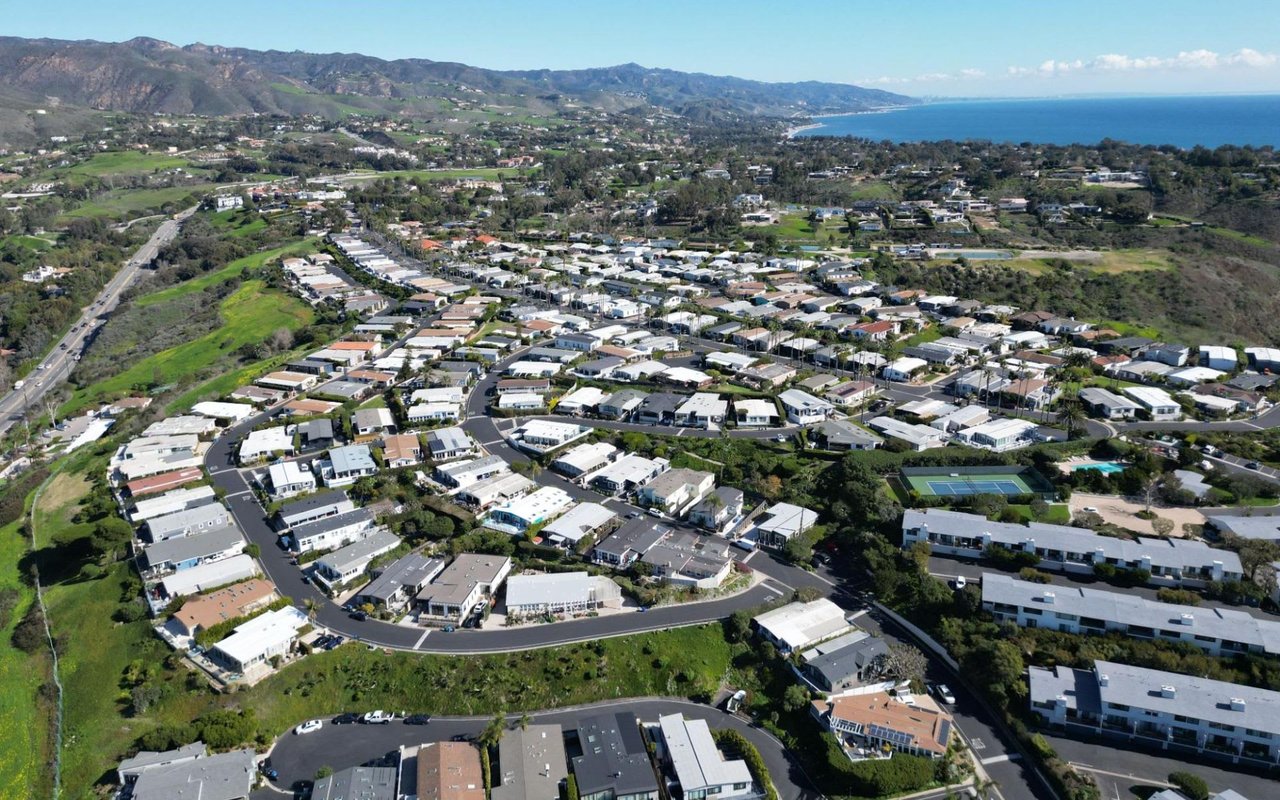
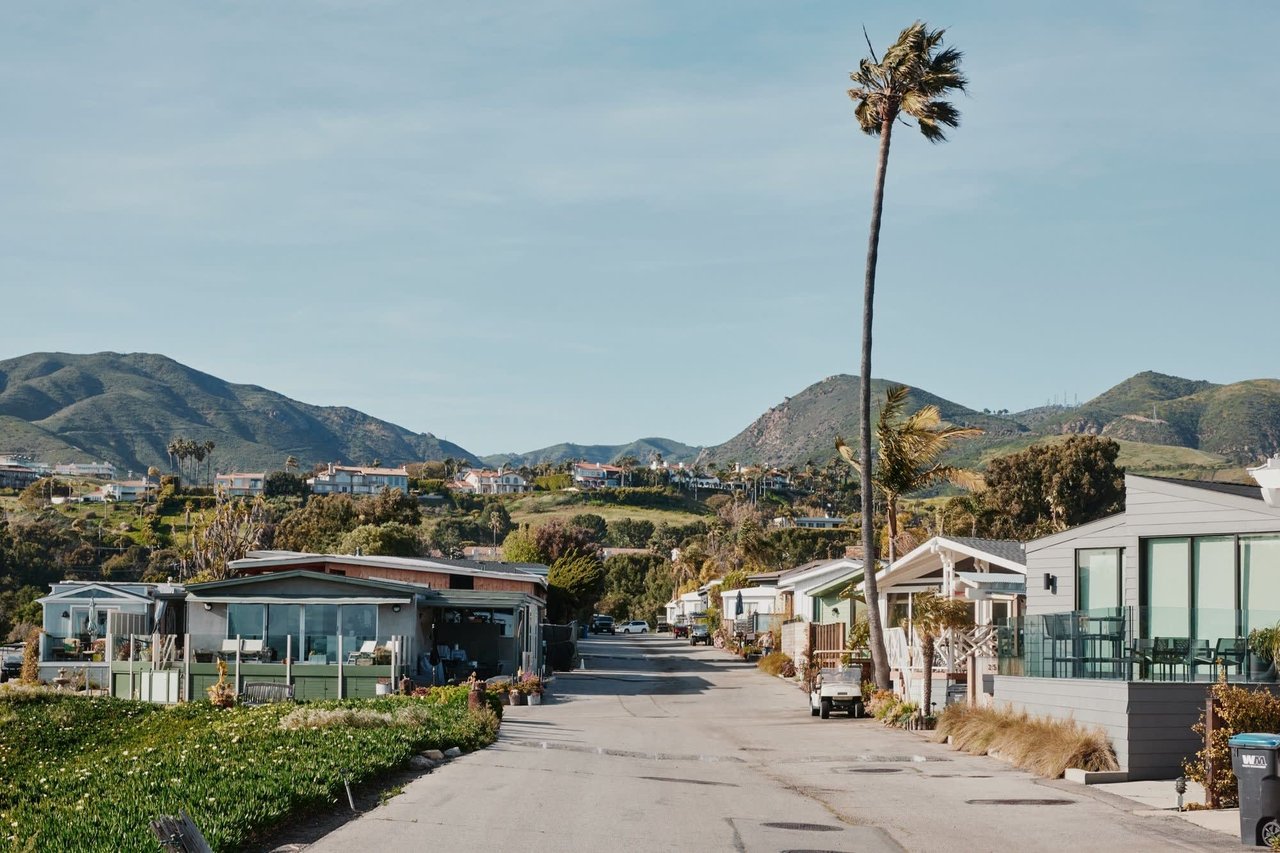
That distinction matters more than it sounds like it should, and it says something worth paying attention to about how fragile the rural half of Malibu Park's identity actually is.
A Package Deal, Not a Liquidation
Toston is explicit that the sale is not about the business struggling. She describes it as booming, says she's been turning people away, and the horses stay busy well beyond trail rides, booked for commercials, photo shoots, proposals, and private events. Her decision to sell comes from wanting a different life. She's moving into organic farming: produce, chickens, goats, a hands-on farm experience for visitors.
What's being sold is the complete operation as one unit: the trained trail horses, the equipment, the permits, the established business. No individual horse is for sale, and no real property changes hands as part of the deal.
"Some friendships deserve to stay together," is how Toston frames it. She wants the herd to move into its next chapter as a group, alongside the business they built.
That's a specific kind of exit. A trail-riding operation isn't a franchise you can restart from a template. It's built on permits, trailhead relationships, and horses who know every bend from years of repetition. Selling it apart would mean selling off the knowledge along with the animals.
What the Buyer Actually Inherits
The horses have names locals will recognize if they've ridden with Malibu Riders even once: Trillion, Maddie, India, Malaysia, Tibet, Aries, and Addis. Thousands of riders, many of them first-timers, have been carried by this particular group of animals across the same hills.
The operation runs one-hour, ninety-minute, and two-hour guided rides for groups of up to eight, primarily through the Zuma Canyon area, with a second base of trails at Paramount Ranch and Malibu Creek in Agoura Hills. Riders who finish a Zuma Canyon ride tend to end up at Malibu Cafe, Gladstones, or Spruzzo Italian. The Agoura Hills side has become associated with Cornell Winery, a stop near the Paramount Ranch trailhead.
None of that is replaceable overnight. A new owner isn't just buying horses. They're buying a functioning relationship with a specific stretch of public land, and the goodwill of a client base that includes people who've been coming back for a decade.
Why the Whole Package Matters in a Place Like Malibu Park
Here's the part that's easy to miss if you don't live near it: keeping a horse operation running in Malibu Park isn't as simple as finding an interested buyer with capital. The city's coastal land use rules draw hard lines around what a horse property can be. Personal-use horses require a minimum lot size, allow only a set number of animals per acre, and require a specific setback from any building used for human habitation. Running a commercial boarding or riding operation requires a much larger parcel than the typical Malibu Park home sits on.
That's the quiet reason a clean handoff matters so much. A buyer who wanted to build something similar from scratch would need to secure acreage that meets those thresholds, which is a narrower search than it sounds like in a neighborhood where large lots are already the exception rather than the rule. Buying the existing business, permits and all, sidesteps that entirely.
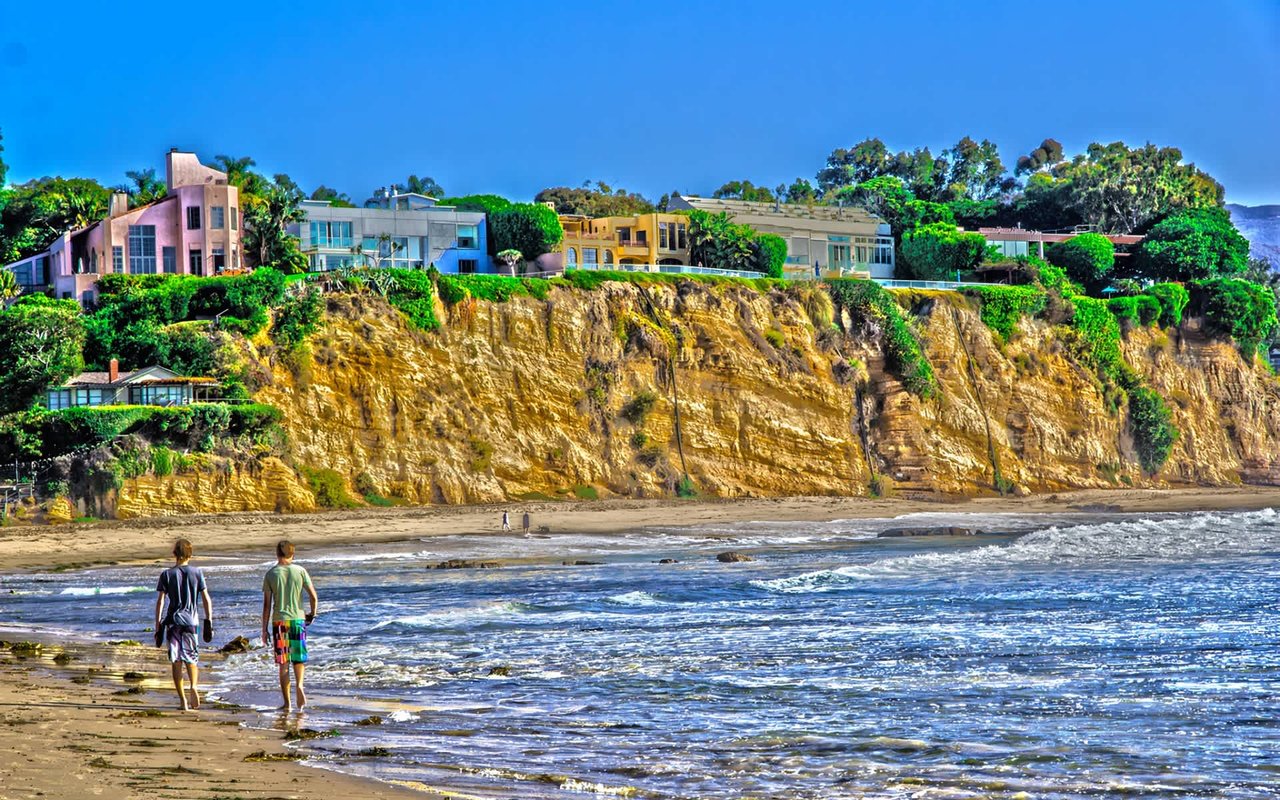
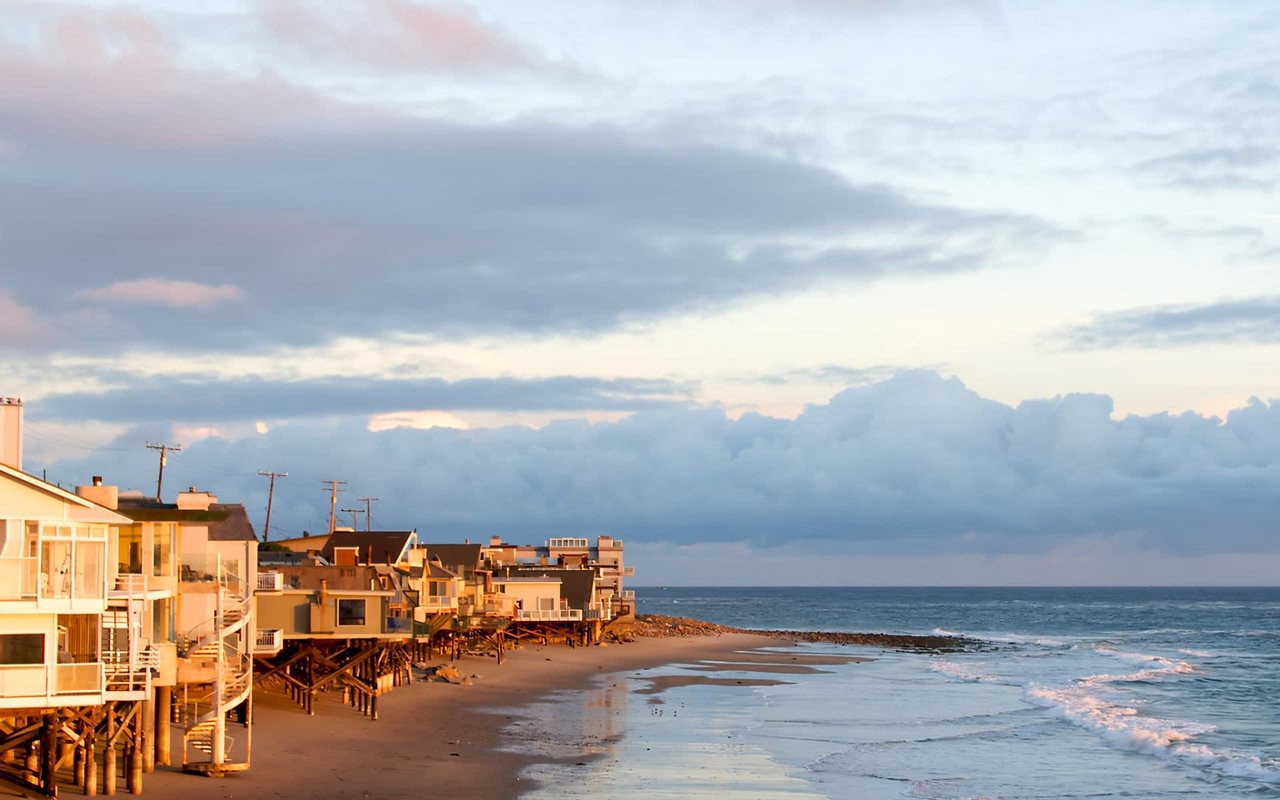
Toston has watched this pressure build over three decades. She grew up nearby, in Malibou Lake, with the mountains around Malibu Creek State Park as her childhood playground, and she's blunt about what's changed since then. Horses used to be a common sight throughout Malibu and the Agoura area. Now, in her words, many equestrian properties have given way to large homes, and the trails once shared by riders look different than they used to.
That's not a complaint about growth. It's an observation about what gets lost quietly, one property line at a time, when the land underneath an informal riding culture keeps getting subdivided into house lots.
The Equestrian Park Isn't Going Anywhere. It Also Isn't the Same Thing.
Malibu Park still has its anchor: the Malibu Equestrian Park, sitting adjacent to Malibu High School with two riding arenas, a picnic area, and restrooms. The city keeps it open to the public for practice and recreational riding whenever it isn't booked for a horse show or lesson, and it isn't going anywhere.
But a public arena and a guided trail operation solve different problems. The equestrian park gives someone with their own horse a place to work. It doesn't teach a first-time rider the route through Zuma Canyon, doesn't hand a visiting family a gentle, well-trained horse for an afternoon, and doesn't carry the institutional memory of which trail conditions change with the season. That's the layer Malibu Riders has quietly provided for thirty years, and it's the layer that's genuinely at risk if the business doesn't find the right buyer.
What to Watch This Season
For anyone who rides, walks, or just pays attention to this corridor, a few practical things are worth knowing regardless of how the sale resolves.
- The Zuma Canyon Trail itself, reached from Busch Drive off Pacific Coast Highway and up Bonsall Drive to the unpaved lot at its end, is a 2.8-mile route with a gentle 300-foot climb, running along a sandy creek bed through open brush before oaks and sycamores take over as the canyon narrows.
- It's shared terrain. Hikers, mountain bikers, trail runners, and equestrians all use the same paths, which means timing and etiquette matter more here than on a dedicated trail.
- For riders looking farther afield, the National Park Service identifies the Backbone Trail, all 67 miles of it, as open to equestrian use, with Zuma and Trancas Canyons and Solstice Canyon among the recommended riding areas. Solstice Canyon's trailhead can only handle two horse trailers at a time, which is why weekday riding is the practical move there.
None of that changes because of who ends up owning Malibu Riders. But it's the terrain the next owner will need to know as well as Toston does, and it's a reminder of how much local knowledge sits underneath what looks, from the outside, like a simple guided trail ride.
The Real Question Behind the Sale
Whoever takes over Malibu Riders inherits more than seven horses and a set of permits. They inherit the job of keeping a genuinely rural thread alive in a neighborhood where the acreage that supports it keeps shrinking one large home at a time. Toston built something that outlasted the land use pressure around it for thirty years by staying small, staying personal, and staying put. Whether that continues past this handoff is the actual story here, more than the sale itself.
If you're watching how Malibu Park's character holds up against the pressures reshaping the rest of the coast, from lot sizes to what a parcel can realistically support, that's exactly the kind of local detail the Brian Merrick Team tracks day to day. Reach out anytime you want a conversation about what's actually happening on the ground here, no obligation attached.