
"We're in California, where property rights go to die."
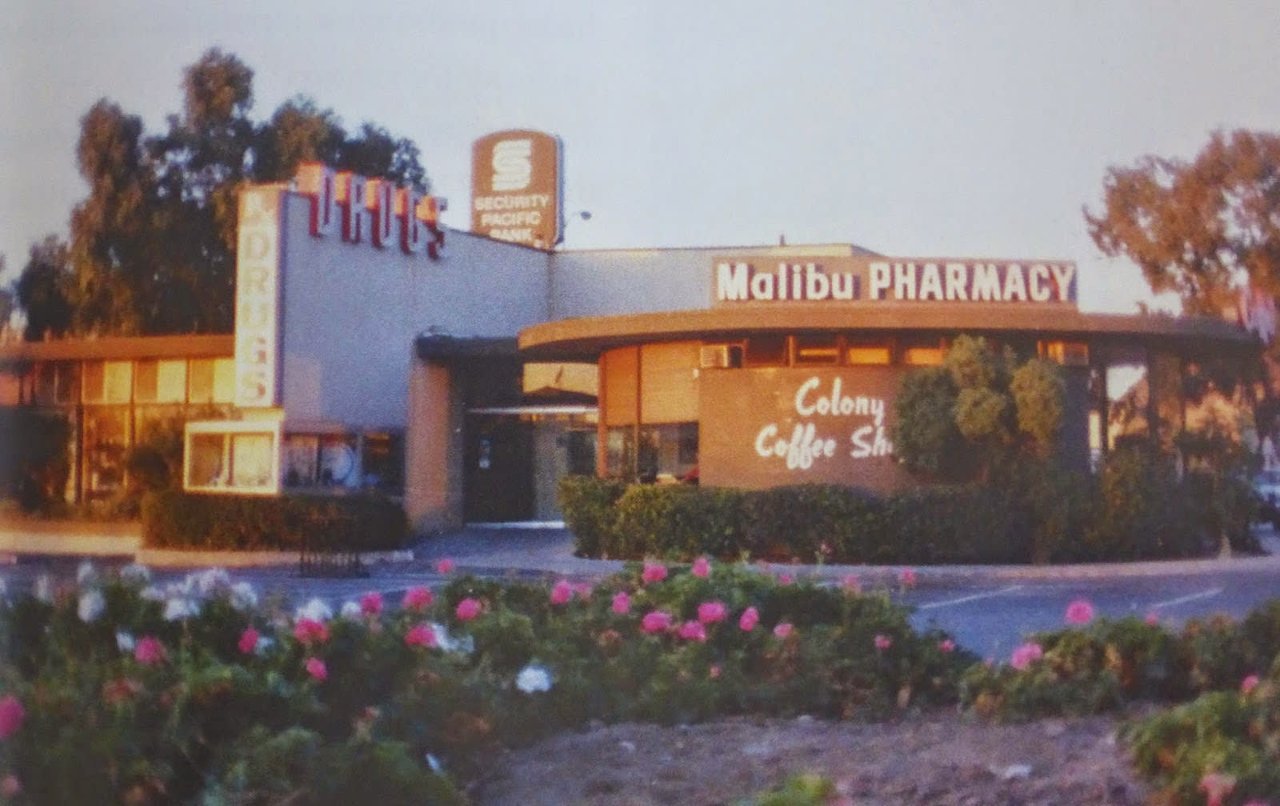
Steve Dahlberg said that to a Wall Street Journal reporter, and he wasn't talking about taxes or zoning boards. Dahlberg's family, the Kissels, has owned Paradise Cove Mobile Home Park through the Paradise Cove Land Company since the 1960s, and he was talking about the rent control rules that govern the land beneath some of the most expensive mobile homes in the country. Buyers pay millions for the structure sitting on that land. The land itself is a separate transaction entirely, and that separation is where most comparison shoppers get the math backward.
The Home Price and the Monthly Bill Are Two Different Negotiations
In both Point Dume Club and Paradise Cove, you buy the structure. You never buy the dirt underneath it. The land stays with the park, and every month you pay what's called space rent for the right to sit on it. That part is well understood by anyone who has looked at either park. What surprises buyers is how that monthly figure actually gets set. It has almost nothing to do with what you paid for the home. It has everything to do with how many times that specific parcel has changed hands before you.
Each sale resets the base rent upward by a set percentage, a mechanism that compounds across decades of resales. A parcel two owners removed from its original 1960s resident carries a very different rent than a lot that has traded five or six times since. Rent control caps how fast that number can climb year over year once you're the owner. It does nothing to stop the reset that happens the moment a sale closes.
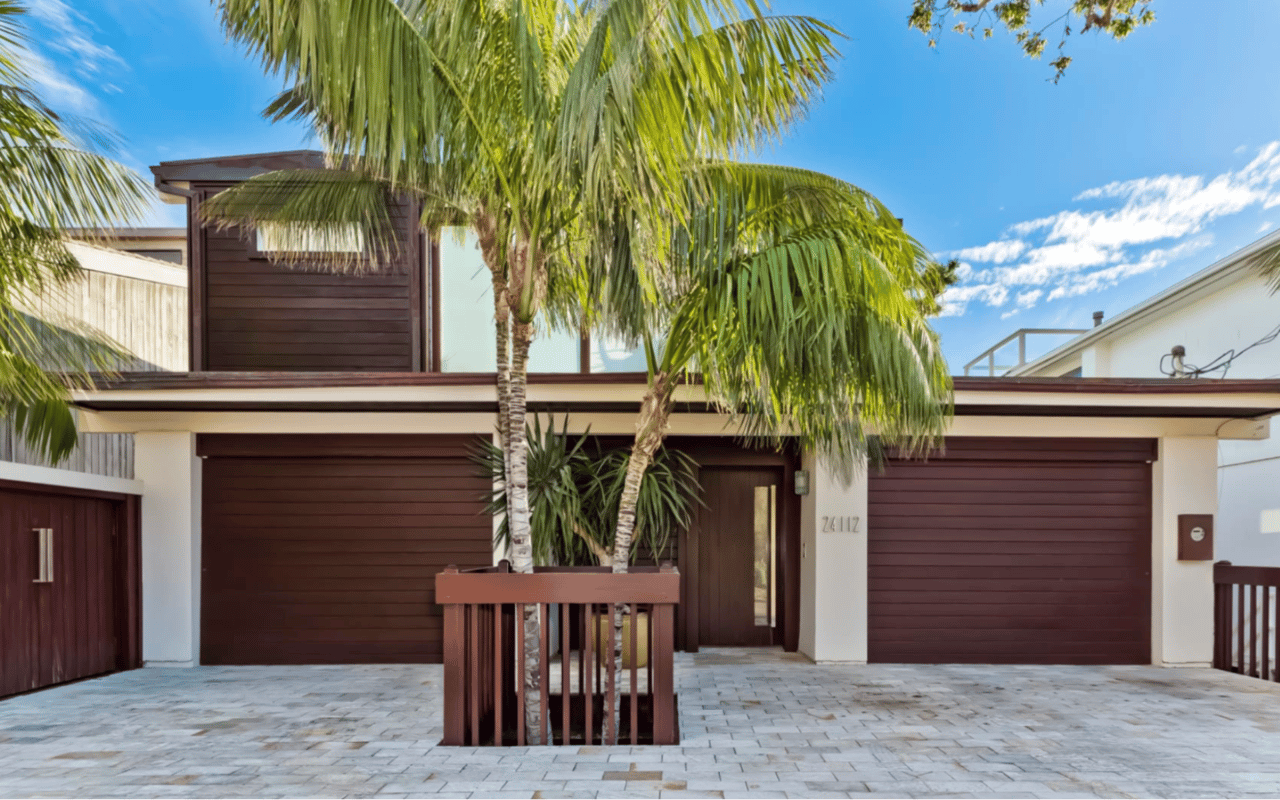
The practical result: a $1.2 million home on a rarely resold parcel can carry a lower monthly rent than a $900,000 home on a lot that has turned over a dozen times. The list price tells you what you'll write a check for at closing. It tells you almost nothing about what you'll write a check for every month afterward.
One recent Paradise Cove listing made this explicit, marketing its $1,730 monthly space rent as one of the lowest in the park and pointing out that a buyer would save between $10,000 and $30,000 a year compared to otherwise similar homes with heavier rent histories. That is not a rounding error. That is the difference between a car payment and no car payment, every year, indefinitely, for what looks like the same home in photos.
What Space Rent Actually Covers
Space rent in both parks folds several costs into one monthly payment:
- The land lease itself
- Round-the-clock gated security
- Road and common area maintenance
- Access to the clubhouse, pool, and courts
- Direct beach access
Owners don't pay a separate HOA fee on top of it, and they don't pay property tax the way a traditional Malibu homeowner does. Wall Street Journal reporting on Paradise Cove put rents there running from around $1,500 a month to more than $4,000, depending on the parcel's sale history. We covered that reporting in more detail in our earlier look inside America's most expensive trailer park. Point Dume Club's range tends to run somewhat lower in most conversations we have with buyers, generally landing between $1,000 and $3,000 a month, though the same turnover math applies there as well.
Two Parks, Two Different Bets
| Point Dume Club | Paradise Cove | |
|---|---|---|
| Developed | 1970 | Early 1960s, expanded a decade later |
| Scale | Single gated community | 276 homes across an Upper Bowl and Lower Bowl |
| Ownership | Private park ownership, 24-hour gated security | Kissel family through the Paradise Cove Land Company |
| Signature amenities | Pool, sauna, tennis, basketball, clubhouse, dog run | Clubhouse, tennis, basketball, playground, private pier |
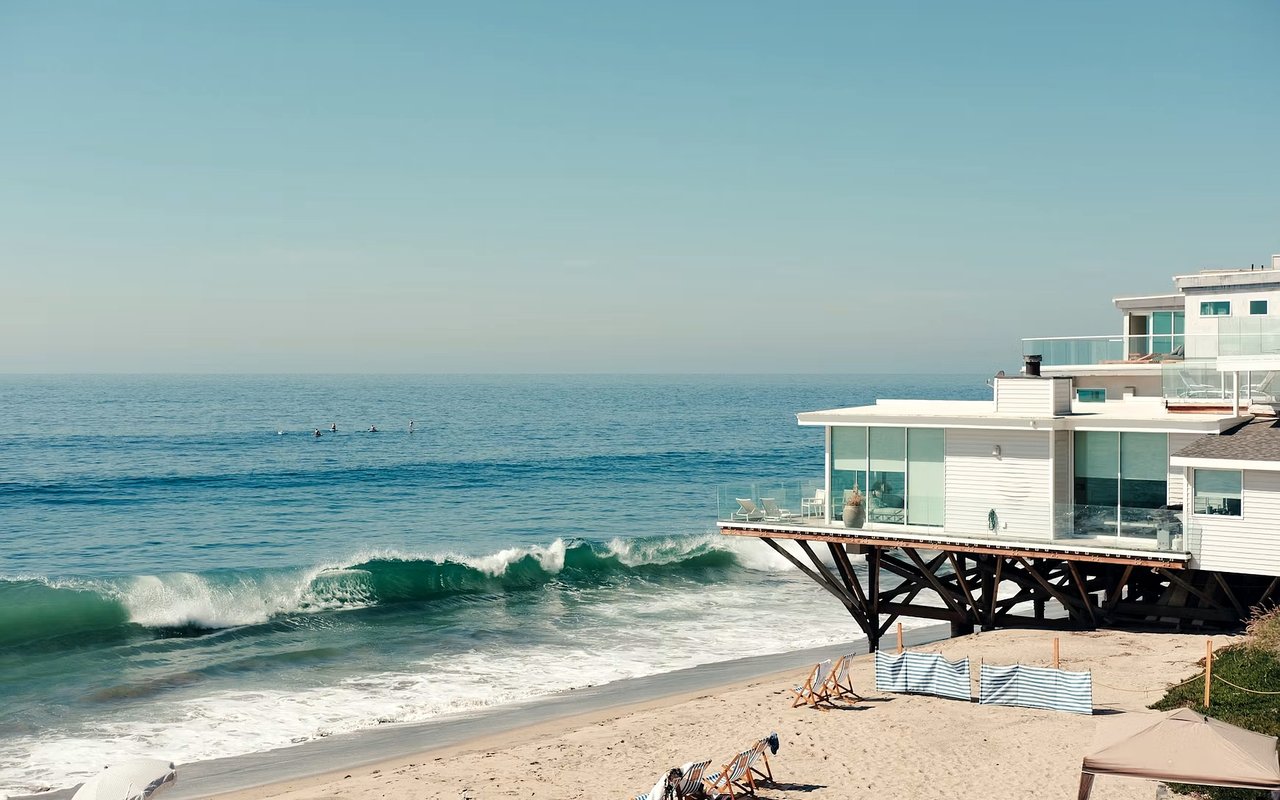
| Beach access | Walk or golf cart to Westward Beach | Direct access via Paradise Cove Pier |
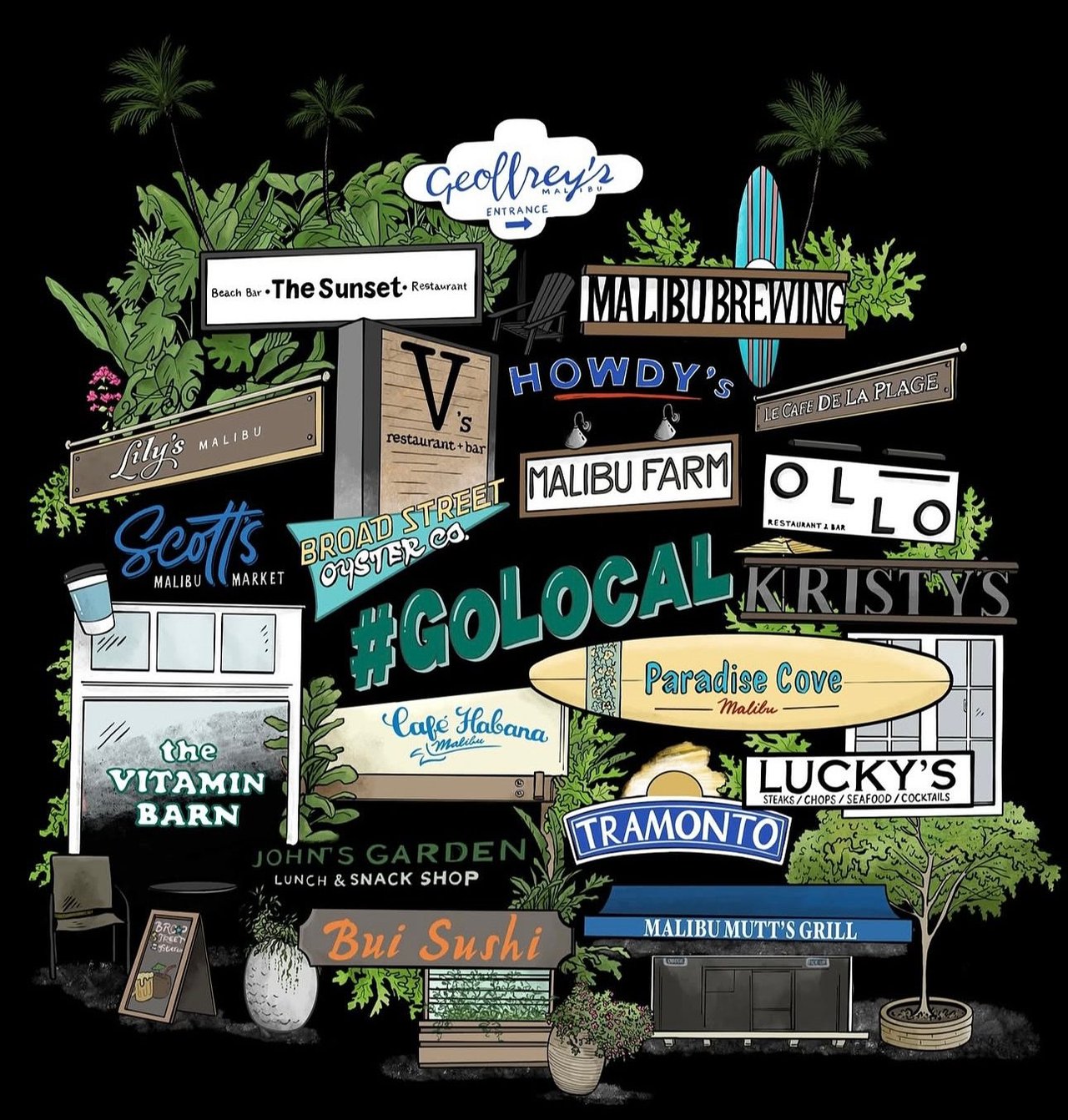
| Nearby walkable shops | Point Dume Village: Sunlife Organics, Le Cafe de la Plage, Lily's Cafe, Pavilions | Paradise Cove Beach Cafe on site |
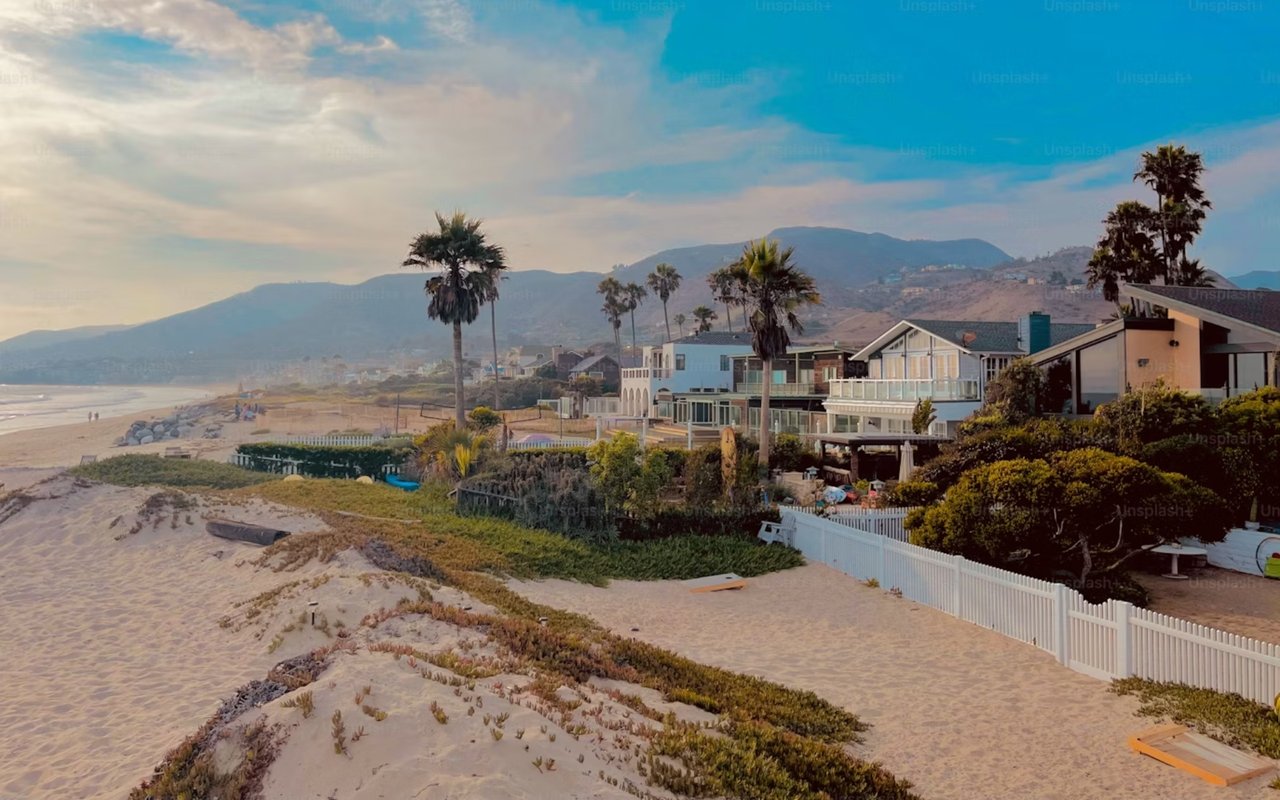
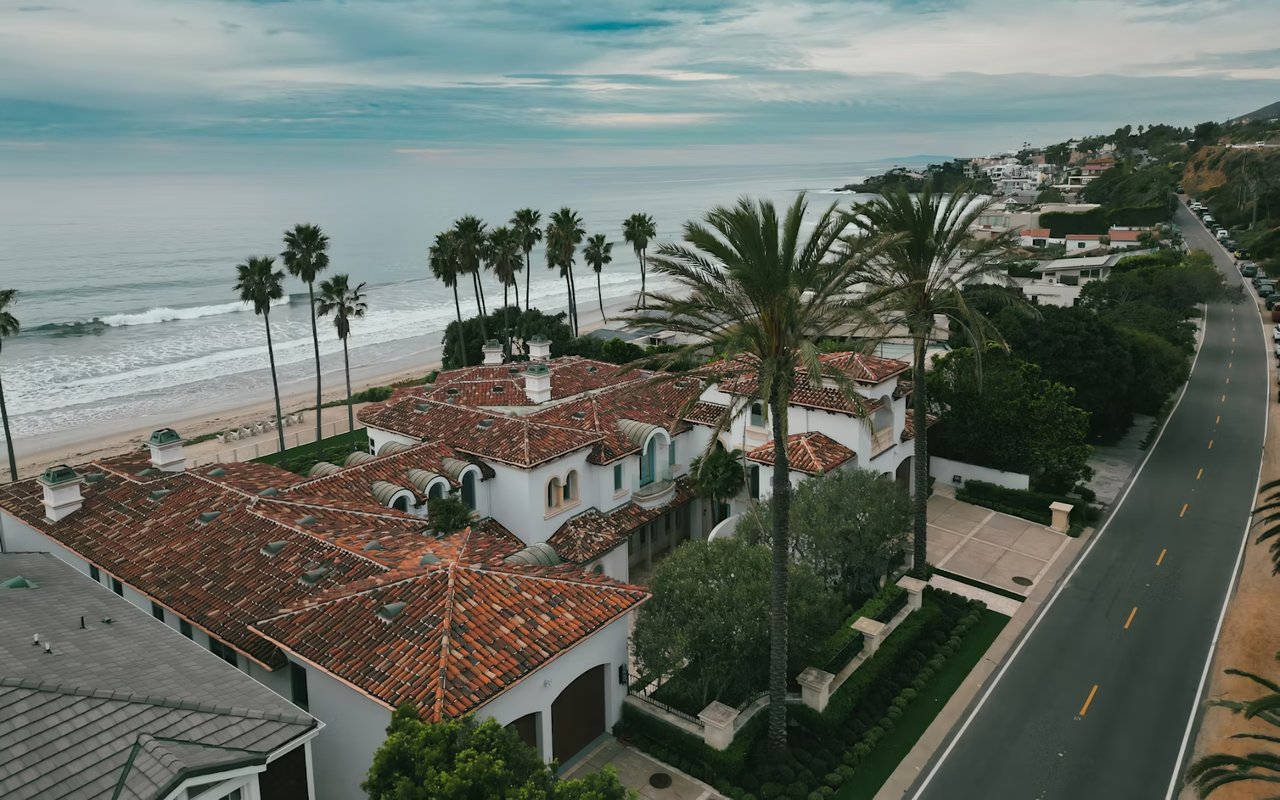
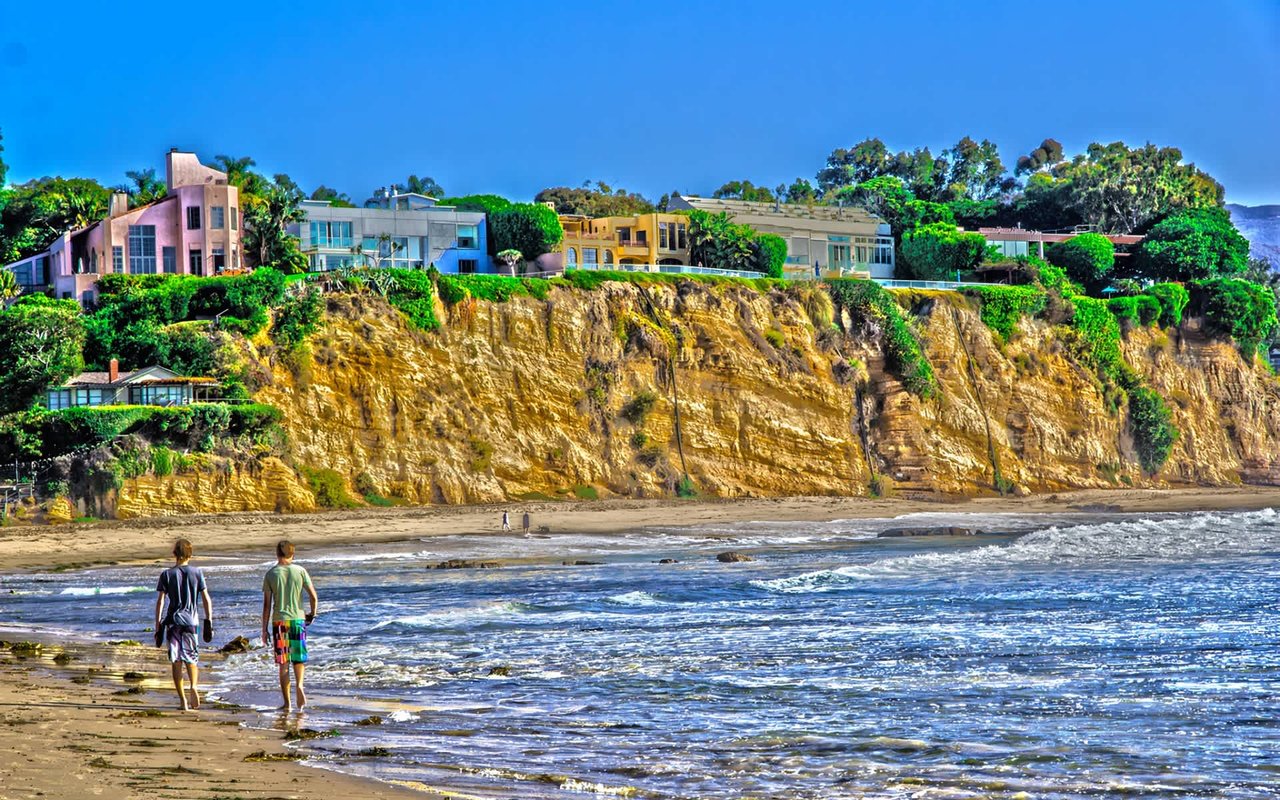
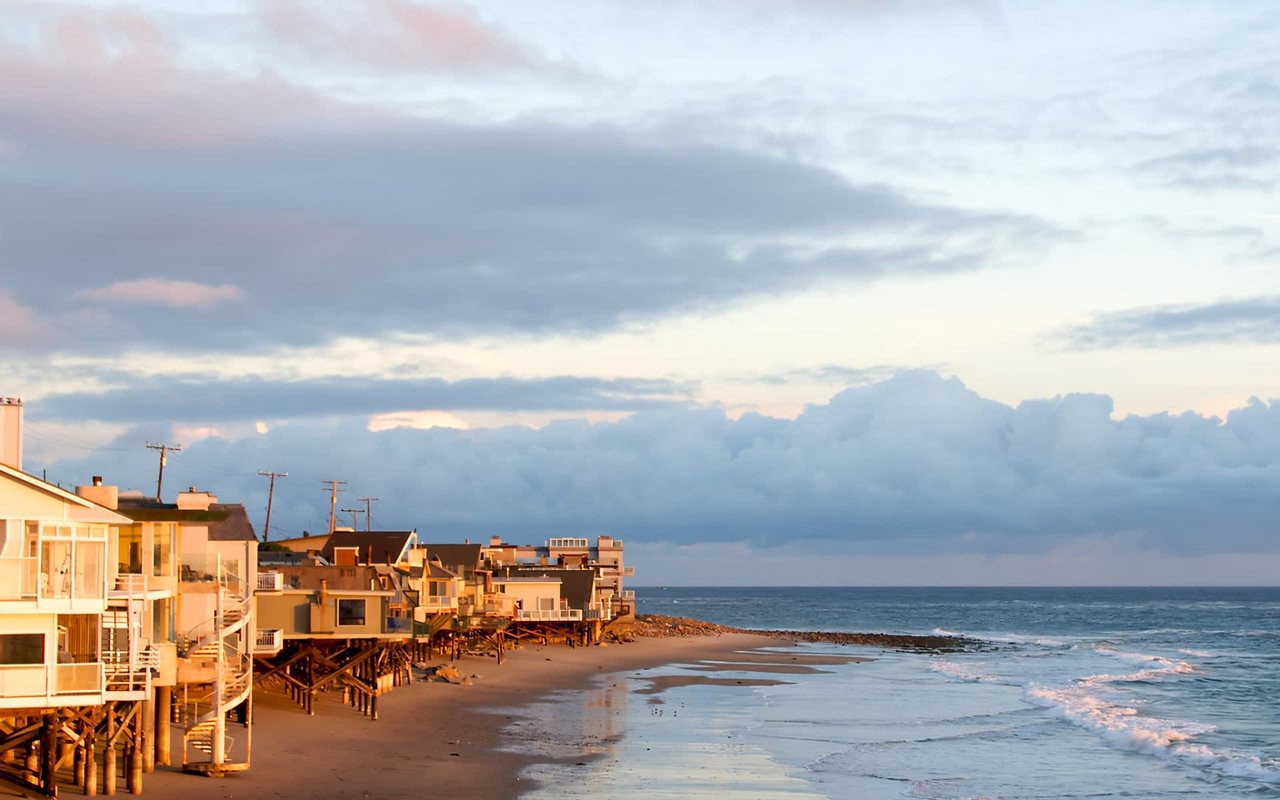
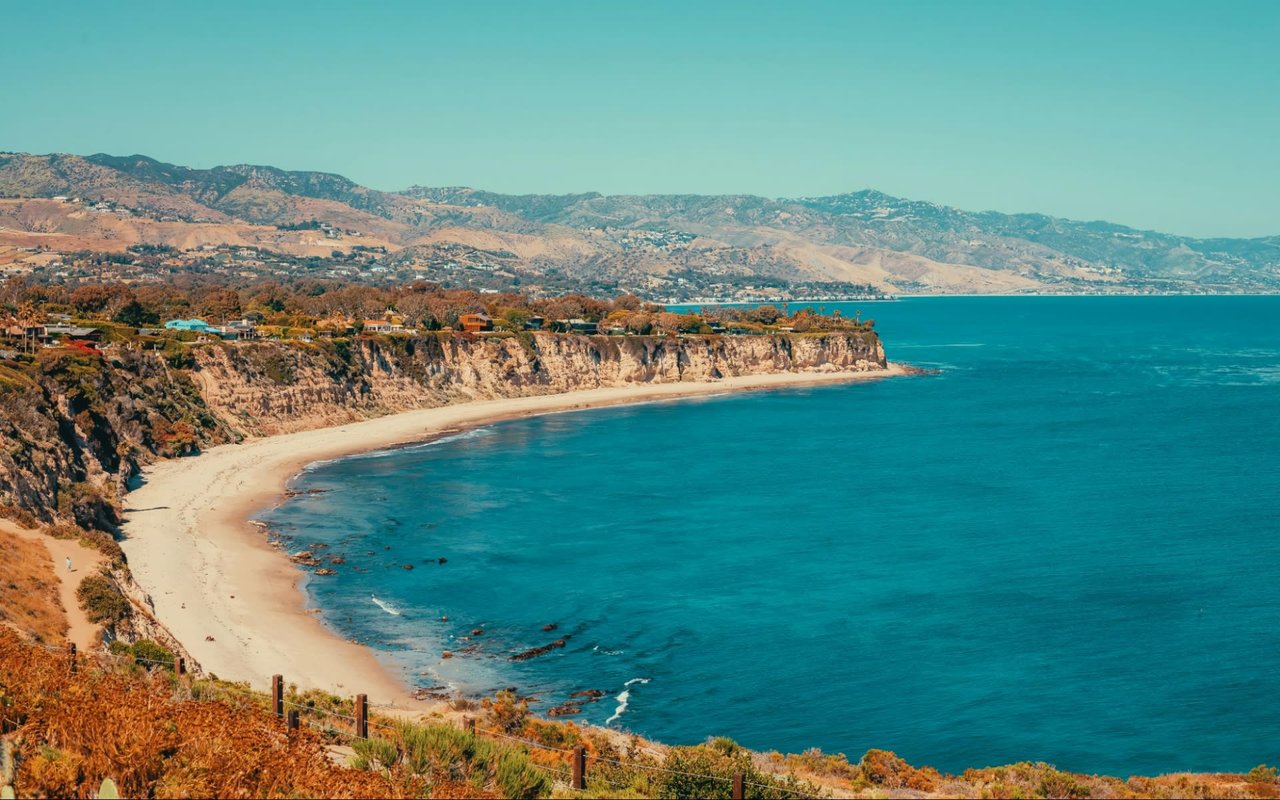
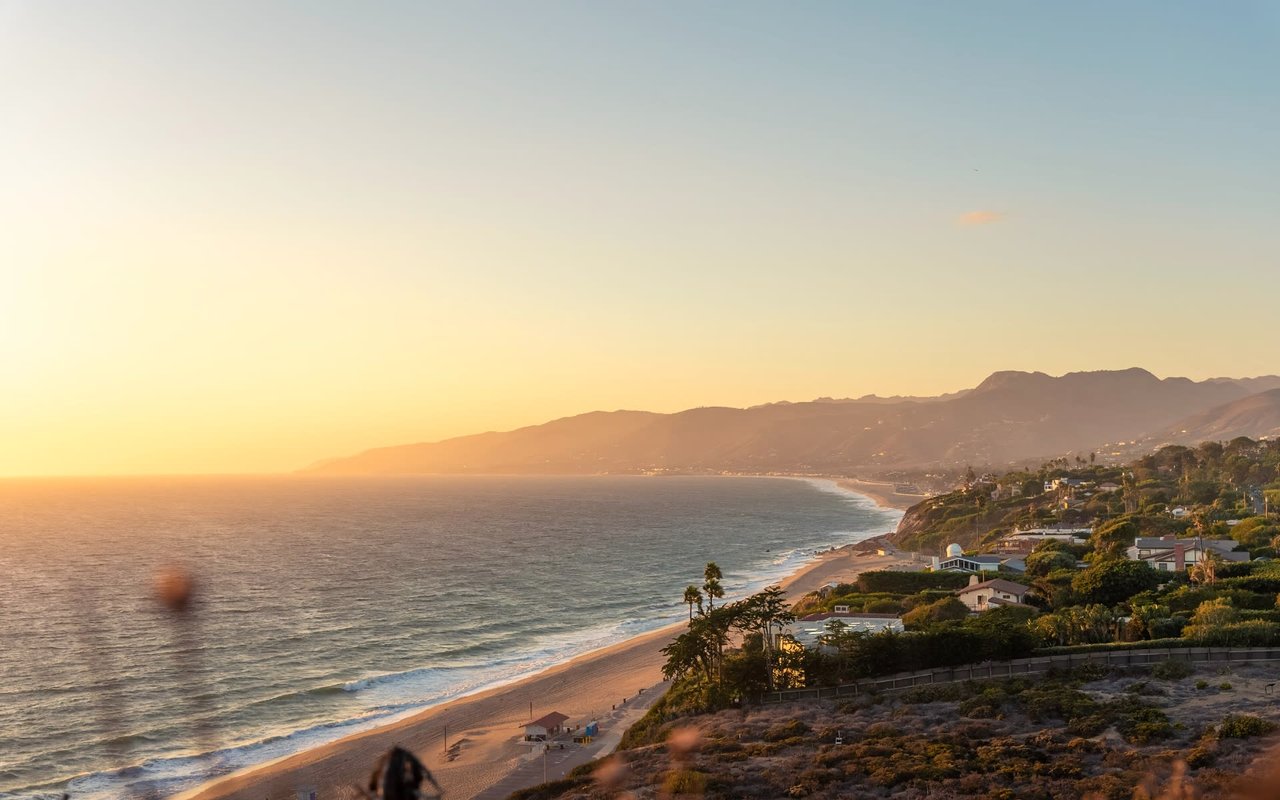
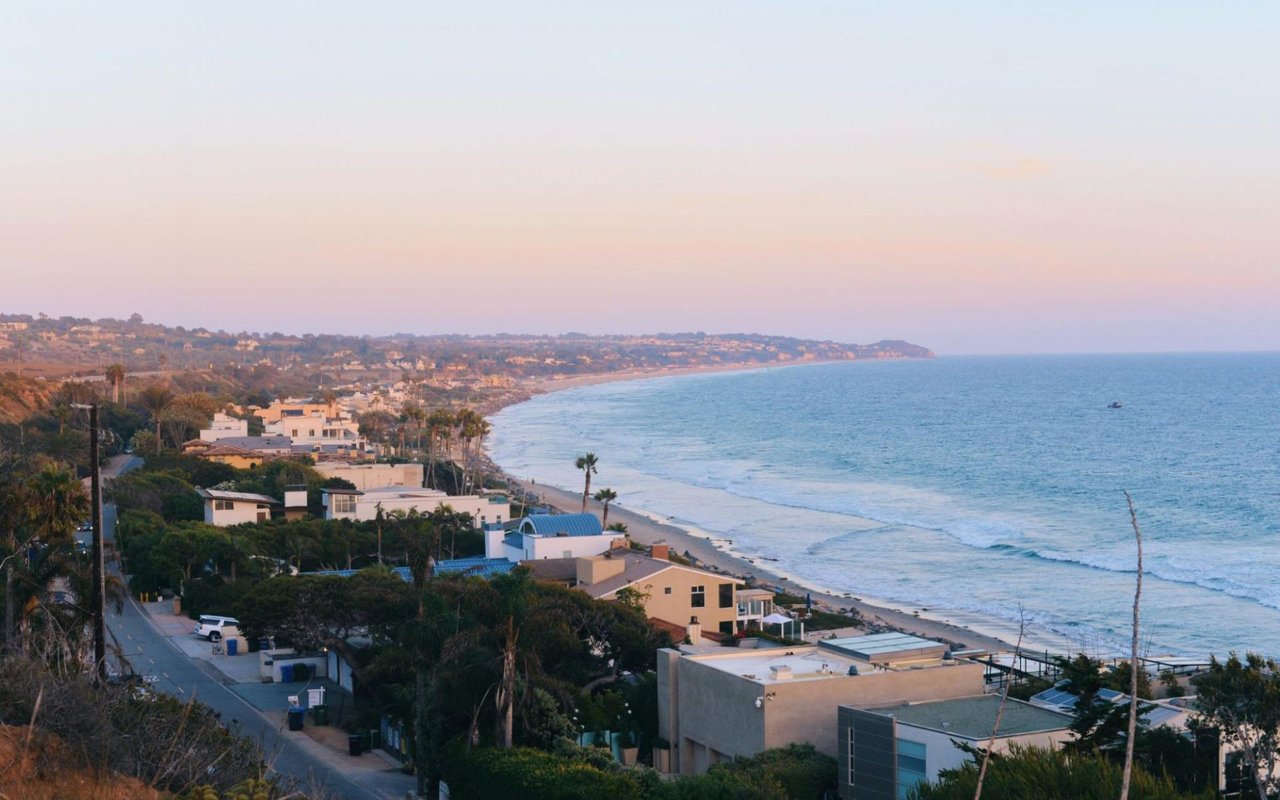
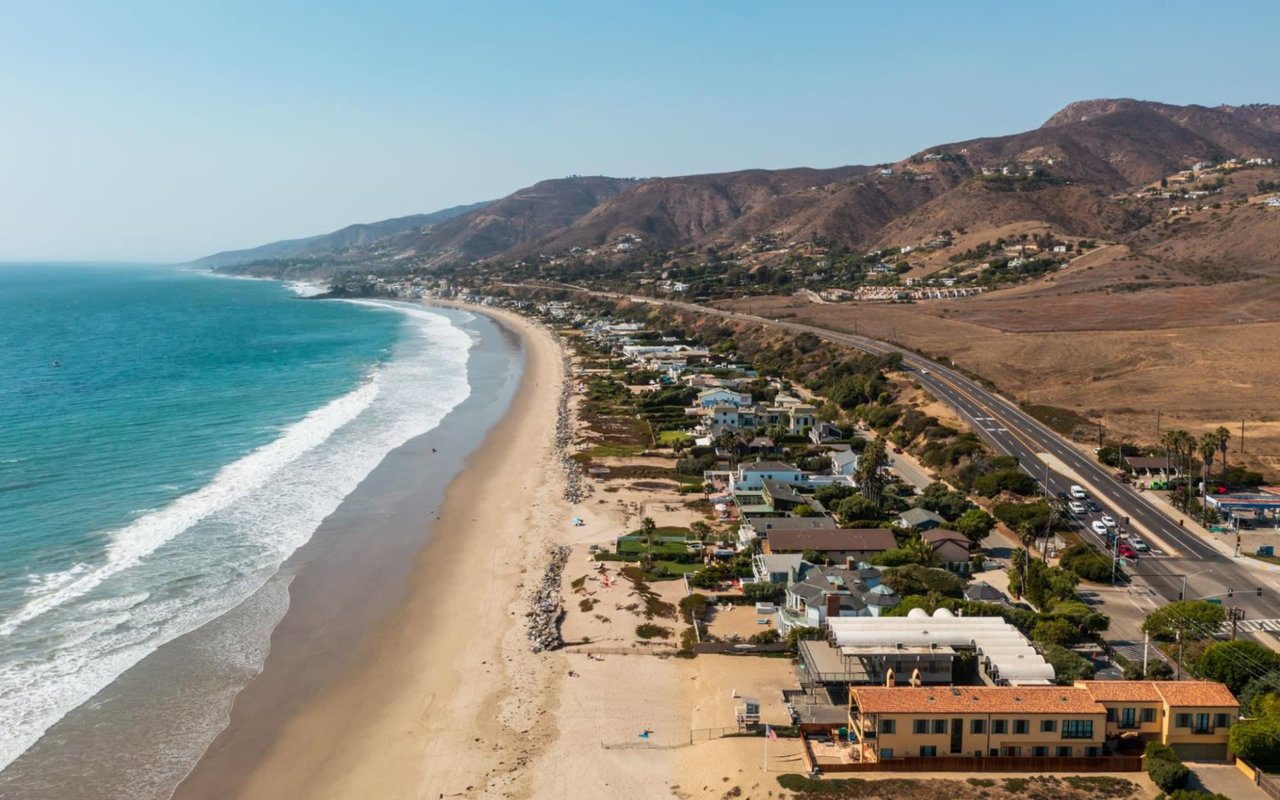
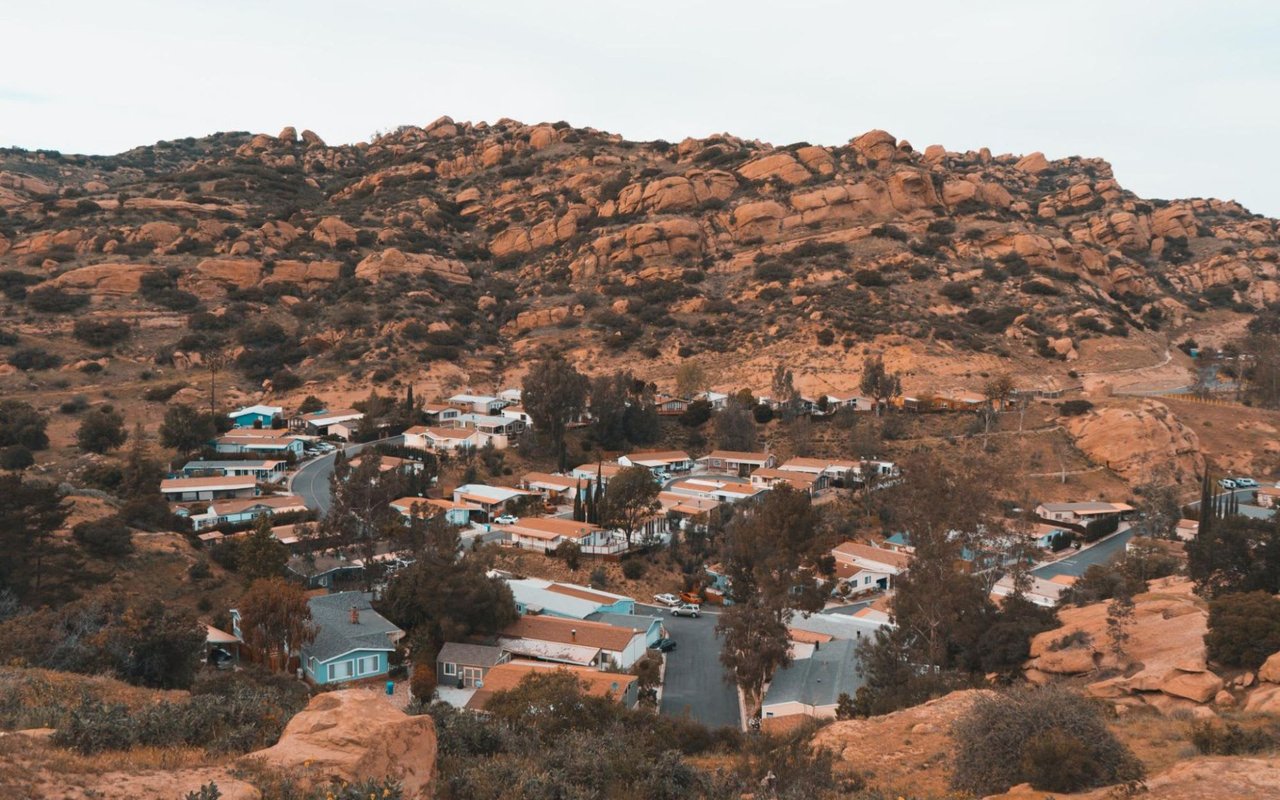
Point Dume Club leans toward a tighter, more contained feel: full-time gating, a clubhouse, and a short walk or golf cart ride to Point Dume Village. Paradise Cove trades some of that polish for scale and history. Its 276 homes span an Upper Bowl overlooking the bluffs and a Lower Bowl closer to the sand, on a site with long-standing significance as the location of the Chumash village of Sumo, documented as one of the largest such sites in Los Angeles County.
The Trade-Off Buyers Don't See Coming
Ryan Addison, a lifeguard captain, bought his Paradise Cove home with his wife Darlene in 2009, right after the market crashed. He's watched values around him climb for more than fifteen years and calls the wave of newer, wealthier buyers a double-edged sword. The homes get nicer. The rent histories on those same parcels often climb too, because a nicer home usually means a recent sale, and a recent sale usually means a recent rent reset.
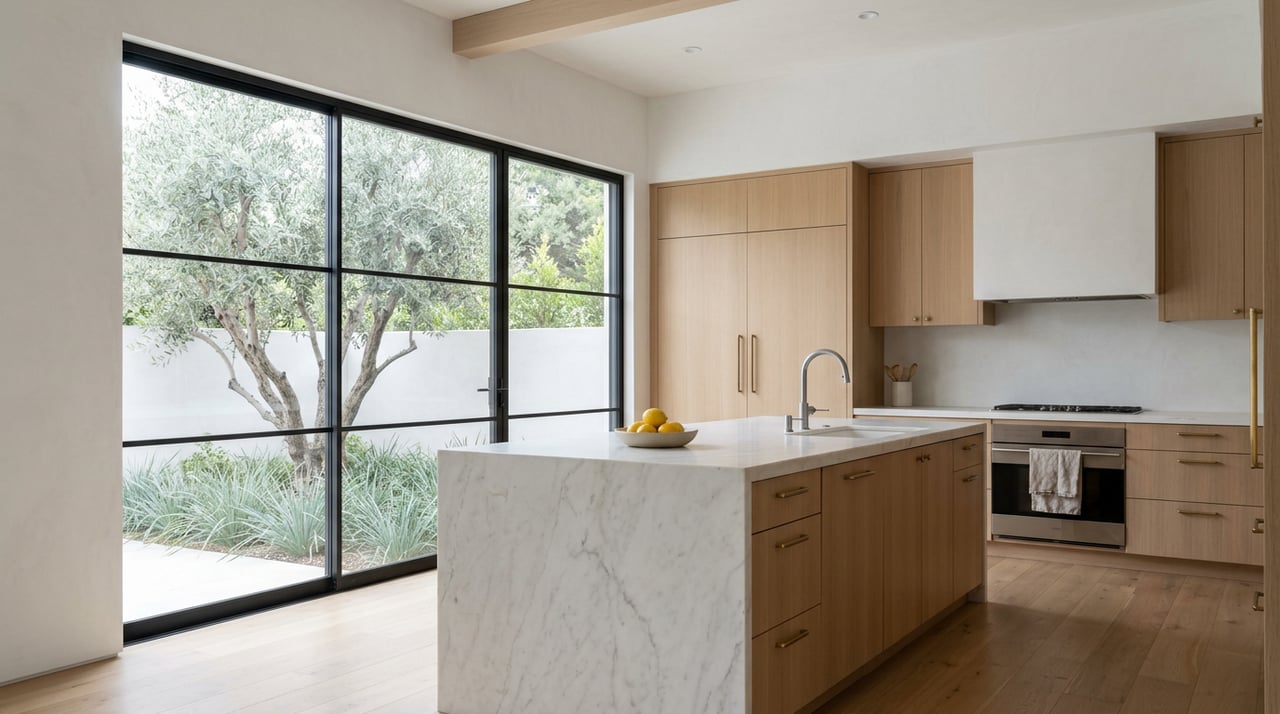
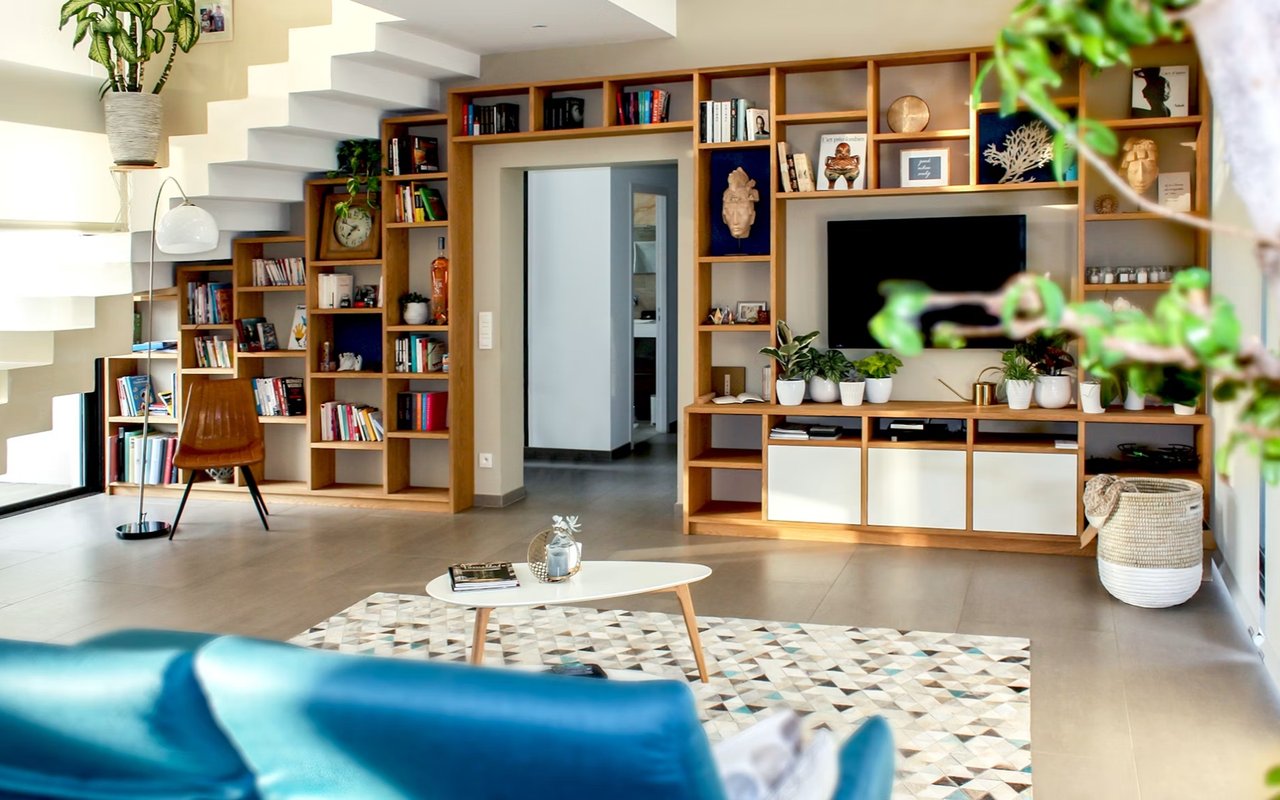
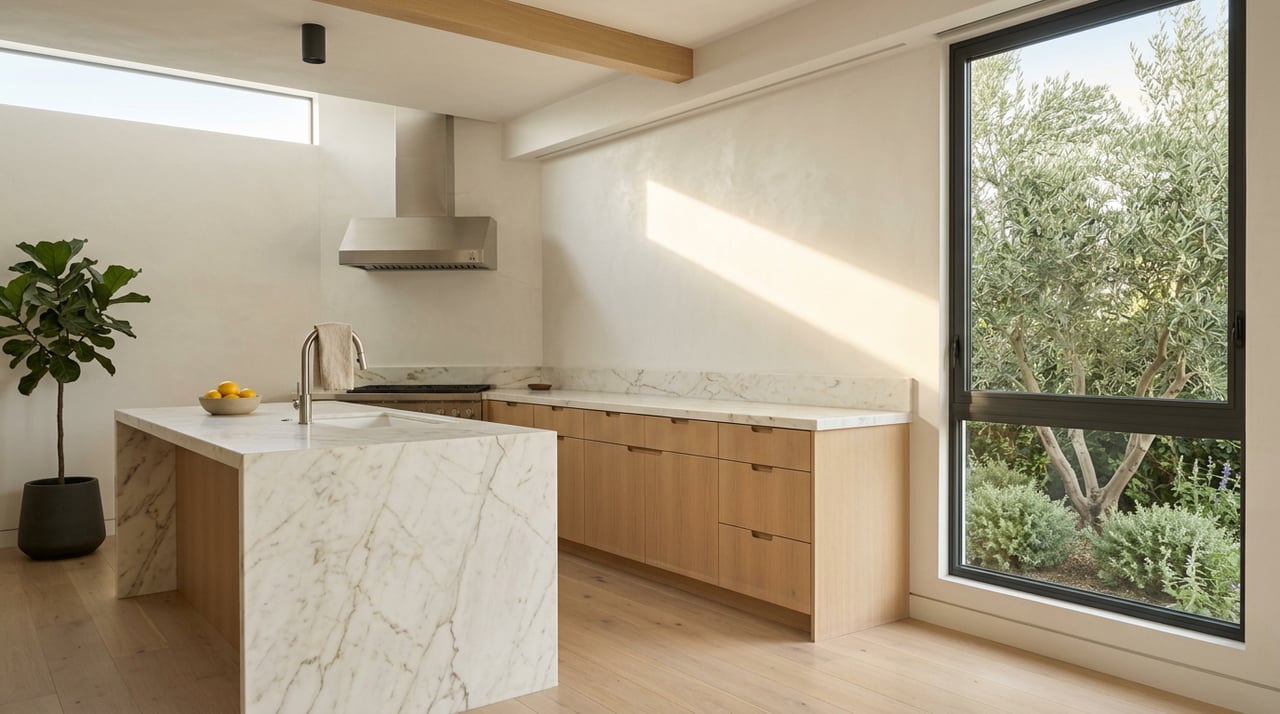
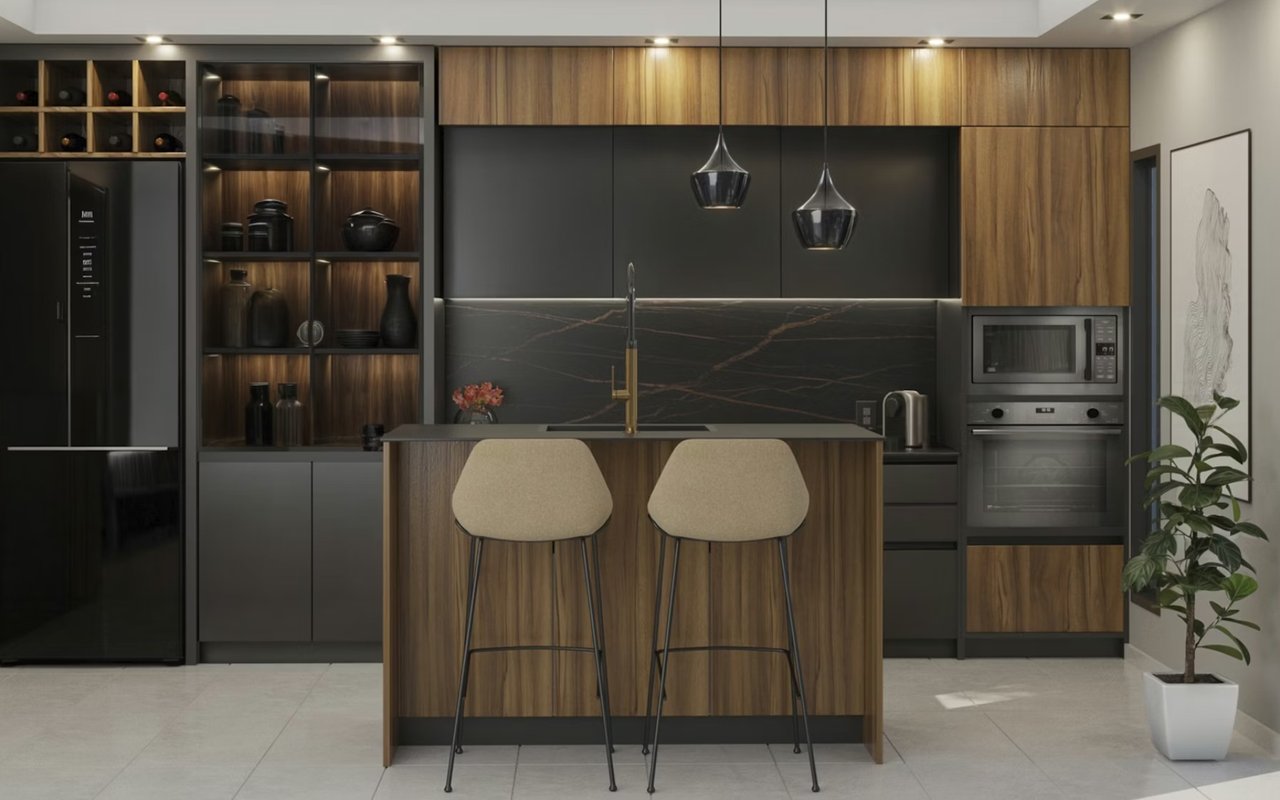
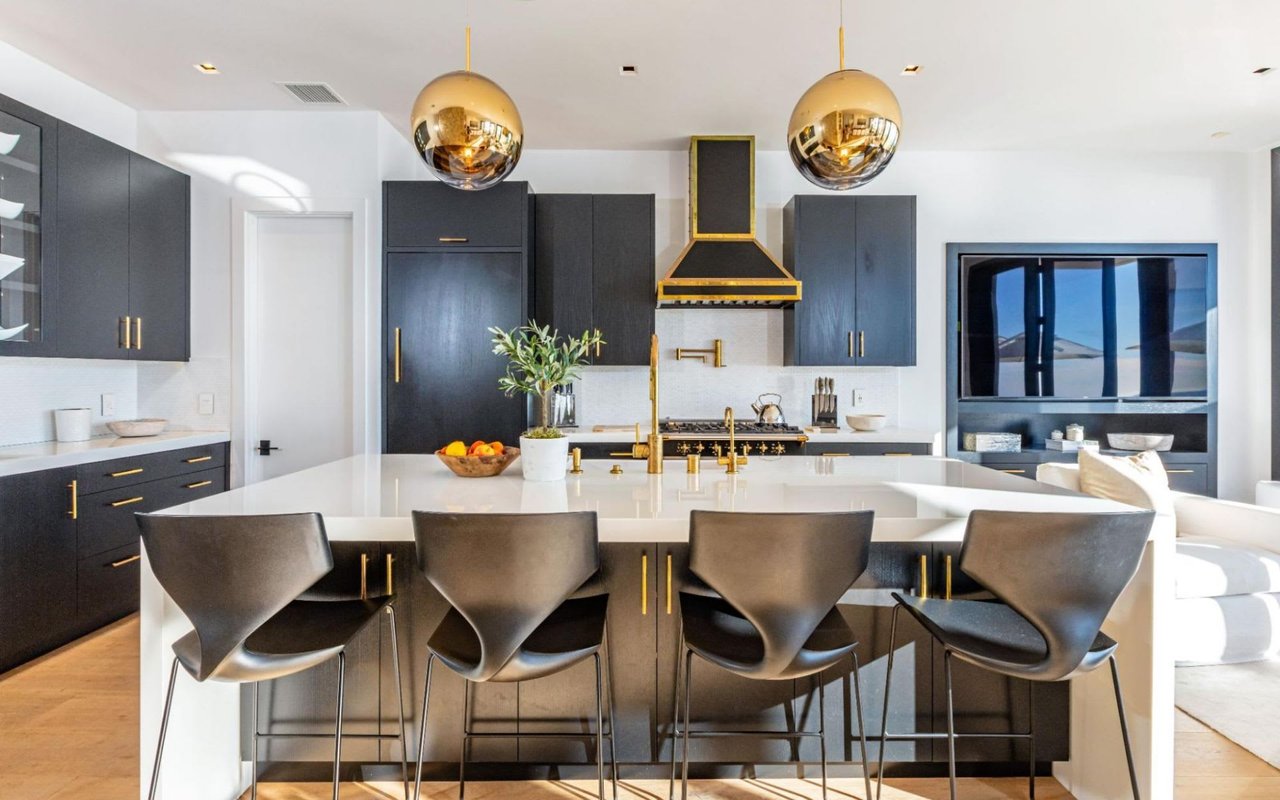
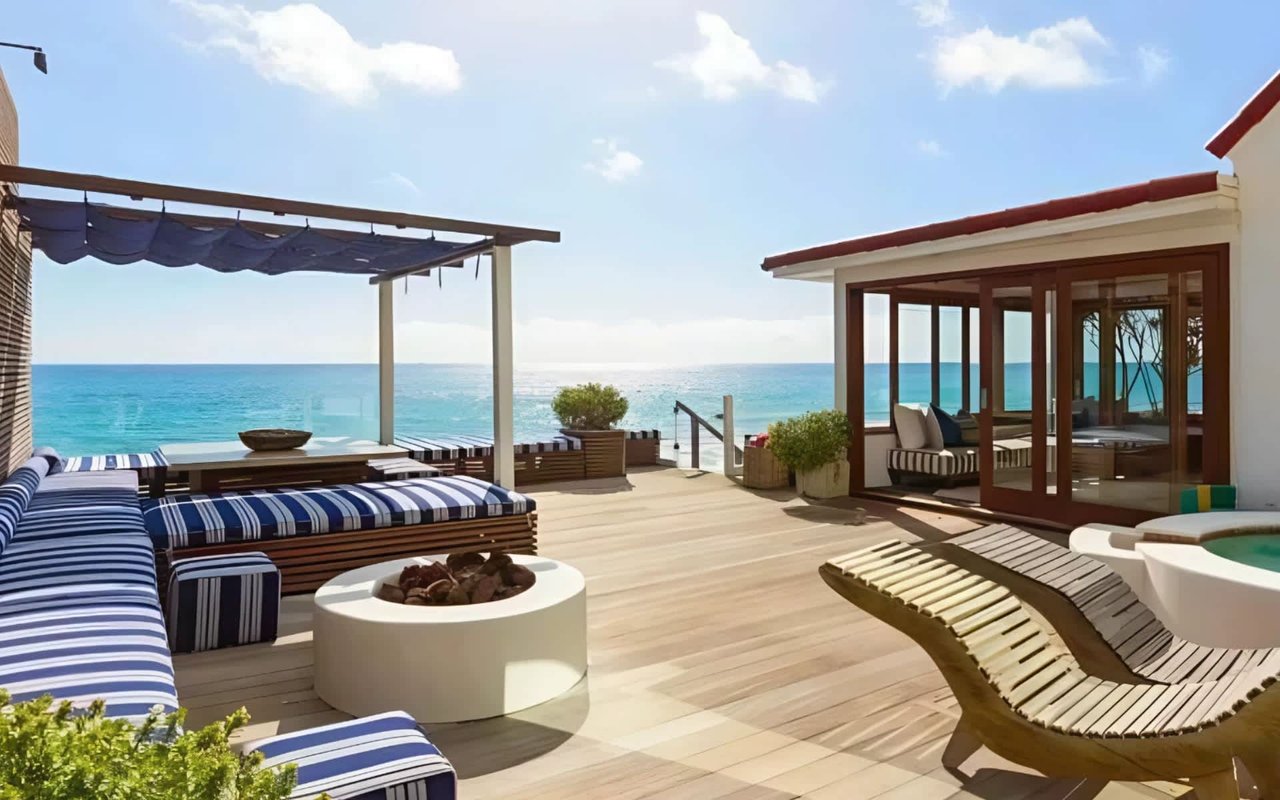
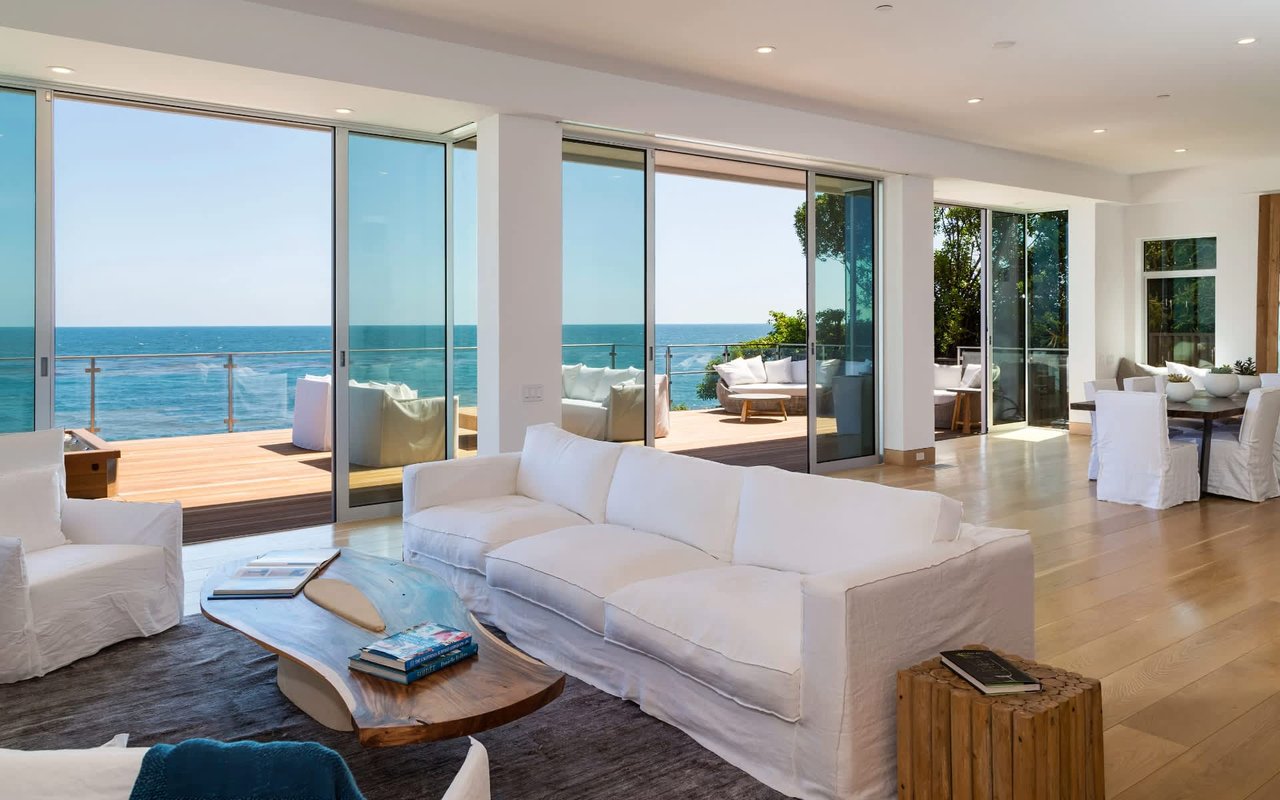
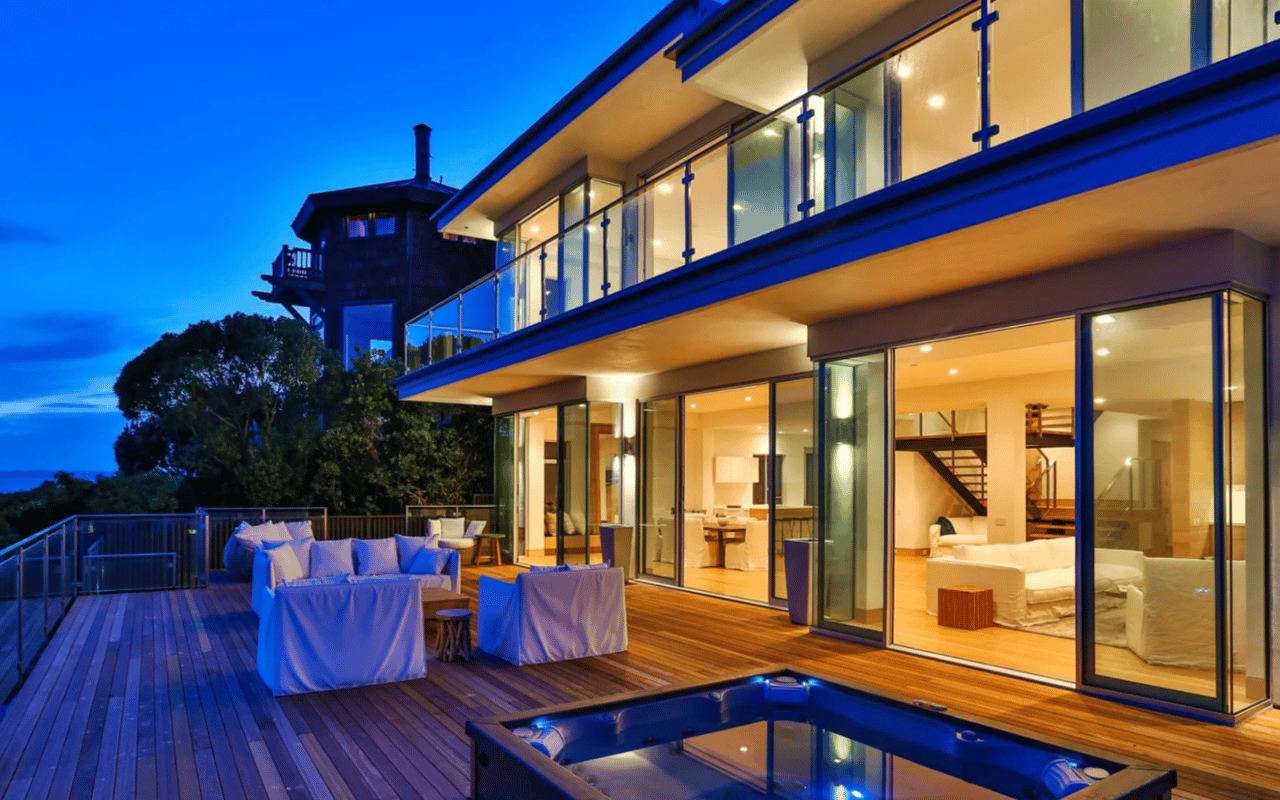
That's the part worth sitting with before falling for the prettiest kitchen in either park. A recently renovated home is often a recently sold one, and under the resale formula that means it's also recently repriced on rent. The original owned by one family since the 1970s or 1980s might photograph as dated and still carry the lighter monthly number. Buyers chasing move-in ready finishes are frequently paying twice: once at closing, and again every month for the privilege of being the newest name on a well-worn deed.
Questions to Ask Before You Write an Offer
- How many times has this specific parcel sold, and what is the current space rent tied to it?
- Has the space rent been adjusted since the most recent sale, and when does the next annual adjustment take effect?
- What does the rent cover beyond the land, and are there separate charges for water, trash, or common area assessments?
- Is the home financeable through a lender that works with manufactured homes, or does the purchase require cash?
- What does the park's approval process involve once you're in escrow?
Getting straight answers to these before you write an offer tells you more about your real cost of ownership than any photo of a renovated kitchen ever will.
FAQ
Do I pay property tax on a mobile home in these parks? No. Because you don't own the land, you avoid the property tax bill that comes with traditional Malibu real estate. Space rent functions as the closest equivalent monthly cost.
Can space rent increase without a sale? Yes, within limits. Rent control governs the pace of annual increases for existing owners. The larger jump tends to happen at the point of sale, when the base resets.
How does the day-to-day feel differ between the two parks? Point Dume Club offers a tighter, more contained layout with full-time gating and clubhouse programming close by. Paradise Cove spans more ground across its two bowls, with direct beach and pier access built into daily life. Neither layout suits one household type more than another. The better fit comes down to personal preference for scale and pace.
If you're weighing a move into either community, the sale history behind a specific parcel tells you more than the square footage on the flyer. The Brian Merrick Team has spent years inside Malibu's mobile home parks and can pull the rent history on a specific space before you write an offer. Work With Brian.