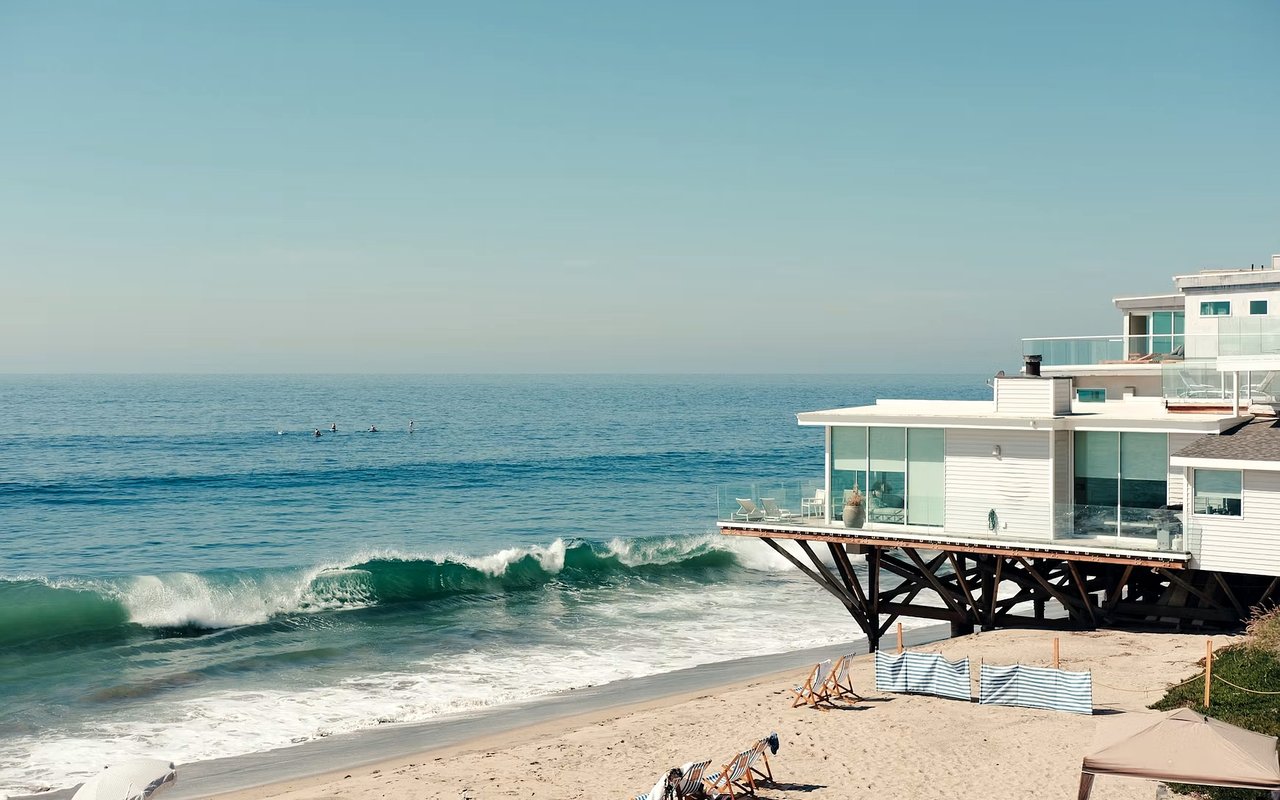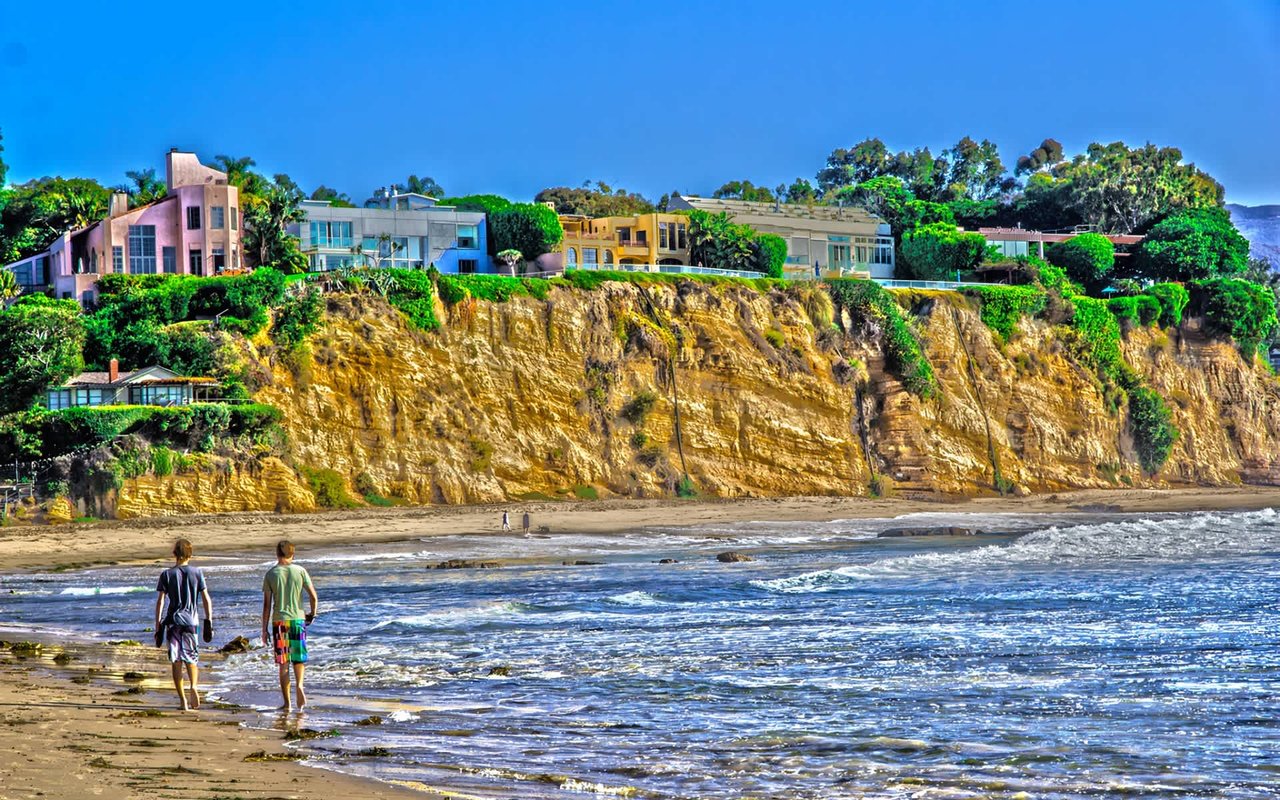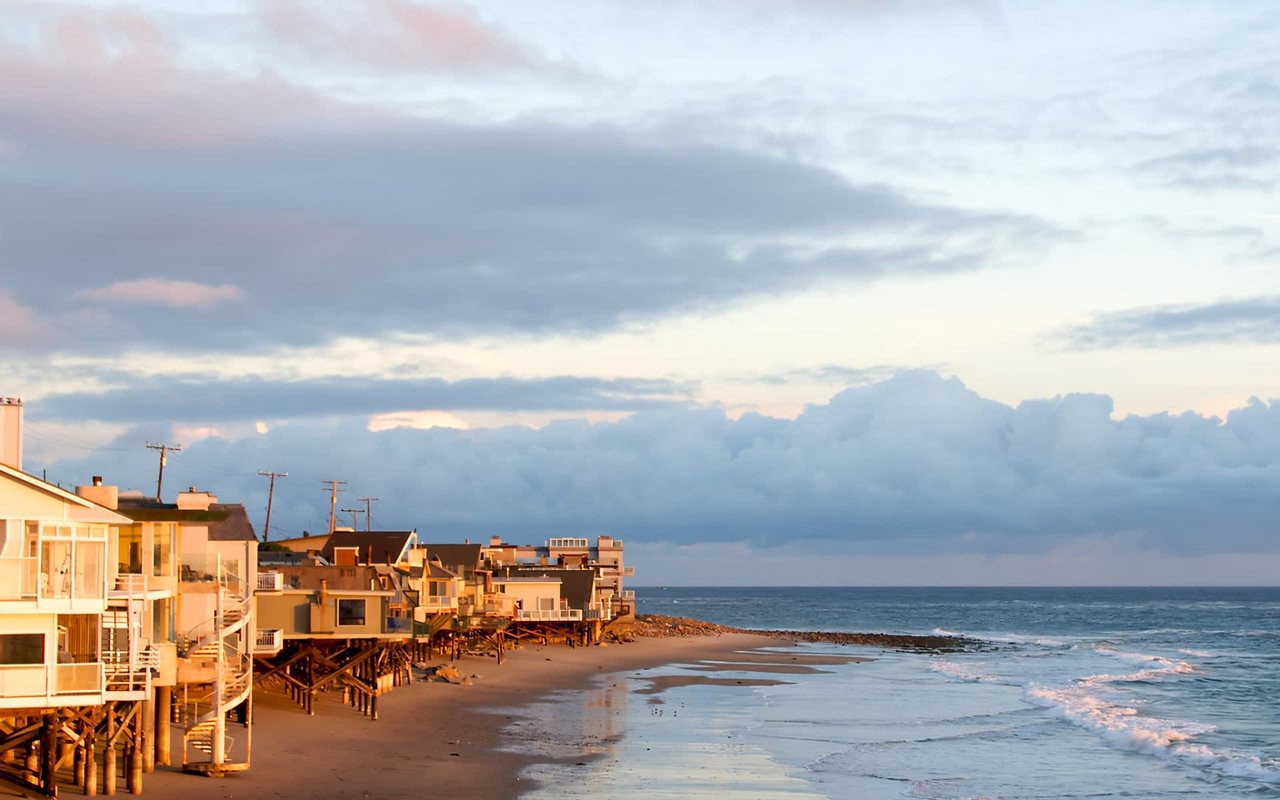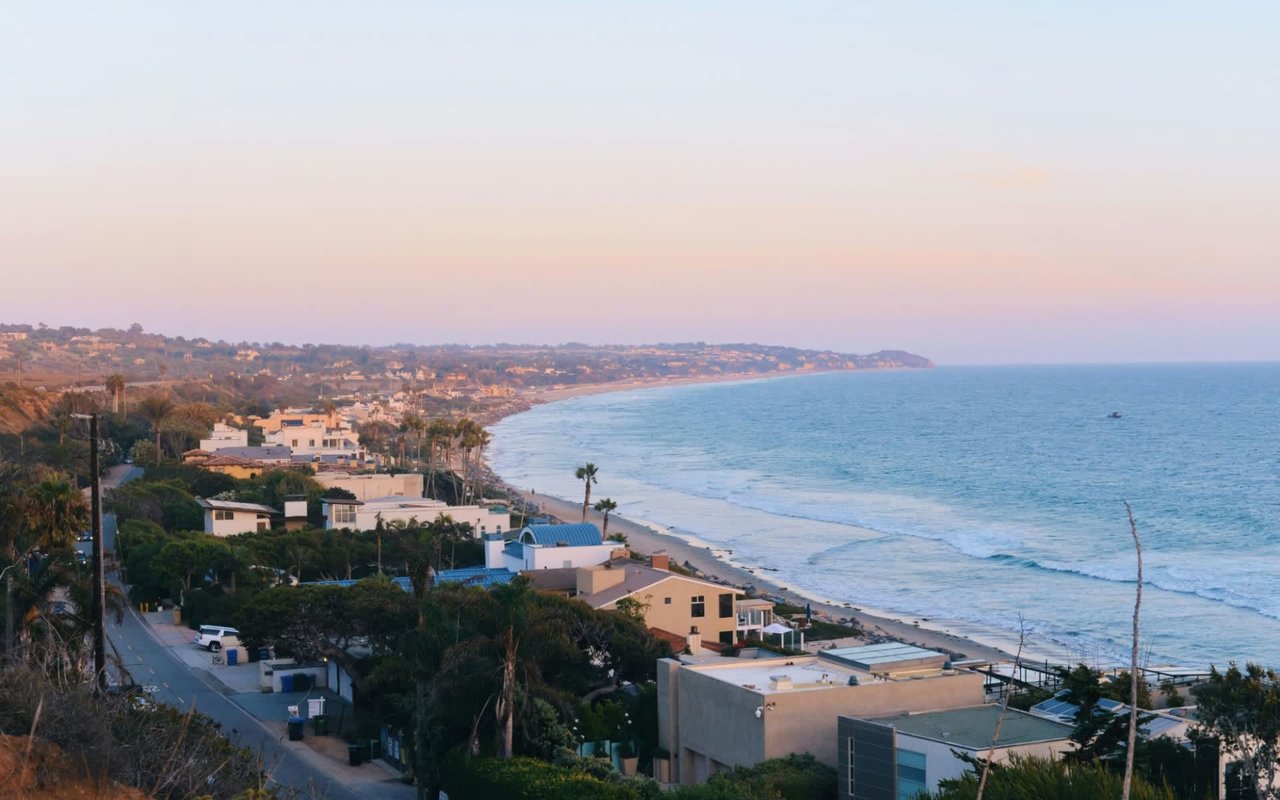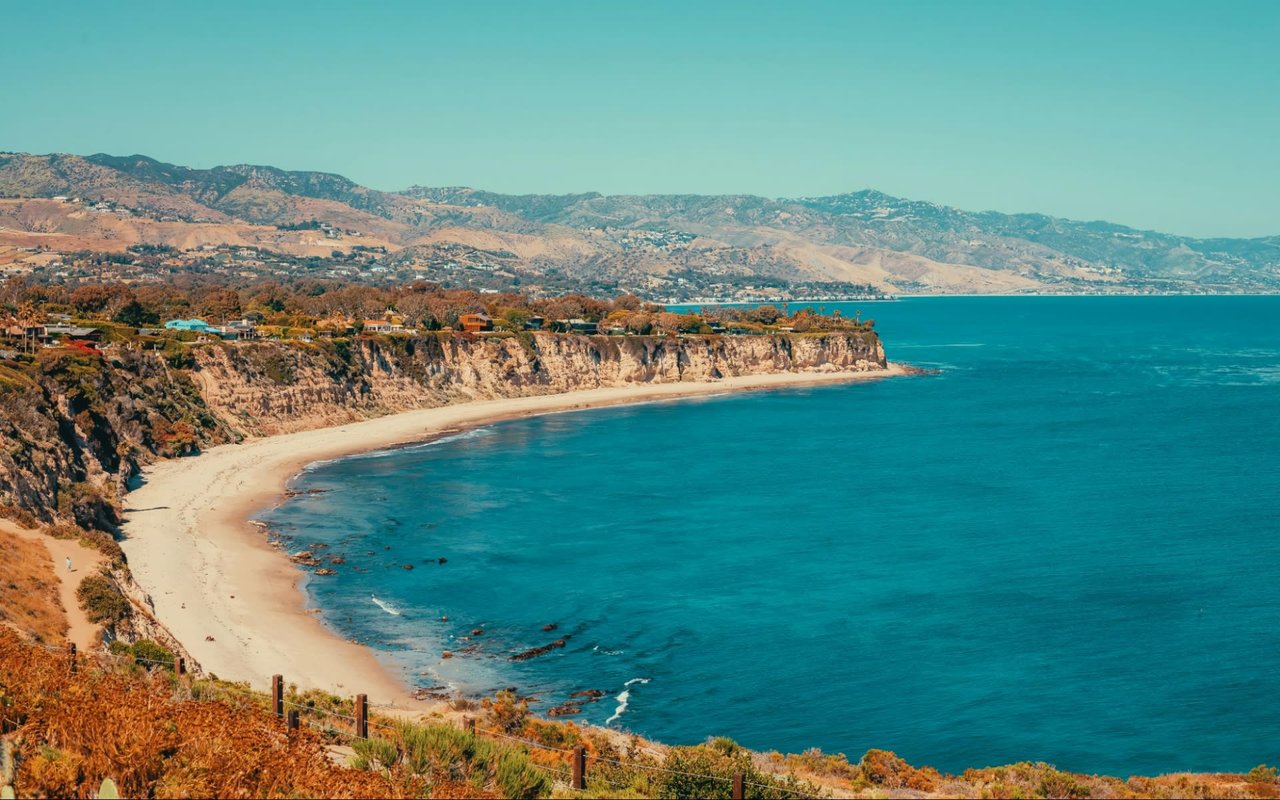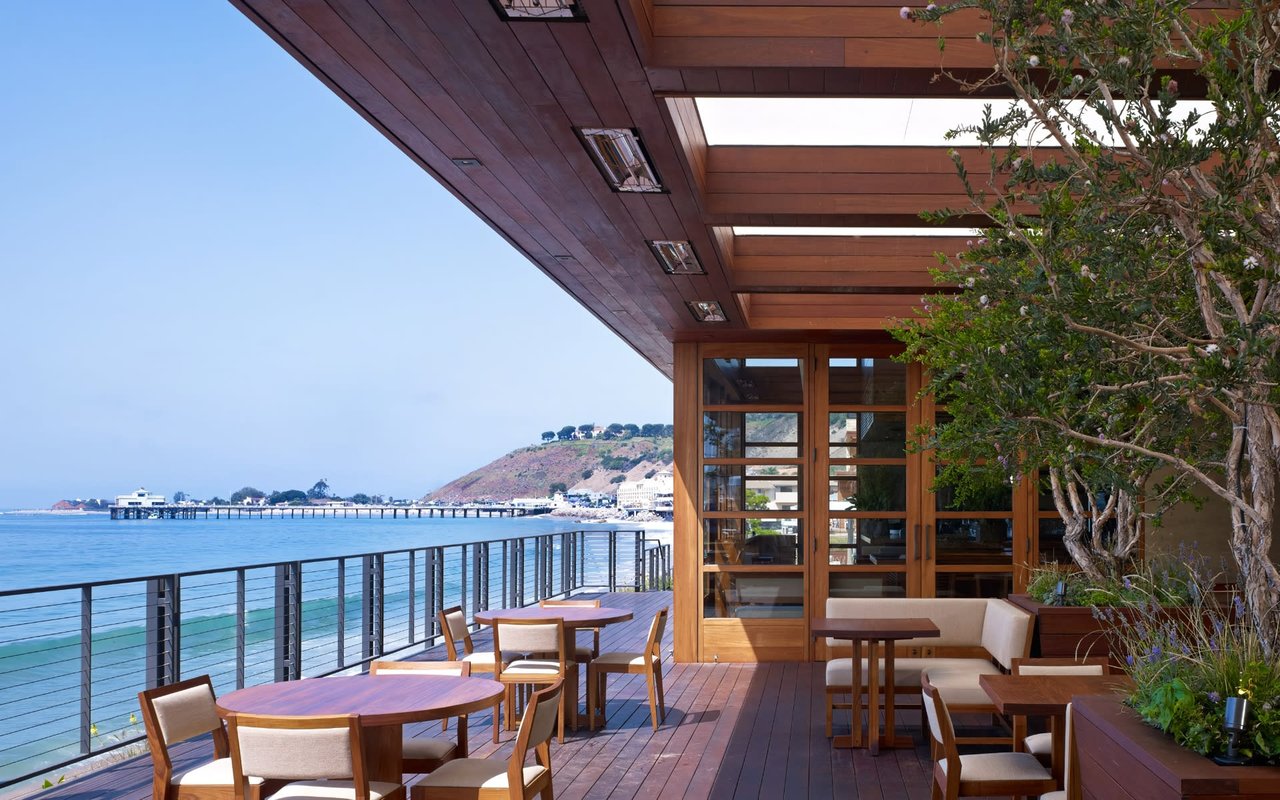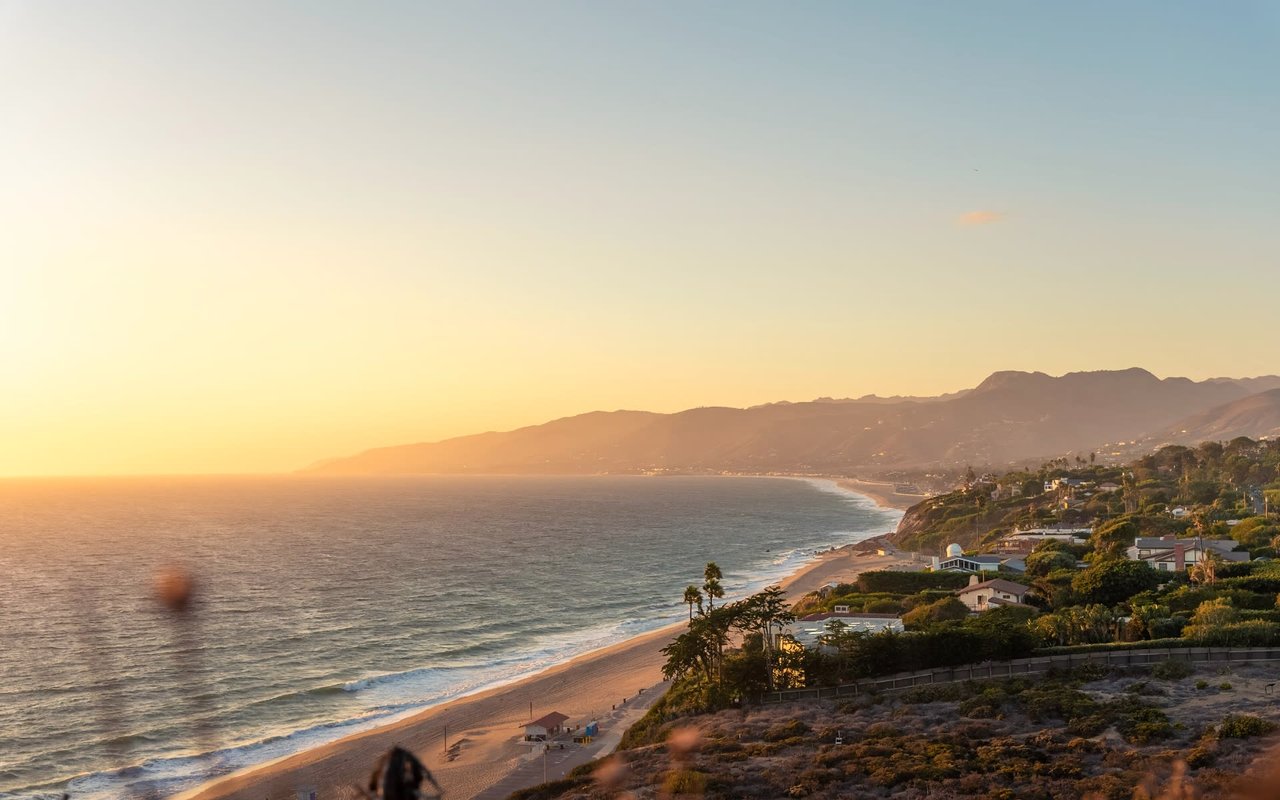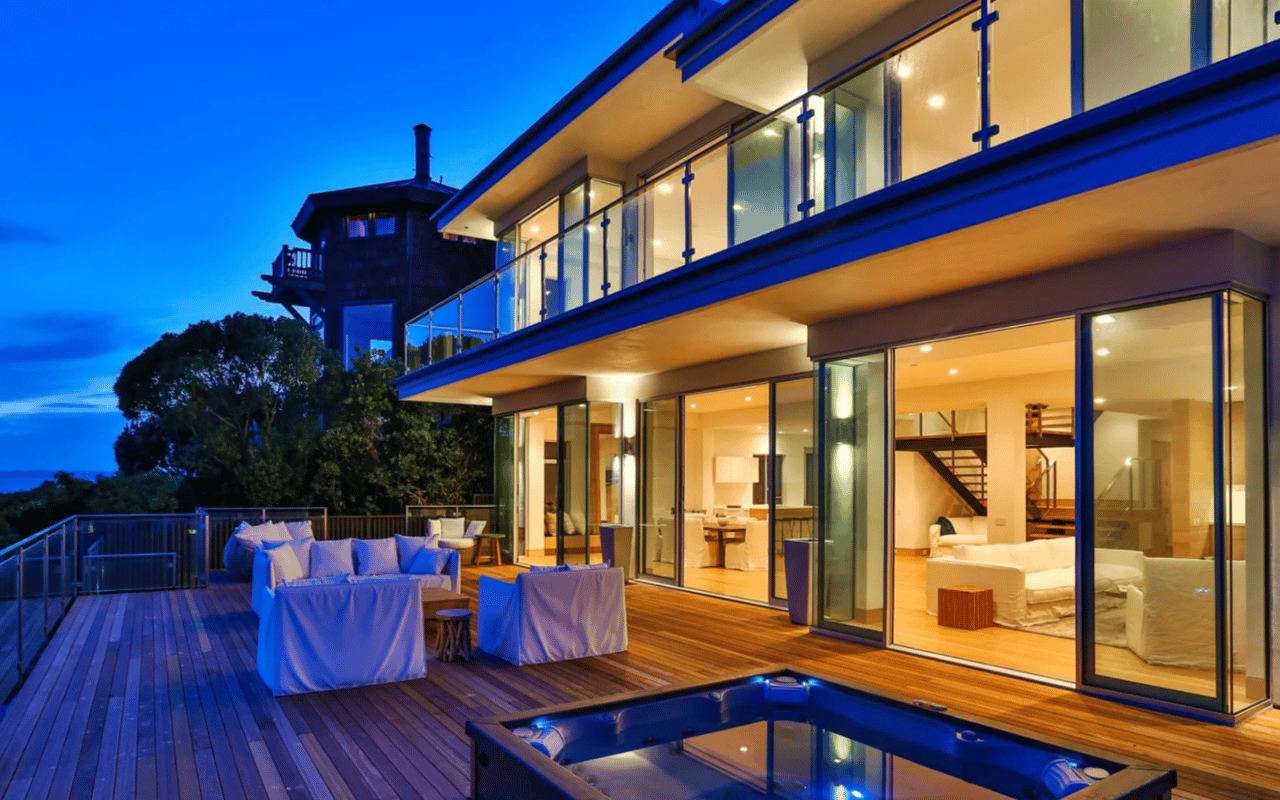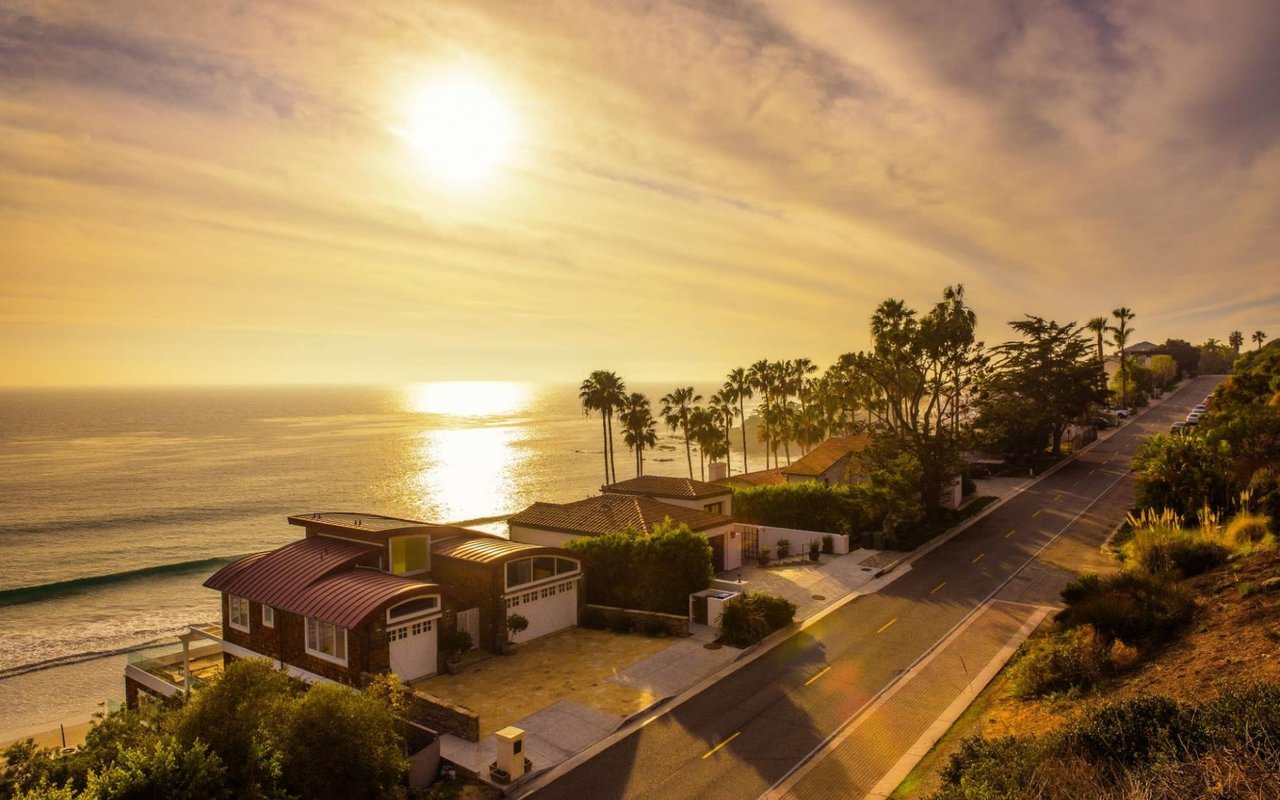

Walk down to the sand at 22126 East Pacific Coast Highway on a clear afternoon and you will find yourself standing on a narrow public accessway wedged between two estates that, by any reasonable read of the real estate listings around them, look like the private domain of the people who own the houses on either side. According to Islands, this is the Linda Lochlin Beach Accessway, one of three public entrances to Carbon Beach. The nearby property is the one David Geffen spent more than two decades trying to keep closed, as Sunset reported; locals still refer to that fight as the one that defined the whole stretch. The gate is open. Nobody standing at the property line thirty feet away would guess it from the architecture.
That gap between how Carbon Beach presents itself and what its deeds actually allow is the thing most buyers get wrong before they ever write an offer.
Access to Carbon Beach took decades to settle
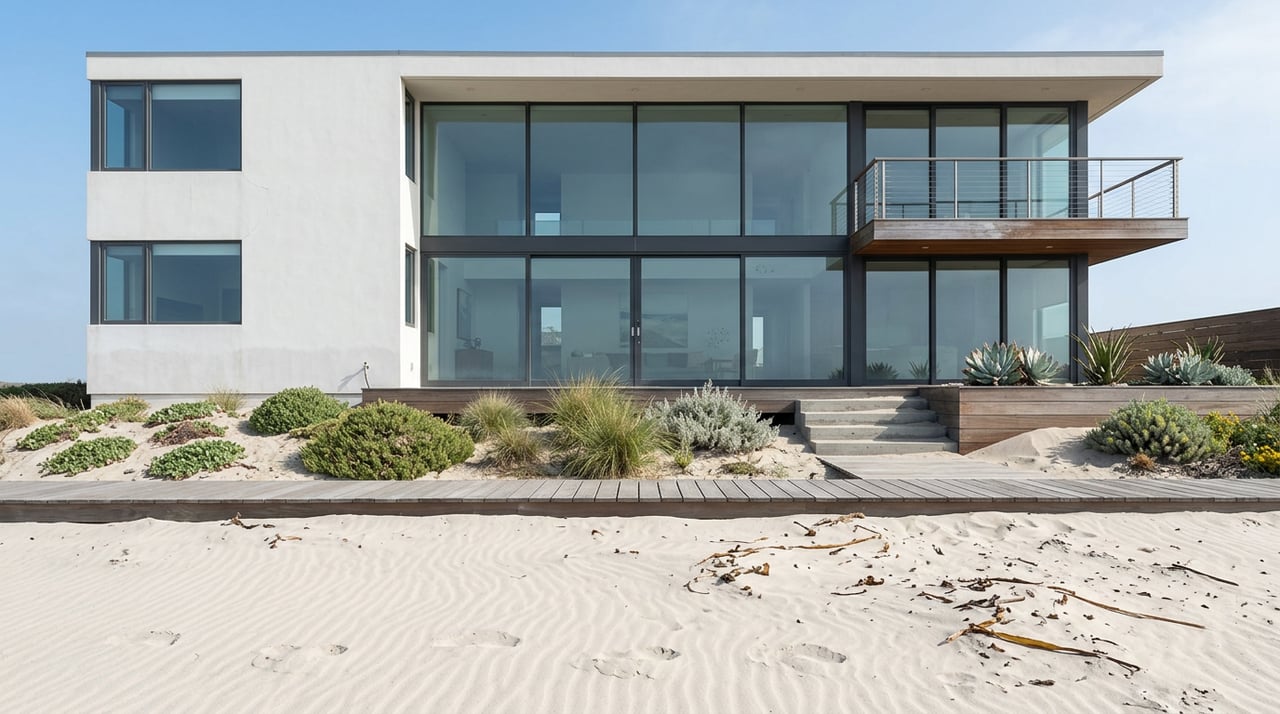
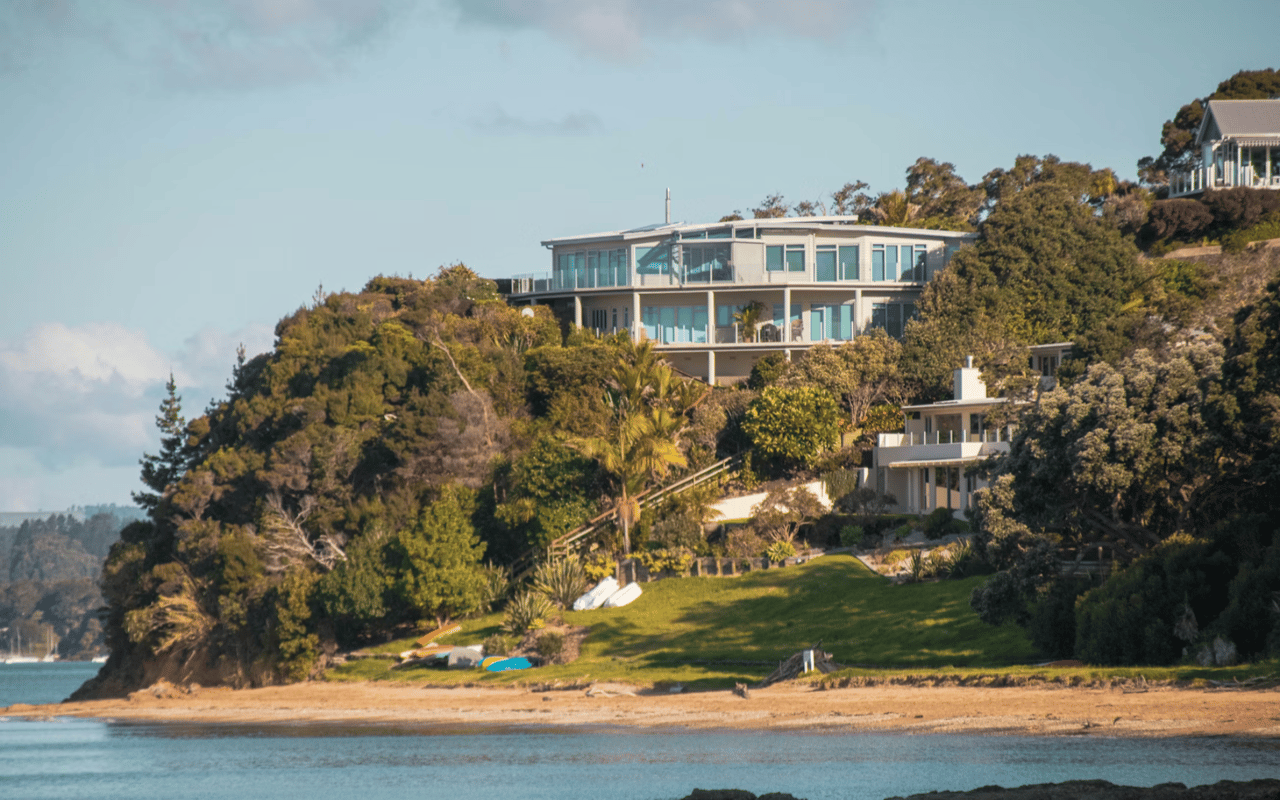
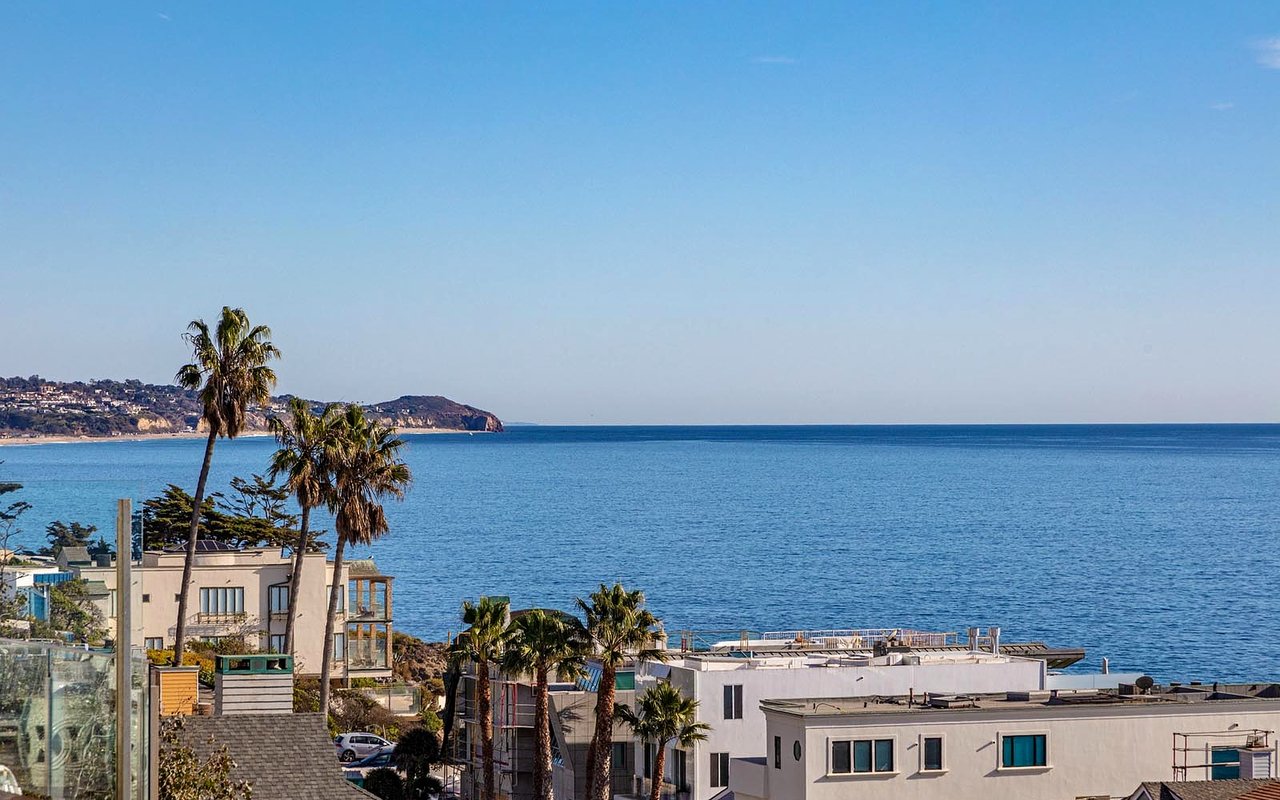
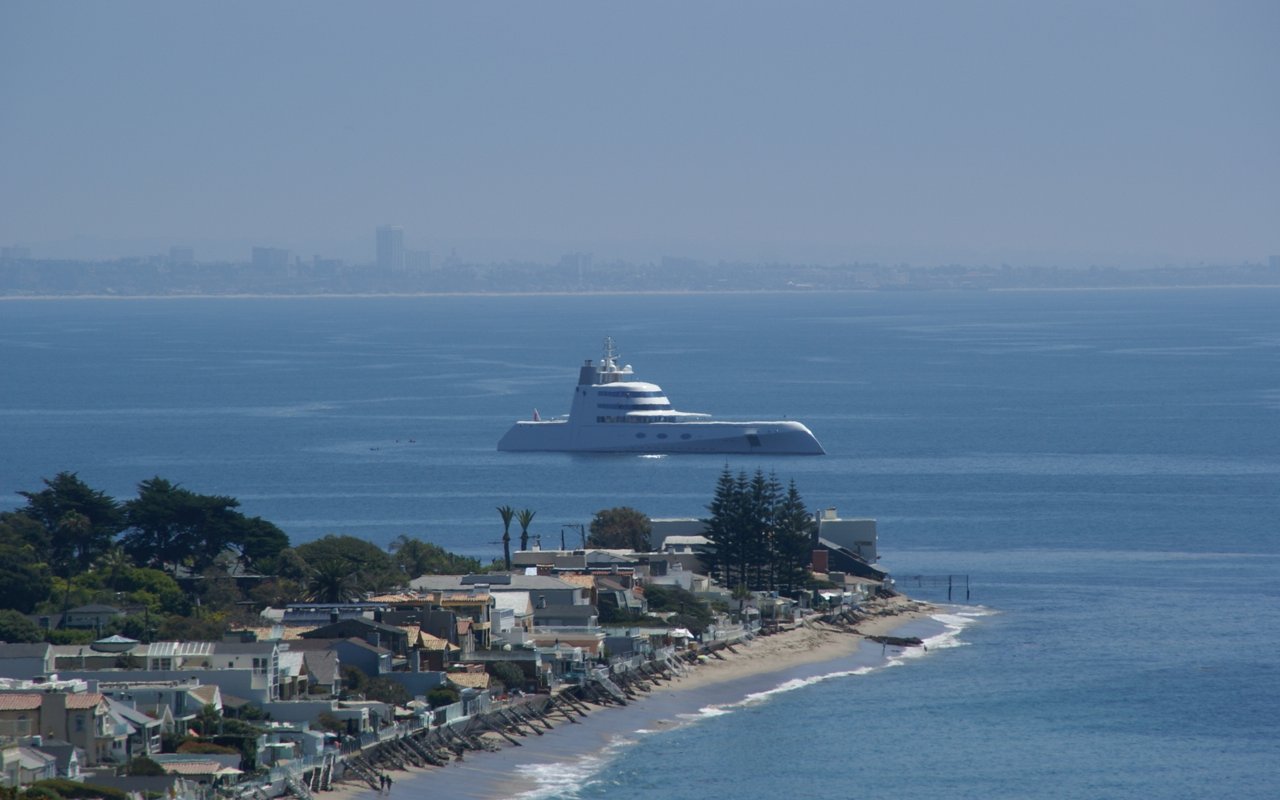
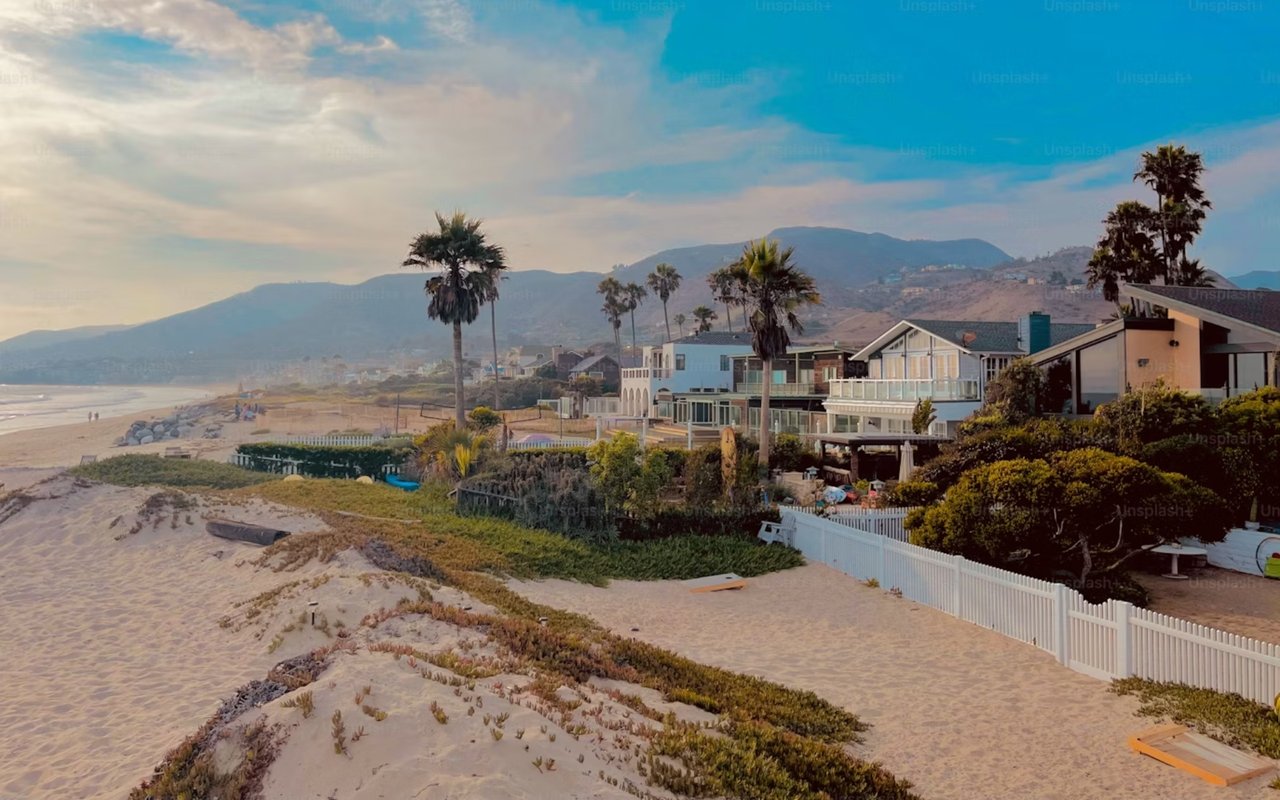
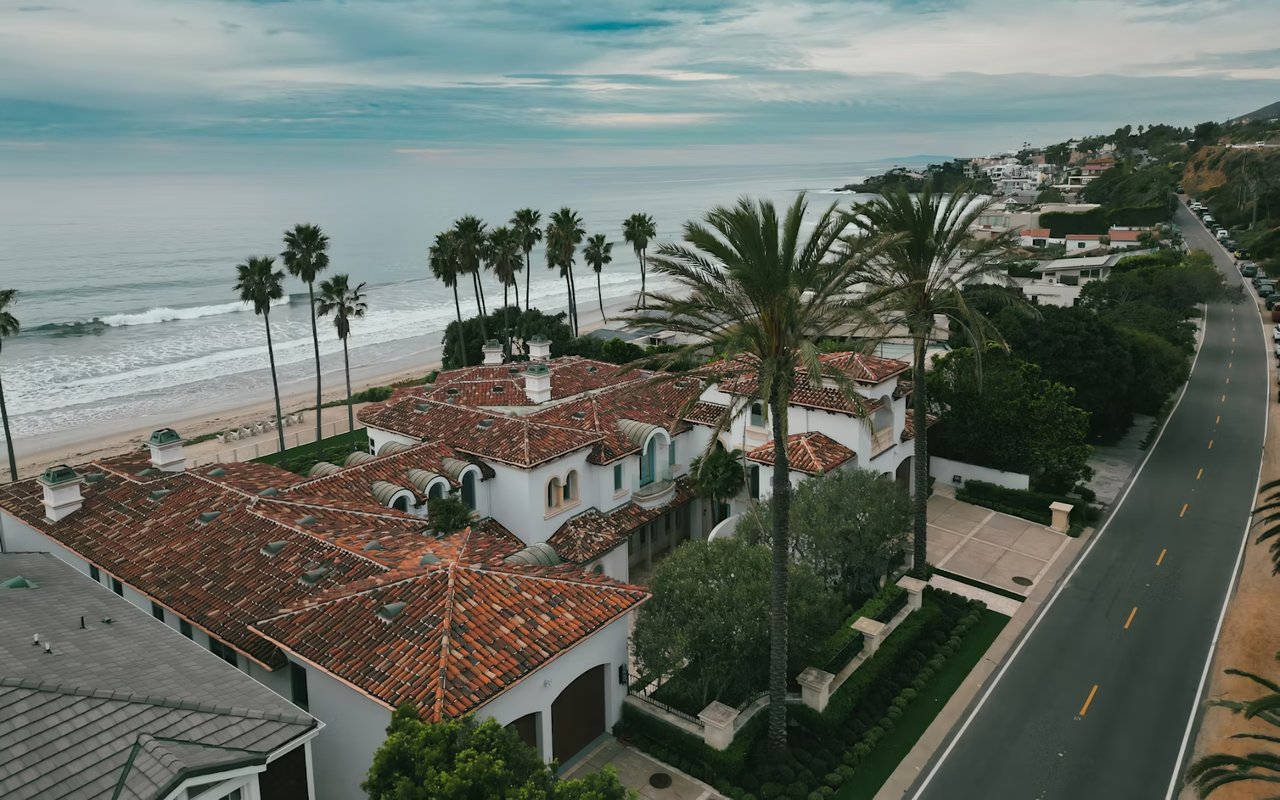
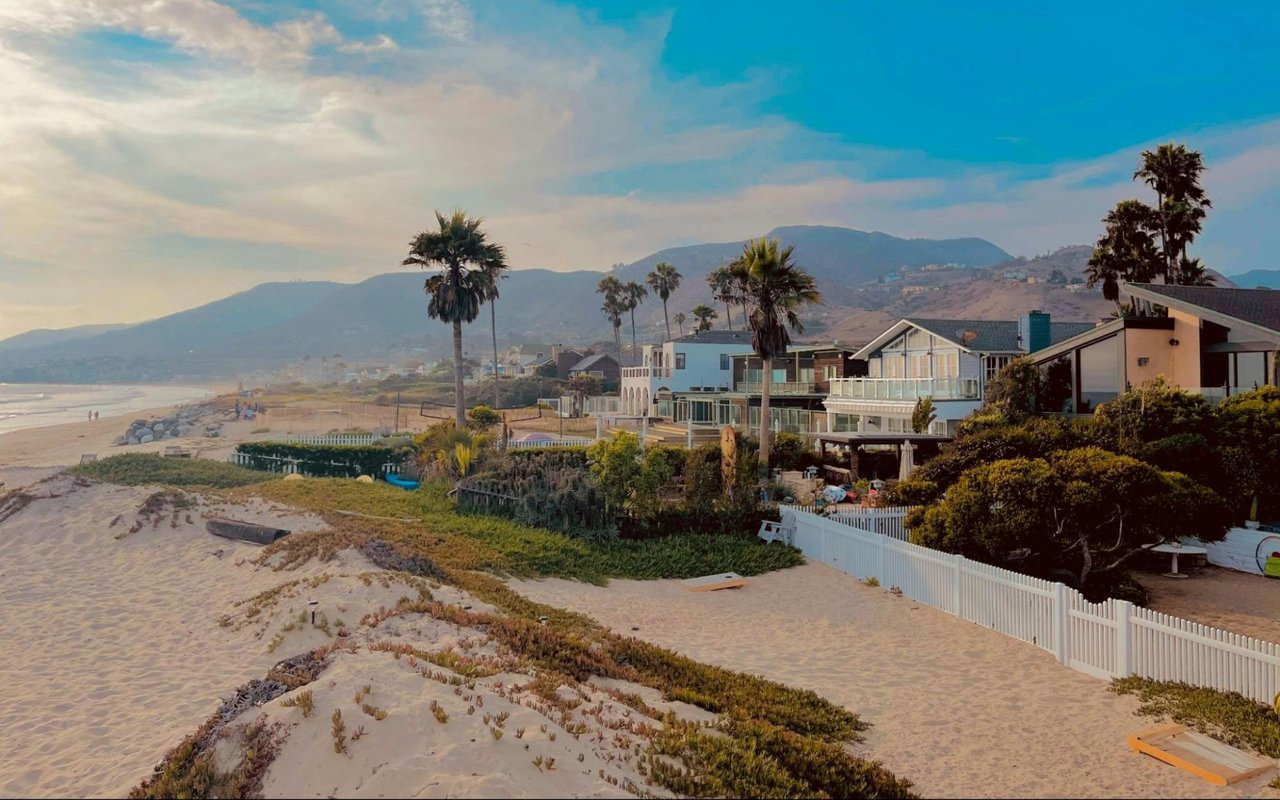
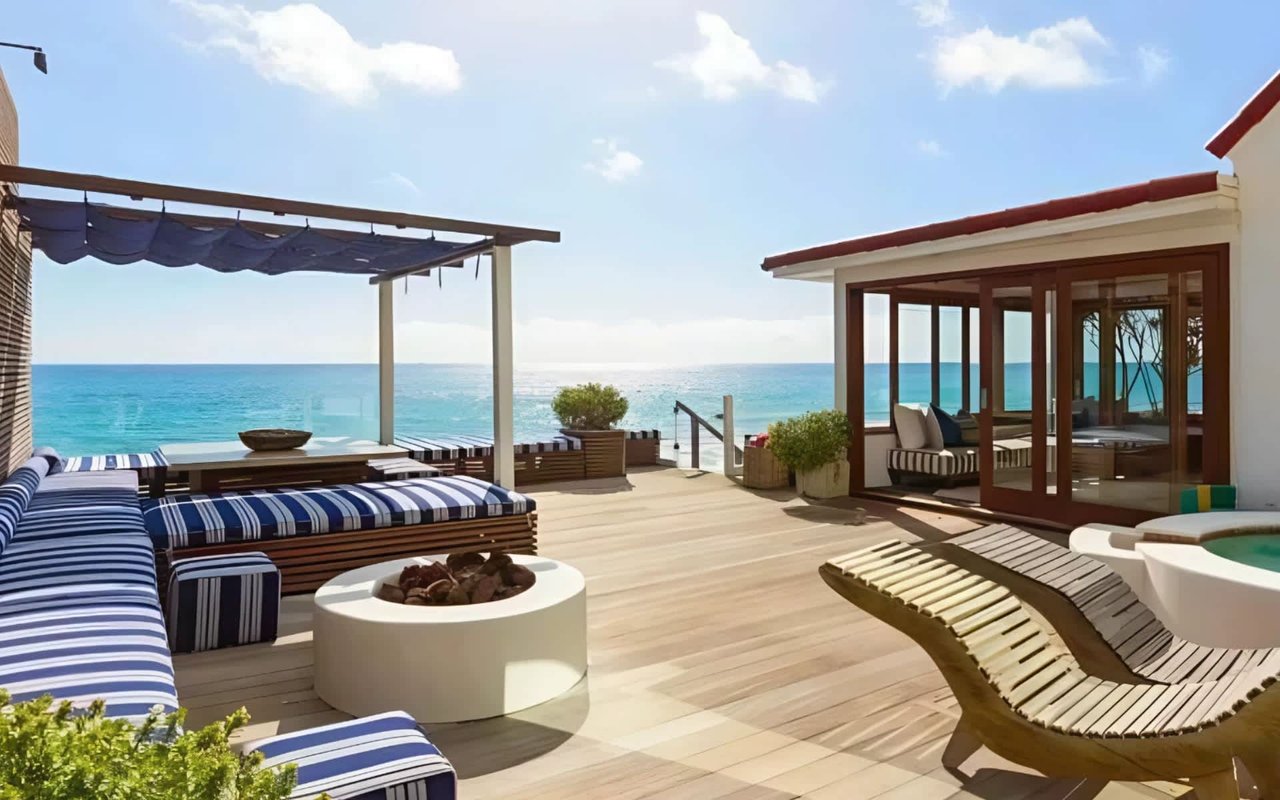
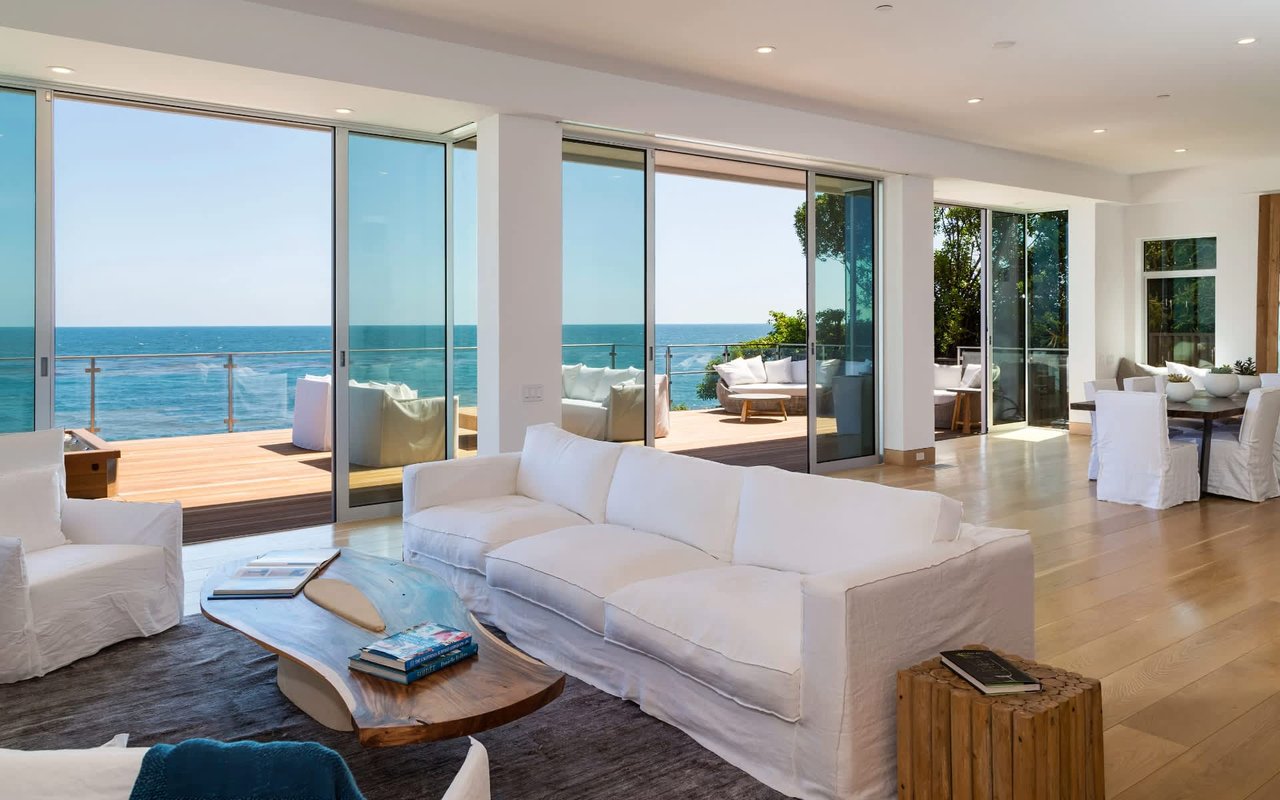
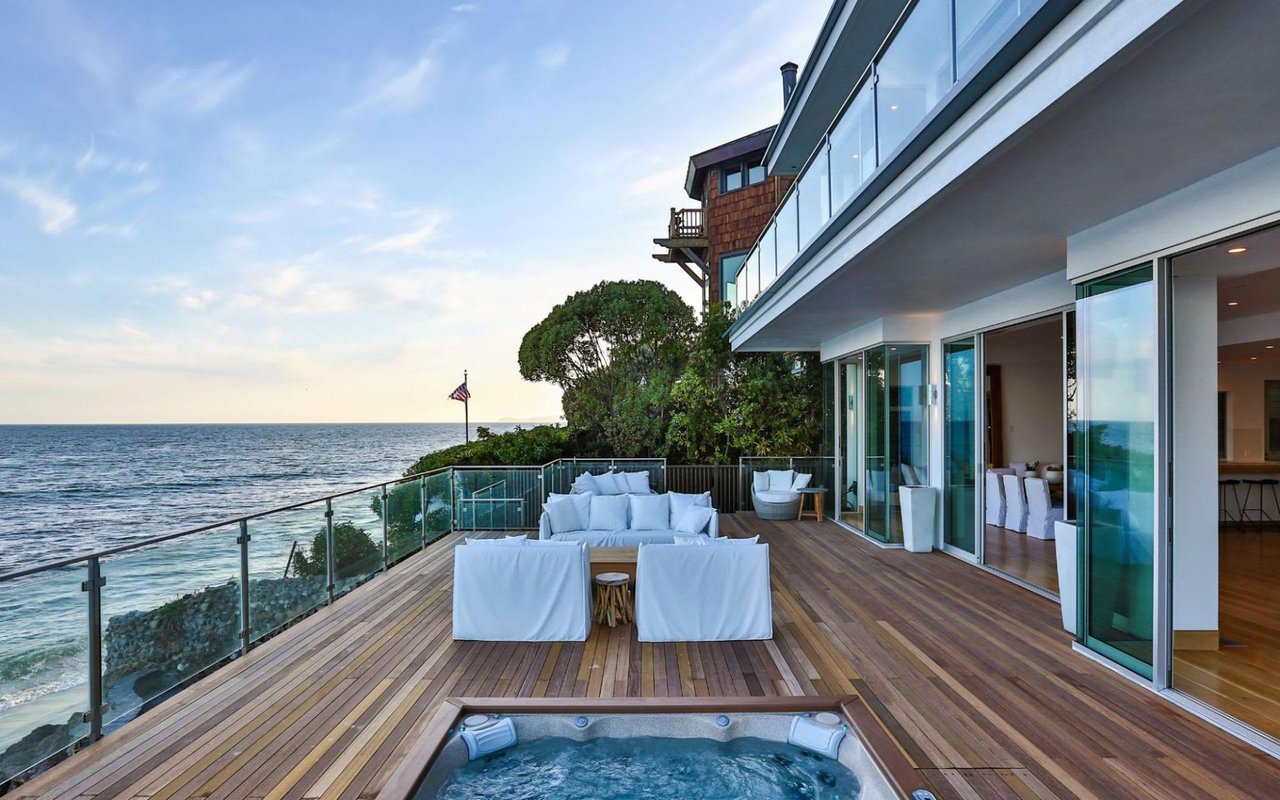
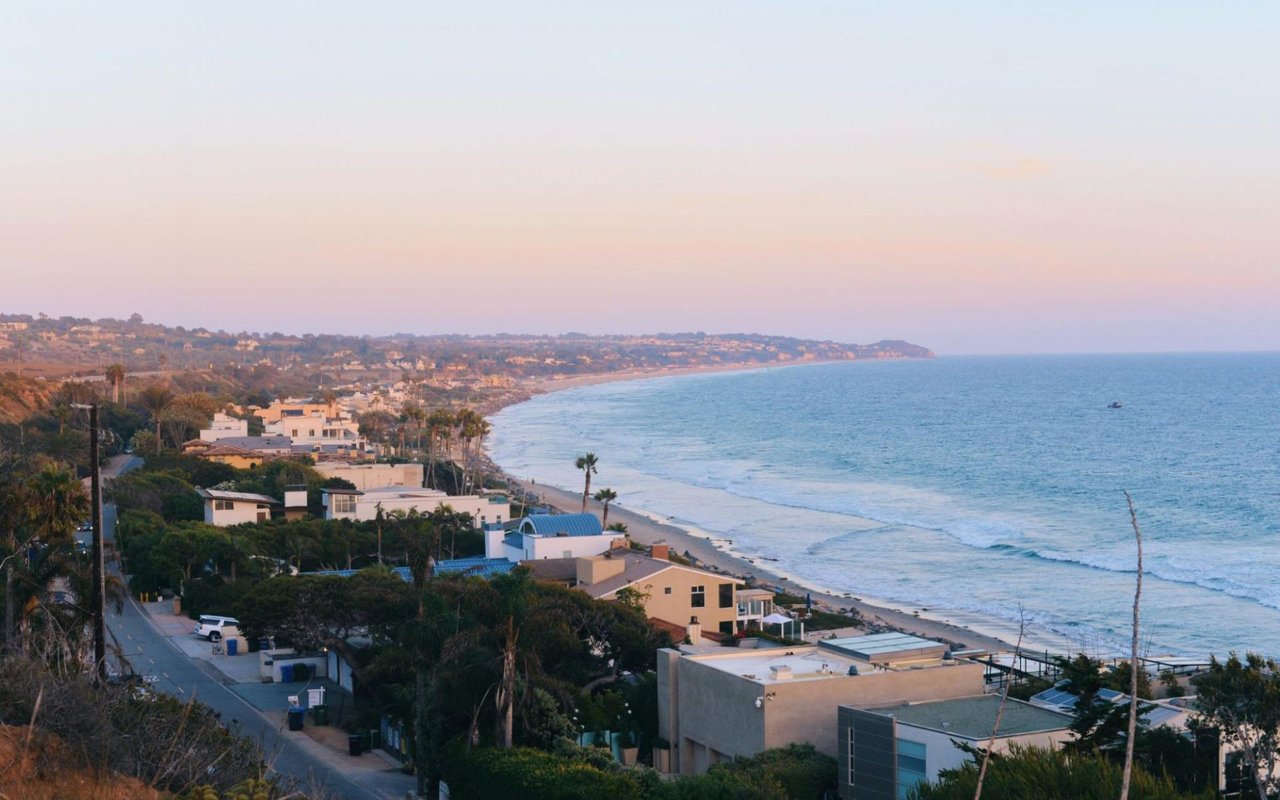
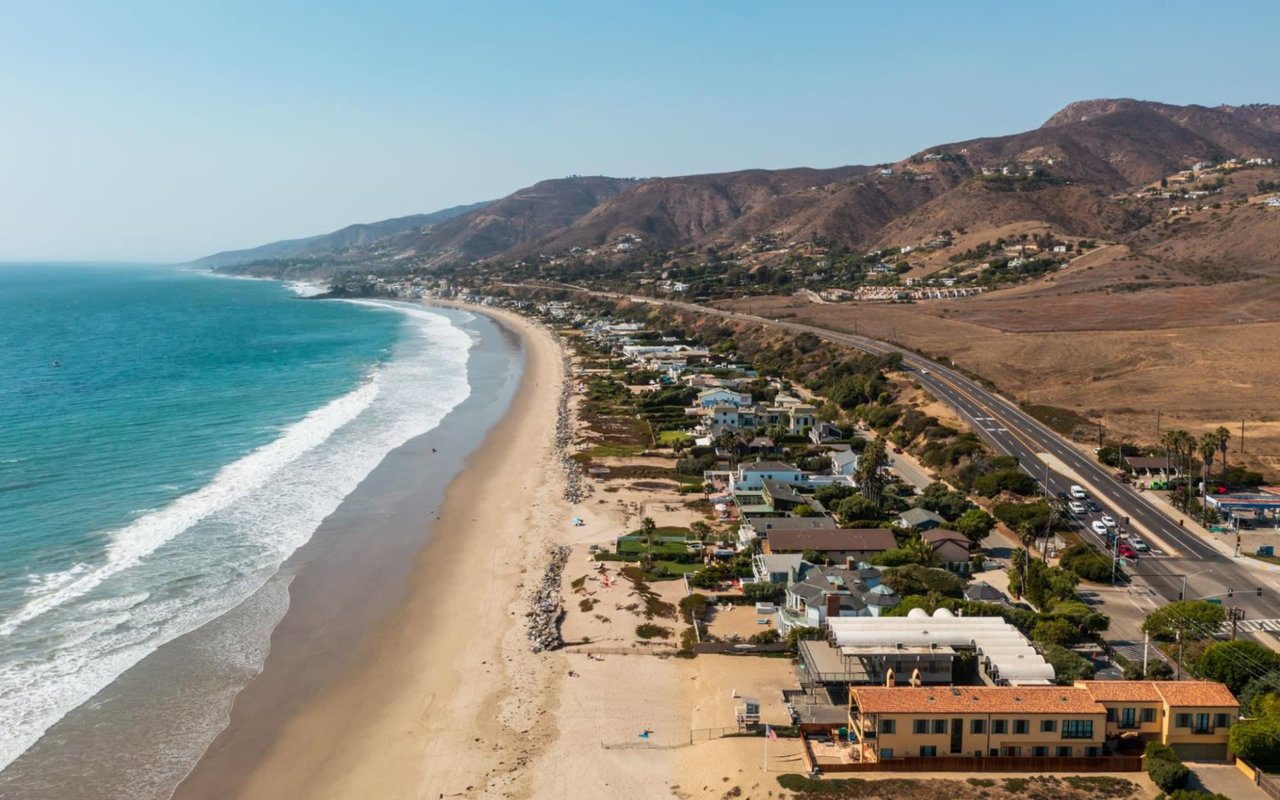
Carbon Beach earned the nickname Billionaire's Beach honestly. The roughly seventy oceanfront lots between the Malibu Pier and Carbon Canyon Road have counted David Geffen, Larry Ellison, and Marc Andreessen among their owners, and the concentration of wealth along this 1.5-mile crescent is real. What took decades to settle was the physical ability to reach it.
That settlement came through litigation, not negotiation. In 2007, after a 25-year court battle, the California Coastal Commission forced open public entry to Carbon Beach over the objections of Geffen and his neighbor Norman Ackerman. According to LA Weekly, Lisette Ackerberg fought a separate ten-year dispute over two blocked easements on her property before agreeing to build a paved, wheelchair-accessible public pathway and pay 1.1 million dollars, a settlement that funded the accessway that now carries her name. At Las Flores Beach, just up the coast, Warren and Henny Lent were fined 4.2 million dollars in 2016 for refusing to remove a gate, fence, and unpermitted staircase that had blocked a public easement, as NBC Los Angeles reported. The Hollywood Reporter reported that this was the first fine the Coastal Commission had ever levied under authority the state legislature granted it only two years earlier. In that same 2016 enforcement action, the Coastal Commission also settled with the Malibu Beach Inn on Carbon Beach itself, requiring the owners to install two new public stairways to the sand and pay 200,000 dollars in fines plus 300,000 dollars to a conservation agency.
The upshot: three accessways now exist on Carbon Beach. The Linda Lochlin Beach Accessway sits at the east end, near 22126 East Pacific Coast Highway. The Ackerberg Access, also called Carbon Beach West Access, opens at 22466 Pacific Coast Highway. The Zonker Harris Access, named for the Doonesbury character in a nod to the comic strip's creator, marks the western edge at 22664 Pacific Coast Highway. Each one is a doorway through what looks, from the road, like an unbroken wall of estate frontage.
What the doorways actually change
Here is where the myth stops being a legal footnote and starts being a pricing variable. A house that sits directly beside or between two of these access points experiences a fundamentally different version of beachfront ownership than a house tucked into the stretch between them.
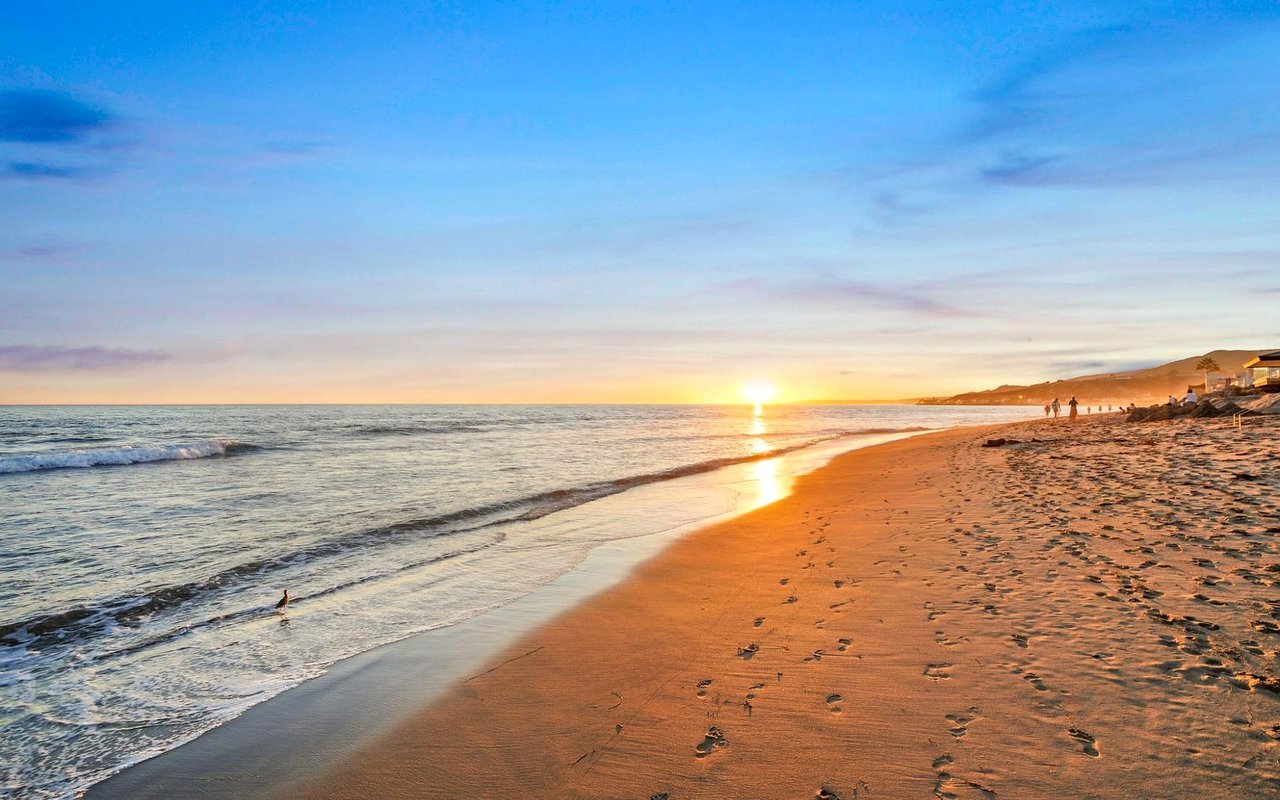
Proximity to the Linda Lochlin Access means calm surf, good sand, and free street parking on Pacific Coast Highway, which is exactly why it draws steady foot traffic from people who are not your neighbors. Proximity to the Zonker Harris Access, at the far western edge, puts a property closer to a point where the beach narrows and the crowd thins. A lot positioned between two access points, reachable only by walking a stretch of increasingly narrow, tide-dependent sand, gets something closer to the seclusion the name Billionaire's Beach implies, not because the deed is different, but because the geography makes casual visits harder.
This is the variable that a comp sheet will never show you. Two homes with identical square footage, identical frontage, and similar finishes can carry meaningfully different lived experiences of privacy depending on which side of an access point they sit on and how the tide behaves in front of their particular fifty feet of sand. At high tide, most of Carbon Beach narrows to a sliver. At other hours, it opens into a wide, walkable, south-facing crescent.
A market too thin to average
The privacy calculation matters more on Carbon Beach than almost anywhere else in Malibu because there are so few transactions to compare against. As of this spring, active single-family inventory on Carbon Beach has been running at roughly five listings with one additional property in escrow, a level of scarcity that makes it one of the thinnest beachfront micro-markets in Southern California. When the sample size is that small, a single sale carries outsized weight in setting the next asking price, and a single sale's context, including where it sat relative to an access point, matters more than any per-square-foot average built from a handful of data points.
The ceiling on that range gets set by outliers. Marc Andreessen's 2022 purchase on Carbon Beach, reported at 165 million dollars, remains the reference point the wider market still talks about when comparing what this stretch of sand can command against other billionaire beach markets nationally. That number says more about what a trophy compound at the top of the market can fetch than it does about what a typical buyer will pay, but in a market this thin, it still shapes seller expectations up and down the beach.
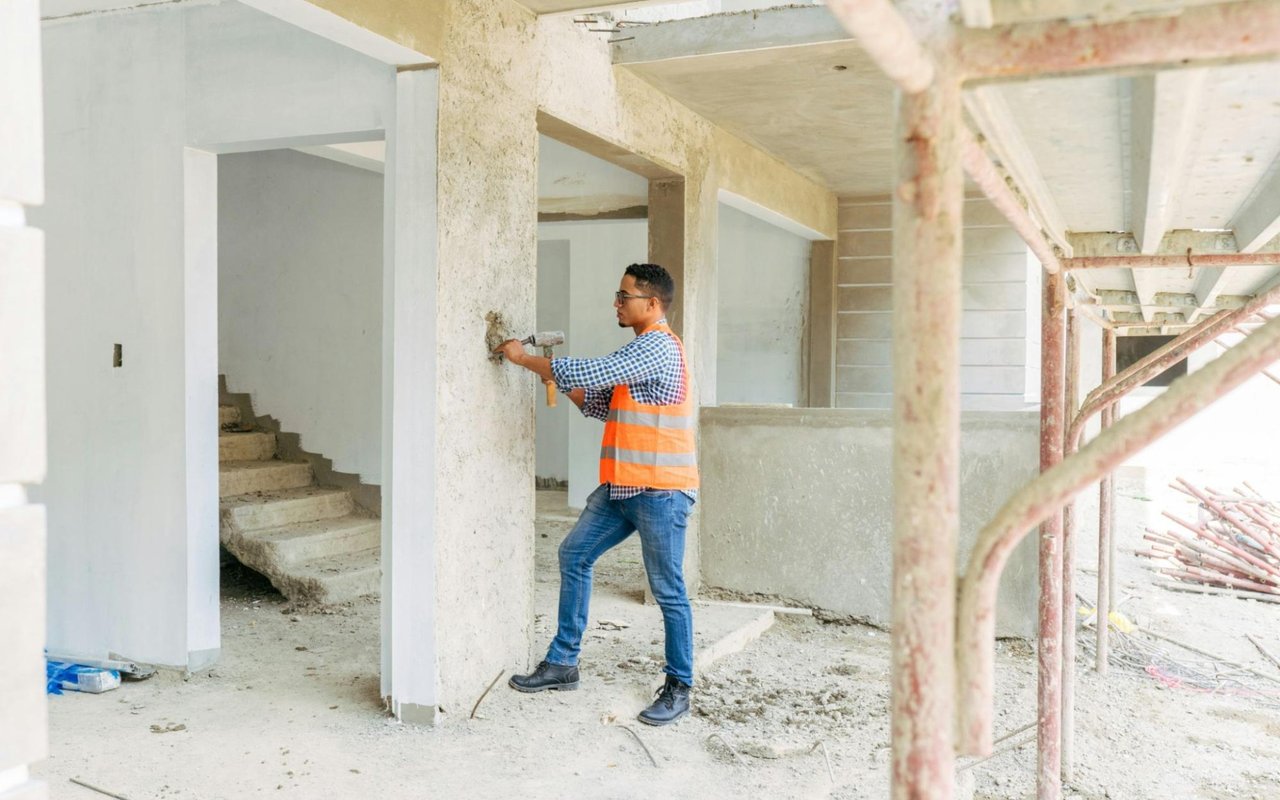
For anyone considering a rebuild or a vacant parcel here rather than an existing house, the arithmetic gets more specific. Carbon Beach sits in a coastal flood zone that typically requires a finished floor elevation, which usually means pile-supported construction. Add an onsite wastewater treatment system, layered flood and wildfire insurance, and the coastal permitting timeline itself, and the non-vertical costs on a rebuild here can run into the hundreds of thousands of dollars before a single wall goes up. That is before land cost and before the home itself is framed. None of that changes because a lot happens to sit closer to open sand than to an accessway, but it does mean the total cost of ownership on Carbon Beach is rarely just the list price plus closing costs.
What this means if you are actually looking here
If Carbon Beach is on your list, treat the access-point geography as due diligence, not trivia. Ask where the nearest public accessway sits relative to any property you are seriously considering. Walk the sand in front of it at a posted low tide and again near a king tide, since the width of usable beach in front of a specific house can swing dramatically between the two. Ask whether any part of the property's beach frontage has ever been the subject of a Coastal Commission enforcement action, since that history typically shows up in public records and can affect both privacy and future permitting.
None of this makes Carbon Beach a lesser investment. It remains one of the most concentrated stretches of oceanfront property in the country, and the scarcity that makes it hard to comp is the same scarcity that has supported its values through multiple market cycles. It simply means that the version of privacy you are buying is specific to the parcel, not to the name on the beach.
FAQ
How does access vary along Carbon Beach? What varies by property is how easily the public can physically reach the sand, which depends on proximity to one of the three access points.
How many homes are actually on Carbon Beach? Estimates vary depending on how the count is done. Sources that count only lots sitting directly on the sand put the number around seventy. Counts that include condo units in buildings like the Outrigger, which front the beach without each unit having its own direct sand access, run closer to one hundred. Both figures describe the same 1.5-mile stretch, just with different units of measurement.
How does the tide affect walkable sand? The width of walkable sand changes dramatically with the tide. At high tide, most of the beach narrows to a sliver in front of many properties.
Carbon Beach rewards buyers who understand it parcel by parcel, not address by address. If you are weighing a specific lot against what the beach's access points and tide patterns actually mean for it, that is exactly the kind of groundwork the Brian Merrick Team does before an offer ever gets written. Work With Brian.
This article is general information, not legal, tax or financial advice. Consult a qualified professional about your situation.