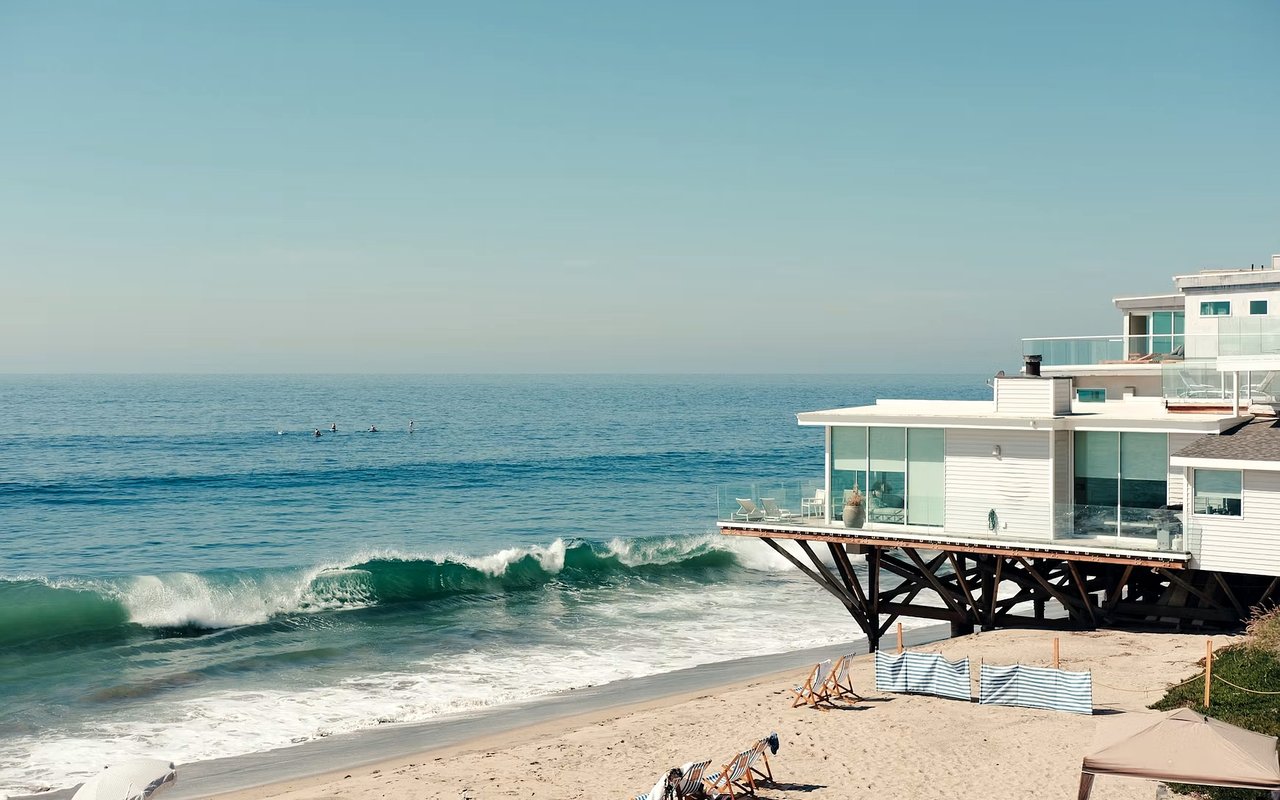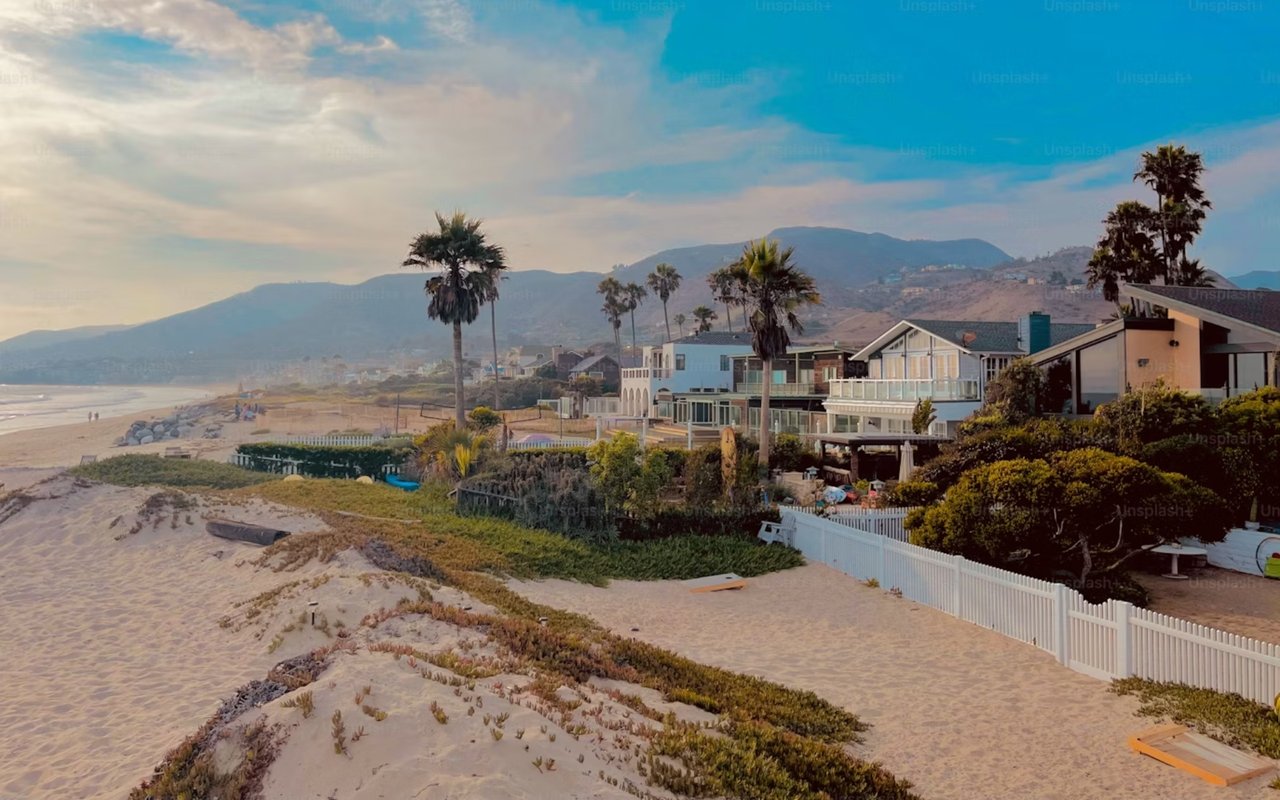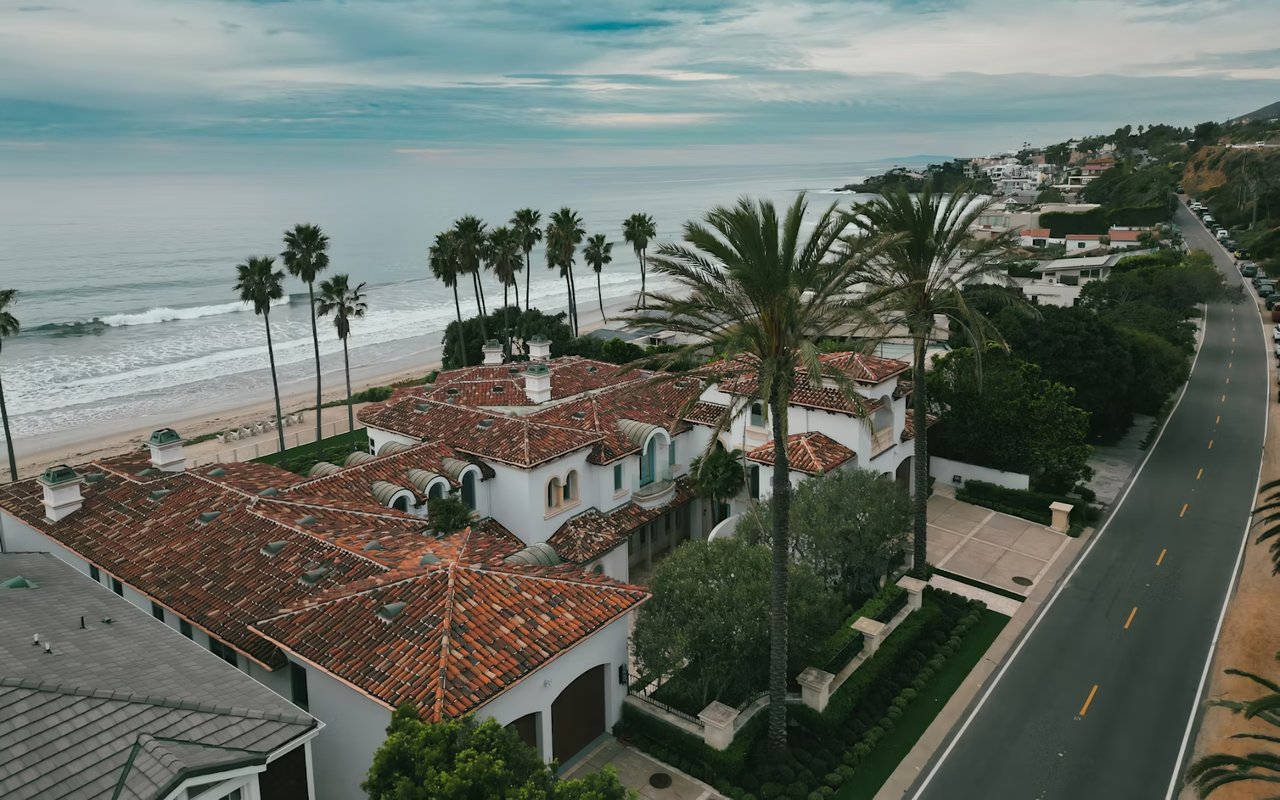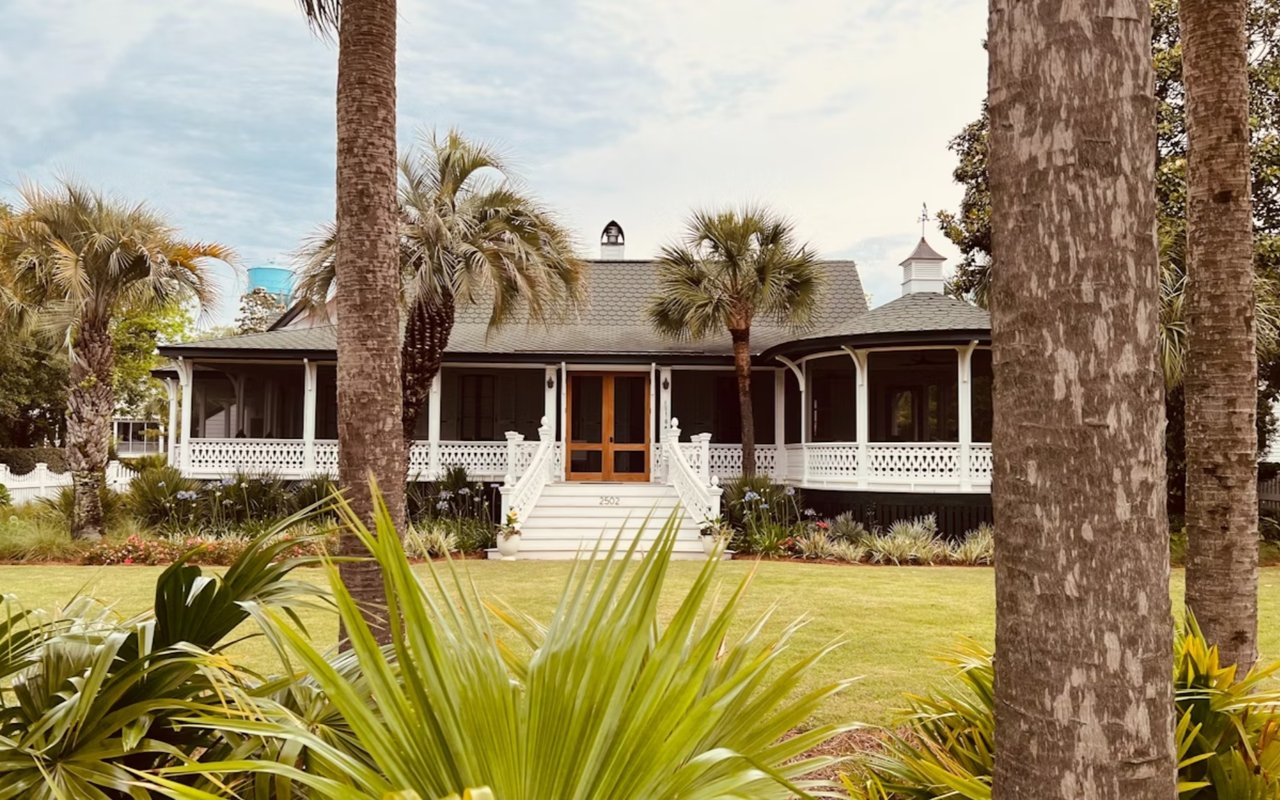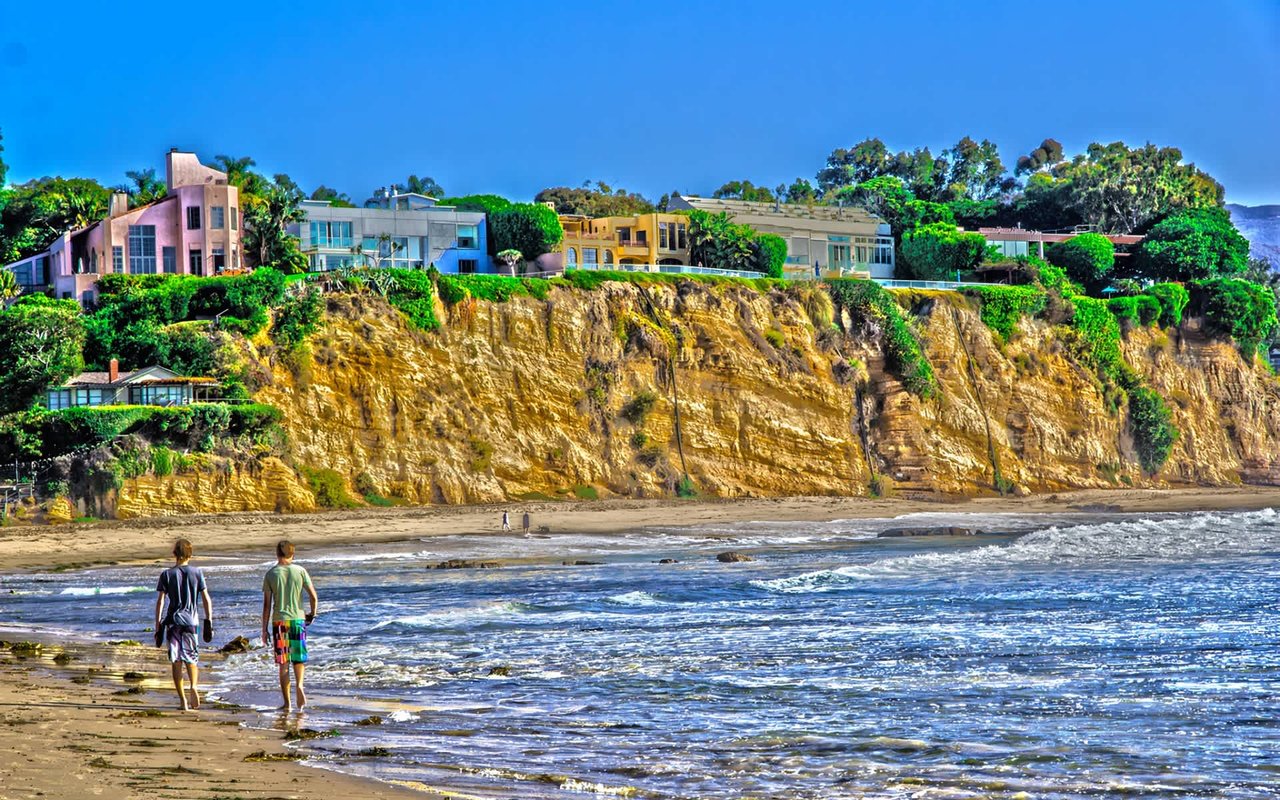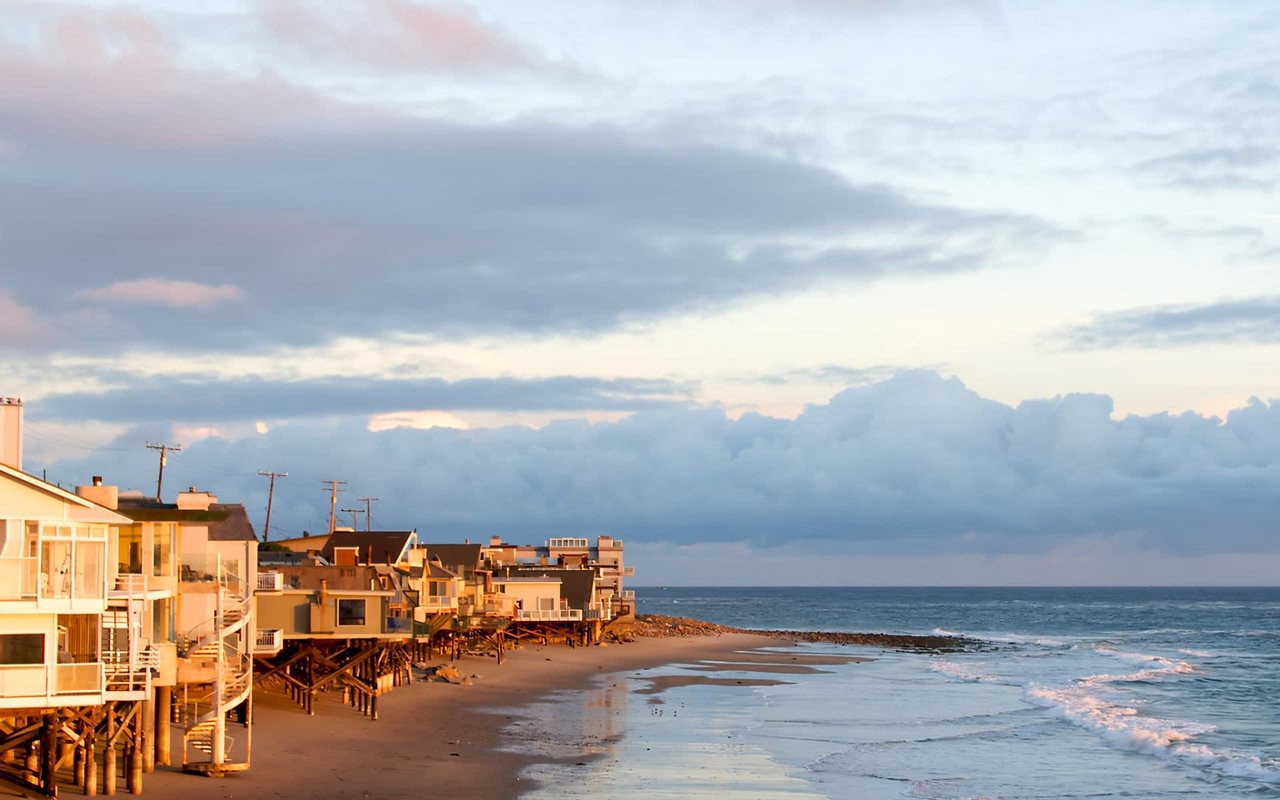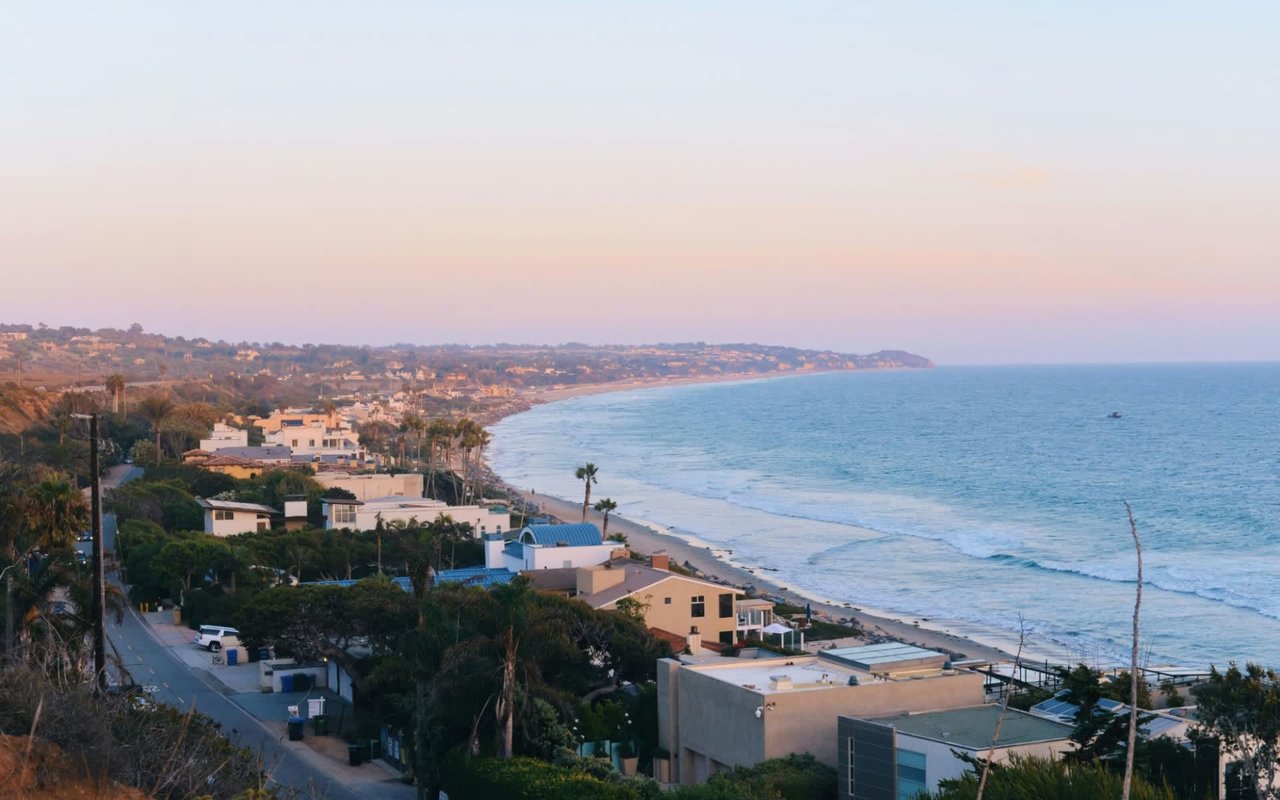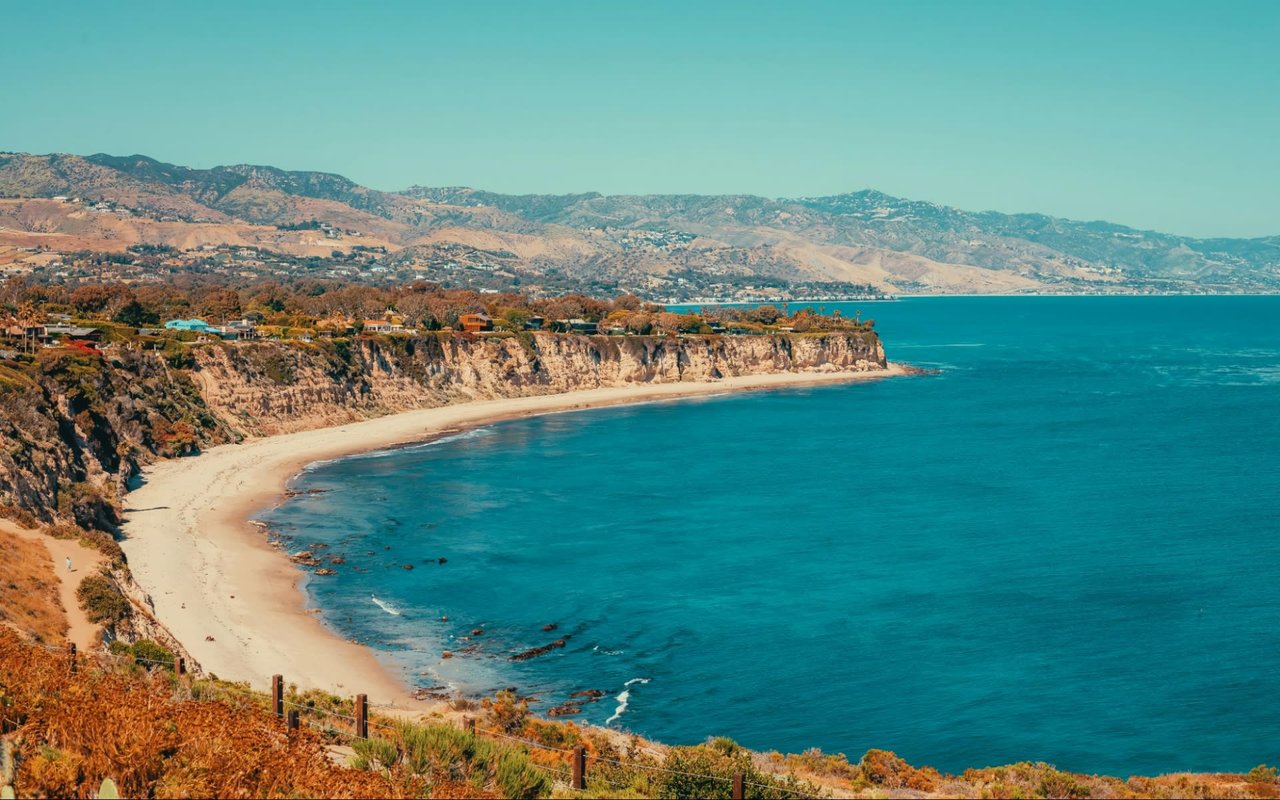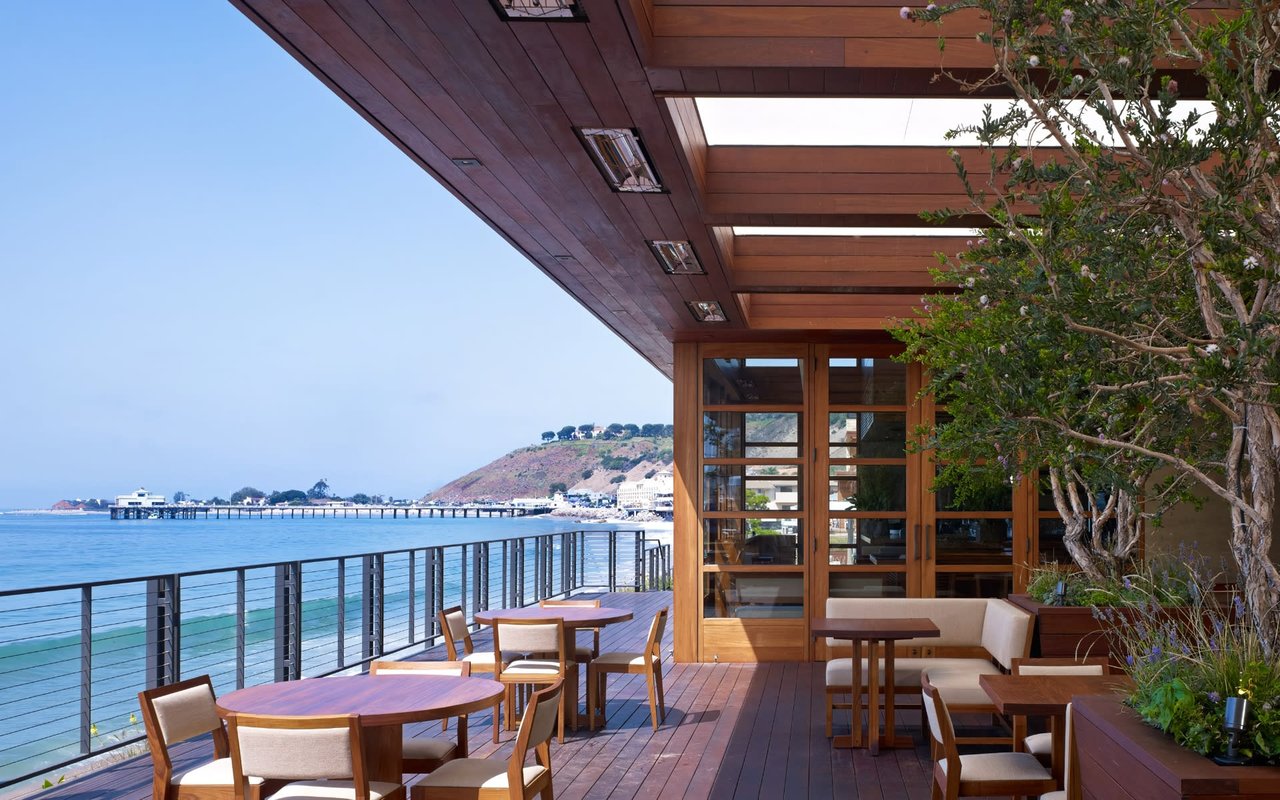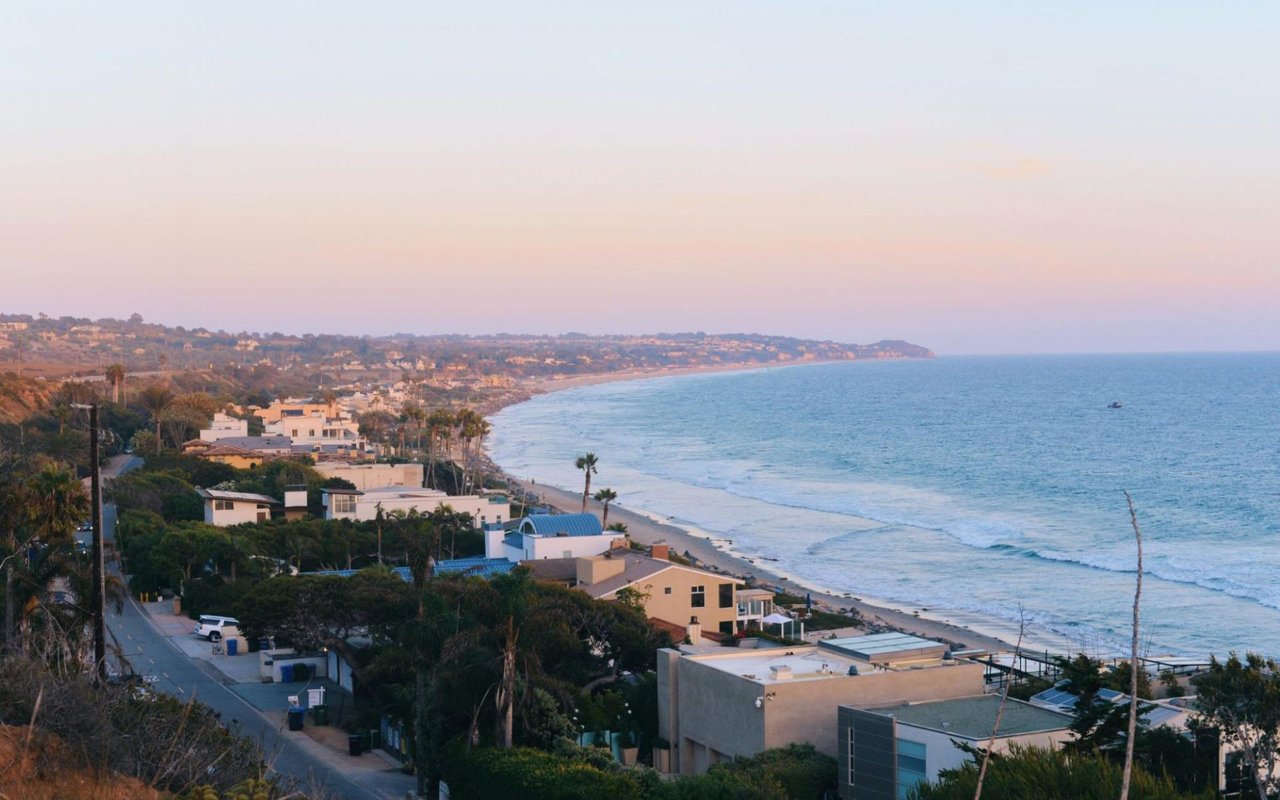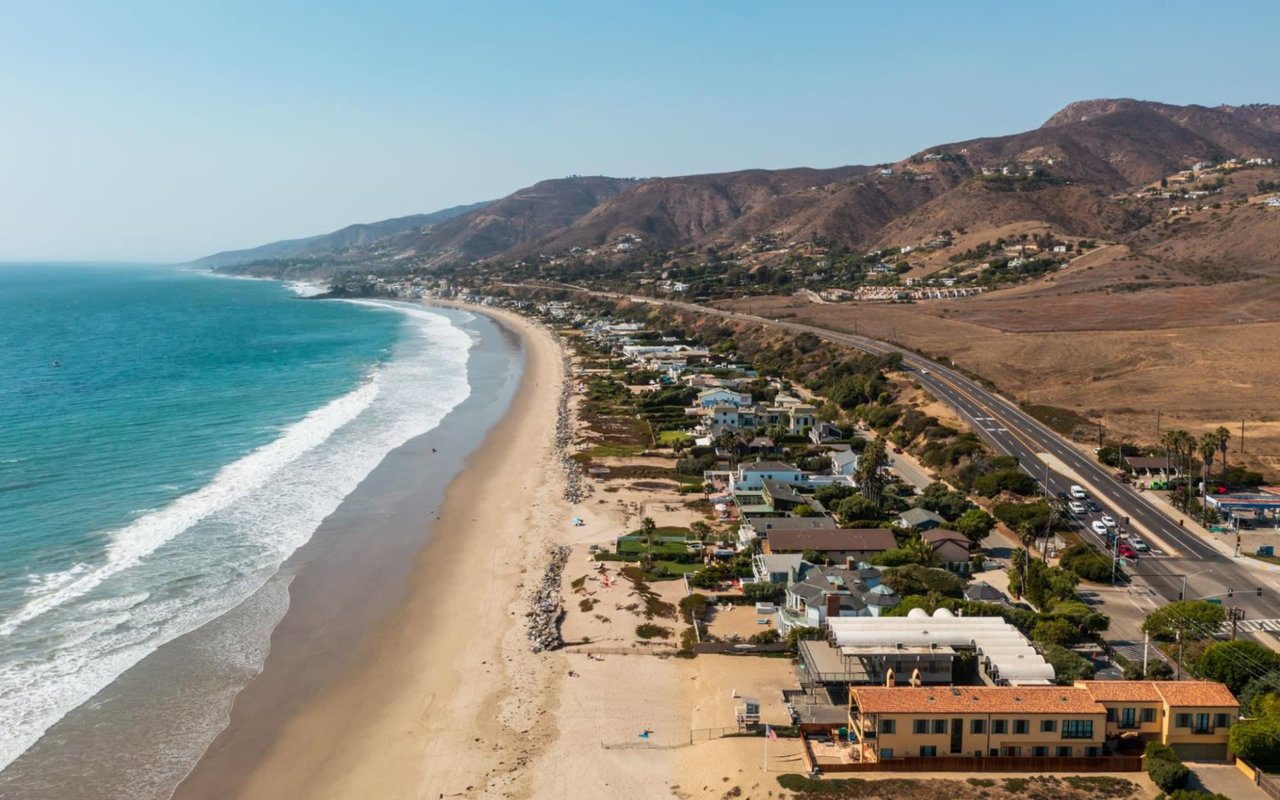

Walk to the end of the pier at Paradise Cove Beach Cafe and you run out of pier fast. Compared to Malibu Pier six miles south, the boards here feel abrupt, like someone stopped mid-sentence. That feeling is accurate. The structure you're standing on is roughly 220 feet long. The one that stood there before 1983 ran about 600 feet into the surf, long enough to carry a rental-boat operation and the Paradise Cove Sportfishing fleet, which launched its charters straight off the end.
Then came the El Niño winter of 1983, the same storm cycle that tore into piers up and down the California coast. Waves took out most of the structure and left only the short inshore section still standing. More than four decades later, that's still what's there. The pier has been restrengthened over the years and given fresh boards and paint, and it closed for a stretch between 2001 and 2006, but it reopened at the same clipped length it has now. Nobody extended it back out to where the old boat launch used to sit.
That's the detail worth sitting with if you live on this stretch of coast. The postcard version of Paradise Cove, the one with the weathered pier and the cafe tucked against the bluff, isn't the original. It's what survived.
A Restaurant Built Where a Fleet Used to Launch
Before the cafe, the building on the sand was the Sandcastle Restaurant. Bob Morris took it over and turned it into what's there now, and the story behind that move is specific enough to be worth telling straight. Morris had grown up around this stretch of coast. In October 1996, his son Tim was born, and Morris decided it was time to bring him up the same way he'd been raised, on the beach. The Paradise Cove Beach Cafe opened its doors in 1998.
Morris wasn't new to building things on the water. Around the same period he put together Gladstone's Malibu, The Jetty, RJ's the Rib Joint, and Malibu Sea Lion, a run of coastal restaurants across the area. His brother Bryant took the same instinct further afield, building Fisherman's Village in Marina del Rey, Shoreline Village in Long Beach, and Seaport Village in San Diego before settling in Napa Valley. Between the two of them, the family had a hand in a fair number of Southern California's designed waterfront destinations, the kind built around a view and a meal rather than a working dock.
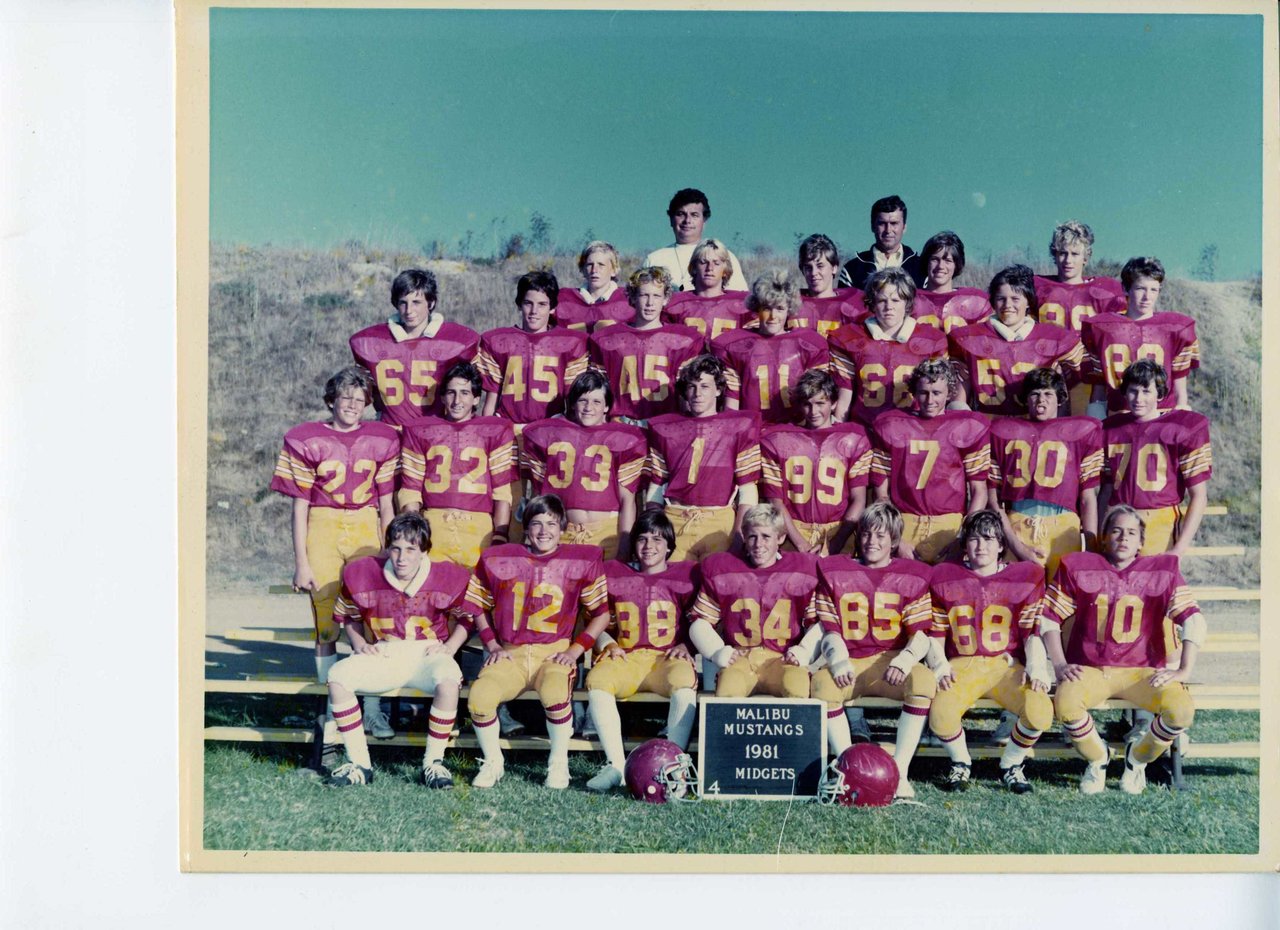
That history explains something about why the pier at Paradise Cove never got its length back. The Morris model was never really about the pier as infrastructure. It was about the cafe, the sand, and the backdrop. Tim Morris and his siblings, Melanie, Robert, Sam, Max, and Charlie, are still out there today, fishing the same shortened pier they grew up on, surfing, spending afternoons on the same beach their father rebuilt the business around. The pier works fine for that. It just isn't the pier the sportfishing fleet used to run from.
Why the Gate Fee Makes More Sense Than the Fish
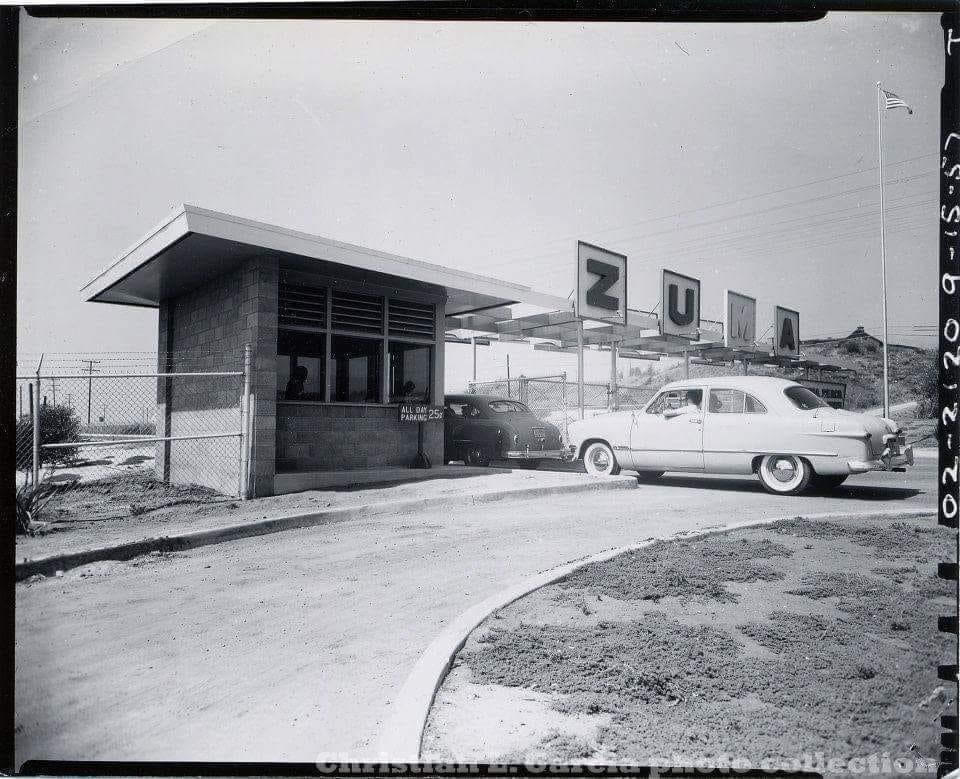
If you've ever pulled up to Paradise Cove from Pacific Coast Highway without knowing the system, the parking booth is its own kind of orientation. Attendants in jackets wave cars in for a flat charge that has run somewhere around $45 on weekdays and $65 on weekends and holidays, according to the last posted schedule. Eat at the cafe and spend at least $30, though, and that same ticket gets validated down to somewhere around $10 to $15 for four hours. Walk in from PCH along the mile-long access road instead of driving, and there's historically been a smaller walk-in charge at the gate.
None of that is an accident of a small operation figuring out pricing as it goes. It's the same logic that explains the pier's length. The business isn't selling dock access. It's selling a seat, a view, and a beach day, with the parking fee working as the toll on the whole experience rather than a fee for standing on 220 feet of boardwalk. Compare that to Malibu Pier down the coast, which is public and free to walk, and the difference in structure becomes obvious. Paradise Cove was built, and rebuilt after 1983, as a private beach club wrapped around a restaurant. The short pier is a feature of that model, not a problem waiting for a contractor.
What the Gate at the Back of the Park Actually Skips
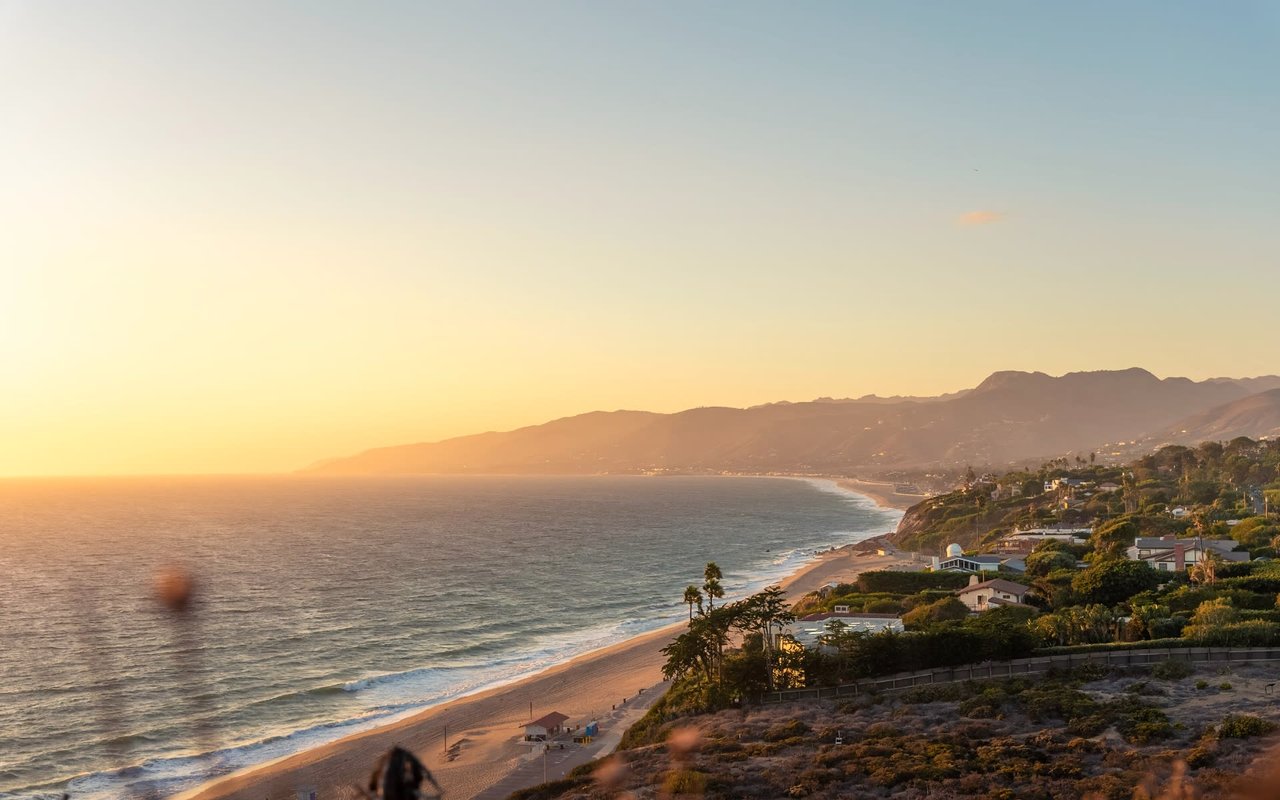
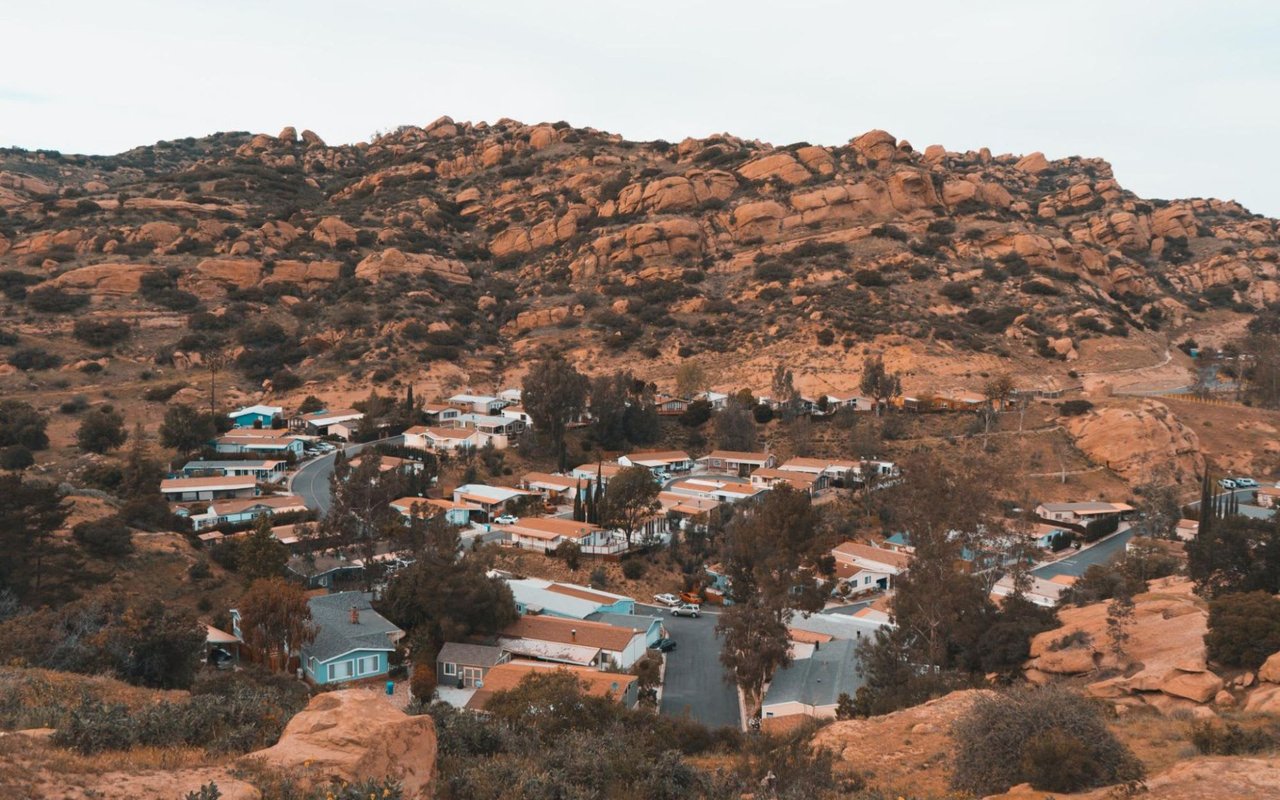
None of the parking math above touches anyone living inside Paradise Cove Mobile Home Park. The neighborhood sits on the bluff above this same beach behind its own private gate, and residents reach the sand on the park's own trails rather than the PCH entrance tourists use. The $45 weekday rate, the $65 weekend rate, the validation stamp at the cafe, all of it is built for a visitor arriving by car off the highway. A resident walking down from the park skips the entire apparatus and lands on the same sand, in front of the same shortened pier, for free.
What doesn't change with the gate is the pier itself, or what's happened on it over the decades. This stretch of beach has drawn film and photo crews for a long time. J.R. Eyerman photographed a 26-year-old Marilyn Monroe here in 1952, with the pier visible in the background of some of the more recognizable frames from that shoot. The cove has also shown up on screen in Gidget and Beach Blanket Bingo, part of a run of surf-era films and shows that used this beach as a backdrop. None of that required the pier to be any longer than it is. A short pier photographs the same as a long one.
So the pier a resident walks past most days is doing exactly the job it's done since the mid-1980s: holding up a cafe's business model, drawing the occasional camera crew, and giving Tim Morris and his family somewhere to fish that hasn't changed since he was a kid. It was never rebuilt to its original length because nothing about the business needed it to be.
If you've spent enough afternoons on that beach to notice the pier feels short for what it is, you're not misreading it. It's a survivor of a storm that happened over forty years ago, kept exactly as long as the family that runs the cafe underneath it needs it to be.
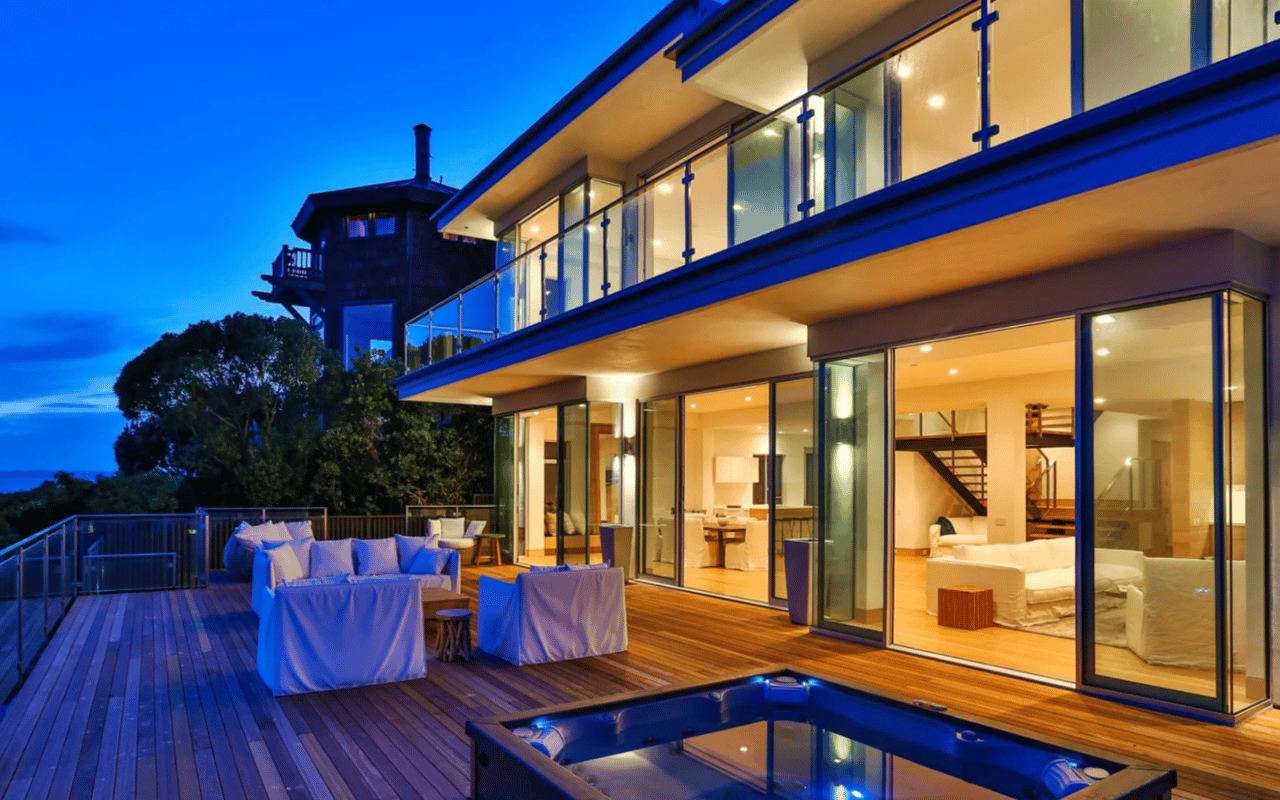
For anyone thinking through what it actually means to own a piece of this stretch of coast, from the history behind the landmarks to the way a property's daily rhythm really works, Brian Merrick Team has spent more than three decades getting to know Malibu one beach at a time.