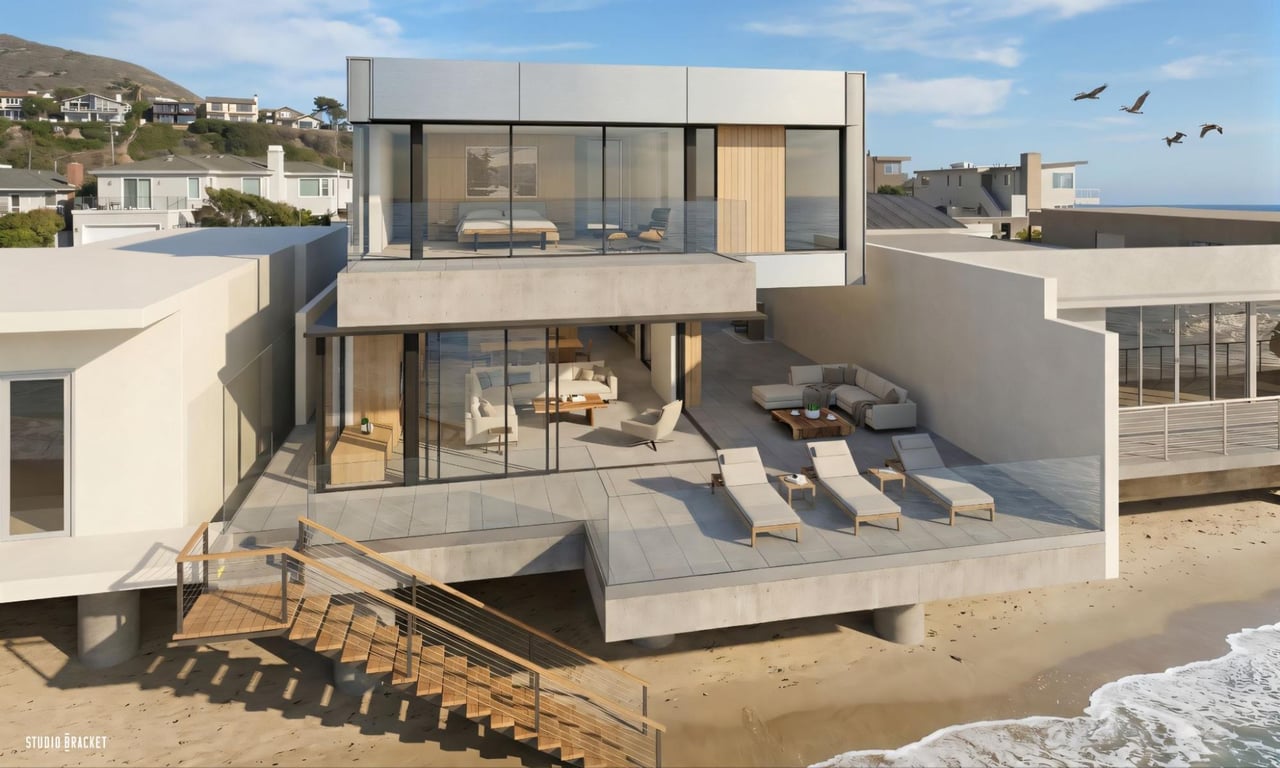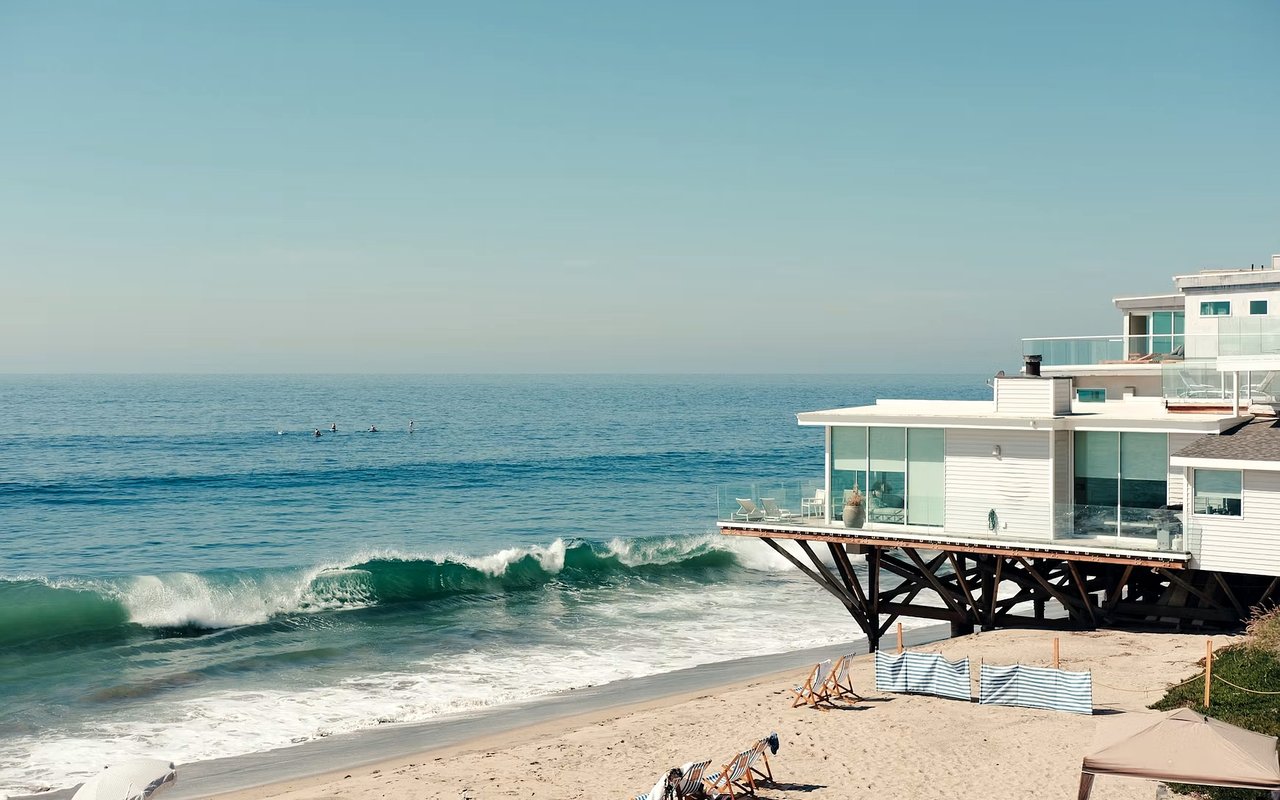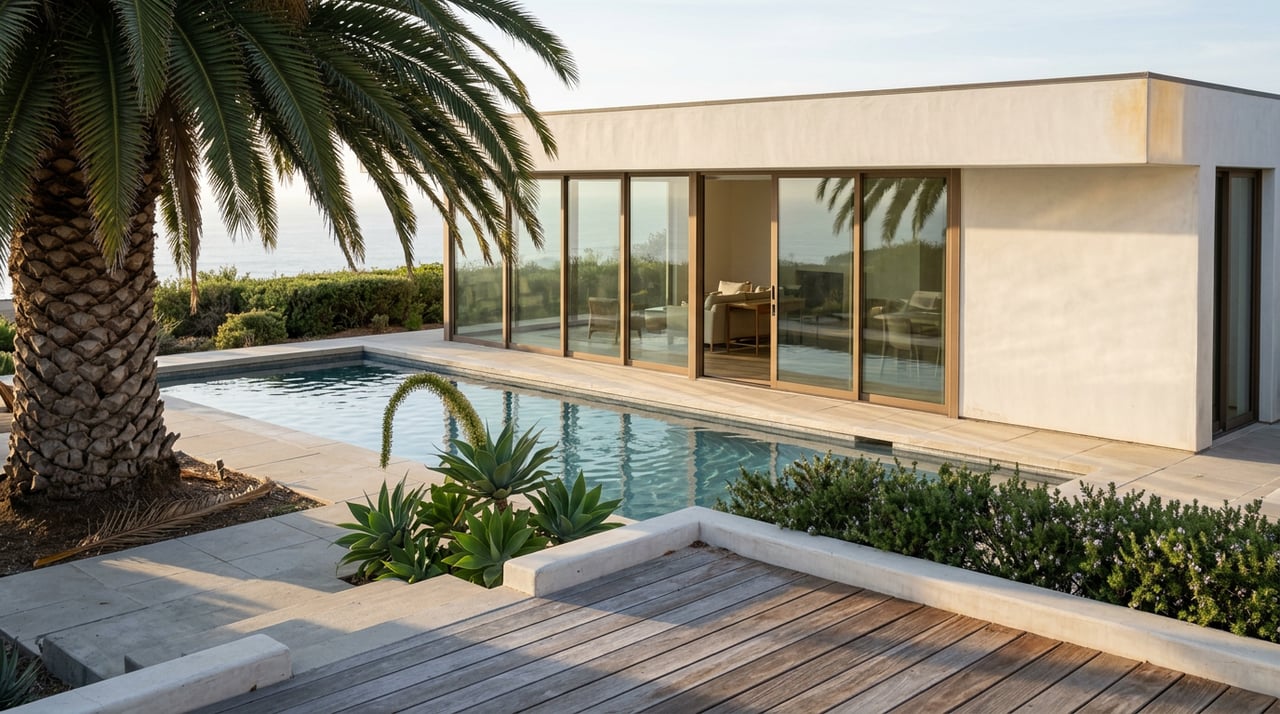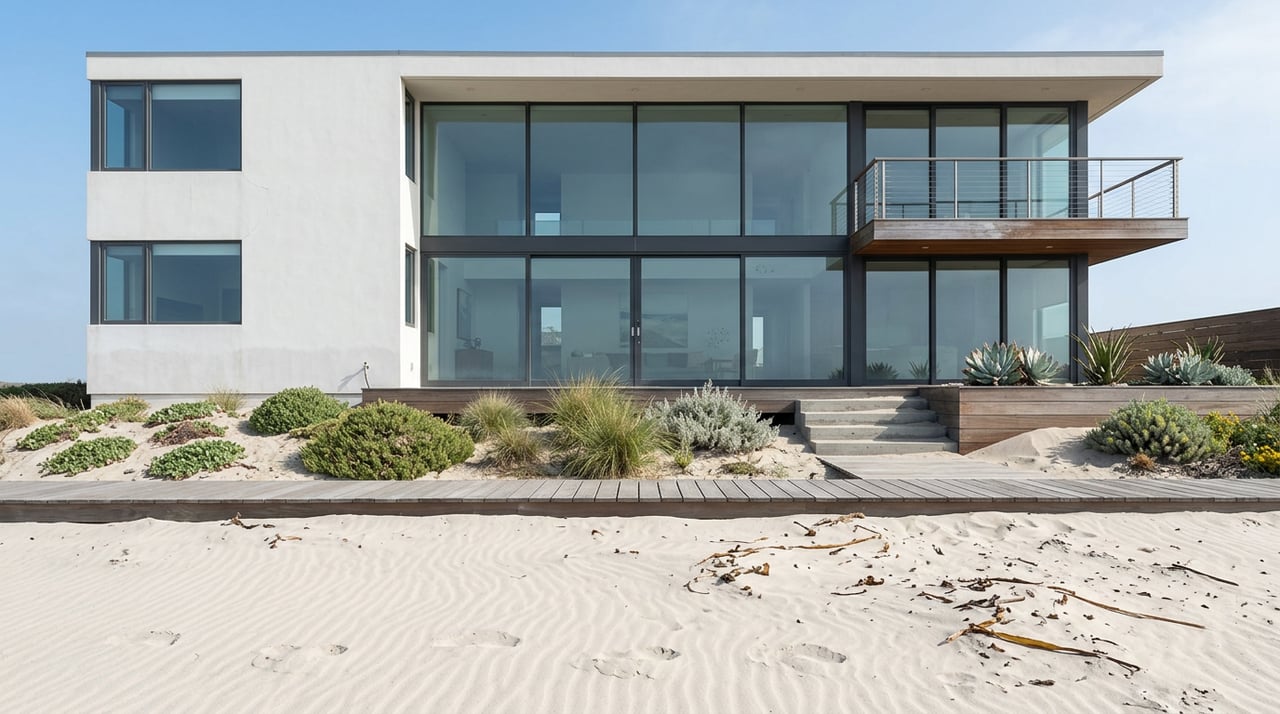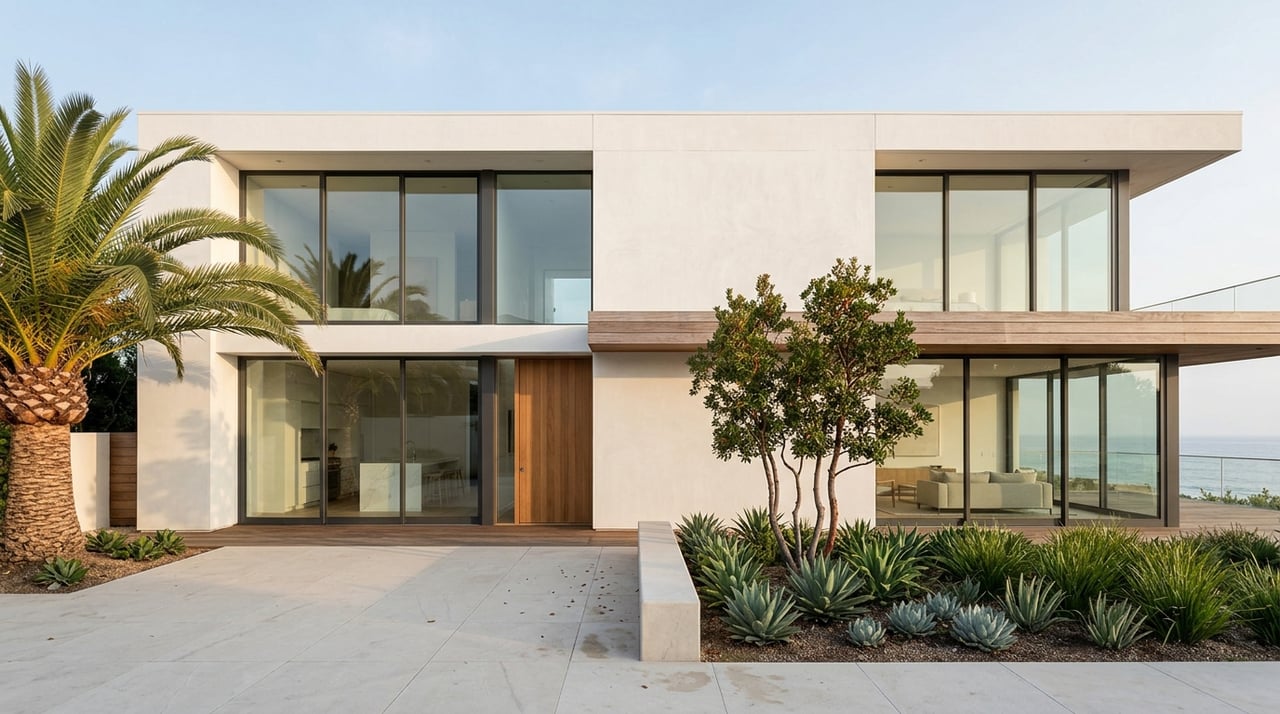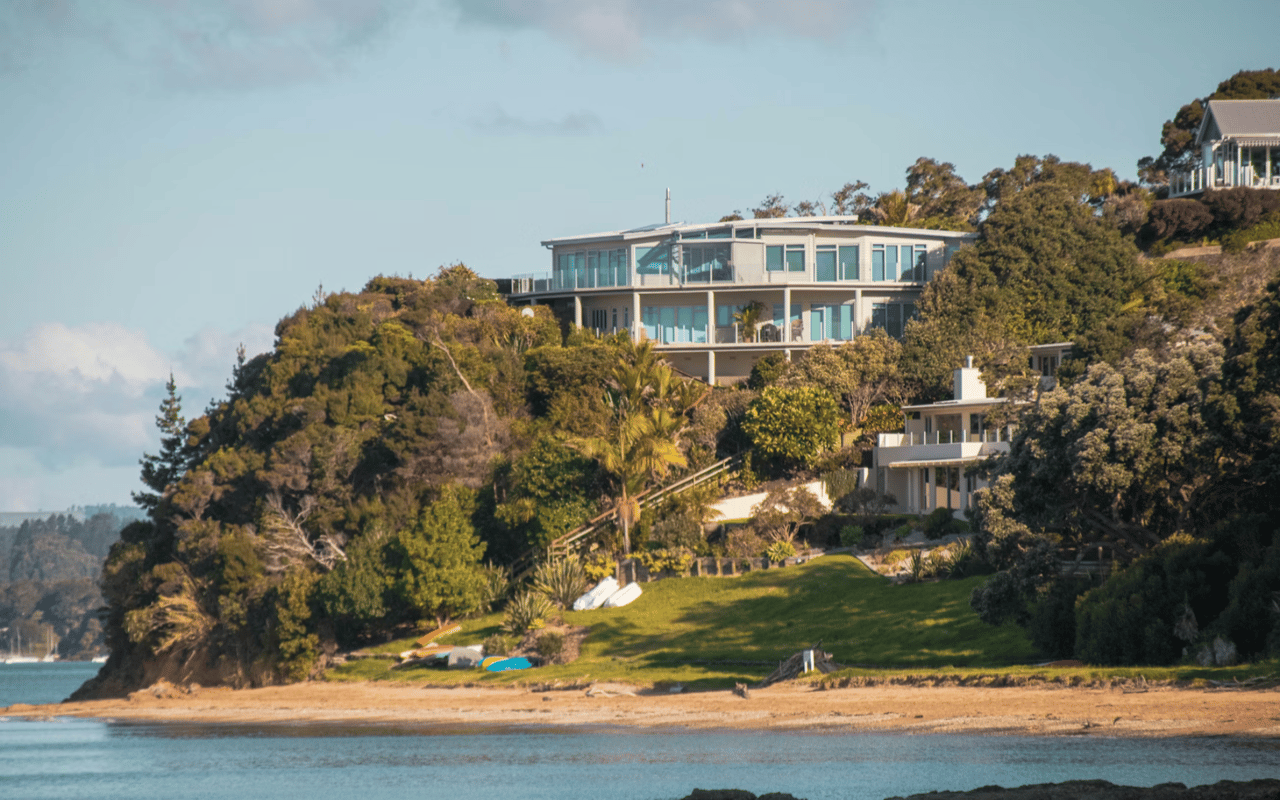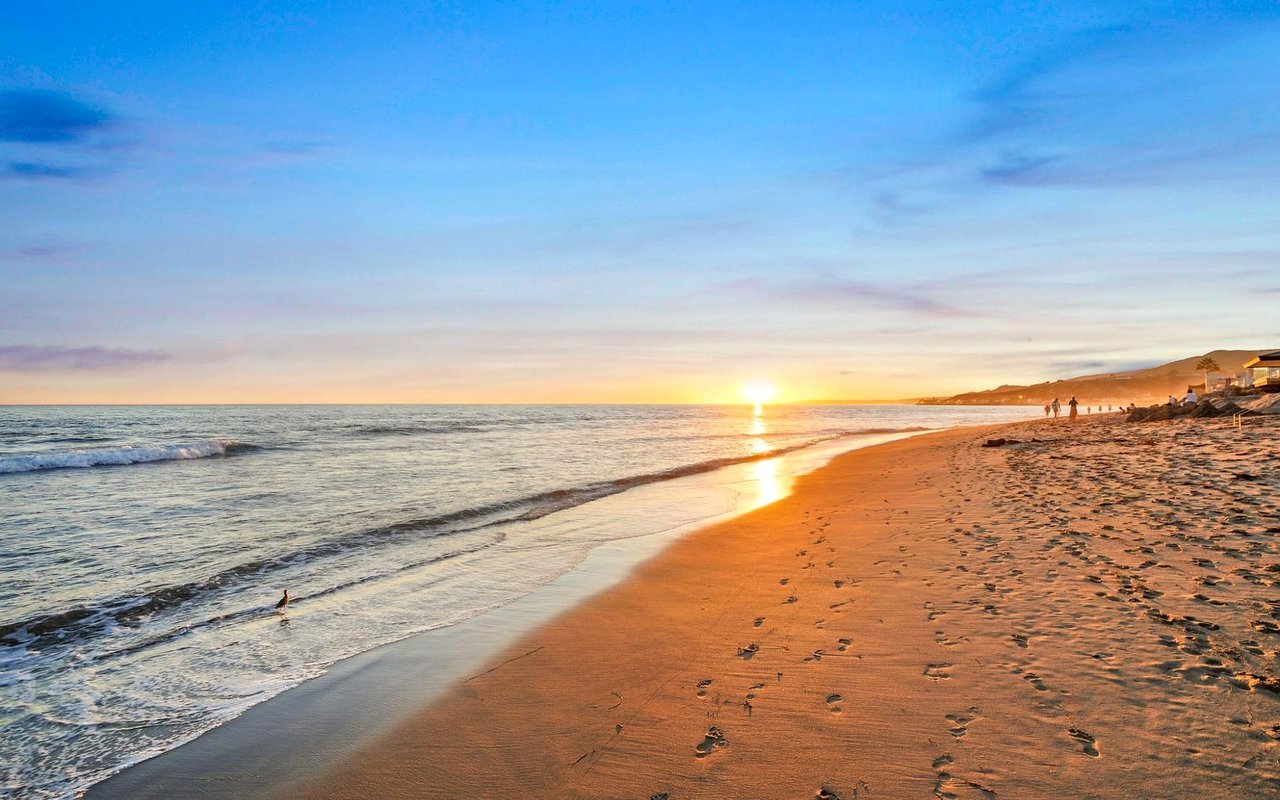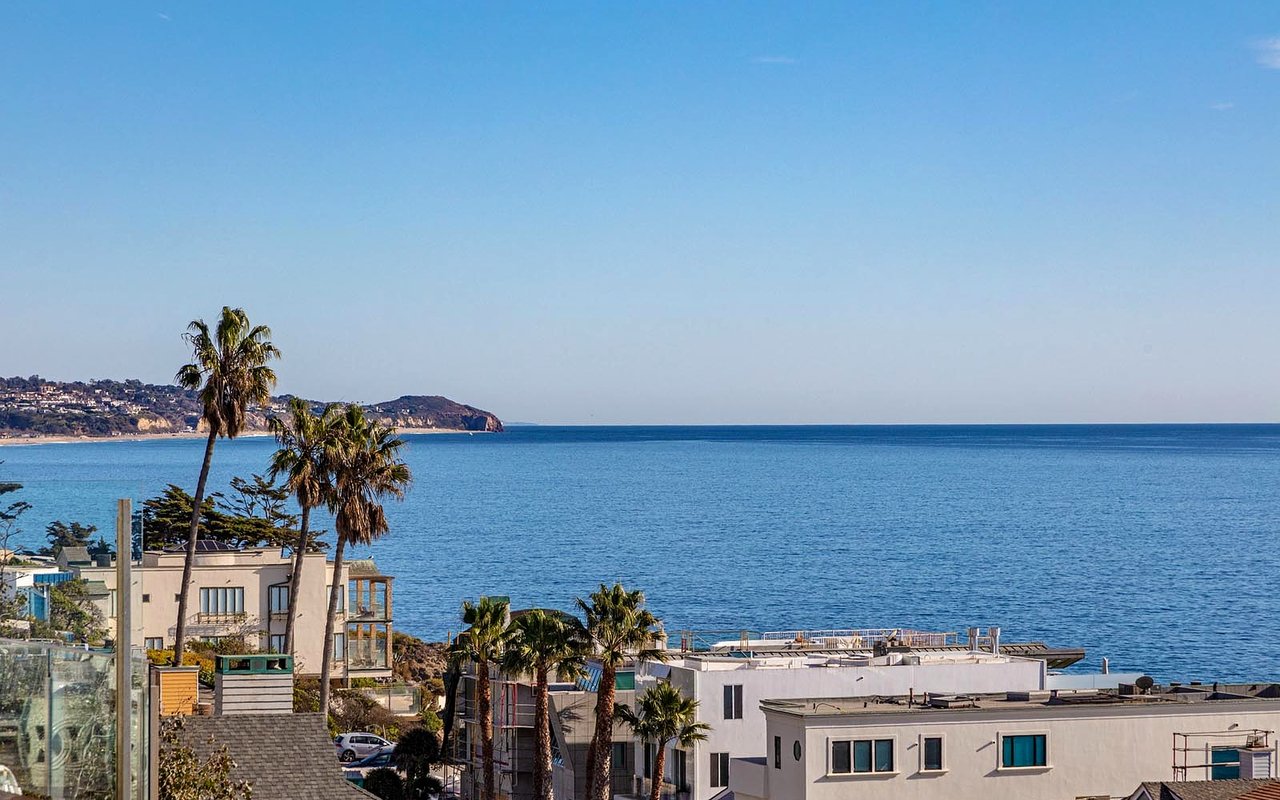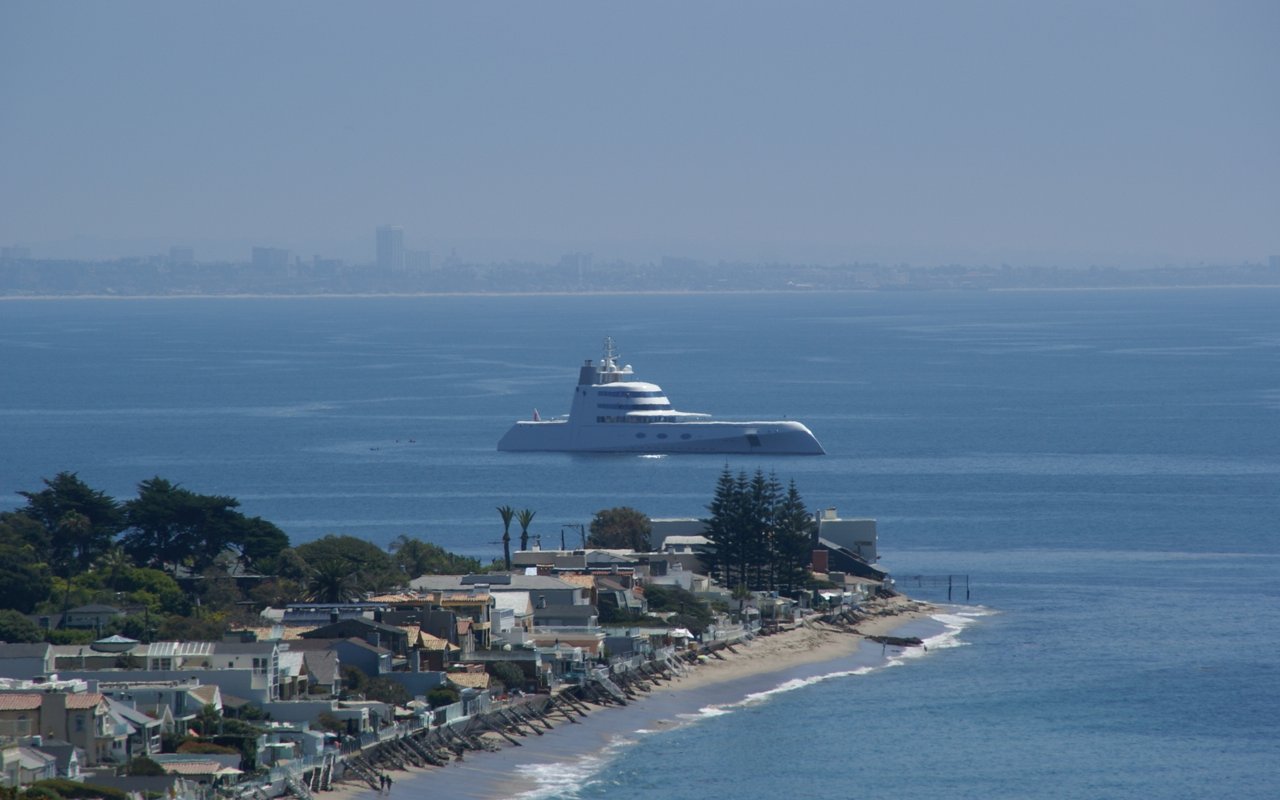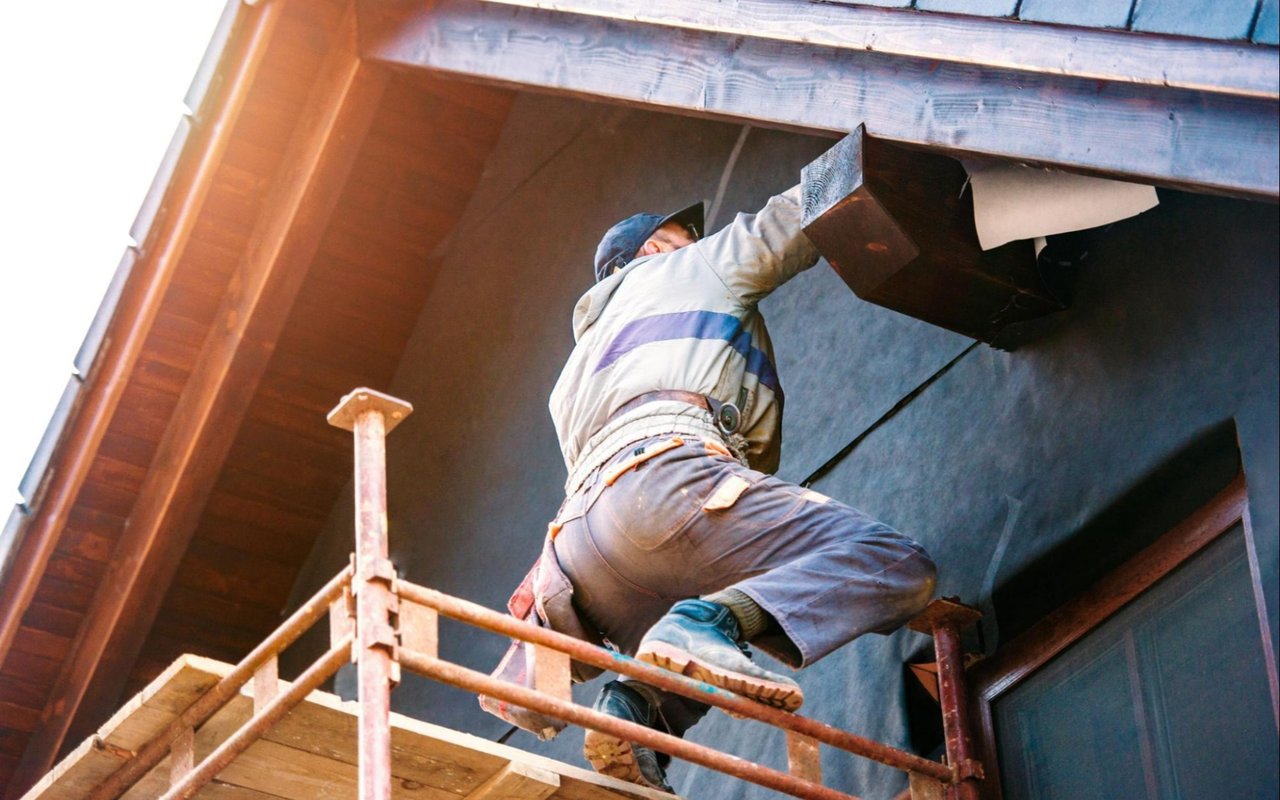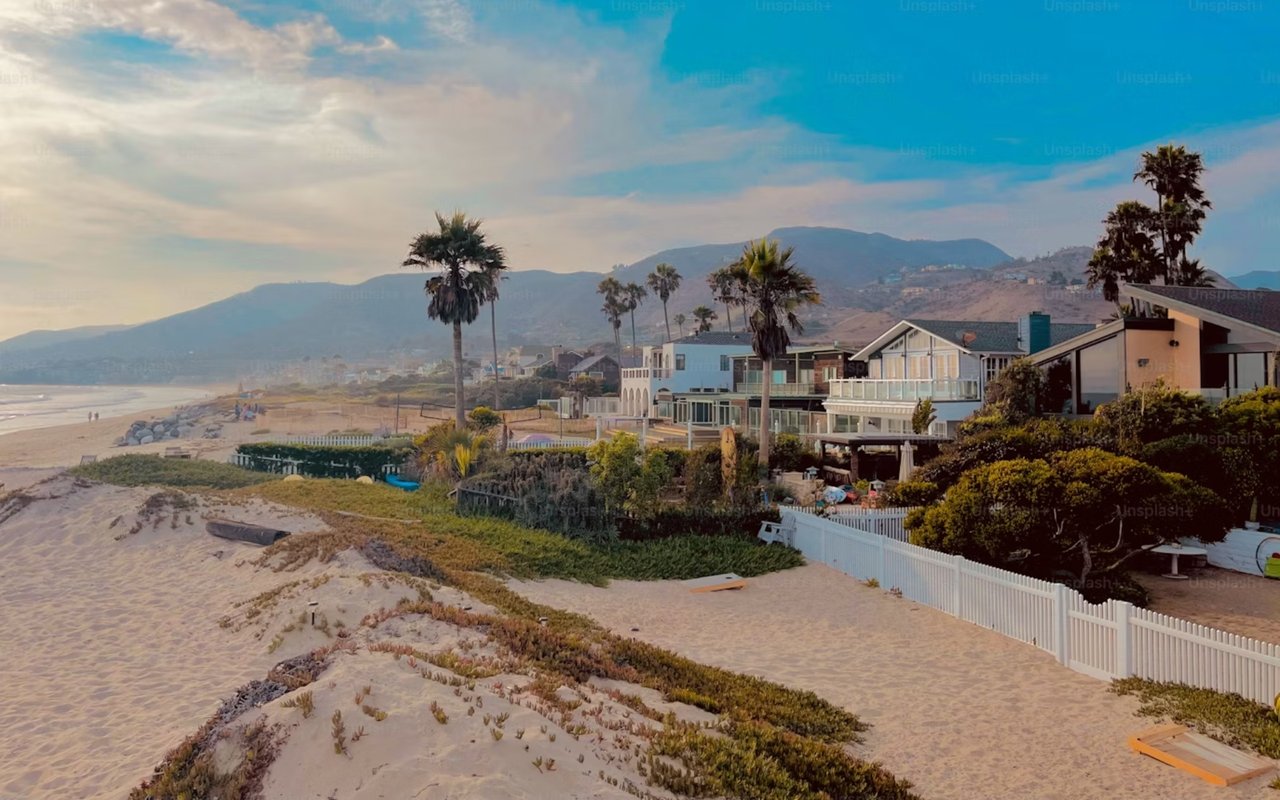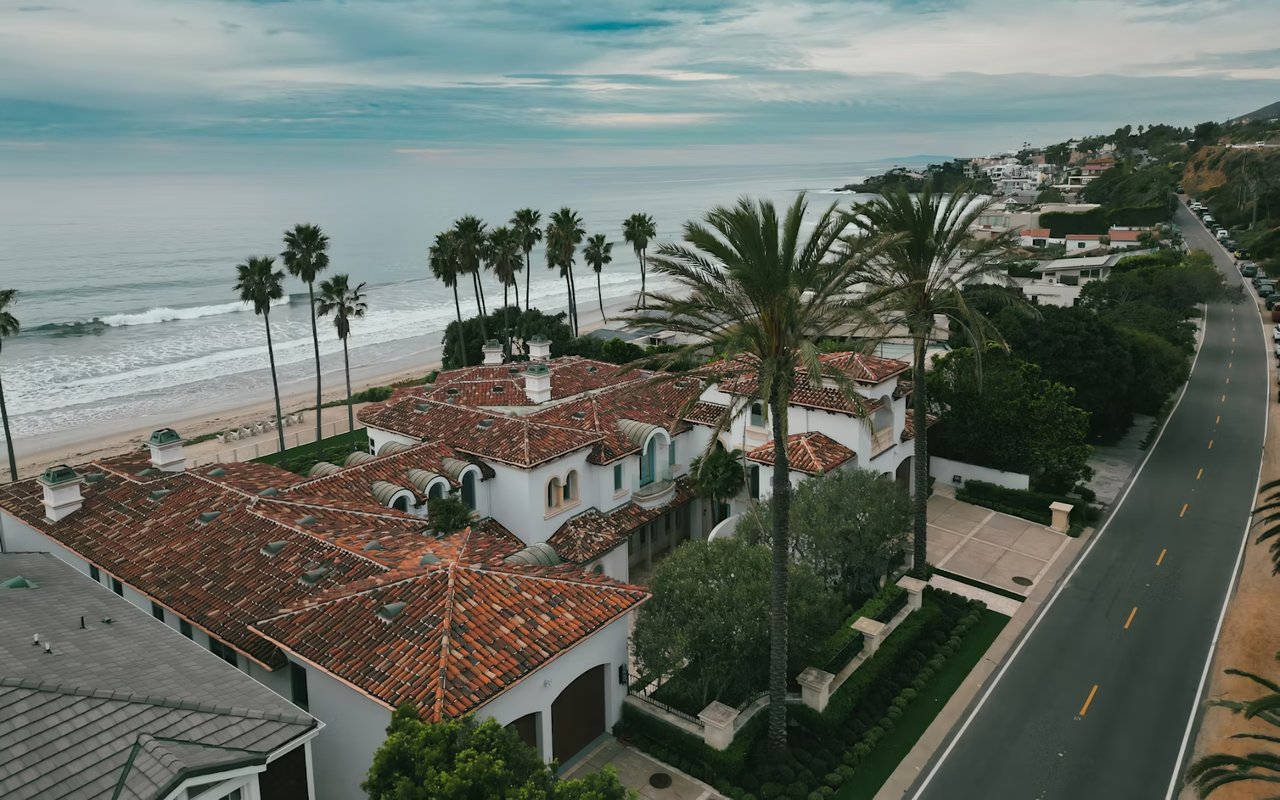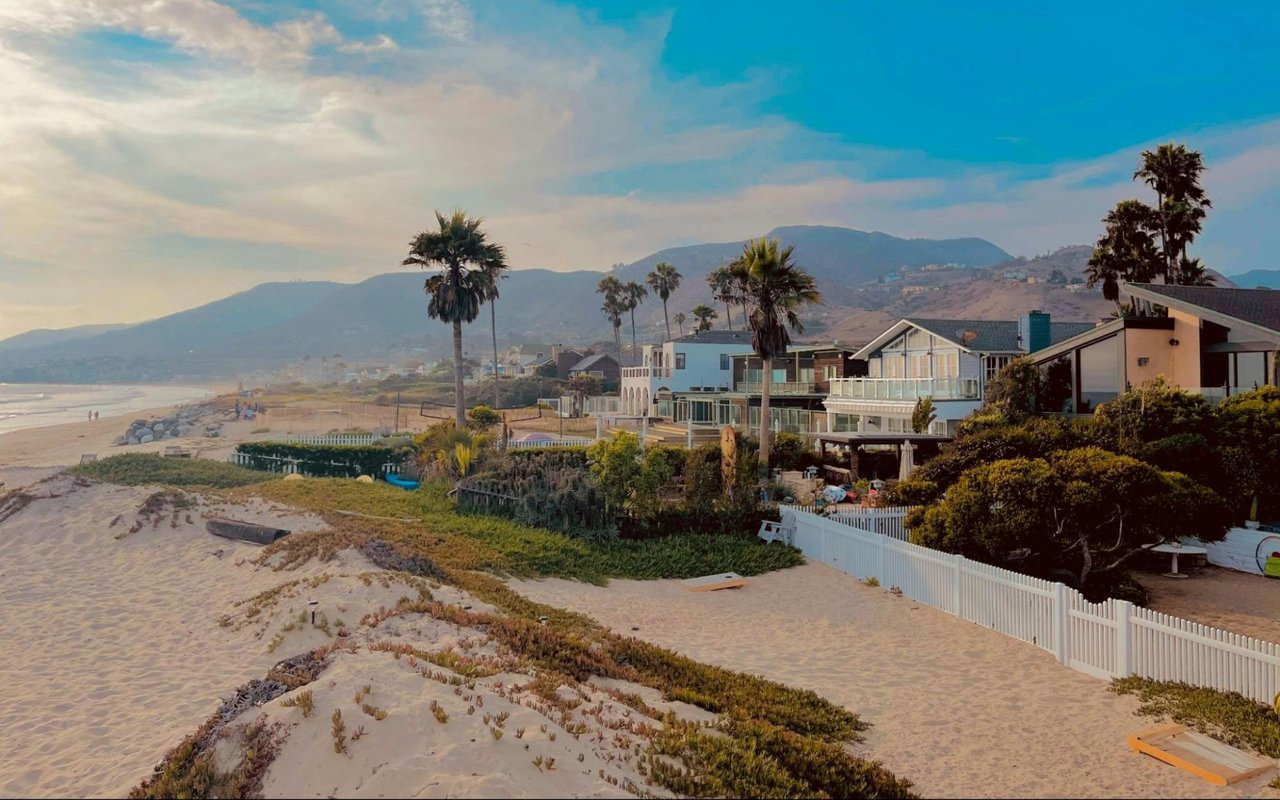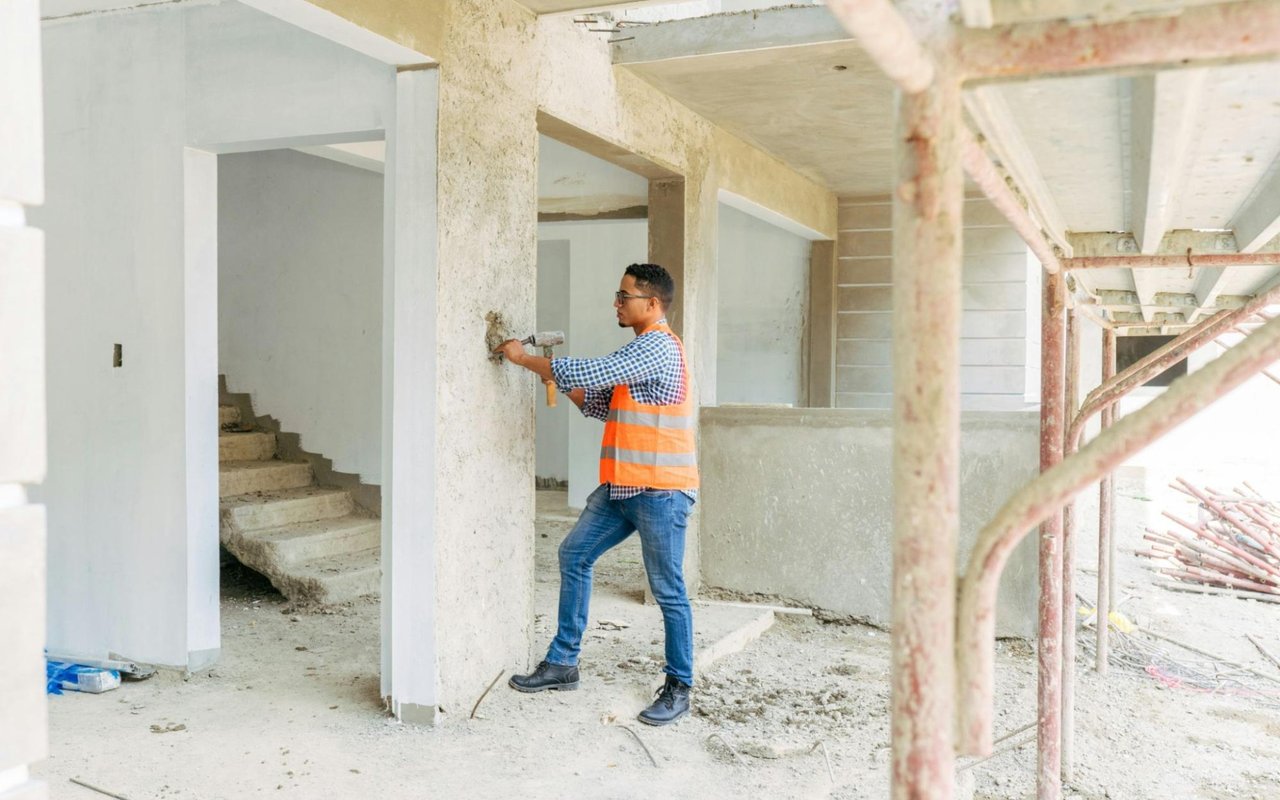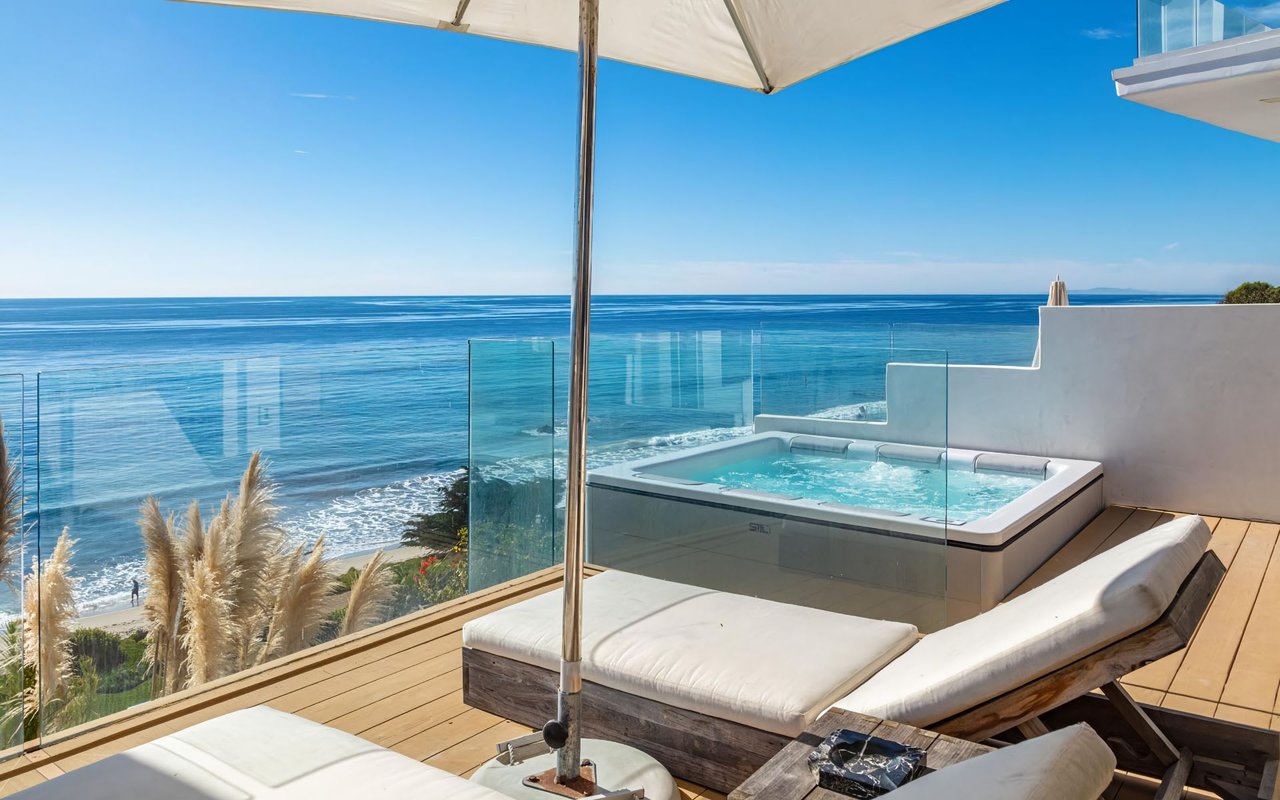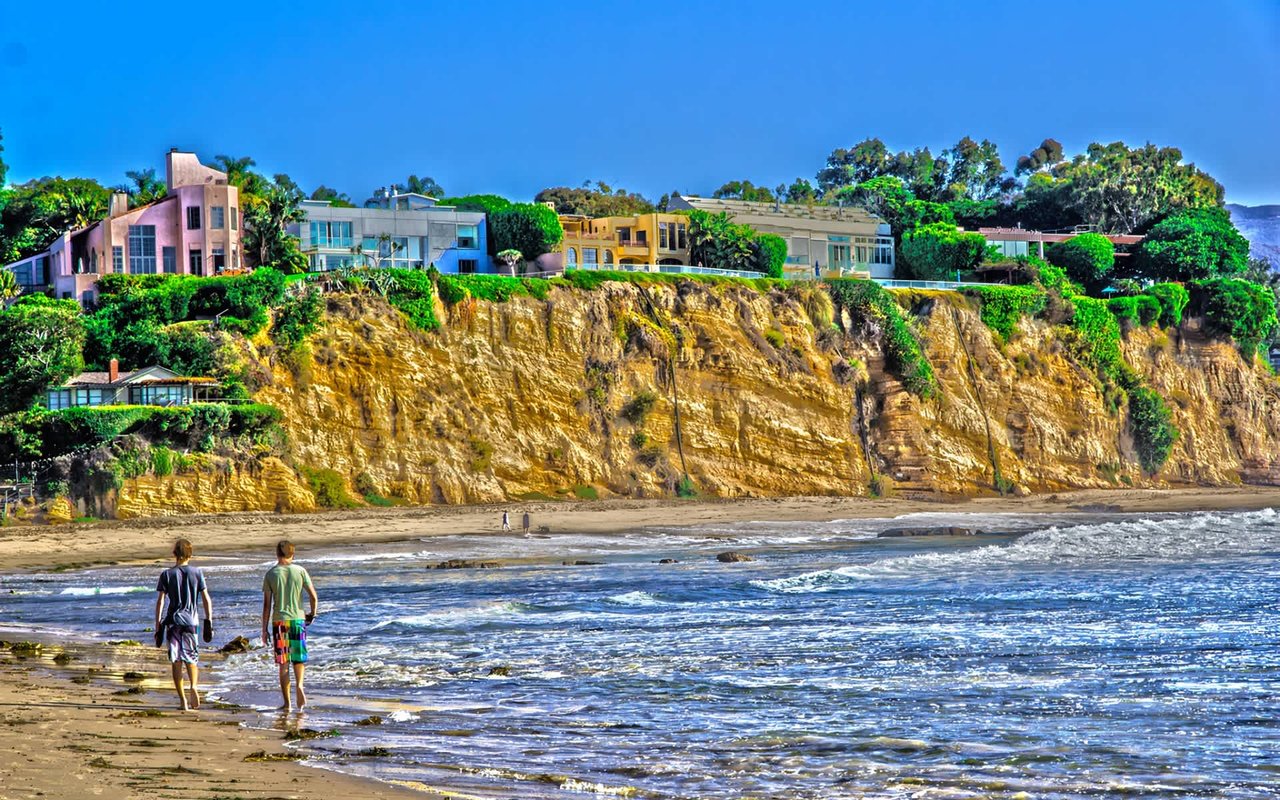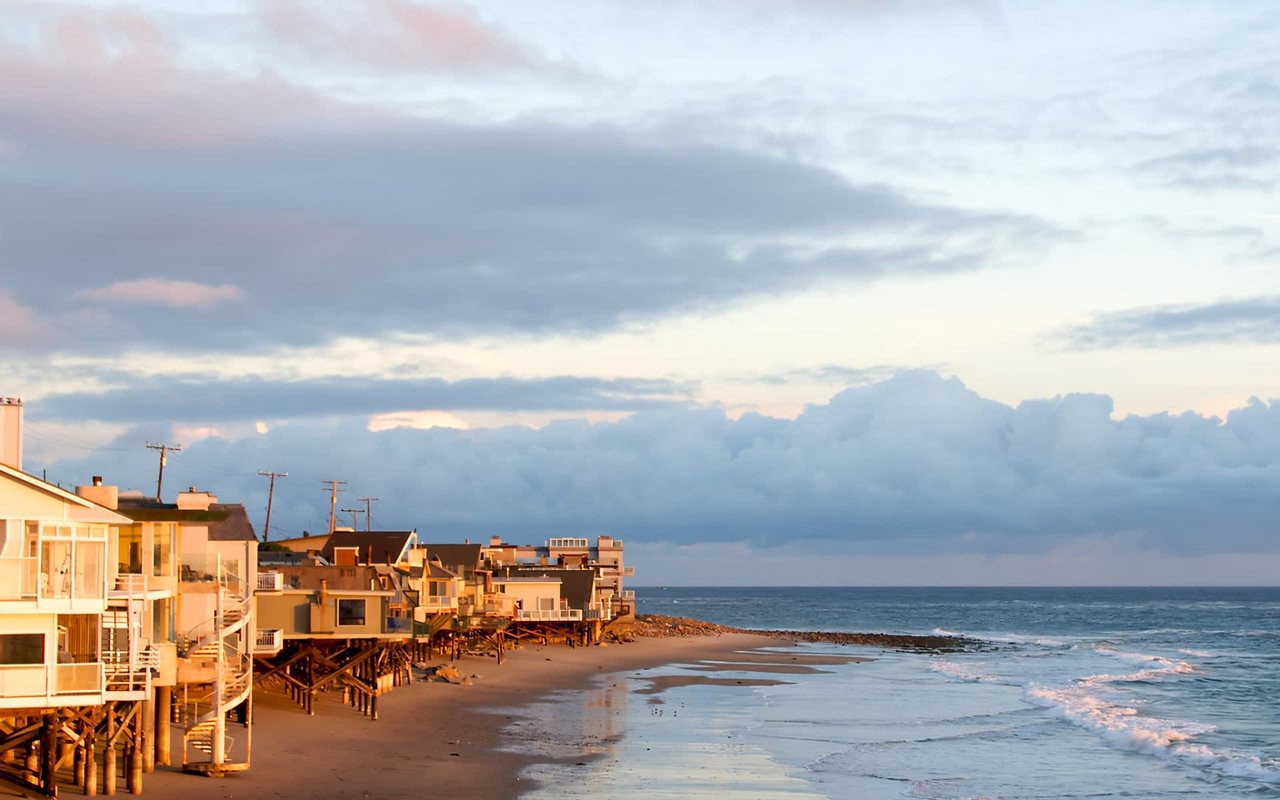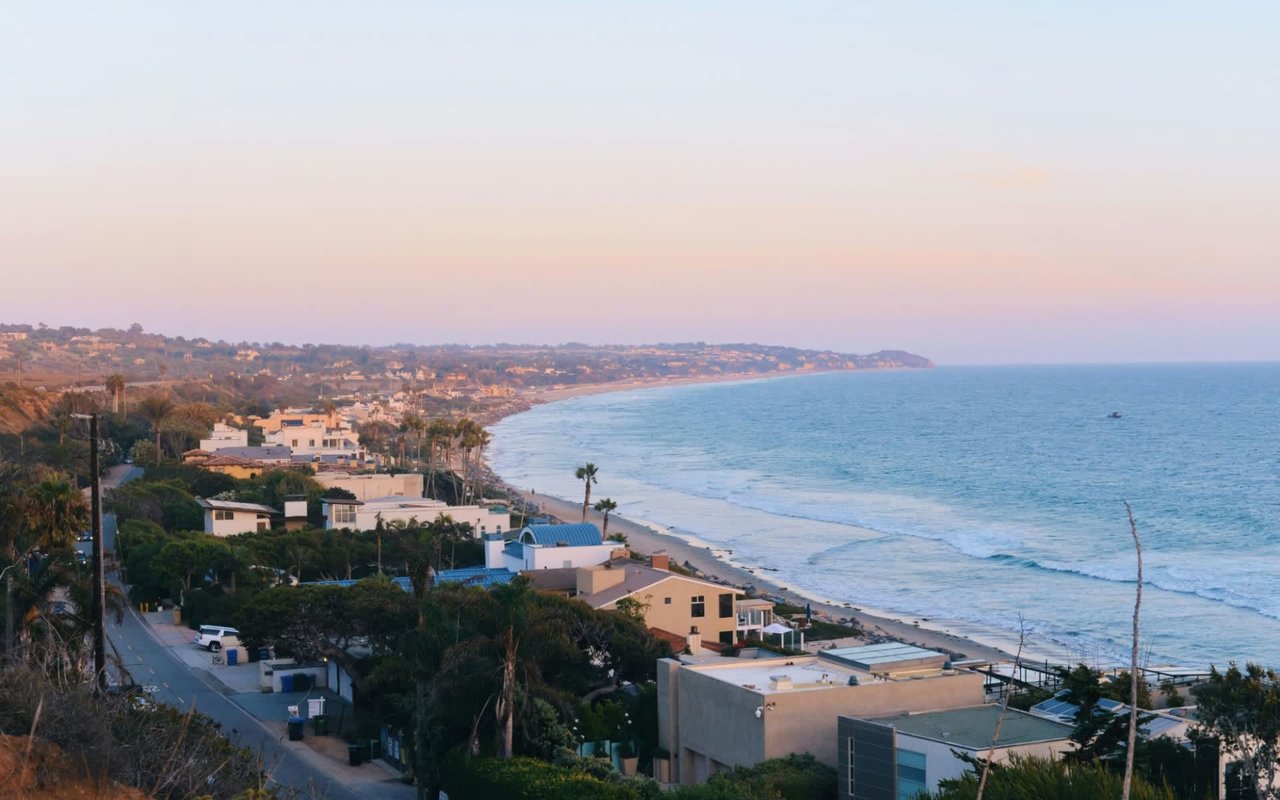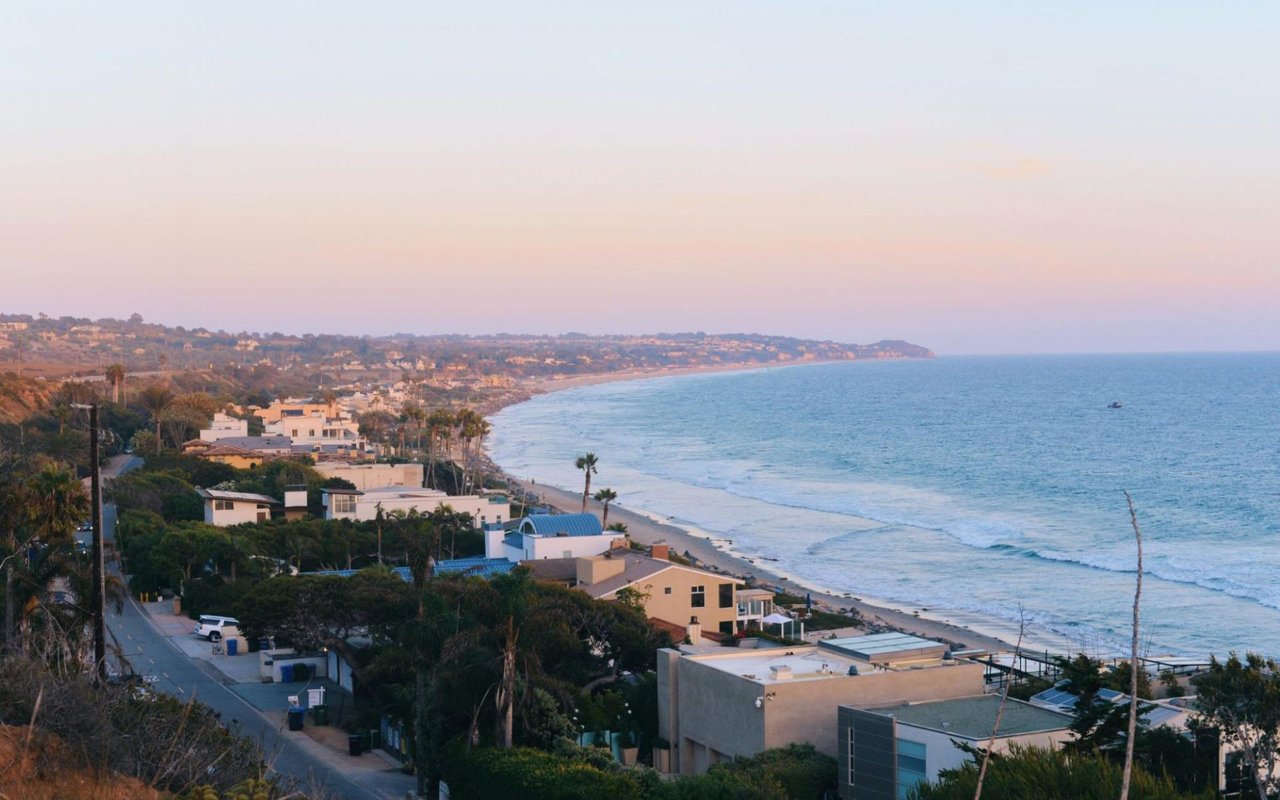

Somewhere on Carbon Beach, on a lot that burned in the Palisades Fire, a house now has a skeleton. Studs, headers, a roofline taking shape against the sand. The City of Malibu confirmed it in a late June newsflash: the first beachfront home destroyed in the fire is nearing completion of framing, a milestone in the city's rebuild process.
For owners watching from burned lots, the sight is tangible evidence that construction has begun.
The Palisades Fire hit Malibu on January 7, 2025. Framing on this one house was confirmed roughly a year and a half later, in June 2026. Framing is not a finished home. It's closer to the halfway point of a build that still needs mechanical and electrical rough-in, inspections, exterior finish work. And this is the property that got there first, on the most valuable stretch of sand in the city, out of 322 coastal homes the fire destroyed. The milestone does not by itself establish the timeline for other rebuilds.
What "Nearing Completion of Framing" Actually Buys You
A contractor currently building an $8 million Malibu fire rebuild describes a typical timeline of 24 to 36 months from initial consultation to Certificate of Occupancy, a window that assumes the project is moving efficiently through both the City of Malibu's plan check and the California Coastal Commission's review. Eighteen months to reach framing on the Carbon Beach project fits comfortably inside that range. It doesn't shorten it.
That distinction matters for anyone weighing whether to buy a burned lot or rebuild one they already own. A framed structure signals that permitting worked, design got approved, and construction is underway. It does not signal an occupancy date is close. Owners and buyers pricing a Carbon Beach lot off this milestone should treat 24 to 36 months as a typical range for a comparable project, not a guarantee that occupancy is imminent.
The Two Agencies Every Carbon Beach Rebuild Has to Satisfy
Most Malibu coastal properties sit inside the California Coastal Zone, which means a rebuild typically answers to both the City of Malibu's building department and the California Coastal Commission. The city adopted Ordinance 524 in March 2025, later updated as 524U, creating a new Rebuild Development Permit pathway specifically for homes lost to the Palisades, Franklin, and Broad fires. The Coastal Commission certified the companion amendment on April 10, 2025.
That streamlined path only applies within limits. California Public Resources Code Section 30610(g) exempts disaster rebuilds from a standard coastal development permit, but only if the replacement structure sits in the same location, serves the same use, and does not exceed the prior floor area, height, or bulk by more than 10 percent. Anyone wanting a meaningfully larger house on a Carbon Beach lot than the one that burned falls outside that exemption and back into the standard process.
The gap between those two paths is not small, according to Goldenline Construction.
| Pathway | Typical cost | Typical timeline |
|---|---|---|
| Planning Verification (like-for-like, within the 10% rule) | Around $200 | About one week |
| Coastal Development Permit (design exceeds like-for-like) | $11,579 or more | 12 to 24 months |
A homeowner who assumes their rebuild qualifies for the fast lane, then discovers mid-design that a larger footprint or a relocated structure pushes it into full Coastal Development Permit review, can lose a year or more they didn't budget for. That decision gets made early, in the design phase, well before anyone breaks ground.
Malibu Rebuild Permits Compared With Pacific Palisades
By early August 2026, Pacific Palisades had issued rebuilding permits for more than 1,400 properties. The City of Malibu, over the same recovery window, had issued somewhere between 88 and 89 building permits citywide, according to city council reporting and local news coverage, with most of those concentrated in the Big Rock area. City officials cite Malibu's steep, eroding coastline and its layered regulatory requirements as factors in the permitting process. These figures offer a comparison between the two communities, but do not by themselves establish why their permit totals differ.
The Malibu Times reported on a Big Rock rebuild permit whose plan check generated 123 separate comments before it cleared review. Architects familiar with typical Los Angeles single-family review told the paper that 20 to 40 comments is normal for a comparable home. The report also noted that some Malibu plan checks are handled by outside consultants who bill the city by the hour.
The example illustrates one rebuild's plan-check experience, but it does not by itself explain broader permit trends.
Insurance Costs to Consider for a Rebuild
Carbon Beach rebuild values routinely run into eight figures. The California FAIR Plan, the state's insurer of last resort for high-fire-risk properties, caps residential coverage at $3 million, according to the United States Real Estate Investor. On a property valued well above that, the FAIR Plan policy covers a fraction of replacement cost, and most owners layer a difference-in-conditions policy or a surplus-lines policy on top to close the gap. Reported insurance costs for Malibu coastal properties have climbed toward six figures annually in some cases, a carrying cost that starts accruing well before construction finishes and continues through the 24- to 36-month build.
As The Union-Bulletin reported last fall, one Malibu property owner pulling a burned oceanfront lot back from the market said he was trimming his asking price because "the nuances of building here and the limited permits issued have led to a setback in the market." That was one seller's view of the market in October 2025. Permit figures reported the following summer provide a later snapshot of rebuilding activity.
What This Means If You're Weighing a Carbon Beach Lot Right Now
A framed house on Carbon Beach is genuinely good news. It's the clearest proof yet that a rebuild on the most complicated, most valuable stretch of Malibu coastline can move from fire to frame. It is not proof that the system has sped up citywide, and it is not a signal to price a burned lot as though occupancy is around the corner.
Three things worth confirming before making an offer on a burned Carbon Beach parcel or committing to a rebuild design: whether the planned structure genuinely qualifies for the like-for-like Planning Verification path or will need a full Coastal Development Permit, what insurance coverage stack you'll need to close the FAIR Plan's $3 million gap, and where the property currently sits in the city's two-phase review, since a planning approval and an issued building permit are very different milestones.
FAQ
Does the governor's executive order mean my Carbon Beach rebuild skips Coastal Commission review entirely? Only if the replacement stays in the same location, serves the same use, and does not exceed the prior floor area, height, or bulk by more than 10 percent. Anything that exceeds those limits falls outside the exemption and returns to the standard Coastal Development Permit process, with its own hearing and appeal timeline.
If a Carbon Beach lot is already framed, is it close to move-in ready? Not necessarily. Framing is roughly the midpoint of a typical 24- to 36-month rebuild timeline. Mechanical and electrical work, inspections, exterior finishes, and final sign-off from both the city and, where applicable, the Coastal Commission still remain.
How does the FAIR Plan's $3 million cap affect financing a rebuild? Most owners layer a difference-in-conditions or surplus-lines policy on top of the FAIR Plan base, which adds a real and ongoing carrying cost well before the home is finished.
If you're weighing whether to rebuild a Carbon Beach lot, buy one already in progress, or sell before committing to another permitting cycle, the numbers above only tell part of the story. The rest depends on where a specific parcel sits in the city's process today. The Brian Merrick Team has spent more than 30 years reading Malibu's coastline block by block, fire cycle included, and can help you work through what a given Carbon Beach property actually requires before you write an offer or break ground.
This article is general information, not legal, tax or financial advice. Consult a qualified professional about your situation.