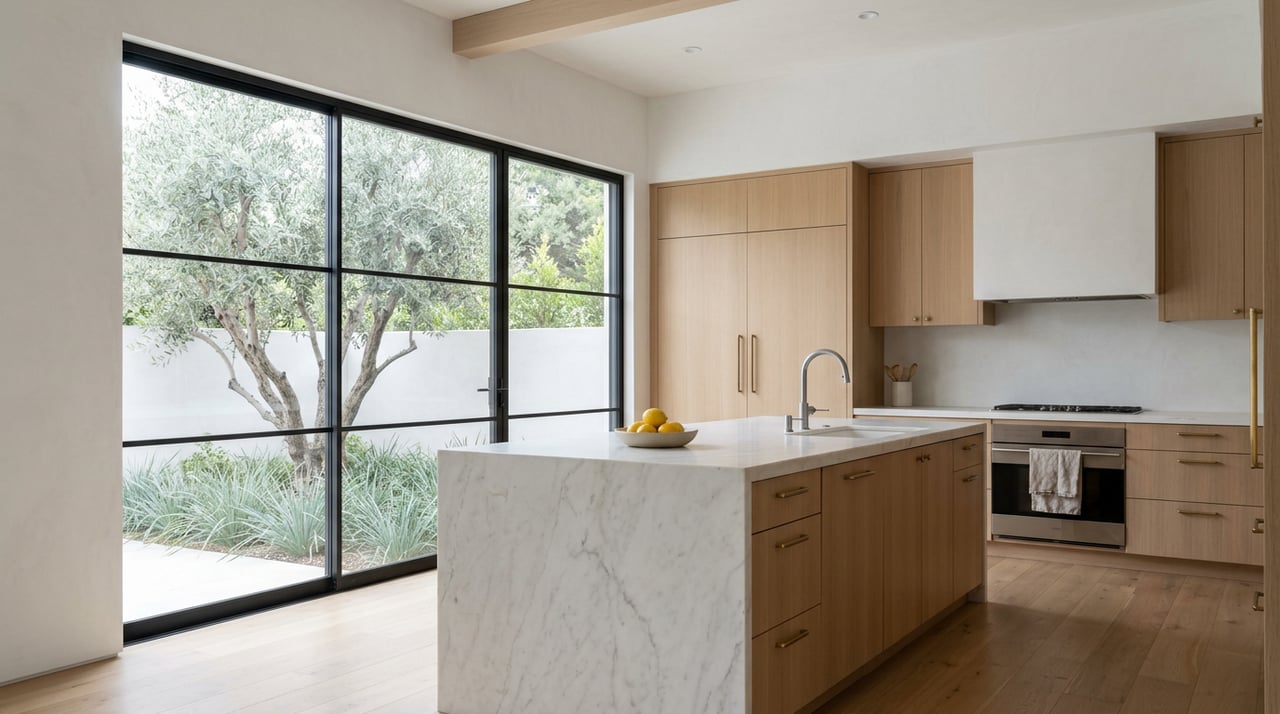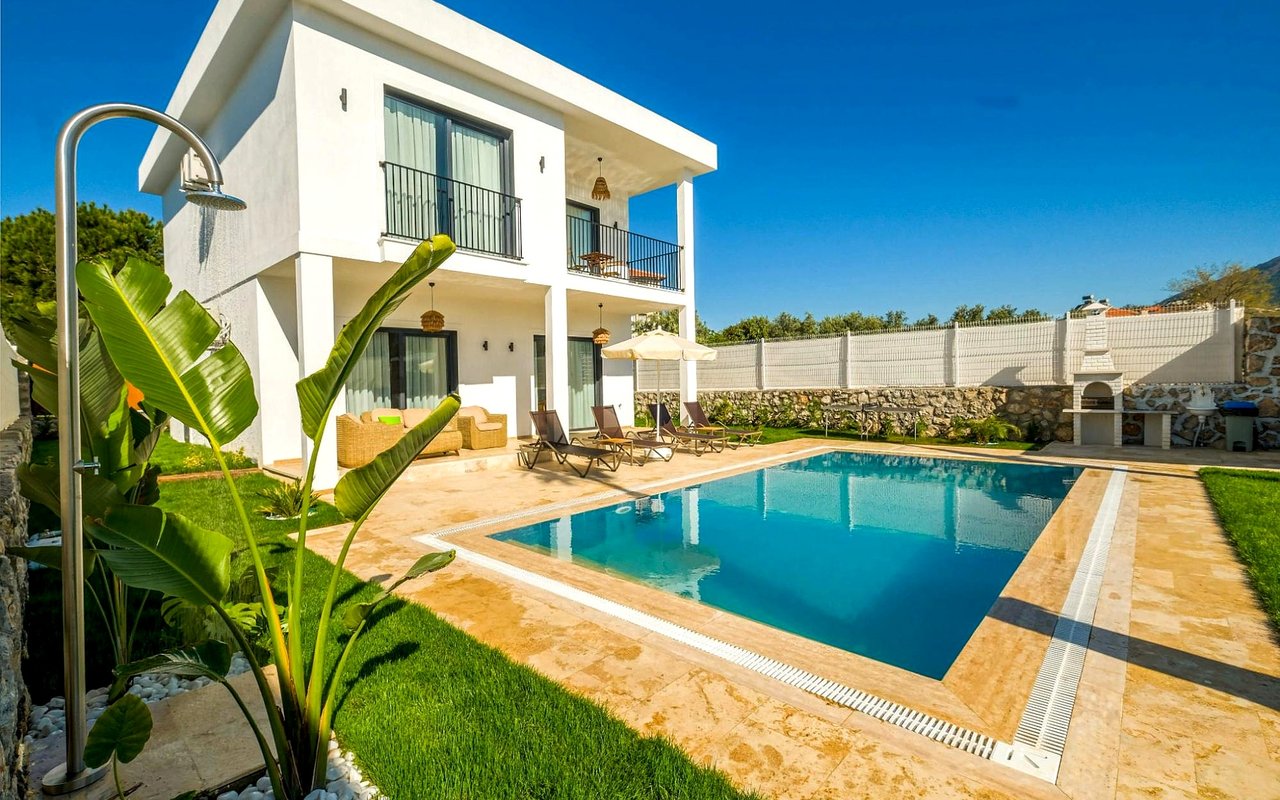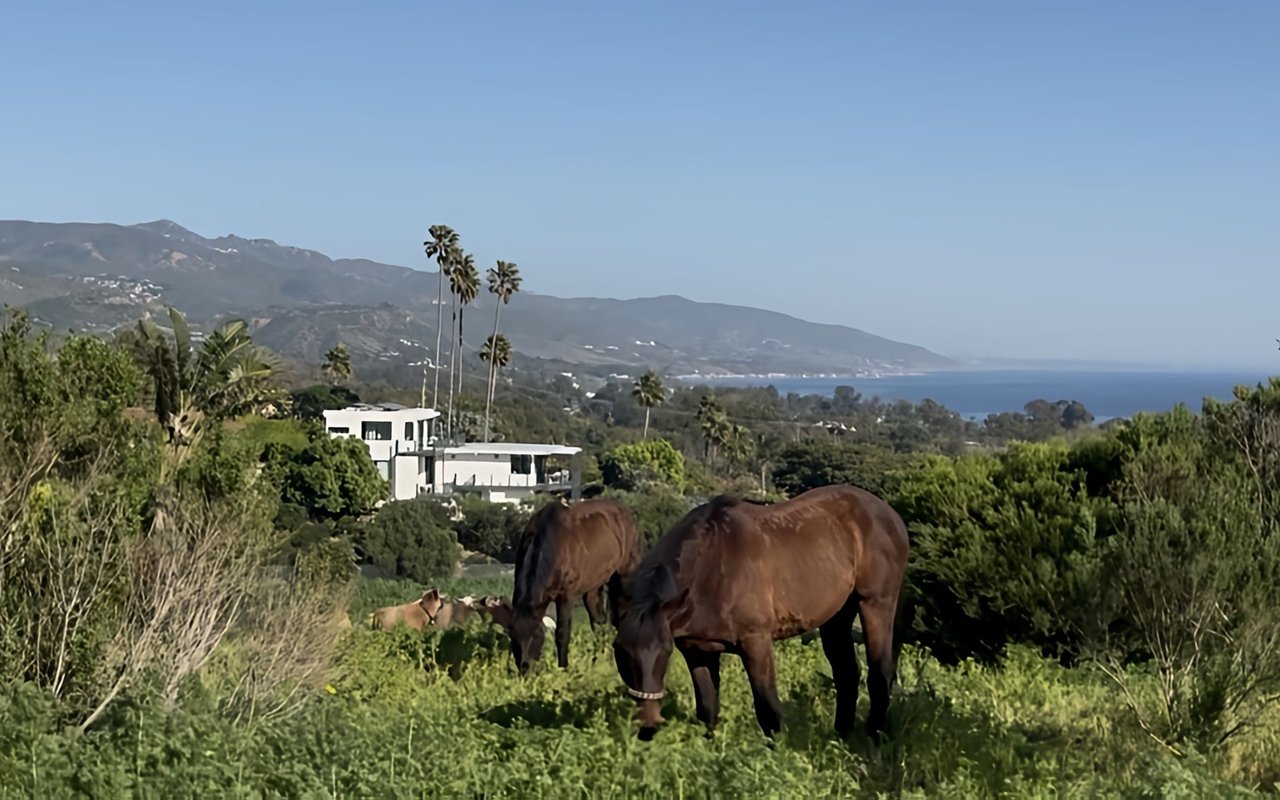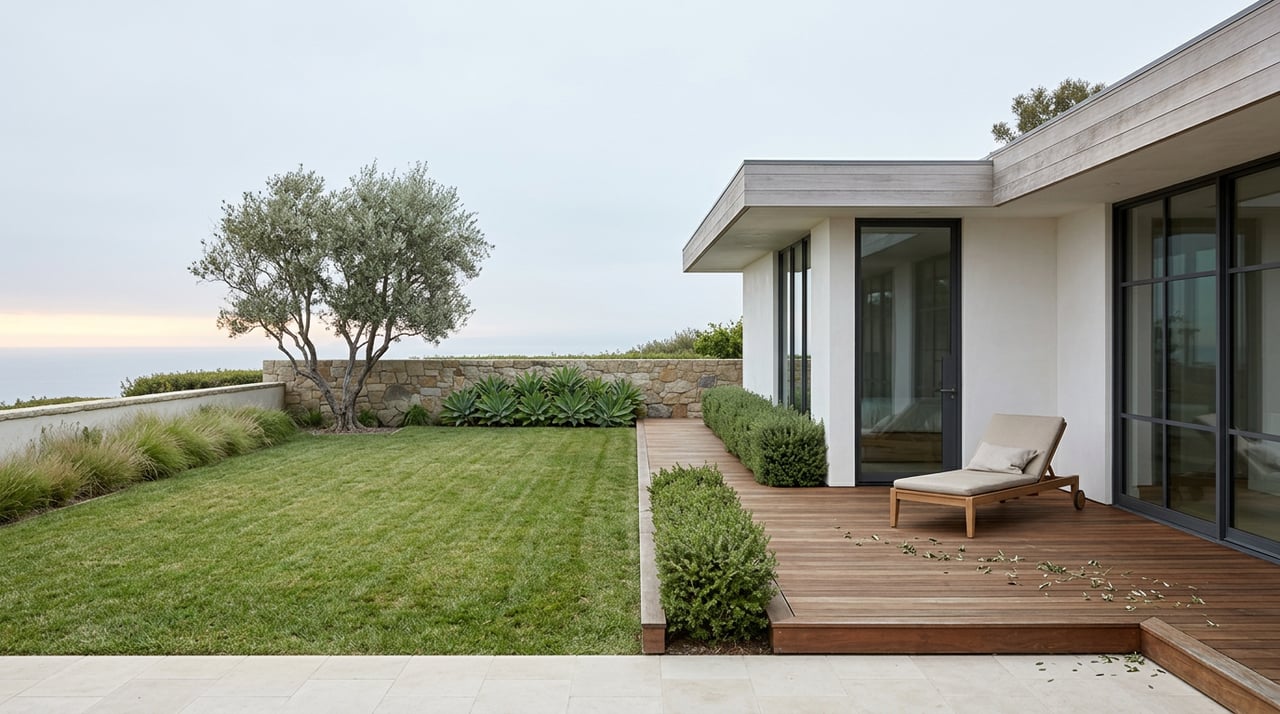

If you follow Malibu real estate by headline alone, it is easy to miss what is really happening. A softer market, higher inventory, or lower rates may shape the backdrop, but Malibu rarely moves as one market. If you are buying or selling here, understanding how each micro-market reacts can help you price smarter, negotiate better, and avoid broad assumptions. Let’s dive in.
Malibu Is Not One Market
Malibu sits inside the California coastal zone, and much of its development and land-use framework runs through the City of Malibu’s Local Coastal Program. That matters because local rules, geography, and site conditions shape value in ways that citywide or zip-code averages cannot fully capture.
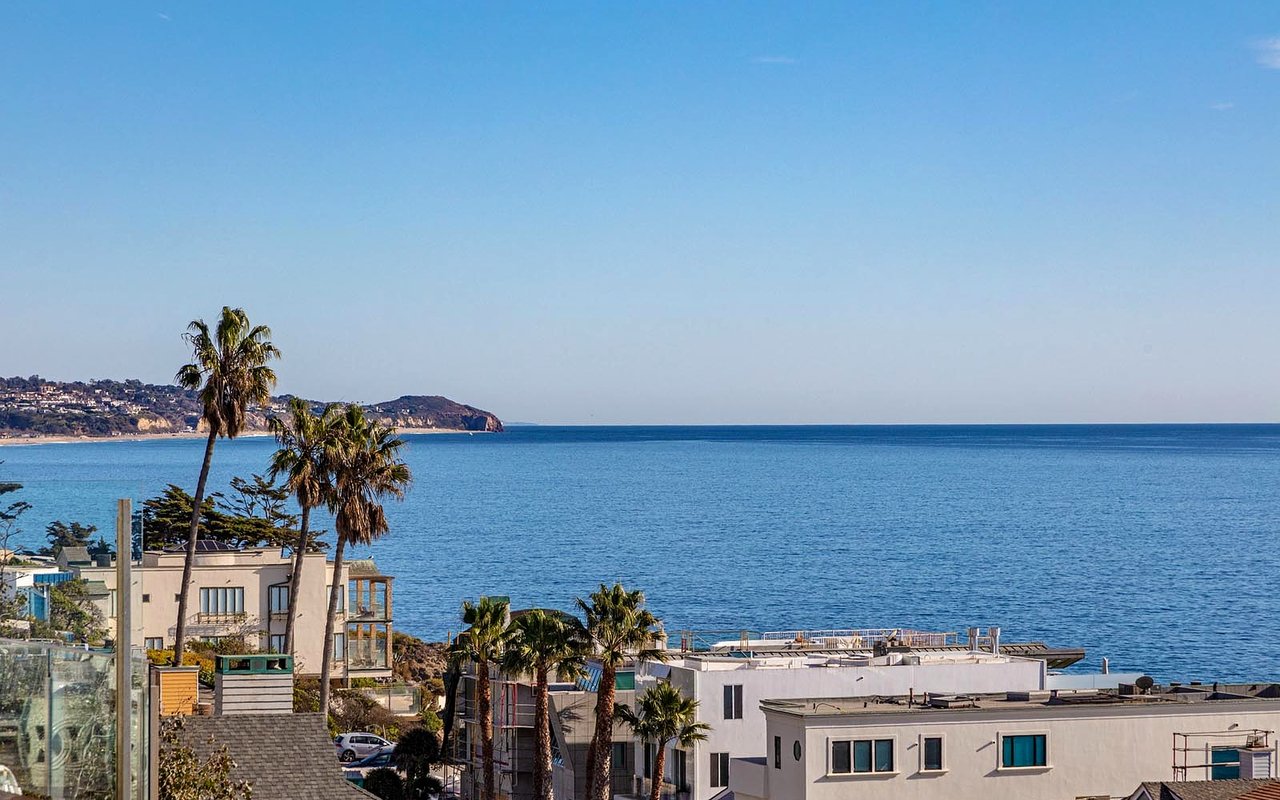
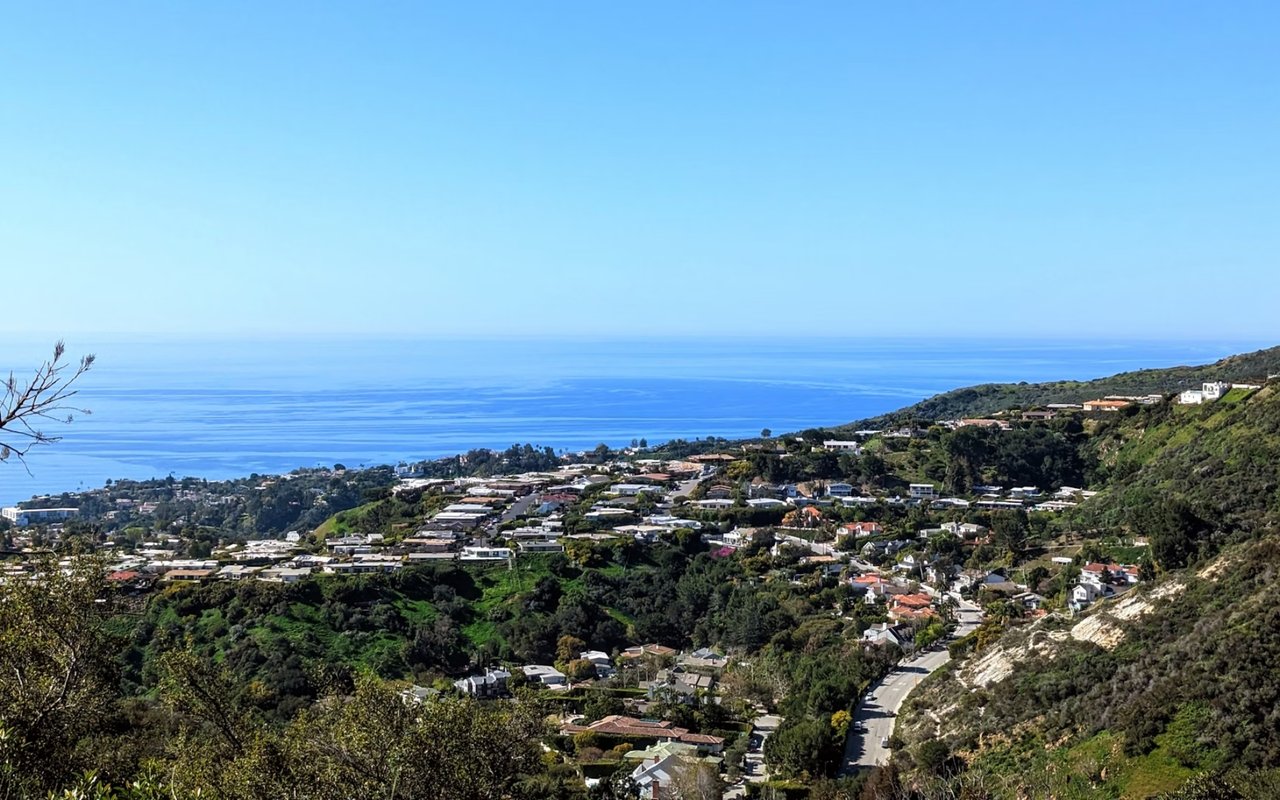
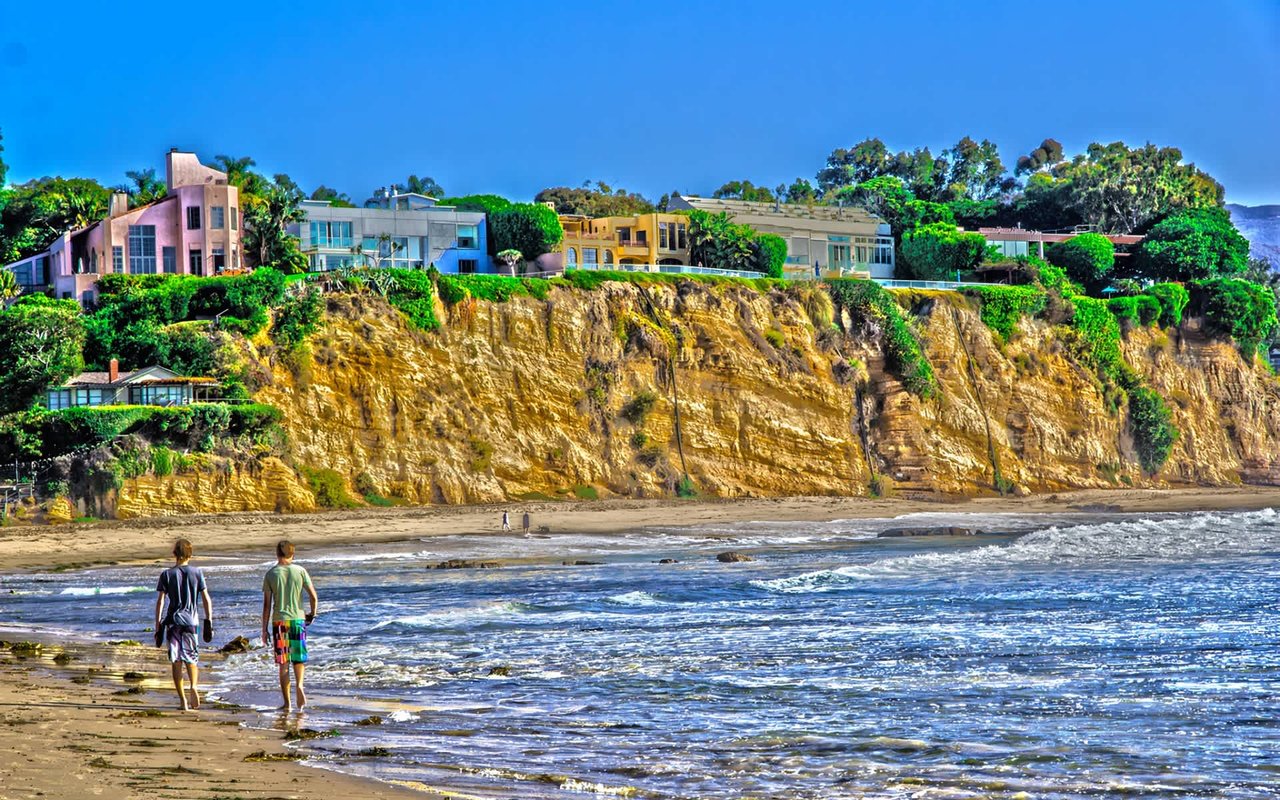
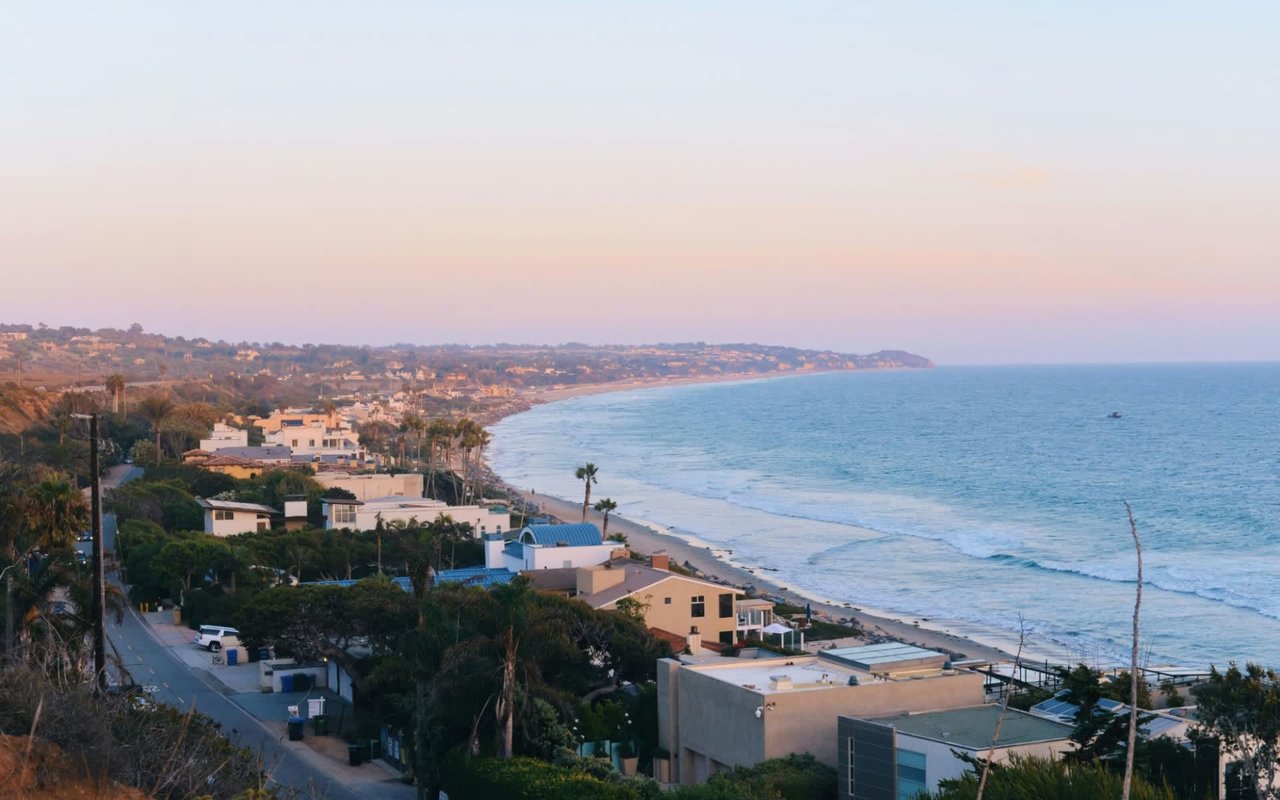
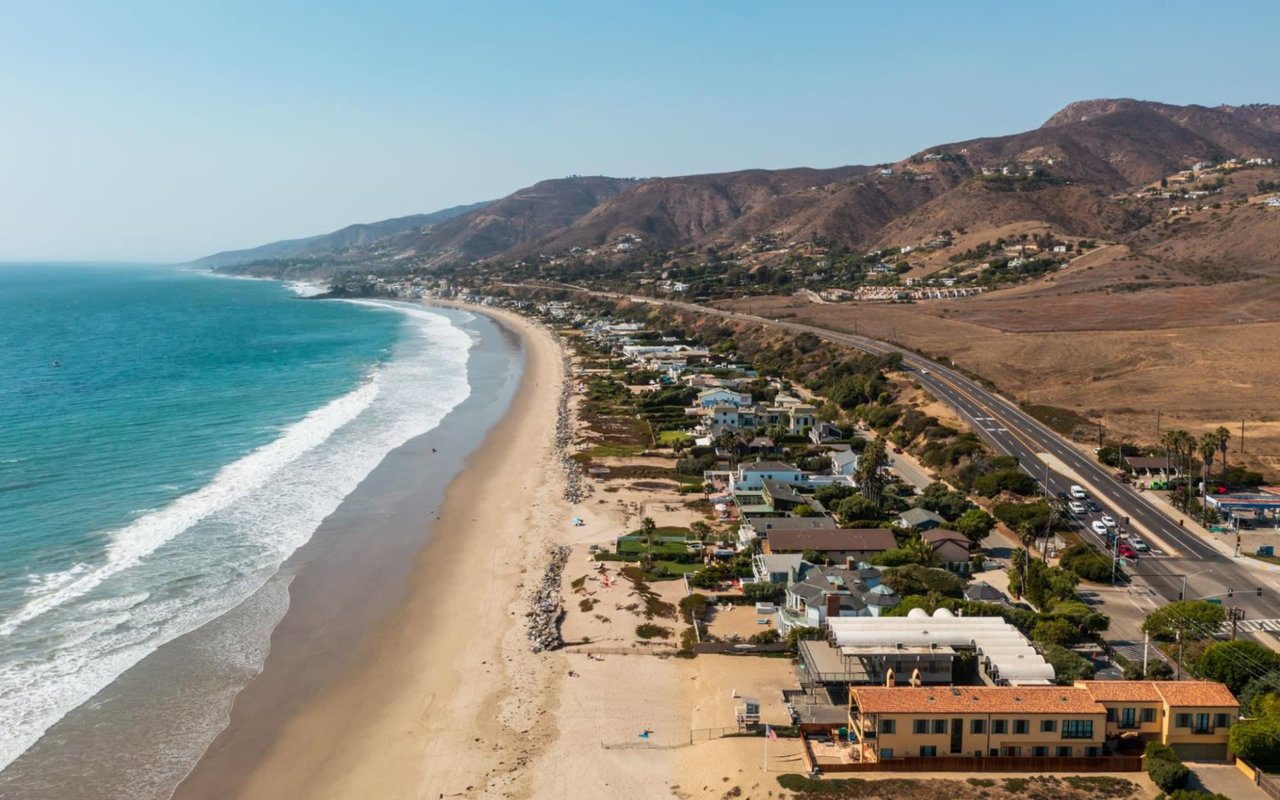
The city itself maps the coastline into distinct coastal areas, including Point Dume west/east, Malibu Bluffs, Malibu Beach/Malibu Lagoon, and Carbon Beach. These are not just labels on a map. They reflect real differences in terrain, access, development patterns, and how buyers evaluate property.
That is why a market shift in Malibu tends to show up unevenly. One area may feel price pressure quickly, while another holds firmer because supply is so limited and the properties are not easily replaced.
The 2026 Backdrop Matters, But Only So Much
The broader 2026 market has become somewhat more buyer-friendly. Freddie Mac reported a 30-year fixed rate of 6.37% for the week of May 7, 2026, while Realtor.com said April 2026 inventory was up 4.6% year over year and new listings hit their strongest April level since 2022.
In Malibu’s 90265 market, buyer leverage was already showing in March 2026. Median days on market reached 73, and homes sold about 11.5% below asking on average. Those numbers are useful context, but they do not tell you how a bluff property compares to a canyon home or how Carbon Beach differs from Malibu Park.
In other words, the headline may say “buyer’s market,” but the experience on the ground depends heavily on where the property sits and what kind of asset it is.
Beachfront and Blufftop Follow Scarcity Rules
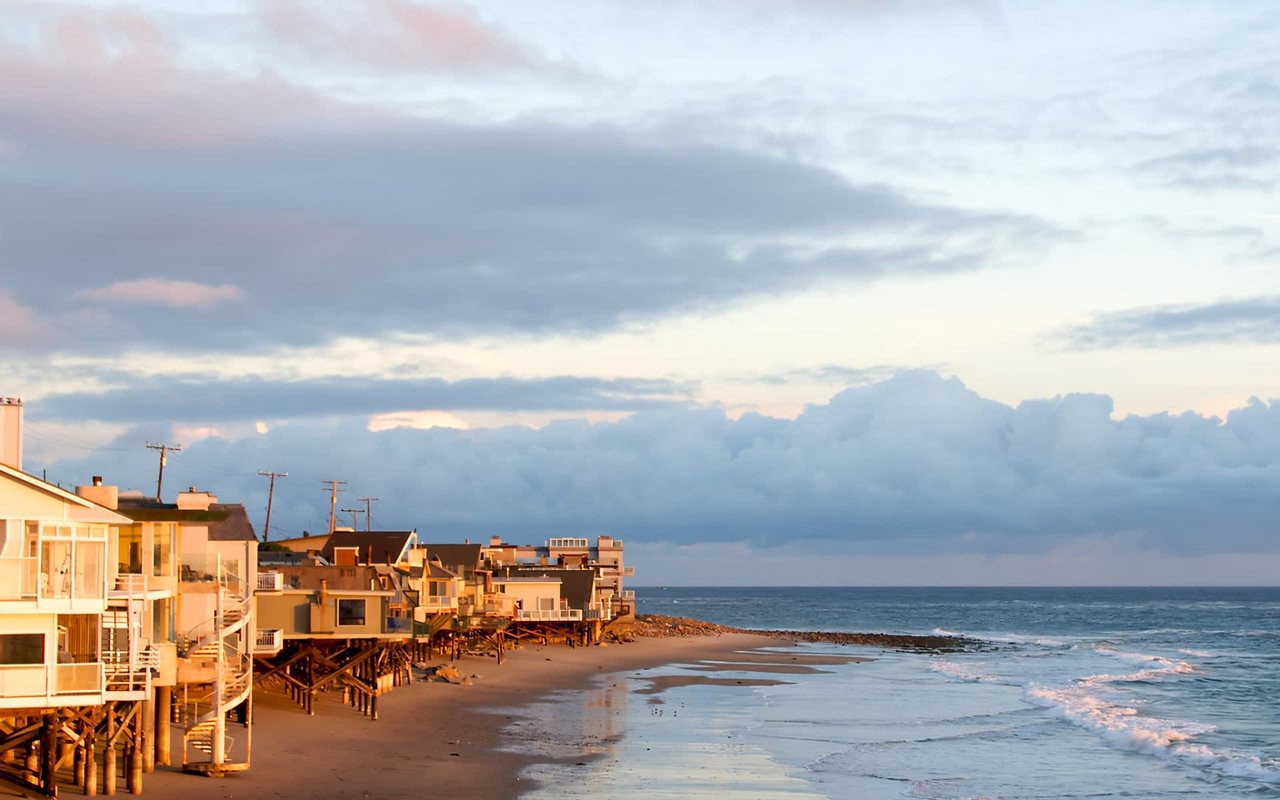
Some Malibu properties behave more like scarcity assets than standard homes. Beachfront and blufftop homes are shaped not only by demand, but also by coastal rules that limit what can be built, rebuilt, or expanded over time.
The City of Malibu’s Land Use Plan says new beachfront and blufftop development must minimize wave-run-up, flooding, and erosion risk. It also does not allow new lots that would require current or future shoreline or bluff stabilization structures over the life of the development.
That creates a very different pricing environment. In these segments, interest rates still matter, but buyers and sellers often focus just as much on lot frontage, beach access, view corridors, siting, and permitting constraints.
Why Carbon Beach Acts Differently
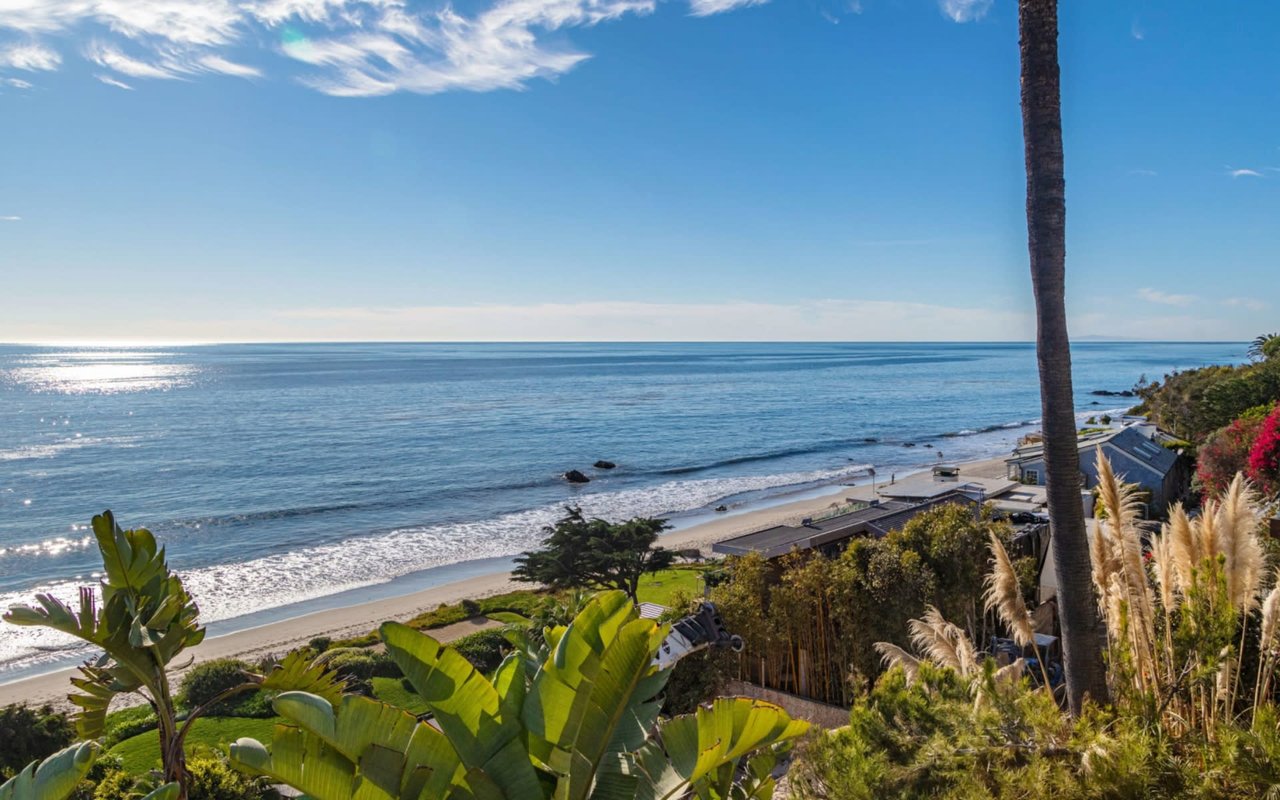
Carbon Beach is one of the clearest examples of a tight micro-market. The city’s Carbon Beach Community Facilities District covers just 44 parcels, which gives you a sense of how small the inventory pool really is.
When a market has that few possible comparables, averages become less helpful. One current Carbon Beach listing describes a 40-foot-wide, 7,000-square-foot beachfront lot with a 3,400-plus square-foot buildable allowance, while recent nearby sales have ranged from a $9 million Malibu Road oceanfront sale in 2026 to a $38 million Carbon Beach Terrace sale in 2022.
That spread does not mean pricing is random. It means the details matter more than ever. In a market shift, buyers may negotiate harder, but truly rare beachfront opportunities can still command strong attention because supply is so limited.
Not Every Coastal Area Moves the Same
Point Dume west/east, Malibu Bluffs, and the Malibu Beach/Malibu Lagoon corridor are also coastal, but they are not interchangeable with Carbon Beach. Malibu’s coastal mapping separates these areas for a reason, and the Land Use Plan notes that Point Dume’s gentler topography allowed a broader band of residential development than the narrower beachfront strip farther east.
That difference affects how inventory comes on, how buyers compare options, and how quickly prices react when the market softens or heats up. A buyer looking at Point Dume may have a different decision set than a buyer focused on a narrow oceanfront corridor with fewer truly comparable properties.
Canyon and Hillside Markets React Faster
Canyon and hillside neighborhoods often show market shifts more clearly because inventory, access, terrain, and hazard-related considerations play a larger role. These homes can offer privacy, views, and land, but buyers tend to weigh more variables before making a move.
Malibu’s 2026 Safety Element update focuses on wildfire risk, geotechnical safety, climate adaptation, and evacuation planning. Those issues are especially relevant in canyon and slope locations, where lot usability and access can materially affect buyer demand.
This does not make these areas less desirable. It simply means the market can be more sensitive to changing conditions, especially when buyers have more choices or when financing and insurance costs become more important.
What Current Numbers Show
Recent data points to meaningful variation even within Malibu’s inland and view-oriented areas:
- Point Dume: median listing price of $9.995 million, 34 homes for sale, 71 days on market
- Malibu Park: median listing price of $7.995 million, 39 homes for sale, 67 days on market
- Eastern Malibu: median listing price of $5.995 million, 118 homes for sale, 92 days on market
- Trancas Canyon: median listing price of $3.869 million, 71 days on market
- Central Malibu: median sale price of $3.559 million, about 134 days to go pending, with average sales roughly 8% below list
These numbers show why “Malibu inventory is up” is too broad to guide a real decision. A rate change may help one buyer segment before another, and homes with stronger access, better lots, or fewer practical concerns may hold up better than nearby alternatives.
Why Local Variables Matter More Here
In canyon and hillside settings, buyers often compare more than price per square foot. They are also thinking about access, terrain, privacy, insurance realities, and whether the home or lot fits their lifestyle and timeline.
That is why two homes with similar views can perform very differently in the same market shift. One may move quickly because it checks the practical boxes, while another may sit longer if buyers see more complexity.
Manufactured-Home Communities Have Their Own Cycle
Paradise Cove and Point Dume Club should not be treated as simple lower-cost alternatives to fee-simple Malibu homes. These communities operate under a different structure, and that changes how they respond to the market.
The City of Malibu has a dedicated mobilehome park liaison for Paradise Cove and Point Dume Mobilehome Park residents, along with a Mobilehome Park Rent Stabilization Commission that handles rent adjustment matters. Marcus & Millichap described Point Dume Club as a 297-site manufactured housing asset on 95.4 oceanfront acres and noted that Malibu has just two manufactured housing communities.
That alone makes supply limited. But the bigger distinction is ownership structure.
Park Economics Shape Value
Local reporting from The Malibu Times stated that residents at Point Dume Mobile Home Park do not own the land, and that some monthly space fees top $4,000. That means pricing and demand are influenced not just by buyer sentiment, but also by park ownership, space-rent rules, and scarce in-park inventory.
So when the broader Malibu market shifts, these communities may not move in tandem with single-family homes, condos, or land listings. Buyers need to evaluate them on their own terms, with the right comparable sales and a clear understanding of monthly space costs.
What Buyers Should Watch
If you are buying in Malibu, the biggest mistake is assuming a citywide slowdown gives you equal leverage everywhere. In some micro-markets, more inventory and longer days on market may create real negotiating room. In others, especially where supply is tiny and lot quality is everything, discounts may be far less predictable.
A smart buying strategy usually starts with comparing like with like. That means looking at true neighborhood peers, similar lot characteristics, similar access, and similar ownership structures.
Focus on questions like these:
- Is this a scarcity-driven coastal asset or a more inventory-sensitive hillside home?
- How many truly comparable listings or recent sales exist in this exact area?
- Are there site-specific factors such as frontage, access, views, or development constraints?
- For hillside or canyon homes, how might access, hazard, or insurance considerations affect demand?
- For manufactured-home communities, how do space fees and park structure affect long-term affordability?
What Sellers Should Watch
If you are selling, pricing off a broad Malibu average can lead you astray. Overpricing a canyon or hillside home in a more choice-heavy segment can cost you time, while underpricing a rare coastal offering may leave value on the table.
The right strategy depends on your micro-market. Beachfront and blufftop sellers often need a highly tailored comp set that reflects location and entitlement realities, while sellers in Malibu Park, Eastern Malibu, or canyon neighborhoods may need to account more directly for current competition and buyer sensitivity.
Presentation matters too, but in Malibu it works best when paired with precise positioning. Buyers here often understand nuance, and they tend to respond to properties that are priced and marketed with local credibility.
Hyperlocal Knowledge Wins in Malibu
The clearest takeaway is simple: Malibu behaves like several overlapping markets, not one. A zip-code number or citywide median can help set the stage, but it cannot replace a true Carbon Beach comp, a Point Dume comp, a Malibu Park comp, or a park-space comp in Paradise Cove or Point Dume Club.
When the market shifts, the winners are usually the buyers and sellers who stay local in their analysis. They compare like with like, pay attention to the physical and regulatory realities of the property, and make decisions based on the actual micro-market rather than the headline.
In Malibu, that kind of block-by-block understanding is not a luxury. It is the baseline for making good real estate decisions. If you want guidance grounded in Malibu’s neighborhoods, property types, and changing market conditions, the Brian Merrick Team is here to help.
FAQs
How does Malibu real estate behave when the market shifts?
- Malibu usually behaves like several micro-markets at once, so coastal, canyon, hillside, and manufactured-home areas can react differently to the same rate or inventory change.
Why are Carbon Beach home values harder to compare?
- Carbon Beach is a very small market with only 44 parcels in the city’s Community Facilities District, so pricing depends heavily on exact lot and location details rather than broad averages.
Do Point Dume and Carbon Beach move the same way?
- No. Both are coastal areas, but Malibu’s own coastal mapping and land-use context show they have different development patterns, topography, and inventory dynamics.
Why are canyon and hillside homes more sensitive to market changes in Malibu?
- These homes are often more affected by inventory, access, terrain, wildfire planning, geotechnical considerations, and insurance-related decision-making.
How are Paradise Cove and Point Dume Club different from other Malibu homes?
- These manufactured-home communities operate under park-based economics, including space-rent considerations and limited in-park supply, which makes them different from fee-simple homeownership.
What should Malibu buyers and sellers use instead of headline market averages?
- The most useful approach is to compare true local comps within the same micro-market, property type, and ownership structure rather than relying on broad Malibu or zip-code averages alone.